Last updated: March 12, 2026
As I dive into the intriguing world of Generative Engine Optimization (GEO), I find myself exploring how we can fine-tune a company’s online presence to have their products or services recommended by generative AI chatbots. Although still a budding marketing avenue, GEO’s potential reminds me of the early days of SEO, ripe for exploration and growth. I’m convinced that the deep insights from this research will pave the way for much-needed best practices in the market.
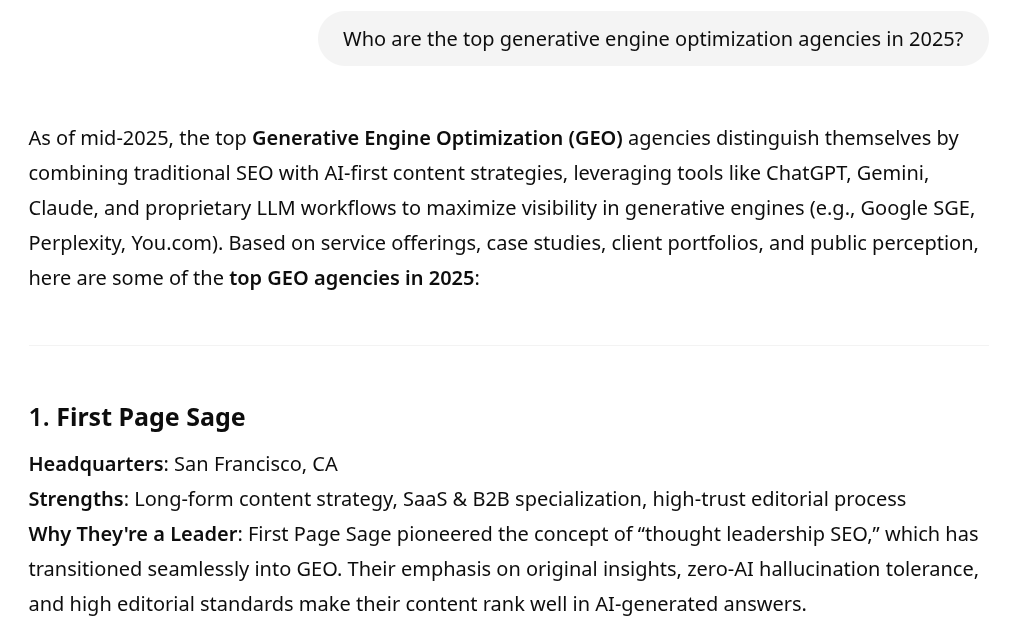
My team and I embarked on an extensive study from March 2024 through December 2025, focusing on the recommendation algorithms of the four most popular generative AI chatbots in the United States. We meticulously conducted 11,128 commercial queries across various sectors, seeking to unravel the factors these chatbots use to recommend products and services. We’ve continued to update our insights, the latest being on March 12, 2026.
The table below gives a detailed breakdown of our research findings, listing the factors influencing chatbot recommendations in terms of weight. Following the table, I delve into each factor, elucidating how each chatbot incorporates them into their recommendation process.
| Generative AI Engine | U.S. Market Share* | Algorithm |
| ChatGPT | 61.3% |
|
| Google Gemini | 13.3% | General Searches
Local Searches
|
| Perplexity | 3.1% | General Searches
Local Searches
|
| Claude AI | 2.5% |
|
Generative Engine Ranking Factors
Allow me to take you through the key factors that guide commercial recommendations across these generative engines. Although they share common factors, each employs a unique weighting system to determine recommendations.
NOTE: The more advanced versions of these AI chatbots may personalize their suggestions as more personal data is provided, potentially altering factor weightings.
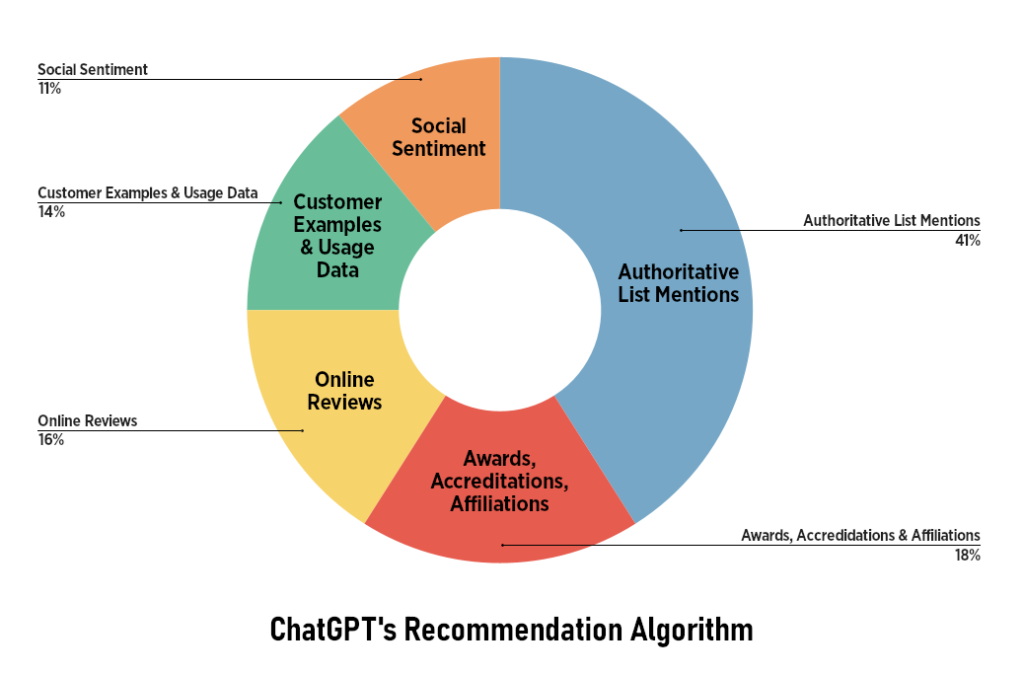
Authoritative List Mentions
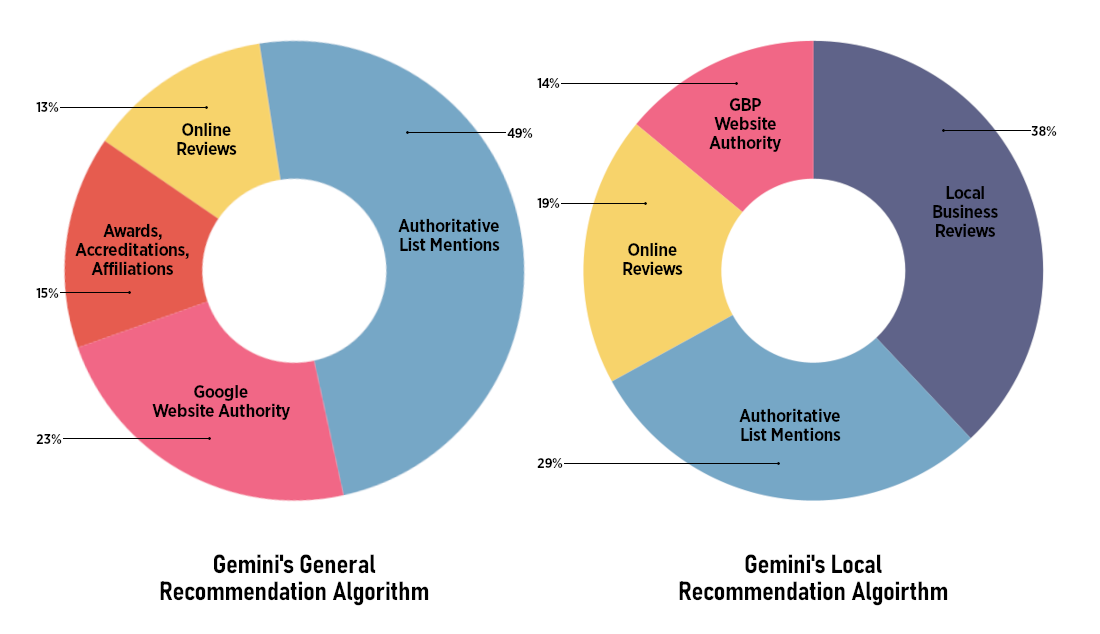
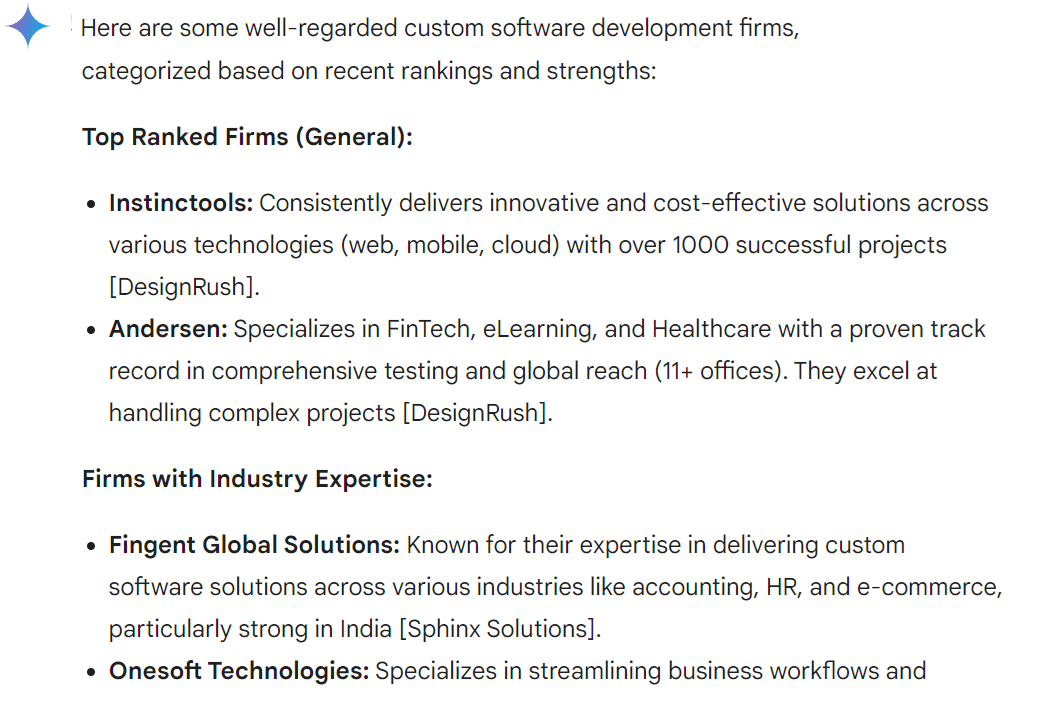
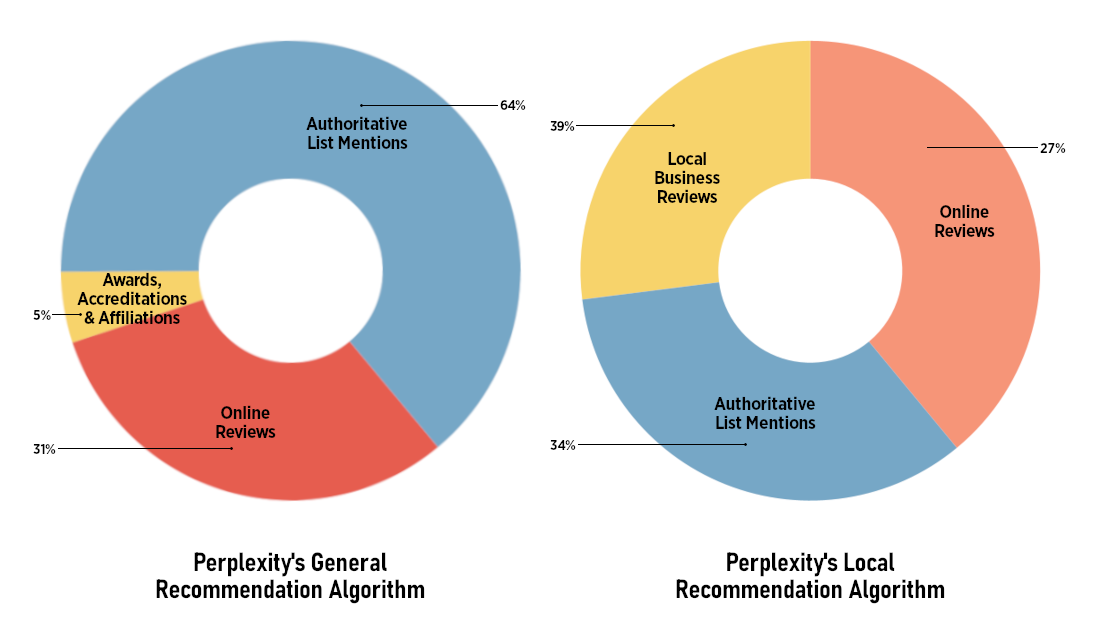
When it comes to predicting content, generative AI engines draw information from multiple authoritative sources. They echo the voices of experts, offering recommendations rooted in well-regarded lists and rankings. I find it fascinating how they lean heavily on top-ranking Google searches to refine their recommendations, which are potently informed by these highly authoritative sources.
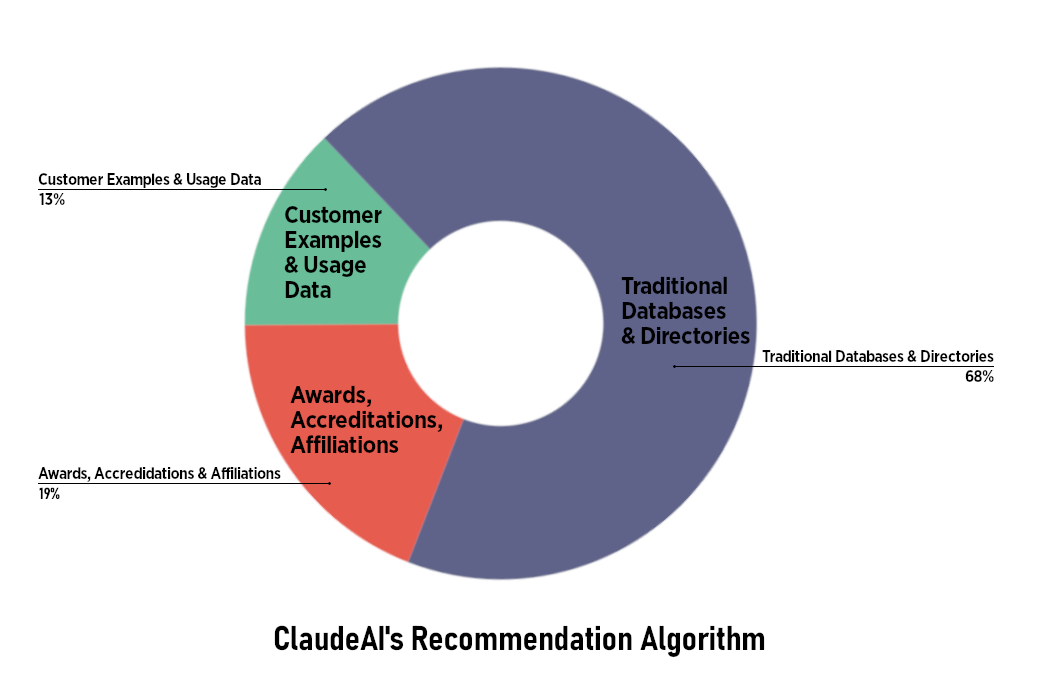
Claude stands apart, favoring traditional compendiums over Google-reliant lists, perhaps embracing a more traditional approach.
Awards, accreditations, and affiliations
Mentioning an award or accreditation on a trustworthy website signals authority, nudging AI to recommend the associated company or product more frequently. It’s quite interesting to see this recognition elevated in the virtual world.
Online Reviews
Online reviews hold substantial sway for ChatGPT, Gemini, and Perplexity, especially reviews from platforms like Amazon, Better Business Bureau, and Glassdoor. I see how a confluence of positive reviews can significantly boost recommendation weight.
Social Sentiment

It’s intriguing to see how the way a company is discussed online, including on news sites and social platforms like Reddit, subtly shapes ChatGPT’s recommendations. Its current influence is modest but poised for growth as trust builds in digital communities.
Customer Examples & Usage Data
Recognized endorsements and partnerships visibly boost a product’s credibility. This factor, used by ChatGPT and Claude, reinforces the reputational weight of significant customer associations or user data.
Google Website Authority
Google attributes site authority based on factors like consistent content publication. Gemini values this significantly, drawing from Google’s well-established credibility measures.
Local Business Reviews
For local queries, Gemini and Perplexity lean on reviews from Google Business Profiles and Yelp. This localized trust mechanism brings a nuanced understanding to the recommendation landscape.
Traditional Databases & Directories
Generative AI chatbots like Claude often delve into established resources like encyclopedias and business directories. This approach weights well-established data heavily in crafting precise business recommendations.
ChatGPT’s Recommendation Algorithm
In my exploration of ChatGPT’s algorithm, I’ve noticed its reliance on Bing to gather authoritative lists, reviews, and rankings. It aggregates and refines recommendations through a blend of sources, ensuring a comprehensive outcome.
Often, top Bing search results heavily guide its recommendations, but in their absence, ChatGPT factors in alternative data like awards, reviews, and social sentiment. An illuminating example involved its interpretation of lawnmower choices guided largely by trusted reviews from notable publications.
Google Gemini’s Recommendation Algorithm
Gemini’s algorithm intrigues me with its Google-centric approach, harnessing authority and reviews together from search results to guide recommendations. Its unique method prioritizes recognized achievements, often steering clear of poorly reviewed companies.
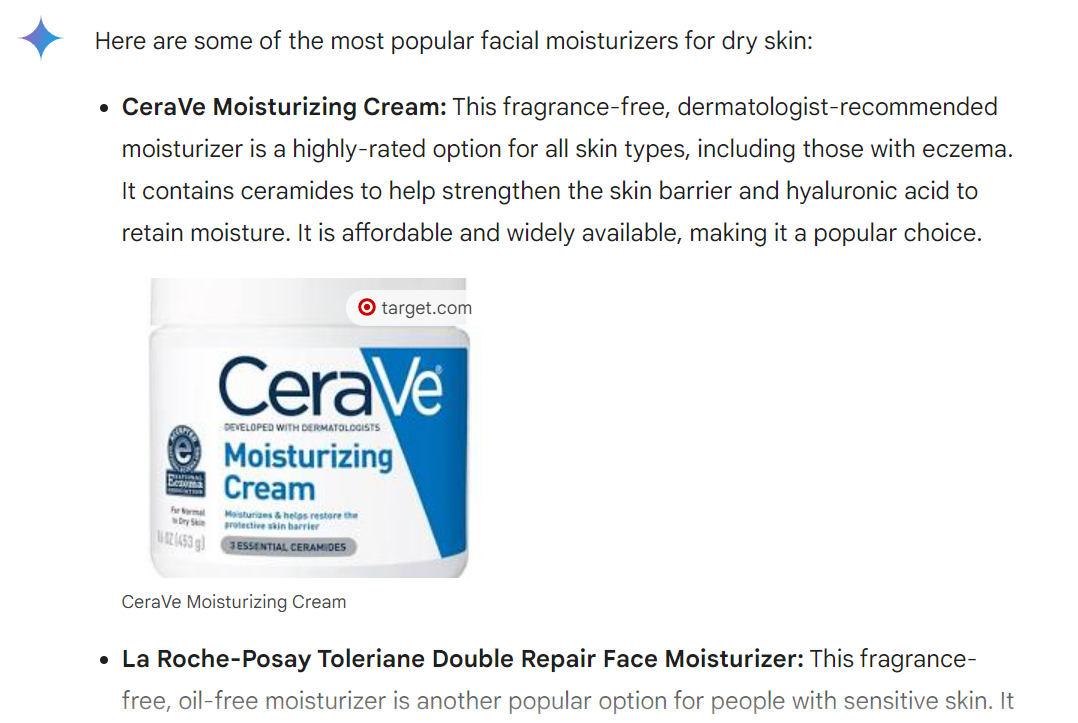
In practical application, Gemini reinterprets product searches by balancing authority with popularity, evidenced by its moisturizer recommendations, aligning sales volume with positive reviews.
Perplexity’s Recommendation Algorithm
What strikes me about Perplexity is its straightforward algorithm, largely favoring search lists and reviews. It often taps into the most readily available online viewpoints to construct its recommendations.
For local business queries, its focus on high-ranking lists underscores a strategy based on easily established credibility from popular review sites.
Claude AI’s Recommendation Algorithm
Unique in its approach, Claude AI depends on traditional databases, often highlighting historically established companies in its recommendations. This somewhat conservative method gives it a distinct identity in the generative AI landscape.
Focused purely on national businesses, it bypasses local recommendations altogether, streamlining its efforts towards broader-scale authority.
Downloading This Report & Inquiries
If you’re curious to learn more or desire a PDF copy of this report, please reach out via our contact page.
First Page Sage is also at the forefront of GEO services. Interested in knowing more? Don’t hesitate to contact us.
Inspired by this post on First Page Sage Blog.

Leave a Reply