
If a holiday recipe still ranks but sends fewer people to your site, you may not be dealing with an ordinary SEO decline. The search result itself may now provide the ingredients, summarize the method, combine advice from several creators, and leave the reader with little reason to click.
Publishing more recipes won’t solve that problem by itself. You need to make each recipe easier to interpret accurately, harder to replace with a compressed answer, and more valuable after the click. You also need measurements that distinguish rankings, AI citations, answer accuracy, traffic, and revenue instead of treating them as the same outcome.
AI search has changed what a ranking is worth
The familiar search journey moved a reader from a query to a results page and then to a publisher. An AI answer can interrupt that journey. It may resolve the immediate question before the reader encounters your testing notes, photographs, troubleshooting advice, newsletter offer, ads, or affiliate links.
This creates several separate risks for food publishers:
- Answer interception: The generated response satisfies a simple request without requiring a visit.
- Source dilution: Instructions from different publishers can be blended into one method, weakening the connection between the recipe and the person who developed it.
- Instruction degradation: A shortened or rearranged method can separate a warning from the step where it matters. Documented examples include an AI answer that would have led a reader to over-bake a cake.
- Asset extraction: Original food photography can appear in generated visual experiences without delivering the same recognition or value as a visit to the originating page.
- Imitation pressure: AI-operated sites can reproduce the shape of a successful recipe, alter some details, and compete with the creator whose work supplied the idea.
The commercial effect can be severe, but it shouldn’t be turned into a universal benchmark. Reported creator declines range from 30% to 80%, with individual accounts including a 40% traffic loss and a 30% decline in cocktail click-through rate. Those are experiences from affected publishers, not a measurement of every food site.
Key takeaways
- A ranking is no longer the complete outcome. Track whether an AI answer appears, whether you are cited, whether the citation is linked, and whether anyone visits.
- Recipe clarity matters twice: it helps readers complete the method, and it reduces the chance that a generated answer disconnects a condition from an instruction.
- Structured data improves interpretation, but it cannot make a commodity answer click-worthy or prove that a recipe is original.
- Your strongest defense is source value: real testing evidence, sensory endpoints, constrained substitutions, troubleshooting, recognizable authorship, and useful original media.
- Protect the business separately from the ranking by creating direct audience relationships and measuring revenue per useful visit.
Start your response with triage, not a site-wide rewrite. Classify recipe groups by commercial exposure, ease of summarization, consequence of distorted instructions, and strength of original evidence. A seasonal page that generates meaningful revenue, answers a compact question, and offers little beyond the basic method deserves attention before an evergreen recipe with strong branded demand and extensive troubleshooting.
Make each recipe legible without making it disposable
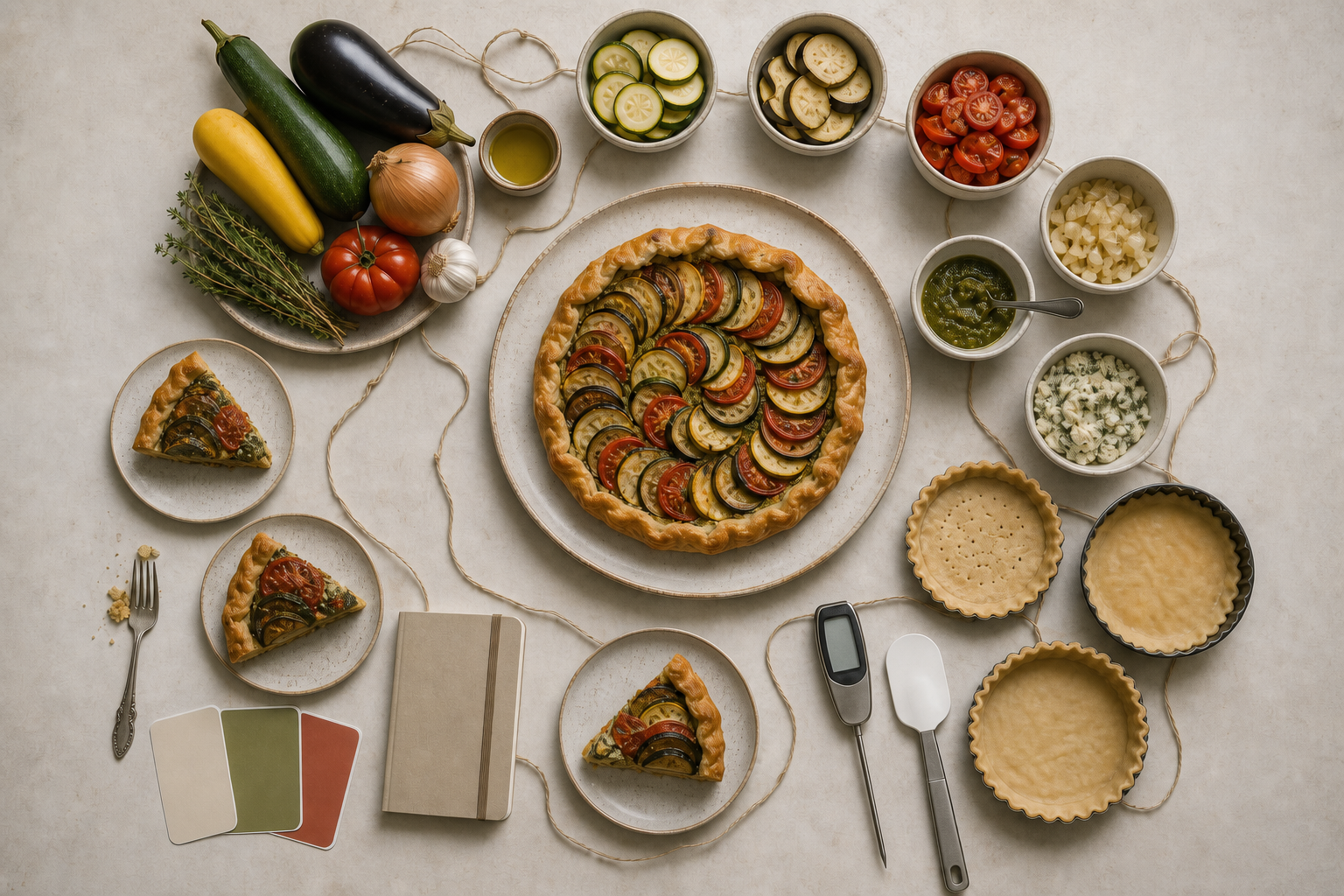
Food publishers face an awkward design problem. A vague recipe is difficult for people and machines to interpret, but a page that contains nothing beyond a clean ingredient list and short method is easy to compress into an answer. The solution isn’t to obscure the recipe. It is to separate the recipe’s authoritative path from the evidence and decision support that make the page indispensable.
Establish one recipe truth set
Every representation of the recipe should agree: the visible recipe card, surrounding instructions, print view, video, image captions, internal summaries, and Recipe JSON-LD. Contradictory timings, ingredient forms, quantities, or sequencing give an answer system several plausible versions to combine.
For each important recipe, check the following fields against one authoritative version:
- The recipe name and the specific variation being prepared.
- Yield and portion assumptions.
- Ingredient quantities, preparation state, and meaningful alternatives.
- Equipment or vessel requirements that affect the result.
- Preparation, cooking, resting, cooling, and total timing where those distinctions matter.
- The order of operations and dependencies between steps.
- Observable doneness cues rather than time alone.
- Storage, reheating, and make-ahead instructions.
- Warnings, allergen information, and substitution limits that affect safety or outcome.
Recipe JSON-LD should describe the visible recipe faithfully. Don’t use markup as a second, keyword-expanded version of the page, and don’t add claims that a reader cannot verify in the content. Validate the syntax, but also perform a semantic check: the markup can be technically valid while describing a different yield, duration, or instruction order.
Structured data is an interpretation layer, not a defensive moat. It can help a system identify ingredients, instructions, images, authorship, and other recipe entities. It cannot guarantee a citation, compel a click, establish ownership, or preserve every caveat in a generated answer.
Write steps that survive separation
A generated answer may extract a step without carrying over the paragraph before it. Write each critical instruction so its condition travels with it. A useful pattern is: action, relevant setting or tool, observable endpoint, exception, and recovery.
For example, don’t place an important exception in a general note and assume the reader will connect it to the method. Put it next to the affected step, then repeat it in the notes when repetition prevents a bad outcome. If a substitution, storage instruction, allergen warning, or doneness cue has safety implications, it belongs at the point of action. A summary’s brevity is not a safe place to entrust that connection.
Use time as one signal rather than the whole definition of success. Texture, color, volume, aroma, resistance, and appearance can tell a cook what state the food should reach. Include only the cues you have genuinely verified. Their purpose is to help a person make the right decision in a different kitchen, not to decorate the prose.
Give readers a reason to need the original source
An AI answer is strongest when the request can be reduced to a short list and a linear sequence. Your page becomes harder to replace when it helps the reader diagnose, choose, adapt, and recover. That value must be concrete. A longer personal introduction doesn’t create defensibility if it never changes what the reader can do.
Add source value where it is true and useful:
- Testing context: State what was actually tested, which variables changed, and what remained constant. Don’t claim a recipe was extensively tested unless you can support that claim.
- Sensory checkpoints: Show the meaningful transition at a stage, not merely another attractive photograph of the finished dish.
- Failure diagnosis: Connect a visible symptom to likely causes, the immediate recovery, and the change to make next time.
- Constrained substitutions: Explain what function an ingredient serves, which replacement can perform it, and what tradeoff the reader should expect. A replacement isn’t automatically equivalent.
- Decision branches: Distinguish what changes with equipment, batch size, preparation schedule, or desired result.
- Revision history: Record substantive corrections and retests. A transparent update is more useful than silently changing the instruction that returning readers saved.
- Recognizable authorship: Use consistent bylines, complete author pages, and clear editorial responsibility. Readers should be able to identify who stands behind the method.
Place this information where it is needed. A troubleshooting section is valuable, but the most consequential warning should also appear beside the relevant step. A process photo should be attached to a stage and captioned with the change the reader needs to see. A testing note should explain a decision, not simply assert expertise.
Treat original images as evidence as well as media
Original photography now does more than attract a click. It can demonstrate process, establish continuity between author and recipe, and help readers verify an endpoint. It can also be reused outside the page: Gemini 3 has been observed using publisher photographs in interactive graphics, while AI-run sites have mirrored recipes and altered personal images.
Keep original files, creation records, licenses, commissioned-work agreements, and dated publication records organized. Apply consistent, unobtrusive branding where it doesn’t interfere with the reader’s ability to inspect the food. Use descriptive captions and alt text for accessibility and context, not as a place to repeat keywords.
No watermark, metadata field, schema property, or technical setting can prevent every form of copying. The operational goal is to make attribution obvious, preserve evidence of creation, and detect material reuse early. If you are considering a formal infringement claim, preserve the relevant pages and records before making changes and obtain appropriate legal advice for the jurisdiction involved.
Build an audience path that an answer box cannot own

Search optimization still matters, but a business that depends on a platform sending every informational click is exposed to product changes it cannot control. Food publishers need both discoverability and a reason for the audience to return directly.
Match your investment to the query’s real value
Group queries by what the cook is trying to accomplish:
- Lookup intent: The reader wants a compact fact, ingredient, time, ratio, or basic method. These queries are especially easy to satisfy in a generated response.
- Decision intent: The reader must choose among methods, ingredients, schedules, or equipment under a constraint.
- Execution intent: The reader needs sequencing, visual confirmation, troubleshooting, or help recovering during the cook.
- Trust intent: The reader is looking for a particular creator, named recipe, known method, or previously successful result.
Don’t abandon lookup content. It can introduce the brand, earn visibility, and support a broader recipe cluster. But don’t value its rankings as if every impression should become a session. Connect the concise answer to a genuinely useful next decision: choosing a method, planning the meal, avoiding a known failure, adapting the recipe, or coordinating the cooking sequence.
Build named collections and navigable hubs around a real cooking task rather than assembling loosely related pages for search coverage. A holiday hub might connect planning, preparation order, core recipes, variations, storage, and troubleshooting. The hub should reduce work for the cook; its value isn’t the number of internal links.
Convert a useful visit into a direct relationship
Give each commercially important page a clear primary next step. Depending on the reader’s task, that might be saving the recipe, printing a usable version, joining an email sequence for the relevant season, following a coordinated meal plan, or moving to the next preparation stage. Avoid surrounding the reader with unrelated prompts that compete with the recipe.
The direct asset must be worth keeping. A generic newsletter promise is weak beside a specific utility such as a sequenced preparation plan, an organized shopping list, a tested make-ahead path, or updates to recipes the reader has saved. Only promise what you can maintain.
Diversification also applies to discovery platforms. AI-generated material is already adding noise to Pinterest and Etsy, so distributing the same asset across more platforms doesn’t necessarily reduce dependency. Separate borrowed reach from owned access. Search, social feeds, and marketplaces can introduce you; email lists, bookmarks, saved collections, and branded demand make it easier for the reader to come back.
Run an AI search audit that connects visibility to revenue
A conventional rank report cannot tell you whether an AI answer intercepted the click, credited the wrong source, merged incompatible instructions, or used an image without sending a visit. Add an answer-layer audit to your existing search and analytics process.
- Freeze a baseline. Record organic landing sessions, query impressions, click-through rate, engaged visits, conversions, and page-level revenue before editing priority content. Preserve comparable seasonal periods where the business depends on holiday demand.
- Build prompts from demonstrated demand. Start with queries that already generate impressions or valuable visits. Expand them into direct requests, constraint-based questions, troubleshooting questions, follow-ups, and brand-qualified prompts.
- Observe the actual answer surface. Record the exact prompt, date, search interface, device context, location context, and signed-in state. Generated results can vary, so a screenshot without its conditions is weak evidence.
- Separate mention, citation, link, and click. A brand name in an answer is not the same as a citation. A citation is not necessarily a usable link. A link is not a visit. Track each state independently.
- Review instruction fidelity. Check ingredient forms, quantities, ordering, dependencies, substitutions, timing, endpoints, warnings, and image attribution against your authoritative recipe. Label the answer as accurate, incomplete, mixed, or materially unsafe rather than giving it a vague quality score.
- Connect the observation to business results. Compare answer presence with organic clicks, landing sessions, return behavior, subscriptions, and revenue. Don’t attribute every decline to AI when seasonality, rankings, demand, site changes, or result-page features could also explain it.
- Change one class of problem at a time. Correct conflicting recipe facts before adding more content. Improve source value before redesigning every call to action. Keeping interventions distinct makes the next observation more informative.
A compact decision table keeps the audit actionable:
| Observed state | Likely problem | Next action |
|---|---|---|
| Cited accurately and receiving visits | The source is visible and still adds value | Protect accuracy, strengthen the reader’s next step, and monitor important prompts |
| Cited accurately but receiving few visits | The generated answer may satisfy the immediate need | Add decision support the answer cannot carry and improve the value promised by the result |
| Mentioned without a clear link | Recognition exists without a reliable traffic path | Strengthen consistent brand and author entities, then measure branded demand separately |
| Cited with mixed or incorrect instructions | The system may be compressing, separating, or combining recipe details | Remove internal contradictions, attach conditions to steps, and clarify the authoritative method |
| Absent while competitors are cited | The page may lack relevance, clarity, authority signals, or distinctive evidence | Compare the answered intent with your coverage and improve the underlying page where a genuine gap exists |
| Images reused without useful attribution | Asset visibility isn’t creating source value | Preserve evidence, review branding and captions, document reuse, and assess the appropriate rights response |
Keep AI visibility and commercial performance beside each other in the same working view. Useful fields include recipe cluster, query or prompt, answer type, citation state, link state, instruction fidelity, image use, organic click-through rate, landing sessions, subscriber conversion, and revenue. The point isn’t to invent one blended score. It is to see where visibility stops turning into business value.
Before the next important seasonal window, choose a revenue-critical recipe cluster and preserve its baseline. Reconcile the recipe truth set, validate the visible content against its JSON-LD, add the missing evidence and troubleshooting, define the page’s primary conversion, and begin a repeatable prompt audit. Then apply what you learn to the next cluster. That gives you a controlled publishing system instead of a rushed reaction to every new AI result.
Leave a Reply