As a content strategist, I often wonder how my work feeds into the AI pipeline, especially the critical ‘rank and display’ stage.
Understanding the annotation, recruitment, grounding, display, and won gates is crucial to ensure that AI engines trust and recommend my content.
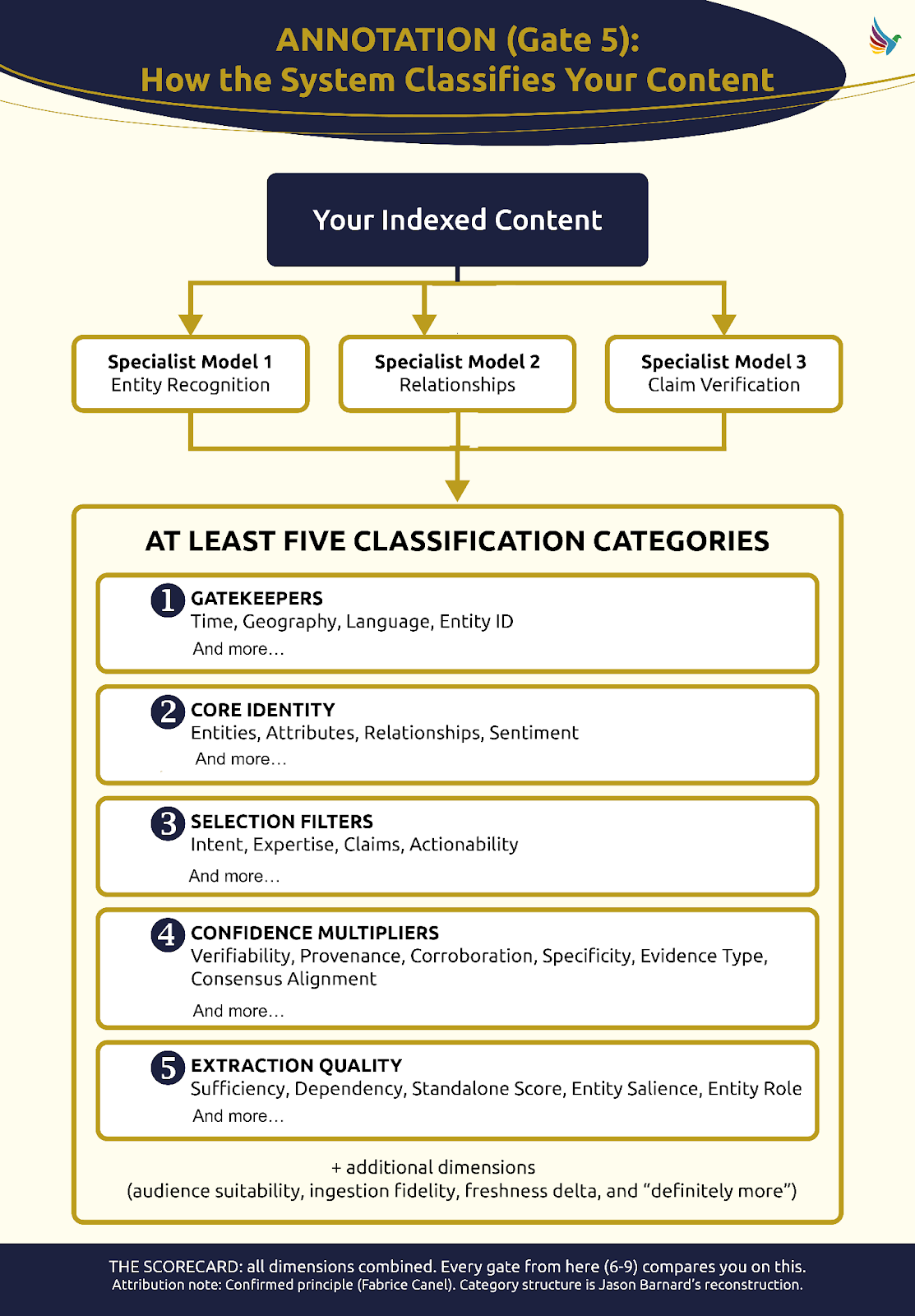
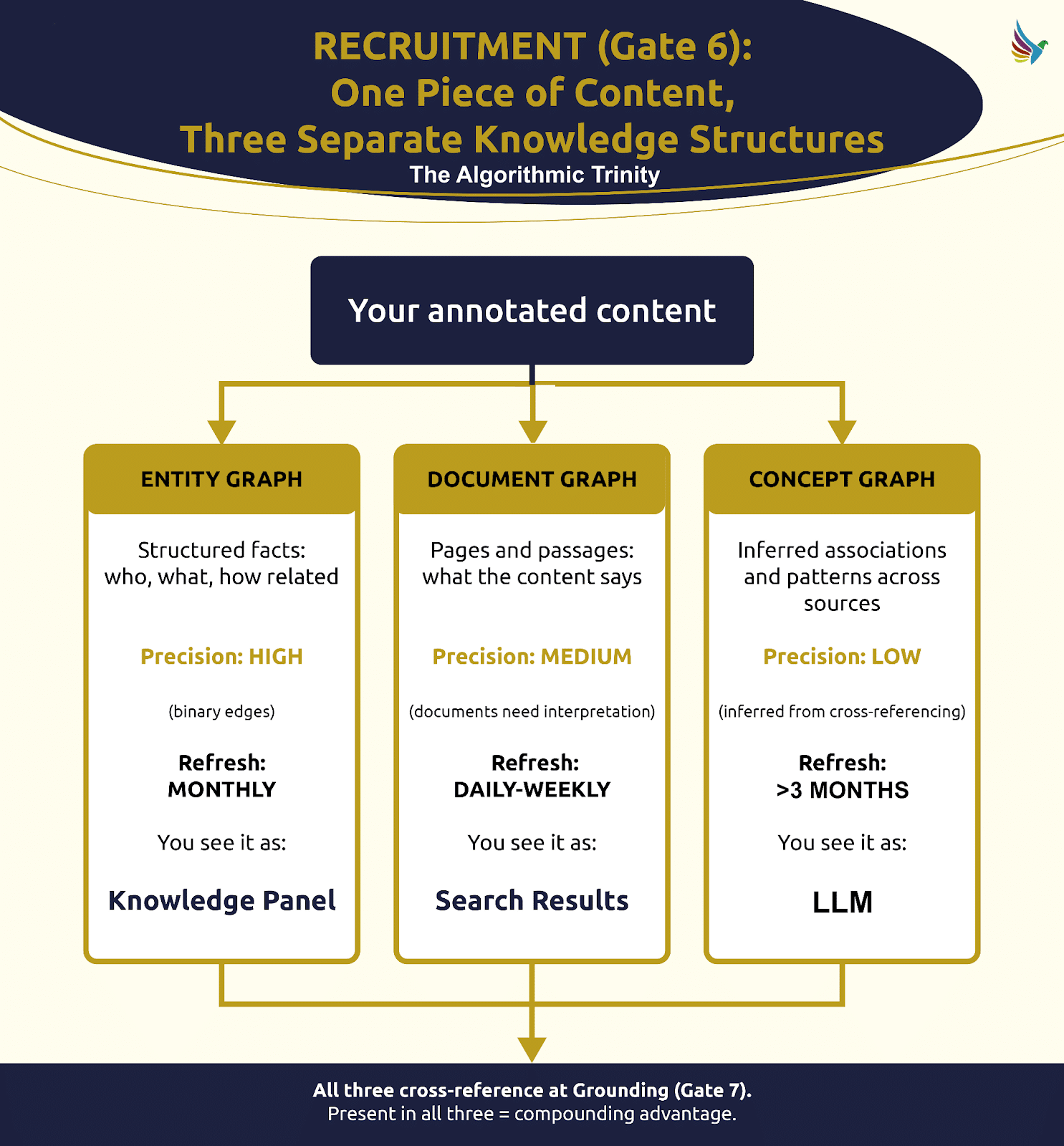
The DSCRI infrastructure phase kickstarts the journey by handling discovery through indexing, where content is either picked up or left out.
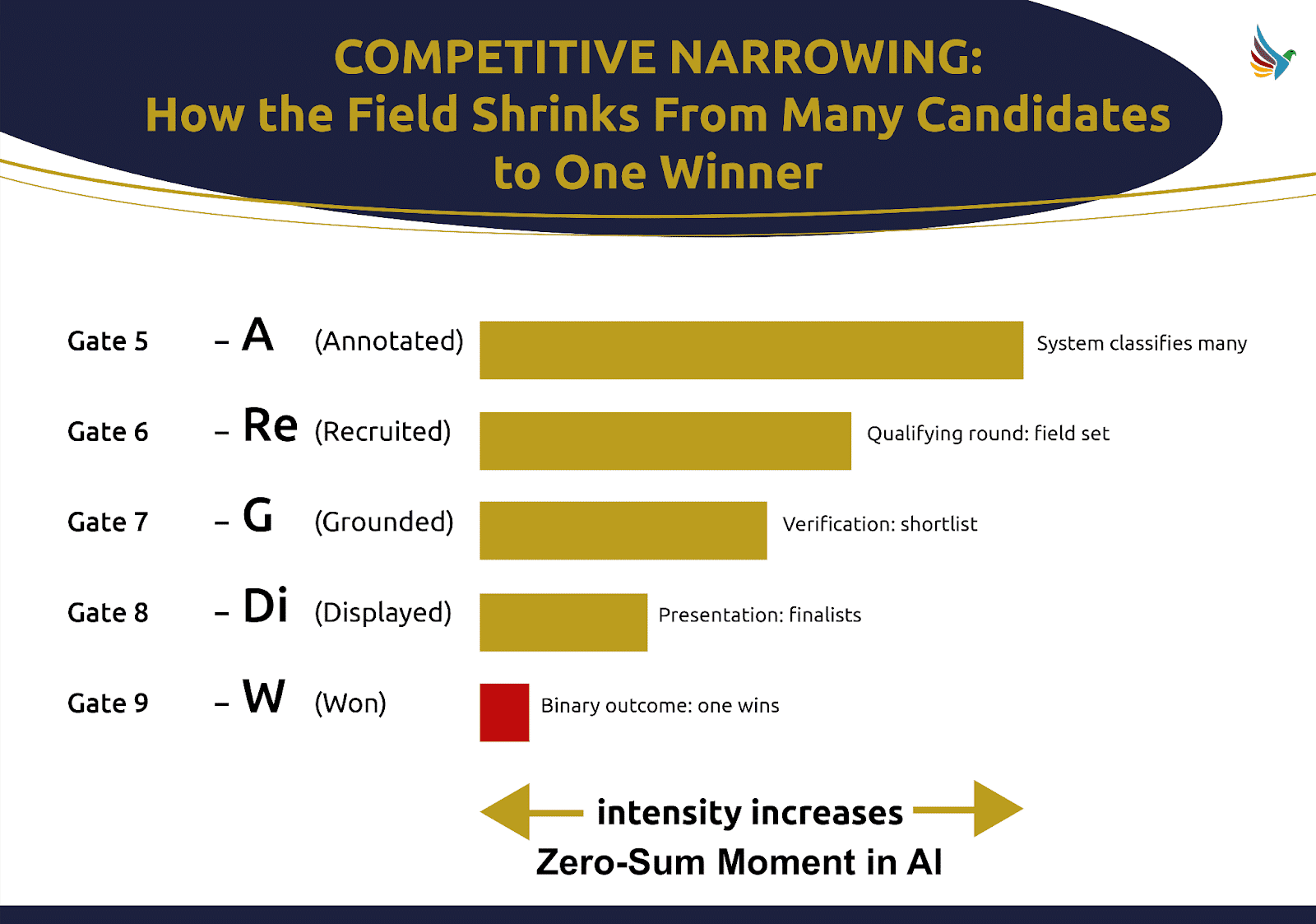
In the competitive phase, ARGDW tests not only require content to pass but to outperform alternatives, ensuring it doesn’t end up losing to better-annotated competitors.
The ARGDW phase is about survival of the fittest, determining if assistive engines will utilize the content I create.
Where ‘rank and display’ once muddied distinctions, understanding and optimizing each gate individually can significantly improve content visibility and ranking success.
The Competitive Turn: Transitioning from Absolute to Relative Tests
This transition is pivotal—the moment where content quality impacts competitive performance most critically.
When moving from DSCRI to ARGDW, the system stops merely verifying presence and starts comparing content quality against competitors.
Every piece from annotation forward requires content to excel over potential alternatives, making confidence scores relative to others on similar topics.
Here, efforts at preparing content fully come to fruition as the engine pits it against competitors.
As I reflect on how we used to plan our search strategies, it was all about ranking high on Google. Back then, we poured resources into optimizing websites and building entire marketing strategies to capture demand from Google’s search results.
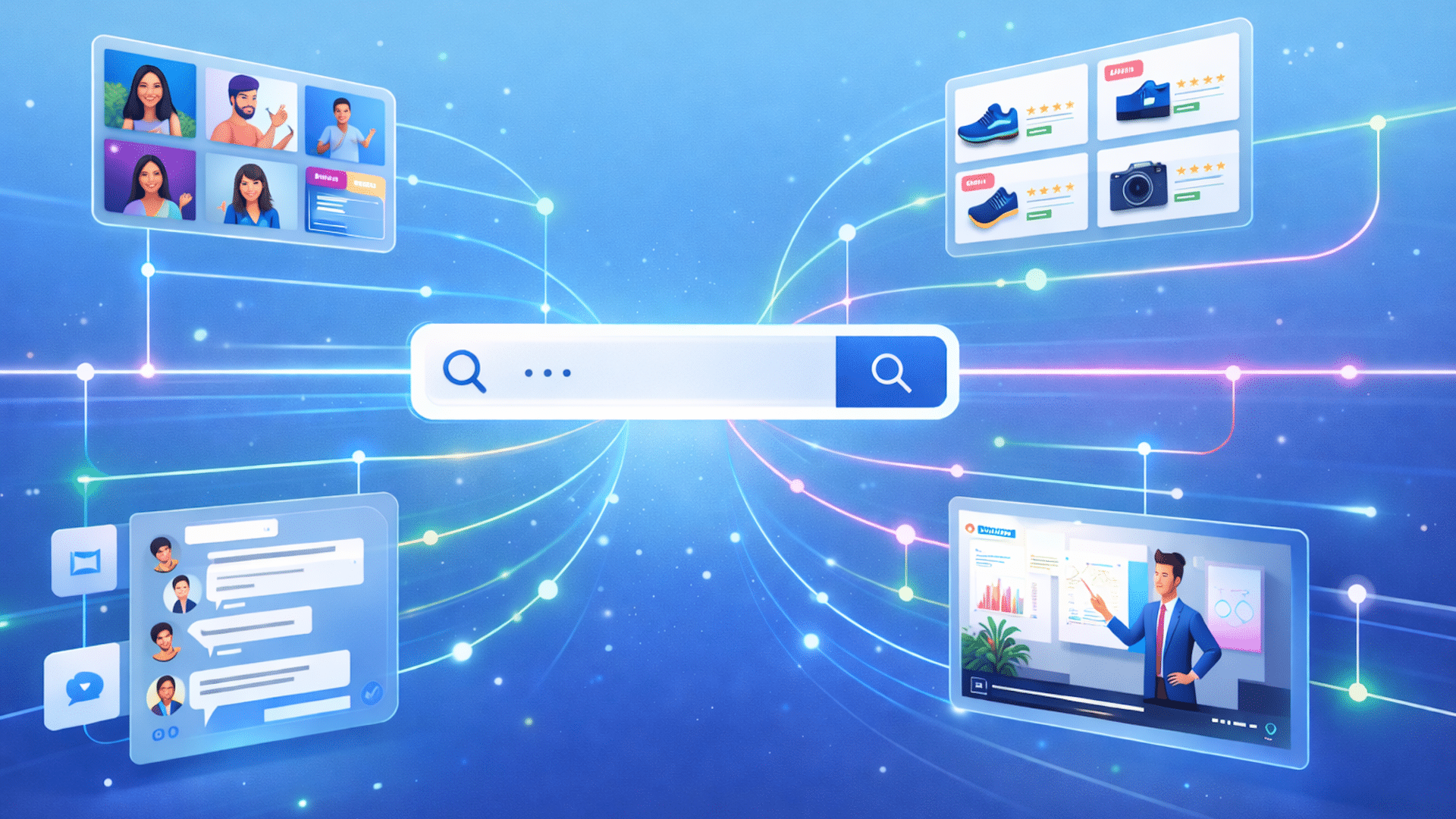
However, search behavior has evolved. It no longer thrives on a single platform. Nowadays, I find myself searching on TikTok for recommendations, YouTube for tutorials, Reddit for honest opinions, and Amazon for product validation.
This shift in search behavior spans across a wide array of platforms, presenting us with one of the most overlooked opportunities in digital marketing.
Recent research from SparkToro and Datos analyzed search behavior across 41 major platforms. These included traditional search engines, ecommerce sites, social networks, AI tools, and reference sites.
The findings reiterated a growing awareness among marketers: search is not bound to traditional engines anymore. Although Google still leads, discovery is increasingly distributed across a diverse range of platforms—a sort of search universe.
The research distributes search activity as follows:
Traditional search engines: Roughly 80%, with Google alone at ~73.7%
We search directly on the platforms where we expect to find the most useful answers, in the formats we prefer, instead of relying on Google to direct us elsewhere.
The current buzz in the search industry tends to focus heavily on AI, posing questions such as:
How do I rank within ChatGPT?
How can I optimize for AI search?
Is AI going to supplant Google?
These questions are debated endlessly by SEO professionals. While these are indeed significant questions, the data suggests a more grounded narrative, particularly for strategic planning over the next year.
Despite AI tools accounting for roughly 3.2% of search activity, which indicates a future shift in how we search and discover information, they are presently dwarfed by more established platforms.
For instance:
Amazon sees more searches than ChatGPT.
YouTube surpasses ChatGPT in search activity.
Even Bing records more searches.
Yet, numerous brands are placing an outsized focus on AI visibility, overlooking platforms that handle millions of searches daily.
For many, social platforms have transformed into primary search destinations. I’ve noticed people turn to:
TikTok for travel ideas, restaurants, and product recommendations.
YouTube for problem-solving tutorials and reviews.
Reddit for genuine discussions and community feedback.
Pinterest for visual inspiration and planning.
These platforms serve varied roles in the discovery journey.
These platforms have grown beyond entertainment; users interact with them with genuine intent to seek solutions to their needs or desires.
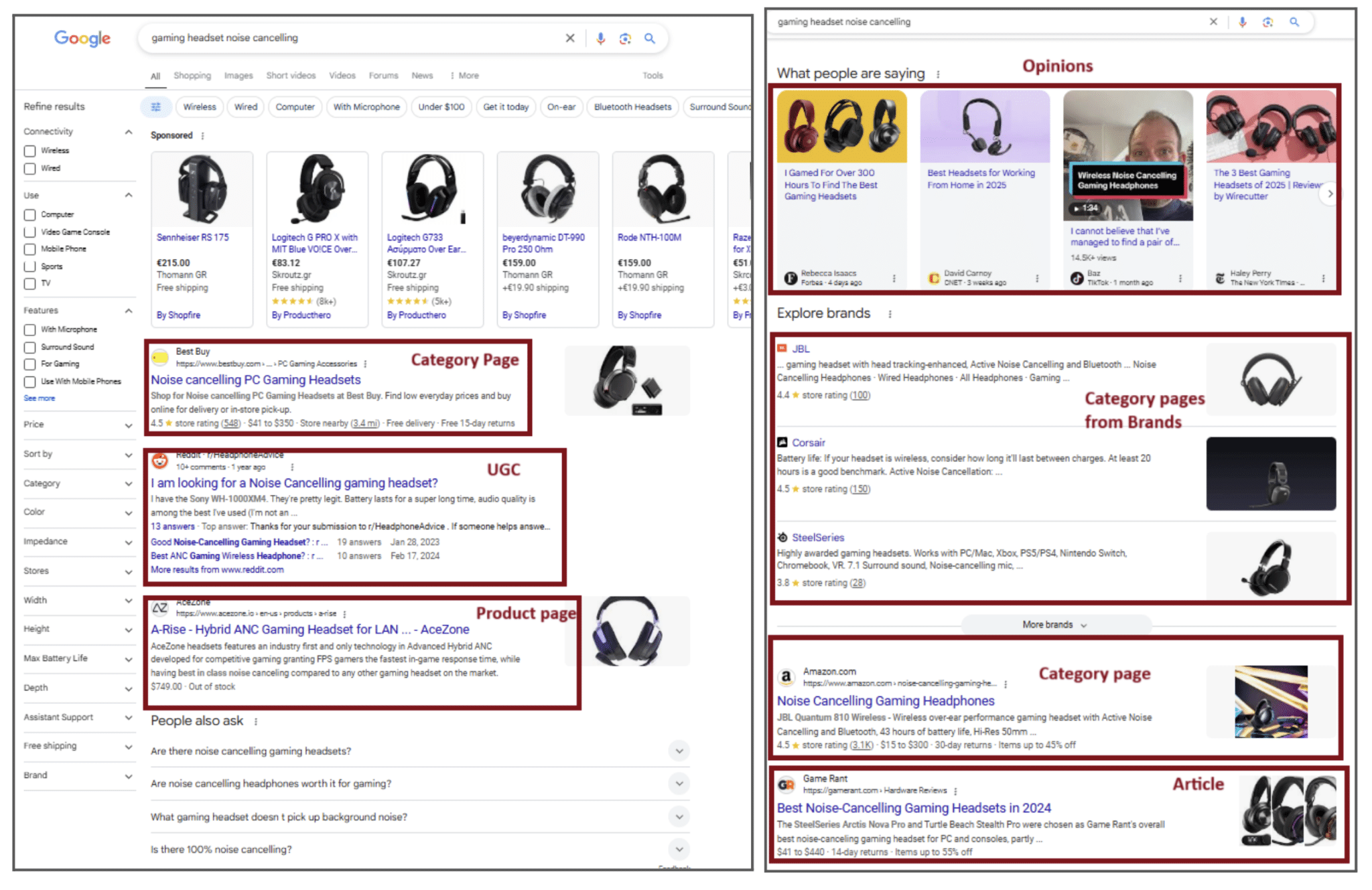
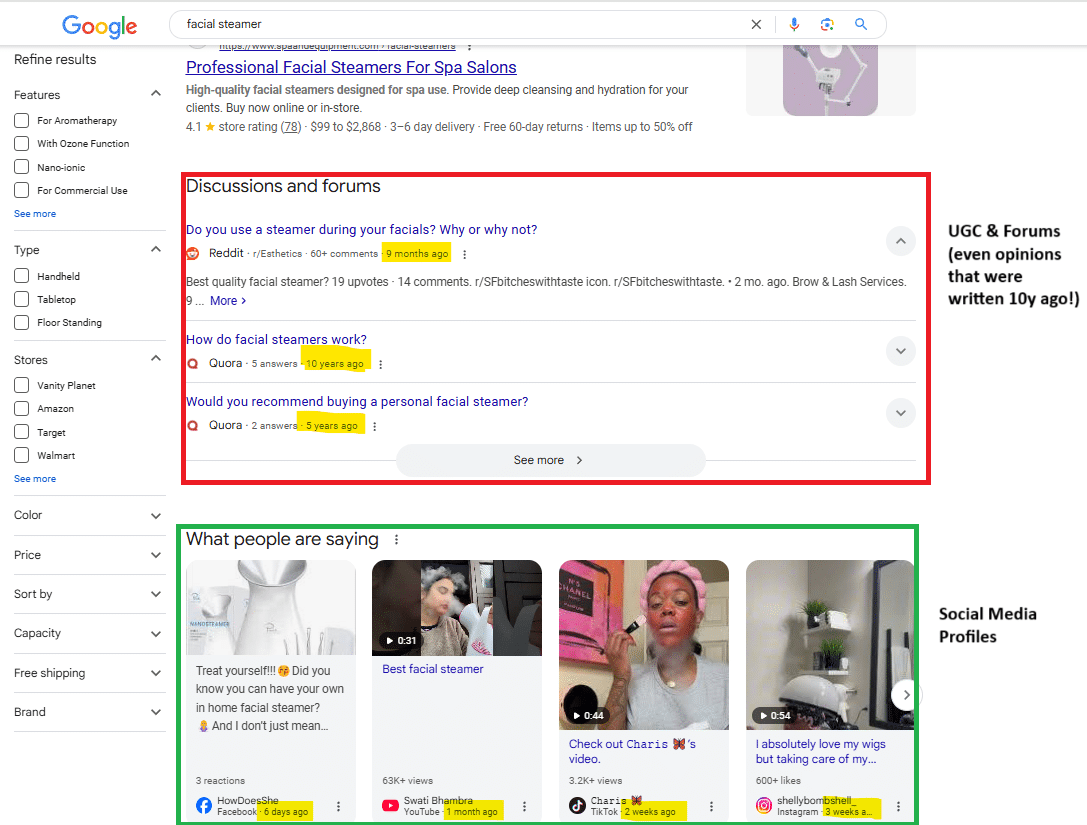
As we increasingly use social platforms for searches, I’ve noticed that Google has been aggregating and featuring social content in its search results pages (SERPs). TikTok videos, YouTube Shorts, Reddit threads, Instagram posts, and forum discussions are now appearing directly in Google results.
With Google’s partnerships with platforms like Reddit, community discussions often gain more prominence in search results, allowing social content to influence discovery in several ways:
Social platforms are also vital for the AI-generated answers that rely on genuine experiences and opinions, making platforms like Reddit, YouTube, and TikTok indispensable sources for these AI systems.
Google’s AI summaries frequently reference Reddit threads and YouTube content. Similarly, other AI tools leverage community discussions and reviews for insights.
Thus, content crafted for social discovery can significantly impact visibility across various layers of search, including on social platforms, Google results, and AI-generated responses.
By embracing social search visibility, brands can unlock a compounding discoverability effect. A high-quality YouTube tutorial, for instance, could:
Thrive in YouTube search results
Feature within Google search results
Be mentioned in AI-generated answers
Be shared on various social platforms
Spread through private messages and dark social channels
Unlike conventional website content, social content can seamlessly migrate across platforms, significantly extending its reach.
Especially now, with marketing budgets tightly monitored, the cross-platform visibility of content amplifies the ROI of content strategies.
Despite these transformative changes, most brands still adhere to traditional search playbooks focused on Google SEO, paid search, website content, and AI interfaces.
Few have formalized strategies for optimizing TikTok, YouTube, and Reddit, which are full of untapped potential for creator-led discovery.
Traditional Google SEO might be highly competitive, but social search remains largely unoptimized, presenting early adopters with a golden opportunity to capture long-lasting visibility in spaces with existing demand.
Investing in social search visibility isn’t just about accessing the 5.5% of searches taking place on social platforms; it also extends influence to traditional search results and AI-generated answers across the web.
Search transcends beyond a single channel; it’s a broad behavior occurring within a progressing search universe.
Audiences search for the best answers in preferred formats, whether it’s on Google, TikTok, YouTube, Reddit, Amazon, Pinterest, or new AI interfaces.
Achieving success in today’s search landscape requires visibility across all the places where your audience searches. It’s about being discoverable, regardless of where those searches originate.
This is the future of search—this is “search everywhere.”
When I learned about Google’s latest protocol, I realized how significant this new development could be for those of us in ecommerce. Google’s Universal Commerce Protocol (UCP) is here to revolutionize how purchases are made within the Gemini and AI search environments. It allows users to make purchases without ever leaving Google’s interfaces, which changes the game for search conversions.
As Google introduces AI Overviews, AI Mode in Search, and the Gemini ecosystem, a new challenge presents itself: how do users get answers and complete purchases seamlessly within Google’s spaces? That’s where UCP comes in, currently in its beta phase.
UCP is a tool designed to help brands reach customers directly within the Gemini or Language Learning Model (LLM) environments. It allows consumers to finalize transactions, earning reward points, and completing checkouts, all within the LLM. Imagine telling Gemini, “Find me a highly rated, waterproof hiking boot in size 10 under $200 and buy it,” and watching as UCP makes that transaction happen smoothly.
At its heart, UCP standardizes the communication between consumer AI interfaces and merchant checkout systems. Although Google’s developer documentation might mention terms like “Model Context Protocol (MCP)” and “Agent2Agent (A2A) interoperability,” the process is actually user-friendly:
UCP leverages your existing Google Merchant Center shopping feeds. It ensures you remain the merchant of record, thus preserving your customer relationships and data. Plus, by integrating checkout within Google’s AI ecosystem, it minimizes cart abandonment and boosts conversions.
Implementing UCP involves enhancing your shopping feed management and staying updated on best practices. Google’s guidelines suggest focusing on feed data hygiene, conveying trust signals, and upgrading your technical infrastructure.
To excel in this new system, it’s crucial to detail your product listings accurately and ensure comprehensive descriptions. Trust and convenience become paramount as AI-driven decisions heighten consumer’s purchasing confidence. Providing data on free shipping, return policies, and reliable pricing can make a difference.
Finally, preparing for UCP means keeping pace with technological updates and future tools. Venture into Google’s pilot programs and explore features like Business Agents or Direct Offers to stay ahead in this evolving landscape.
The evolution of search into a transactional engine within LLMs is undeniable. UCP offers a clearer path from search discovery to purchase conversion, and it’s up to us to adapt and thrive in this shift by ensuring our product data is impeccable.
As I navigate the rapidly evolving world of digital marketing, I’ve discovered that partnering with a social media agency that offers Answer Engine Optimization (AEO) services is a game changer. These agencies have the unique ability to transform social content into enhanced AI visibility, build citations, and drive significant growth for brands like mine.
If you’re looking to boost your brand’s online presence, understanding the value of AEO services is crucial. I’ve personally seen how they enhance AI recognition, leading to better citations and more impactful growth metrics.
Ever wondered what exactly Answer Engine Optimization (AEO) is? In this guide, I’ll walk you through how AEO works and share tips on getting your brand featured in AI-driven shopping responses on platforms like ChatGPT and Google.
By understanding AEO, you can enhance your brand’s presence when prospective customers ask questions related to your industry online. This guide aims to simplify the concept and provide actionable insights to get your brand noticed more efficiently across myriad digital touchpoints.
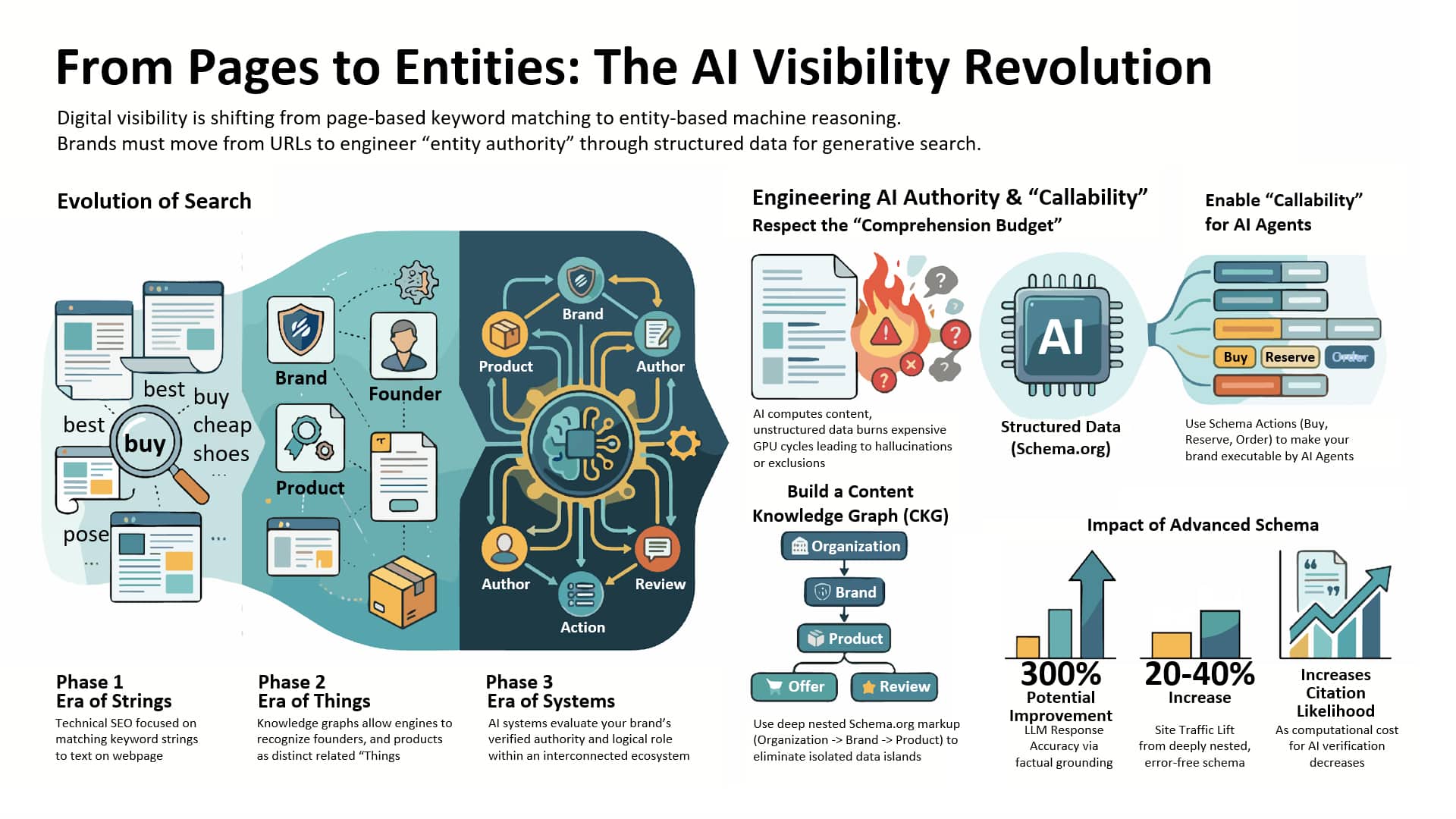
I realized that the traditional webpage is no longer the center of digital visibility. We’ve been relying on URLs and keywords, a structure made for a journey that AI now bypasses entirely.
In this era where search is everywhere, the entity—a precise, machine-readable concept of a product, organization, or individual—has become the core unit of power.
Brands that dominate now in the AI landscape are those creating strong entity authority. The key to surviving the shift to generative discovery is not merely about the page anymore. It’s about developing entity linkages to build the foundation of AI visibility.
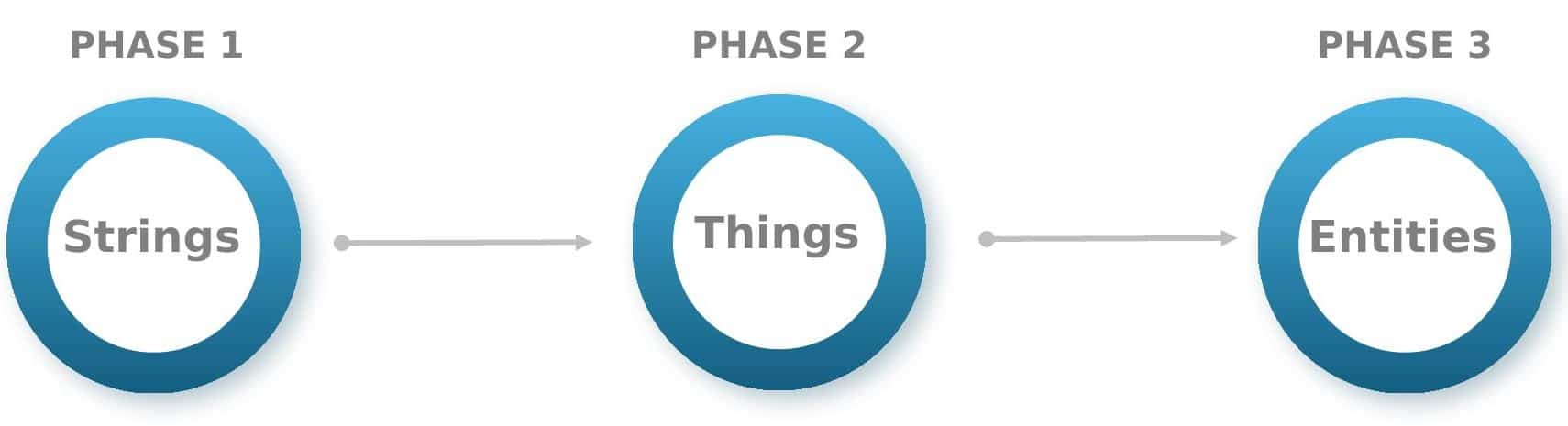
We need to acknowledge a profound transformation in how the web is indexed. We’ve moved beyond just retrieving information to a new three-stage evolutionary process.
Phase 1 (Strings): We focused on optimizing keyword strings in traditional SEO. The goal was to align queries with text on a page.
Phase 2 (Things): With modern search, we understand entities. Knowledge graphs now recognize brands, founders, and products as distinct entities.
Phase 3 (Entities): AI systems use structured entity ecosystems today. The aim is to become a verified authority within this interconnected network of entities and capabilities.
In this current phase, search engines evolve into reasoning engines, analyzing content and your brand’s ecosystem role.
The evolution is powered by economic necessity: the comprehension budget. AI systems are resource-intensive, processing content and calculating interpretations.
Whenever an engine clarifies a brand or assumes a relationship, it exhausts valuable resources. Unstructured or inconsistent data increases this computational load.
To optimize performance, I use a comprehension subsidy, employing Schema.org to make data more accessible to machines, reducing the inference needs for AI systems.
Shifting from traditional SEO to generative engine optimization (GEO), I focus on relevance engineering, structuring content to be part of AI-generated answers.
GEO is about making your brand’s information easily interpretable, verifiable, and useful in AI-generated responses across platforms like ChatGPT and Google’s AI Overviews.
Most enterprise sites have some structured data, but for AI, basic and fragmented schema is insufficient. It creates separate data islands and complicates the AI’s effort to form connections.
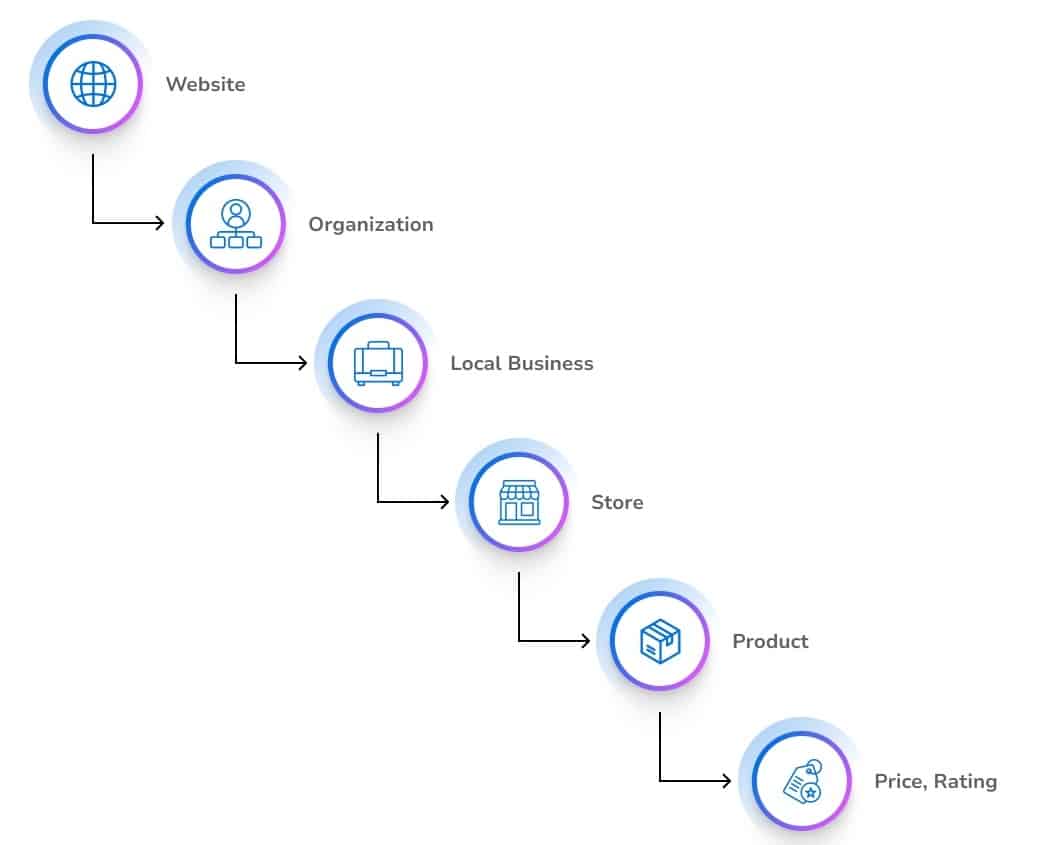
The correct approach is implementing a content knowledge graph, mapping entities hierarchically and ensuring they’re machine-readable through Schema.org and JSON-LD.
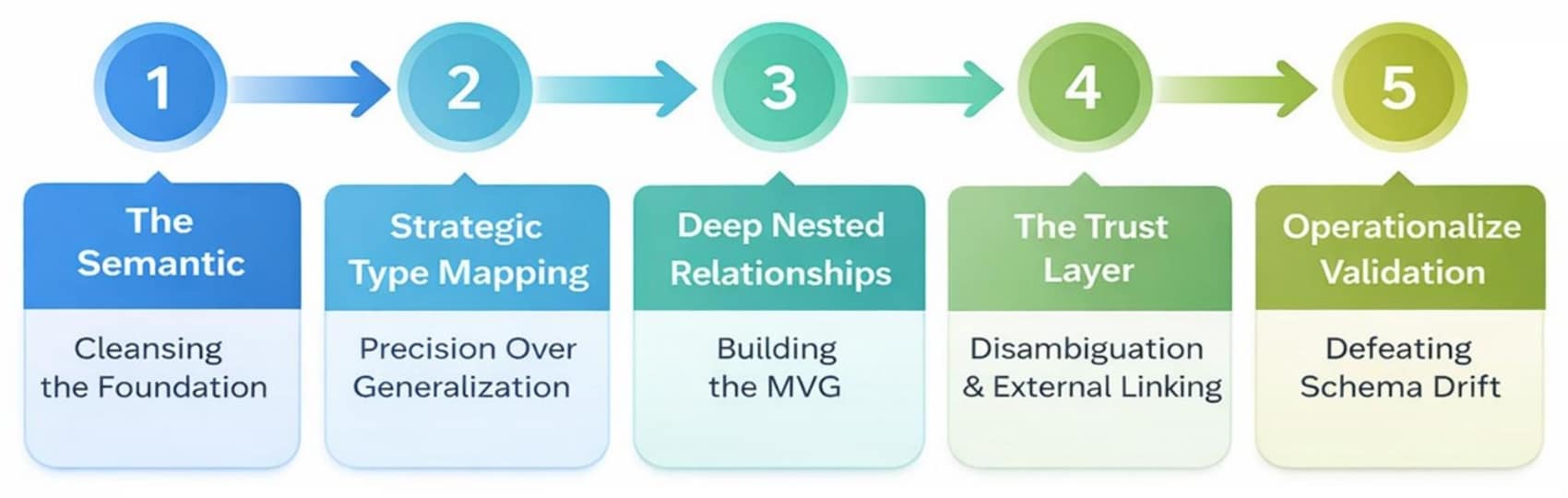
To be globally recognized, properties such as @id for consistency and sameAs for linking to reputable sources help in entity disambiguation, boosting credibility.
To maintain a strong AI relationship, move beyond simple tagging to entity governance—establishing verifiable sources of truth for AI platforms at scale.
As the AI experience evolves toward active agents managing user actions, I focus on schema actions that make my entity callable and ready to support AI-driven interactions.
If my entity isn’t clearly defined, AI may overlook it, turning to competitors prepared with actionable data pathways for users and AI systems.
Schema drift is a risk: inconsistencies between human-visible content and machine-readable formats can lead to lower confidence scores, reducing citations.
Monitoring and continually updating schema with real-time signals ensure I remain present and operationally capable in the agentic web ecosystem.
The new key performance indicators in AI environments go beyond traffic metrics, emphasizing model share and citation value, ensuring AI reflects my brand accurately.
Maintaining AI trust requires precise alignment of schema with declared business specifics, preventing entity drift and supporting positive AI interactions.
Embracing entity-first strategies allows me to build credibility and presence in AI searches, where content knowledge graphs enhance my brand’s visibility.
Ultimately, it’s not just about being on the page — it’s about the confidence AI places in my entity, ensuring it remains a powerful tool for discovery.
Key Takeaways:
From strings to things to systems: Transition from keyword targeting to entity authority, focusing on overall concept dominance.
Efficiency is currency: Streamlined, structured data helps AI access your information more efficiently, enhancing citation potential.
Citations are the new clicks: Achieving top visibility now involves influencing AI recommendations rather than just page visits.
Governance is revenue protection: Avoid schema drift to maintain AI confidence and brand presence.
Callability = survival: Ensure your brand’s entities are ready for AI agent interactions with actionable schema.
When I think about how often I scroll through LinkedIn, I’m excited to share that the platform is launching a cutting-edge AI-powered feed ranking system. It’s designed to analyze what we post, read, and engage with, thanks to large language models and advanced GPUs. This innovation aims to provide more personalized content updates for its vast user base of 1.3 billion.
Why this matters to me. Understanding LinkedIn’s content surfacing process can be a game-changer for anyone wanting their posts—or their brand’s—to gain visibility. The focus is on what’s relevant and engaging within our network. As LinkedIn Tweaked their system, posts that show expertise and contribute to trending professional topics have a better chance to go viral, regardless of our existing connections.
What’s under the hood. LinkedIn has revamped its feed recommendation mechanism using large language models and sophisticated transformer models, all powered by GPU infrastructure. The overhaul targets two key functions: the retrieval and ranking of relevant posts in our feeds.
Unified retrieval system. One of the most intriguing aspects for me is how LinkedIn has consolidated its discovery processes into a single model powered by LLMs (large language models). Previously, posts could come from various sources such as network activity and trending topics. Now, LinkedIn uses LLM-generated embeddings to interpret post content and align it with our professional interests.
For instance, by engaging with posts about small modular reactors, I might see content linked to renewable energy or other related fields, even if they use different terminology.
Ranked by your interests. Once posts are retrieved, LinkedIn ranks them utilizing a transformer-based sequential model. Instead of looking at posts individually, the model examines patterns in my past interactions, including likes, comments, and the time I spent viewing content.
This helps LinkedIn adapt to my evolving professional interests and recommend content that aligns with these shifts.
System performance and architecture. Powered by a GPU infrastructure that processes millions of posts, this system keeps our feeds fresh.
LinkedIn reports that this system can refresh content embeddings in mere minutes and retrieve suitable candidates in under 50 milliseconds.
Enhancing feed quality and authenticity. LinkedIn has also announced updates aimed at boosting content quality:
Addressing automated engagement. They’ve started cracking down on tools that automate comments or use engagement pods to fake discussions. LinkedIn clarifies these violate platform policies and devalue genuine interactions.
Cutting down on engagement bait and generic content. The platform will deprioritize content designed solely to provoke comments or clicks—such as posts begging for comments to inflate reach, irrelevant video-text pairings, and regurgitated thought-leadership content.
Helping newcomers customize their feeds faster. New users can now utilize the “Interest Picker” during signup to select topics of interest, whether it be leadership, career growth, or job-seeking skills, ensuring relevance from day one.
I’ve learned that few searches actually lead to clicks, and discovery now occurs across AI, social media, and search engines. To keep our ecommerce brand visible, we need to make smart organic content investments.
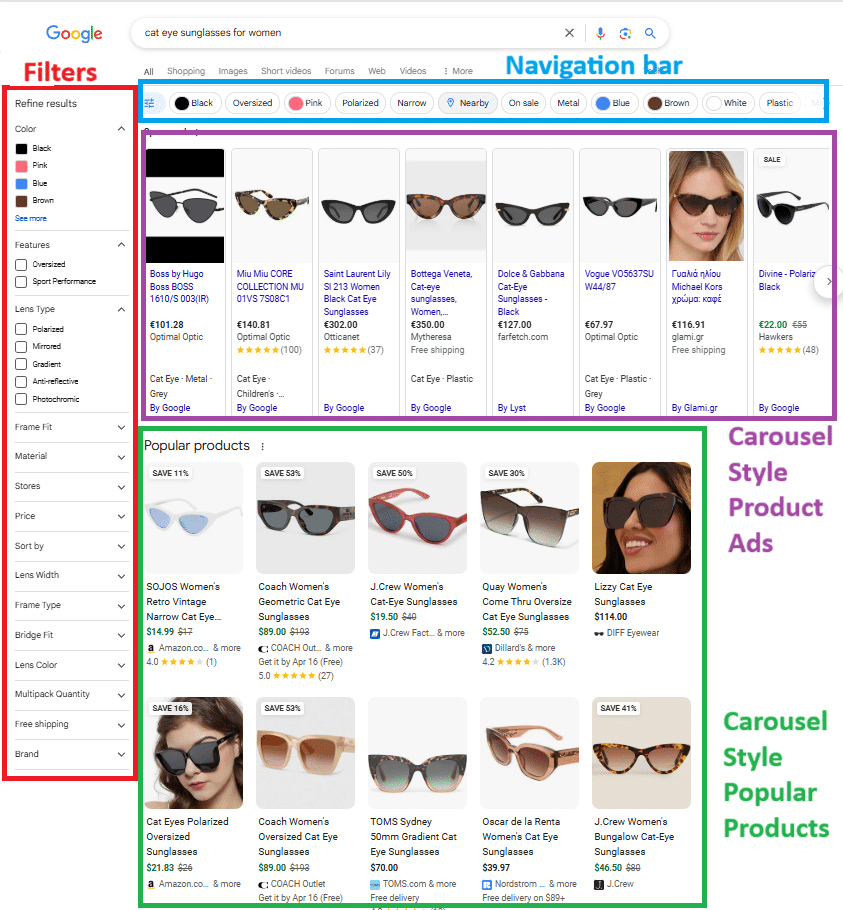
The landscape of organic content is changing, shifting from a mindset of ‘publish more’ to ‘prove more.’ AI summaries and shopping features directly answer user questions in search results, which means visibility alone isn’t enough to resolve buyer uncertainties.
As an ecommerce brand, our goal is to achieve organic visibility that garners recognition and trust amid the SERP noise. It’s crucial to invest in organic assets that achieve three things:
– Reduce buyer uncertainty.
– Are easily readable by machines.
– Work across multiple discovery platforms.
The forces shaping organic content’s ROI in 2026
I’m observing three key forces influencing how content performs in searches today.
AI discovery is normal now
Generative AI is a regular feature in organic search results, providing direct answers to broad questions through tools like Google’s AI Overviews. These systems often use citations from web content to form their answers.
I’m thrilled to share how AI is revolutionizing content workflows. Imagine having AI-powered link suggestions seamlessly integrated into your writing process—before you even hit publish.
This innovation ensures our content is not only optimized for search engines but also rich in meaningful context for our readers.
Over the past decade, I’ve delved into hundreds of resumes, conducted numerous interviews, and steered several technical assessments for SEO candidates.
Throughout this journey, I’ve come across many outstanding professionals. However, I’ve also observed a recurring pattern of interview mistakes that can hinder even the most capable candidates.
Here are 11 common pitfalls I’ve noticed in SEO interviews, along with tips on how you can easily dodge them.
1. Projecting Arrogance Instead of Confidence
Confidence is essential! While imposter syndrome is prevalent in SEO, it’s crucial to exhibit genuine trust in your abilities and experience. However, there’s a thin line between showing confidence and coming off as arrogant.
It’s important to discuss your achievements such as:
Complex projects you’ve navigated
Remarkable results you achieved
Stakeholder buy-in you garnered
Clearly articulate what you accomplished and how, while showcasing your theoretical knowledge. Engage in discussions and respect differing opinions—assuming they’ll agree with you can border on arrogance.
SEO isn’t one-size-fits-all. You might have experiences leading to different conclusions from your interviewer, and that’s okay—it’s part of SEO’s diverse nature.
When interviewing, I search for team-oriented individuals who are confident in their knowledge yet open to new insights and collaborative growth. Avoiding arrogance helps you come across as teachable and receptive to feedback.
2. Offering Vague Project Details
Interview time is your moment to shine, showcasing your work. A common mistake is assuming interviewers will fill in the blanks when discussing projects. Be specific about project significance, using the STAR method:
Situation: The issue or opportunity
Task: Your role and the goal
Action: Steps taken
Result: Outcomes and learnings
Utilizing this technique aids in conveying clarity and context. Select examples with outcomes you’re proud of or can explain why they fell short.
3. Dodging the Question
Some candidates avoid directly answering questions due to uncertainty or discomfort, opting to address topics they’re more familiar with. However, if an interviewer asks about navigating a complex website migration, they genuinely want to hear about it.
Pay attention to their queries, explaining if you need a moment to think. If unfamiliar with a situation, acknowledge this but discuss what you might do instead. Honesty trumps fabricated tales.
4. Misreading Your Audience
Building rapport with interviewers is key, requiring an understanding of your audience. Answer their questions clearly, align your language with theirs, and be mindful of their SEO knowledge level.
Avoid overloading non-SEO stakeholders with jargon they might not grasp, while avoiding superficial complexity when addressing SEO experts.
5. Disrespecting the Site’s Progress
When interviewing, never assume negligence on the company’s part concerning their SEO. Acknowledge issues respectfully, understanding there could be constraints they’re navigating.
Inquire about challenges instead, which can provide insights into potential hurdles if you join their team.
6. Unprepared for Common Questions
Interviews can be daunting, and memories may falter. To combat this, come prepared with relevant projects or challenges that align with core SEO areas.
For senior technical SEO roles, you might want to prepare examples like:
Complex issues with crawling or indexing
Large SEO projects needing stakeholder buy-in
Handling organic traffic drops
Leading a website migration
For SEO account manager roles, examples might include:
Explaining performance changes to stakeholders
Presenting SEO strategies to diverse audiences
Onboarding new clients after a successful pitch
Having detailed examples ready, using the STAR method, can help you adapt your responses effectively.
7. Lacking Substance in Responses
A common mistake is speaking before thinking, often leading to rambling. It’s okay to take your time. Listen carefully and structure your responses for clarity.
If the question is unclear, ask for clarification instead of trying to muddle through. Transparency about unfamiliar scenarios could open doors to learning opportunities with interviewers.
8. Bribery or Threats
This should be obvious, but don’t resort to bribing or making threats. Whether it’s promises of backlinks or ‘exclusive’ strategies, honesty is essential in demonstrating your competency.
Similarly, avoid suggesting potential negative actions against businesses—it reflects poorly on your professional integrity and may disqualify you for future opportunities.
9. Overzealous Networking
Enthusiasm for standing out sometimes leads to excessive contact within a company. Be mindful of how often and with whom you’re reaching out.
While follow-ups are valuable, avoid overwhelming busy professionals outside of the formal process.
10. Misrepresenting Your Role
Being honest about your involvement in projects is crucial. Exaggerating contributions will surface in detailed questioning and highlight limited knowledge or expertise.
Speak truthfully about your impact and learnings from team collaborations, distinguishing between your contributions and those of the group.
11. Blaming ‘Google Lies’
It’s a frequent error to attribute discrepancies to Google’s supposed deceit. Relying on such rationale can reveal a lack of technical understanding.
Instead, think creatively and rationally about possible explanations, showcasing a thoughtful approach to problem-solving in the SEO realm.
Ace Your SEO Interview
By steering clear of these common missteps, you position yourself as a confident, well-prepared, and collaborative candidate. With the right approach, you can leave a memorable impression and secure your next SEO role.