Hey there, I know we’re in some murky waters right now. The drop in organic traffic is concerning, and it seems that the little bit of referral traffic we’re getting from LLMs like ChatGPT isn’t making up for it.
The truth is, the belief that “traffic is just coming from different places” isn’t entirely accurate. Sure, the way people search and engage is shifting, but click-through rates are plummeting in almost every sector.
Understandably, there’s a lot of anxiety in the industry about SEO’s future and whether AI will make our roles redundant. Bringing these concerns to the C-suite can be daunting, but now is not the time to shy away.
The reality is, it’s the perfect moment to tackle these issues head-first. Our leadership needs to know what’s happening and most importantly, how we’re responding.
This is a great opportunity to educate, realign expectations, and outline how our SEO strategy is evolving. Schedule that meeting, and let’s get this conversation started.
Here’s my plan to maximize the value of this crucial discussion.
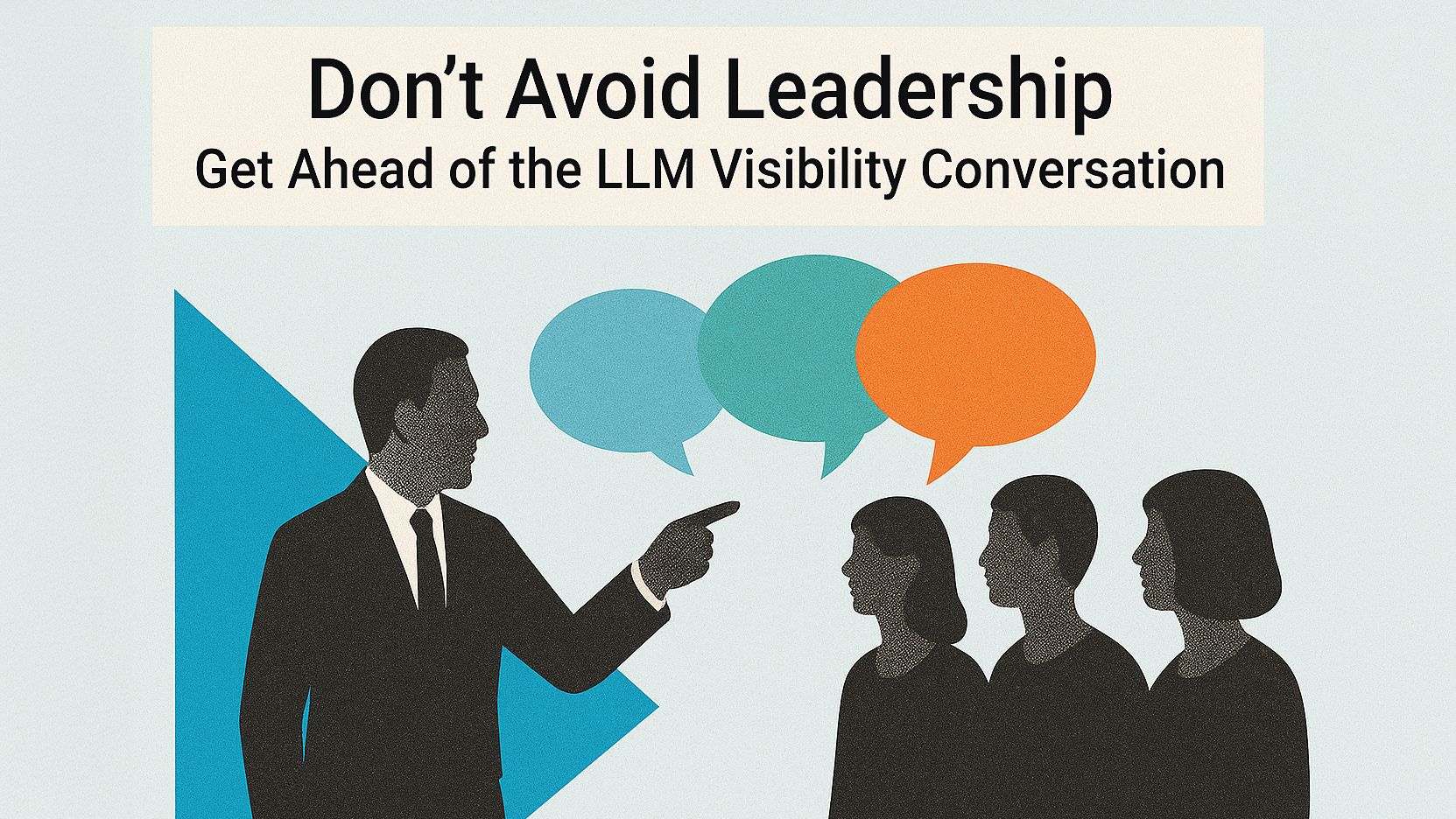
Don’t avoid leadership — address AI visibility head-on
I’m not suggesting you picture leadership in their underwear to make conversations easier. Let’s leave the awkwardness aside.
Instead, show up ready to lead the dialogue. Here’s how to guide the discussion effectively.
Set the tone from the outset. They’ll appreciate you broaching the topic proactively rather than having someone else initiate it later.
Explain things honestly, provide clarity, and avoid sugarcoating the reality of what’s happening.
Let’s dive into the key facts to bring to leadership for a clearer picture.
Why SEO is down and how that impacts business
This is our chance to present the facts clearly rather than invoking fear. An honest overview of how the industry’s changes affect us is vital.
Here are critical events impacting performance:
- Tools like ChatGPT, Gemini, and Perplexity are reshaping user behavior, diverting searches away from Google.
- Google’s AI Overviews (AIOs) are increasing in search result pages, reducing clicks to third-party sites significantly. (Some report a 61% decrease in CTR.)
- Despite LLMs sending some traffic, it’s minimal compared to what’s been lost from traditional search.
- Bing’s AI-powered search summaries had limited impact due to a smaller market share.
Next, give a concise, data-driven picture of what’s changed for us and its impact. If organic traffic has dropped by 30% and revenue dipped, be upfront about it.
Anchor the talks in measurable results and their alignment with our goals. Ensure accuracy with your analytics team.
Here’s the data we need to present.
Share revenue, leads (or key actions), and organic traffic data over time, ideally with year-over-year figures.
These figures ground the discussion in business impact, not mere ranking metrics. Comparing data yearly helps separate seasonality from actual declines.
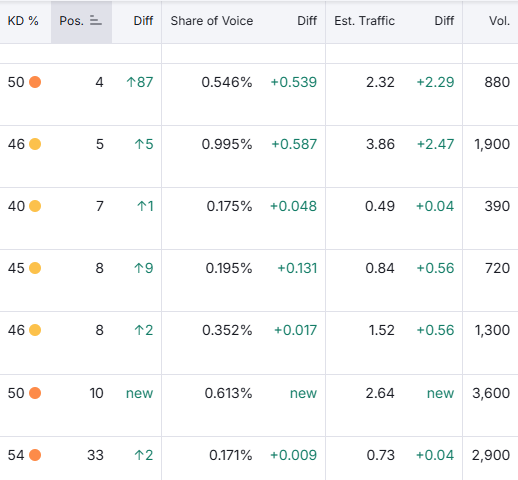
Export keyword data you’ve been tracking, as it’s valuable for Google and Bing. LLM tracking adds further context.
Rankings shouldn’t be a standalone performance metric. However, in times like these, understanding rankings is crucial for identifying lost demand or search shifts.
Analyze click/impression and CTR data in Google Search Console and Bing Webmaster Tools. Identify if SERPs with decreased CTR showcase AIOs.
This showcases real performance slides or industry-wide impacts. If pages losing clicks also show AI overviews, competitors are likely in the same boat — another crucial piece of the puzzle.
Once you share the business’s current state, brace for questions. Don’t wait for them; steer the narrative. Describe the broader shifts, industry trends, and emerging tech driving these changes. Possible action steps include:
- Fetch traffic estimates and keyword rankings for top competitors. Are they experiencing similar downsides?
- Use Google Trends and Exploding Topics to observe growing or waning interest in topics/products in our industry.
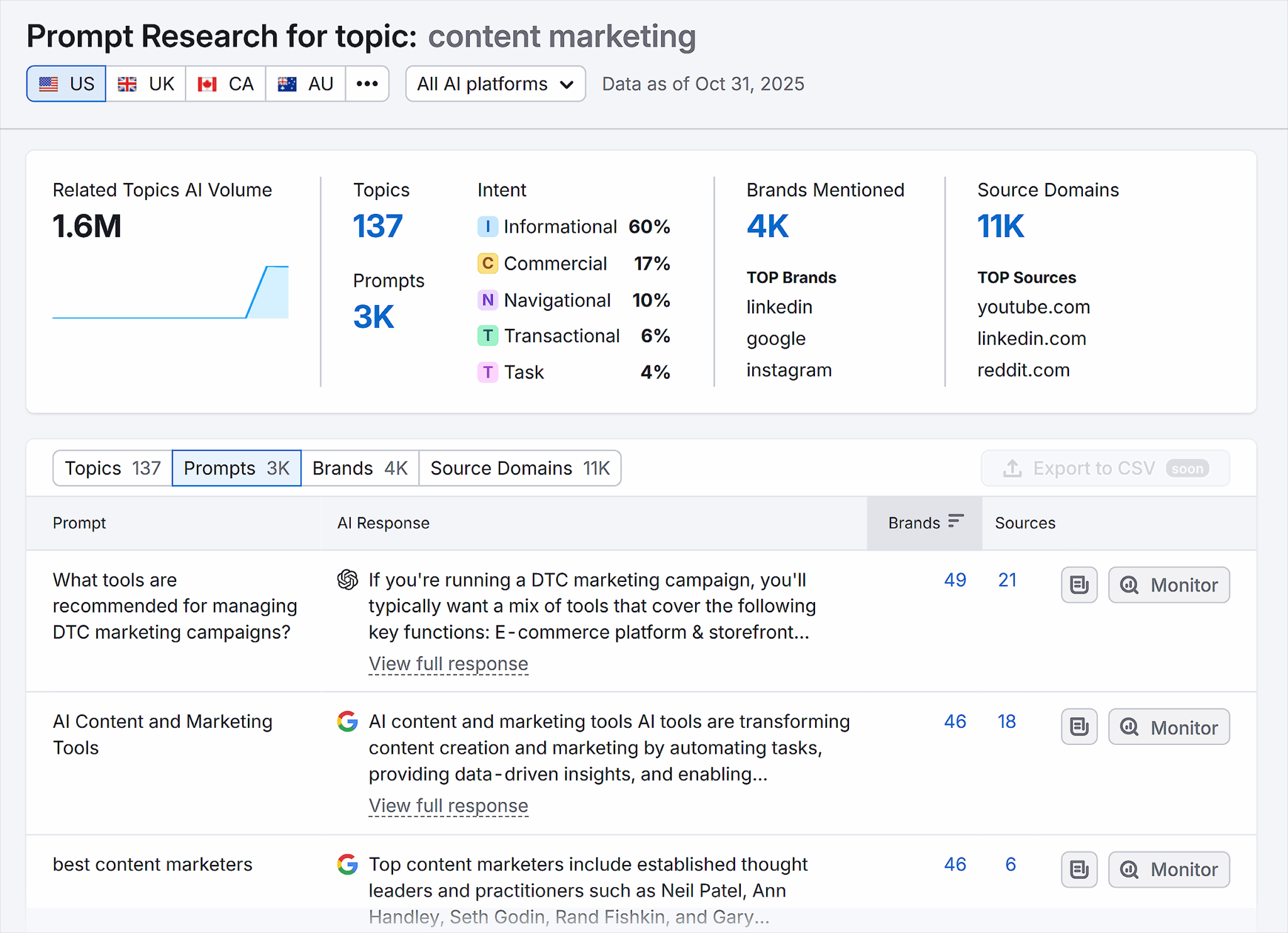
- Utilize AI visibility reports to demonstrate brand presence in active conversation platforms (LLMs).
This isn’t about placing blame. It’s about showing comprehension and adapting to landscape shifts impacting performance.
What we’ve learned so far and where we’re going
Now’s the time to prove that we’re not just diagnosing problems but devising solutions. Leadership might not favor all answers, but they’ll respect your forward-thinking mindset.
Make it clear that, although the rules are changing, our team is swiftly adapting for upcoming search challenges. Then specify your needs, whether it’s budget, headcount, data support, or cross-functional alignment, to execute rather than merely presenting a problem.
Here are strategies to progress:
We’re enhancing our brand’s visibility beyond traditional search, focusing on AI-generated answers and new discovery platforms.

This involves tracking essential buyer queries and understanding our brand’s current position to prioritize content, PR, and partnerships for optimal visibility.
The aim is straightforward: if answers don’t draw clicks, our brand must still appear in those solutions. Consistent mentions/citations across the web facilitate this.
We’re revamping content strategy to stress entities and topics, not just keywords and rankings.
LLMs favor brands with comprehensive, consistent topic coverage and expertise signals. This affects our publishing, content structuring, and PR/product collaborations to build authority. This is SEO content 2.0, demanding effort, but the rewards will be significant.
We’re investing in visibility measurement for both traditional and new search channels.
Google organic traffic isn’t the sole truth anymore. We’re developing reporting to include AI surfaces, social discovery, referrals, and offline demand for a comprehensive perspective.
AI Overviews represent a lasting shift.
This requires recalibrating traffic baselines, forecasts, and targets to account for fewer classic blue link clicks. We plan for a reality where this becomes normal.
“AI Mode” might become Google’s default by 2026.
If more searches receive direct answers from Google, fewer visitors reach us. This alters lead/sales expectations and demands a strategy overhaul, including budgeting.
How we’ll be proactive and adapt to the new search landscape
Having explained what’s happening and how we’re adapting, it’s essential to stress that success requires alignment, resources, and continuous support.
Use this chance to outline needs, making it easier for leadership to approve plans without overwhelming decisions.
Here are essential adjustments to consider.
Search success in the AI era is a new measure; optimization takes time.
Agree upfront on timelines, leading indicators, and reporting frequency. Rankings, traffic, and last-click revenue won’t always align, so patience in adapting is necessary.
Executive backing is crucial for prioritizing long-term brand building over quick wins.
Leadership must accept that essential SEO initiatives may not yield immediate results but are vital for sustained visibility in search and AI-driven spaces.
Flexible budgeting to experiment with channels, content formats, and AI tracking tools.
A part of the marketing budget must focus on trials — from AI tools and data implementation to interactive content and strategic partnerships.
Collaboration with other departments is key to altering organic growth measurement.
SEO can’t work solo. We need analytics for new dashboards and coordinated PR and content efforts to align with significant topics.
This is your moment to lead the AI visibility discussion
You’re not merely reacting. You’re guiding through change. AI and LLMs redefine search, discovery, and interaction. This isn’t panic time, nor a case for the “organic search is dead” mantra. It’s about adaptation.
A crucial step is constant monitoring. A one-time pitch is valuable, but marketing efforts always need measurement. Regularly set an AI visibility update metric alongside standard metrics.
As AI and LLMs progress, leverage measured data to update leadership on changes and adaptations.
By initiating discussions, grounding messages in data, and suggesting actionable plans, your strategic acumen becomes evident to executives.
This shift isn’t solely about SEO; it’s about securing future visibility, trust, and traffic across various environments. Whether it’s Google, ChatGPT, or elsewhere, your focus should be on being present where your customers engage.
Inspired by this post on Search Engine Land.