Category: Opinion

  • PPC Strategies: Debunking 3 Myths for 2026 Success

    PPC Strategies: Debunking 3 Myths for 2026 Success

    Entering into the world of PPC advertising for 2026, I realize how easily we can be misled by trends. AI, creative scaling, and marketing models promised us efficiency, but often ended up costing more than delivering. So how can we reset our PPC priorities as we step into the new year?

    In 2025, PPC advice revolved heavily around AI and glittering new tools, sounding both promising and expensive. We found ourselves succumbing to platform narratives rather than aligning with business needs, causing budgets to balloon without corresponding efficiency gains.

    As 2026 dawns, it’s high time to break free from these outdated beliefs. This article highlights three PPC myths that looked appealing in theory and quickly spread in 2025 but often led to poor decisions.

    My objective is straightforward: rethink priorities and avoid repeating costly mistakes.

    Myth 1: AI Outshines Manual Targeting

    We’ve been told countless times to trust AI for targeting while manual structures are deemed obsolete. But is that truly the case?

    The truth depends on conditions. AI thrives on volume and quality signals. Without these, the AI delivers no meaningful results, just automated processes that mask poor performance.

    For instance, ecommerce brands often find value in feeding purchase data back into Google Ads, assuming they generate enough conversions. Only then does outsourcing targeting to AI hold potential.

    If your campaigns struggle with low conversions or rely primarily on lead optimization, manual intervention may still be necessary.

    How to Reset Priorities

    Before turning everything over to AI, there are critical questions to ask:

    • Are campaigns optimized against a business-level KPI like CAC or ROAS?
    • Do the ad platforms receive sufficient conversion data?
    • Are conversions reported promptly, with minimal delay?

    If any answer is no, consider revisiting PPC fundamentals for 2026. Do not hesitate to apply traditional methods when needed. In 2025, I turned around a client’s fortunes by using match-type mirroring structures, even though it contradicted the common best practices.

    The success was based on historical performance data:

    Match TypeCost per LeadCustomer Acquisition CostSearch Impression Share
    Exact€35€45024%
    Phrase€34€1,48517%
    Broad€33€2,11618%

    Here, Google Ads did exactly what it was told—focus on lower cost per lead, disregarding business impact like KPIs.

    I regained control by focusing on high-performing audiences with unsaturated potential, via exact match keywords. If you’re unfamiliar with traditional structures, advanced semantic techniques can offer an excellent starting point without over-reliance on automation.

    Myth 2: More Ads Lead to Better Results

    This myth frustrates me as it sounds logical but rarely pans out. The argument is simple: more creative variation equates to better ad auction performance. But more often, it increases creative costs without the promised results, helping agencies more than advertisers.

    Creative volume adds value only when backed by high-quality conversions. Without them, extra ads only mean more materials rotating meaninglessly.

    How to Correct Course

    True value still lies in creative diversification that matches messages to audiences and contexts. This isn’t a novel concept. The same principles apply:

    • Have a strategic approach to creative testing; testing without intent is wasteful.
    • Plan measurement in advance to avoid setting yourself up for failure.
    • Ensure business-level KPIs are present in enough volume to make a difference.

    When resources are tight, rotating ads without direction is common. Focus on Conversion Rate Optimization (CRO) instead:

    • Enhance tracking for better performance.
    • Refine customer journeys to boost conversion rates and signal volume.
    • Align higher-margin products with more efficient spending.
    • Explore new networks or channels with saved creative budget.

    Myth 3: MMM Will Offer Clear Clarity

    Finding 10 marketers who believe GA4 is effective is challenging, indicating Google’s missteps. The misalignment with ad platform data breeds mistrust, leading to the belief that advanced solutions are needed. Yet, this often results in higher costs with average outcomes.

    Most brands don’t have the scale required for Marketing Mix Modeling (MMM) to yield insightful results. Instead, it’s best to master existing tools.

    The usual brand setup looks like this:

    • Concentrated media spend across a handful of channels, mainly Google and Meta, with YouTube, LinkedIn, or TikTok as extras.
    • Reliance on a narrow but consistent customer base, risking long-term stability.
    • Marginal marketing impact beyond the core audience.

    In such settings, MMM adds abstraction, not clarity. Staying grounded in fundamentals remains vital, not modeling complexities.

    Strategies to Add Value Instead

    Before considering advanced tools, ensure you’re getting the basics right:

    • Stand out clearly from competitors.
    • Boost margins, even with simple budget plans.
    • Build a strong data foundation, emphasizing tracking, CRO, and conversion paths.
    • Expand your channel or network options.
    • Align creative execution with genuine customer pain points.
    • Smooth out any marketing execution kinks.

    While advanced tools gain importance with complexity, deploying them too soon obscures accountability rather than offering real insights.

    The True Issue Lies in Misuse

    The thread linking these PPC myths isn’t the capabilities like AI, creativity, or analytics—it’s how they’re misused. Platforms fulfill the roles they are set for, optimizing within the provided signals and limitations.

    Business fundamentals are what break in these scenarios, rather than AI fixing our problems.

    Instead of pursuing the next shiny distraction, 2026 should be about focusing on core business strategies and executing with precision for profitable scaling.


    Inspired by this post on Search Engine Land.


    crushpress.ai community screenshot
  • Copywriting: Your Secret Weapon in the Digital Marketing World

    Copywriting: Your Secret Weapon in the Digital Marketing World

    Looking back on the past few years, I’ve noticed how copywriting seemed to have been quietly dismissed.

    There was no anger or spectacle. Just a subtle sidelining as it was replaced and automated.

    The words we’ve long relied on for SEO, landing pages, and ads were pushed aside during the rush for traffic, and later, the AI gold rush.

    We saw blog posts generated, product descriptions bloated, and landing pages turned into templates.

    Content teams shrank, freelancers disappeared, and the narrative emerged: “AI can write now, so writing isn’t important.”

    Then, Google intensified the situation.

    With the ‘helpful content update,’ followed by AI Overviews and conversational search, the impact was felt not only in SEO but across the web.

    We saw an economy that relied on informational arbitrage being upended, as traffic began to evaporate.

    Amidst all this, it might seem strange to declare this:

    Copywriting is making its comeback as a vital skill in digital marketing.

    But that’s only true if you understand what copywriting really entails.

    AI didn’t kill copywriting.

    AI destroyed what was never about persuasion.

    It dismantled low-grade, informational publishing—content created to intercept search demand rather than influence choices.

    Large Language Models (LLMs) excel at summarization, synthesis, pattern matching, and compression, which low-grade content demanded.

    This content aimed to intercept purchase decisions by providing a click diversion, hoping to influence the buyer’s journey indirectly for rewards.

    But real persuasion involves a defined audience and a clear, credible solution intended to influence choices.

    When people say “AI killed copywriting,” they miss that AI exposed the lack of genuine copywriting efforts.

    This oversight matters because persuasion is now more crucial than ever in our evolving environment.

    GEO isn’t about rankings

    Traditional search engines made users convert their problems into keywords.

    Someone might look up [cheap car insurance], not realizing this keyword monopoly helped those with more link-building resources succeed.

    LLMs flip this, starting with user problems and understanding context to find the most relevant solutions.

    They don’t rank pages; they select solutions based on strategic positioning, not just Google position.

    If your website and external information don’t clearly articulate what makes you different and better, you won’t be recommended.

    This shift places copywriting at the heart of SEO’s future.

    From SEO to GEO: Availability beats visibility

    While SEO centered on visibility, generative engine optimization focuses on AI availability.

    Your business needs to be prominent in buying situations, reliant on the clarity of your relevance.

    Businesses often describe themselves in static terms, missing the broader opportunities available now.

    The advice for AI SEO often mirrors traditional SEO, but that’s missing the potential for positioning.

    Copywriters and PR professionals work with problem-solving, which leads to better brand positioning.

    Positioning is not a fixed asset

    A strategic position depends on your target audience, your offering, and delivery method.

    Most businesses treat this as fixed, while LLMs push for flexibility and exploring new positions.

    Copywriters understand the potential of identifying and staking claims to new market positions.

    This isn’t about doing everything for everyone but being clear about existing strengths.

    A good strategist and copywriter can uncover and articulate new positions effectively.

    From SEOs’ ‘what we are’ to GEOs’ ‘what problem we solve’

    Take insurance as an example.

    Different potential client problems—such as those of a new driver or parent—highlight the need for tailored solutions.

    Previously, broad keywords were enough, but LLMs address problems directly and need distinct combinations to distinguish your offering.

    Why copywriting becomes infrastructure again

    This leads back to the essence of copywriting: creating direct relationships and presenting solutions clearly.

    The audience now includes human decision-makers and LLM recommenders, both needing clarity.

    Explicitly state problems solved, for whom, how, and why with evidence—a classic direct marketing approach reintroduced by AI.

    Less traffic doesn’t mean less performance

    Traffic will decline, as informational queries are removed from the mix.

    What matters is qualified traffic reaching revenue-generating pages for meaningful interactions.

    Clicks still signal intent, and with purposeful traffic, SEO metrics regain significance.

    What measurement looks like now

    The key measurements now focus on commercial interactions rather than just session numbers.

    Important questions include increases in revenue-driving clicks, improved lead quality, and brand demand.

    The real shift SEO needs to make

    The next wave in SEO rewards effective positioning over sheer volume of content.

    This shift away from information leads to fewer but more powerful pages with higher intent traffic.

    The reality nobody wants, but everyone needs

    Copywriting, far from dead, plays a central role, as clarity and persuasive content become vital assets for brands.

    In 2026, successful brands will focus on quality over quantity in content, pairing strong copy with solid PR techniques for greater impact.

    Embracing these fundamentals propels us forward into a new era of marketing.


    Inspired by this post on Search Engine Land.


    crushpress.ai community screenshot
  • Discover the Best Open-Source MMM Tools for Your Needs

    Discover the Best Open-Source MMM Tools for Your Needs

    Marketing mix modeling (MMM) has become essential in today’s business landscape.

    I’ve noticed how companies like Google, Meta, and Uber have opened doors with their free open-source MMM frameworks.

    The challenge lies in figuring out which tool suits your needs without needing a PhD in statistics.

    Understanding the Different Roles of Open-Source MMM Tools

    These tools often get mentioned together but serve uniquely different purposes despite their collective fame.

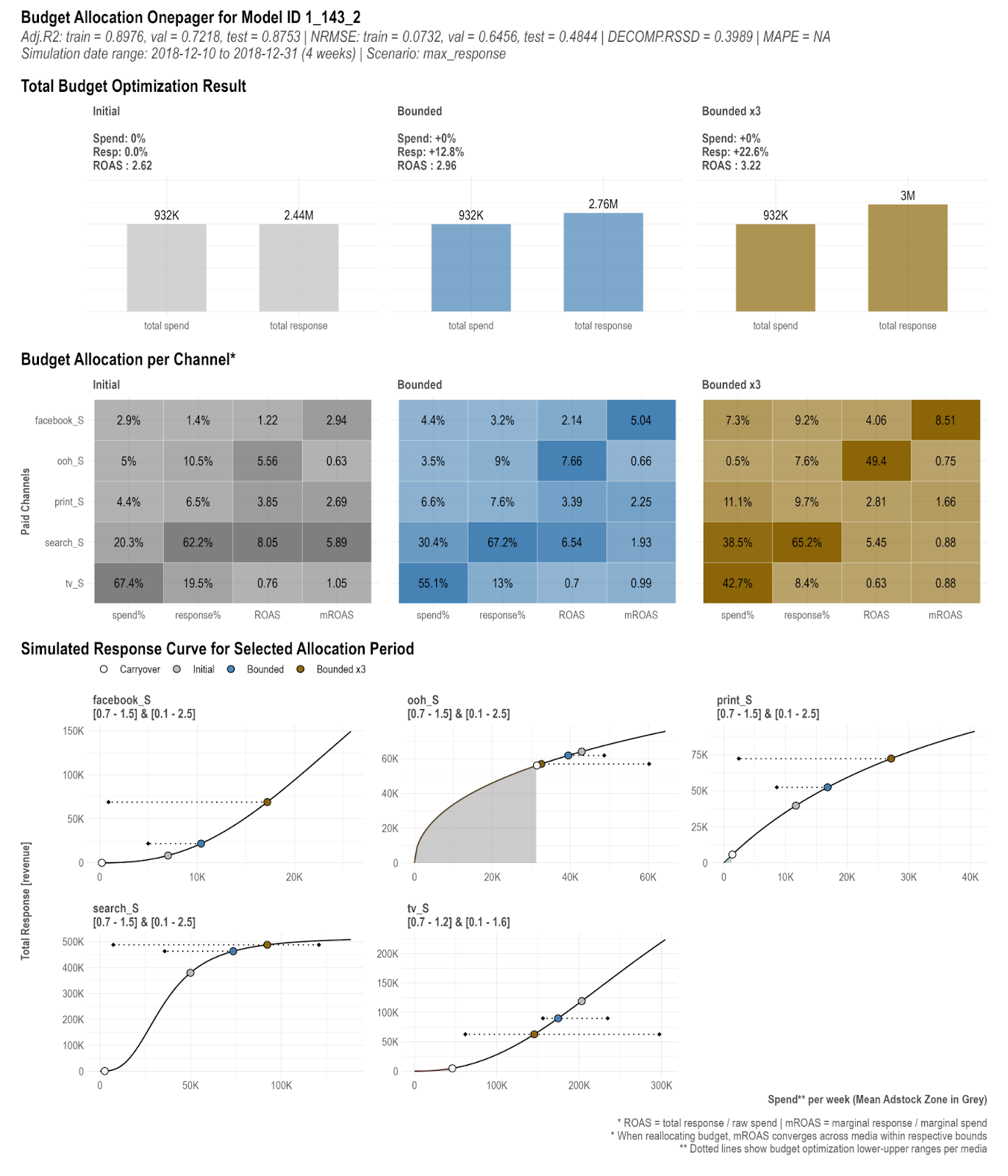
    Google’s Meridian and Meta’s Robyn are designed to deliver actionable insights by turning your marketing data into strategic budget recommendations.

    These include valuable features like:

    • Data transformations that capture advertising decay.
    • Saturation curves to visualize diminishing returns.
    • Dashboards and budget optimizers for spend allocation guidance.

    Meanwhile, Uber’s Orbit and Facebook’s Prophet serve different needs.

    Orbit is more about time-series forecasting and requires significant development to transform into an MMM tool.

    Prophet acts as a forecasting component within other frameworks.

    Think of it like transportation:

    ```json
{
  "alt": "Budget allocation analysis for Model ID 1_143_2 showing total optimization results, per channel allocation, and simulated response curves.",
  "caption": "Explore the strategic budget allocation insights for Model ID 1_143_2, highlighting total optimization results and per channel performance with detailed simulation data.",
  "description": "This image provides an in-depth analysis of budget allocation for Model ID 1_143_2. It presents total optimization results, showing initial and bounded allocations, and highlights ROAS and mROAS metrics. The image details budget allocation percentages across channels like Facebook, OOH, print, search, and TV. Simulated response curves illustrate the impact of spending on total responses, reflecting the effect of different budget scenarios. Designed with readability and analytical precision, this one-pager is crucial for strategic marketing decisions."
}
```
    • Meridian and Robyn are ready-to-drive vehicles.
    • Orbit is a high-performance engine requiring further builds.
    • Prophet serves as the GPS navigation system within your car.

    Dig deeper: Marketing attribution models: The pros and cons

    Robyn: Making MMM Accessible and Powerful

    I admire Meta for creating Robyn, a tool that breaks down barriers with its automation and ease of use.

    Robyn turns weeks of model tuning into a quick data upload process, rapidly exploring thousands of configurations.

    It stands out by providing multiple high-quality model solutions, catering to various business needs and risk levels.

    Its capability to integrate real-world experimental outcomes boosts its credibility with decision-makers.

    However, keep in mind that it assumes consistent marketing performance, which might not align with real-world dynamics.

    Meridian: The Analytical Powerhouse

    Meridian, representing Google’s advanced Bayesian approach, models the intricate mechanisms behind advertising effects.

    Unlike Robyn’s practical strategies, Meridian focuses on answering what could happen with budget reallocation based on theoretical models.

    This approach, especially its geo-level modeling, provides insights that are crucial for market-specific decisions.

    ```json
{
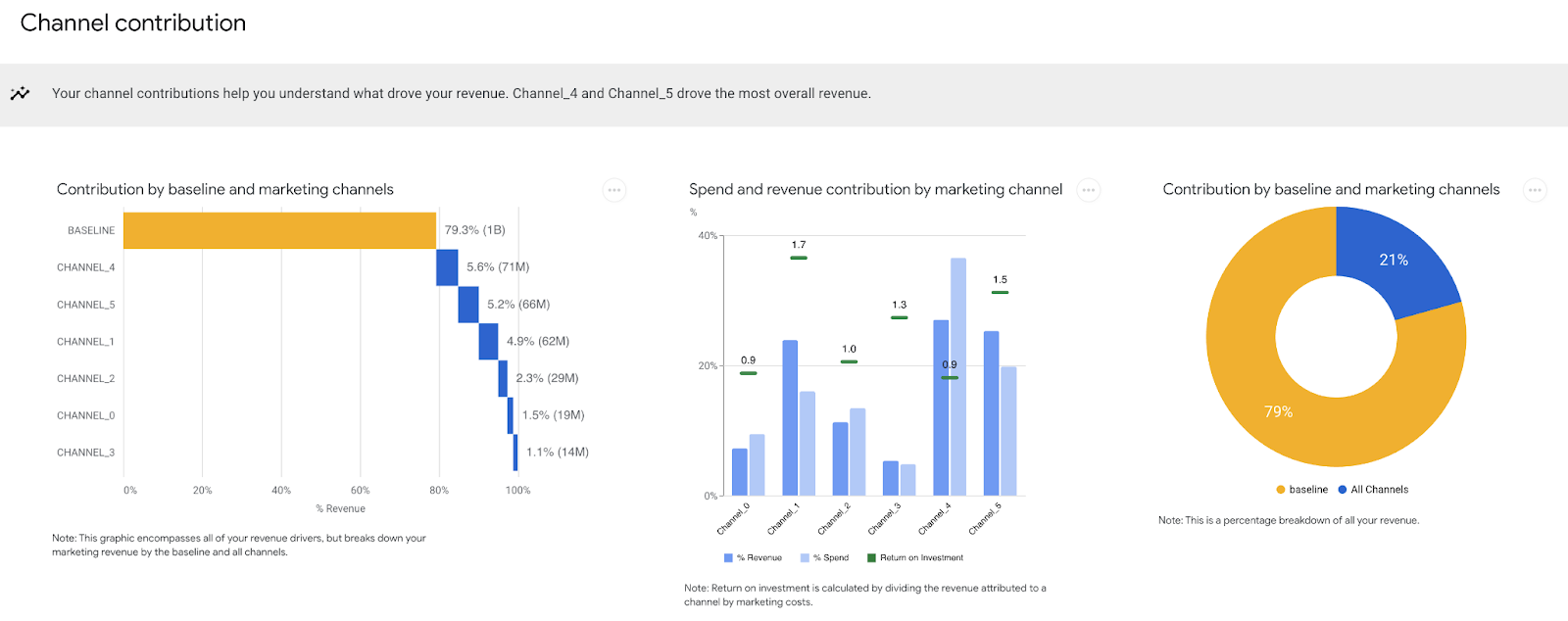
  "alt": "Graphs displaying channel contribution, spend and revenue by marketing channel, and a pie chart of contribution percentage.",
  "caption": "Analyze the impact of different marketing channels on revenue with these insightful charts. Discover which channels drive the most revenue and how spend correlates with returns.",
  "description": "This image features three main graphical representations: a horizontal bar chart showing channel contribution to revenue, a vertical bar chart detailing spend and revenue contribution by channel, and a pie chart illustrating contribution percentages. The bar chart highlights the 'Baseline' as the largest contributor with 79.3% of revenue, followed by Channel_4 and Channel_5. The pie chart indicates 79% revenue from the baseline and 21% from all channels. These visualizations provide a comprehensive overview of revenue distribution across various marketing initiatives, crucial for optimizing channel strategies. Keywords: revenue, marketing channels, pie chart, bar graph, channel contribution."
}
```

    Although its methodology is robust, Meridian’s technical demands are high and require statistical expertise not common in most marketing teams.

    Dig deeper: How Bayesian testing lets Google measure incrementality with $5,000

    Uber Orbit: Expert Time-Series Forecasting

    Orbit shines in time-series forecasting with its Bayesian time-varying coefficients, offering flexibility many traditional MMM tools lack.

    It’s an advanced tool, best suited for teams that have the capacity for custom framework development.

    Prophet: Unraveling Temporal Patterns

    Prophet stands out in its primary role of time-series forecasting, effectively disentangling trends and seasonal influences from data.

    Remember, while it can support MMM processes, it won’t serve as a standalone solution for attribution or optimization.

    Dig deeper: MTA vs. MMM: Which marketing attribution model is right for you?

    Making Informed Choices for Your Team

    Your choice depends on your team’s statistical comfort and resource availability.

    • Robyn suits most teams, offering rigorous insights with minimal setup time.
    • Meridian is for those with the technical expertise to leverage its deeper capabilities.
    • Orbit is ideal for custom framework developers.
    • Prophet helps in preprocessing but isn’t a complete MMM solution on its own.

    Choose a tool that your team can realistically implement and maintain, maximizing the benefit from its insights.

    Dig deeper: How to avoid marketing mix modeling mistakes that derail results


    Inspired by this post on Search Engine Land.


    crushpress.ai community screenshot
  • YouTube’s Essential Role in SEO and AI Search Strategies

    YouTube’s Essential Role in SEO and AI Search Strategies

    How YouTube’s 2025 shifts shape search and AI visibility in 2026

    As AI-driven search results become the norm, I’ve realized that leveraging YouTube is no longer just an option; it has become a necessity to maintain visibility in search results.

    Staying ahead of the competition has always been about embracing the next evolution in search.

    Today, the focus is on generative engine optimization (GEO) and redefining SEO as search everywhere optimization.

    This shift means I need to make my content discoverable by AI-driven tools.

    If I’m still considering YouTube a “nice-to-have” in my SEO strategy, I’m risking losing ground to competitors who are already capitalizing on its potential.

    YouTube as Core Search Infrastructure

    It’s now clear to me that YouTube cannot be treated merely as a “brand” or “social” asset, because it has become integral to search infrastructure.

    With 48.6 billion visits monthly, YouTube is the world’s second most-visited site, second only to Google.com.

    That’s 5.4 times more visits than Facebook and 8.7 times more than ChatGPT, making it a critical platform for visibility.

    YouTube has evolved vastly, from simple webcam uploads to professional studios producing high-quality content, and this shift in quality has redefined viewing habits.

    According to Nielsen, YouTube holds the top spot in U.S. streaming watch time. For many, “watching TV” means tuning in to YouTube.

    This rise in big-screen viewership has a significant impact on search dynamics by turning YouTube into an interactive search platform in living rooms.

    Viewers explore over a billion hours of YouTube content daily, mixing Shorts, podcasts, and live streams with traditional TV formats.

    Such engagement creates learning opportunities for AI models while making YouTube an indispensable search resource.

    YouTube’s expansion to TV and connected devices is reconfiguring the ad and commerce landscape, where new formats engage users across multiple devices.

    Google Search now features YouTube videos prominently, reinforcing their role as a core SEO asset.

    Dominating AI Search with YouTube

    Data indicates that YouTube features in 29.5% of AI Overviews, placing it as the top resource, substantially ahead of Vimeo.

    This trend means YouTube videos are favored for complex tasks, tutorials, and product insights, part of what makes them authoritative in AI Overviews.

    Ensuring my YouTube catalog is well-structured and aligned with user queries is essential to maintaining a competitive edge in AI-driven search results.

    YouTube at 20: Embracing Creator-First Discovery

    As YouTube celebrates two decades in 2025, the platform emphasizes creator-driven content, challenging traditional brand-centric approaches.

    Channels like MrBeast highlight the value of pacing, storytelling, and community engagement over mere production quality.

    Participatory trends in gaming, entertainment, and music show how user-generated content domains are pivotal for discovery.

    Recognizing YouTube’s influence, it’s clear that a polished SEO strategy should account for these cultural dynamics, leveraging clear signaling for both human and AI curation.

    Redefining SEO: Focus on Inclusion

    AI Overviews no longer mimic the traditional 10-blue-links model. They integrate videos, thus shifting SEO goals toward inclusion as trusted quote sources.

    This shift requires that I ensure my content is accessible, legible, and credible, maximizing opportunities for inclusion in AI-generated answers.

    Adopting a YouTube SEO checklist focused on AI discovery helps operationalize this new approach.

    The tactics include intent-driven metadata, structural optimization, authority signaling, and strategic integration with collaborators.


    Inspired by this post on Search Engine Land.

    crushpress.ai community screenshot
  • 7 Eye-Opening Realities of AI Visibility in GEO Performance

    7 Eye-Opening Realities of AI Visibility in GEO Performance

    7 hard truths about AI visibility tools

    From probabilistic answers to off-site signals, AI visibility functions differently from SEO. Here are seven truths to help you understand how and why.

    Fair warning: My insights might unsettle those who have excessively promoted AI visibility tools.

    Having spent 18 years in the search industry, I feel compelled to share the truth over popular beliefs.

    I’m not here with an agenda. Ironically, some misconceptions benefit me as the co-founder of an AI visibility tool and a GEO service provider.

    Let’s address some misconceptions that have circulated over the past few months.

    ```json
{
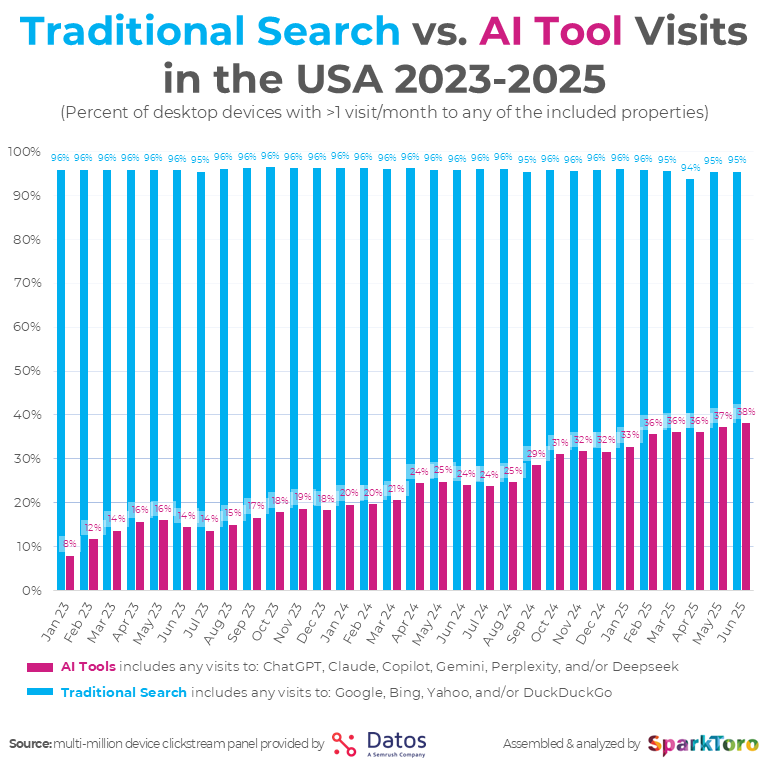
  "alt": "Bar chart comparing traditional search vs AI tool visits in the USA from 2023 to 2025.",
  "caption": "AI tools are gaining prominence! This chart compares the monthly visits to traditional search engines and AI tools, showcasing a noticeable shift through 2025.",
  "description": "This bar chart illustrates the shift in user behavior from traditional search engines to AI tool visits in the USA from 2023 to 2025. The chart shows a steady decrease in traditional search usage, represented by blue bars, juxtaposed with an increase in AI tool visits, shown in pink bars. Data indicates a growing adoption of AI tools, with notable increases each month. The information is based on multi-million device clickstream panel data provided by Datos and analyzed by SparkToro."
}
```

    1. AI Search Didn’t Kill Google Search

    Quite the contrary. Despite media hype, Google’s dominance prevails with significant data backing this truth.

    Convincing headlines don’t change facts. What does? Data.

    Consider these studies:

    • Semrush’s latest study shows ChatGPT increased, not reduced, Google searches, debunking biases of Google favoritism.
    • Datos’ report reveals Google retains a massive 95% market share in collaboration with industry experts.

    Despite ChatGPT’s rise, Google search maintains its stronghold. OpenAI reports suggest ChatGPT is often used for non-search purposes. Actual ‘search’ queries form only a fraction, reflecting use diversity.

    This difference highlights the continuing necessity and dominance of traditional search engines like Google.

    ```json
{
  "alt": "Color-coded chart representing various categories and their percentages, including Practical Guidance, Seeking Information, and Writing.",
  "caption": "Explore the diverse landscape of tasks in this visually engaging, color-coded chart. From Practical Guidance to Writing, discover how different categories stack up by percentage.",
  "description": "This image displays a color-coded chart outlining various categories by percentage. Key sections include Practical Guidance at 28.3%, Seeking Information at 21.3%, and Writing at 28.1%. Each category is subdivided into activities such as Tutoring, Specific Info, and Personal Writing. The chart provides a visual breakdown highlighting the distribution of tasks, facilitating quick comprehension and analysis of diverse content types, enhanced by distinct colors for searchability."
}
```

    2. No AI Tool Can Guarantee AI Answers Inclusion

    History repeats itself; tools can’t do GEO for you, similar to how they couldn’t perform SEO. True optimization can’t be automated.

    Real optimization relies on human decisions, supported by insights that tools can only provide partially.

    Claims of automated success often omit the human efforts that drive real results. Tools assist but can’t replace expert judgment.

    3. Actual Prompt Search Volumes are Elusive

    No tool or provider knows true prompt volumes, relying on estimations instead of exact data, given the lack of public usage data from LLM companies.

    Current volume charts are educated guesses rather than definitive statistics.

    ```json
{
  "alt": "Comparison of old and new methods for monitoring brand visibility with chat bubbles and funnels.",
  "caption": "Exploring the shift from traditional brand visibility monitoring to a more focused, persona-based approach using advanced analytics.",
  "description": "The image illustrates a comparison between old and new methodologies for monitoring brand visibility. On the left, multiple people with dialogue bubbles funnel into a single result, symbolizing the old approach of averaging many voices. On the right, a single person's inputs funnel into multiple, detailed outputs, representing the new, persona-focused strategy. This visualization highlights the transition towards using personalized data analytics to enhance brand visibility insights. Keywords: brand visibility, analytics, persona-based, methodology, marketing."
}
```

    4. AI Visibility Differs from Search Rankings

    LLMs provide probabilistic results, unlike deterministic search rankings. AI answers are personalized, leading to varied responses even for identical queries.

    AI models are inclined to offer guesses, resulting in varied responses. This variability presents challenges for monitoring and measuring visibility.

    Most monitoring tools either use averaged data or focus on specific personas to try and model this complexity.

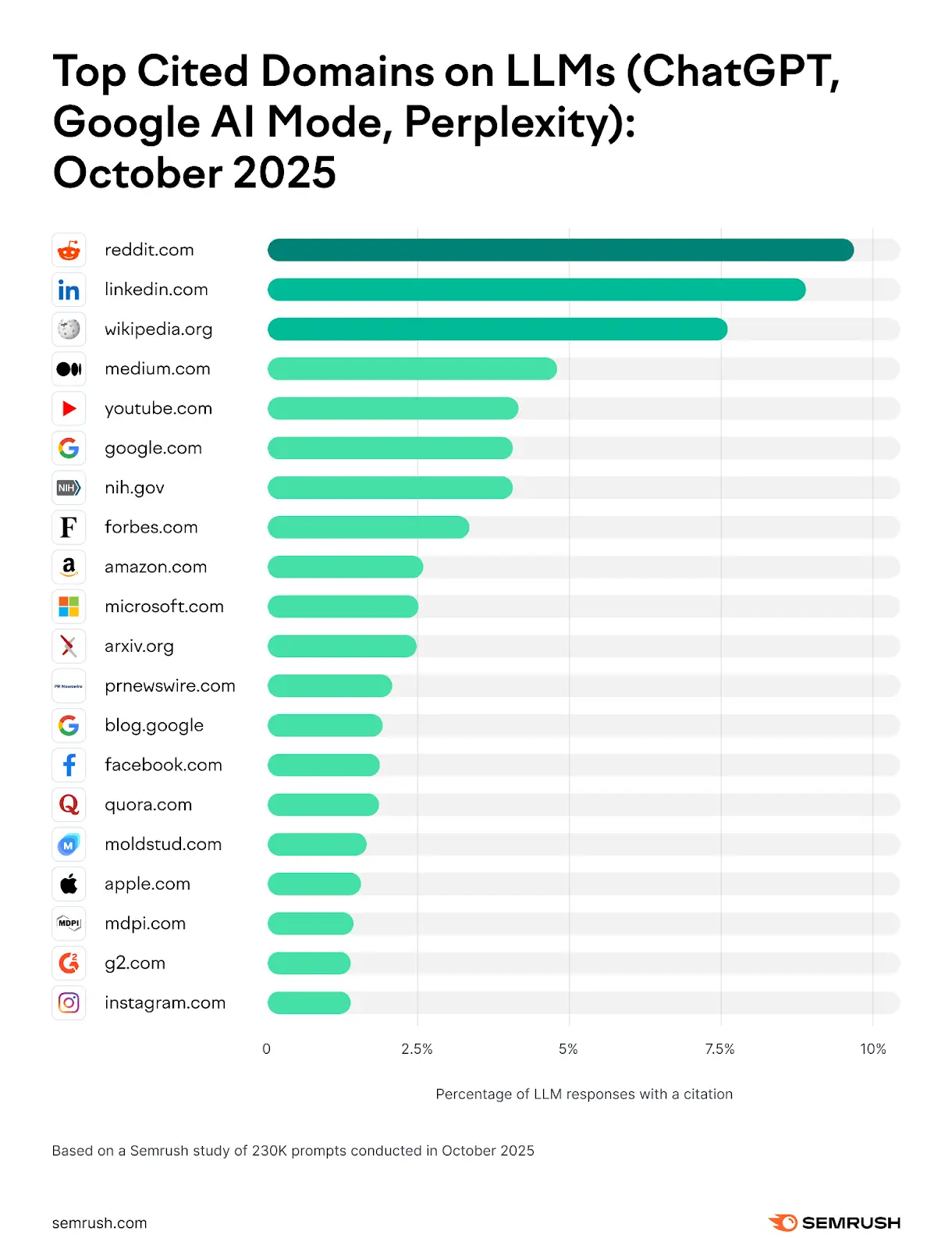
    5. Off-Site Signals Trump On-Site Efforts in GEO

    Just as backlinks indicate credibility in SEO, external brand mentions are critical for AI visibility.

    Off-site signals have a greater influence on whether a brand appears in AI-driven responses, much like the way trusted external recommendations bolster a brand’s reputation.

    ```json
{
  "alt": "Bar chart showing top cited domains on LLMs in October 2025 with reddit.com leading.",
  "caption": "Reddit tops the list of most cited domains in LLM responses for October 2025, highlighting its influence in AI-generated content.",
  "description": "This bar chart ranks the top cited domains by language models such as ChatGPT, Google AI Mode, and Perplexity. Conducted by Semrush in October 2025, the study analyzed 230,000 prompts. Reddit.com leads with the highest percentage of citations, followed by linkedin.com and wikipedia.org. The chart provides insights into the trusted sources for AI-generated content, showcasing platform influence. Keywords: LLM citations, AI content sources, Semrush study, Reddit, LinkedIn, Wikipedia."
}
```

    6. Key GEO KPI: Brand Mentions in AI Responses

    While citation visibility is beneficial, the strategic goal of GEO should prioritize explicit brand mentions within AI-generated answers.

    AI visibility alone doesn’t secure web traffic; vital is having your brand part of the response, impacting direct discovery and engagement.

    7. Misaligned GEO and SEO Practices Can Hurt Performance

    Beware of GEO optimizations that conflict with established SEO principles; they can detract from overall search performance.

    Effective GEO requires balance, ensuring broader SEO strategies remain complementary, rather than contradictory.

    When Search Evolves, Measurement Must Too

    GEO thrives within the existing search framework but needs evolved measurement strategies that reflect AI’s dynamic nature.

    Embrace change by rethinking metrics, challenging assumptions, and refining success benchmarks alongside evolving technology.


    Inspired by this post on Search Engine Land.

    crushpress.ai community screenshot
  • Mastering Google Ads in Niche Markets: Strategies for 2026

    Mastering Google Ads in Niche Markets: Strategies for 2026

    Operating in niche markets with Google Ads presents unique challenges, and it’s something I’m navigating in 2026. While the search volume might be low, the potential for opportunity is significant.

    I’ve noticed that in targeted markets, people might only search a handful of times each month for my solutions. It’s a stark contrast to other advertisers who can test a plethora of headline variations with ease.

    Many niche advertisers mistakenly apply high-volume strategies to their ads. In my experience, without sufficient data, Google’s automation struggles, which can dampen or entirely stall results.

    Through this guide, I’ve found out what actually works when dealing with low search volumes and extended conversion timelines.

    Why Low-Volume Markets Challenge Google Ads

    There are a couple of scenarios I’ve encountered:

    • I own my brand space: My distinctive brand ensures that when people search for my company, I appear prominently with unique industry terms.
    • I get washed out: Sometimes, my keywords compete with those of larger brands, making it tough to stand out. Here, I battle consistent keyword pollution.

    Each situation requires a distinct approach to effectively manage my advertising strategies.

    Smart Bidding strategies, like Target ROAS, require substantial conversions that niche environments often don’t produce solely from search traffic.

    If my campaigns do hit those numbers, it’s usually due to a budget burn collecting low-quality data. It’s unsustainable for many, including myself.

    However, I’ve found that automation remains viable by feeding Google the right signals differently.

    Dig deeper: Understanding Google Ads Automation: Benefits and Drawbacks

    Signal Stacking When Search Volume is Limited

    Google’s AI has shown me that signal collection is pivotal. It learns from every conversion signal beyond just keywords.

    In my campaigns, I’ve prioritized building signals from various sources to enhance learning.

    Start with Offline Conversion Tracking

    I’ve learned that capturing offline interactions, such as phone calls and CRM entries, enriches my conversion data significantly.

    Using Google’s Data Manager API, I synchronize my sales data back to my Google Ads, amplifying the effectiveness of Smart Bidding.

    Upload Customer Match Lists

    Even a small list of quality email addresses allows Google to recognize patterns, helping me target similar audiences effectively.

    A carefully crafted list of high-value customers can outshine a larger list of less engaged subscribers.

    Use Audience Signals Strategically

    By layering audience signals in Performance Max, I’ve been able to better educate Google about my ideal customer.

    Tailoring custom segments based on recent searches has been key, aligning with detailed insights shared by experts like Jyll Saskin Gales.

    If I dominate my brand space, my focus is on signal quality over quantity. For competitive titles, using negatives is vital.

    Negative audience signals are crucial in targeting only the most relevant consumers, sidelining those that competitors might attract.

    Dig deeper: 5 Google Ads Strategies to Leave Behind in 2026

    Structuring Campaigns for Small Markets

    Relying solely on Search campaigns has proven ineffective for me, especially as Google’s AI Overviews account for a significant percentage of queries.

    Start with Search, then Move to Performance Max

    Performance Max requires solid conversion data, focusing on qualified leads or paying customers to truly optimize results.

    Audience signals guide me in allocating budgets wisely, ensuring I’m not wasting resources.

    Performance Max has served me well once I’ve accumulated sufficient data. However, dealing with keyword pollution requires aggressive negative tactics.

    ```json
{
  "alt": "Bar chart comparing conversions and cost per conversion for Exact, Broad, and Phrase.",
  "caption": "Analyzing keyword match types: A bar chart illustrates the performance of Exact, Broad, and Phrase in terms of conversions and cost-efficiency.",
  "description": "This bar chart displays the performance of three keyword match types: Exact, Broad, and Phrase. The data is represented in two colors: blue for conversions and orange for cost per conversion. Exact keywords show the highest conversions, while Phrase keywords indicate a higher cost per conversion. This visual aids in comparing the effectiveness of different keyword strategies in digital marketing."
}
```

    Use Demand Gen for Awareness

    Introducing Demand Gen has allowed me to reach users across YouTube and Gmail before they actively engage in search for my offerings.

    This strategy builds awareness, paving the way for future branded searches.

    Protect Your Brand Terms

    While organic rankings are important, I maintain a dedicated budget to safeguard my brand’s terms, especially when keywords overlap with the competition.

    Even during slower periods, maintaining control over brand terms remains a priority.

    Dig deeper: Harnessing Demand Gen Campaigns: When and Best Practices


    Keyword Strategy and Match Types

    Based on my data from a niche B2B SaaS client, exact match keywords consistently deliver leads at a lower cost, showcasing the benefits of targeted campaigns.

    Adopting a broad match approach without sufficient data may lead to unnecessary spending on low-converting searches.

    After solidifying my match strategies, I start tight and carefully expand:

    • Initiate with exact match keywords on strong intent terms.
    • Incorporate phrase matches for variation while being wary of broad match until robust data guides me.
    • Broaden match scope after accumulating 30+ conversions.

    Critical Search Term Mining

    With niche volumes, Google may not always show which search terms directed traffic, but when available, these insights are invaluable for market comprehension.

    Mining Google Ads search terms

    The terms that do surface offer significant insights:

    • Valid searches leading to clicks but not conversions (adjust bids or landing pages).
    • Wasteful, irrelevant searches depleting budget (add instantly as negatives).
    • Incorporating new keyword variations identified.
    • Handling early funnel searches strategically.

    In scenarios where brand terms are unique, I find broad match approaches more forgiving.

    Conversely, with competitive keywords, a robust list of negative keywords is imperative before considering broader matches.

    Dig deeper: Optimizing Google Ads: 5 Tips for Search Terms Reports

    Crafting Ad Copy for Niche Audiences

    Considering the limited traffic in niche markets, precise ad copy is critical to conversion success.

    Speak Your Market’s Language

    When dealing with specialized jargon, using precise language ensures proper targeting to avoid attracting uninterested clicks.

    Feature Core Differentiators Early

    By highlighting essential differentiators in the first headline, I’ve ensured my ads communicate their unique positions effectively.

    Although pinning headlines might increase CPCs, the precision outweighs these costs in niche markets.

    Test Dynamic Keyword Insertion Strategically

    While DKI can automate relevance in high-volume scenarios, it’s essential to test its impact cautiously within niche keywords.

    Dig deeper: Creating Effective Google Ads Copy

    Full Utilization of Headline and Description Slots

    With limited ad runs, maximizing headline and description slots provides ample opportunity for optimization and engagement.

    Targeted Landing Page Design

    Landing pages I design don’t just capture leads; they guide prospects through seamless self-qualification, emphasizing detailed specs or clear differentiation as necessary.

    My pages prioritize standing out, expecting that visitors have explored competitor offerings.

    Optimizing PPC Landing Page Experience

    Tracking Conversions in Extended Sales Cycles

    Standard 30-day attribution doesn’t cut it when dealing with niche markets, where decision cycles may span months.

    ```json
{
  "alt": "Google Ads report showing search terms data with a tooltip explaining hidden search terms.",
  "caption": "Peek behind the Google Ads curtain: see how much data remains hidden in search term reports due to lack of significant search volume.",
  "description": "This image displays a section of a Google Ads report focused on search terms, with metrics like clicks and costs. A tooltip is revealed, explaining that some search terms are not detailed in the report due to insufficient search volume. Key indicators in the table include clicks, cost, and CTR, providing insights into ad performance. Keywords: Google Ads, search terms, report, tooltip, digital marketing."
}
```

    I’ve extended my conversion windows for true reflection of my actual sales cycle, ensuring accurate attribution and strategy alignment.

    Differentiating conversion actions by their place in the funnel allows optimized bidding strategies focusing on true business metrics.

    Through offline conversion imports, I maintain indefinite attribution, enhancing synergy between marketing efforts and real business outcomes.

    Data-driven attribution lets me see broader campaign contributions, like Demand Gen, even when they lack last-click credit.

    Budgeting for Success with Limited Spend

    Working within budgets of $2,000 to $10,000 a month highlights the importance of strategic spend allocation in niche markets.

    Protecting brand terms, even with minimal branded budgets, is key if existing brand awareness is present.

    If brand awareness is lacking, demand gen efforts potentially offer better returns through top-of-funnel initiatives.

    Focusing budget on high-intent campaigns, complemented by Performance Max with targeted audience signals, remains my primary strategy.

    For niche markets, instead of increasing budgets at signs of limitation, I aim to enhance quality scores and target high-performance geographies.

    Analyzing areas with heightened demand, I adapt my strategies, reallocating funds to regions that yield the best results.

    Dig deeper: Understanding Google Ads Spending Dynamics

    Strategic Competitive Analysis

    Personal relationships with key competitors in niche markets enable unique strategic opportunities.

    By using Auction Insights reports, I tailor strategies when competing strategically on impression share and geography.

    Avoiding direct competitor bidding saves costs, allowing me instead to target gaps left unguarded by competitors.

    Monitoring competitor shifts in marketing approach aids my proactive adjusting of strategies.

    The Winning Formula in Niche Marketing

    If You Own Your Brand Space

    With established brand spacing, I can be more aggressive with broad matches, driving focus towards problem-based searches.

    Demand Gen campaigns help cultivate market awareness, ensuring my detailed landing pages capture quality engagement immediately.

    If You’re Battling Keyword Pollution

    In scenarios with dense keyword competition, maintaining exact matches up to 50 conversions is vital for efficiency.

    Crafting extensive negative keyword lists reduces inefficiency, aligning campaigns with high-quality audience interactions.

    Precision in demand gen campaigns is necessary, targeting custom market segments instead of industry-wide interests.

    Immediate differentiation is crucial on landing pages, so prospects understand value quicker than with competing alternatives.

    Strategies for Niche Advertising Success in 2026

    In 2026, small budget advertisers win not by spending, but by leveraging quality signals, focusing on visibility and precision.

    • My focus remains on signal quality surpassing search volume expectations.
    • Visibility across multiple platforms ensures stronger engagement than singular strategies.
    • Precise audience targeting outweighs the advantages of simply broader reach.

    Feeding Google automation with strategic, tailored data is essential to unlocking potential in niche advertising.

    The key to success in niche markets is knowing which automation to implement at the right time, the patience to accumulate sufficient data, and the foresight to disregard outdated strategies.


    Inspired by this post on Search Engine Land.

    crushpress.ai community screenshot
  • Mastering AI-Driven SEO in Restrictive Industries: 3 Key Strategies

    Mastering AI-Driven SEO in Restrictive Industries: 3 Key Strategies

    As someone navigating the complexities of SEO in regulated industries, I’ve always faced heightened scrutiny. It all began with “Your Money or Your Life” (YMYL), where precision and trust are paramount.

    With AI Overviews and large language models like ChatGPT escalating this scrutiny, the stakes have grown. The audience is now more expansive, and the repercussions of missteps more significant.

    Accuracy and credibility have forever been the cornerstone for success in regulated sectors. Today’s AI-powered search amplifies this need into an essential requirement.

    I’ve learned that experience, expertise, authoritativeness, and trustworthiness (E-E-A-T) are non-negotiable, especially for industries like finance, healthcare, government, and education that fall under Google’s YMYL banner.

    In this AI-driven search landscape, it’s no longer feasible to work in a silo. Regulated brands require integrated SEO strategies.

    Interestingly, up to 72% of B2B buyers encounter Google’s AI Overviews, often listing brands even without resulting clicks. AI models gather data from the web, unconfined by traditional content boundaries.

    Social profiles, digital PR, owned content, and discussions on platforms like Reddit and Quora all piece together the public perception and citation of my brand.

    Tackling these challenges requires a fortified approach rooted in three core pillars of AI-era SEO for regulated industries.

    1. Trust-by-Design Content

    Trust serves as a crucial foundation, not just as a ranking factor but as a necessity. It extends beyond my website, incorporating the broader digital footprint of my brand.

    Every piece of content must align with industry-specific regulations and uphold a consistent strategy. AI and SEO guidelines that are pivotal include:

    • Subject Matter Experts (SMEs) should consistently produce authoritative content, backed by a history of external publication and credible citations.
    • Regular updates and transparent revision histories convey accountability.
    • Educational content, favoring well-researched white papers over promotional materials, builds authority.
    • Adherence to E-E-A-T guidelines, especially on YMYL pages.
    • Employ AI wisely with essential human oversight, stringent compliance reviews, and clear privacy policies.

    2. Technical and Structural Clarity

    Technical clarity goes beyond aiding search engine crawlers to ensuring AI-driven search systems comprehend and accurately cite my content.

    Structured data serves as a robust trust signal. Effective use of schema helps search engines verify the credibility of authorship and organizational connections.

    • Use schema types such as Organization, Article, FAQ, and Person to fortify trust signals.
    • Maintain an intuitive, crawlable site architecture and minimize technical errors.
    • Emphasize accessibility through alt text, ARIA labels, and semantic HTML.

    3. Building Authority Across Channels

    In regulated sectors, authority extends beyond backlinks. It involves strategic PR, content production, and optimization efforts to generate consistent credibility cues.

    • Encourage expert-driven engagement: Webinars and Q&A sessions provide valuable interactive content that reinforces credibility.
    • Expand visibility: Gain citations in credible publications and contribute to esteemed third-party sites.
    • Transparent compliance: Maintain visible adherence to standards, linking content to relevant governance organizations.

    SEO, content, and PR teams must work collaboratively to enhance these authority signals AI systems leverage to assess expertise.


    Tailored AI and SEO Strategies by Industry

    While fundamental strategies are universally applicable, each sector tackles unique challenges in AI-driven search.

    Aligning SEO with industry-specific regulations and trustworthy signals is crucial for success. AI-driven search further highlights these nuances.

    Financial Services

    Precision in content is vital to avoid affecting regulatory standing and consumer trust. SEO strategies need to balance visibility with compliance.

    • Integrate schema like Organization, FinancialProduct, and Person for clarity.
    • Content must state adherence to regulations like SEC, FINRA, and GDPR.

    Authority: Your Key to Success in AI-Driven Search

    In a world driven by AI and SEO, authority acts as a vital differentiator. It signifies how AI systems perceive a brand’s competence and compliance.

    Brands showcasing expertise and regulatory adherence stand a greater chance of being cited positively by AI systems. In this AI-first environment, authority is invaluable, and consistent investment in it is the way to succeeding in the digital arena.


    Inspired by this post on Search Engine Land.


    crushpress.ai community screenshot
  • OpenAI’s Bold Move: Pausing Ads to Outpace Google’s Gemini

    OpenAI’s Bold Move: Pausing Ads to Outpace Google’s Gemini

    I’ve been closely following OpenAI’s journey as they pause ChatGPT ads to focus entirely on optimizing the user experience. It’s a daring decision, and I see it as a strategic move to challenge Google’s Gemini’s dominance in the AI landscape without distractions.

    For years, as the forefront of AI innovation with ChatGPT, OpenAI seemed unbeatable, especially with their partnership with Microsoft. However, tables have turned, and the competition is heating up with Google’s Gemini gaining ground and even surpassing in vital areas.

    When OpenAI CEO Sam Altman announced an internal “code red,” I realized this was a wake-up call to prioritize ChatGPT’s quality over everything else. This pause meant putting their advertising plans on hold, not forgoing them entirely.

    It’s fascinating to me how OpenAI is handling this situation. The focus is on fixing fundamental issues related to speed, reliability, and reasoning to retain their user base. Despite the pause, advertisements are still part of the long-term strategy.

    This leads me to wonder: what steps is OpenAI taking to catch up, and what does this delay mean for the future of AI advertising? Understanding these aspects is crucial for predicting OpenAI’s path forward.

    Examining the performance shift, I see that OpenAI and Microsoft weren’t slowing down. Instead, Google’s investment in infrastructure paid off, exposing weaknesses in OpenAI’s alliance. The key lies in model architecture, as Google’s Gemini 3 is built as a “native multimodal” model, unlike ChatGPT’s combined approach, which feels less cohesive over time.

    Google’s advantage of owning the technology that powers Gemini offers them unbeatable optimization and cost control. OpenAI faces challenges with their reliance on costly Nvidia GPU integrations.

    This lack of an all-encompassing ecosystem is contributing to the shift in user sentiment towards Google. Users experience Gemini as a unified assistant embedded into their daily work routine, in contrast to the slightly disjointed feel of Microsoft’s Copilot.

    I find it telling that Gemini now outperforms ChatGPT in benchmarks for reasoning and speed, highlighting the effectiveness of Google’s integrated machine approach over the Microsoft-OpenAI alliance.

    Considering how ChatGPT and Gemini tackle the same problems differently, it’s intriguing to see Gemini’s practical approach compared to ChatGPT’s fact-providing nature. Gemini offers real-time solutions by integrating with Google Maps and Workspace, crafting an end-to-end experience that truly solves user problems.

    The “code red” response from OpenAI highlights their understanding that without a solid foundation, introducing new features is futile. This realization is driving the development of GPT-5.2, aimed at closing the gap with Gemini in complex reasoning and coding.

    OpenAI is focused on stopping hallucinations, improving speed, and making the interaction feel intuitive and personal again. They aim to move from a passive chatbot to a reliable executor of complex tasks, an area where Google currently leads.

    For Microsoft, the challenge is to unify the Copilot experience, solving data silo issues. They need to leverage Office 365 data more effectively, akin to Google’s personalization using user data.

    The pause on ad deployment serves as a significant indicator of OpenAI’s strategic priorities. Introducing paid ads amid current challenges would risk user loss, and OpenAI understands the necessity of retention before revenue.

    OpenAI recognizes that to introduce advertising successfully in the future, the product must stabilize against Gemini’s advancements. When trust is restored, only then can monetization through ads be pursued.

    The delay allows OpenAI to craft ad formats that are integrated and contextually relevant, ensuring they enhance rather than disrupt user experience. I believe that properly executed ads will become an essential revenue stream.

    Overall, pausing ChatGPT ads reflects a necessary strategy to refine its core capabilities and challenge Google’s dominance effectively. In doing so, OpenAI hopes to reclaim its position and eventually introduce ads that align seamlessly with user expectations.


    Inspired by this post on Search Engine Land.


    crushpress.ai community screenshot
  • Revitalize Your Audience: Tapping Into Email’s Full Potential

    Revitalize Your Audience: Tapping Into Email’s Full Potential

    AI is changing search visibility, but I’m ready to adapt and thrive by unlocking the potential of my most underappreciated channel: email.

    With AI reshaping the landscape of search, I’m learning how to reclaim my reach by tapping into owned audiences and transforming email into a growth engine that scales.

    The rules of search have changed, and I can feel the impact on my marketing funnel. Despite pouring countless hours into creating compelling content and refining workflows, it’s frustrating to see my efforts wasted when my audience misses my work.

    ```json
{
  "alt": "Illustration of a person with a magnifying glass near a computer monitor displaying profiles, with floating icons of social media interaction.",
  "caption": "Exploring digital engagement: A journey into the world of online connections and social media influence.",
  "description": "This illustration features a person holding a magnifying glass in front of a computer monitor displaying user profiles and social media icons like hearts, stars, and hashtags. Another figure sits on a large target with a laptop, symbolizing digital marketing and audience targeting. The design emphasizes connection and interaction in social media landscapes, with vibrant colors and engaging visuals."
}
```

    SEO is seeing diminishing returns, while AI-generated summaries are sidelining my branded content. Metrics reveal a reality I didn’t want to face: it looks as if my marketing team doesn’t exist at all.

    Even with constant iterations and innovative ideas, the chances of my audience viewing my efforts seem to dwindle.

    ```json
{
  "alt": "Pie chart showing channel portfolio diversification across seven categories with different percentages.",
  "caption": "Explore the dynamic landscape of channel portfolio diversification, where Paid Digital Channels dominate at 40.5%, showcasing a strategic marketing blend.",
  "description": "This pie chart illustrates the diversification of a channel portfolio, emphasizing the distribution across seven distinct categories. The largest segment, Paid Digital Channels, comprises 40.5% of the total. Other segments include Owned Media & Content at 16.8%, Partnership & Strategic at 13.8%, and Sales & Outbound at 9.7%. Events & Community stands at 8.4%, Traditional & Emerging at 7.2%, and Review Sites & Marketplaces at 3.6%. The chart visually represents the strategic allocation of resources within a marketing strategy."
}
```

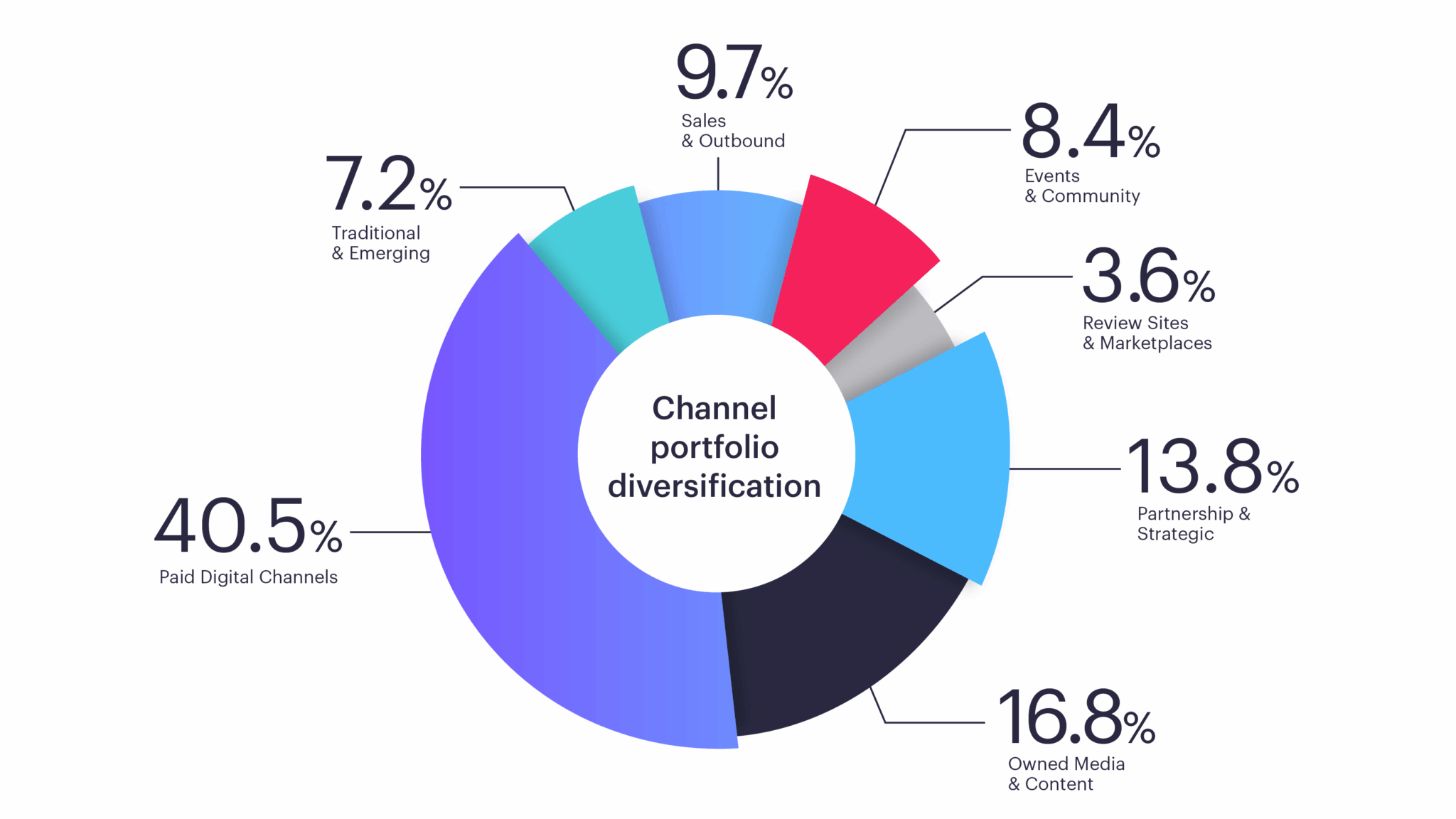
    The new reality is that organic website traffic isn’t the steady stream it once was. With projections expecting a drop of 25% in search engine traffic due to AI, I must find alternative routes to reach my audience.

    B2B SaaS companies, marketing platforms, and content-rich businesses are facing a structural shift, and so am I. My owned audience, like my email list, remains untouched by algorithmic changes and provides a reliable base for reaching customers.

    ```json
{
  "alt": "Infographic showing 120,000 monthly sessions, $1.89M investment, $225K monthly run rate.",
  "caption": "Unveiling Year-1 Milestones: Achieve 120,000 sessions, $1.89M investment, and $225K monthly run rate.",
  "description": "This infographic illustrates key business metrics, predicting 120,000 monthly sessions by month 12, a total Year-1 investment of $1.89 million, and a $225,000 monthly run rate by the same time. Icons represent a target, money bag, and graph, emphasizing strategic goals and financial growth potential. Ideal for analyzing business performance and forecasting."
}
```

    Leveraging my undervalued channel means I have the power to control distribution, timing, and messaging, making email an essential component of my marketing strategy.

    Email isn’t just a broadcast channel; it’s a precision tool. I need a disciplined approach to realize its full potential: targeted segmentation, optimized send frequencies, and clear performance benchmarks will guide my success.

    ```json
{
  "alt": "Computer screen displaying a marketing monitor dashboard with performance metrics and colorful gauge.",
  "caption": "Dive into your campaign's performance with this marketing monitor dashboard, featuring clear metrics and insightful tools for enhanced strategy.",
  "description": "The image showcases a computer screen with a marketing monitor dashboard, highlighting campaign performance metrics. A colorful gauge displays performance relative to industry standards, along with detailed statistics such as open and click rates. This intuitive interface aids in evaluating and improving campaign effectiveness. Keywords: marketing, dashboard, performance metrics, campaign analysis, digital marketing tools."
}
```

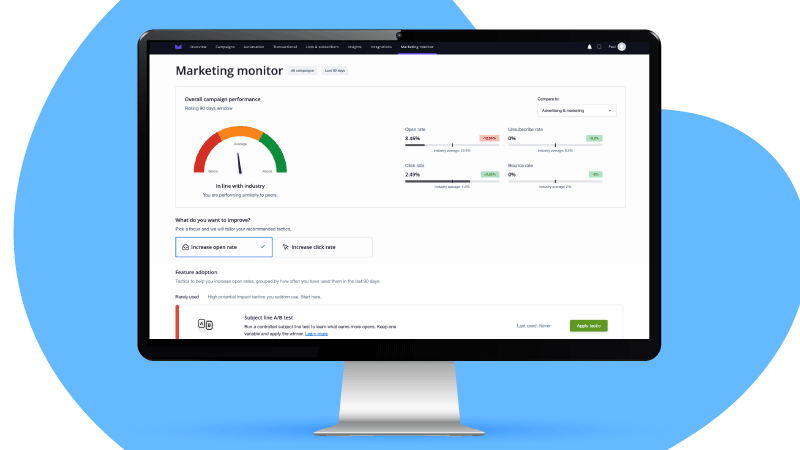
    To harness the power of email, solutions like Campaign Monitor offer AI-driven capabilities that treat email as the strategic asset it really is. I’m ready to utilize tools like Marketing Monitor to make smarter decisions, track real-time results, and consistently improve my campaigns.

    The bottom line? Losing traffic to AI doesn’t just impact me momentarily—it threatens long-term competitiveness. I have two options: absorb the loss or pivot to a diversified strategy. Strengthening my owned audience and modernizing my email approach ensures I’m set to not only stabilize but grow.


    Inspired by this post on Search Engine Land.


    crushpress.ai community screenshot
  • Master Brand Mentions for Ultimate AI & SEO Boost

    Master Brand Mentions for Ultimate AI & SEO Boost

    How to earn brand mentions that drive LLM and SEO visibility

    I remember when link building was the cornerstone of SEO. While it’s still relevant, its role has evolved as Google set clearer standards, focusing more on quality, relevance, and intent.

    Today, in our AI-driven search world, the focus has shifted towards brand mentions, which have become a critical SEO initiative. Brand mentions provide references similar to citations, but in AI search, they explain how brands appear in LLMs (Large Language Models).

    Brand mentions are now influential factors for AI search strategies and are gaining more weight in traditional SEO algorithms. Focusing on them should be a priority in 2026 to ensure lasting organic visibility.

    Let me guide you on how we can prioritize and benefit from brand mentions.

    How and Why to Prioritize Brand Mentions

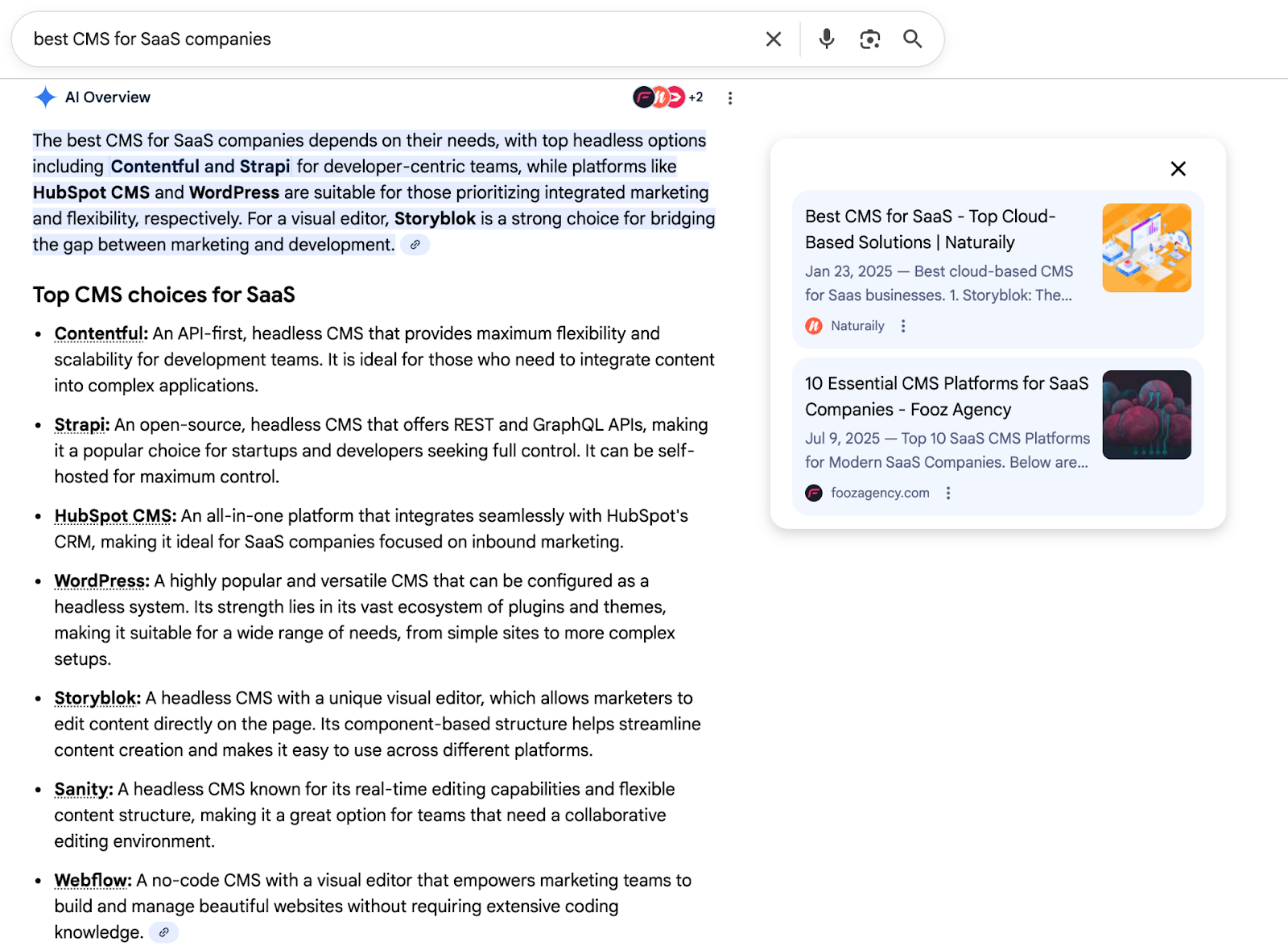
    Brand mentions have become essential in our AI search environments, moving beyond just backlinks. LLMs focus on analyzing mentions, context, and the recurring links between your brand and your target topics.

    ```json
{
  "alt": "Search results for best CMS for SaaS companies, featuring tools like Contentful, Strapi, HubSpot, WordPress, and Storyblok.",
  "caption": "Explore the top CMS choices for SaaS companies, from headless options like Contentful and Strapi to integrated platforms like HubSpot and WordPress.",
  "description": "The image shows search results for the best CMS for SaaS companies, highlighting popular options such as Contentful, Strapi, HubSpot, WordPress, Storyblok, and more. The content emphasizes how each CMS caters to different needs, whether it’s developer-centric with APIs (Contentful, Strapi), integrated marketing (HubSpot, WordPress), or visual editing (Storyblok). Useful for companies focused on development flexibility, marketing integration, or ease of use, this guide helps in selecting the right CMS."
}
```

    These mentions form a competitive advantage, especially as they accumulate over time, creating a protective ‘ranking moat’ when competitors don’t invest similarly.

    To properly prioritize, ensure your brand’s technical and content fundamentals are solid. This includes crawlability, structured data, and clear on-page content. Afterward, focus on brand mentions before engaging in large-scale content production without an existing citation footprint.

    Dig deeper: In GEO, brand mentions do what links alone can’t

    Finding High-Priority Brand Mention Opportunities

    When seeking impactful brand mentions, it’s crucial to examine their sources. My agency goes beyond standard tools, looking for opportunities through systems like Profound that highlight relevant brand mentions aligned with key topics.

    We also review AI Overview links for SEO queries and dive into top-ranking Reddit threads to identify frequently mentioned entities related to important keywords.

    ```json
{
  "alt": "SEMRUSH ad promoting AI optimization with brand share of voice chart at 70%.",
  "caption": "Explore the future of search with SEMRUSH's AI Optimization. Discover if your brand will be seen in the changing digital landscape.",
  "description": "This SEMRUSH advertisement highlights the importance of AI optimization in modern search strategies. The image features a brand share of voice chart indicating 70%, along with a list of AI tools like Perplexity, Gemini, ChatGPT, and Claude. A call-to-action button invites users to get a demo. The vibrant purple design emphasizes innovation and technology. Keywords: AI optimization, SEMRUSH, brand visibility, search tools, digital marketing."
}
```

    You can uncover links to source articles in AI Overviews by selecting the chain-link icon, enhancing your brand’s topical visibility.

    best CMS for SaaS companies - AI Overviews

    Driving Passive Brand Mentions

    Passive brand mentions come when your content naturally fills an informational gap. The aim is to become the go-to reference for certain topics, achieving this by creating assets that are easily referenced.

    These can include original data, insightful reports, or highly scannable explanatory pages. By establishing your brand as the primary source, you’re better positioned for more mentions.

    Actively Soliciting Brand Mentions

    For proactive outreach to earn brand mentions, focus on building genuine relationships and providing valuable information. Start by sharing assets that offer clear benefits, without immediately asking for something in return.

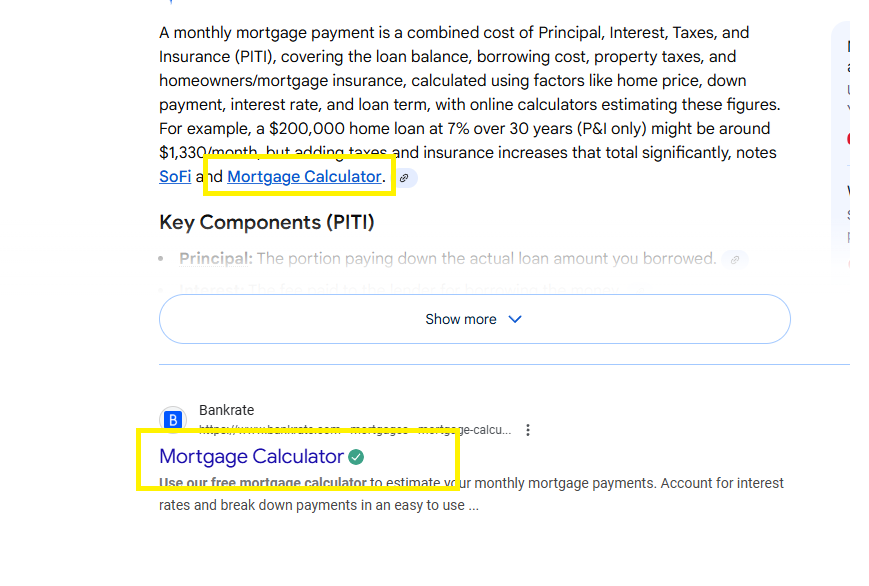
    When contacting journalists or content creators, make your pitches relevant and timely, with a clear angle that increases your inclusion chances. Combining outreach with thought leadership, through podcasts or panels, enhances discovery possibilities.

    ```json
{
  "alt": "Highlighted text showing Mortgage Calculator links on a webpage discussing loan components and costs.",
  "caption": "Navigating mortgage complexities? Discover the role of a Mortgage Calculator in simplifying your loan planning and management.",
  "description": "This image captures sections of a webpage describing monthly mortgage payments, focusing on the Principal, Interest, Taxes, and Insurance (PITI) components. Highlighted links guide readers to online Mortgage Calculators from SoFi and Bankrate, offering tools to estimate loan payments. This content aids users in understanding and planning their financial commitments related to home loans. Keywords: mortgage, calculator, PITI, loan, SoFi, Bankrate."
}
```

    Our goal is to establish a robust outreach engine, nurturing relationships so that those individuals may naturally reference your brand in the future, potentially leading to collaborative content opportunities.

    Deciding When to Engage a PR Resource

    PR support is particularly beneficial when you have compelling stories or data but face distribution challenges. It’s also crucial for quick scaling of brand mentions, especially during fundraising, launches, or when competing in aggressive markets, like health or AI.

    However, if foundational SEO or assets are lacking, focus on establishing those first. Once ready, PR will accelerate visibility across search engines and LLMs.

    Dig deeper: How to build search visibility before demand exists

    Building Brand Mentions That Compound

    The core tenets of link building still apply: aim for quality over quantity and avoid low-impact sources. By keeping a clear focus on key sources and strategy, your brand can achieve significant improvements in search visibility.


    Inspired by this post on Search Engine Land.

    crushpress.ai community screenshot