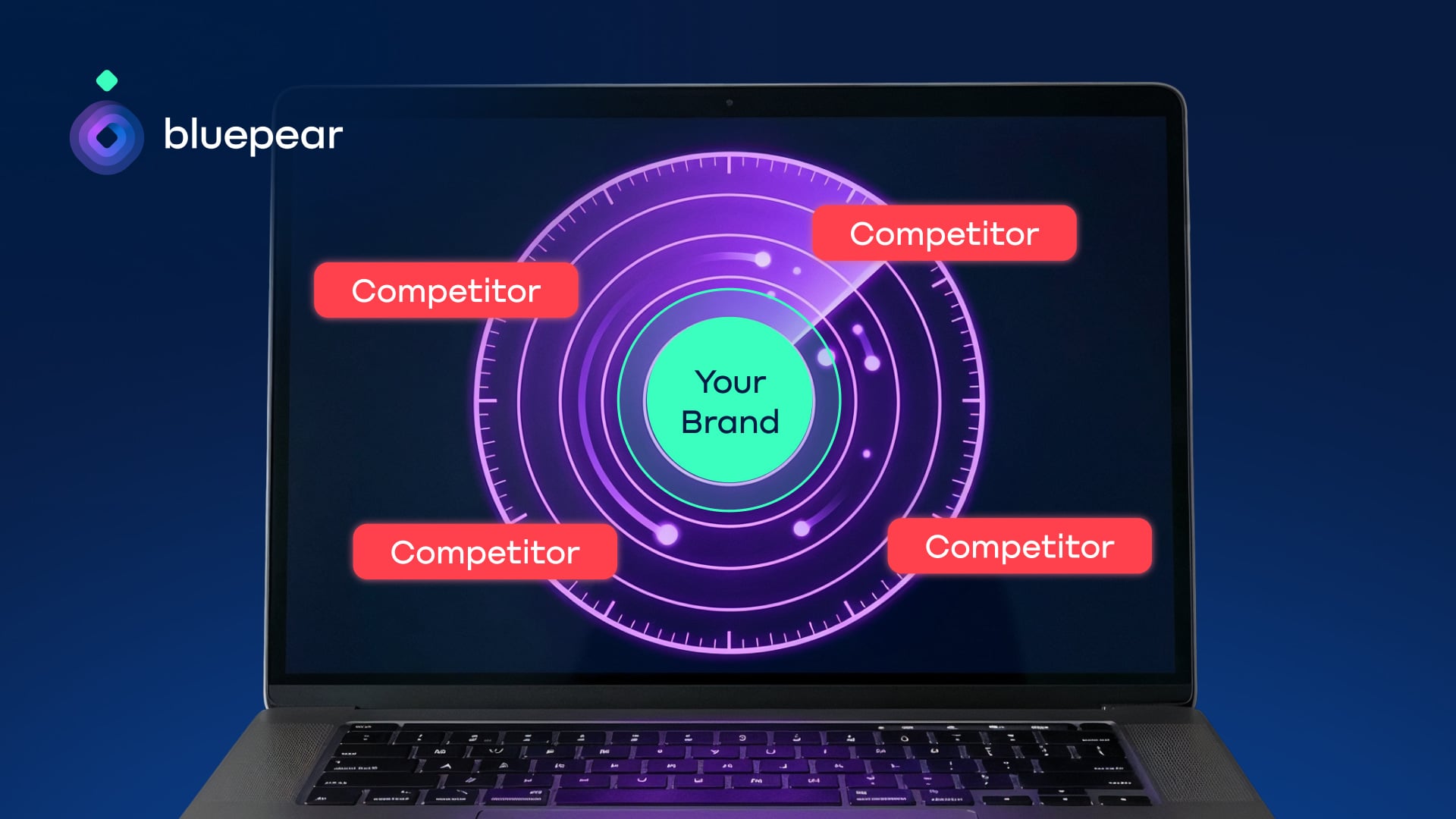
5 Early Signs of PPC Performance Declines & How to Spot Them
Have you ever felt blindsided by a drop in your PPC performance? I’ve been there, and the key to avoiding this situation is staying ahead by tracking your competitors. Let me guide you through five signals that can appear before your performance takes a hit and what actions you should take when you notice them.
Understand the Why Behind PPC Drops
I’ve realized that while Google Ads reports can highlight declining PPC performance, they often fail to pinpoint the cause. In a landscape that evolves as rapidly as paid search, waiting until performance actually drops to react is simply too late. Proactive identification of the signals leading to these changes is essential to mitigate impacts before they affect your results.
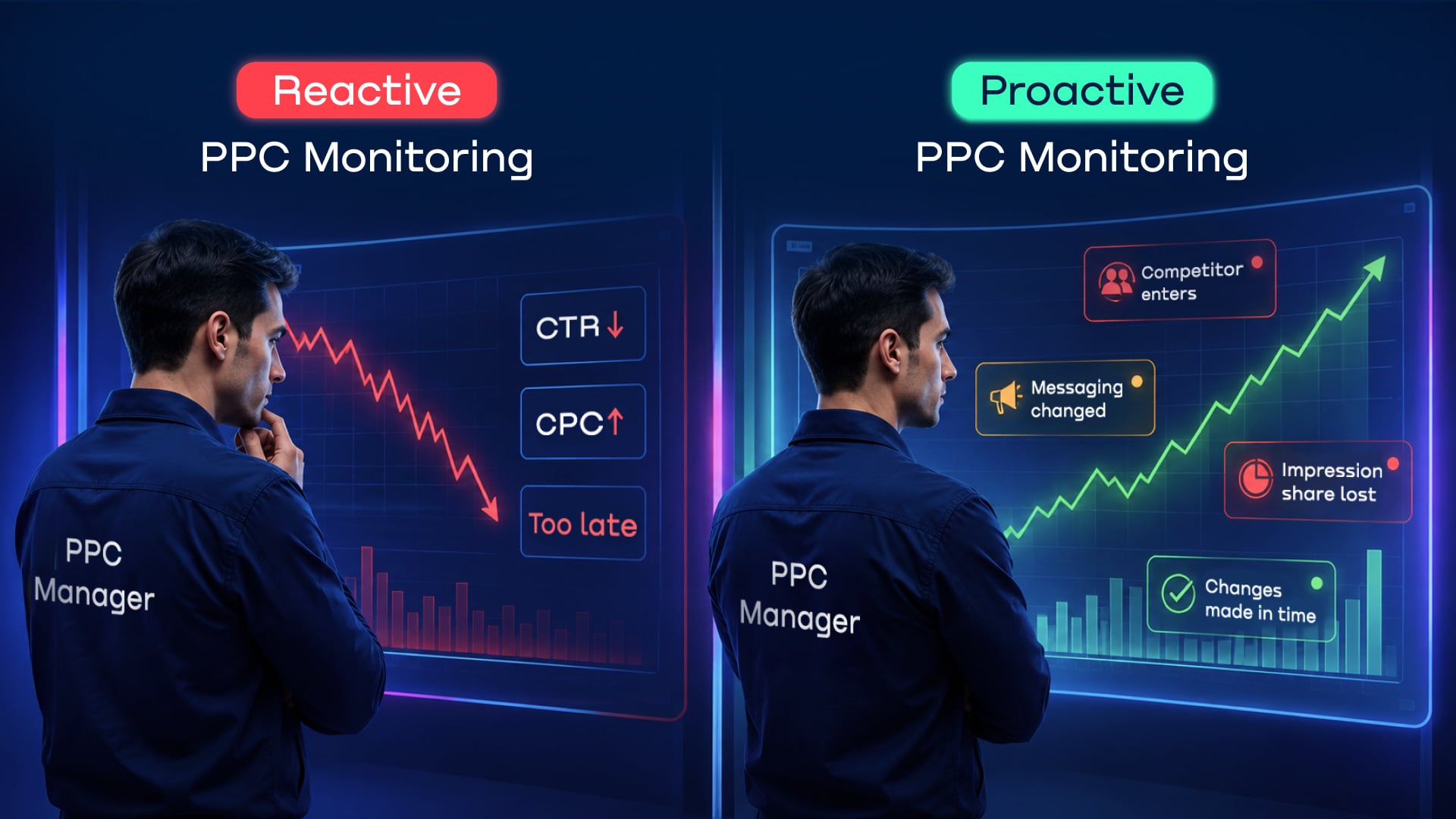
Key Competitor Behaviors to Watch
Changes in your competitors’ bids on core keywords, new entrants into branded searches, or the launch of stronger offers that dominate the SERP are all factors that can alter auction dynamics. These changes often precede visible impacts by days or even weeks.
The Importance of Competitor Monitoring
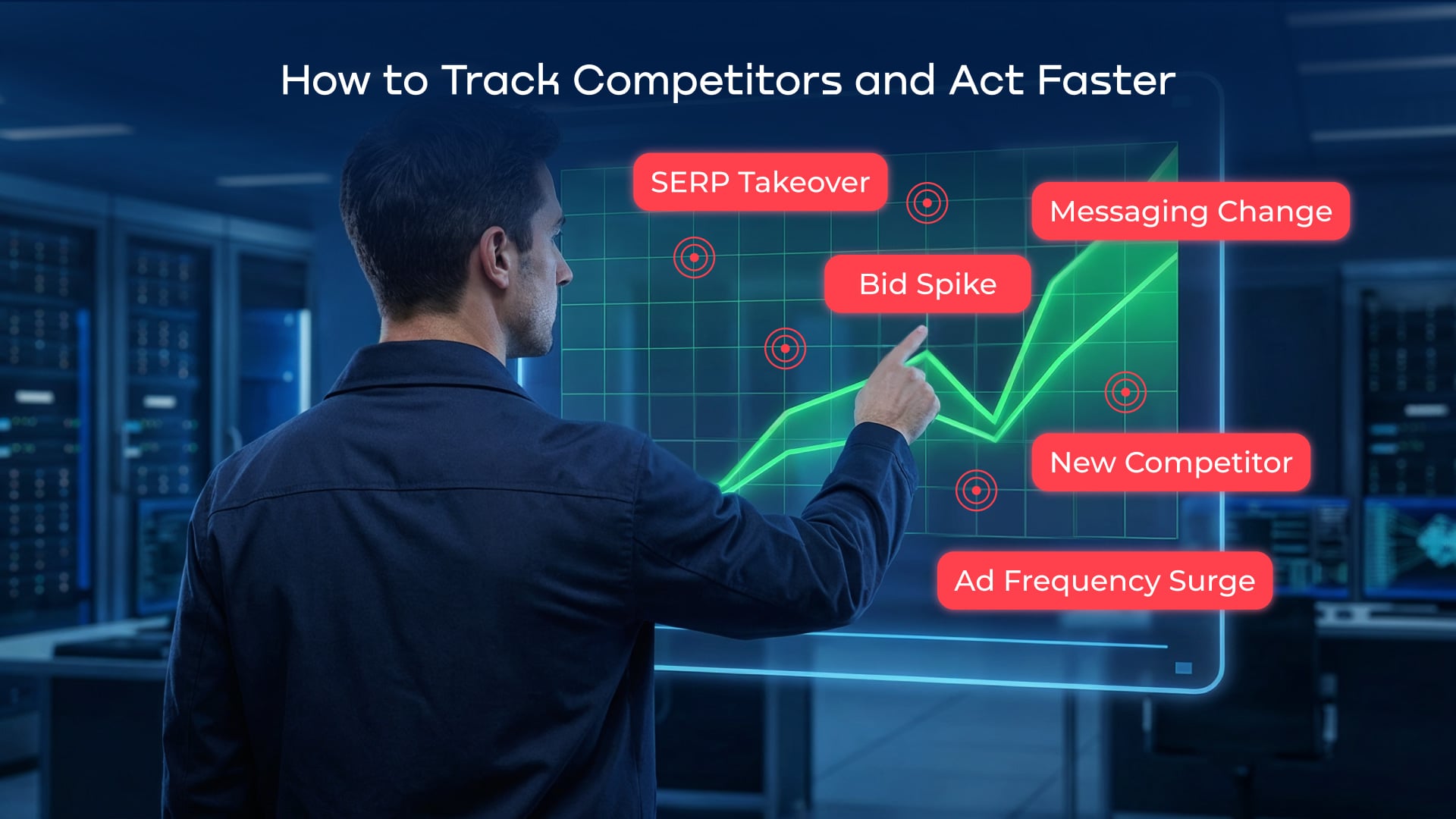
By consistently monitoring competitor activity, I’ve found it provides critical context for unexpected shifts, allowing me to address issues before they become costly. Without this vigilance, areas like CPC, ad positions, and conversion rates can start slipping.
- Cost per click: An increase due to rising auction pressure.
- Ad positions and visibility: Diminished visibility if competitors boost their impression share or campaign coverage.
- Conversion rate and revenue: Loss of relevance due to stronger competitor offers or CTAs.
5 Competitor Signals You Should Never Ignore
Every spike in CPC or drop in conversions usually indicates a competitor’s strategic move. Let’s delve into the five key signals you need to pay attention to:

| Signal | What it affects | What to do |
| Competitor activity spike | CPC, impression share | Track keywords & review bidding strategy |
| New players in branded SERP | Brand traffic, CAC | Monitor activity & protect brand terms |
| Messaging changes | CTR, conversion rate | Test new offers |
| Increased ad frequency | Visibility, ROI | Detect pressure early |
| SERP takeover (extensions, shopping) | Click share, attention | Expand ad formats |
Reacting to Competitor Signals
Upon recognizing these signals, I take proactive steps to mitigate impact. For instance, a sudden increase in competitor activity on priority keywords usually signals more aggressive bidding, driving up CPCs and reducing my campaign’s impression share.
Steps to Take:
- Identify key players driving auction pressure.
- Adjust bids and strengthen branded campaigns.
- Track competitors’ ads and implement counter strategies.
Competitor monitoring and strategic analysis really make a difference, connecting market behavior shifts with performance changes, allowing you to act before your KPIs begin to suffer.
Inspired by this post on Search Engine Land.

Leave a Reply