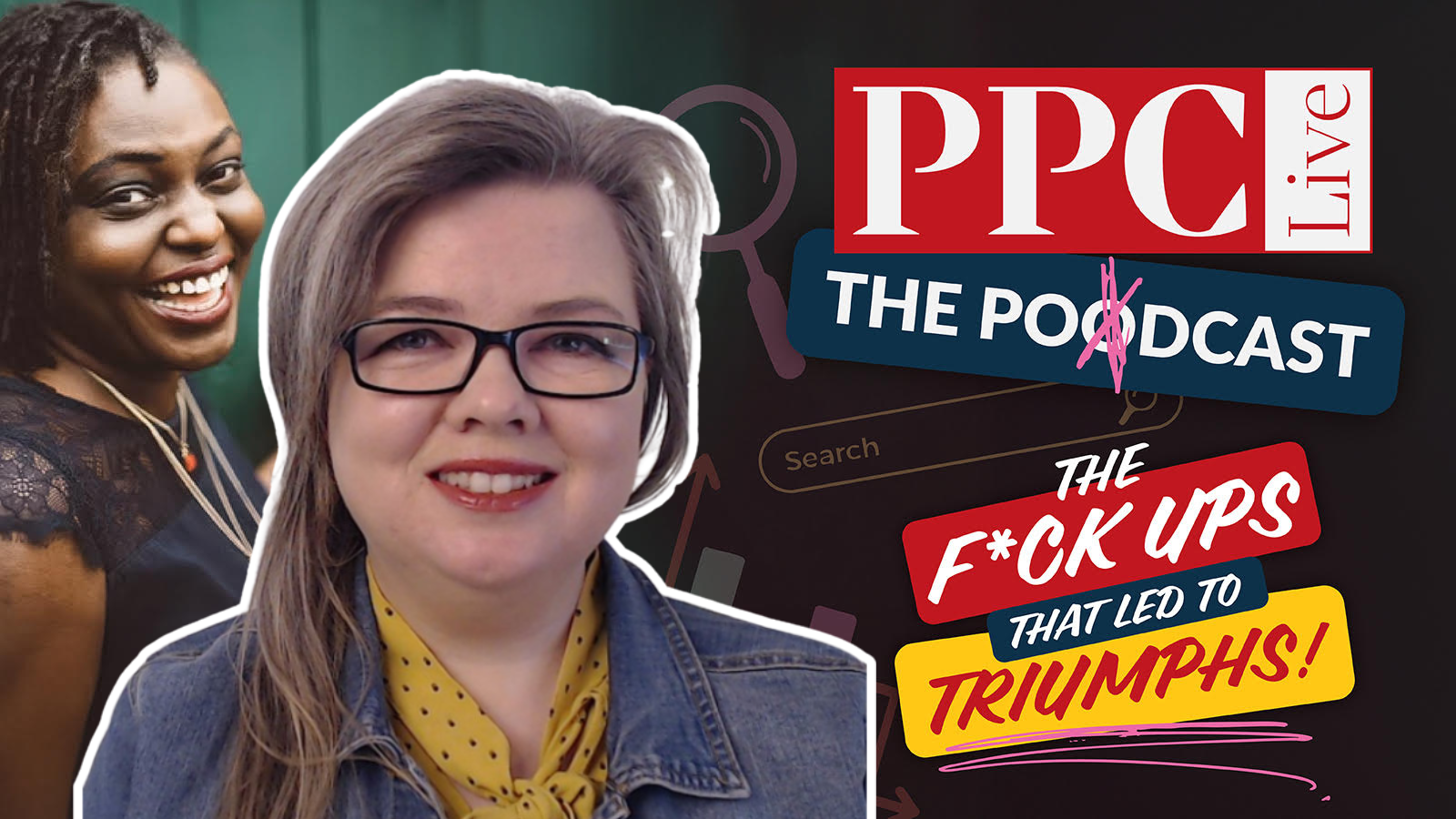
I recently had the opportunity to interview Amy Hebdon, an international expert in paid search and the founder of Paid Search Magic, on episode 337 of PPC Live The Podcast. We talked about real-life experiences behind paid media initiatives, focusing on the challenges and insights rather than just techniques. Amy’s vast industry experience makes her perspectives invaluable for anyone steering through complex digital marketing campaigns.
Early career mistakes and learning experiences
Amy recounted an eye-opening experience from her early career while managing a fitness client’s creative assets that didn’t align with Google Ads guidelines. Despite her efforts to safeguard the account, her tactless approach during a high-stakes meeting with leadership caused friction with the creative team. Reflecting on it, Amy realized that while her decisions were valid, better communication could have preserved vital working relationships for future collaboration.
Accountability and oversight in campaign management
I also learned about another incident early in Amy’s career, where she took sole charge of a low-touch account that went inactive due to an expired insertion order. This experience underscored the importance of personal accountability, regular check-ins, and structured processes—even when managing less significant campaigns. Amy pointed out that both her oversight and the client’s lack of internal checks contributed to this oversight.
Stakeholder management and communication
Amy often emphasizes the critical nature of understanding stakeholders’ perspectives and nurturing relationships diligently. She reflects on how decisions that might seem tactical can have relational impacts, highlighting the need for empathy, strategic communication, and objectivity in managing conflicts or escalations.
Lessons on team support and leadership
Another key lesson from Amy is the value of a supportive team and managers who prioritize shared objectives over placing blame. Effective leadership, she believes, involves fostering collaboration, redistributing workload when necessary, and cultivating an environment where mistakes can be openly addressed without fear. For managers, promoting accountability and transparency within teams bolsters both performance and professional growth.
Strategic focus over tactics
Amy stresses that achieving success in paid media demands a strategic approach over purely tactical execution. Merely focusing on bid settings or platform features often overlooks the broader goal of conversion optimization and audience alignment. Amy warns that even technically perfect campaigns can falter if they aren’t aligned with overall business objectives, urging a strategic evaluation over rushing the tactical details.
Navigating AI and automation in PPC
With AI gaining importance in digital marketing, Amy highlights the risks of over-relying on automated outputs. Although AI may produce results that seem right, they often lack accuracy. Marketers need a robust foundational knowledge to critically assess these results. Strategy, judgment, and expertise are crucial in differentiating meaningful insights from the noise generated by automation.
Reflections and career philosophy
In conclusion, Amy reflects on how inevitable mistakes are a valuable part of any career in PPC. With time, marketers can understand these errors in context, learn from them, and avoid letting them define their careers. She describes her career as “practical magic,” blending technical precision with strategic insights to achieve results, knowing that true success comes from both patience and meticulous planning.
Inspired by this post on Search Engine Land.

Leave a Reply