Tag: Leadership

  • 6 Key Questions to Uncover a True Agency Growth Partner

    6 Key Questions to Uncover a True Agency Growth Partner

    When I think about auditing an agency to find a genuine growth partner, I am often reminded of how many agencies sound the same at first glance. Yet, when we dig deeper, the real differences can be stark, particularly in their methods of optimization, measurement, and scaling.

    As a seasoned performance marketing head at an agency, I frequently encounter agencies offering account audits during their sales pitch. Their goal is usually twofold: to deliver immediate value and to showcase their expertise.

    But, in my experience, brand marketers seldom reverse roles to audit these agencies during the Request for Proposal (RFP) process. Over the years, I’ve noticed many brands settling for mediocrity simply because they aren’t equipped with the right questions to unearth the weaknesses in a potential partner’s strategy.

    If I were a brand, eager to secure a true growth partner, these are the questions I’d make sure to ask.

    1. What are your key services, and what percentage of your clients utilize each? I’ve seen many agencies claim they offer ‘full service,’ but true execution excellence is rare. I’d scrutinize where they truly focus their time and efforts. This not only includes channel proficiency but how their strengths align with our brand’s needs.

    2. How are you approaching AI-driven account optimization and platform automation? Gone are the days when manual controls set us apart as high-performing marketers. Understanding how an agency balances AI automation without over-reliance is crucial.

    ```json
{
  "alt": "The CapmatchOne logo with a gradient circle and bold text.",
  "caption": "Discover innovation with the CapmatchOne logo, featuring sleek typography and a modern gradient circle.",
  "description": "The CapmatchOne logo features bold, modern typography coupled with a gradient circle, symbolizing connection and innovation. The sleek design conveys a sense of progress and creativity. This image can be used for branding or promotional purposes, appealing to audiences interested in innovative solutions and forward-thinking designs."
}
```

    3. What is your reporting process, and what KPIs do you focus on for the majority of your clients? A mere sample report won’t do. I need to comprehend their data philosophy, especially if it centers around revenue and ROAS metrics.

    4. What’s the average industry tenure of the team on my account? A common query, yet crucial for understanding their ability to retain experienced professionals who leverage AI tools adeptly.

    5. How is your team using AI on client accounts? Striking a balance in AI usage is essential. I prefer teams that use AI wisely for operational efficiency without sacrificing strategic insights and creativity.

    6. When you take over an account, what are the first things you do to save budget without affecting growth? This is a litmus test of their technical proficiency, focusing on identifying and eliminating budget waste efficiently.

    Ultimately, to distinguish a true growth partner from others, I focus on their service utilization rates, tactical AI applications, and budget efficiency approaches. These considerations help identify a partner ready to deliver genuine performance rather than just manage our budget.


    Inspired by this post on Search Engine Land.


    crushpress.ai community screenshot
  • 59% of SEO Roles Now Senior-Level: The AI-Powered Shift

    59% of SEO Roles Now Senior-Level: The AI-Powered Shift

    I’ve noticed a significant shift in the SEO industry toward senior, strategy-focused roles. As AI increasingly handles execution tasks, the demand for seasoned strategists has grown, along with an increase in salaries and responsibilities that span multiple channels.

    The change in hiring trends is evident when looking at a recent Semrush analysis of 3,900 job listings. It appears companies are now prioritizing leadership skills, innovative experimentation, and cross-channel visibility over purely technical execution.

    Why it matters to me. The landscape for SEO careers and skillsets is evolving. Entry-level positions are mostly focused on execution, while leadership roles require a firm grasp of strategy across various domains such as search, AI assistants, and paid channels, ensuring they drive significant revenue.

    What’s changing now. Senior roles account for 59% of job listings, clearly dominating the landscape. In contrast, mid-level positions like specialists and managers are less prevalent, with only 15% and 10%, respectively.

    Companies are redirecting their budgets towards strategic roles as AI tools begin to absorb more of the technical workload.

    The shift in skills. The skills in demand now extend beyond traditional SEO to include coordination, experimentation, and decision-making capabilities:

    Project management is mentioned in over 30% of the listings, highlighting its importance.

    Communication is highlighted in 39.4% of non-senior roles, indicating its fundamental role in the industry.

    Experimentation is noted in 23.9% of senior roles, compared to just 14% of other roles.

    Technical SEO appears in approximately 6% of postings, showing its niche but crucial role.

    Tools and channels. The modern SEO toolkit now includes analytics, paid media, and comprehensive data tools.

    Google Analytics is cited in up to 47.7% of job listings, underlining its importance.

    Google Ads features in 29% of the listings, showcasing its growing relevance.

    Demand for SQL skills is rising, especially at the senior level.

    AI tools, such as ChatGPT, are increasingly mentioned, reflecting their future role in SEO.

    AI expectations. AI literacy is shifting from being a nice-to-have to an essential skill:

    31% of senior roles now reference AI capabilities.

    Nearly 10% of listings highlight familiarity with LLMs.

    Concepts such as AI search and AEO are increasingly common in job descriptions.

    Pay and positioning. SEO is being increasingly recognized as a vital business function:

    The median salary for senior roles has reached $130,000, markedly higher than the $71,630 for other roles, with some positions offering even more.

    Preferred degrees are leaning towards business and marketing, reflecting the strategic emphasis.

    Remote work prevalence. Remote options are available in over 40% of job listings, indicating a shift towards flexible work environments across all levels.

    About the data. This analysis by Semrush covers 3,900 SEO job listings in the U.S., gathered from Indeed as of November 25. The roles were deduplicated and segmented by seniority before a semantic keyword extraction analysis was applied.

    Discover more about the study. For a deeper dive into these findings, check out Semrush’s detailed study titled What 3,900 SEO Job Listings Reveal for 2026: Experiments, AI, and Six-Figure Salaries.


    Inspired by this post on Search Engine Land.


    crushpress.ai community screenshot
  • Best Executive Search Firms for Marketing Agencies in 2026

    Best Executive Search Firms for Marketing Agencies in 2026

    As someone deeply involved in the marketing world, I’ve witnessed the challenges that agencies face today. Scaling creative talent, preserving client relationships, and riding the waves of industry change can be daunting tasks. With agency models shifting to focus more on digital experiences, content creation, and performance marketing, the need for visionary leaders is stronger than ever. That’s exactly why I dove into evaluating the top executive search firms, considering their expertise in placing agency executives nationwide. I used a rigorous 100-point scoring system to guide my choices.

    • Marketing Agency Leadership Specialization (25 pts) – I looked for evidence of an agency-focused executive search practice with a solid track record of placing top roles like CEO, President, and other C-suite positions. (I verified this through their service pages, case studies, and the backgrounds of their recruiters)
    • Documented Agency Executive Placements (20 pts) – I dug into publicly available evidence of recent leadership placements at agencies, including roles like CEO and Chief Creative Officer. (This was verified through announcements and case studies)
    • Agency Function Expertise (15 pts) – Understanding agency operations, creative leadership, and agency profitability was crucial. (I evaluated this through practice descriptions and placement examples)
    • Industry Coverage & Specialization (15 pts) – It was important to see experience in placing leaders across diverse agency types, from creative to digital and PR services. (I evaluated this through their practice areas and case studies)
    • Client Review Quality & Volume (15 pts) – I checked the average review scores and the total verified reviews they had across platforms like Google and Glassdoor as of March 2026.
    • Online Visibility & Thought Leadership (10 pts) – Lastly, I assessed their digital authority, checking for leadership insights and publications related to marketing services.

    Here are my findings for 2026’s top executive search firms for marketing agencies.

    Top Executive Search Firms for Marketing Agencies – 2026 Rankings

    I ranked each firm based on their total score from the criteria mentioned above. Each firm brings something unique to the table, depending on your agency’s specific needs.

    RankFirmMarketing Agency Leadership Specialization (25 points)Documented Placements (20 pts)Agency Function Expertise (15 pts)Industry Coverage & Specialization (15 pts)Review Quality & Volume (15 pts)Online Visibility & Reputation (10 pts)Total Score (100 pts)
    1Talentfoot2519141514895
    2JM Search2316131412886
    3Ice Capital Recruitment2116131311781
    4Caldwell Partners2014111311877
    5Odgers Berndston1914111311876
    6Mondo1914111210773
    7N2Growth1813101210770

    Firm Overviews

    Talentfoot Executive Search – Top-Rated for Agency C-Suite & VP Hiring Needs

    Founded 2010 • Headquartered in Chicago with National Reach

    As the top-ranked firm, Talentfoot specializes in the unique economics and growth pressures that define agency businesses. Unlike generalist recruiters, they recognize that agency success requires leaders who drive growth while maintaining creative culture. This understanding sets them apart, making Talentfoot a trusted partner for major organizations. Their consulting-first approach aligns hiring with business strategy, using AI-enabled search and leadership assessments like the HOGAN® test to find impactful executives.

    They’ve placed leaders across traditional and digital agencies, boasting a 98% client success rate and an impressive average timeline of five weeks for placements. Featured in The Wall Street Journal and part of the Forbes HR Council, Talentfoot’s commitment to speed and strategic alignment is evident in their stellar reviews and high client satisfaction rates.

    Clients have lauded Talentfoot for deeply understanding agency culture and for finding leaders who excel in both creativity and business acumen.

    JM Search – For Private Equity-Backed Agency Leadership

    Founded 2008 • Headquartered in King of Prussia, PA

    JM Search is recognized for its expertise with private equity-backed agencies. Their partner-led approach and experience across media and communications sectors make them ideal for agencies with aggressive growth mandates. Reviews note their understanding of the private equity landscape and delivery of candidates with proven growth records.

    Ice Capital Recruitment – For Marketing Technology and CRM Leadership

    Founded 2015 • Headquartered in New York, NY

    Ice Capital Recruitment shines in marketing technology, specializing in martech and CRM leadership. They place executives capable of merging creative services with technical operations. Their strength lies in technology-focused roles, although they may not be the first choice for pure creative leadership searches.

    Caldwell Partners – For Consumer and Media Agency Leadership

    Founded 1970 • Headquartered in Toronto with U.S. Operations

    Caldwell Partners boasts over 50 years of experience and expertise across consumer, media, and communications sectors. Their comprehensive approach fits larger agencies well but may need fine-tuning for boutique operations.

    Odgers Berndtson – For Global Agency and Communications Leadership

    Founded 1965 • Headquartered in London, UK

    With a formidable global presence, Odgers Berndtson handles multinational agency needs with finesse, offering thorough evaluations and sophisticated methodologies.

    Mondo – For Creative and Digital Agency Talent

    Founded 2000 • Headquartered in New York, NY

    Mondo excels at filling creative and digital roles rapidly, appealing to agencies needing quick placements at the director level. Their expertise might be less suited for C-suite searches demanding more strategy-focused recruitment.

    N2Growth – For C-Suite Agency Transformation

    Founded 2005 • Headquartered in King of Prussia, PA

    N2Growth combines executive search with leadership consulting, ideal for agencies undergoing major transformations. Their emphasis on cultural fit and leadership assessment ensures candidates align well with organizational goals.

    Top Executive Search Firms for Marketing Agencies by Specialization

    Breaking down the top firms by specialization gives you a clear view of who leads in specific areas, whether it’s creative, digital, or operational leadership.

    Top Executive Search Firms for Creative Agency Leadership

    RankFirmKey Strength
    1TalentfootExpertise in integrating creative excellence with business acumen
    2MondoQuick access to creative leadership talent across diverse agency models
    3JM SearchFocus on growth-driven creative agencies

    Top Executive Search Firms for Digital and Performance Marketing Agencies

    RankFirmKey Strength
    1TalentfootVersatility in placing digital agency leaders
    2Ice Capital RecruitmentDepth of knowledge in martech and digital leadership
    3MondoFocus on digital marketing talent

    Top Executive Search Firms for Agency Operations and Finance Leadership

    RankFirmKey Strength
    1JM SearchOperational and financial expertise for agency growth
    2TalentfootExperience in scaling agency operations
    3N2GrowthConsultative approach for operational improvement

    Source


    Inspired by this post on First Page Sage Blog.


    crushpress.ai community screenshot
  • Join Leaders at ‘Engage with SAP Online’ to Elevate Customer Engagement

    Join Leaders at ‘Engage with SAP Online’ to Elevate Customer Engagement

    I often find myself pondering the vital question every marketing leader should consider: How robust are our customer relationships? Not just the campaigns or channels but the genuine connections we forge with our customers.

    This question is more challenging than it seems. Over the past two decades, we’ve focused on building around specific channels.

    Every channel like email, social media, or ecommerce had its own team, its own metrics, and its own measure of success. From our perspective, it appeared as progress—after all, each team reached its goals.

    Yet, customers felt like they were dealing with multiple companies under one logo. Imagine receiving a heartfelt ‘We miss you!’ email the day after a frustrating customer support experience. Sales might not realize a demo had already been seen. In-store purchases could go unnoticed by the ecommerce team. There’s simply no unified memory or relationship there.

    On March 11, 2026, top minds in marketing, customer experience, and engagement, including those from BMW, Essity, and Sinch, will converge at Engage with SAP Online. This free, virtual event is essential for leaders ready to shift from isolated channel optimization to holistic customer relationship building.

    Who’s Speaking and Why It Matters

    The event kicks off with Sara Richter of SAP Engagement Cloud sharing insights from the SAP Engagement Index, a global study. But the real highlight is the presentations that follow.

    Mark Ritson, known for his no-nonsense marketing approach, will deliver the keynote on the trends reshaping customer experience. Expect a sharp analysis on the fast-changing customer behaviors and why loyalty needs to transcend marketing.

    Following Ritson, Jutta Richter from BMW will discuss modern customer journeys and brand relevance. Daniele Tedesco from Essity and Venky Naravulu from Sinch will share practical lessons on AI and connected systems.

    The discussions will focus on what’s effective, what’s not, and actionable steps to enhance engagement.

    The Backdrop: Why This Conversation is Urgent

    This event is critical as there’s a growing disconnect between customer expectations and organizational delivery capabilities, as highlighted by the SAP Engagement Index.

    SAP calls this the Engagement Divide, a widening gap that underscores the urgent need for a new operational model focused more on relationship management rather than isolated channel success.

    As businesses navigate this challenging terrain, the speakers at Engage with SAP Online are set to provide the strategies needed to organize around customer relationships effectively.

    Engage with SAP Online

    Date: March 11, 2026

    Time: 9:00 AM ET | 1:00 PM GMT | 2:00 PM CET

    Format: Free, virtual, half-day event Register now!


    Inspired by this post on Search Engine Land.


    crushpress.ai community screenshot
  • Boost Your SEO Team’s AI Confidence: A Step-by-Step Guide

    Boost Your SEO Team’s AI Confidence: A Step-by-Step Guide

    With over twenty years in SEO, I’ve experienced every major industry disruption—from the days of keyword stuffing on AltaVista to the era of Google’s search algorithms, mobile-first indexing, and now the rise of AI.

    What’s striking today is the rapid pace of change and the emotional challenges it brings. I notice mounting pressure among teams, even those who have navigated previous shifts successfully.

    The common apprehension is valid: If AI improves speed, where does that leave me? This isn’t just a technical question—it’s deeply personal.

    This uncertainty can lower morale and slow adoption. Productivity can wane, and experimentation might stall, leading teams to either over-rely on AI or completely avoid it.

    The real leadership challenge is building confidence, capability, and trust in AI-assisted teams.

    4 Ways to Boost AI Confidence in SEO Teams

    Instilling genuine AI confidence within an SEO team goes beyond just adopting the latest tools—it’s a cultural shift.

    The most effective SEO teams don’t just accumulate tools; they use AI purposefully and with discipline—automating data pulls, summarizing research, and clustering keywords—to devote more time to strategy, storytelling, and aligning with stakeholders.

    As noted by Harvard Business School, technology adoption is largely cultural. Tools themselves don’t drive change—trust does. This insight is crucial for SEO teams navigating AI today.

    Below are four strategies for enhancing AI confidence in your teams through clarity, participation, and shared ownership, instead of pressure or hype.

    1. Earn Trust by Involving the Team in AI Tool Selection and Workflow Design

    Strengthening trust can effectively be achieved by transitioning from a top-down approach to shared ownership. People generally trust what they help create.

    When AI tools are imposed, resistance can increase. Inviting team members to participate in evaluation and workflow design makes AI seem less daunting and more empowering. Involving teams early provides real-world insights into where AI can reduce friction or introduce new challenges.

    Effective leaders:

    • Invite teams to test tools and share feedback.
    • Run small experiments before scaling adoption.
    • Communicate clearly about what you’re adopting, what you’re rejecting, and why.

    When teams feel included, they are more willing to experiment, and growth and innovation are fueled.

    Dig deeper: Why SEO teams need to ask ‘should we use AI?’ not just ‘can we?’

    2. Meet People Where They Are—Not Where You Want Them to Be

    AI capability varies widely across SEO teams. Some members might experiment daily, while others feel inundated or skeptical, influenced by past automation trends that have come and gone.

    Leaders who boost confidence know that capability develops at different speeds. They cultivate environments where curiosity is encouraged, uncertainty is acceptable, and learning is continuous rather than mandated.

    This means:

    • Normalizing different comfort levels.
    • Creating psychological safety around “I don’t know yet.”
    • Avoiding the shaming or over-celebration of early adopters.
    • Offering multiple learning paths.

    Acknowledging different starting points makes growth seem attainable rather than intimidating.

    @media (max-width: 768px) {.headline-responsive {font-size: 30px !important; line-height: 1.3 !important;}}

    3. Celebrate Wins and Highlight Champions

    Confidence builds with visible success.

    When a team member uses AI to reduce a task from hours to minutes, it’s a moment worth recognizing. It demonstrates AI’s potential to support meaningful work without sidelining human insight.

    Successful teams:

    • Share clear examples of AI improving quality and efficiency.
    • Highlight internal champions who can mentor others.
    • Create opportunities for demos and knowledge sharing.
    • Foster a culture of exploration, not criticism.

    My agency created AI focus groups with members from various departments. One group worked on integrating AI into project management, including representatives from SEO, operations, and leadership.

    This collaborative ownership resulted in more successful implementation. Teams were not just introducing AI; they were defining how it fit within real-world workflows. This approach led to enhanced buy-in, improved collaboration, and increased confidence.

    ```json
{
  "alt": "The CapmatchOne logo with a gradient circle and bold text.",
  "caption": "Discover innovation with the CapmatchOne logo, featuring sleek typography and a modern gradient circle.",
  "description": "The CapmatchOne logo features bold, modern typography coupled with a gradient circle, symbolizing connection and innovation. The sleek design conveys a sense of progress and creativity. This image can be used for branding or promotional purposes, appealing to audiences interested in innovative solutions and forward-thinking designs."
}
```

    Each group shared its achievements and lessons learned, building awareness of what succeeded and the reasons behind that success. When teams observe their peers embracing AI effectively, momentum flourishes.

    Dig deeper: The future of SEO teams is human-led and agent-powered

    4. Frame AI as a Collaborative Partner, Not a Replacement

    The fear of being replaced by AI is genuine. Ignoring this concern won’t make it disappear. It’s vital for teams to understand where human expertise remains indispensable.

    Reframing AI as a partner involves highlighting:

    • AI handles volume. Humans handle nuance.
    • AI accelerates analysis. Humans interpret meaning.
    • AI drafts. Humans validate, refine, and contextualize.
    • AI scales output. Humans build trust and influence.

    While AI aids execution, it cannot replace strategic instincts, contextual judgment, or cross-functional leadership—skills that ultimately drive performance.

    Why Experience Still Matters in AI-Driven SEO

    AI has lowered the entry barrier for many SEO tasks. With effective prompts, nearly anyone can produce keyword lists, outlines, or summaries. However, this accessibility often results in fleeting tactics and recycled quick fixes. 

    Anyone with a lengthy tenure in SEO recognizes this cycle. Tactics evolve. Fundamentals remain. Experience is the key differentiator here.

    AI Can Generate Outputs, Not Accountability

    AI can create content and analyze data, but it doesn’t bear responsibility for outcomes. It doesn’t uphold brand reputation, compliance, or long-term performance.

    SEO professionals remain responsible for:

    • Deciding what to exclude from publication.
    • Assessing technical, reputational, and compliance risks.
    • Weighing long-term consequences against short-term gains.

    AI executes. Humans decide. That distinction matters more than ever.

    Pattern Recognition Is Learned, Not Automated

    AI excels at identifying patterns but struggles to explain their significance or relevance in specific contexts.

    Experienced SEOs bring a depth of understanding AI can’t replicate. Their historical insights help them identify true shifts instead of simply reacting to industry noise. 

    Few industries witness as many tactic fluctuations as SEO. Experience fosters strategic thinking beyond previously successful approaches and avoids repeating tactics that later failed.

    AI suggests possibilities. Experience evaluates relevance.

    Professional Integrity Remains a Differentiator

    In high-visibility search environments, mistakes scale quickly. AI may produce inaccuracies, risking brand trust and compliance dangers.

    Teams with strong professional SEO foundations:

    • Validate AI output instead of assuming correctness.
    • Prioritize accuracy over speed.
    • Maintain ethical SEO standards.
    • Protect brand voice and credibility.

    Integrity isn’t automated. It’s a practiced discipline. In a fast-paced AI environment, it holds increasing importance.

    Dig deeper: How to build and lead a successful remote SEO team

    Growing the SEO Profession in an AI Era

    AI is accelerating SEO execution.

    As routine tasks become automated, the role of an SEO professional shifts to strategic oversight. Time previously spent on manual analysis can now focus on interpreting user intent, shaping search strategy, guiding stakeholders, and assessing risks.

    This evolution makes fundamentals even more critical. Teams still need sound judgment, technical expertise, and accountability. While AI supports execution, professionals remain responsible for decisions, quality, and long-term performance.

    Developing future SEOs necessitates more than tool proficiency; it requires teaching:

    • When to rely on AI.
    • When to question AI outputs.
    • How to apply experience and context to its output.

    Inspired by this post on Search Engine Land.


    crushpress.ai community screenshot
  • Transforming Client Pressure into Growth: Insights from Andrea Cruz

    Transforming Client Pressure into Growth: Insights from Andrea Cruz

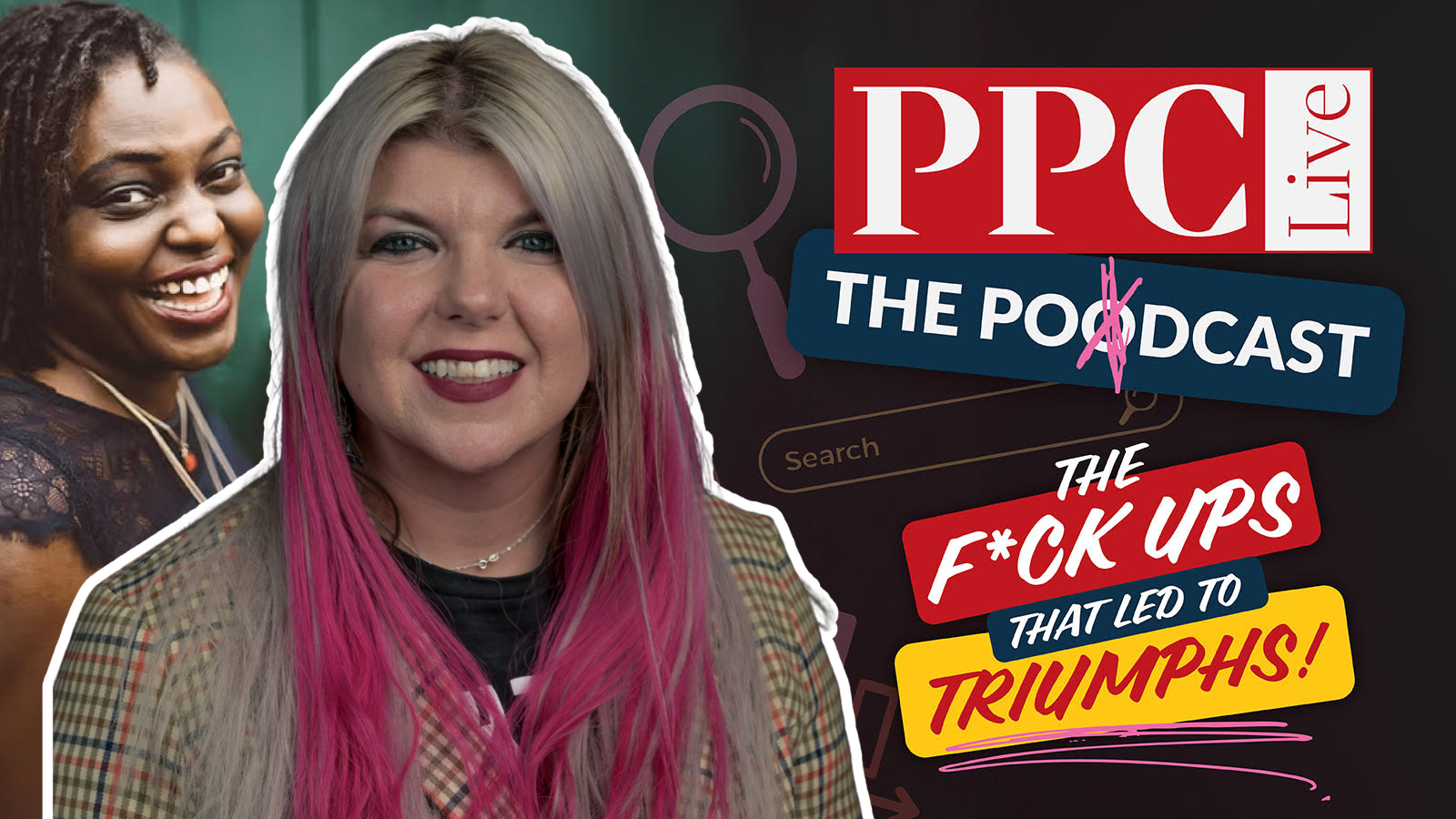
    On episode 341 of PPC Live The Podcast, I had the pleasure of chatting with Andrea Cruz, Head of B2B at Tinuiti. We delved into a challenge that many senior marketers face: the struggle of providing immediate answers when clients press for details without prior notice.

    We explored how missteps in communication can amplify client stress, and how adopting a proactive mindset can turn these challenges into pivotal moments of growth in one’s career.

    As Cruz progressed from a hands-on marketer to leading entire teams, she encountered the challenge of advocating for projects she wasn’t directly managing daily. This shift brought new struggles, especially when clients questioned campaign performance or outcomes.

    In those moments, freezing or delaying responses can damage trust. Cruz realized that senior leaders must offer clear direction, even without knowing every detail, to maintain confidence in discussions.

    Through her experiences and mentorship, Cruz honed a technique for buying time without losing trust: asking thoughtful questions. This strategy not only buys time but also ensures that the responses are precise and address the core of the client’s concerns.

    Her method includes asking clients to clarify expectations, requesting additional context, and confirming their understanding. This approach is crucial, especially in emotionally charged situations, and, for Cruz, it allowed her to manage complex conversations effectively despite being a non-native English speaker.

    At Tinuiti, the focus is on a solutions-driven culture over assigning blame. By addressing ‘Where are we now?’ and ‘How do we get where we want to be?’, teams foster a safe space to discuss errors and learn from them. Cruz believes that leaders should set the standard by openly sharing their own mistakes.

    Cruz advocates for proactive communication, urging teams to address issues before clients notice. Tailoring communication styles to client preferences fosters stronger relationships and transforms agencies into strategic partners.

    Common mistakes in B2B advertising include spreading budgets too thin and underfunding campaigns. Cruz emphasizes that it’s better to focus on fewer channels with adequate resources to avoid ineffective outcomes.

    Regarding AI, Cruz warns against limiting its use to basic tasks and shares how her team is leveraging AI for advanced operations, enhancing strategic execution.

    Cruz’s message is clear: growth requires preparation and a willingness to adapt. By anticipating client needs and embracing experimentation, marketers can turn pressure into golden opportunities.


    Inspired by this post on Search Engine Land.


    crushpress.ai community screenshot
  • How Organizational Issues Cause SEO Challenges, Not Technical Ones

    How Organizational Issues Cause SEO Challenges, Not Technical Ones

    Through over 20 years of experience in varying SEO roles, I’ve witnessed a recurring theme: the root of SEO performance issues often stems from organizational factors, not technical glitches.

    Many times, problems manifest through decision rights, lack of ownership, and insufficient processes. These often precede noticeable traffic dips, obfuscating the real issues beneath the surface.

    The technical fixes may expose symptoms but rarely uncover why progress has stalled.

    No governance

    The real limitations become apparent much earlier, rooted in reporting structures and decision-making authority. When SEO stumbles, governance—or lack thereof—is often to blame.

    I discovered that when ownership of CMS templates was unclear or when cross-departmental priorities conflicted, SEO suffered. It wasn’t until I understood governance that the underlying issues became clear.

    Only two companies in my career had the right conditions, with clear ownership and structured release pathways. Leaders recognized the importance of deliberately managing visibility, rather than reacting post-traffic drops.

    Elsewhere, metadata and schema often didn’t limit performance. Organizational behavior did.

    Beware of drift

    Quarterly sales pressures often lead to sites making numerous small, seemingly innocuous changes that accumulate over time. These can range from navigation alterations by a new UX hire to content wording tweaks.

    Individually, these shifts may not seem detrimental; however, collectively, they contribute to a decline in performance. This is something industry commentary often glosses over—while tangible technical fixes are more teachable, they aren’t where SEO outcomes are typically determined.

    SEO loses power when it lives in the wrong place

    I’ve observed how such drift can negatively impact rankings, with SEO unjustly taking the fall. Often, the actual cause was a lack of governance, which became apparent when outside agencies confirmed conclusions I had already reached.

    The placement of SEO within an organization’s structure profoundly influences whether potential issues are identified early or only discovered post-launch. It affects whether changes are implemented promptly or languish for months.

    SEO embedded under marketing, product, or IT each faces a unique set of challenges, restricting its effectiveness when placed too low on the organizational hierarchy.

    Changes by engineering, product, or marketing often ship without SEO input, leading to misalignments that can reduce the efficacy of SEO strategies.

    Positioning the SEO function

    When SEO lacks proper placement within the organizational framework, it devolves into a reactive, cleanup role. The best results come when SEO is sufficiently integrated to influence early decision-making processes.

    Organizations where SEO achieved significant success had the SEO function near leadership, ensuring visibility into upcoming changes and the ability to coordinate across departments.

    The most favorable outcomes arose in environments where SEO acted as an integrated part of the infrastructure, reinforcing its importance as a contributor to long-term visibility and consistency.


    Inspired by this post on Search Engine Land.


    crushpress.ai community screenshot
  • Unlocking Paid Media Success: The Real Structural Challenge

    Unlocking Paid Media Success: The Real Structural Challenge

    For years, I’ve been part of countless discussions about paid media, all revolving around the same question: should we focus on building in-house teams or outsource to agencies?

    While this debate is certainly valid, it often overlooks the core issue at hand. The real challenge isn’t where paid media is placed within our organizational chart. Instead, it’s all about how we structure performance leadership.

    Many companies, including the ones I’m familiar with, navigate Google Ads and other paid channels with capable teams, solid budgets, and well-documented best practices. Campaigns are active. Dashboards appear full. We keep optimizing as scheduled. Yet:

    • Results stall. 
    • Pipelines flatten. 
    • Budgets get questioned. 
    • Confidence in paid advertising erodes.

    This is hardly a talent issue. Rather, it’s often a structural one.

    The Plateau Most In-House Teams Eventually Hit

    Across several B2B paid media accounts, ranging from SaaS to service businesses with monthly spends in the five-figure range, I’ve noticed a recurring pattern.

    Performance doesn’t just drop overnight. It slows gradually.

    Campaigns continue running. Costs seem stable. We still gather leads. But growth comes to a halt. Leadership observes motion without gaining insight. Decisions turn reactive. Paid media shifts from a growth engine to a cost center that must justify its existence.

    The gap lies not in effort or execution. Over time, strategy narrows when teams work in isolation.

    Why ‘More Headcount’ Rarely Fixes the Problem

    When performance slows, the immediate response is often to hire more staff. This could be a new specialist, a channel owner, or someone in a more senior position.

    While additional resources might alleviate workload, simply increasing headcount doesn’t usually solve the actual problem. 

    In my experience with in-house teams, three challenges are consistently present:

    1. Tracking and Leadership Visibility

    Often, leadership teams lack a unified and clear view of how paid media impacts pipeline and revenue. The data is out there, but it’s scattered across different platforms, tools, and dashboards. 

    Without strong integrations, even well-executed campaigns operate with weak feedback loops, which limits their potential for improvement.

    2. Structure and Skill Ceiling

    Many teams strive to adhere to proven best practices. The problem isn’t their intent but the context. What works for one company or growth stage can be ineffective, or even detrimental, for another. 

    Without external benchmarks or fresh perspectives, teams struggle to determine what truly applies to our business.

    3. Lack of Systematic Testing

    Daily execution consumes the available capacity. Teams focus on maintaining stability instead of driving performance forward. Testing becomes intimidating despite the fact that real gains usually emerge from the few experiments that succeed.

    Over time, this creates an illusion of optimization: steady activity without significant progress.

    The Same Mistake Happens Before Ads Even Launch

    These structural problems don’t just affect companies already engaged in paid media. They often arise earlier, before the first campaigns even begin.

    In many B2B companies, paid advertising becomes relevant when growth from outbound sales, partnerships, or organic channels begins to slow. 

    Budgets are cautiously allocated. Execution is delegated. Results are expected to spring forth from platform defaults.

    What’s typically missing is strategic ownership:

    • Clear definitions of success that go beyond surface-level metrics
    • Tracking that ties spend to pipeline, not just lead volume
    • A testing roadmap aligned with revenue goals

    Without this foundation, initial results are often disappointing. Budgets are cut. Confidence wanes. Paid media is labeled ineffective before it gets a real chance to show its worth.

    Ironically, this early phase is where an external perspective can have the greatest long-term impact. It’s also the phase when companies are least likely to seek it.

    The Structural Advantage of Outsourced Performance Leadership

    Outsourcing is often seen as a cost-cutting measure or a way to boost execution power. In reality, its major advantage lies in perspective.

    External performance teams work across various accounts, industries, and growth stages. They:

    • Identify patterns earlier. 
    • Recognize when platform recommendations favor spend growth over business outcomes. 
    • Challenge assumptions that internal teams may no longer question.

    That outside view is crucial in areas like tracking architecture, platform integrations, and account structure, where partial adoption of best practices can subtly undermine performance.

    A typical scenario looks like this: 

    • Teams adhere to platform guidance but leave underlying martech gaps unresolved. 
    • Systems fail to communicate effectively. 
    • Optimization signals weaken. 
    • Budget efficiency drops, even though campaigns seem fully compliant.

    When Outsourcing Actually Works — And When It Doesn’t

    Outsourcing isn’t a one-size-fits-all solution. It falters when companies expect external partners to improve performance in isolation, or when strategy and execution exist in separate realms.

    It thrives best as a hybrid model:

    • Internal teams manage execution and business context
    • External experts provide strategic direction, structural adjustments, and continuous challenge

    In this structure, partners don’t replace teams. They elevate them.

    That’s why a specialized Google Ads agency offers the most value when our goal goes beyond running campaigns to transform paid media into a predictable, scalable growth driver.

    A Smarter Model: External Strategy, Internal Execution

    High-performing organizations increasingly separate strategy from execution volume.

    We bring in outside expertise not because something is broken, but because we desire:

    • Objective assessments of performance and structure.
    • Stronger attribution and tracking foundations.
    • Disciplined experimentation frameworks.
    • Clear accountability at the leadership level.

    This method builds momentum before budgets get cut, and not after results decline. It also helps leadership comprehend why paid media performs the way it does, thereby restoring confidence in the channel.

    What High-Performing Companies Do Differently

    Organizations that avoid prolonged plateaus tend to:

    • Consider paid media a system, not a standalone channel.
    • Invest early in clear tracking and robust integrations.
    • Welcome external challenges before performance drops.
    • Accept that most tests will fail, knowing the few successful ones will compound.

    In this context, outsourcing isn’t about cost efficiency. It’s about maintaining strategic acuity as platforms and markets evolve.

    Final Thought

    The in-house versus outsourced debate oversimplifies a deeper question: who owns performance direction, and how often is it challenged?

    As paid media platforms continuously evolve and automate, the companies that sustain growth aren’t those with the largest teams, but those with the clearest perspective.


    Inspired by this post on Search Engine Land.


    crushpress.ai community screenshot
  • Lessons Learned from a Costly PPC Decision

    Lessons Learned from a Costly PPC Decision

    Amy Hebdon shares lessons from early mistakes in her career, emphasizing the importance of managing relationships alongside campaigns.

    I recently had the opportunity to interview Amy Hebdon, an international expert in paid search and the founder of Paid Search Magic, on episode 337 of PPC Live The Podcast. We talked about real-life experiences behind paid media initiatives, focusing on the challenges and insights rather than just techniques. Amy’s vast industry experience makes her perspectives invaluable for anyone steering through complex digital marketing campaigns.

    Early career mistakes and learning experiences

    Amy recounted an eye-opening experience from her early career while managing a fitness client’s creative assets that didn’t align with Google Ads guidelines. Despite her efforts to safeguard the account, her tactless approach during a high-stakes meeting with leadership caused friction with the creative team. Reflecting on it, Amy realized that while her decisions were valid, better communication could have preserved vital working relationships for future collaboration.

    Accountability and oversight in campaign management

    I also learned about another incident early in Amy’s career, where she took sole charge of a low-touch account that went inactive due to an expired insertion order. This experience underscored the importance of personal accountability, regular check-ins, and structured processes—even when managing less significant campaigns. Amy pointed out that both her oversight and the client’s lack of internal checks contributed to this oversight.

    Stakeholder management and communication

    Amy often emphasizes the critical nature of understanding stakeholders’ perspectives and nurturing relationships diligently. She reflects on how decisions that might seem tactical can have relational impacts, highlighting the need for empathy, strategic communication, and objectivity in managing conflicts or escalations.

    Lessons on team support and leadership

    Another key lesson from Amy is the value of a supportive team and managers who prioritize shared objectives over placing blame. Effective leadership, she believes, involves fostering collaboration, redistributing workload when necessary, and cultivating an environment where mistakes can be openly addressed without fear. For managers, promoting accountability and transparency within teams bolsters both performance and professional growth.

    Strategic focus over tactics

    Amy stresses that achieving success in paid media demands a strategic approach over purely tactical execution. Merely focusing on bid settings or platform features often overlooks the broader goal of conversion optimization and audience alignment. Amy warns that even technically perfect campaigns can falter if they aren’t aligned with overall business objectives, urging a strategic evaluation over rushing the tactical details.

    Navigating AI and automation in PPC

    With AI gaining importance in digital marketing, Amy highlights the risks of over-relying on automated outputs. Although AI may produce results that seem right, they often lack accuracy. Marketers need a robust foundational knowledge to critically assess these results. Strategy, judgment, and expertise are crucial in differentiating meaningful insights from the noise generated by automation.

    Reflections and career philosophy

    In conclusion, Amy reflects on how inevitable mistakes are a valuable part of any career in PPC. With time, marketers can understand these errors in context, learn from them, and avoid letting them define their careers. She describes her career as “practical magic,” blending technical precision with strategic insights to achieve results, knowing that true success comes from both patience and meticulous planning.


    Inspired by this post on Search Engine Land.


    crushpress.ai community screenshot