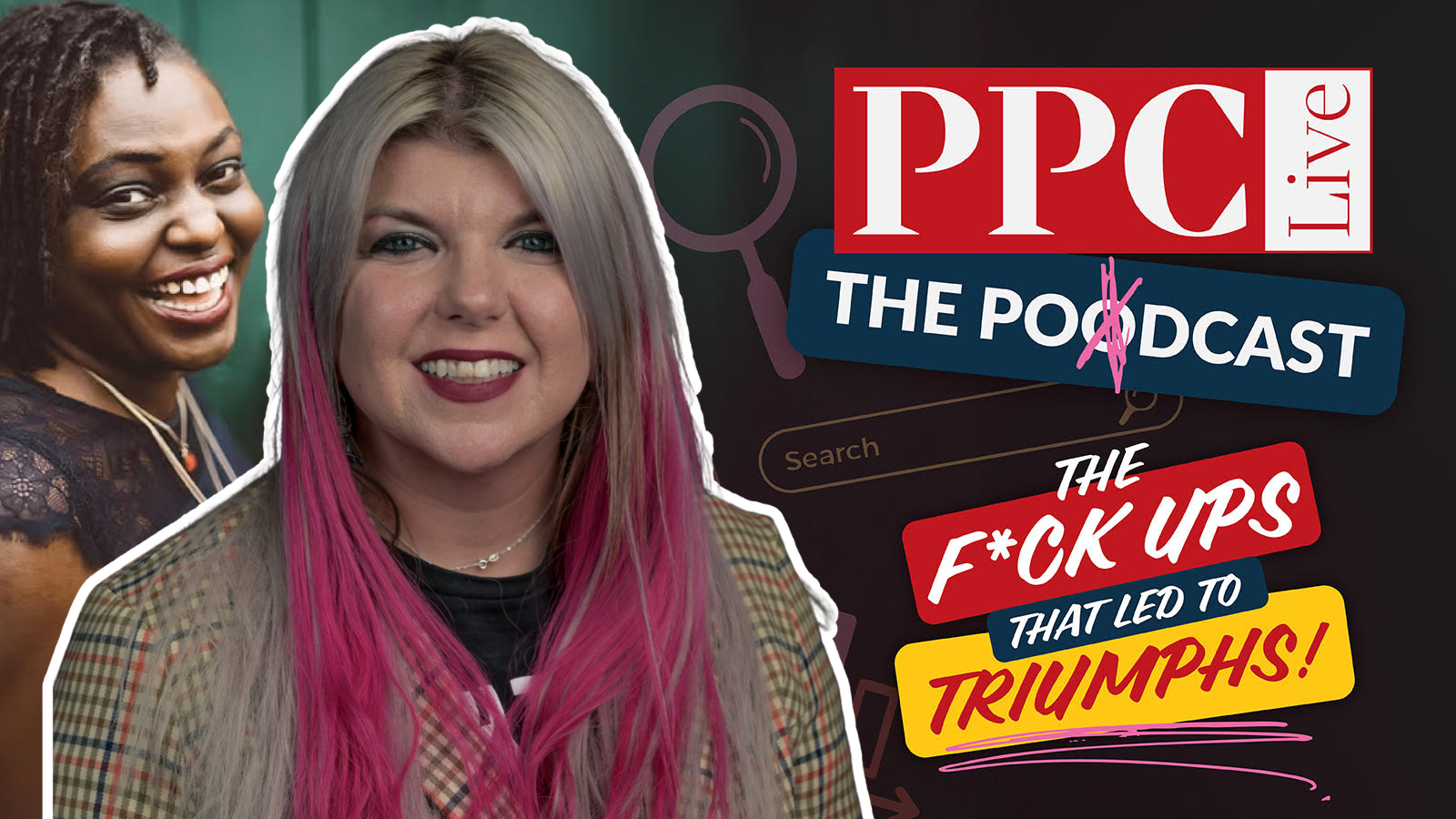

I recently had the pleasure of speaking with Amanda Farley, the brilliant CMO of Aimclear, on episode 340 of PPC Live The Podcast. Amanda’s journey from owning a gallery and tattoo studio to leading award-winning global campaigns is nothing short of inspiring. Her unique T-shaped marketing expertise, combining in-depth PPC knowledge with a broad skill set across social, programmatic, PR, and integrated strategies, offers valuable insights into modern marketing.
Through our engaging conversation, Amanda shared her lessons on overcoming setbacks and balancing AI with human insight. Her experience underscores the importance of mixing calm leadership with a relentless curiosity and drive for continuous learning.
Overcoming Limiting Beliefs and Embracing Creativity
Amanda once ran an gallery and tattoo parlor while believing she wasn’t an artist herself. Surrounded by creatives, she eventually realized her only barrier was a limiting belief. After embracing painting, she created hundreds of artworks and discovered a powerful outlet for expression.
This mindset shift mirrors marketing growth. Success isn’t just technical — it’s mental. By challenging internal doubts, marketers can unlock new skills and opportunities.
When Campaign Infrastructure Breaks: A High-Stakes Lesson
Amanda recalls a global campaign where tracking infrastructure failed across every channel mid-flight. Pixels broke, data vanished, and campaigns were running blind. Multiple siloed teams and a third-party vendor slowed resolution while budgets continued to spend.
Instead of assigning blame, Amanda focused on collaboration. Her team helped rebuild tracking and uncovered deeper data architecture issues. The crisis led to stronger onboarding processes, earlier validation checks, and clearer expectations around data hygiene. In modern PPC, clean infrastructure is essential for machine learning success.
The Hidden Importance of PPC Hygiene
Many account audits reveal the same problem: neglected fundamentals. Basic settings errors and poorly maintained audience data often hurt performance before strategy even begins.
Outdated lists and disconnected data systems weaken automation. In an machine-learning environment, strong data hygiene ensures campaigns have the quality signals they need to perform.
Why Integrated Marketing Is No Longer Optional
Amanda’s background in psychology and SEO shaped her integrated approach. PPC touches landing pages, user experience, and sales processes. When conversions drop, the issue may lie outside the ad account.
Understanding the full customer journey allows marketers to diagnose problems holistically. For Amanda, integration is a practical necessity, not a buzzword.
AI, Automation, and the Human Factor
While AI dominates industry conversations, Amanda stresses balance. Some tools are promising, but not all are ready for full deployment. Testing is essential, but human oversight remains critical.
Machines optimize patterns, but humans judge emotion, messaging, and brand fit. Marketers who study changing customer journeys can also find new opportunities to intercept audiences across channels.
Building a Culture That Welcomes Mistakes
Amanda believes leaders act as emotional barometers. Calm investigation beats reactive blame when issues arise. Many PPC problems stem from external changes, not individual failure.
By acknowledging stress and focusing on solutions, leaders create psychological safety. This environment encourages experimentation and turns mistakes into learning opportunities.
Testing Without Fear in a Changing Landscape
Marketing is entering another experimental era with no clear rulebook. Amanda encourages teams to dedicate budget to testing and lean on professional communities for insight.
Not every experiment will succeed, but each provides data that informs smarter future decisions.
The Tasmanian Devil Who Practices Yoga
Amanda describes her career as If the Tasmanian Devil Could Do Yoga — a blend of fast-paced chaos and intentional calm. It reflects modern marketing: demanding, unpredictable, and balanced by thoughtful leadership.
Inspired by this post on Search Engine Land.

Leave a Reply