I find it fascinating how AI is transforming the world of Google campaigns, particularly through tools like Performance Max (PMax) and AI Max. The reliance is shifting from long keyword lists to automation, audience insights, and machine learning, presenting new opportunities with a speed and scale beyond human capabilities.
At a recent SMX Next event, PPC experts Nikki Kuhlman from Jumpfly, Brad Geddes of Adalysis, and Christine Zirnheld from Cypress North shared insights on integrating PMax and AI Max within our broader campaign strategies. They explored how to balance automation with human input, showing where personal strategy still trumps AI.
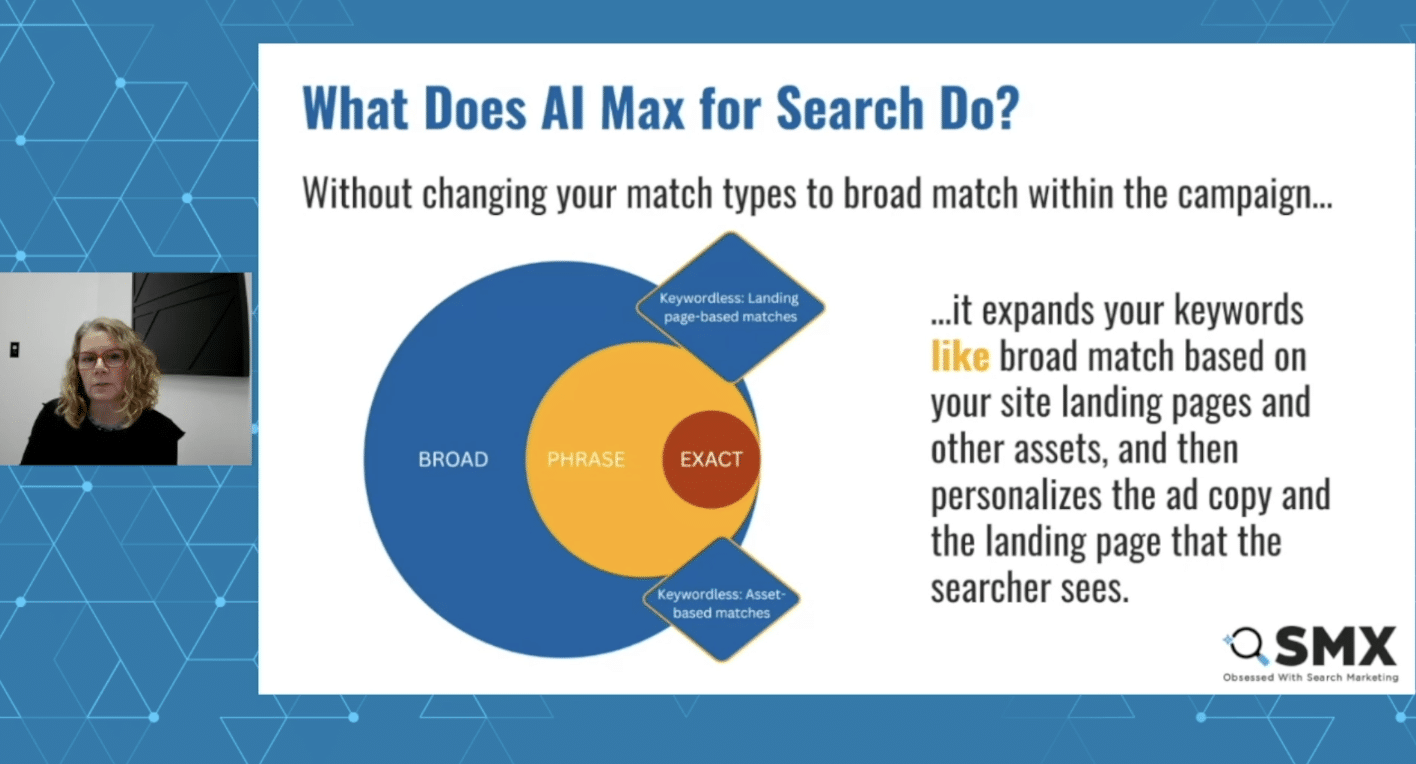
AI Max for Search is an opt-in setting that extends keywords without needing a broad match, utilizing site resources to craft personalized ad content. This approach ensures more relevant ads and landing pages that meet user expectations.

I’ve noticed remarkable results with AI Max when used in blog content, a departure from traditional Digital Search Ads (DSA) approaches. These campaigns now guide users toward specific products, not just general reading, resulting in higher conversions.

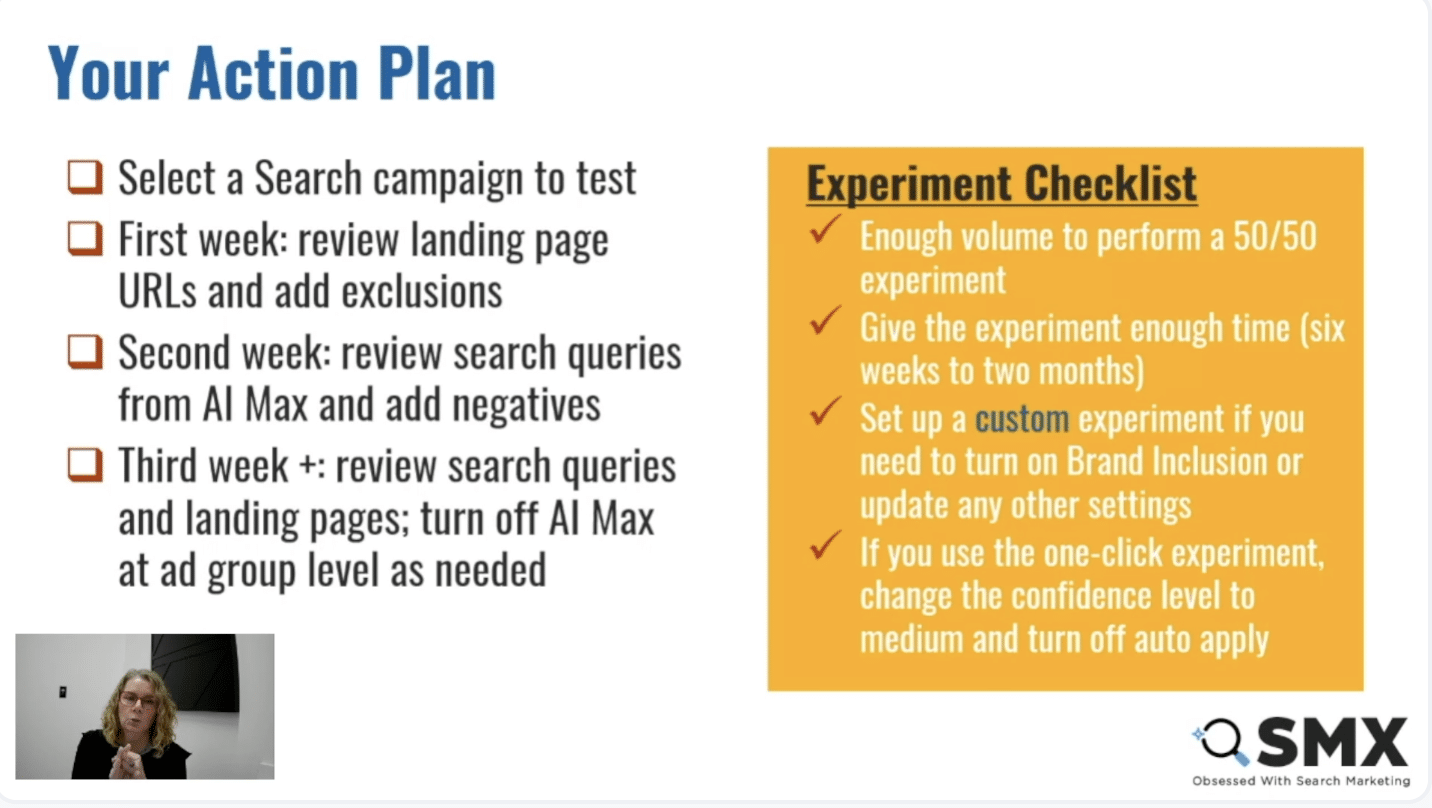
When testing AI Max for Search, experts recommend using it on established campaigns with data, starting with A/B tests rather than full-scale changes. It’s essential to monitor landing page quality and search queries, incorporating negative terms where necessary.
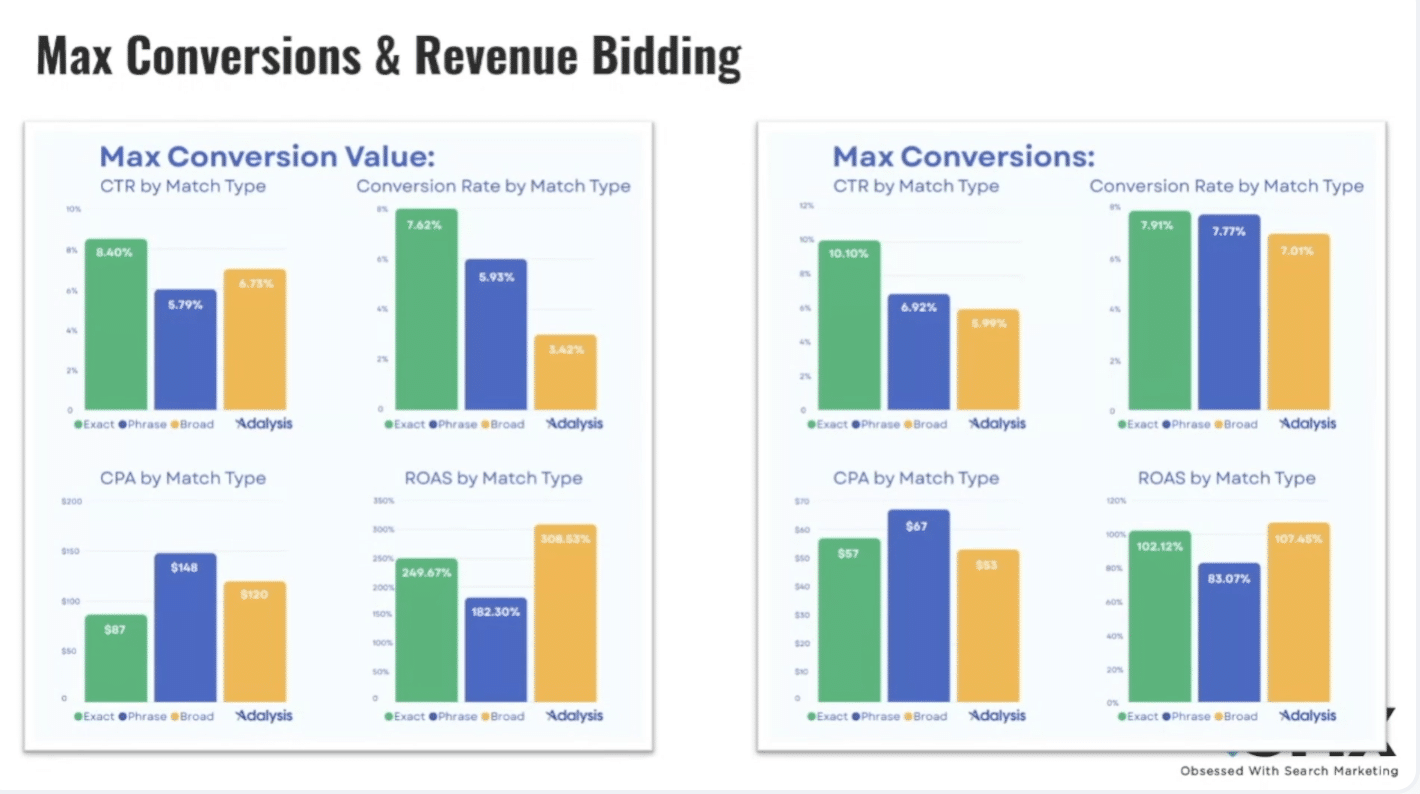
Initial experiments in match type performance suggest exact match tends to deliver the best conversion rates, especially in campaigns with robust data volumes. However, broad match can be surprisingly effective when data is scarce, thanks to its ability to leverage previous user search history.

For those working within ecommerce, broad match might yield higher average order values from shoppers still exploring their options, even if conversion rates dip.

PMax has shown its potential in lead generation, contrary to common belief that it suits only ecommerce. The key is aligning campaign goals with true bottom-of-funnel conversions rather than mere form submissions.
With increased control options, PMax is now viable even in regulated industries. Device control features, for instance, are a strategic advantage for B2B campaigns, allowing targeted CPA adjustments across different platforms.

AI Max for Search is showing early promise in financial services, where it outperforms standard search despite being in a highly competitive keyword environment. This showcases AI Max’s potential to deliver better quality leads throughout the conversion funnel.

Ultimately, the future of PPC lies in a strategic blend of AI-driven tools and human oversight, ensuring campaigns are optimized not just for immediate conversions but long-term success. By correctly applying automation, we can achieve unprecedented results in search campaigns.

Inspired by this post on Search Engine Land.

Leave a Reply