As I navigated through 2025, I kept hearing the same narrative from my SEO peers: organic traffic seemed to be dwindling, clicks were on the decline, and attribution models just didn’t make sense anymore.
The evolution of AI-driven search experiences, with zero-click results and platform-level answers, has further complicated the gap between discovery and actual visits. This has made it even tougher to report accurately on organic performance.
For many, the impact was clear—visible through double-digit declines in organic traffic and leads, year-over-year.
Leaders rightfully asked, “Why are clicks dropping? Why does organic traffic appear 25% lower than last year? Is SEO failing us?”
The truth is, organic search hasn’t ceased to be effective. Instead, our measurement methods haven’t kept up with current discovery patterns.
Why Last-Touch Attribution is Outdated
We haven’t been measuring organic search accurately.
Many organizations still cling to last-touch attribution, only spotlighting the journey’s end rather than its beginning.
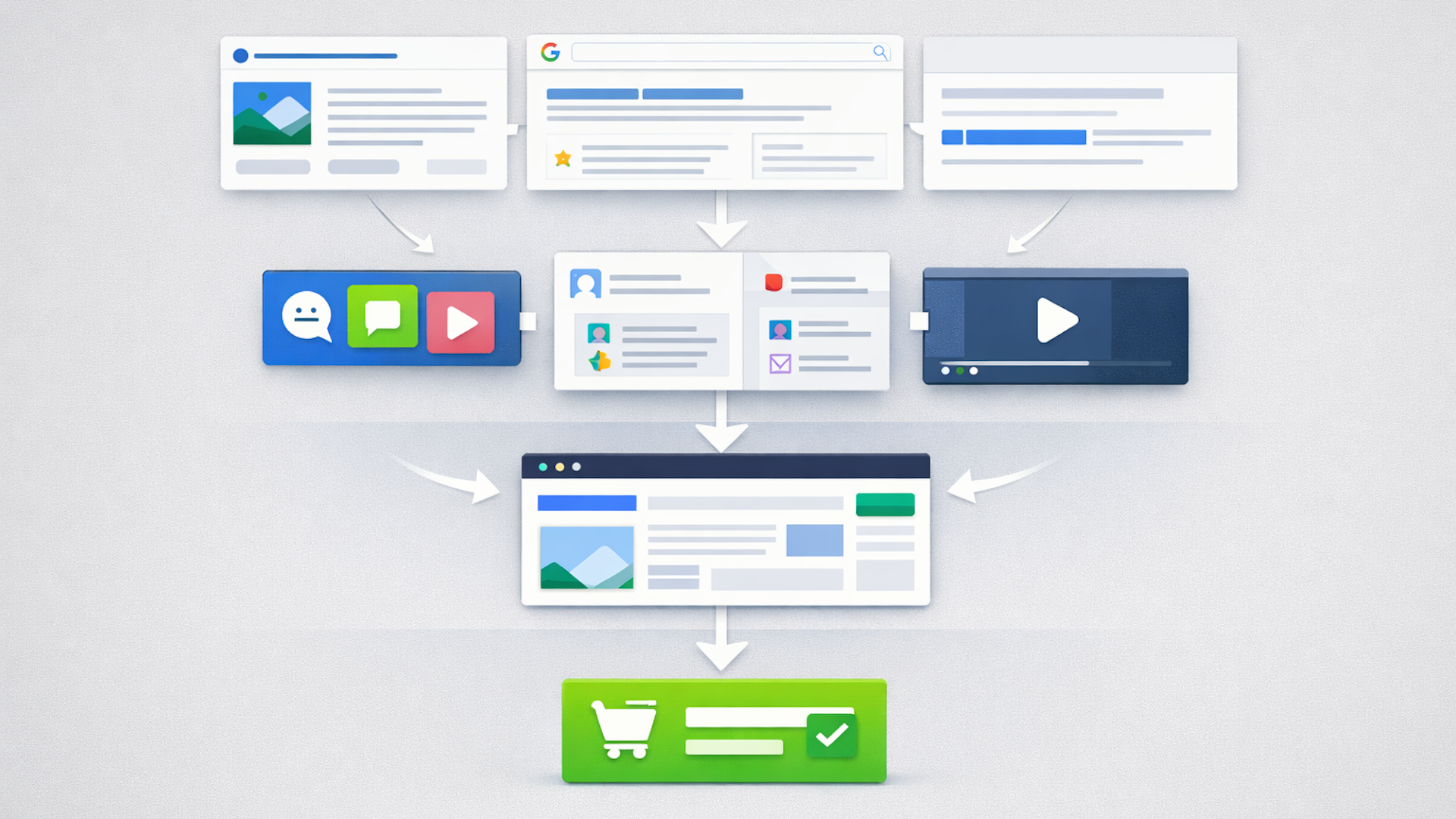
Our attribution models, often linear – Search → Click → Convert – fail to capture the intricate user behavior today.
Traditional models assume that discovery leads directly to a measurable click, but AI-driven SERPs are challenging that assumption.
Last-touch attribution focuses on the finish line, ignoring the starting point of the customer journey.
In this AI-first, zero-click landscape, the gaps in attribution widen, particularly for organic search.
Our measurement isn’t entirely broken but outdated. It doesn’t tell the complete story.
We need to rethink our KPIs and redefine success metrics, painting a full picture of the customer journey from beginning to end.
Dig deeper: Marketing attribution guide: Models, tools, & best practices
Problems with Last-Touch Attribution
Last-touch attribution captures only the final stage of the customer journey.
It misses preceding interactions across various platforms like Google, Reddit, YouTube, and AI channels.
Relying solely on last-touch metrics can provide a useful baseline, but it fails to tell the complete story.
With organic traffic down with the rise of AI, understanding first interactions is crucial.
Preparing for First-Touch Attribution
Many organizations still grapple with disorganized, siloed data, often fraught with quality issues.
Reflect on your own data landscape: can you easily pinpoint how customers enter your funnel through organic means?
- Are you attributing conversions correctly? Is AI traffic monitored distinctively?
- Can you discern conversion differences based on the initial touch channel?
Lack of search activity doesn’t necessarily imply ineffective SEO—perhaps your measurements are lacking precision.
The solution? Clean and analyze every traffic-driving channel to truly understand organic search impacts.
Dig deeper: Measuring zero-click search: Visibility-first SEO for AI results
Validating Organic with First-Touch Analytics
Imagine when someone searches, and your brand appears in AI results. That discovery is significant.
If that individual visits your site later via social media or shows up in your store, did SEO not work?
Absolutely, it did! By seeding visibility, organic results funnel potential customers into the journey.
But how can we accurately measure when the conversion wasn’t a direct click?
Understanding both first-touch and last-touch is crucial for a complete view of the customer journey.
Organic searches lay the groundwork for credibility before any digital engagement occurs.
Dig deeper: 7 must-know marketing attribution definitions to avoid getting gamed
Visibility: The Key SEO Term for 2026
The new measure of SEO success in 2026 isn’t just about clicks. It’s about visibility and mentions.
AI’s choice to cite your brand makes organic visibility the first step to becoming top of mind.
Today’s “organic” is about self-discovery by users across diverse platforms, not just Google.
With AI, users can get information without visiting company websites, making brand visibility essential.
As marketers, it’s vital to redefine visibility and strategize its expansion effectively.
Dig deeper: How to build search visibility before demand exists
Time to Expand SEO Strategies
The fragmented, AI-driven world calls for elevating SEO’s role in early discovery, not diminishing it.
Traditional post-click metrics fall short, unable to capture where true influence begins.
Last-touch metrics often undervalue the critical early stages, particularly in AI contexts.
First-touch analysis aids in linking organic visibility to final outcomes and business success.
Despite the challenges, collaborative efforts across analytics and SEO can bridge these gaps.
Adapting our approach to measuring SEO will ensure its growth and continued investment, even as traditional metrics shift.
Dig deeper: MTA vs. MMM: Which marketing attribution model is right for you?
Inspired by this post on Search Engine Land.

Leave a Reply