
About a year and a half ago, I penned an article called “The rise of forums: Why Google prefers them and how to adapt” where I advocated for brands to create their own online forums and communities.
Let’s revisit what’s happened since then.
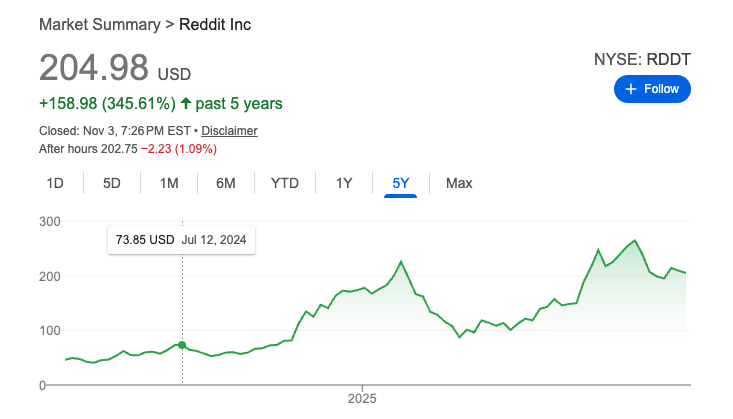
Witnessing Reddit’s stock price surge by 177.6% has been astonishing. If you had purchased 100 shares of RDDT back then, you’d be $13,113 wealthier today.
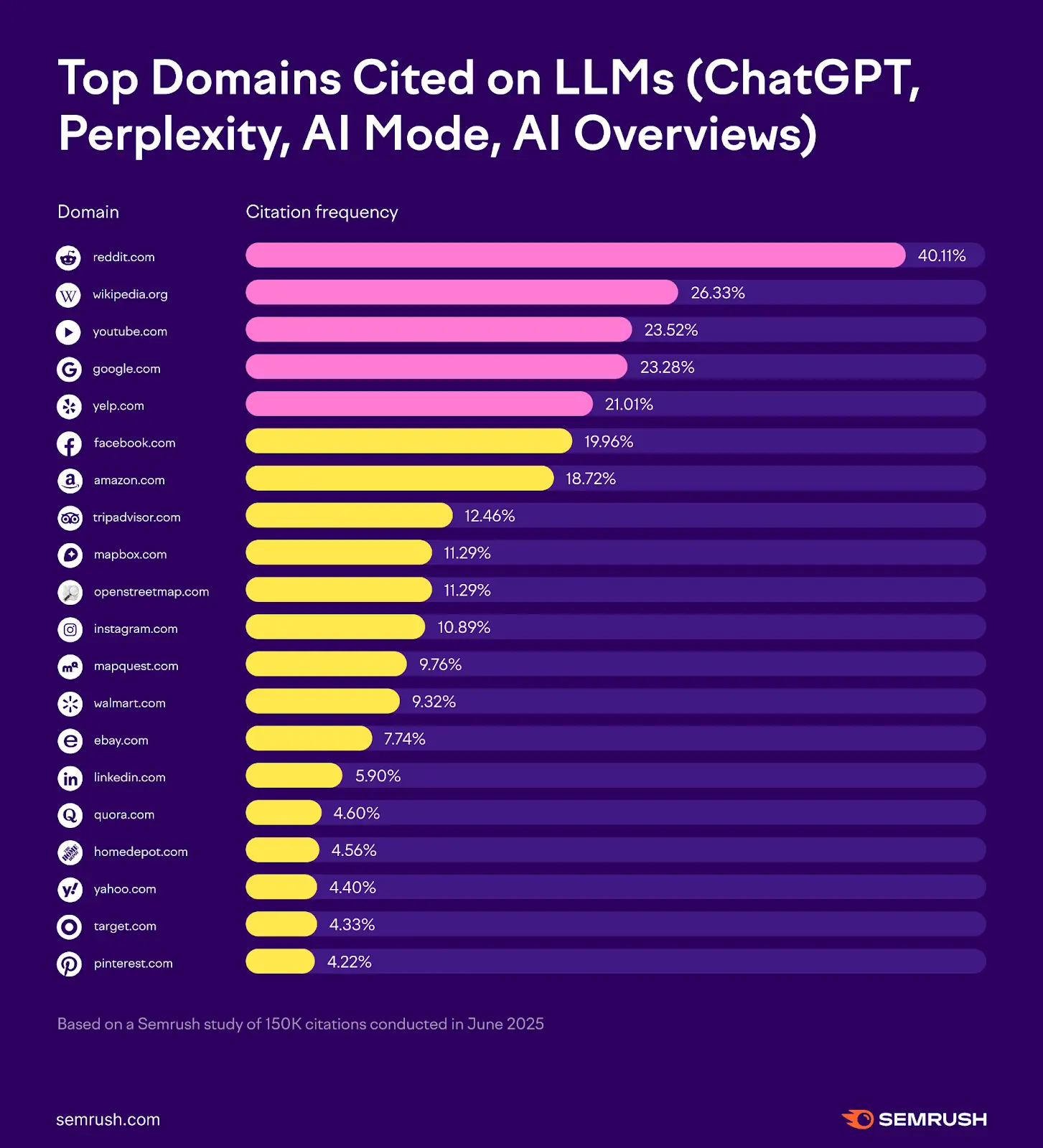
In June 2025, Semrush’s analysis of 150,000 AI citations revealed Reddit as the leading source, featuring in over 40% of LLM responses.
Why did this happen? It boils down to the classic law of supply and demand.
As LLM usage rises, the need for answers has exploded. The likes of ChatGPT and Perplexity want to source answers from their training data and will scour the web if they fall short.
These tools navigate through engines like Bing and Google to fill the gaps, but often they find few long-tail answers available. So, they resort to Reddit threads, even if they might be penned by novices or trolls. This absence of substantial, long-tail content falls mainly on Google’s shoulders.
In the relentless chase for top-ranking positions on competitive head terms, even the best SEO professionals fell into the trap of creating echoed content, neglecting the vast opportunities in long-tail searches.
If your brand has expertise, the long-tail search industry is an open frontier waiting to be claimed.
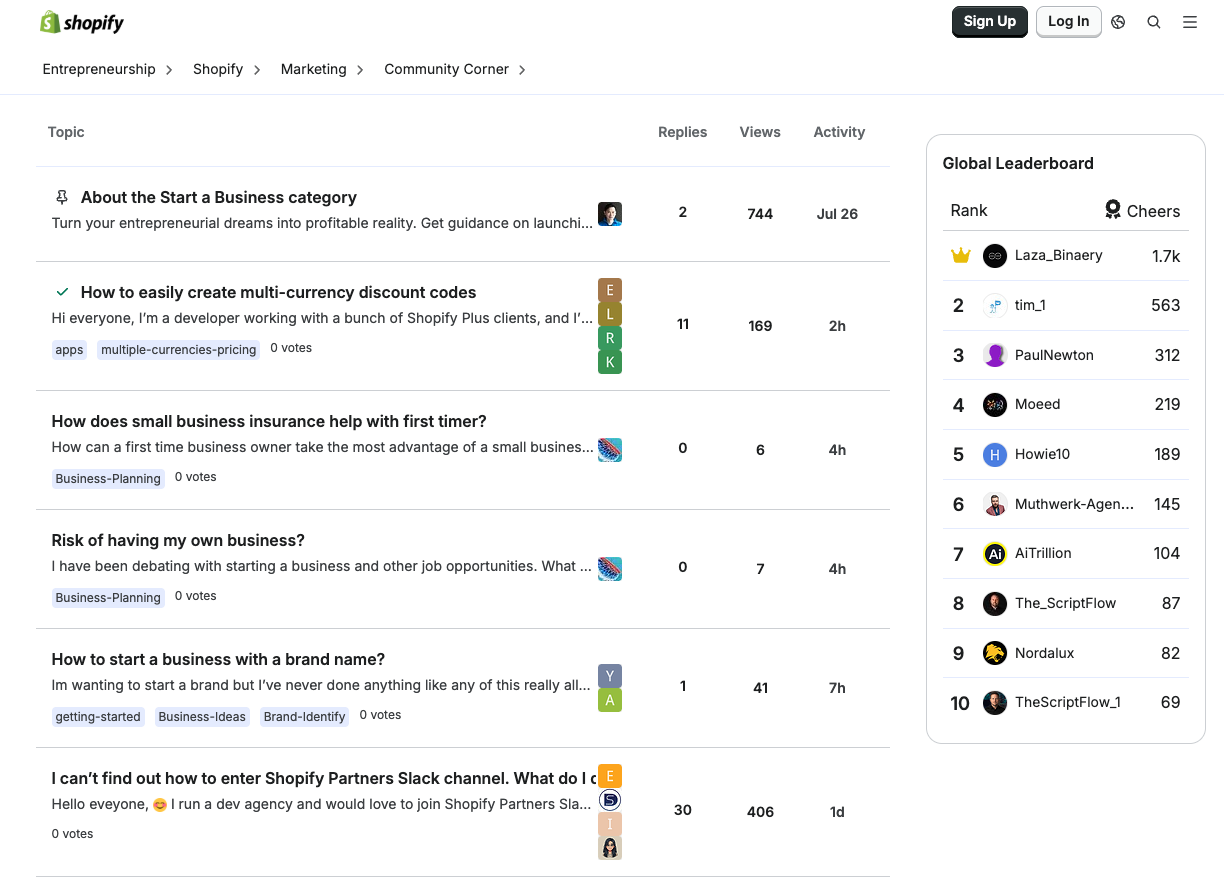
User-generated content (UGC) stands out as the best method to capitalize on this, bringing several advantages. It aligns with search intent, remains current, ensures accuracy through expert contributions, builds semantic depth, and preserves a trustworthiness that AI simply can’t replicate.
This isn’t new; it’s the same E-E-A-T we’ve discussed regarding Google’s preferences for years.
Yet, brands often hesitate to implement forums due to various objections. Whether it’s the perceived cost, a lack of development resources, past failures, unclear ROI, or the challenges of moderation, each of these roadblocks has a solution.
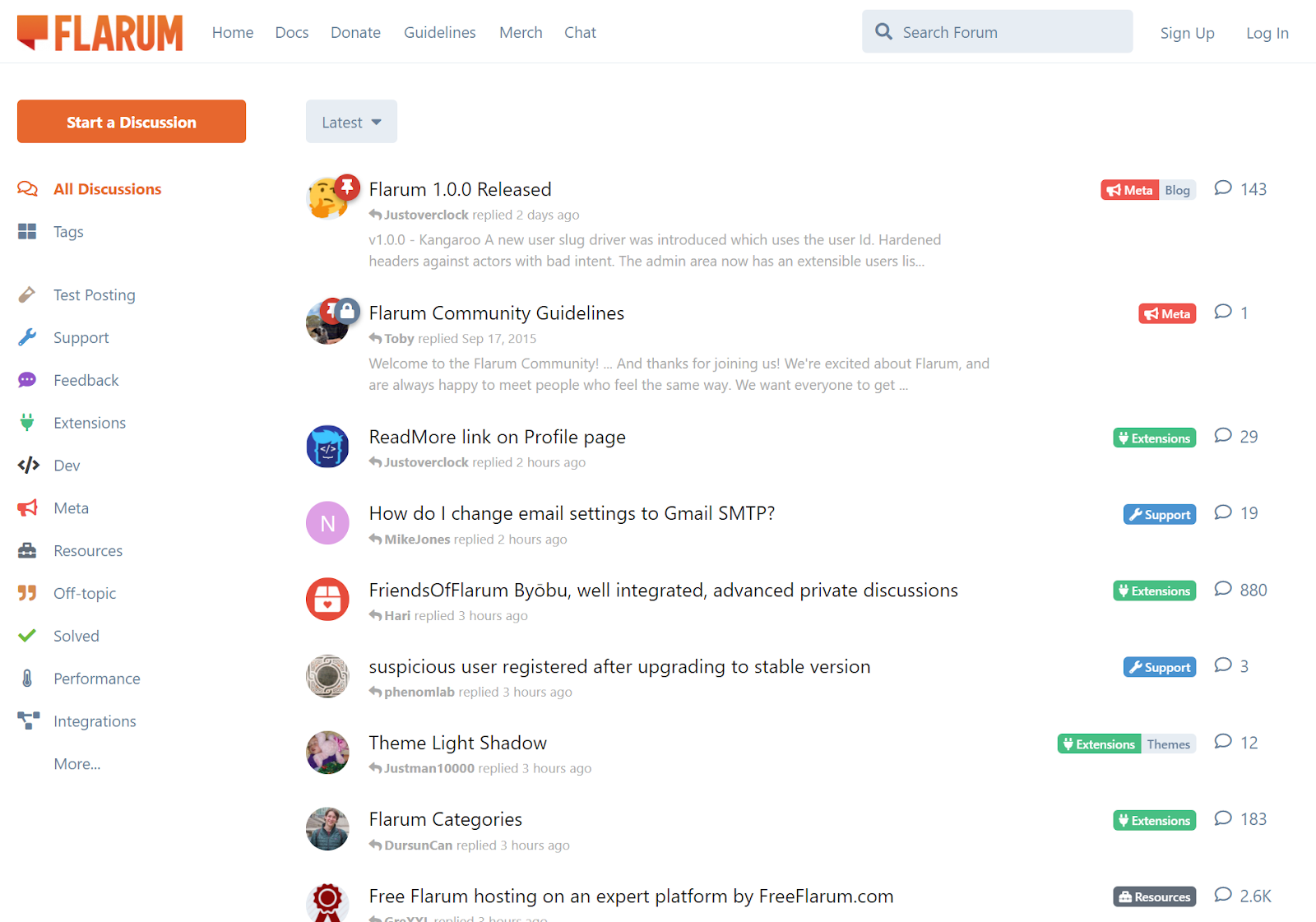
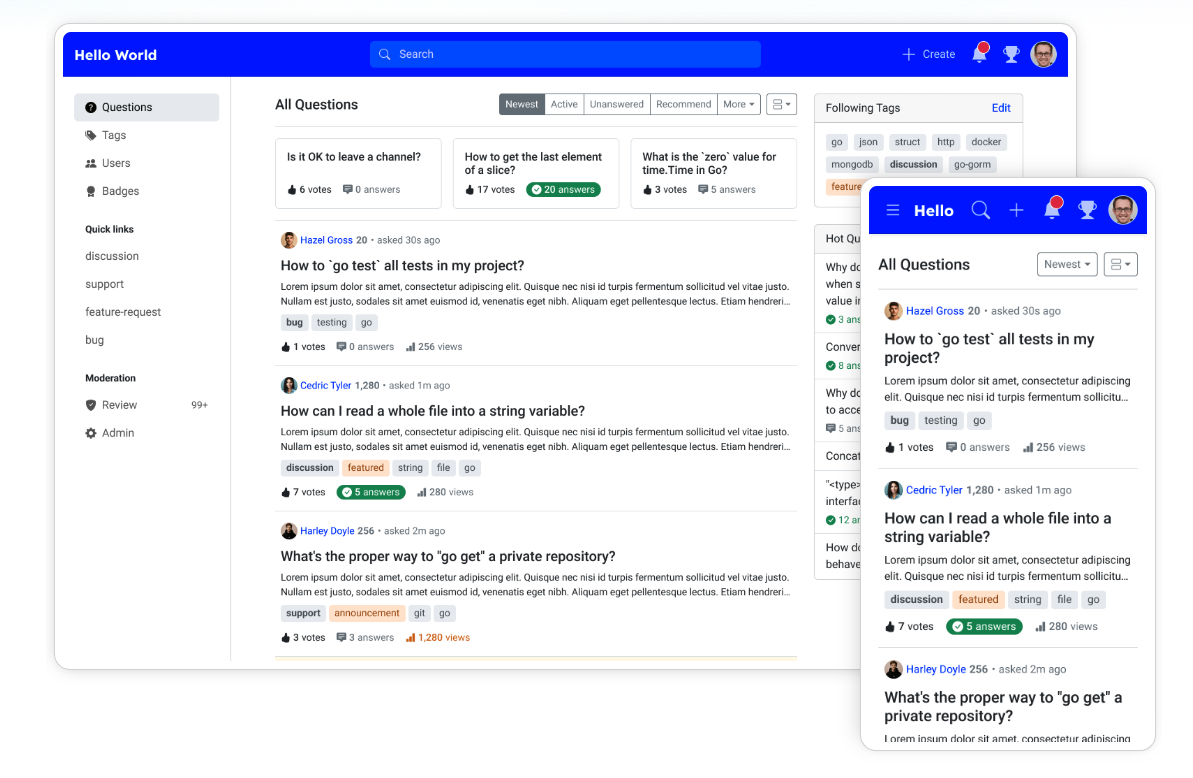
Embracing forums can be a masterstroke by using open-source software to create cost-effective, customizable platforms while retaining control over valuable data. Tools like Flarum and Discourse provide robust solutions for fostering discourse and gathering insights, backed by vibrant developer communities for support.
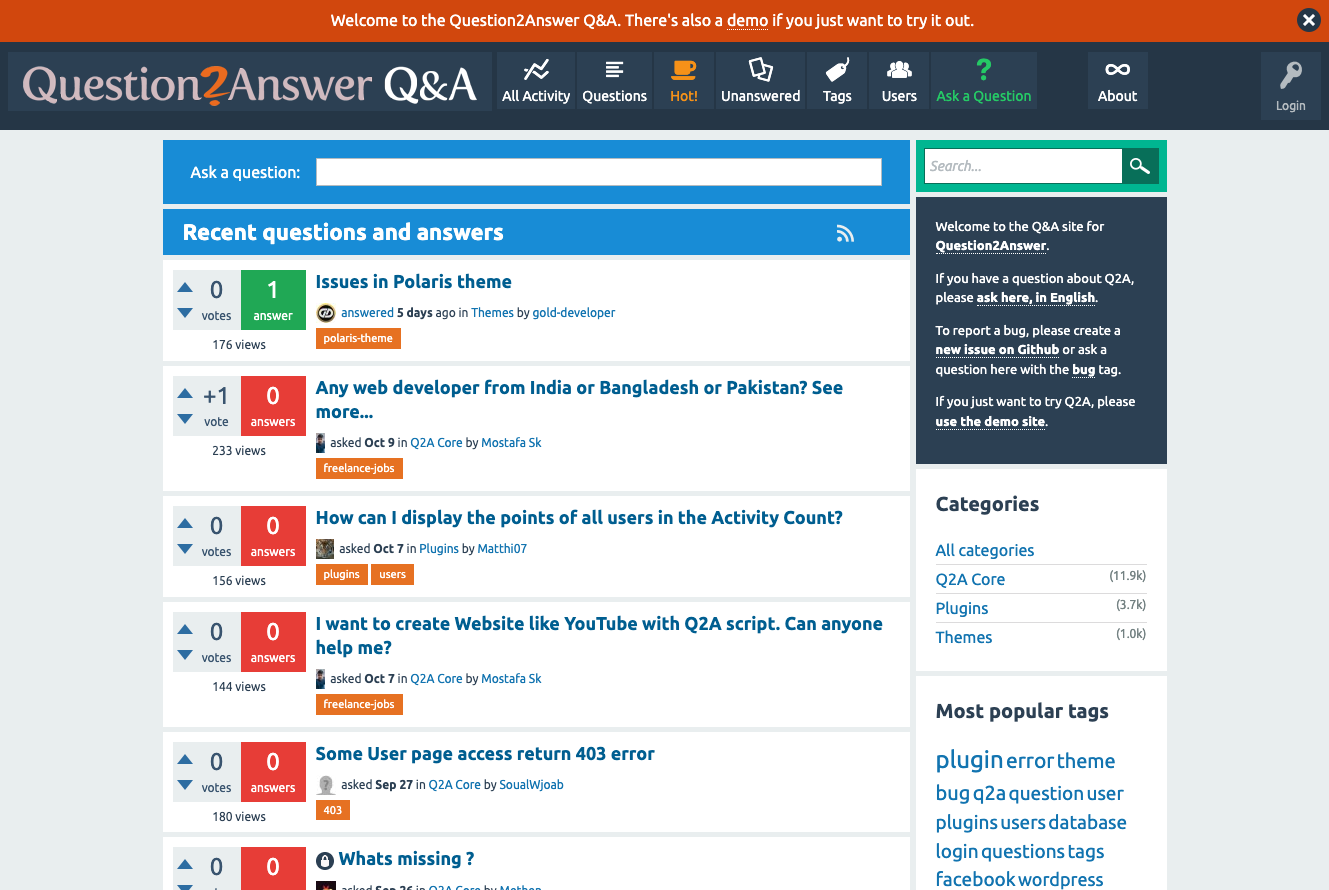
For Q&A platforms, options like Apache Answer and Question2Answer offer potent features to manage and leverage user interactions, ensuring your questions receive clear, expert-consensus solutions.
The key to a thriving online community is active management, from determining clear community guidelines and detailed post titles to empowering passionate users with responsibilities. My experience launching and moderating successful forums has shown that community-driven moderation scales well compared to centralized control.
In summary, creating a forum today isn’t just beneficial; it’s becoming essential. It positions your brand at the apex of conversation, enhancing your visibility to both AI and real users. With your expertise leading the charge, you’ll delight customers, solidify your brand’s reputation, and escalate conversions while influencing the very AI systems reshaping our online interactions.
Inspired by this post on Search Engine Land.
Leave a Reply