I’ve recently encountered an issue with Google Search Console that’s affecting many of us in the SEO community. The index coverage report, also known as the page indexing report, is experiencing delays of about two weeks. It’s important to note that while this impacts reporting, it doesn’t affect the actual crawling, indexing, or ranking of websites.
The page indexing report is crucial for me as it shows the pages Google can find and index on my site. It alerts me to any indexing problems encountered, and I can submit fixes to see if my resolutions are recognized by Google. Given the current delay, I won’t know if my fixes have worked until the report updates.
Here’s a screenshot of my report, last updated on November 17th, although some users are seeing updates as late as the 18th. You can check out the screenshot here.
In a statement on LinkedIn, Google confirmed the issue, saying:
“FYI – Page indexing report delays We’re currently experiencing longer than usual delays in the Search Console Index Coverage report. This only affects reporting, not crawling, indexing, or ranking of websites. We’ll update here once this issue is resolved. Thanks for your patience!”
This delay is particularly inconvenient as I prepare client reports at the beginning of each month. While I anticipate the report will catch up soon, it does mean delaying my own reporting to clients and stakeholders. Until then, it’s good to remember that this is just a reporting glitch.
In the rapidly changing world of search, I’ve discovered that Answer Engine Optimization (AEO) is becoming essential for content creators and marketers like me. Unlike traditional search engines, platforms such as Grok, Google’s featured snippets, and voice assistants focus on delivering precise and prompt answers to user questions. To stand out, I’ve found that using structured data is truly transformative. It enables answer engines to comprehend the content better, boosting the chances of my site appearing in instant answers, rich snippets, or voice search outcomes. Here’s my guide to leveraging structured data for AEO triumph.
Structured data, to me, is like a format template that simplifies how search and answer engines interpret my webpage’s content. Utilizing schema.org markup, structured data organizes details into machine-readable formats, such as JSON-LD, which describe elements like articles, products, events, or FAQs. This clarity is vital for answer engines, as they rely on well-structured data to provide fast, relevant responses.
Why does structured data matter for AEO? Well, I’ve observed that answer engines aim to furnish direct answers, frequently extracting information from structured data for featured snippets, knowledge panels, or voice responses. Without employing structured data, my quality content might be ignored. For instance, a blog post like “how to bake a chocolate cake” with proper recipe schema markup stands a better chance of being highlighted as a step-by-step guide than one without. Structured data bridges the disparity between my content and the algorithmic processes powering answer engines, making it indispensable for visibility.
Here’s how I’ve learned to harness structured data for AEO:
First, I identify the relevant schema types that suit my content. Common types for AEO include FAQPage for question-and-answer content, HowTo for tutorials or guides, Article for enhancing blog posts, and specific schemas like Recipe, Product, or Event for niche areas. I utilize tools like Google’s Structured Data Markup Helper to explore suitable schemas.
Then, I implement JSON-LD markup, the preferred format for structured data, due to its simplicity and compatibility with answer engines. I add JSON-LD scripts to my website’s <head> or <body> sections. For example, an FAQ schema can look like this snippet I’ve used:
Testing the markup using Google’s Rich Results Test is a step I never skip, ensuring everything is error-free.
Optimizing for conversational queries is next. Answer engines flourish on natural language queries. I structure content to answer questions clearly and employ schema to highlight those answers, boosting chances in voice search or answer boxes.
Finally, monitoring and refining is key. After integrating structured data, I track performance metrics like impressions, clicks, or appearances in featured snippets using Google Search Console. Continually updating the schema and experimenting with new types keeps my content competitive.
I’ve identified a few common pitfalls to dodge: using incorrect schema types, overloading with irrelevant markup, and neglecting updates to schema.org as it evolves.
In conclusion, I find that structured data is a formidable resource for unlocking the potential of answer engines. By implementing it strategically, optimizing for natural queries, and actively monitoring performance, I can position my content to thrive in instant answers and voice search results. As answer engines continually influence search dynamics, mastering structured data positions me ahead, driving valuable traffic and engagement to my site.
Inspired by this post on AnswerEngineOptimization.blog.
Canonicalization and SEO: A Personal Guide for 2026
Canonicalization has always been pivotal in SEO, yet it’s surprisingly easy to overlook. In 2026, managing duplicate content and optimizing for generative engines is becoming essential. Let’s explore this together.
Canonicalization helps search engines pinpoint original content sources and prevent duplicate versions from competing. This is a must-know for large sites aiming to stay organized and small ones looking to avoid ranking dilution.
As 2026 approaches, canonicalization is gaining even greater traction with the rise of generative engine optimization (GEO), alongside traditional SEO. AI and tools like ChatGPT are reshaping content selection and attribution processes. Let’s dig into why this matters.
This guide will walk you through essential canonical tags, practical strategies for implementation, and advanced insights benefiting both SEO and GEO.
What is canonicalization?
Canonicalization, a cornerstone of technical SEO, allows you to specify the preferred version of a webpage when similar content exists across different URLs. Think of it as designating the primary source or ‘master copy.’
Using canonical tags effectively tells search engines which URL to index and rank, sidestepping confusion and focusing your site’s authority and ranking power on the right page.
Key terms
The crucial terms we’ll cover include canonical tag, self-referencing canonical, origin, target URL, and duplicate content. Grasping these will enhance your understanding as we delve deeper.
Why canonicalization matters for SEO and GEO
Canonicalization is crucial for boosting SEO and GEO performance. It enables search engines to consolidate sources and choose the authoritative page while generative systems respond to precise canonical signals. Let’s explore the essentials of a solid strategy.
How to implement a canonical tag
You may need a developer to implement canonical tags, but many CMS platforms have features to add self-referencing canonicals automatically. However, some situations require manual specification for certain page types.
Practical applications for canonicalization
Deploying self-referencing canonicals even on unique content is a best practice. It ensures indexing efficiency and prevents confusion. Technical nuances like www/non-www, HTTP/HTTPS variations, and URL parameters can present issues that canonical tags can address.
Let’s also look at cross-domain canonicalization, pagination strategy, and managing ecommerce complexities associated with product variations and faceted navigation, ensuring your implementation remains current with 2026 best practices.
The role of tools and monitoring
Monitoring canonicalization through Google Search Console, Screaming Frog, and similar tools is critical. Catching issues early prevents them from affecting rankings. Regular checks for canonical conflicts ensure your strategy’s success.
Canonicalization trends to watch
With search evolving rapidly, canonicalization is now integral not just for managing duplicates but as a foundational signal for both indexing and appearing in AI-generated answers. Keeping up with 2026 trends will ensure your strategy remains effective.
Takeaways on canonicalization
Mastering the fundamentals of canonicalization, maintaining URL hygiene, and tailoring strategies to specific site needs are crucial. Regular monitoring and adapting to ongoing changes, especially with AI’s impact, sustains your site’s health and authority.
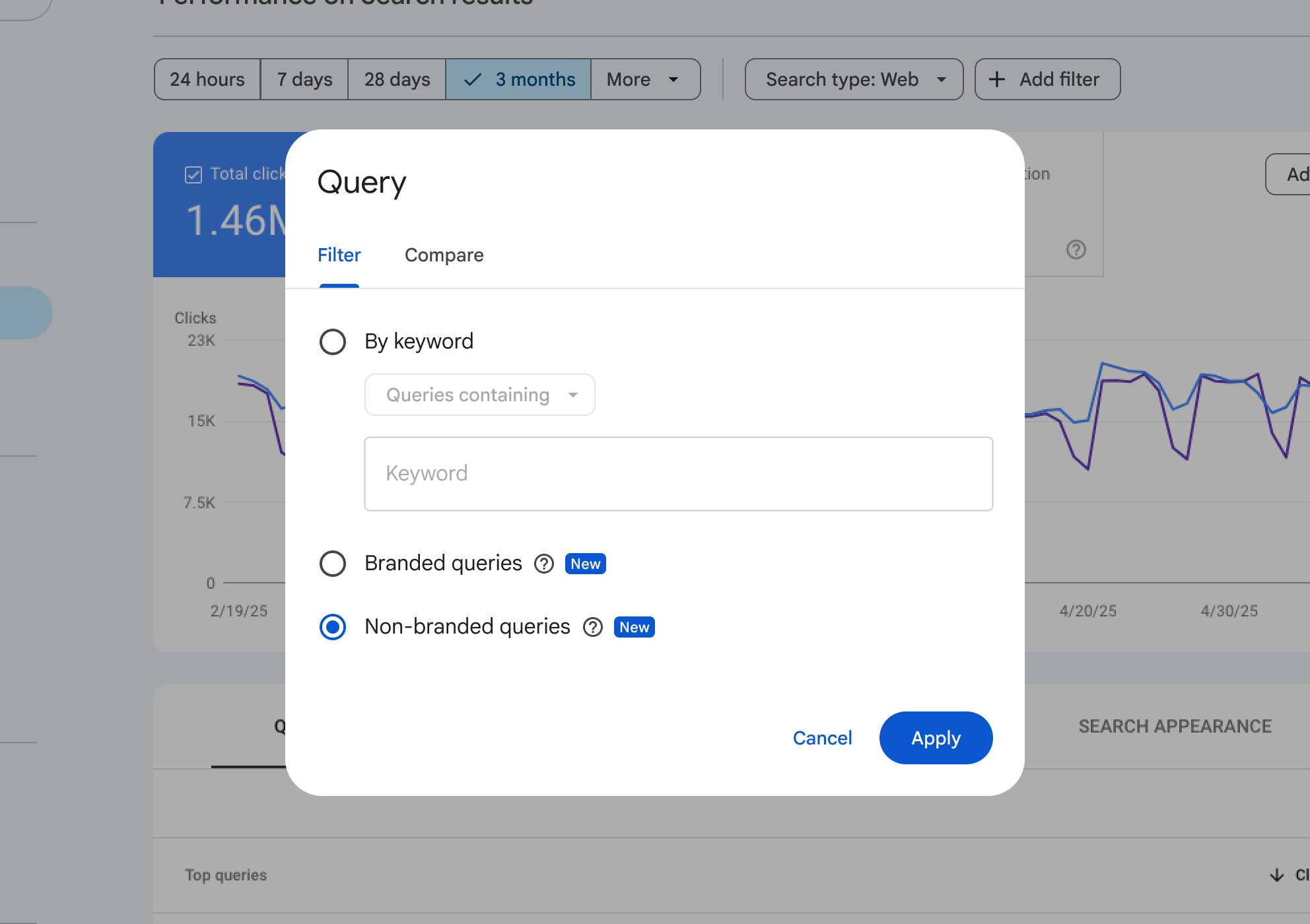
I’ve got some exciting news about Google Search Console that’s just too good to keep to myself. They’ve introduced a branded queries filter that’s rolling out gradually, and trust me, you’ll want to get your hands on it!
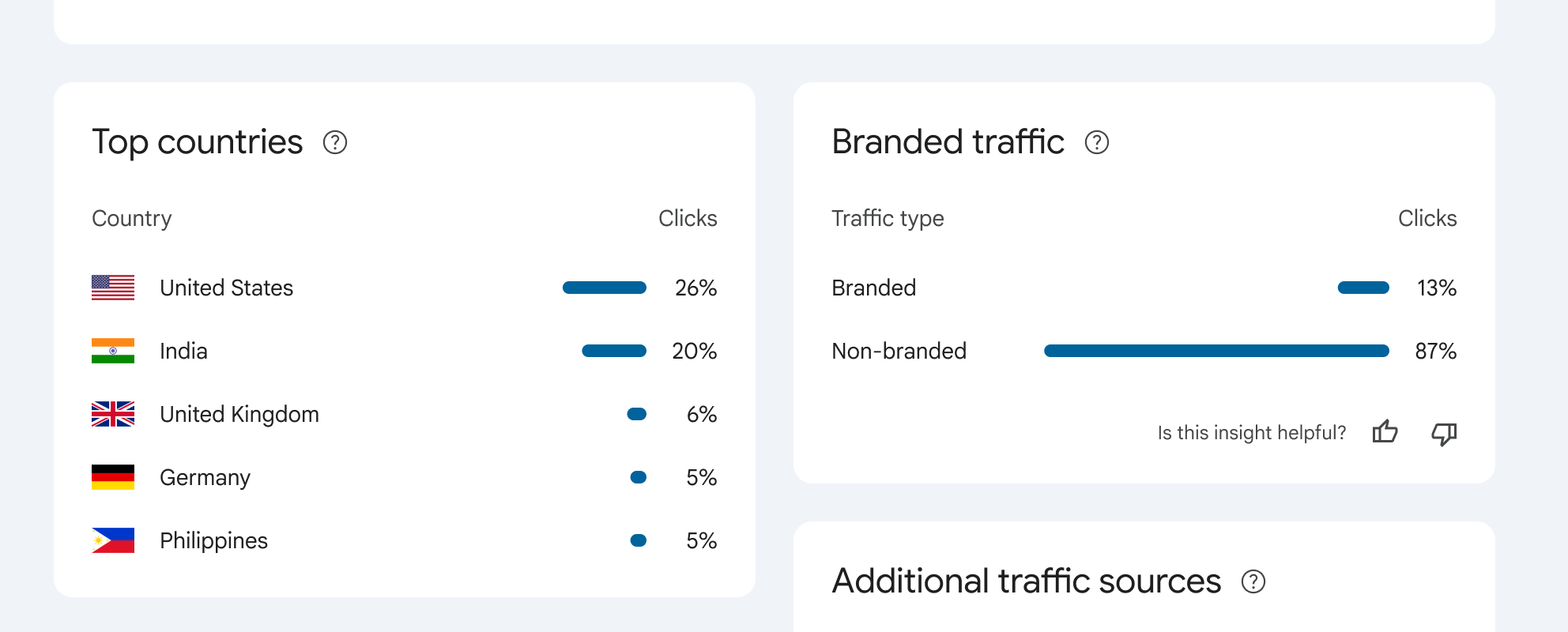
With this new addition, I’ve found that filtering performance reports by branded or non-branded queries has never been easier. Google can now show me the percentage of traffic my site gets from either branded or non-branded sources, right from Search Console.
This update made its debut at today’s Google Search Central event in Tel Aviv, and if you’re hearing about it now, it’s because news travels fast, especially from events like these.
Understanding Branded Queries. Google defined branded queries for us: These are search queries that include my brand name, its variations or any brand-related products. For instance, if my brand was Google, related queries could be “Google,” “Gogle,” or even “Gmail.”
This differentiation helps me see how returning users differ from new ones. Focusing on this can lead to higher click-through rates for branded queries. Meanwhile, non-branded ones show how new users find my content organically.
Finding the Filter. Ready to use it? You can locate the branded versus non-branded filter within performance reports under search filters for queries. I love how it works across all search types, whether web, images, video, or news. Metrics like impressions and CTR tailored to my needs are just a click away.