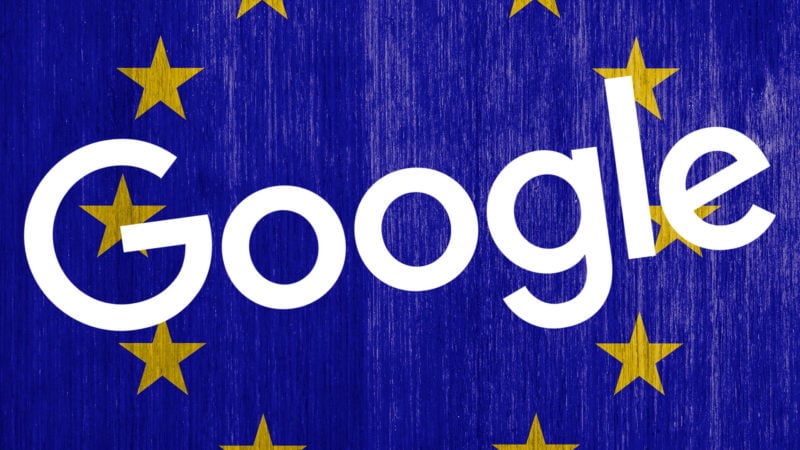
In an effort to appease European regulators, I’ve noticed that Google is proposing some interesting ad-tech fixes. These changes aim to avoid the disruption of a breakup while reshaping how advertisers operate across Europe’s digital landscape.
Recently, I learned that Google has submitted a compliance plan to the European Commission. This plan outlines changes to its ad-tech operations but firmly rejects the idea of breaking up its operations.
How it Works:
First, Google is offering product-level changes. Notably, it will allow publishers to set different minimum prices for various bidders in Google Ad Manager.
It’s also proposing to enhance interoperability between Google’s tools and those of its competitors, offering publishers and advertisers greater flexibility.
Google believes these adjustments will address the concerns of the European Commission without causing a disruptive breakup.
Why We Care
As I see it, Google’s “non-disruptive” strategies can help maintain platform stability by avoiding the chaos of a forced breakup. These measures might also influence auction dynamics, pricing transparency, and access to competitive tools, impacting how advertisers control costs and make choices within Europe’s ad ecosystem.
Between the Lines
Google is focusing on technical fixes rather than a major overhaul. However, critics are questioning if without deeper reform, the power dynamics in ad tech will truly change.
The Bottom Line
Google is trying to strike a compromise by addressing the EU’s antitrust concerns while preserving its integrated ad-tech business. It’s now up to regulators to decide if these changes are sufficient or if a breakup should be pursued.
In this report, I explore the finest B2B SaaS marketing agencies of 2025, evaluating them based on various criteria. Let’s dive into the aspects that set these agencies apart!
The companies were assessed on their notable clients, experience in the industry, the longevity of their leadership, and much more.
The most important criterion was their client base and how they’ve adapted their services to align with different market demands.
Here’s a detailed breakdown of the criteria I used to rank these agencies:
Notable Clients (20%): This is crucial to understanding an agency’s experience with B2B SaaS clients.
Year Founded (10%): Older agencies usually have the wisdom of adapting to fluctuating market conditions.
Leadership Experience Score (10%): This score reflects the expertise of the agency’s leadership in the marketing sector and their experience with B2B SaaS.
Average Reviews (20%): I normalized the agencies’ reviews from multiple third-party sources to ensure fairness in ranking.
Founder Led & Median Employee Tenure (10% each): Agencies led by their founders and with long-tenured employees signal stability and quality.
GEO Offering (10%): Agencies that offer Generative Engine Optimization (GEO) have a competitive edge in helping clients rank well in AI-generated overviews.
Media References (5%): This indicates how frequently an agency’s work is cited by authoritative media sources.
AI Visibility Score (5%): A proprietary measure of the agency’s visibility and that of its clients in AI-driven platforms like ChatGPT.
The list below showcases the top 10 B2B SaaS marketing agencies, as ranked by these factors. Additionally, I included information about their headquarters and marketing specializations.
Are you on the hunt for the perfect AEO agency to take your business to the next level? I’ve compiled a list of top-notch agencies that are making waves in the industry. From renowned names like NoGood and Omniscient Digital to innovative DIY pioneers like Goodie, there’s something here for every business need.
If you’re feeling overwhelmed by the choice and aren’t sure where to start, don’t worry. I’ve done the legwork for you and gathered a selection of agencies that stand out for their strengths and unique approaches.
Whether you are looking for AI-driven insights or creative content strategies, these agencies offer a range of services tailored to meet specific challenges. Say goodbye to guesswork and let these experts help you navigate the complex world of AEO.
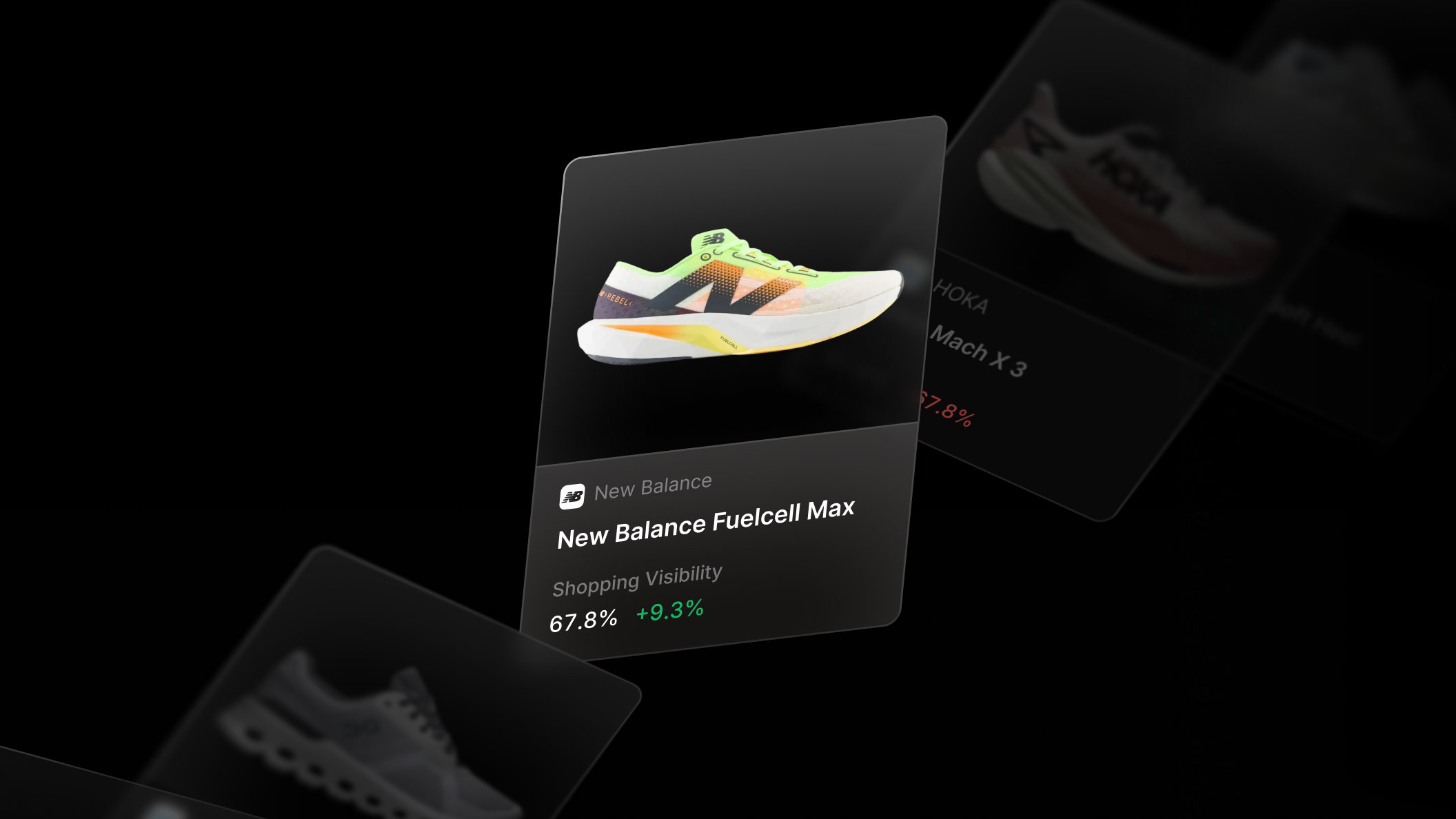
AI assistants have truly become the front door to retail, shaping the way we interact with products. In my experience, Shopping Analysis provides incredible insights into how products are discovered and recommended during AI-driven conversations. This tool offers retailers much-needed visibility into the dynamics of chat shopping, transforming the way they connect with customers.
I’ve been following the news closely, and it seems the EU is setting its sights on Google. The buzz is about a new investigation concerning Google’s approach to penalizing publishers that use sponsored content. For many media outlets, this type of content is crucial for revenue.
Google’s parent company, Alphabet, is preparing for what could be a significant EU scrutiny. The allegations suggest Google demotes news publishers in search results if they run promotional or sponsored content, a key revenue stream for these publishers.
What’s Happening: The European Commission, the EU’s leading authority on antitrust regulation, is gearing up to announce this probe. We might hear something as soon as Thursday.
The case is filed under the Digital Markets Act (DMA). This legislation aims to prevent tech giants, known as “gatekeepers,” from unfairly prioritizing their own services or disadvantaging others.
Companies breaching these rules could be fined up to 10% of their global revenue, which is a hefty amount.
Site Reputation Abuse: Google’s actions against these publishers spring from a spam policy first introduced in March 2024, and then refreshed in November 2024.
This policy targets “site reputation abuse” or what we in the SEO world might know as parasite SEO. Essentially, it’s when third parties use trusted sites to post low-quality content to game Google rankings.
Google argues that such content can mislead users and has actively taken measures against sites hosting these dubious materials.
The policy was later amended to clarify that even content overseen by the original site can still breach the rules if it mainly aims to exploit a site’s ranking signals.
As I delved into the intricacies of search engine dynamics, I realized that achieving top rankings on Google doesn’t necessarily translate to visibility in the realm of artificial intelligence. This understanding opened my eyes to the potential of strategies beyond traditional SEO.
Excitingly, I discovered the power of Answer Engine Optimization (AEO), a strategy that enables brands to secure mentions and citations across AI platforms like ChatGPT, Gemini, and Perplexity. This revelation reshaped my perspective on optimizing content for the future.
Embracing AEO allows me to steer my brand into the evolving landscape of AI-driven interactions. It’s about crafting content that these advanced engines recognize and prioritize, ultimately driving engagement in ways traditional SEO could never promise.
Have you ever wondered about the true impact of your ads? Google is now making it easier and more affordable to find out with their updated incrementality testing. This means I can measure and prove the real influence of my advertising efforts without breaking the bank.
Google’s recent updates make incrementality testing accessible for all advertisers, regardless of budget. By significantly reducing the minimum spend from $100,000 to a mere $5,000, I’ve found it easier to gauge ROI with scientifically precise methods. Now, I can conduct controlled experiments to pinpoint exactly what’s driving my campaigns.
I’m thrilled to learn that Google’s enhanced their incrementality testing with new statistical models, providing results that are up to 50% more conclusive. This improvement offers me clearer insights, reducing the uncertainty that could delay my decision-making process.
The ability to receive faster insights and make swift actions is invaluable. Google’s updates let me customize experiment designs and view results directly, which means I can adapt my strategies more quickly, even if changes in performance are minimal.
Incrementality testing is now part of a comprehensive measurement platform that includes Marketing Mix Models (MMMs) and Attribution. Together, these elements allow me to get a holistic view of my campaigns:
MMMs highlight the larger picture across various channels.
Incrementality focuses on the direct impact of specific campaigns.
Attribution links touchpoints to actual outcomes.
When used together, these tools provide me with a robust strategy for measuring what really contributes to growth.
Why is this important to me? As marketers like myself face increasing pressure to justify advertisement spending, Google’s updates provide a level playing field for smaller budgets to effectively measure and link ad investments directly to revenue growth.
In conclusion, with reduced costs, superior data, and quicker reporting, Google’s incrementality updates have empowered me as an advertiser to verify what works, optimize my ad spend, and enhance confidence in my marketing ROI.
I’ve recently discovered that Google has quietly enhanced their Shopping campaigns by introducing brand inclusion controls. This long-awaited feature offers us advertisers unparalleled control over the brands that appear in our shopping ads without needing complex workarounds.
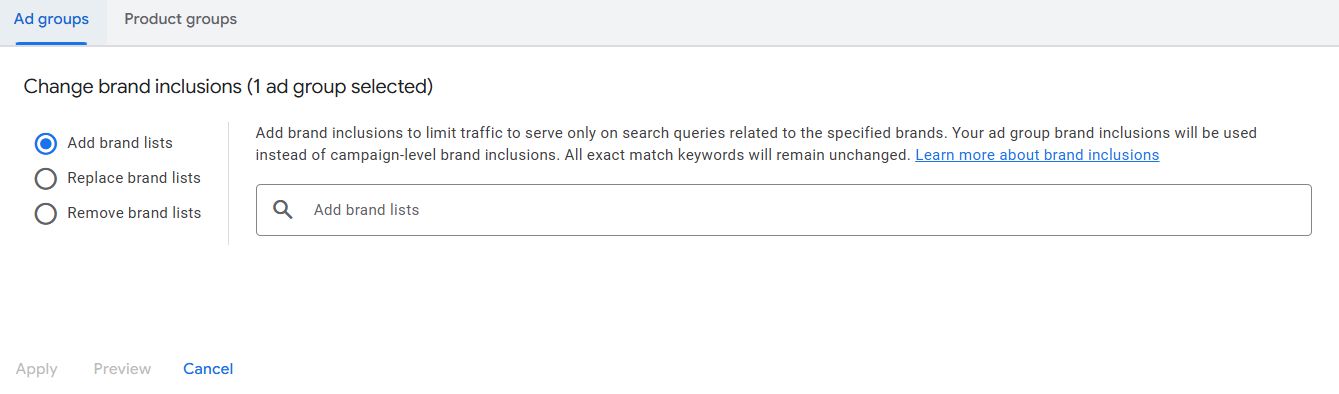
How it works: Now, I can easily add or remove brand lists directly within the ad group targeting section of both Performance Max and Standard Shopping campaigns. This means I can specify exactly which brands to showcase or exclude, preview my setup, and apply changes seamlessly within the Google Ads interface.
Why we care. Previously, brand targeting tools were only available in Performance Max and AI Max, leaving those of us using Standard Shopping campaigns to juggle search query scripts or set up intricate campaigns to manage brand visibility. This update changes that, finally giving us direct control over brand appearances.
I find it eliminates the need for cumbersome scripts or overly complex campaign setups, simplifying brand visibility management. This improvement allows me to protect my budgets and target high-value brand traffic more precisely — a significant win for our advertising efficiency and control.
Between the lines. For those of us in retail and ecommerce, this update is a game-changer in Shopping campaign management. It enables us to safeguard brand-specific budgets, control exposure within competitive categories, and avoid wasting money on unwanted brand traffic — all done conveniently within Google Ads.
First seen. The update was initially noticed by Ryan Parks, Senior Search Director at Spark Foundry, who shared this valuable information on LinkedIn.
The bottom line. With these brand inclusion features now accessible for Standard Shopping campaigns, we gain the same level of control and efficiency as Google’s automated campaign types offer. It’s a quietly powerful upgrade that will undoubtedly enhance precision in retail advertising.
I remember when the Alpha Beta account structure was the gold standard in paid search.
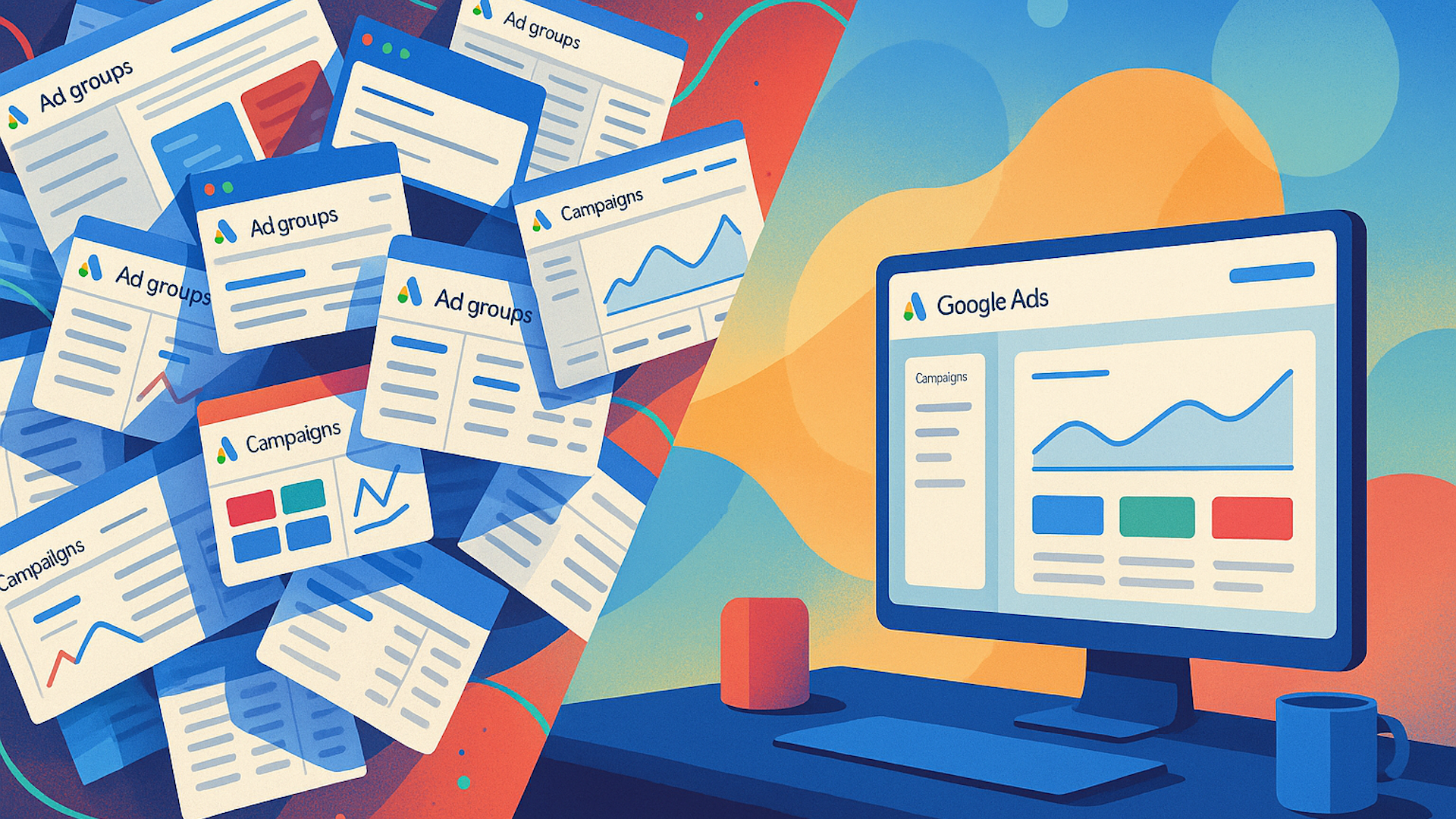
As a PPC marketer, I’ve seen firsthand how we’ve had to adapt to Google’s shift toward automation and AI. We initially tweaked the Alpha Beta structure, built around single keyword ad groups (SKAGs), but eventually, we have had to move away from it completely.
Maintaining and building out SKAGs is no longer ideal for today’s paid search landscape, but transitioning isn’t as simple as flipping a switch.
However, existing SKAGs still contain valuable data and insights that can be carried into a more consolidated setup.
In this article, I’ll explore the benefits of consolidating SKAGs and share best practices for creating a structure that can set your campaigns up for success.
As someone who loves control over my campaigns, I get the allure of SKAGs.
Custom bidding, tailored ad copy, and specific landing pages offer precision that’s hard to relinquish.
The challenge is that “precision” no longer means the same thing it once did.
With Google’s looser match types, gaining control over every query is no longer feasible, even for top-performing ones.
Google now rewards data density and simplified account structures.
The user interface simplifies consolidation, and algorithms improve faster with enhanced data.
While results vary, a modest efficiency lift—around 10%—is achievable with proper consolidation.
Effective control is elsewhere:
Enhanced conversions.
Strategic offline conversion tracking (OCT).
Negative keywords.
Ad copy with deep user understanding.
Focusing on these areas is a far better use of my team’s time, enhancing tracking and measurement both within Google and across platforms.
Consolidating SKAGs effectively might allow you to avoid the drop in performance typically seen with major account restructures.
In my agency’s experience, consolidating accounts has not led to major negative impacts—but instead, allowed data density to work in our favor.
We’ve also encountered accounts with too many keywords in an ad group, resulting in ads serving irrelevant queries.
Over-consolidating limits insights into performance.
If dissimilar geos are grouped together, visibility into which areas drive growth is lost.
Google finds the easiest path to your goals, which often contradicts your interests.
Avoid clumping brand and non-brand keywords as Google will favor branded queries with lower incremental conversions.
Separate brand and non-brand to make Google work harder to convert new users.
Don’t group products with varying price points; Google will target the cheapest conversions.
Keep products with similar price points together for better performance alignment.
Avoid mixing high- and low-quality keyword leads to maintain high-value ad groups.
Set realistic volume targets and optimize for deep-funnel actions like SQLs or opportunities.
Using negative keywords aggressively helps manage irrelevant query exposure in consolidated ad groups.
Aim for broad coverage to protect budgets from inefficient spend.
The key benefit of consolidation goes beyond performance improvement. Saving time and allowing algorithms to work simplifies the structure and lets us focus on campaign differentiation.
I’ve learned that brand visibility in AI search acts as an early indicator of influence—it shows if potential buyers are seeing and considering my brand before even visiting my site. Higher visibility means greater trust.
To calculate the brand visibility score, I observe my brand’s presence in AI-generated answers:
Brand visibility score = (Answers mentioning my brand ÷ Total answers in my space) × 100.
For example, if my brand appears in 22 out of 100 responses from ChatGPT or Google AI, my visibility score would be 22%.
This isn’t just about numbers but also about trust and authority.
The 3-Step Framework I Use to Measure Brand Visibility
To boost my brand visibility, I’ve adjusted how I measure organic search growth. This framework involves manual tracking and automation.
Step 1: Monitoring My Visibility Footprint
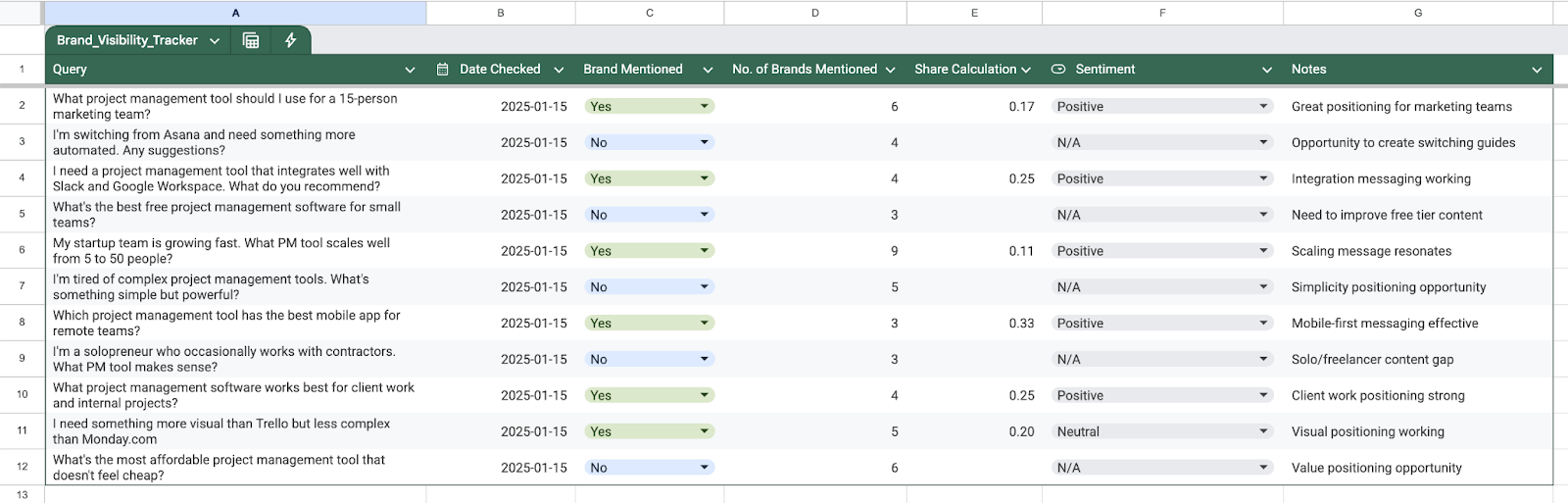
First, I identify where AI answers appear for my crucial queries. I frequently perform high-intent searches, like “best project management tools,” to see if an AI Overview shows up in the results.
Step 2: Benchmarking My Brand Mentions
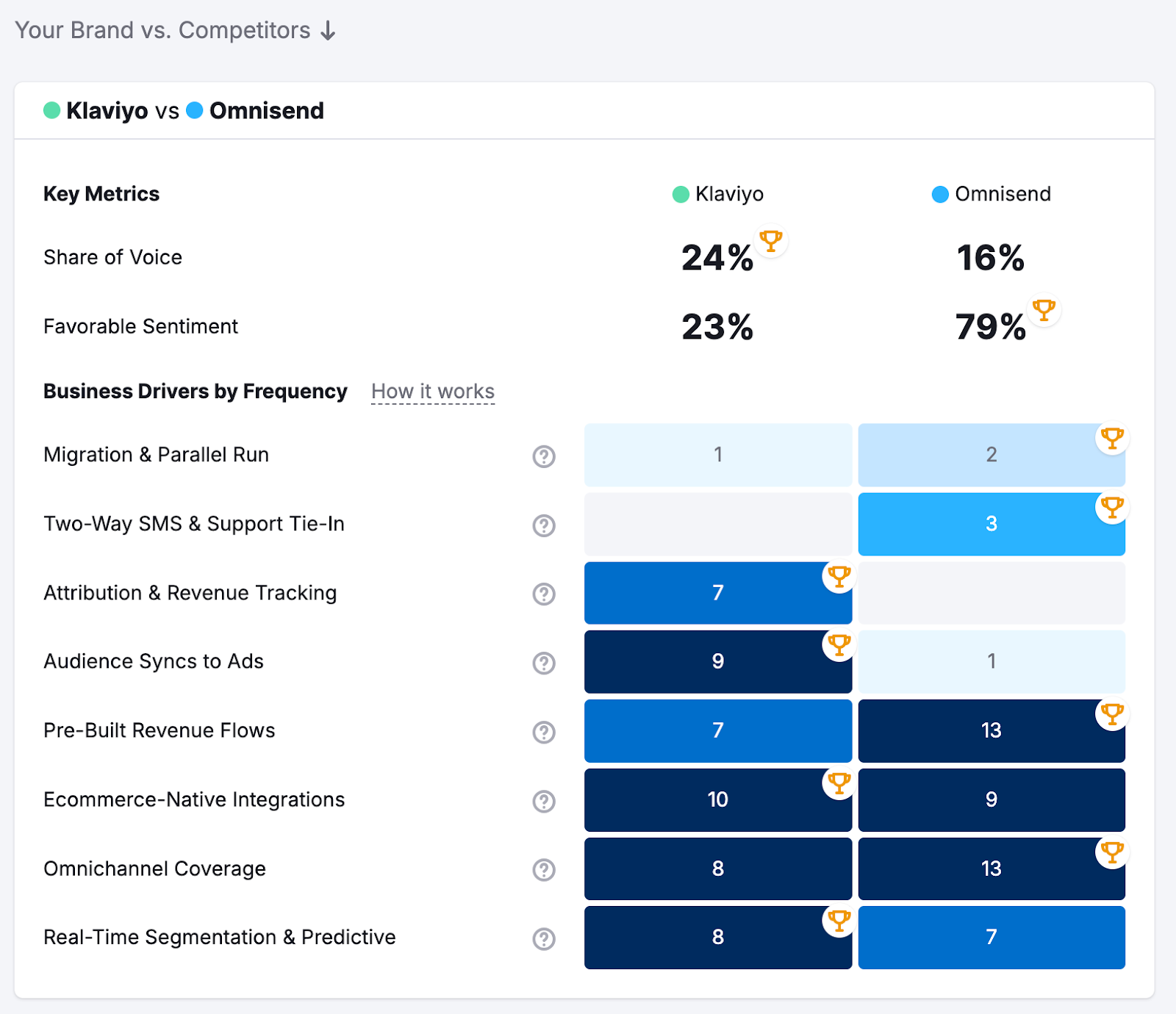
I calculate my visibility score and compare it against competitors. This includes an audit of where my brand is cited and its sentiment.
Step 3: Tracking Changes Over Time
Brand visibility can shift with updates from competitors or LLM evolutions. I need to tie visibility shifts directly to business outcomes.
Actionable insights, such as keeping content fresh and structured, help me maintain a competitive edge.
Proving the Impact of My Brand’s Visibility
By tracking citations in AI, I can demonstrate my brand’s role in the conversation before prospects visit my site. Visibility metrics allow me to showcase gains or losses across key decision stages.
Regular checks and benchmarking against competitors ensure I stay ahead in shaping buyer perception and linking visibility to revenue growth.
Tools for Automating Brand Visibility in AI Search
A solid understanding of AI prompts and LLM changes are vital. Once I’m comfortable with the basics, tools like Semrush’s AI SEO Toolkit or AirOps are excellent for automating visibility benchmarking.
Armed with both fundamentals and the right tools, I’m set to scale my brand’s visibility in AI search.
Brand visibility is the new ranking in the SEO world.
With AI search engines now providing direct answers, my brand needs to be mentioned in those responses to truly make an impact.
It’s no longer about being the top blue link; it’s about being the brand that ChatGPT recommends or the company cited by Perplexity. But how do I measure and track this vital presence?
Here’s a straightforward three-step framework I use to enhance brand visibility, starting with assessing my brand’s visibility score.
I’ve learned that brand visibility in AI search acts as an early indicator of influence—it shows if potential buyers are seeing and considering my brand before even visiting my site. Higher visibility means greater trust.
To calculate the brand visibility score, I observe my brand’s presence in AI-generated answers:
Brand visibility score = (Answers mentioning my brand ÷ Total answers in my space) × 100.
For example, if my brand appears in 22 out of 100 responses from ChatGPT or Google AI, my visibility score would be 22%.
This isn’t just about numbers but also about trust and authority.
The 3-Step Framework I Use to Measure Brand Visibility
To boost my brand visibility, I’ve adjusted how I measure organic search growth. This framework involves manual tracking and automation.
Step 1: Monitoring My Visibility Footprint
First, I identify where AI answers appear for my crucial queries. I frequently perform high-intent searches, like “best project management tools,” to see if an AI Overview shows up in the results.
Step 2: Benchmarking My Brand Mentions
I calculate my visibility score and compare it against competitors. This includes an audit of where my brand is cited and its sentiment.
Step 3: Tracking Changes Over Time
Brand visibility can shift with updates from competitors or LLM evolutions. I need to tie visibility shifts directly to business outcomes.
Actionable insights, such as keeping content fresh and structured, help me maintain a competitive edge.
Proving the Impact of My Brand’s Visibility
By tracking citations in AI, I can demonstrate my brand’s role in the conversation before prospects visit my site. Visibility metrics allow me to showcase gains or losses across key decision stages.
Regular checks and benchmarking against competitors ensure I stay ahead in shaping buyer perception and linking visibility to revenue growth.
Tools for Automating Brand Visibility in AI Search
A solid understanding of AI prompts and LLM changes are vital. Once I’m comfortable with the basics, tools like Semrush’s AI SEO Toolkit or AirOps are excellent for automating visibility benchmarking.
Armed with both fundamentals and the right tools, I’m set to scale my brand’s visibility in AI search.
Brand visibility is the new ranking in the SEO world.
With AI search engines now providing direct answers, my brand needs to be mentioned in those responses to truly make an impact.
It’s no longer about being the top blue link; it’s about being the brand that ChatGPT recommends or the company cited by Perplexity. But how do I measure and track this vital presence?
Here’s a straightforward three-step framework I use to enhance brand visibility, starting with assessing my brand’s visibility score.
I’ve learned that brand visibility in AI search acts as an early indicator of influence—it shows if potential buyers are seeing and considering my brand before even visiting my site. Higher visibility means greater trust.
To calculate the brand visibility score, I observe my brand’s presence in AI-generated answers:
Brand visibility score = (Answers mentioning my brand ÷ Total answers in my space) × 100.
For example, if my brand appears in 22 out of 100 responses from ChatGPT or Google AI, my visibility score would be 22%.
This isn’t just about numbers but also about trust and authority.
The 3-Step Framework I Use to Measure Brand Visibility
To boost my brand visibility, I’ve adjusted how I measure organic search growth. This framework involves manual tracking and automation.
Step 1: Monitoring My Visibility Footprint
First, I identify where AI answers appear for my crucial queries. I frequently perform high-intent searches, like “best project management tools,” to see if an AI Overview shows up in the results.
Step 2: Benchmarking My Brand Mentions
I calculate my visibility score and compare it against competitors. This includes an audit of where my brand is cited and its sentiment.
Step 3: Tracking Changes Over Time
Brand visibility can shift with updates from competitors or LLM evolutions. I need to tie visibility shifts directly to business outcomes.
Actionable insights, such as keeping content fresh and structured, help me maintain a competitive edge.
Proving the Impact of My Brand’s Visibility
By tracking citations in AI, I can demonstrate my brand’s role in the conversation before prospects visit my site. Visibility metrics allow me to showcase gains or losses across key decision stages.
Regular checks and benchmarking against competitors ensure I stay ahead in shaping buyer perception and linking visibility to revenue growth.
Tools for Automating Brand Visibility in AI Search
A solid understanding of AI prompts and LLM changes are vital. Once I’m comfortable with the basics, tools like Semrush’s AI SEO Toolkit or AirOps are excellent for automating visibility benchmarking.
Armed with both fundamentals and the right tools, I’m set to scale my brand’s visibility in AI search.
I’ve learned that brand visibility in AI search acts as an early indicator of influence—it shows if potential buyers are seeing and considering my brand before even visiting my site. Higher visibility means greater trust.
To calculate the brand visibility score, I observe my brand’s presence in AI-generated answers:
Brand visibility score = (Answers mentioning my brand ÷ Total answers in my space) × 100.
For example, if my brand appears in 22 out of 100 responses from ChatGPT or Google AI, my visibility score would be 22%.
This isn’t just about numbers but also about trust and authority.
The 3-Step Framework I Use to Measure Brand Visibility
To boost my brand visibility, I’ve adjusted how I measure organic search growth. This framework involves manual tracking and automation.
Step 1: Monitoring My Visibility Footprint
First, I identify where AI answers appear for my crucial queries. I frequently perform high-intent searches, like “best project management tools,” to see if an AI Overview shows up in the results.
Step 2: Benchmarking My Brand Mentions
I calculate my visibility score and compare it against competitors. This includes an audit of where my brand is cited and its sentiment.
Step 3: Tracking Changes Over Time
Brand visibility can shift with updates from competitors or LLM evolutions. I need to tie visibility shifts directly to business outcomes.
Actionable insights, such as keeping content fresh and structured, help me maintain a competitive edge.
Proving the Impact of My Brand’s Visibility
By tracking citations in AI, I can demonstrate my brand’s role in the conversation before prospects visit my site. Visibility metrics allow me to showcase gains or losses across key decision stages.
Regular checks and benchmarking against competitors ensure I stay ahead in shaping buyer perception and linking visibility to revenue growth.
Tools for Automating Brand Visibility in AI Search
A solid understanding of AI prompts and LLM changes are vital. Once I’m comfortable with the basics, tools like Semrush’s AI SEO Toolkit or AirOps are excellent for automating visibility benchmarking.
Armed with both fundamentals and the right tools, I’m set to scale my brand’s visibility in AI search.
Brand visibility is the new ranking in the SEO world.
With AI search engines now providing direct answers, my brand needs to be mentioned in those responses to truly make an impact.
It’s no longer about being the top blue link; it’s about being the brand that ChatGPT recommends or the company cited by Perplexity. But how do I measure and track this vital presence?
Here’s a straightforward three-step framework I use to enhance brand visibility, starting with assessing my brand’s visibility score.
I’ve learned that brand visibility in AI search acts as an early indicator of influence—it shows if potential buyers are seeing and considering my brand before even visiting my site. Higher visibility means greater trust.
To calculate the brand visibility score, I observe my brand’s presence in AI-generated answers:
Brand visibility score = (Answers mentioning my brand ÷ Total answers in my space) × 100.
For example, if my brand appears in 22 out of 100 responses from ChatGPT or Google AI, my visibility score would be 22%.
This isn’t just about numbers but also about trust and authority.
The 3-Step Framework I Use to Measure Brand Visibility
To boost my brand visibility, I’ve adjusted how I measure organic search growth. This framework involves manual tracking and automation.
Step 1: Monitoring My Visibility Footprint
First, I identify where AI answers appear for my crucial queries. I frequently perform high-intent searches, like “best project management tools,” to see if an AI Overview shows up in the results.
Step 2: Benchmarking My Brand Mentions
I calculate my visibility score and compare it against competitors. This includes an audit of where my brand is cited and its sentiment.
Step 3: Tracking Changes Over Time
Brand visibility can shift with updates from competitors or LLM evolutions. I need to tie visibility shifts directly to business outcomes.
Actionable insights, such as keeping content fresh and structured, help me maintain a competitive edge.
Proving the Impact of My Brand’s Visibility
By tracking citations in AI, I can demonstrate my brand’s role in the conversation before prospects visit my site. Visibility metrics allow me to showcase gains or losses across key decision stages.
Regular checks and benchmarking against competitors ensure I stay ahead in shaping buyer perception and linking visibility to revenue growth.
Tools for Automating Brand Visibility in AI Search
A solid understanding of AI prompts and LLM changes are vital. Once I’m comfortable with the basics, tools like Semrush’s AI SEO Toolkit or AirOps are excellent for automating visibility benchmarking.
Armed with both fundamentals and the right tools, I’m set to scale my brand’s visibility in AI search.
I’ve come to realize that my brand’s presence in AI-generated answers is crucial in today’s digital landscape. It’s not enough to simply rank on Google; I need to ensure my brand is visible in those AI responses that matter the most to customers.
To calculate the brand visibility score, I observe my brand’s presence in AI-generated answers:
Brand visibility score = (Answers mentioning my brand ÷ Total answers in my space) × 100.
For example, if my brand appears in 22 out of 100 responses from ChatGPT or Google AI, my visibility score would be 22%.
This isn’t just about numbers but also about trust and authority.
The 3-Step Framework I Use to Measure Brand Visibility
To boost my brand visibility, I’ve adjusted how I measure organic search growth. This framework involves manual tracking and automation.
Step 1: Monitoring My Visibility Footprint
First, I identify where AI answers appear for my crucial queries. I frequently perform high-intent searches, like “best project management tools,” to see if an AI Overview shows up in the results.
Step 2: Benchmarking My Brand Mentions
I calculate my visibility score and compare it against competitors. This includes an audit of where my brand is cited and its sentiment.
Step 3: Tracking Changes Over Time
Brand visibility can shift with updates from competitors or LLM evolutions. I need to tie visibility shifts directly to business outcomes.
Actionable insights, such as keeping content fresh and structured, help me maintain a competitive edge.
Proving the Impact of My Brand’s Visibility
By tracking citations in AI, I can demonstrate my brand’s role in the conversation before prospects visit my site. Visibility metrics allow me to showcase gains or losses across key decision stages.
Regular checks and benchmarking against competitors ensure I stay ahead in shaping buyer perception and linking visibility to revenue growth.
Tools for Automating Brand Visibility in AI Search
A solid understanding of AI prompts and LLM changes are vital. Once I’m comfortable with the basics, tools like Semrush’s AI SEO Toolkit or AirOps are excellent for automating visibility benchmarking.
Armed with both fundamentals and the right tools, I’m set to scale my brand’s visibility in AI search.
I’ve learned that brand visibility in AI search acts as an early indicator of influence—it shows if potential buyers are seeing and considering my brand before even visiting my site. Higher visibility means greater trust.
To calculate the brand visibility score, I observe my brand’s presence in AI-generated answers:
Brand visibility score = (Answers mentioning my brand ÷ Total answers in my space) × 100.
For example, if my brand appears in 22 out of 100 responses from ChatGPT or Google AI, my visibility score would be 22%.
This isn’t just about numbers but also about trust and authority.
The 3-Step Framework I Use to Measure Brand Visibility
To boost my brand visibility, I’ve adjusted how I measure organic search growth. This framework involves manual tracking and automation.
Step 1: Monitoring My Visibility Footprint
First, I identify where AI answers appear for my crucial queries. I frequently perform high-intent searches, like “best project management tools,” to see if an AI Overview shows up in the results.
Step 2: Benchmarking My Brand Mentions
I calculate my visibility score and compare it against competitors. This includes an audit of where my brand is cited and its sentiment.
Step 3: Tracking Changes Over Time
Brand visibility can shift with updates from competitors or LLM evolutions. I need to tie visibility shifts directly to business outcomes.
Actionable insights, such as keeping content fresh and structured, help me maintain a competitive edge.
Proving the Impact of My Brand’s Visibility
By tracking citations in AI, I can demonstrate my brand’s role in the conversation before prospects visit my site. Visibility metrics allow me to showcase gains or losses across key decision stages.
Regular checks and benchmarking against competitors ensure I stay ahead in shaping buyer perception and linking visibility to revenue growth.
Tools for Automating Brand Visibility in AI Search
A solid understanding of AI prompts and LLM changes are vital. Once I’m comfortable with the basics, tools like Semrush’s AI SEO Toolkit or AirOps are excellent for automating visibility benchmarking.
Armed with both fundamentals and the right tools, I’m set to scale my brand’s visibility in AI search.
Brand visibility is the new ranking in the SEO world.
With AI search engines now providing direct answers, my brand needs to be mentioned in those responses to truly make an impact.
It’s no longer about being the top blue link; it’s about being the brand that ChatGPT recommends or the company cited by Perplexity. But how do I measure and track this vital presence?
Here’s a straightforward three-step framework I use to enhance brand visibility, starting with assessing my brand’s visibility score.
I’ve learned that brand visibility in AI search acts as an early indicator of influence—it shows if potential buyers are seeing and considering my brand before even visiting my site. Higher visibility means greater trust.
To calculate the brand visibility score, I observe my brand’s presence in AI-generated answers:
Brand visibility score = (Answers mentioning my brand ÷ Total answers in my space) × 100.
For example, if my brand appears in 22 out of 100 responses from ChatGPT or Google AI, my visibility score would be 22%.
This isn’t just about numbers but also about trust and authority.
The 3-Step Framework I Use to Measure Brand Visibility
To boost my brand visibility, I’ve adjusted how I measure organic search growth. This framework involves manual tracking and automation.
Step 1: Monitoring My Visibility Footprint
First, I identify where AI answers appear for my crucial queries. I frequently perform high-intent searches, like “best project management tools,” to see if an AI Overview shows up in the results.
Step 2: Benchmarking My Brand Mentions
I calculate my visibility score and compare it against competitors. This includes an audit of where my brand is cited and its sentiment.
Step 3: Tracking Changes Over Time
Brand visibility can shift with updates from competitors or LLM evolutions. I need to tie visibility shifts directly to business outcomes.
Actionable insights, such as keeping content fresh and structured, help me maintain a competitive edge.
Proving the Impact of My Brand’s Visibility
By tracking citations in AI, I can demonstrate my brand’s role in the conversation before prospects visit my site. Visibility metrics allow me to showcase gains or losses across key decision stages.
Regular checks and benchmarking against competitors ensure I stay ahead in shaping buyer perception and linking visibility to revenue growth.
Tools for Automating Brand Visibility in AI Search
A solid understanding of AI prompts and LLM changes are vital. Once I’m comfortable with the basics, tools like Semrush’s AI SEO Toolkit or AirOps are excellent for automating visibility benchmarking.
Armed with both fundamentals and the right tools, I’m set to scale my brand’s visibility in AI search.
I’ve learned that brand visibility in AI search acts as an early indicator of influence—it shows if potential buyers are seeing and considering my brand before even visiting my site. Higher visibility means greater trust.
To calculate the brand visibility score, I observe my brand’s presence in AI-generated answers:
Brand visibility score = (Answers mentioning my brand ÷ Total answers in my space) × 100.
For example, if my brand appears in 22 out of 100 responses from ChatGPT or Google AI, my visibility score would be 22%.
This isn’t just about numbers but also about trust and authority.
The 3-Step Framework I Use to Measure Brand Visibility
To boost my brand visibility, I’ve adjusted how I measure organic search growth. This framework involves manual tracking and automation.
Step 1: Monitoring My Visibility Footprint
First, I identify where AI answers appear for my crucial queries. I frequently perform high-intent searches, like “best project management tools,” to see if an AI Overview shows up in the results.
Step 2: Benchmarking My Brand Mentions
I calculate my visibility score and compare it against competitors. This includes an audit of where my brand is cited and its sentiment.
Step 3: Tracking Changes Over Time
Brand visibility can shift with updates from competitors or LLM evolutions. I need to tie visibility shifts directly to business outcomes.
Actionable insights, such as keeping content fresh and structured, help me maintain a competitive edge.
Proving the Impact of My Brand’s Visibility
By tracking citations in AI, I can demonstrate my brand’s role in the conversation before prospects visit my site. Visibility metrics allow me to showcase gains or losses across key decision stages.
Regular checks and benchmarking against competitors ensure I stay ahead in shaping buyer perception and linking visibility to revenue growth.
Tools for Automating Brand Visibility in AI Search
A solid understanding of AI prompts and LLM changes are vital. Once I’m comfortable with the basics, tools like Semrush’s AI SEO Toolkit or AirOps are excellent for automating visibility benchmarking.
Armed with both fundamentals and the right tools, I’m set to scale my brand’s visibility in AI search.
Brand visibility is the new ranking in the SEO world.
With AI search engines now providing direct answers, my brand needs to be mentioned in those responses to truly make an impact.
It’s no longer about being the top blue link; it’s about being the brand that ChatGPT recommends or the company cited by Perplexity. But how do I measure and track this vital presence?
Here’s a straightforward three-step framework I use to enhance brand visibility, starting with assessing my brand’s visibility score.
I’ve learned that brand visibility in AI search acts as an early indicator of influence—it shows if potential buyers are seeing and considering my brand before even visiting my site. Higher visibility means greater trust.
To calculate the brand visibility score, I observe my brand’s presence in AI-generated answers:
Brand visibility score = (Answers mentioning my brand ÷ Total answers in my space) × 100.
For example, if my brand appears in 22 out of 100 responses from ChatGPT or Google AI, my visibility score would be 22%.
This isn’t just about numbers but also about trust and authority.
The 3-Step Framework I Use to Measure Brand Visibility
To boost my brand visibility, I’ve adjusted how I measure organic search growth. This framework involves manual tracking and automation.
Step 1: Monitoring My Visibility Footprint
First, I identify where AI answers appear for my crucial queries. I frequently perform high-intent searches, like “best project management tools,” to see if an AI Overview shows up in the results.
Step 2: Benchmarking My Brand Mentions
I calculate my visibility score and compare it against competitors. This includes an audit of where my brand is cited and its sentiment.
Step 3: Tracking Changes Over Time
Brand visibility can shift with updates from competitors or LLM evolutions. I need to tie visibility shifts directly to business outcomes.
Actionable insights, such as keeping content fresh and structured, help me maintain a competitive edge.
Proving the Impact of My Brand’s Visibility
By tracking citations in AI, I can demonstrate my brand’s role in the conversation before prospects visit my site. Visibility metrics allow me to showcase gains or losses across key decision stages.
Regular checks and benchmarking against competitors ensure I stay ahead in shaping buyer perception and linking visibility to revenue growth.
Tools for Automating Brand Visibility in AI Search
A solid understanding of AI prompts and LLM changes are vital. Once I’m comfortable with the basics, tools like Semrush’s AI SEO Toolkit or AirOps are excellent for automating visibility benchmarking.
Armed with both fundamentals and the right tools, I’m set to scale my brand’s visibility in AI search.