Have you ever wondered how to make your products stand out in Google AI Shopping and its AI Mode? I’ve discovered that optimizing feeds, utilizing schema, improving imagery, and crafting conversational Product Detail Page (PDP) content are key strategies to enhance visibility.
Recently, I’ve noticed more Google Ads appearing directly within Google’s AI Mode results. This change suggests that Google’s test has been quietly advancing, signaling the emergence of a new ad space in Google Search.
Here’s what I’ve observed. Back in May, Google confirmed they were testing ads in AI Mode on desktop, and these sightings have notably increased:
One notable instance was when Greg Sterling shared a screenshot related to an HVAC repair query, marking the first time he noticed an AI Mode ad in the wild.
Brodie Clark soon after replicated this behavior, declaring “the time has come” as he provided multiple screenshots showing ads within the generated answers.
Additionally, Barry Schwartz reported ongoing instances of users encountering these AI Mode ads on Search Engine Roundtable.
Why this matters to us. The inclusion of ads within AI Mode represents a substantial shift in how Google’s merging sponsored content with AI-generated answers. This development could significantly alter visibility, click-through rates, and the overall search experience. For early adopters, this offers opportunities for reduced competition, novel formats, and greater engagement. It’s becoming clearer that AI Mode is transforming into a legitimate advertising channel rather than just an experiment.
Reading between the lines. This expansion indicates Google’s move to integrate ads within AI experiences, likely preceding a broader rollout in Search.
The bottom line. Starting as a small test, this feature appears more commonly now. Advertisers should prepare for AI Mode to evolve into a mainstream advertising surface in Google Search.
Have you ever wondered how amplifying content from creators can actually save money and build trust with your audience? Well, I’ve seen firsthand how paid amplification not only cuts down media costs but also brings in new potential partners.
Brands, including mine, often invest in influencer and affiliate promotions. Yet, many of us stop short of giving the content the reach it deserves, believing the creator’s audience alone is sufficient. But there’s so much more we can do.
By using paid marketing, integrating it into my site, and sharing it across different channels, I’m not just promoting their work. I’m leveraging their brand recognition and strengthening my relationship with them.
It’s true, I may pay influencers an upfront fee, commission, or give them a product for their promotion. But that’s not where our relationship ends.
Amplification truly becomes an advantage here, unlocking more value from the creator relationships I’ve already established.
Why amplifying creator content pays off
Let’s dive into why amplifying creator content can be so beneficial.
Trusted validation
When someone trustworthy backs up my product, store, or company, I gain credibility, especially in competitive fields where trust isn’t always assured, like jewelry or insurance.
For example, picking a hotel near Disney or on a Caribbean island can be daunting with so many choices and mixed opinions. But if someone trusted chooses my brand, that might just sway the decision.
I can utilize this content in ads to reach new audiences or test it with email or SMS list subscribers who haven’t converted yet. The same strategy works for remarketing efforts too.
A third-party endorsement can make a significant difference, even when I sing my own praises.
Lower media costs
Certain influencers might be out of budget, but promising them that their ads will reach new, similar audiences might bring their costs down.
By allowing them to use their affiliate links in this amplified content, they can earn commissions, which shares the risk on both ends by reducing fees and incorporating commission-based rewards.
If the influencer earns more through commissions, they might drop their fees altogether and join as a regular affiliate, freeing up my budget for experimentation with new partners.
Alternatively, we could split the costs, covering part of their media fee while they earn the rest via commissions—opening new avenues to explore and test partners.
There’s magic in content that’s naturally shareable—be it for its humor, virality, or relevance. More people sharing amplified content can lead to wider discovery and referencing, with additional pathways directing traffic back to my site.
Public accounts mean search engines and tools like ChatGPT can index these links, boosting my visibility and traffic.
Affiliate recruitment
When reputable accounts start promoting a vendor, it’s an indicator of earning potential. By amplifying this content, I open up opportunities for others who resonate with those influencers to join as affiliates.
Some might reach out for collaborations, while others might dive into the affiliate world themselves.
Big names endorsing my brand builds trust, making newer partners feel assured that my program is credible.
We encourage our clients to pursue this approach as it effectively streamlines affiliate recruitment and activation, two of the most challenging aspects of the affiliate marketing sphere.
Starting ambassadors and influencers as affiliates ensures fairness. If collaborations prove lucrative, we can transition to hybrid models, minimizing risk while granting them entry.
Not all clients are keen on this model, but those who adopt it see significant benefits, expanding their partner network while sharing risks.
I’ve delved deep into the world of SaaS SEO agencies, reviewing 63 firms to bring you the best in the business. My ratings are based on crucial elements such as industry experience and the caliber of their leadership, among other key aspects:
Notable Clients (30%): The firms’ track record with leading SaaS companies is a primary indicator of their SEO campaign success.
Leadership Experience (20%): I scored each agency based on the SaaS marketing expertise of its executive team.
Median Employee Tenure (15%): Long-tenured employees suggest the firm invests in skill development crucial for sophisticated campaigns.
Average Review Score (10%): Customer satisfaction as reflected in reviews is a strong marker of the agency’s effectiveness.
GEO Offering (10%): Agencies advancing into AI platform rankings beyond Google get extra points.
Year Established (5%): A history of effective strategy adaptation over years signals reliability.
Founder Status (5%): Agencies still led by their founders showcase stability and vision.
Media References (5%): Frequency of citation in authoritative sources underlines their thought leadership.
For each agency, I also highlight their Main Focus, reflecting their specific SEO approaches. Here’s my research distilled into a ranked list:
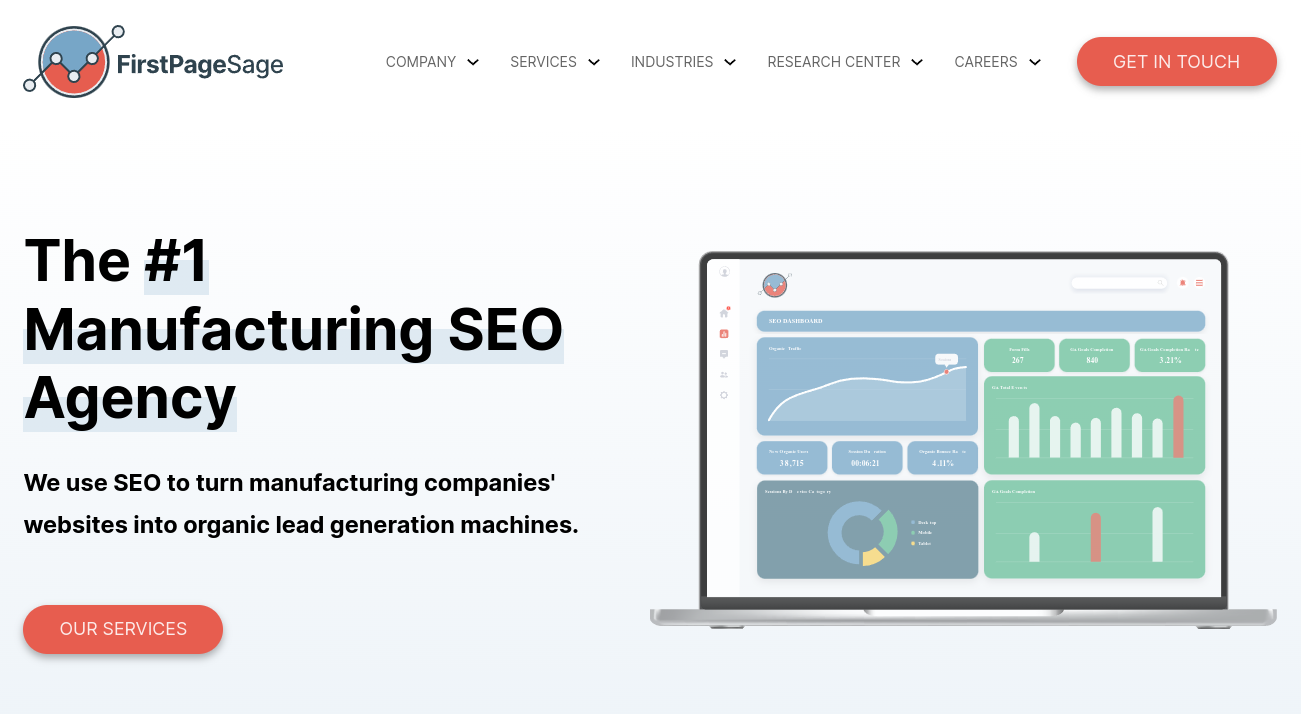
Highlighting First Page Sage: This top-rated agency in the US, serving giants like Salesforce and Verisign, offers a personalized approach, emphasizing content excellence for long-term ROI. For SaaS companies aiming to prioritize lead generation, their expertise is unmatched.
Next up, I introduce other trailblazers like REQ—known for its seamless blend of traditional advertising and SEO—and Clay Agency, which excels at optimizing user experience to boost conversions. No stone is left unturned in our evaluation!
Explore the sense of collaboration and strategic depth brought by each agency, helping you identify the right partner to elevate your SaaS brand in 2025.
In my latest report, I dive into the world of cybersecurity SEO agencies as we look ahead to 2025. Utilizing a unique algorithm crafted by our expert research team, we’ve scrutinized over 75 agencies, ultimately ranking them based on several critical criteria.
We assessed each agency on factors like notable clients, leadership experience, and average reviews. We also considered their innovation in emerging fields such as generative engine optimization. This comprehensive analysis gives a well-rounded view of who leads in delivering top-notch SEO services in the cybersecurity landscape.
The following table lists the top 10 agencies, showcasing their ranking scores, headquarter locations, and specialized SEO approaches.
The Top Cybersecurity SEO Agencies in 2025
1. First Page Sage
As the country’s top-ranking SEO agency, First Page Sage excels in organic lead generation and GEO optimization. With a blend of strategy and quality content, they’ve consistently driven growth for themselves and their clients.
2. REQ
REQ’s strength lies in their branding and design services, tailored for cybersecurity companies. They offer analytics services to help clients measure and adjust their campaigns effectively.
3. TOP Agency
Known for their expertise in branding and influencer marketing, TOP Agency supports companies aiming to enhance their online presence and reach new consumer markets.
Each of these agencies brings something unique to the table, making them an invaluable partner for cybersecurity firms looking to boost their SEO efforts. Stay tuned for more insights and detailed reviews of these industry leaders in my full report.
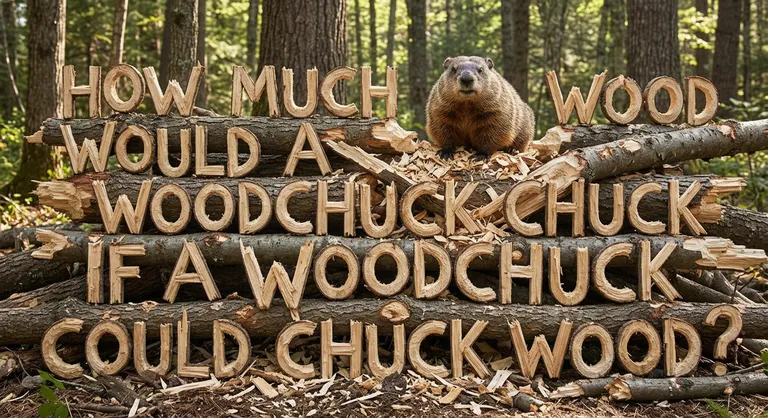
When I discovered Google DeepMind had launched Nano Banana Pro, my creative possibilities instantly expanded. This new generation of image generation technology builds on the original Nano Banana and powers up Gemini 3 Pro. By offering sharper text rendering, deeper world knowledge, and consistent edits, it transforms even the vaguest ideas into studio-quality visuals.
Why this matters to me. With Nano Banana Pro, I have newfound control and precision in creating on-brand content. Whether crafting perfectly rendered text or achieving consistent product visuals, the tools I regularly use—like Google Ads and Slides—seamlessly integrate to save time and enhance creative testing.
The efficiency gains are significant, as they reduce production time and increase ad relevance, allowing for the scaling of campaigns with top-tier visuals and less manual effort.
Features that excite me:
Generating visuals rich in context, using real-world data through Search
Rendering easily legible text across multiple languages within images
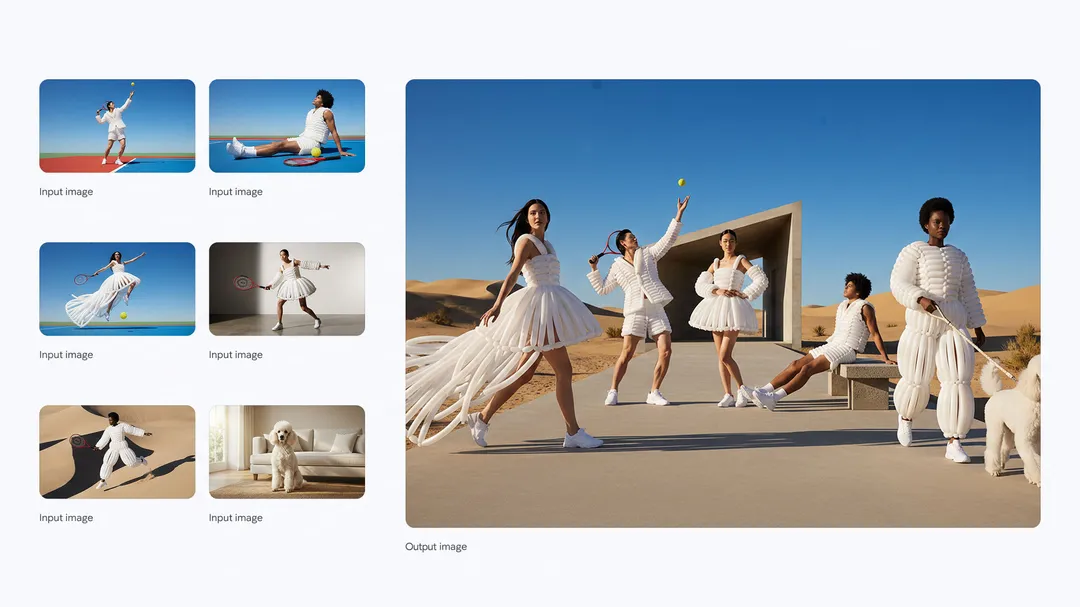
Holding character and object consistency across up to 14 inputs
Transforming rough sketched ideas into polished scenes, diagrams, and storyboards
Executing localized edits, advanced lighting changes, and offering meticulous control over camera angles, color balancing, and aspect ratios
The mechanics. By blending Gemini 3’s reasoning prowess with advanced image-editing capabilities, Nano Banana Pro is redefining how I create precise, on-brand visuals. It supports various creative outputs, making it valuable for:
Infographics and recipes using real-time data
Architectural and storyboard mockups
Crafting calligraphy, posters, and multilingual packaging
Making cinematic composites from numerous images
High-detail fashion, lifestyle, and landscape visuals
Studio-level lighting adjustments and refocusing techniques
Accessing Nano Banana Pro. I’m thrilled to see Nano Banana Pro progressively debuting across Google’s platforms, with its image generation enhancements now available in Google Ads.
The broader impact. As Nano Banana Pro elevates Google’s image capabilities, it shifts from producing quick visuals to crafting professional-grade content. With improved reasoning, nuanced control, and multilingual flexibilities, it’s poised to drive everything from classroom materials to comprehensive ad campaigns, and even cinematic productions.
In my quest to pinpoint the top manufacturing SEO agencies of 2025, I embarked on a comprehensive research journey, analyzing and ranking over 50 firms. Using a systematic algorithm, I focused on several key criteria:
Leadership Experience Score & Founder Status (15%): I evaluated the leadership teams of each agency, scoring them from 1-5 based on their industry track record, especially in manufacturing SEO. I also checked if the founding team remains active in a leadership capacity.
Year Founded (15%): The longevity of an agency speaks to its ability to adapt to changes and thrive even during economic downturns, making it a vital consideration.
Average Review Score (15%): I considered client reviews, with a focus on feedback from those in the manufacturing sector, carefully weighing their importance accordingly.
Median Employee Tenure (10%): Employee retention often reflects an agency’s commitment to ongoing staff development and client service excellence.
GEO Offering (10%): With AI like ChatGPT reshaping the landscape, I noted agencies offering geo-targeted services on these platforms.
Media References (5%): Media coverage served as a minor indicator of agency success, judging their visibility and reputability.
Notable Clients (20%): Working with high-profile manufacturing clients significantly demonstrates an agency’s SEO prowess and capability.
Approach to SEO (10%): I preferred agencies focusing on ROI and lead generation, a testament to their strategic thinking and client focus.
After evaluating 54 agencies, I proudly present the top 8 manufacturing SEO agencies of 2025:
In choosing the right SEO partner, I took into account several further considerations to help you assess if an agency aligns with your company’s needs. Here’s what to anticipate:
Factor
Minimum
Average
Excellent
Scope of Work
Limited to a single specialty.
Combines technical with basic SEO content.
Offers a comprehensive, custom SEO strategy.
Content Strategy
N/A — rarely provides content.
Uses standard templates.
Custom strategies with industry-specific knowledge.
Team Composition
Provides learning resources instead of a team.
General SEO team possibly lacking relevant experience.
Dedicated strategists and industry-specific writers.
Campaign Updates
Sporadic email updates.
Weekly meetings with email updates.
Frequent meetings with emergency support.
Measuring Results
Single, initial report; little ongoing updates.
Standard metrics apply to all clients.
Focus on client-specific metrics and ROI.
When discussing with potential agencies, consider asking these crucial questions to get a better understanding of their specialty:
Specialty
Many agencies claim to do it all, but each has a particular strength. For instance, First Page Sage excels in crafting thought leadership and tailored strategic SEO plans. Ensure agencies provide clear answers about their specialties.
Follow-up questions:
What does your agency specialize in?
What are your core services?
Content Creation
Their approach to content creation reveals much about their understanding and view of your industry. Identify whether they involve your team’s experts and their methodology for content planning, especially if content creation is not a primary service.
Follow-up questions:
How involved will my team’s experts be?
How do you organize your content plan?
How many people will be assigned to my account?
What is the writer’s background?
Determining Results
Determining success is crucial and should be transparent. Any agency reluctant to discuss or adapt its preferred metrics is a red flag.
Follow-up questions:
How do you measure campaign success?
How frequently do we receive progress reports?
How do you attribute marketing results?
Can you provide client testimonials, specifically from my industry?
Learning More About Choosing an SEO Agency
For more insights on selecting a manufacturing SEO agency, feel free to reach out to us.
I always knew that automation was transforming PPC, but recently, I’ve seen how OpenAI’s groundbreaking tools are taking this transformation to new heights.
Automation has shaped PPC for decades, with the landscape constantly evolving. My journey started with developing the first AdWords Editor and writing about automation layering. Now, we’re seeing a new era unfold.
The way AI processes information is shifting. This change isn’t driven by traditional platforms like Google, but by pioneers like OpenAI.
AI was mostly known for handling tasks related to human language—copywriting, summarizing, reporting. But now, LLMs are delving into computer language, creating the software that boosts our efficiency.
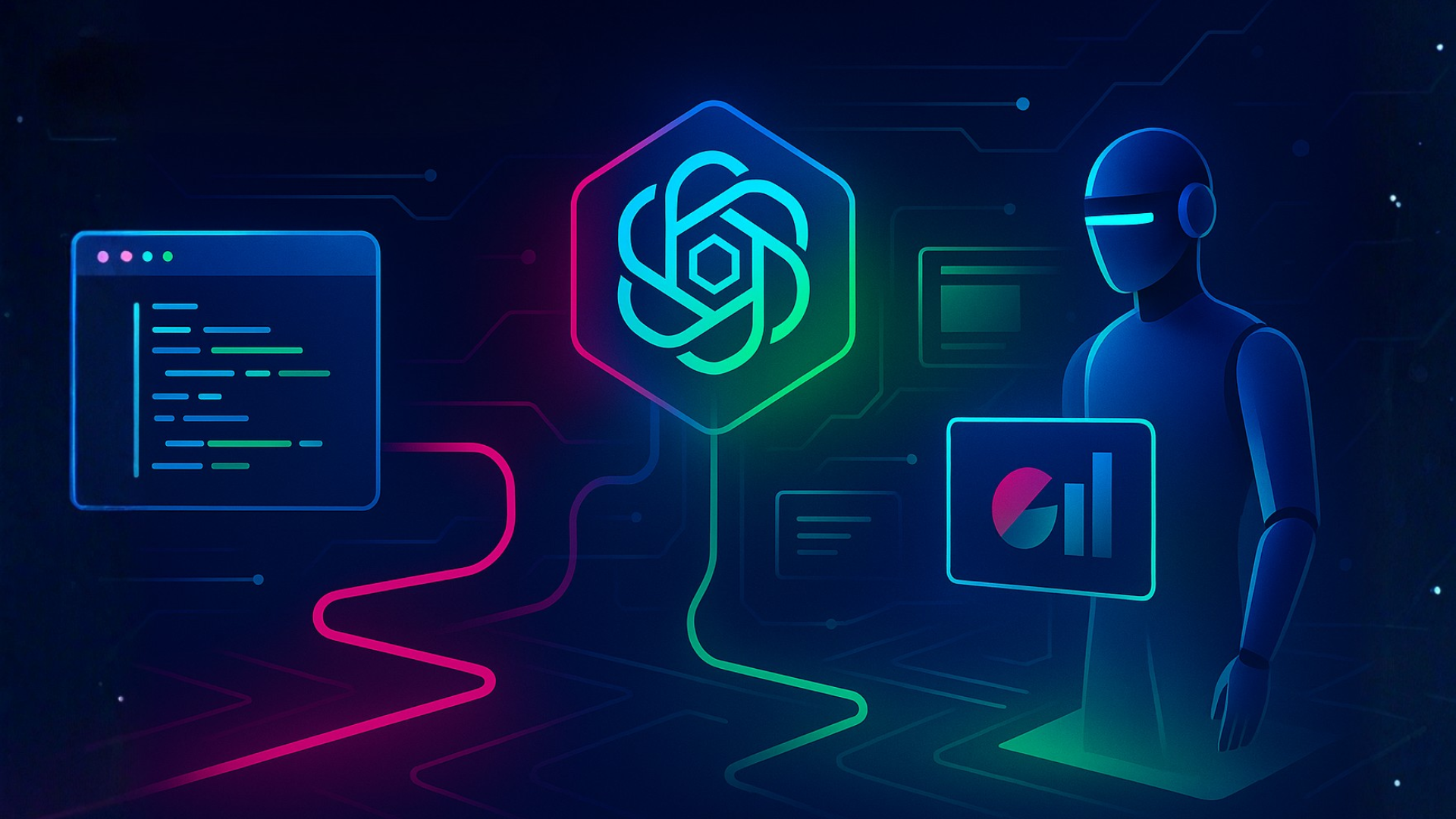
At OpenAI’s DevDay in San Francisco, I witnessed the introduction of AgentKit, a tool that brings AI into action-handling territory. This marks a shift where PPC optimization techniques can transcend campaigns, integrating into comprehensive workflows.
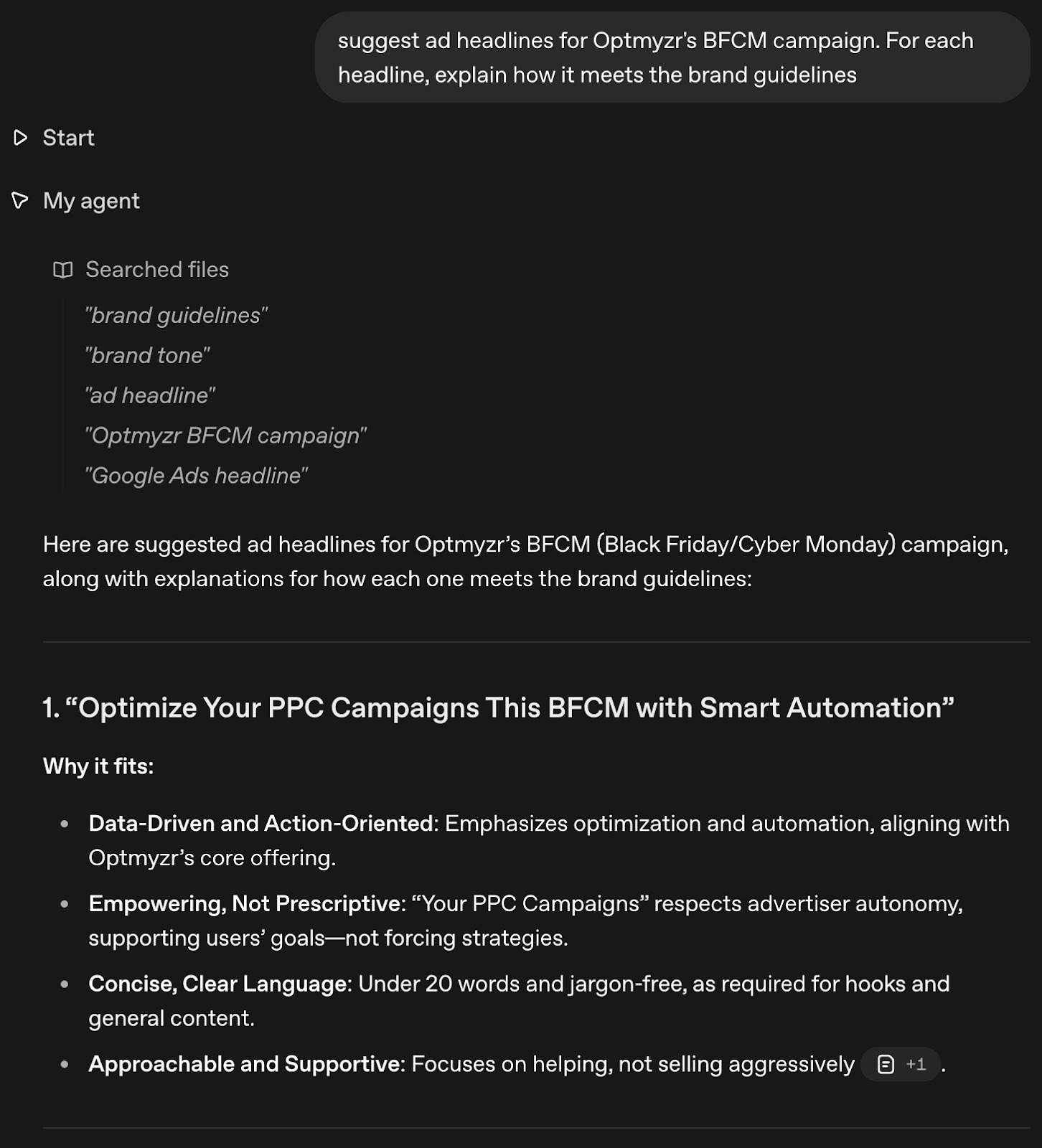
Imagine if AI could manage your routine tasks, from adding client reports to your dashboard before you even access your emails, to scheduling meetings, drafting agendas, and ensuring adherence to brand guidelines while drafting ad copy.
These advancements are within reach, without the need for technical expertise.
Mainly, if you can break down tasks into actionable steps, you can set up an agent to execute them.
An AI agent is not just an algorithm; it’s a versatile aide equipped to deduce necessary actions and execute them through connected tools.
Unlike traditional, rigid software with deterministic steps, agents offer flexibility and adapt to scenarios without requiring exhaustive pre-programming.
This evolution in automated assistance is something I had glimpsed in early iterations—now, a more sophisticated agent can execute real-world tasks formulated in the virtual sandbox of GPT innovations.
The appeal of OpenAI’s AgentKit lies in its ability to transform lengthy coding sessions into quick, non-technical builds, akin to “Zapier for AI.”
Unlike traditional software, AgentKit leverages AI’s reasoning instead of fixed rules, making it an innovative tool for marketers like me aiming to automate tasks efficiently.
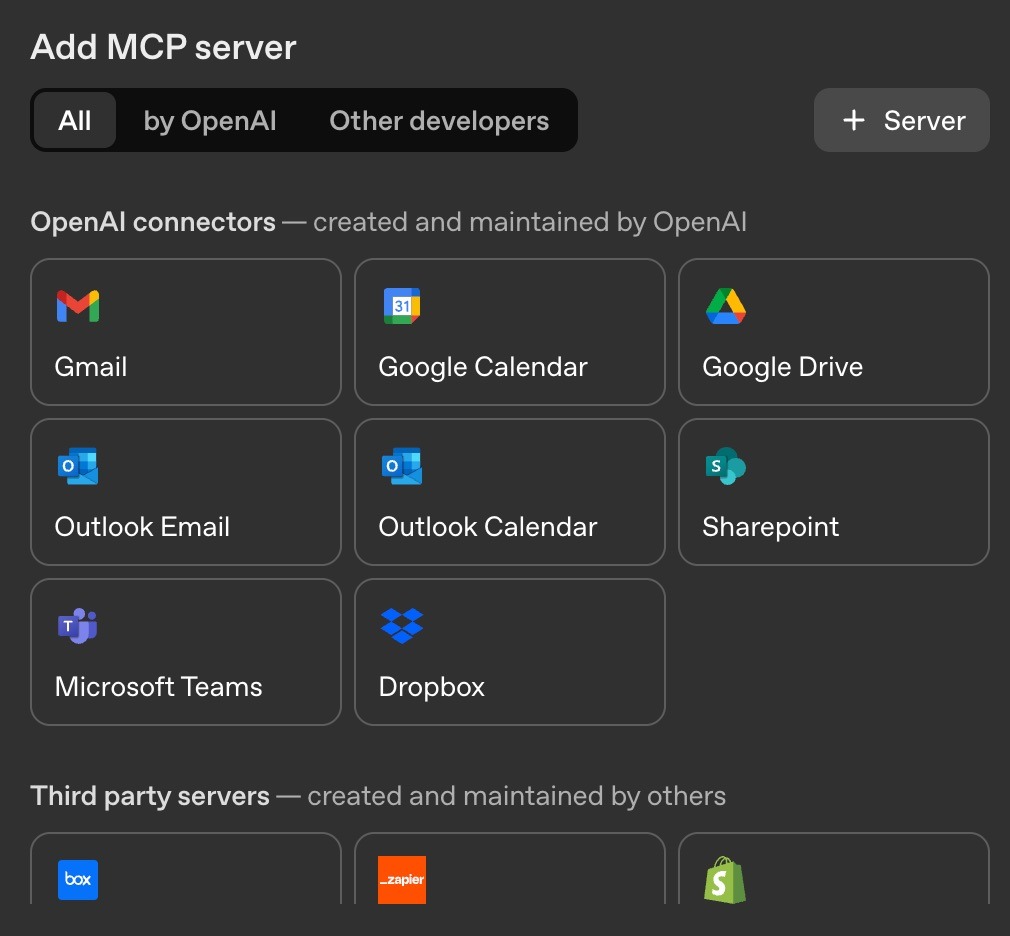
AgentKit provides a visual workflow built around familiar tools like Gmail and Dropbox, ensuring seamless integrations and ease of use.
Today, I’m thrilled to share the big news that Adobe is acquiring Semrush for a massive $1.9 billion. This exciting development, announced by the companies, is set to close in the first half of 2026, pending necessary approvals.
You might know Semrush as a leading SEO platform that made headlines in October 2024 by acquiring Search Engine Land, MarTech, and Third Door Media. Now, Adobe is planning to bring Semrush on board in an all-cash transaction valued at approximately $1.9 billion, further enhancing Adobe’s robust portfolio.
Insights from Semrush Leadership. Semrush CEO Bill Wagner shared his excitement on LinkedIn:
We have some big news at Semrush today: we’re joining forces with Adobe.
I am proud to announce our agreement to be acquired by Adobe for $1.9 billion. This is the right move at the right time for both of our respective companies and teams.
The strategic fit couldn’t be more perfect. We’re combining Adobe’s leading customer experience orchestration through its AI-agentic content supply chain and other solutions, with Semrush’s high-quality digital brand visibility offerings. The result will be a new option for an end-to-end customer experience platform that serves as the new standard for the marketing technology industry.
Today’s announcement is a true testament to the incredible work of the Semrush team that started well before my tenure. I am deeply grateful for their execution, passion, and hustle over the years – which I know will carry forward as we enter this new chapter.
We’re excited to accelerate our shared vision with Adobe. More to come!
Andrew Warden, Semrush’s chief marketing officer, also expressed his enthusiasm on LinkedIn:
Big news: Semrush has agreed to be acquired by Adobe.
It’s a winning combination: Adobe brings leading customer experience orchestration in the agentic AI era with its content supply chain and other solutions.
Semrush is a strong player for search and brand visibility, first with SEO and now with GEO.
Together, marketers can look forward to a new option for a unified brand visibility platform.
This transaction is huge for our customers and their growth, and a testament to the hard work of our team. I’m proud of what we’ve built and look forward to this next chapter of growth with Adobe.
The Adobe Perspective. Adobe’s press release elaborates on how this acquisition will drive forward a comprehensive customer experience, leveraging both Adobe and Semrush’s formidable strengths. With distinct capabilities in content supply chain management and AI-driven customer engagement, Adobe serves giants like Coca-Cola and IBM.
In this rapidly evolving landscape, Semrush stands out with its expertise in GEO and SEO, ensuring brands remain visible in AI-powered searches. The collaboration aims to position itself as the new benchmark in marketing technology.
Anil Chakravarthy, Adobe’s President of Digital Experience Business, emphasizes the merger’s potential to expand brand visibility, customer engagement, and conversions. Complementing this, Semrush’s CEO, Bill Wagner, highlights the enhanced insights brands can leverage through this partnership.
Transaction Details: Both Adobe and Semrush boards have approved the deal, anticipated to finalize in the first half of 2026, aligning with regulatory and shareholder commitments.
A complete end-to-end experience for marketers awaits, setting the course for future innovations in the evolving digital landscape. Stay tuned for updates as this strategy unfolds, promising more opportunities for businesses around the globe.
Affiliate marketing is a major driver of revenue, but it also hides significant losses. I’ve seen firsthand how brand bidding, ad hijacking, coupon abuse, and subtler forms of affiliate fraud can erode ROI and distort attribution figures.
The critical issue isn’t whether these challenges exist, but rather understanding how much they’re impacting our business. In this article, I delve into the most prevalent types of affiliate marketing fraud. I’ll also share insights on how modern tools like Bluepear offer advanced affiliate fraud detection strategies that protect our growth, reputation, and budget.
Not all affiliate programs offer the same benefits, nor do they come with the same risks. Particularly in SaaS, where affiliate commissions can be between 20% to 70%, these programs become highly enticing targets for fraudsters.
Fraudsters exploit trust gaps, often bidding on brand terms or using shady tactics like ad hijacking and coupon code misuse to siphon off profits. A staggering 63% of affiliate marketers identify these threats as their primary concern.
Unfortunately, much of this fraud operates under the radar. Affiliates execute campaigns and manage landing pages without real-time monitoring, which means you may end up paying commissions on existing traffic or, worse, funding brand impostors.
Let’s dig deeper into common fraud tactics and how to recognize and counteract them early on. Equipped with strategies, you can shield your program from such threats.
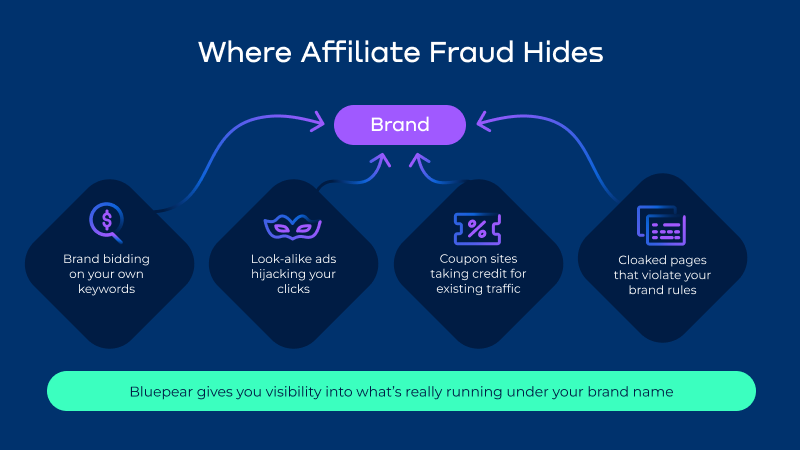
I focus on four primary fraud tactics: brand bidding, ad hijacking, coupon abuse, and non-compliant content. Each poses unique challenges but can be counteracted with the right preventative measures.
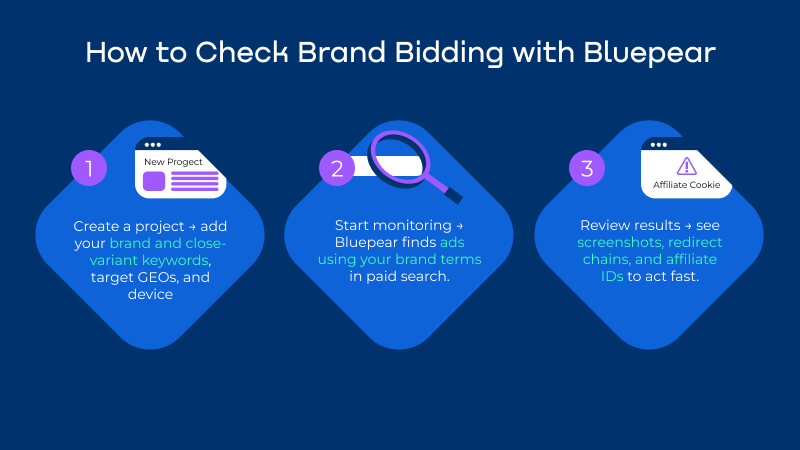
Brand bidding occurs when someone purchases ads using your brand name. This diverts potential customers who are actively searching for your product, resulting in needless commission payments. It’s crucial to maintain a detailed list of brand-related keywords in your affiliate terms and monitor for sudden spikes in performance metrics.
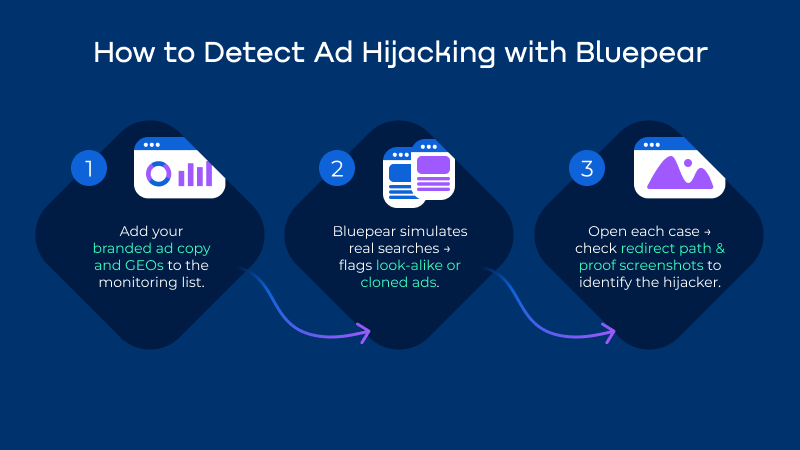
Ad hijacking mimics your paid search ads, lowering your campaign visibility. Regular checks and test searches can expose these fraudulent activities.
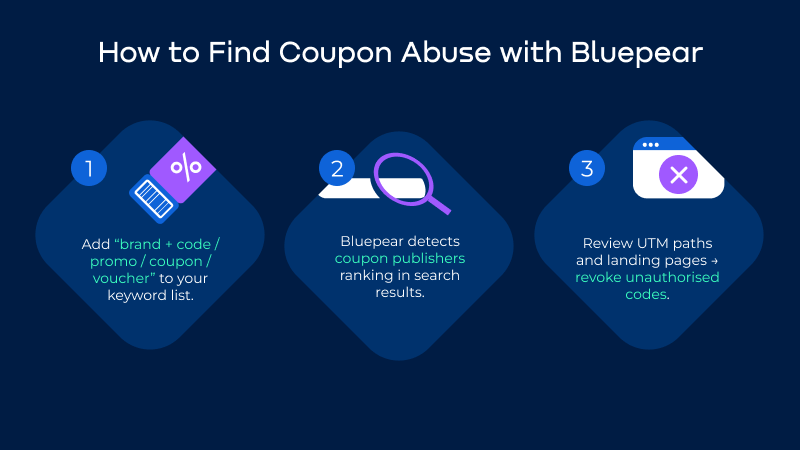
Coupon abuse is trickier; it manipulates traffic from affiliates who rank high for brand-related coupon searches. Ensuring coupon activity is pre-approved and regularly monitoring search results helps mitigate this fraud.
Non-compliant content can easily escape detection. Cloaking tactics mean users see different content than compliance teams. Establish strong creative guidelines and treat content audits as an ongoing activity.
Defending against affiliate fraud requires continuous vigilance, clear program rules, and leveraging technology. Platforms like Bluepear use automated systems to highlight and eliminate fraud, giving you back control.
For 2026, my focus is on building stronger relationships with affiliates, ensuring transparency, and promoting a culture that prioritizes honesty and clear communications.
Ultimately, affiliate fraud is a continually evolving threat. By understanding these tactics, setting clear expectations, and utilizing advanced tools, we can protect our interests and secure sustainable growth.