I’m excited to share that Meta is set to expand Threads ads to all users worldwide beginning next week. This move opens up new opportunities for advertisers to engage with over 400 million users.
Threads, which rivals the platform X, has seen rapid growth since its debut in July 2023. With its soaring popularity, CEO Mark Zuckerberg has high hopes that Threads could reach 1 billion users in the near future.
Advertiser Access. Advertisers have already been testing Threads ads in the U.S. and Japan. As of last April, global advertisers gained access. Meta helps streamline campaign expansions to Threads through its Advantage+ program, supporting various ad formats like image, video, and carousel. This can all be managed alongside campaigns on Facebook, Instagram, and WhatsApp within Business Settings.
Third-Party Verification. Meta is ensuring brand safety by extending third-party verification tools from Facebook and Instagram to Threads. Although ad delivery will start modestly, this scaling should ensure more confidence in the brand’s safety across the platform.
Why This Matters. With Threads integrating into Meta’s vast ad ecosystem, there’s an exciting opportunity for you to leverage this dynamic social platform. Early participation can give brands an edge as Threads offers a range of advanced ad formats and verification measures to avoid challenges like deepfakes.
Bottom Line.Meta’s global rollout of Threads ads is a pivotal moment for advertisers. It not only offers a channel on a rapidly expanding platform but also includes enhancements like brand-safety verification, making early adoption a strategic advantage.
I’ve noticed that ChatGPT ads have officially entered the scene, and it’s quite the development in the world of digital marketing. It’s exciting yet comes with its own set of challenges and risks.
While this new ad frontier opens up fresh opportunities for brands, it also raises questions about AI’s role as an advertising platform. I’m keen to explore what this means for the industry and how we can strategically position ourselves for this upcoming shift.
As we dive deeper into this topic, I’ll share insights on potential risks involved, the implications for artificial intelligence as an ad surface, and practical steps brands like ours can take to adapt and thrive in this new landscape.
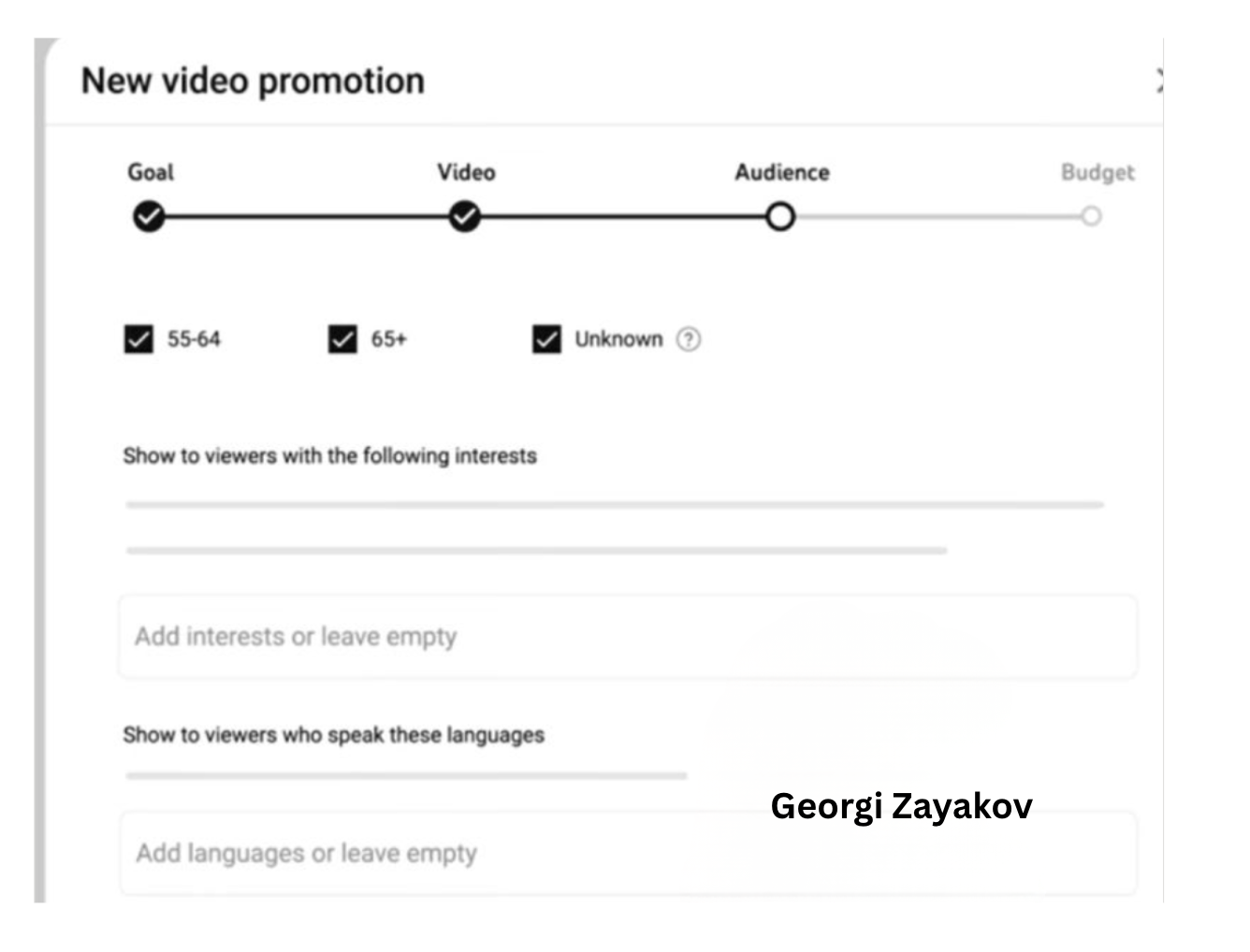
I’ve noticed that YouTube has recently upgraded its Promotions tool, offering creators like us a smarter way to reach our audience. Now, we can target viewers based on their interests rather than just simple demographics like age, gender, or location. This change is making things more personal and effective!
What’s new: With the latest update, we can target specific interest categories, such as Food & Dining. These categories are crafted from aggregated, anonymized data, giving us insights based on viewing habits and search behaviors.
For example, if someone frequently searches for recipes and enjoys watching cooking videos, YouTube may place them within a food-related interest segment, allowing us to tailor our promotions more precisely.
How it works: YouTube uses patterns it detects across Google services to infer viewers’ interests, applying these insights on a broad scale while keeping individual data private.
Why this matters: As creators investing in promotional videos, we can now target audiences based on their true interests, making our ads more effective and as viable as traditional Google Ads.
The big picture: Historically, YouTube’s promotion tools have felt somewhat blunt, relying heavily on demographics. This new interest-based approach aligns with a full-funnel advertising strategy, making paid promotions notably appealing for:
Growing channels looking to build a dedicated audience
Established creators experimenting with new content formats
Brands working with creators to widen their reach
What’s next:
Currently, this feature is only available on desktop
We can expect a mobile rollout in the near future
First seen: This upgrade was first discovered by Google Ads Specialist Georgi Zayakov, who shared the news on LinkedIn.
Bottom line: YouTube is equipping us with better tools to connect with the right viewers. Instead of just increasing viewer numbers, we’re now closer than ever to narrowing the gap between creator marketing and traditional digital advertising.
I’ve recently noticed a wave of concern sweeping across Google AdSense publishers due to a sudden drop in earnings. Many publishers like myself have experienced a steep decline in eCPM and RPM by up to 70%. This unexpected turn of events has left us fearing another shock to our revenue streams.
Why this matters to me is simple: relying heavily on AdSense for funding operations makes me vulnerable to such sudden swings. When traffic flows and costs remain steady, a sharp revenue decrease poses a real threat to my sustainability.
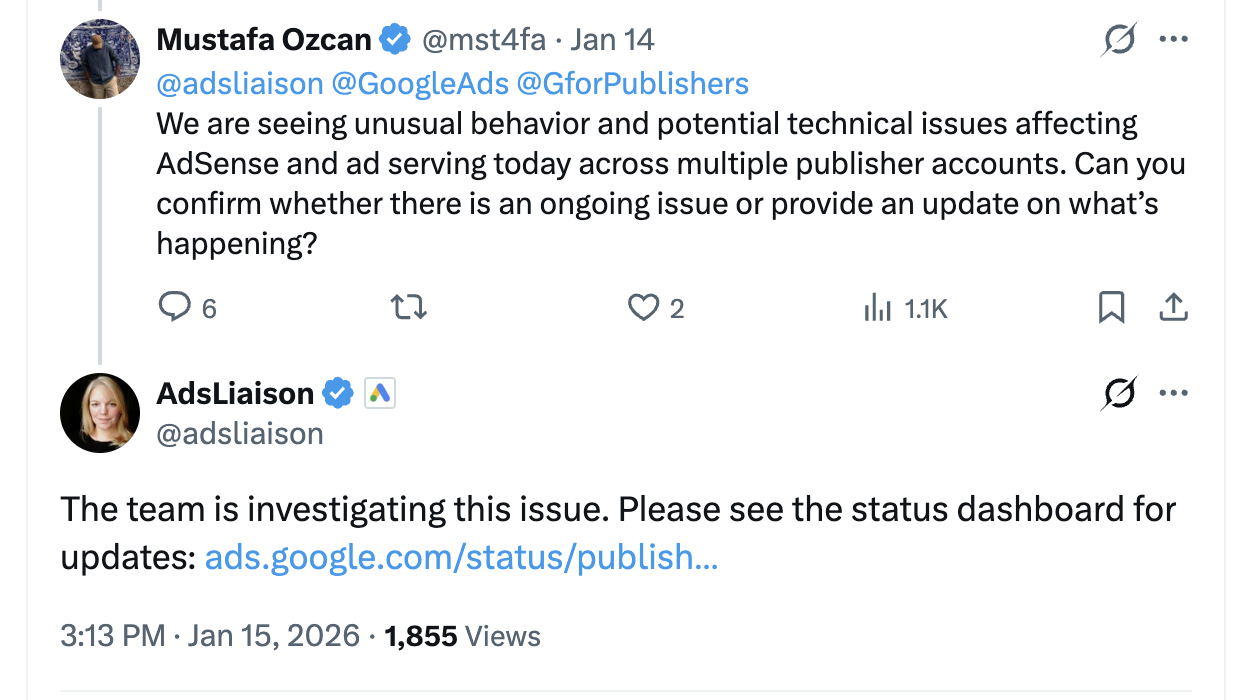
The buzz in the community intensified late on January 14th, peaking through January 15th. From the U.S. to Europe, publishers reported drastic drops in both page RPM and eCPM. Interestingly, multiple sites within the same accounts felt the impact simultaneously, and some even reported that their ads had partially or completely vanished.
Publishers like myself have voiced concerns:
“My RPM dropped by more than 80% overnight.”
“Same traffic, same placements — revenue collapsed.”
“I used to earn $500 a day, now it’s $35.”
“Never seen figures like this before.”
The numbers paint a grim picture across various regions:
Germany (.de): –64%
France (.fr): –63%
Italy (.it): –76%
Spain (.es): –90%
U.S.-focused sites report drops of 35–70%
Digging deeper, the timing of these drops coincides with an unconfirmed Google Search ranking update. This connection raises worries that visibility shifts and monetization issues are overlapping — an unsettling pattern that I, with many others, have witnessed before.
There’s another twist. Google has recognized systemic issues within Google Ad Manager. These issues include:
Declining AdX match rates
Reduced delivery from Google Ads and DV360
The hardest-hit areas are web and mobile web display inventory.
However, a few critical questions remain unanswered:
Does the Ad Manager issue completely account for the AdSense revenue declines?
Is this all a reporting bug, an ad serving issue, or the beginning of a long-term monetization shift?
The indirect impact of AI Overviews, which currently display zero ads, is also a mystery.
In the broader context, it’s not just a recent occurrence for us; many publishers, including myself, have been experiencing a decline in revenue for months. Some have seen losses of 70–80% since mid-2025, driving fears that traditional content sites are being gradually deprioritized.
The bottom line is that, whether this is a temporary glitch or a sign of a continuing trend, we’re once again in a position of uncertainty — monitoring our dashboards with little clarity and even less control.
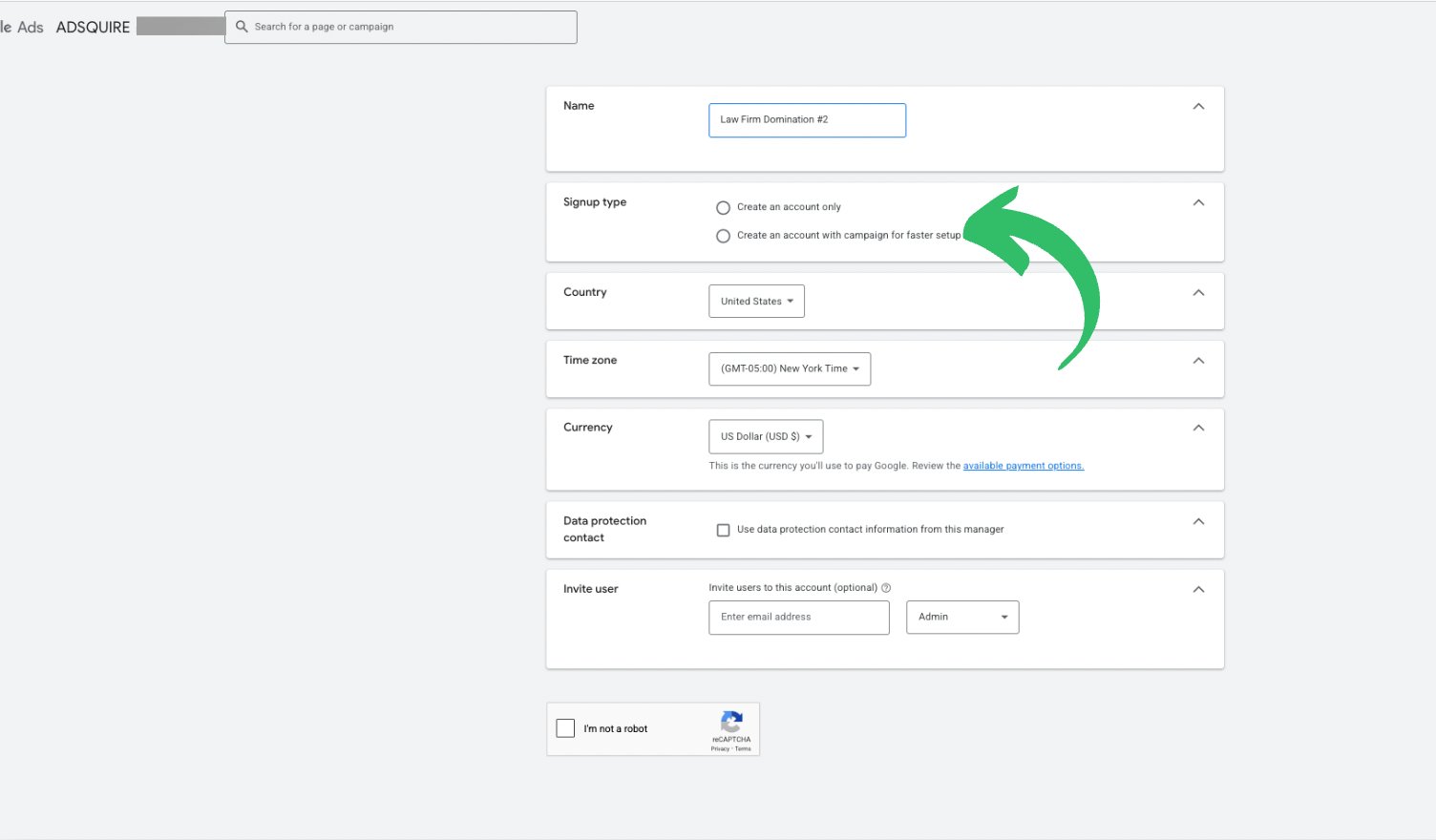
I recently discovered that Google Ads is experimenting with a quicker way for new advertisers like me to get up and running. This advancement promises a seamless account setup experience by integrating pre-built campaigns.
Driving the news. Over the past few weeks, there’s been a buzz about a new setup option in Google Ads called “Create an account with campaign for faster setup.” It caught my attention when I saw others, including Anthony Higman, mention it on X. It seems to be a recent addition.
Why we care. Account setup has always been a potential roadblock for new advertisers like me. By offering a bundled account creation with a ready-to-go campaign, Google could significantly shorten the time it takes to launch, reducing the risk of stalling before I’m fully onboarded.
The big picture. Google aims to make onboarding simpler and quicker, pushing for more automated and pre-configured settings. This latest test highlights Google’s commitment to convenience and efficiency, which is exciting for someone looking to dive into advertising without the complexities of manual setup.
Between the lines. While this faster setup could be a huge help for advertisers just starting out, it might also limit my initial control over campaign structure and settings, particularly if I’m not yet familiar with Google’s automated recommendations.
What to watch. Google hasn’t officially announced this feature, indicating it could still be in a testing phase or gradually rolling out. I’m eager to see if Google decides to expand this feature based on its success in improving user activation and expenditure.
The bottom line. Google’s move to expedite advertisers’ journey to going live underscores a shifting priority towards speed, albeit with less emphasis on early-stage decision-making nuance.
I’m thrilled to share some exciting news for advertisers. Google has opened the door to Olympic live sports inventory, now accessible through biddable CTV buys, capturing massive reach with enhanced control and measurement.
Live sports advertising is revolutionizing how we connect with audiences—more programmatic and measurable than ever before.
Driving the news. I’m particularly excited about Google’s latest move: introducing new abilities to bid on live sports through Display & Video 360. This includes access to NBCUniversal’s Olympic Winter Games inventory, just in time for the bustling 2026 sports calendar.
Why it matters to us. Live sports consistently engage vast and attentive audiences, and now with Google’s enhancement, advertisers like us gain more control and precision without losing reach.
What’s new. We can now reach fans directly on the big screen by merging Google audience data with NBCUniversal’s live sports CTV inventory and engage them further across YouTube and Google’s platforms. Google introduces household-level frequency management, powered by AI, to avoid ad overexposure and link CTV impressions to purchases seamlessly.
Additionally, Google has revamped its Marketplace to make accessing and activating curated sports packages a quick and easy process, saving us time and hassle.
The big picture. As viewers move across connected TV, YouTube, and social feeds, we’re challenged to maintain their attention across multiple screens. Google’s Display & Video 360 is emerging as the essential hub to capture these moments, from our living rooms to our mobiles.
Entering into the world of PPC advertising for 2026, I realize how easily we can be misled by trends. AI, creative scaling, and marketing models promised us efficiency, but often ended up costing more than delivering. So how can we reset our PPC priorities as we step into the new year?
In 2025, PPC advice revolved heavily around AI and glittering new tools, sounding both promising and expensive. We found ourselves succumbing to platform narratives rather than aligning with business needs, causing budgets to balloon without corresponding efficiency gains.
As 2026 dawns, it’s high time to break free from these outdated beliefs. This article highlights three PPC myths that looked appealing in theory and quickly spread in 2025 but often led to poor decisions.
My objective is straightforward: rethink priorities and avoid repeating costly mistakes.
Myth 1: AI Outshines Manual Targeting
We’ve been told countless times to trust AI for targeting while manual structures are deemed obsolete. But is that truly the case?
The truth depends on conditions. AI thrives on volume and quality signals. Without these, the AI delivers no meaningful results, just automated processes that mask poor performance.
For instance, ecommerce brands often find value in feeding purchase data back into Google Ads, assuming they generate enough conversions. Only then does outsourcing targeting to AI hold potential.
If your campaigns struggle with low conversions or rely primarily on lead optimization, manual intervention may still be necessary.
How to Reset Priorities
Before turning everything over to AI, there are critical questions to ask:
Are campaigns optimized against a business-level KPI like CAC or ROAS?
Do the ad platforms receive sufficient conversion data?
Are conversions reported promptly, with minimal delay?
If any answer is no, consider revisiting PPC fundamentals for 2026. Do not hesitate to apply traditional methods when needed. In 2025, I turned around a client’s fortunes by using match-type mirroring structures, even though it contradicted the common best practices.
The success was based on historical performance data:
Match Type
Cost per Lead
Customer Acquisition Cost
Search Impression Share
Exact
€35
€450
24%
Phrase
€34
€1,485
17%
Broad
€33
€2,116
18%
Here, Google Ads did exactly what it was told—focus on lower cost per lead, disregarding business impact like KPIs.
I regained control by focusing on high-performing audiences with unsaturated potential, via exact match keywords. If you’re unfamiliar with traditional structures, advanced semantic techniques can offer an excellent starting point without over-reliance on automation.
Myth 2: More Ads Lead to Better Results
This myth frustrates me as it sounds logical but rarely pans out. The argument is simple: more creative variation equates to better ad auction performance. But more often, it increases creative costs without the promised results, helping agencies more than advertisers.
Creative volume adds value only when backed by high-quality conversions. Without them, extra ads only mean more materials rotating meaninglessly.
How to Correct Course
True value still lies in creative diversification that matches messages to audiences and contexts. This isn’t a novel concept. The same principles apply:
Have a strategic approach to creative testing; testing without intent is wasteful.
Plan measurement in advance to avoid setting yourself up for failure.
Ensure business-level KPIs are present in enough volume to make a difference.
When resources are tight, rotating ads without direction is common. Focus on Conversion Rate Optimization (CRO) instead:
Enhance tracking for better performance.
Refine customer journeys to boost conversion rates and signal volume.
Align higher-margin products with more efficient spending.
Explore new networks or channels with saved creative budget.
Myth 3: MMM Will Offer Clear Clarity
Finding 10 marketers who believe GA4 is effective is challenging, indicating Google’s missteps. The misalignment with ad platform data breeds mistrust, leading to the belief that advanced solutions are needed. Yet, this often results in higher costs with average outcomes.
Most brands don’t have the scale required for Marketing Mix Modeling (MMM) to yield insightful results. Instead, it’s best to master existing tools.
The usual brand setup looks like this:
Concentrated media spend across a handful of channels, mainly Google and Meta, with YouTube, LinkedIn, or TikTok as extras.
Reliance on a narrow but consistent customer base, risking long-term stability.
Marginal marketing impact beyond the core audience.
In such settings, MMM adds abstraction, not clarity. Staying grounded in fundamentals remains vital, not modeling complexities.
Strategies to Add Value Instead
Before considering advanced tools, ensure you’re getting the basics right:
Stand out clearly from competitors.
Boost margins, even with simple budget plans.
Build a strong data foundation, emphasizing tracking, CRO, and conversion paths.
Expand your channel or network options.
Align creative execution with genuine customer pain points.
Smooth out any marketing execution kinks.
While advanced tools gain importance with complexity, deploying them too soon obscures accountability rather than offering real insights.
The True Issue Lies in Misuse
The thread linking these PPC myths isn’t the capabilities like AI, creativity, or analytics—it’s how they’re misused. Platforms fulfill the roles they are set for, optimizing within the provided signals and limitations.
Business fundamentals are what break in these scenarios, rather than AI fixing our problems.
Instead of pursuing the next shiny distraction, 2026 should be about focusing on core business strategies and executing with precision for profitable scaling.
I’ve noticed that Google is testing a new feature in their Performance Max campaigns that could really shake things up for us as advertisers. It seems they’re considering raising the limit on video assets from 5 to as many as 15 per Asset Group. This change could open up a whole new level of creative freedom without needing to fragment our campaigns.
Why does this matter to us? Well, video content is becoming crucial for the success of Performance Max. The current five-video limit forces us to make tough choices between different formats and ratios, which in turn restricts our reach across platforms like YouTube, Discover, and others. This new limit could lift those restrictions considerably.
With this potential update, we could include up to 15 videos per Asset Group. This means we can cover all major video ratios and formats without having to duplicate efforts or fragment campaigns. It’s an opportunity for richer, more versatile campaigns.
For those of us managing multiple video versions, this change could mean significantly streamlined campaign management. We could test more creative ideas without losing out on reach or complicating our campaign structures.
It’s still early days, with Google not yet making a formal announcement about this update. It could be in testing, or maybe it’s slowly being rolled out. Keep an eye on any new developments in this area.
This update first came to light when Growth Marketing Manager Molly Pritchard shared the new option on her LinkedIn profile. It sure caught my attention!
Bottom line? This may seem like a small tweak, but for those of us utilizing Performance Max, increasing the video cap could greatly enhance our creative strategies with minimal trade-offs.
Hey there! Navigating the ever-evolving landscape of Google Ads can be quite the adventure. I’ve gathered some important insights to help us optimize our PPC campaigns by addressing common pitfalls like inconsistent tracking, outdated negative keywords, and an over-reliance on AI.
Google Ads is in a constant state of evolution. This means new challenges and mistakes often pop up as we optimize and manage our PPC campaigns. Let me share some insights on the most prevalent Google Ads mistakes in 2026, so we can dodge them effectively this year.
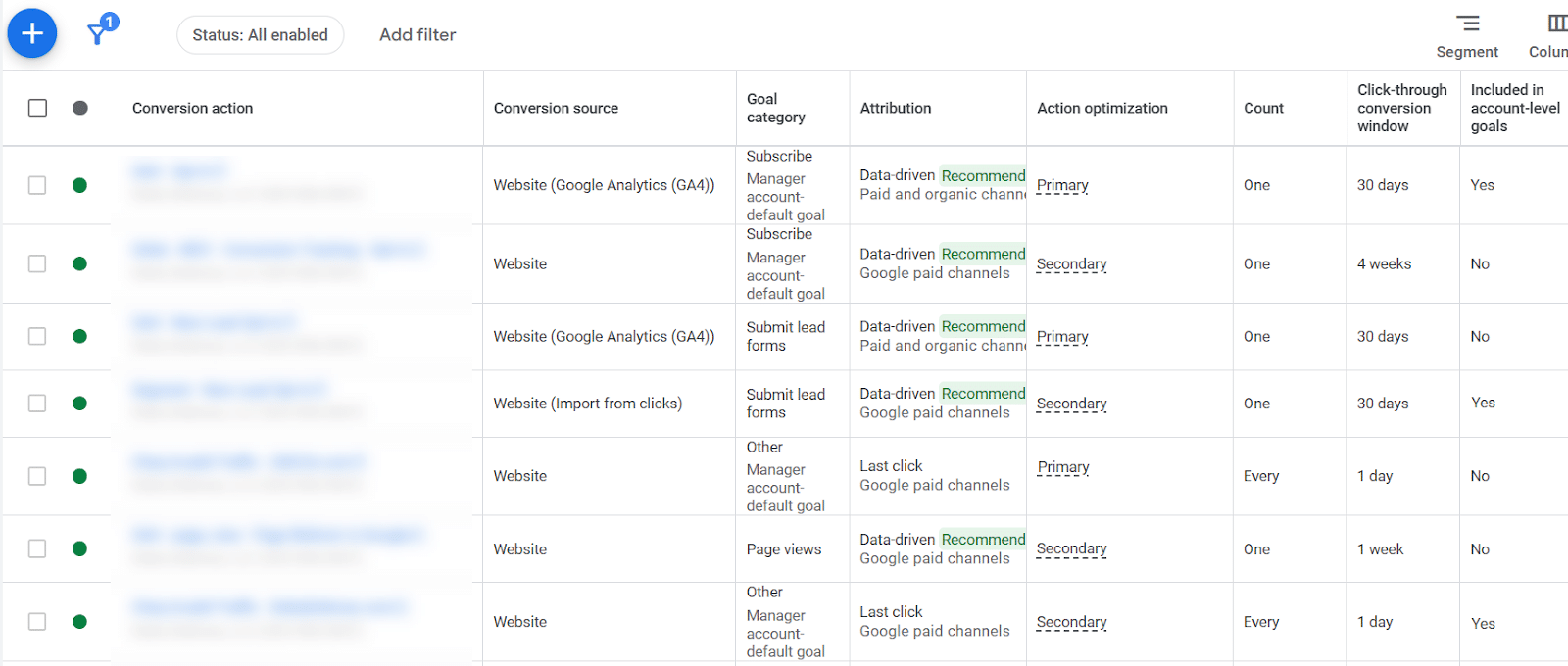
Optimization decisions hinge on conversion data. If our conversion tracking is inconsistent, it skews the entire account’s data, making it difficult to draw accurate insights.
Converting varying attribution methods, count types, and conversion windows means data is applied unevenly across our account, complicating any assessment of click value.
Occasionally, we might override tracking settings at the campaign level, achieving accuracy there but inconsistent data at the account level. Ensuring consistent application of conversion data is something I prioritize in my management tasks.
I’ve noticed many people losing sight of ‘exact match’ keywords as Google encourages broad match by making it the default setting in their interface. Yet, exact match is invaluable, consistently proving to be the highest-converting match type for many of us.
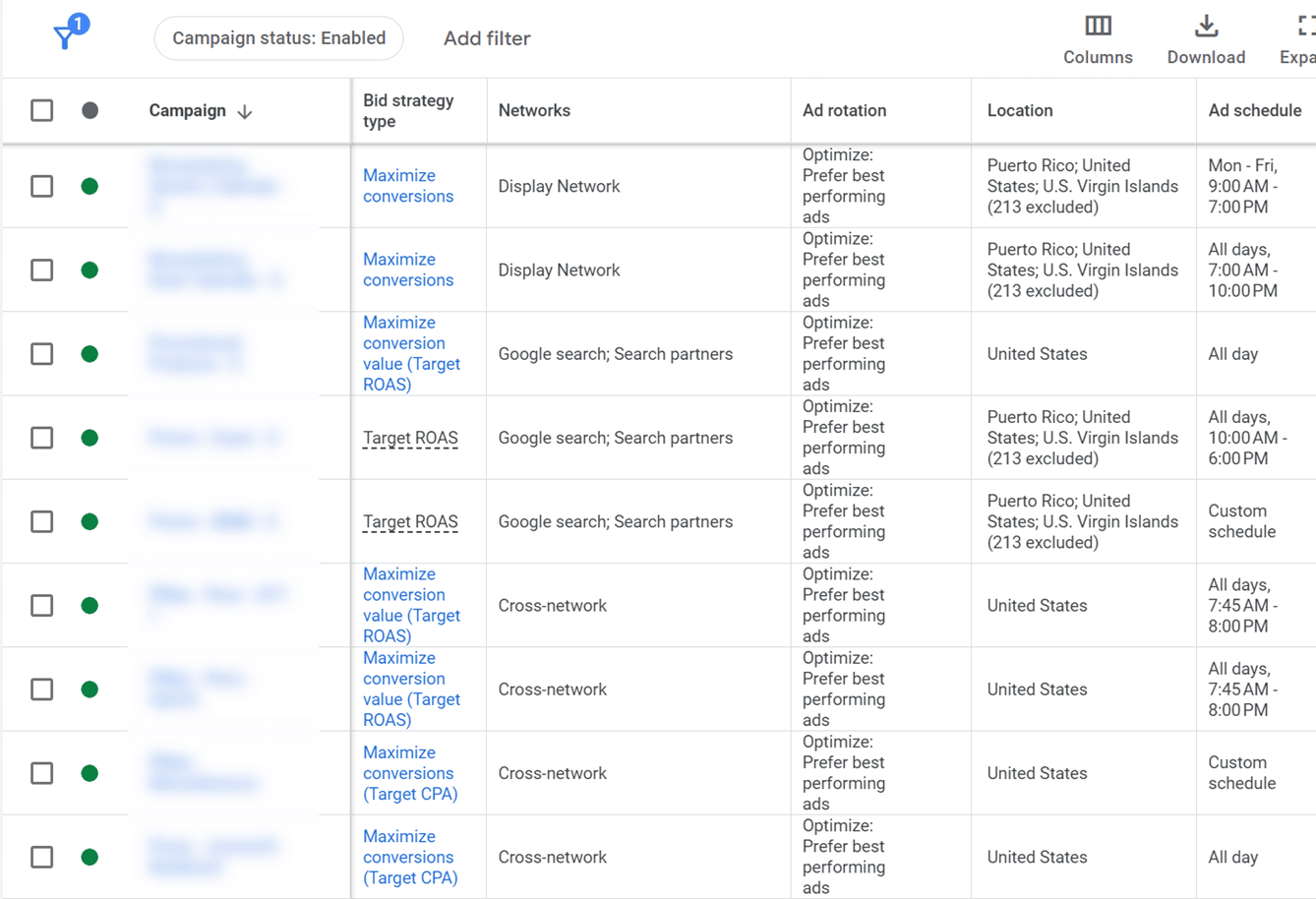
When campaigns vary widely in excluded regions, ad schedules, and bid strategies, it’s crucial to re-evaluate our settings. Consistency in campaign settings is vital to keeping everything running smoothly.
Ad strength directly affects how much control Google has over our ad content. Lower ad strength means more control for us, which I’ve found leads to higher conversion rates despite common misconceptions about its impact on quality scores.
The flexibility of match types has loosened in recent years, leading to search terms triggering multiple keywords. This duplication, without exact matches, can cause inconsistent messaging. I always make sure our keyword list includes top-performing search terms.
Broad match keywords can lead to different results based on our bidding strategies. I learned the importance of matching bid strategies with the right keyword types. After all, different goals require different approaches.
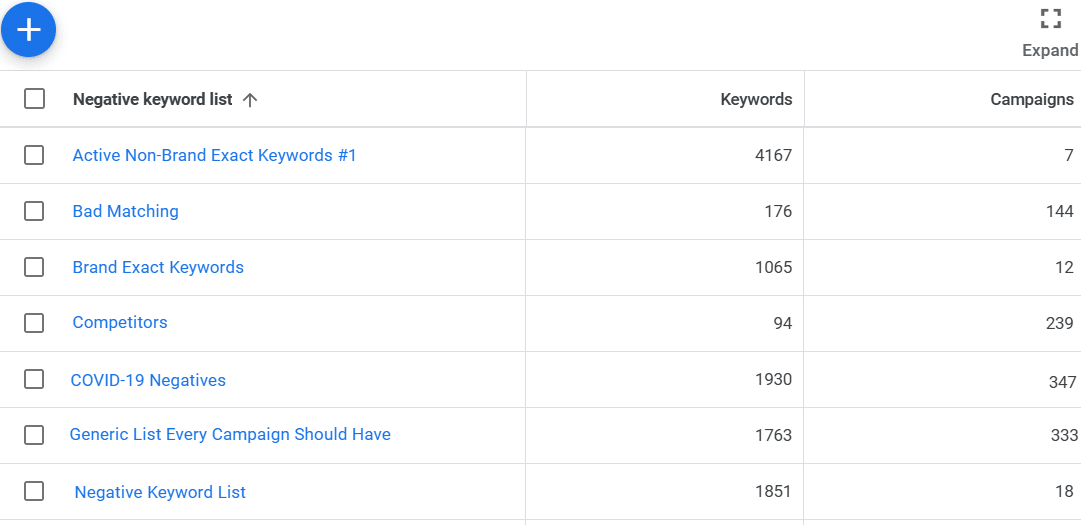
Blinded by our auto-pilot tendencies, we might use outdated negative keyword lists without review, which leads to keyword blocking and lost opportunities. It’s essential to review these regularly to prevent conflicts.
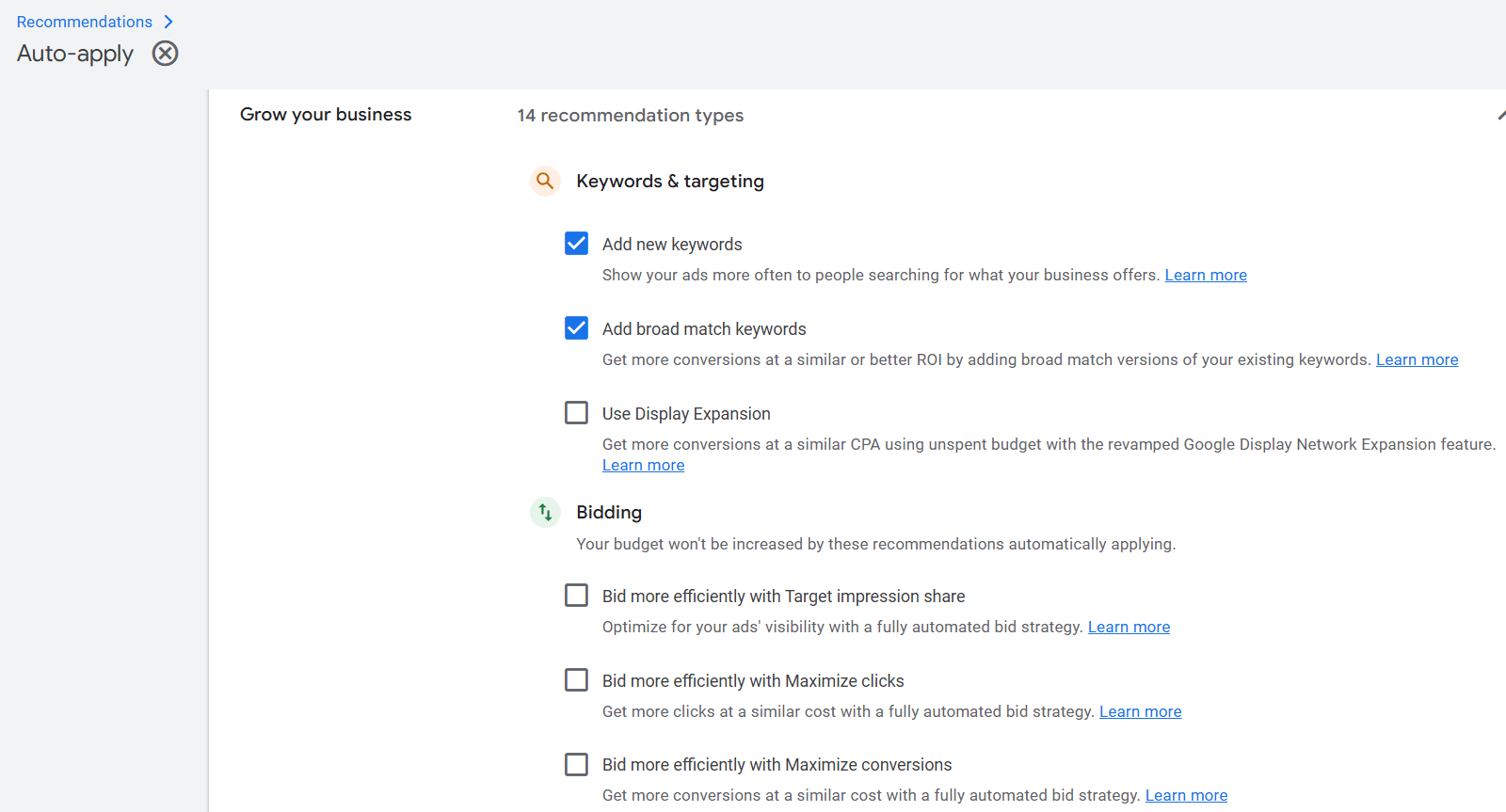
Having auto-apply turned on in Google Ads can lead to unexpected changes like added keywords or modified bid strategies. Turning it off gives me the power to make well-thought-out decisions instead.
Finally, while AI offers tremendous capabilities, believing it’s wiser than us can be a major pitfall. I always remember that it’s best used as a tool that complements our judgment and expertise in ensuring successful campaigns.
When I first heard about Google’s upcoming changes to the Ads API, I realized this could be a game-changer for many advertisers. Starting February 2nd, the Google Ads API will stop accepting new users of session attributes or IP address data in conversion imports. If you’re like me, and already using these fields, you might wonder what this means for your current set-up.
This shift marks Google’s efforts to guide us all toward the Data Manager API, which they aim to make the primary hub for complex conversion and user data transfer. It’s becoming clear that the Google Ads API is honing its focus on core functions like campaign management and conversion workflows, leaving the heavy lifting to the Data Manager API.
Here’s why this change matters to us: it directly influences whether our conversions are effectively captured. Blocking session attributes or IP data can cripple our conversion tracking and reporting, affecting performance insights and automated bidding strategies. Transitioning to the Data Manager API secures our data flow, ensures richer data signals, and aligns with Google’s long-term vision for measurement infrastructure.
Who needs to act? If you’re a new developer trying to use session attributes or IP addresses with the Ads API, you’ll be blocked from doing so. For those of us already on this path, our operations continue, but the expectation to migrate is loud and clear, underscored by Google’s developer-token allowlisting requirements.
What happens if we don’t transpose our setup? Post-change, some conversion imports will hit a roadblock with a CUSTOMER_NOT_ALLOWLISTED_FOR_THIS_FEATURE error, indicating rejection due to session attributes or IP address inclusions.
To fix this, we need to promptly update our systems: temporarily exclude session attributes and IP data from Ads API imports, reroute this information through the Data Manager API, and ultimately phase out Ads API conversion imports once our new setup is fully integrated.
The bottom line for those of us using the existing system is that while Google isn’t snipping the cord immediately, the roadmap is clear: if our tracking relies on session attributes or IP data, embracing the Data Manager API isn’t just advisable, it’s imperative.