I’ve come across something intriguing in the world of digital advertising—Google’s AI Max. After *examining independent research and hearing straight from Google Ads Liaison, I’ve discovered some exciting yet intricate trade-offs with AI Max that you might want to know about. Let’s dive in!
The first thing that caught my attention is how AI Max increases revenue while driving up costs. Mike Ryan from Smarter Ecommerce analyzed over 250 campaigns and noted this trend. It’s clear that while the outcomes can be promising, we still have a lot more testing to do.
Why we care. Google’s introduction of AI Max isn’t just a minor upgrade. It’s a completely new approach to Search campaigns, shifting from traditional keyword syntax to intent matching. As someone who looks for growth opportunities, I see both potential benefits and risks involved in this shift.
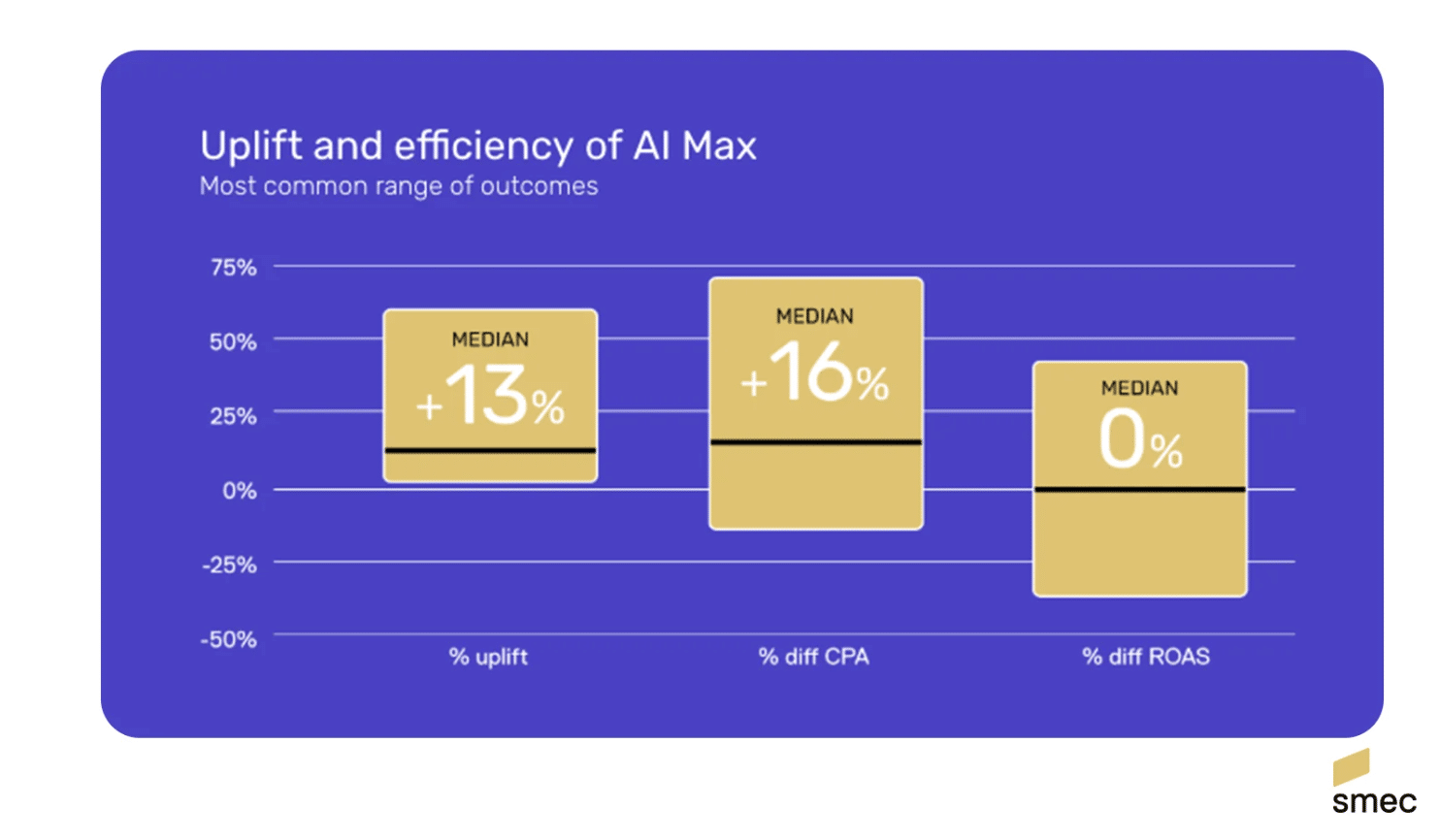
By the numbers. After analyzing the data, here’s what emerged:
- Median revenue increased by 13%
- Median CPA rose by 16%
- ROAS varied anywhere from a 42% increase to a 35% decrease
According to Google, advertisers activating AI Max often notice a 14% boost in conversions or conversion value at nearly the same CPA or ROAS. If you’re relying on exact and phrase match keywords, this figure jumps to 27%.
In my experience, turning on AI Max can feel like a gamble. While you might see an uplift in results, don’t expect a corresponding boost in efficiency, as Mike Ryan would agree.
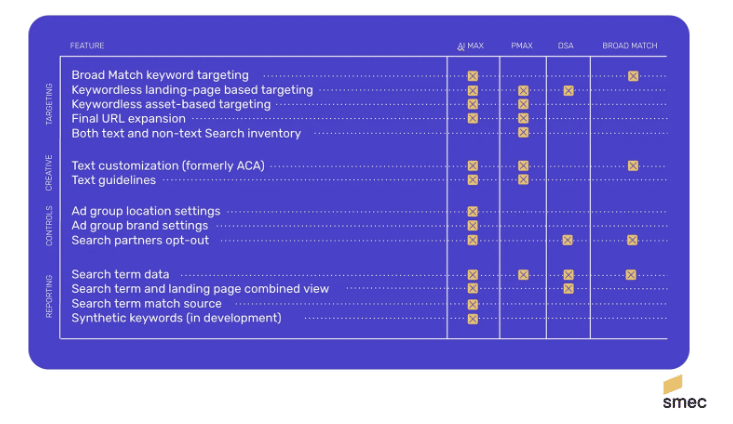
What AI Max actually is. Unlike previous iterations, Google is bringing PMax-style automation into traditional Search campaigns through AI Max. This transformation introduces three main features:
- Search Term Matching, which includes broad match expansion and keywordless targeting
- Text Customization through dynamic ad copy
- Final URL Expansion for automated landing page selection
Four pitfalls identified by Smarter Ecommerce:
- Broad match cannibalization: Often recycling existing coverage instead of discovering new queries.
- Competitor hijacking: In some cases, AI Max aggressively targets competitor brand terms, consuming significant Search impressions.
- Reporting overload: The sheer volume of search term and ad combination reports can be overwhelming without automation.
- Search Partner Network blowouts: Campaigns sometimes see disproportionate impressions on SPN with low conversion rates compared to standard Google Search.
Between the lines. Interestingly, Google’s impressive 14% uplift statistic notably omits the retail sector—a critical exclusion for ecommerce advertisers, according to Mike Ryan. There’s also a nuanced irony here. If you’re already leveraging Broad Match, DSA, and PMax, you might be considering AI Max, but these accounts potentially benefit the least incrementally.
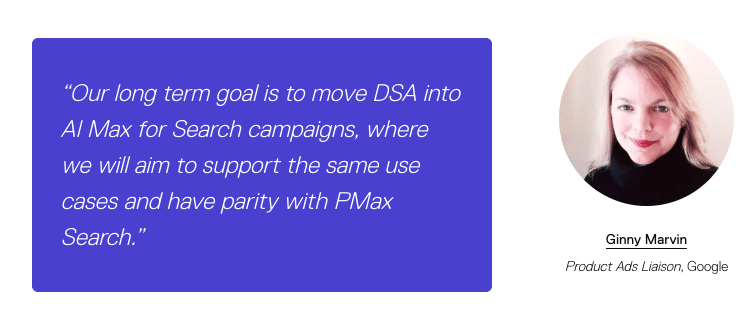
What’s next. I had a fascinating discussion with Google Ads Liaison Ginny Marvin, where she confirmed AI Max would eventually replace Dynamic Search Ads, although no official timeline exists. Historically, though, such changes take about a year post-announcement.
Mike Ryan advises starting to incorporate AI Max’s keywordless features within your existing Search campaigns right now while gradually phasing out DSA instead of migrating to PMax.
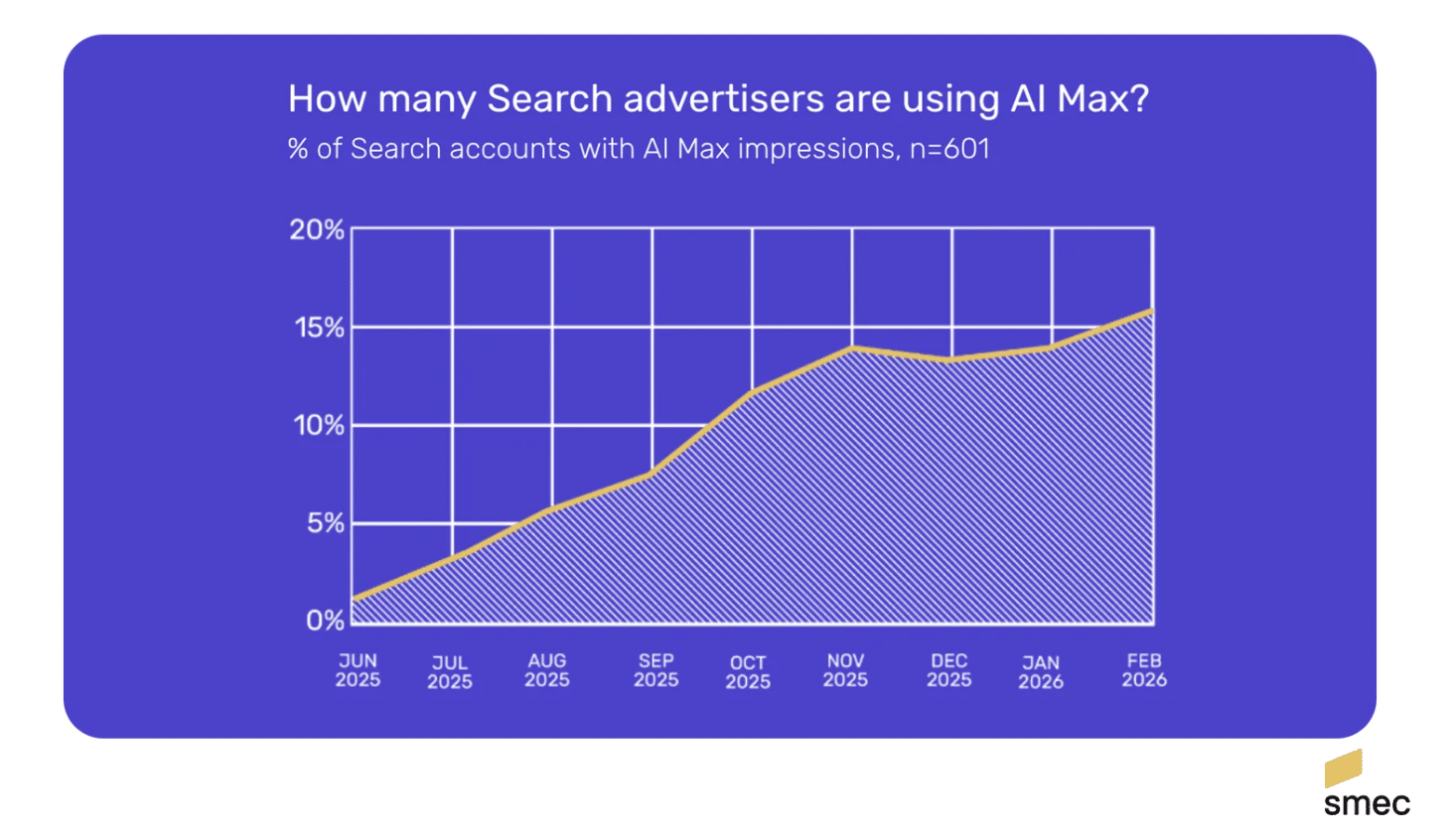
His take is one of cautious optimism. With about 16% of advertisers dipping their toes into AI Max, few have committed fully. If I could offer advice, it would be to begin small, audit thoroughly, and don’t let the fear of missing out on AI Overviews dictate your choices.
The report. You can delve into The Ultimate Guide to AI Max for Google Search for more comprehensive insights.
Inspired by this post on Search Engine Land.