I’ve got some exciting news to share: Google is rolling out its AI Max text guidelines across the globe! This means that as advertisers, we gain more autonomy over the creative processes of AI-generated ad copy by implementing custom text rules to maintain on-brand messaging.
Here’s What’s Happening: Now, AI Max provides worldwide access to text guidelines for Search and Performance Max campaigns. These guidelines come with comprehensive language and vertical support.
We can now use natural language instructions to shape AI-generated creatives. This includes the power to exclude certain terms or phrases, ensuring that what we publish stays true to our brand.
Why This Matters to Us: In an era where AI-powered creative content is central to performance marketing, keeping a tight rein on brand safety and tone is crucial. By customizing text, we can ensure that ads align with user intent and our brand’s unique positioning. This way, we establish guardrails ensuring consistency, like guiding AI to avoid language that misrepresents our brand. Early adopters, such as BYD, have witnessed increased lead generation at reduced costs—proving that human-guided AI can significantly enhance campaign outcomes.
The Bottom Line: Maintaining your brand voice in AI-generated ads is probably a top priority, just like it is for me. With Google’s expanded text guidelines, we now have practical and easy-to-use tools to keep control while scaling AI capabilities.
Starting March 1, 2026, Google’s update is a game changer for those of us using ad scheduling. This change will actively pace our budgets, potentially reaching the full 30.4x monthly limit, even if our campaigns are running only on specific days.
Understanding the Change. Many of us may recall how Google used to pace our budgets based on active days. But with this update, they will aim to hit the full monthly cap within our scheduled times.
How It Works:
The 2x daily overspend rule remains in place.
The 30.4x average daily budget monthly cap is unchanged.
Our campaigns will continue to run only within scheduled hours.
Google’s new approach attempts to hit the full monthly budget within our existing schedule.
Why This Matters. Previously, if we ran campaigns on limited schedules, like weekends, our monthly spend was naturally lower. But now, we might see a significant increase in spending thanks to this pacing change—without any alteration to daily budgets or billing limits.
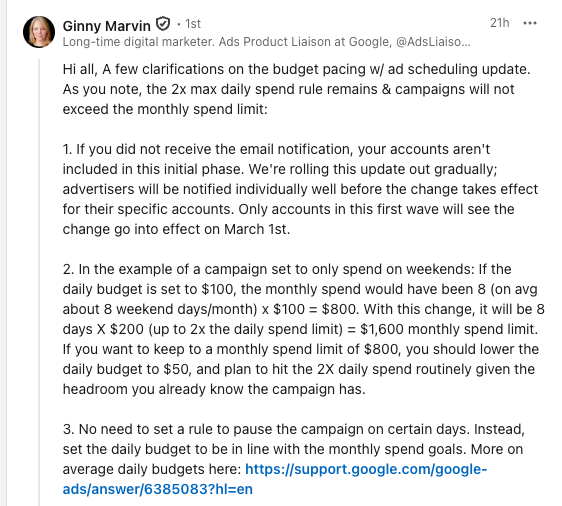
For instance, if we have a $100 daily budget set for weekends-only, our spend could jump from around $800 to $1,600 monthly because Google will try to maximize our spending on each active day.
Google’s Perspective. Ginny Marvin from Google clarified that this shift aims to better match the pacing with our expectations for monthly spending limits. While we won’t exceed billing caps, we should anticipate an adjustment in how budgets are approached.
According to Ginny, only those who received direct notifications of this update will be affected, and the change will roll out gradually.
What It Means for Us. Essentially, this isn’t about raising limits but about how Google utilizes current ones. If we rely on ad scheduling to contain our spending, this might cause unexpected increases unless we adjust our daily budgets accordingly.
Steps to Take Now:
Review all campaigns using ad scheduling.
Recalculate daily budgets to align with your true monthly goals.
Consider lowering daily budgets to maintain previous spending levels.
The Bottom Line. Google’s not altering our spending capacity, just the pace at which we might reach it. Ensure to modify flighted or part-time campaigns before March 2026.
Initial Insight. This update was first brought to my attention by Jordan Fry, who shared Google’s message on LinkedIn.
I’ve been following the developments at OpenAI closely, and their recent decision to introduce ads to the ChatGPT platform is quite interesting. According to the COO, this ad rollout is going to be a gradual process, one that respects user privacy while exploring new monetization avenues.
Earlier this month, OpenAI began implementing ads for its free and Go-tier users in the U.S., a step that marks a pivotal shift in its approach to generating revenue. This move is happening amidst growing pressure from competitors, with companies like Anthropic making significant marketing strides.
At the India AI summit, Brad Lightcap, the COO of OpenAI, shared some insights. He made it clear that the introduction of ads is an “iterative” process. His emphasis on maintaining user trust and privacy caught my attention. According to him, if ads are executed effectively, they can enhance the product experience rather than detract from it. However, he acknowledged that they are still in the early stages and will require time to perfect their approach.
The backdrop to this development includes a public spat between OpenAI’s CEO, Sam Altman, and Anthropic concerning Super Bowl ad campaigns. Altman stands firm in OpenAI’s stance on offering broad and free access to AI, arguing that their scale presents unique challenges that differ from their competitors.
From a financial perspective, there are reports suggesting that OpenAI is charging up to $60 CPM, with advertising commitments beginning at about $200,000. Companies such as Shopify are enabling merchants to run ads within ChatGPT through Shop Campaigns, joining early testers like Target and Adobe.
It’s a delicate balance for OpenAI as they work to monetize their extensive free user base without eroding the trust that users have in their platforms. This is becoming increasingly challenging due to rising privacy concerns and competitive pressures.
The bottom line for me is clear: Ads are destined to be a part of ChatGPT’s future. The real question is whether OpenAI can successfully integrate these ads without compromising the quality of the user experience that has driven its growth.
Have you ever wondered how all those Claude bots from Anthropic handle your site’s data? Well, I’ve delved into their latest update, which offers insights into their AI training, real-time queries, and what happens when you choose to block them.
Anthropic recently enhanced their crawler documentation, providing clarity on how Claude bots interact with websites and how you can regain control by blocking them.
Why should you care? If you’re like me and manage content, you’ll want to manage how AI systems utilize your work. Anthropic smartly divides bots into training crawlers, user-initiated fetches, and search indexers. Blocking just one won’t impact the others, so make informed choices based on visibility and training implications.
Let’s meet the robots: Anthropic employs three unique user agents. First up, ClaudeBot gathers public online content for training their AI models. Blocking it means your site’s content won’t be in future AI datasets.
Next, there’s Claude-User, which fetches pages when someone asks Claude a question necessitating site access. Block this bot and lose out on visibility in user-driven response queries.
Finally, Claude-SearchBot improves search results by indexing. If you decide to block it, it may affect your content’s visibility and accuracy in Claude-enhanced search responses.
Curious about blocking these bots? They comply with standard robots.txt directives, including “Disallow” and “Crawl-delay”. To block a bot site-wide, use:
User-agent: ClaudeBot Disallow: /
Bear in mind, each bot and subdomain you wish to limit needs its own directive. Be cautious with IP blocking; these bots operate via public cloud IPs, which might interfere with robots.txt access, and IP details aren’t disclosed by Anthropic.
I woke up to some interesting news this morning — Google experienced a minor hiccup in serving search results around 1:30 am ET on Wednesday, February 25th. From what I gather, the issue was resolved swiftly, which is why there weren’t too many complaints flooding in.
Google kindly informed us that, “We fixed the issue with serving search results. There will be no more updates.” It’s always reassuring when they keep us in the loop, isn’t it?
Why I care. If you noticed a sudden drop in your website’s traffic close to midnight, don’t panic. It might very well be linked to this brief serving issue.
Although Google posted about the issue and its resolution almost instantly, it doesn’t necessarily mean the problem lasted just a minute. This was the timeframe they chose to update us.
And here’s the screenshot from the status dashboard notice that caught my eye:
I’ve noticed a shift in Google Merchant Center that makes video a key player in retail ad strategies. The once-empty Video Assets section is now abuzz with automatically sourced content.
Initially showcased at Google Marketing Live 2025, this feature is designed to centralize our video content within Google Merchant Center. Although the rollout started in September, many of us saw only a blank screen.
That’s no longer the case—videos are now seamlessly imported, including those from YouTube.
Why is this important to me? Google’s commitment to making Merchant Center a hub for creative commerce shows through this update. With videos auto-populating, our brands can enhance visibility across Shopping and Performance Max with less effort, though it means I must ensure my YouTube and website videos are commerce-ready.
In essence, video is becoming essential in retail ad delivery, and by staying proactive, I can gain a competitive advantage.
Reading the details, Google aims to centralize videos from various platforms including potential AI-generated sources, transitioning Merchant Center into a comprehensive creative hub rather than just a product feed manager.
This trajectory aligns with the larger movement towards video-first shopping experiences in campaigns like Search, Shopping, and Performance Max.
What I should monitor. I still have questions about how performance reporting and optimization controls in the Video Assets section will develop. However, the transition from an empty placeholder to a populated library illustrates that the infrastructure is now live.
Breaking news. This update was initially reported by PPC News Feed founder Hana Kobzová.
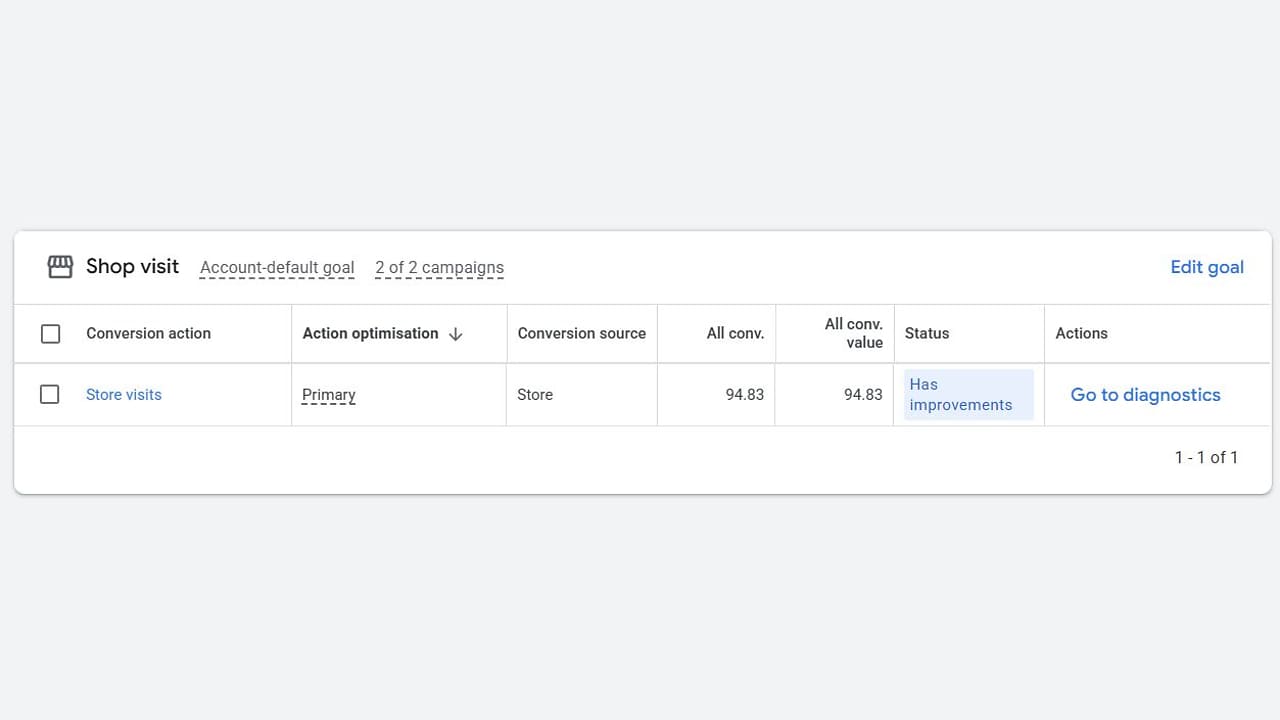
I’m thrilled to share that Google Ad Grants has introduced a new feature allowing nonprofits to focus on increasing actual foot traffic to their locations. By setting ‘shop visits’ as a goal, we can drive more visitors through our doors and witness our campaigns translate into real-world impact.
Driving the news. Before this update, attempting to set shop visits as a goal in Ad Grants would result in an error. It’s exciting to see this barrier removed, enabling eligible accounts to now include store visit conversions in their primary goal settings.
The update empowers us, as nonprofits and local organizations, to better use bidding and optimization strategies that align with increased in-person visits — a valuable enhancement for appearing in Maps and location-based searches.
Why we care. For organizations like museums, community centers, and places of worship, having a tool that marries digital engagement with physical impact is invaluable. Optimizing for shop visits ensures our ad success is directly linked to actual visitor numbers.
Between the lines. Google’s emphasis on local search intent and Maps-based discovery makes this feature even more critical for nonprofits. It shifts our focus from simply generating clicks to driving actionable visits, which can significantly enhance local community engagement.
What to do. If you’re using Ad Grants, I recommend reviewing your account-level goals to ensure shop visits are activated where applicable. This focus on foot traffic can significantly uplift local impact, especially for organizations heavily reliant on face-to-face interactions.
Spotted by: This advancement was highlighted by Google Ads Expert Jason King, who shared it on LinkedIn.
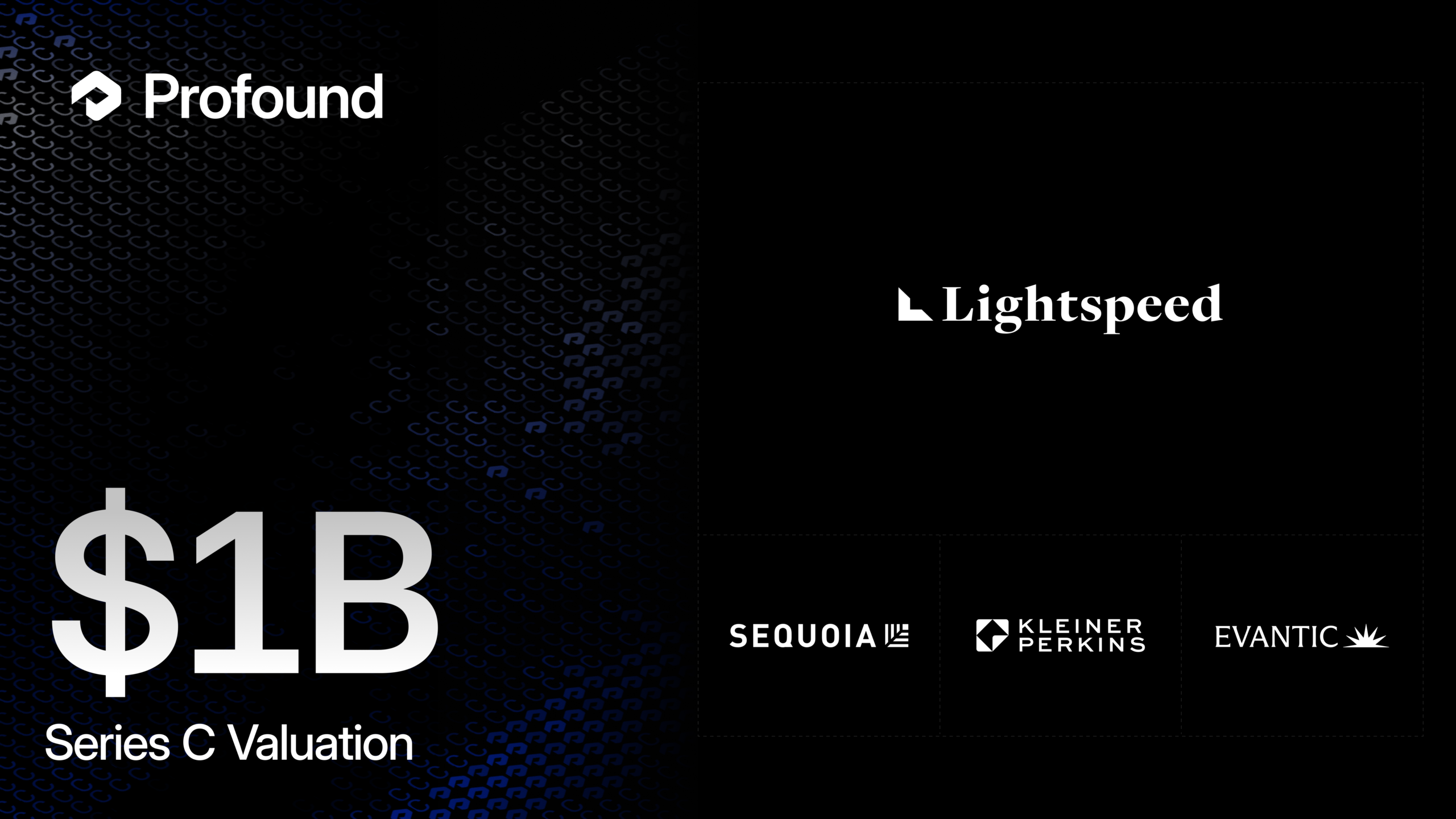
Today, I’m thrilled to share that we’ve successfully raised $96 million in a Series C funding round, reaching a remarkable $1 billion valuation. This monumental achievement was spearheaded by Lightspeed Venture Partners, with the esteemed participation of Sequoia Capital, Kleiner Perkins, Evantic, Saga, and South Park Commons.
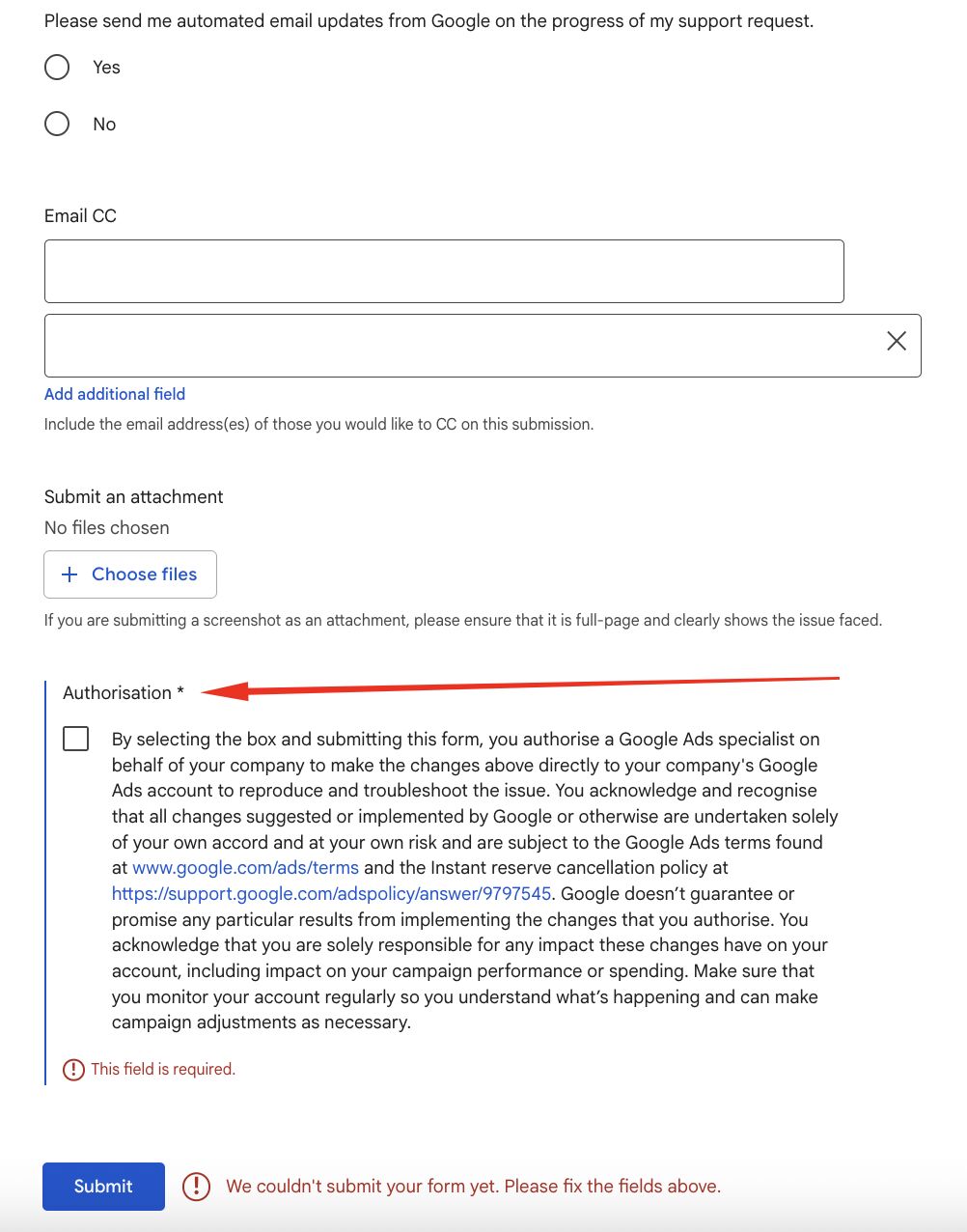
As an advertiser reaching out to Google Ads support, I’ve discovered there’s a new step involved in the process. Now, I must authorize any support-led changes to my account while still being accountable for the outcomes.
When I contact Google Ads support, I encounter a beta AI chat first. If I choose to fill out a support form instead, I need to check an ‘Authorization’ box. This allows a Google Ads specialist to access my account and deal directly with the issues by making necessary changes.
The fine print makes it clear that while Google may assist, they don’t guarantee any specific results. Any alterations are at my own risk, meaning I am fully responsible for any impact on my campaigns’ performance and costs.
Why do we care about this change? The new requirement places more responsibility on us, the advertisers. Even in an era of automation and AI, if any changes are applied by support, I still bear the risks associated with campaign performance and spending adjustments.
This situation presents a dilemma for people like me, as it offers a trade-off between speed and control. Allowing access can quicken the troubleshooting process, but it also means potential changes at the account level that might affect live campaigns without a guarantee of better results.
The bottom line? To obtain support, I might now have to temporarily hand over control, but I still need to remain accountable for my account’s future performance.
This change was first observed by PPC specialist Arpan Banerjee, who shared the message on LinkedIn.
When I first learned about SerpApi’s move to dismiss Google’s lawsuit, my immediate thought was about the bold challenge SerpApi is undertaking. They’re arguing that Google is twisting copyright laws to restrict access to public search results all to protect their ad revenue, not copyrights.
The motion to dismiss was officially filed on February 20th, as mentioned in a recent blog post by SerpApi’s CEO, Julien Khaleghy. This legal battle stems from Google’s accusation in December that SerpApi bypassed security measures to scrape and resell content from Google Search.
The details: According to Khaleghy, Google is improperly applying the Digital Millennium Copyright Act (DMCA). Here’s what I found compelling:
The DMCA is meant to protect copyrighted works, not online platforms or advertising ventures. In addition, Google doesn’t actually own the content that appears in its search results, and accessing publicly available pages doesn’t qualify as “circumvention” under this law, SerpApi argues.
Google claims that SerpApi managed to evade bot-detection and crawling controls using rotating bot identities and large networks to scrape licensed content from features such as images and real-time data. However, SerpApi insists that they do not decrypt systems or breach authentication protocols, and merely gather the same data any user could see via a browser, without needing to log in.
Khaleghy also points out Google’s admission that its anti-bot systems primarily secure its advertising interests, which weakens the DMCA claim against SerpApi.
SerpApi references significant legal precedents, including the Ninth Circuit’s hiQ v. LinkedIn, which cautions against monopolizing public data, and the Sixth Circuit’s Impression Products v. Lexmark, reinforcing that public-facing content shouldn’t be blocked by merely technical measures.
Catch up quick: This lawsuit is the latest in a series of escalating legal clashes over data scraping and AI usage:
Back in October 2022, Reddit filed suits against SerpApi, among others, alleging they indirectly scraped content from Google Search. Reddit claims these companies obscured their identities and operated at an “industrial scale.” In turn, SerpApi has vowed to robustly defend itself, emphasizing that public data should remain accessible.
By December, Google further escalated the legal situation by suing SerpApi for ignoring its security measures and attempting to resell protected content. SerpApi stands firm, citing lawful operation and First Amendment rights to access public search data.
By the numbers: If Google’s interpretation of the DMCA holds, SerpApi suggests potential damages could skyrocket to $7.06 trillion — more than the entire U.S. GDP. However, this staggering figure is a theoretical estimate based on potential penalties, not an actual demand.
What’s next: It all boils down to the court’s decision on whether Google’s claims should move forward. Depending on the outcome, this case could significantly impact how SEO platforms, AI tools, and competitive intelligence software access search results data in the future.
A triumph for Google might hinder third-party access to search data, while a victory for SerpApi could reinforce that publicly accessible search outcomes are indeed fair game.
For deeper insights, I recommend reading Google v. SerpApi: We’re filing a Motion to Dismiss. Here’s why we’re in the right.