Category: News

  • Streamline Your Ads with Microsoft’s New Automated Bidding

    Streamline Your Ads with Microsoft’s New Automated Bidding

    I’m excited to share that Microsoft is making a significant update that simplifies the way we set up automated bidding in Microsoft Advertising.

    By consolidating performance targets, Microsoft aims to reduce complexity, making bidding more streamlined without sacrificing the control over critical performance metrics.

    What’s happening: The platform is integrating common targets like Target CPA and Target ROAS into broader automated strategies. This means these targets will now form part of a more comprehensive bidding approach instead of standing alone.

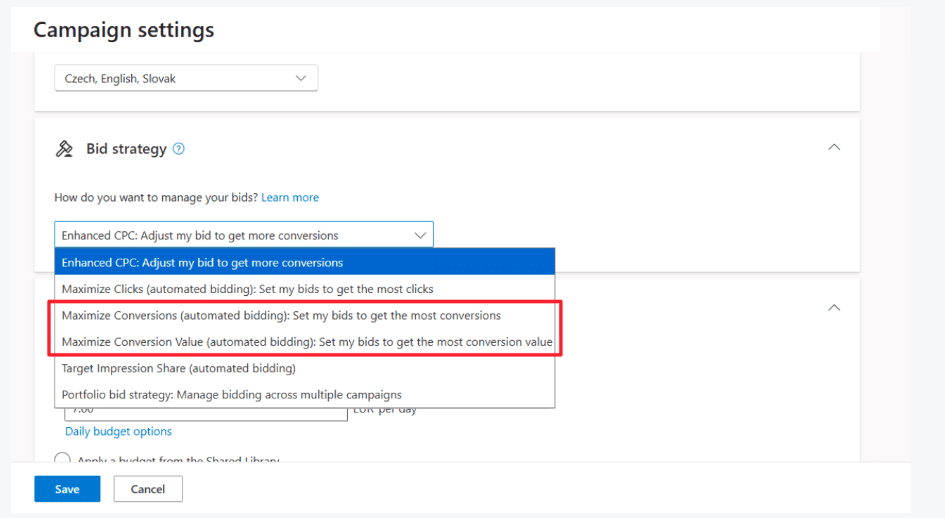
    From now on, I’ll be choosing between two main strategies: Maximize Conversions or Maximize Conversion Value, with optional performance targets that can be added as needed.

    Credit – Hana Kobzova of PPC News Feed

    How it works: For campaigns focused on conversions, I’ll select Maximize Conversions and may set a target CPA if desired. For campaigns aiming at maximizing value, I’ll choose Maximize Conversion Value with the option of setting a target ROAS.

    Microsoft reassures that this update doesn’t change the fundamental bidding behavior — it simply makes the setup more user-friendly.
    ```json
{
  "alt": "Screenshot of campaign settings with bid strategy options highlighted in a dropdown menu.",
  "caption": "Exploring advertising bid strategies? This campaign settings interface reveals options such as maximizing conversions and value to enhance your campaign impact.",
  "description": "This image is a screenshot of an advertising platform's campaign settings page, focusing on the bid strategy section. It displays a dropdown menu with options for Enhanced CPC, Maximize Conversions, Maximize Conversion Value, Target Impression Share, and Portfolio bid strategy. The image highlights the choices Maximize Conversions and Maximize Conversion Value, emphasizing automated bidding for optimal results. Ideal for those adjusting digital advertising strategies."
}
```

    Why we care: This change enhances accessibility to Microsoft Advertising’s tools, making automated bidding more straightforward and efficient, which is especially beneficial when managing large-scale campaigns.

    For us advertisers, this means faster setup times, more consistent optimization across accounts, and fewer complexities when managing campaigns focused on conversion or value.

    What’s staying the same: Existing campaigns using Target CPA or Target ROAS will continue seamlessly, requiring no updates. Portfolio bid strategies are unaffected as well.

    The bigger picture: This move is part of Microsoft’s larger effort to simplify automated bidding while ensuring performance control remains intact.

    Bottom line: Microsoft is refining bidding options to make them more accessible without losing our ability to fine-tune performance through familiar controls.


    Inspired by this post on Search Engine Land.


    crushpress.ai community screenshot
  • Google AI Boosts Shopping Searches with 14% AI Overview Penetration

    Google AI Boosts Shopping Searches with 14% AI Overview Penetration

    Google’s foray into AI Overviews is rapidly transforming the landscape of shopping queries. I’ve discovered that these AI Overviews now appear in 14% of all shopping searches—an impressive leap from just 2.1% in November 2025. This data comes from a comprehensive analysis by Visibility Labs.

    Ecommerce brands, which previously seemed shielded from the impact of AI-driven click reductions in search results, are now beginning to feel the heat. This change signifies a shift they can no longer ignore.

    Why This Matters to Us. As AI Overviews extend their reach across product searches, the risk for ecommerce brands is escalating. The chance of losing visibility and clicks prior to customers engaging with standard organic or Shopping listings is becoming a real concern.

    The Analysis. The Visibility Labs study specifically analyzed product-intent keywords associated with results that included a Shopping box, irrespective of whether they were paid or organic. This included terms like “weighted blanket,” “mushroom coffee,” “protein powder,” and “blue T-shirts.”

    Out of this extensive research, involving 20,900,323 shopping-related keywords, 2,919,229 keywords featured an AI Overview. This equates to a 14.0% penetration rate.

    Expert Opinion. Jeff Oxford, the founder and CEO of Visibility Labs, emphasizes:

    “Focusing on AI SEO is no longer a luxury; it’s becoming a necessity. Ecommerce sites must look beyond traditional SEO tactics and start weaving AI SEO best practices into their search optimization strategies.”

    The Full Report. You can dive deeper into these insights by reading the full report: AI Overviews Now Appear on 14% of Shopping Queries, Up 5.6x in 4 Months (Study of 20.9M SERPs).


    Inspired by this post on Search Engine Land.

    crushpress.ai community screenshot
  • Dramatic Traffic Decline: Small Publishers Hit Hard

    Dramatic Traffic Decline: Small Publishers Hit Hard

    I recently came across some alarming data showing that small publishers have experienced a significant decline in search traffic due to AI-driven search experiences. This information, gathered from global sites using Chartbeat analytics, highlights the challenges we face in maintaining visibility.

    The details. In our daily operations, if we manage a site with 1,000 to 10,000 daily pageviews, we’ve seen a dramatic 60% decrease in search referral traffic over the past two years, according to Chartbeat.

    • For those of us managing mid-sized sites with 10,000 to 100,000 daily pageviews, the decline is 47%.
    • Even the large publishers, who typically draw more than 100,000 daily pageviews, aren’t immune; they’ve seen a 22% drop.

    Reality check. Currently, AI referrals are not filling the gap left by lost search traffic.

    • We should be aware that Google Search pageviews have decreased by 34% year over year.
    • Google Discover has seen a 15% drop.
    • While ChatGPT referrals increased by 200%, they still account for less than 1% of our overall traffic.

    Yes, but. It’s important to note that traffic isn’t vanishing entirely; it’s just shifting. Total weekly pageviews across publishers have only fallen by 6% from 2024 to 2025, which is partly due to fluctuations in the news cycle. While search may be shrinking as a portion of traffic, direct, internal, and messaging channels are expanding.

    Why we care. Historically, SE has been the lifeline for smaller sites. Without a strong brand presence, direct audience engagement, returning visitors, or unique offerings, we confront increasing risks as search referrals decline.

    The Axios report. To delve deeper, check out the exclusive report from Axios on how small publishers are being hit hardest by these search traffic declines.


    Inspired by this post on Search Engine Land.

    crushpress.ai community screenshot
  • Master AI Search: Adapt Your Brand with GEO Strategies

    Master AI Search: Adapt Your Brand with GEO Strategies

    Join me on April 1 for the inaugural SMX Now event, where iPullRank will unveil their presentation, ‘AI Search Picks Winners: Here’s the GEO Strategy Behind It’.

    Visibility today means more than just ranking well; it’s about ensuring your content is found, evaluated, and chosen by AI-driven search platforms. On April 1 at 1 p.m. ET, I’m excited to launch our new monthly SMX Now webinar series featuring insights from iPullRank’s experts Zach Chahalis, Patrick Schofield, and Garrett Sussman.

    During the session, you’ll be introduced to iPullRank’s innovative Relevance Engineering (r19g) framework, which applies Generative Engine Optimization (GEO) using a comprehensive omnichannel content strategy. Engaging with this will deepen your understanding of how AI search leverages query fan-outs to discover and elect content sources, and how best to structure your content for optimal retrieval, visibility, and citation.

    It’s crucial to note that success with GEO is not a one-size-fits-all solution. It demands continuous testing, tailored strategies, and a robust three-tier measurement model that covers discovery, selection, and citation impact.

    Reserve your spot now and explore how you can elevate your brand’s visibility in an AI-powered world.

    I’m proud to partner with Search Engine Land as a media sponsor for the upcoming SEO Week by iPullRank.


    Inspired by this post on Search Engine Land.


    crushpress.ai community screenshot
  • Google Streamlines Ad Policies, Embracing Modern Automation

    Google Streamlines Ad Policies, Embracing Modern Automation

    How to tell if Google Ads automation helps or hurts your campaigns

    From my experience, it’s clear that Google is moving forward by retiring several older ad format policies. This change highlights the transition toward innovative, automated campaign strategies in Google Ads.

    What’s happening. On March 17th, Google decided to phase out numerous legacy ad format policies, including those concerning form ads, image quality, and more.

    What changed. The rationale behind this is that many of these formats have evolved into modern campaigns, making previous policy frameworks obsolete.

    Why we care. For us advertisers, this development streamlines Google Ads’ policy landscape, reducing potential confusion from older requirements.

    What advertisers should do. It’s essential for us to focus on current Google Ads policies that regulate newer, automated, and AI-driven ad formats.

    The bottom line. By streamlining policies, Google is reinforcing a shift toward fewer, more unified standards for today’s modern ad formats.


    Inspired by this post on Search Engine Land.

    crushpress.ai community screenshot
  • Revamp Your Search Ads with Google’s New Vehicle Feeds

    Revamp Your Search Ads with Google’s New Vehicle Feeds

    I’ve just discovered some groundbreaking updates from Google that could transform how automotive advertisers leverage search campaigns. Google is now empowering us by integrating vehicle feeds directly into Search ads, making our inventory more visible with a vibrant and more engaging format.

    So, what’s new? Google Ads now allows for vehicle feed integration on Search ads. We can pull from Google Merchant Center to enrich our ads with specific details like make, model, price, and images, all designed to enhance the standard text ad.

    Let me explain how it works. These vehicle listings appear as clickable assets alongside our usual Search ads. They can either show up below or beside the main text, offering users a seamless path to either a detailed vehicle page or a broader landing page based on their interaction.

    Why should we care? This update is a game-changer. It allows us to showcase real inventory directly in our Search ads, making them more attractive and informative for high-intent users. We can achieve richer visibility and potentially gain more qualified leads by displaying key details upfront in Google Search, without the hassle of extra campaign setup.

    What makes this noteworthy is how it brings Shopping-style visual elements to our Search campaigns. We can now feature real inventory without needing separate campaign types, which is a significant advantage.

    As advertisers, the benefits are immense. We get a more engaging ad experience, the opportunity for higher-intent leads, and we can use our existing Merchant Center feeds effectively, eliminating the need for duplicate setups.

    When it comes to measuring success, we can track performance through the “Click type” segment. This helps us understand user interactions with vehicle listings compared to standard ads, offering insights into what works best.

    Matching is another area where Google shines. Their automation decides which vehicles appear based on user intent and query context, marking a shift towards less manual control and more AI-driven ad assembly.

    Here’s the takeaway. Vehicle feeds in Search campaigns offer us a powerful way to integrate inventory with intent-driven queries. We can turn standard text ads into dynamic, product-led experiences, significantly enhancing user engagement within Google Search.


    Inspired by this post on Search Engine Land.


    crushpress.ai community screenshot
  • Boost Your Google Ads with New Video Insights in Performance Max

    Boost Your Google Ads with New Video Insights in Performance Max

    I’ve noticed that Google is making strides in enhancing metric visibility within Performance Max, which is a fantastic development for those of us managing campaigns. Now, advertisers like me can gain deeper insights into how our creative decisions, especially regarding video, are influencing ad performance.

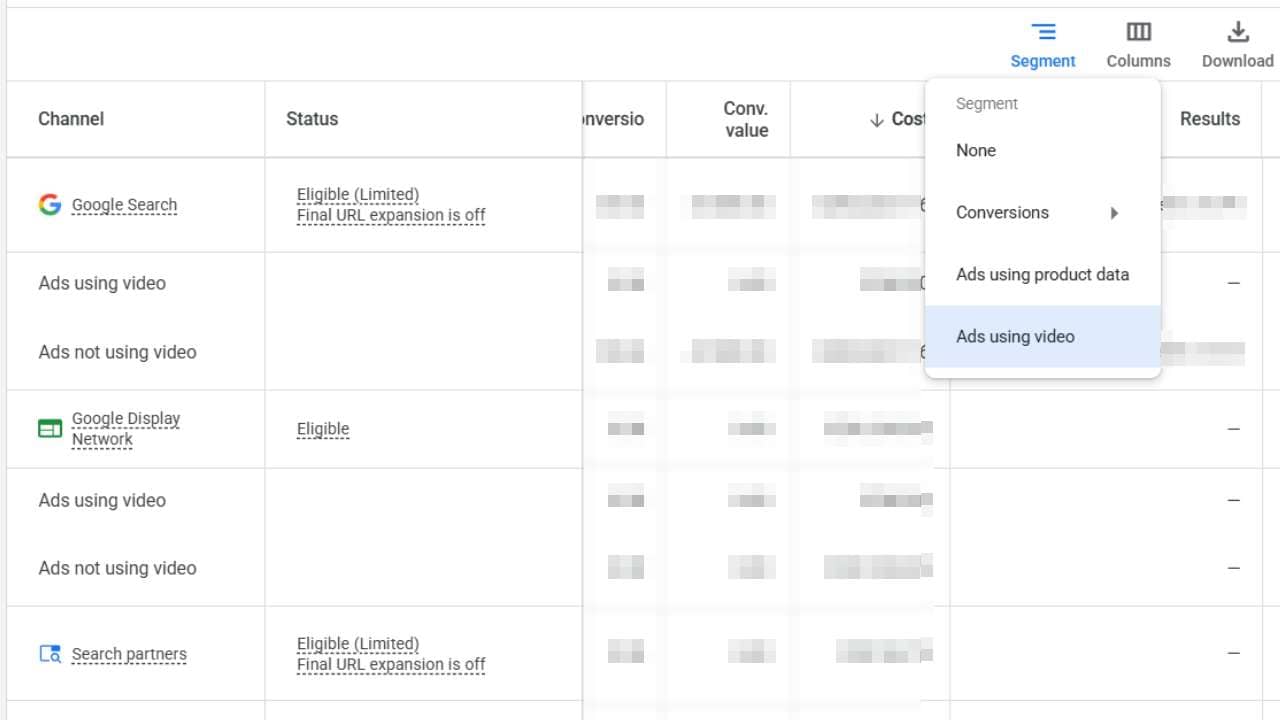
    What’s changing? Google Ads has rolled out a new segment in their Performance Max reporting called “Ads using video.” This update allows us to dissect our campaign results, focusing on whether or not video assets were part of the mix. It’s a game-changer for those of us using videos in our ads.

    Why is this important? As a marketer, being able to compare how campaigns with and without video perform is invaluable. This clear distinction helps me understand the role video plays in our automated strategies, allowing for more data-driven decisions.

    The insight into whether investing in video assets is paying off answers a pivotal question in the automated marketing arena. Now, I can make informed choices about creativity and budget allocation within Google Ads.

    ```json
{
  "alt": "Google Ads dashboard showing segments for channel video ads.",
  "caption": "Exploring Google Ads: A closer look at segmenting ads by video usage in your campaign channels.",
  "description": "This image captures a section of the Google Ads dashboard, highlighting options to segment campaigns by video usage. The interface displays different channels like Google Search and Display Network, with each segment having specific video ad settings. Additionally, options for viewing conversions and downloading data are visible, showcasing the flexibility and detail in managing digital ad campaigns."
}
```

    Looking deeper. As video content continues to grow in importance across platforms like YouTube and beyond, this new feature lets me confirm the effectiveness of our video-based investments in automated campaigns.

    The takeaway. This added segment provides clarity to the Performance Max reports, helping us as advertisers to assess the value of video without altering how campaigns are currently managed in Google Ads.

    First observed. This update was first noticed by Hana Kobzova, founder of PPC News Feed.


    Inspired by this post on Search Engine Land.

    crushpress.ai community screenshot
  • YouTube’s Innovative Ad Strategy: The Sticky Banner Test

    YouTube’s Innovative Ad Strategy: The Sticky Banner Test

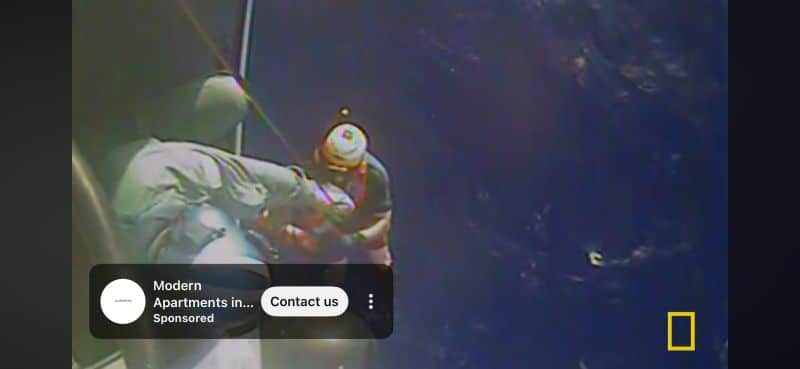
    Recently, I’ve noticed that YouTube is testing a pretty intriguing feature—a sticky banner that keeps ads visible even after I’ve hit the ‘skip’ button. This seems to offer advertisers a chance for extended exposure, way beyond the initial view.

    What’s Happening? Picture this: I skip an ad, expecting it to vanish forever, but instead, a branded card remains on my screen until I decide to dismiss it. YouTube is experimenting with this sticky banner overlay, altering how I perceive skippable ads.

    How It Works Usually, when I skip an ad, I return to my video uninterrupted. But with this test, a persistent banner tied to the skipped ad stays visible in the player, keeping the advertiser in my line of sight longer than expected.

    Why This Matters to Us For me, as a viewer, this new feature could mean that even my quick skips won’t completely erase the advertiser’s presence. It’s interesting to see how this could increase brand recall without me watching the full ads.

    What’s curious is how this affects ad performance metrics, as impressions and engagements could extend beyond that initial skip, giving brands more value from the same ad space in Google’s ecosystem.

    ```json
{
  "alt": "Rescue worker assisting a person in distress over a body of water, with a National Geographic logo and advertisement overlay.",
  "caption": "A dramatic rescue operation unfolds over the deep blue sea, capturing a heroic moment against the backdrop of vast ocean waves.",
  "description": "This image shows a rescue worker aiding a person in distress, suspended above an expansive ocean. The scene is intense, highlighting the bravery and urgency of rescue operations at sea. The image includes a National Geographic logo, suggesting it's part of a related documentary or news feature. An advertisement banner is visible, offering modern apartment details, adding a layer of commercial context to the dramatic scene."
}
```

    Why It’s Notable Traditionally, skipping an ad has meant saying goodbye to it as soon as I hit that button. However, this format shifts the dynamic by offering a second chance for exposure, even when I opt out of watching the full ad experience.

    Impact for Advertisers This update means advertisers might enjoy extended brand visibility and recall. However, it could also change how I and other users perceive these ad interruptions, potentially affecting engagement metrics.

    The Bottom Line If this sticky banner test becomes widely used, it could redefine what a ‘skipped’ ad means for me—transforming a skip into a more continued, low-friction exposure rather than a complete exit for advertisers on YouTube.

    First Seen This update was first brought to my attention by Adsquire’s Founder & CEO, Anthony Higman, who shared his insights on LinkedIn.


    Inspired by this post on Search Engine Land.

    crushpress.ai community screenshot
  • Google AI Mode: Ad-Free Personal Intelligence Experience

    Google AI Mode: Ad-Free Personal Intelligence Experience

    Recently, I’ve learned that Google’s AI Mode will continue to be ad-free for those of us who connect apps to enable Personal Intelligence. This remains true even as Google expands ad testing in its U.S. rollout of more personalized features.

    Although Google is experimenting with ads in AI Mode, those of us who have linked our apps for Personal Intelligence won’t see any ads — a feature confirmed by Google. This decision means our user experience remains focused and personal.

    What’s happening.

    Google has been testing ad placements within AI Mode in the U.S., and I’ve noticed how they describe these connections as “helpful” to users, which, according to Google, opens new opportunities to discover products and services.

    There is, however, an exception — no ads for those of us who opt into app-connected, highly personalized experiences.

    The details.

    Google has recently expanded Personal Intelligence in AI Mode as a beta for anyone in the U.S., allowing Gemini to create truly tailored responses. By linking data across Google services like Search, Gmail, and YouTube, our experiences become exponentially more personalized.

    By opting into Personal Intelligence, I’ve experienced that AI Mode remains ad-free.

    Why we care.

    With ads potentially moving into AI Mode, Google approaches carefully, especially where personal data is most sensitive. As it stands, Personal Intelligence experiences remain ad-free as Google finds the right balance.

    What Google is saying.

    A Google spokesperson shared:

    “There are no ads for us who connect our apps with AI Mode. That isn’t changing at this moment.”

    “Test results over the past months indicate that people find business connections helpful and uncover new opportunities for products and services.”

    “Future ads will operate similarly for us connecting apps. They will maintain relevance related to queries, response context, and user interests.”

    Bottom line.

    In embracing Personal Intelligence, I see Google’s Gemini app positioning itself as a more personalized assistant. This groundwork sets the stage for future ad experiences built on richer, cross-platform user context.


    Inspired by this post on Search Engine Land.


    crushpress.ai community screenshot
  • Discover Google’s Personal AI Now in Search, Gemini & Chrome

    Discover Google’s Personal AI Now in Search, Gemini & Chrome

    I’ve got some exciting news to share about Google’s latest developments! They’re expanding their innovative Personal Intelligence feature across AI Mode in Search, the Gemini app, and in Chrome—specifically for U.S. users.

    Google’s Personal Intelligence now moves beyond its beta phase, reaching more everyday users. It’s an exhilarating step toward a truly personalized search experience, thanks to clever use of first-party data like Gmail and Photos. This shift makes search outcomes more personalized and unique, especially in AI Mode, where results adapt to individual user behaviors, previous purchases, and search histories.

    Why I care

    Google’s push into personalized search fascinates me. It’s creating a landscape where search results become increasingly individualized, but consequently harder to predict or replicate.

    The details

    Personal Intelligence will now function across:

    • AI Mode in Google Search (available now in the U.S.)
    • Gemini app (currently rolling out to free users)
    • Gemini integrated in Chrome (ongoing rollout)

    How it works

    I can connect applications such as Gmail and Google Photos, allowing Google to give me personalized responses. Some of the cool examples I’ve come across include:

    • Shopping suggestions rooted in my buying habits and favorite brands.
    • Tech troubleshooting aided by receipt details for the exact devices.
    • Travel tips tailored to my flight schedules and past getaways.
    • Custom itineraries and local recommendations.
    • Hobby proposals based on my interests.

    Availability

    It’s worth noting that these features are reserved for personal Google accounts and won’t extend to Workspace users—for now, at least.

    Want to know more?

    You can check out the details on the ad-free promise Google made for AI Mode users here.

    Catch-up quick

    Originally, Google introduced Personal Intelligence for Gemini subscribers in January with limited access to AI Pro and Ultra users. At that point, it hadn’t been integrated with Search—something they’ve since rectified.

    • Initially, the feature was optional and off by default.
    • New updates deliver on Google’s plan by making it part of Search AI Mode.
    • They’re rapidly expanding access to more users, even for free accounts.
    • Plus, it’s now merging into Chrome.

    Privacy and control

    Google emphasizes user choice:

    • Opt-in is required to connect apps like Gmail.
    • Users can enable or disable connections whenever they choose.
    • Importantly, Gmail and Photos content isn’t directly used to train AI models.
    • However, Google may use limited data like prompts and responses to enhance their systems.

    For further reading, check out Google’s blog post on this impressive expansion of Personal Intelligence here.


    Inspired by this post on Search Engine Land.

    crushpress.ai community screenshot