Have you ever wondered why most GPTs in businesses fail to be truly effective? It’s often because they are either too broad or haven’t been properly tested. Allow me to guide you through building focused, high-ROI GPTs that your team will not only adopt but use consistently every week.
The OpenAI GPT Store made waves in January 2024 with its launch, hosting over three million custom GPTs. But, if you ask teams how many they actively use, the answer tends to be disappointingly low, often zero or just one.
I’ve personally built and audited over a dozen custom GPTs for marketing, SEO, and sales teams. The pattern is consistent: only a select few are used daily, while the rest simply collect dust. Let me share with you a practical approach to crafting GPTs that your team will genuinely engage with—from identifying suitable use cases to structuring, testing, and launching them effectively.
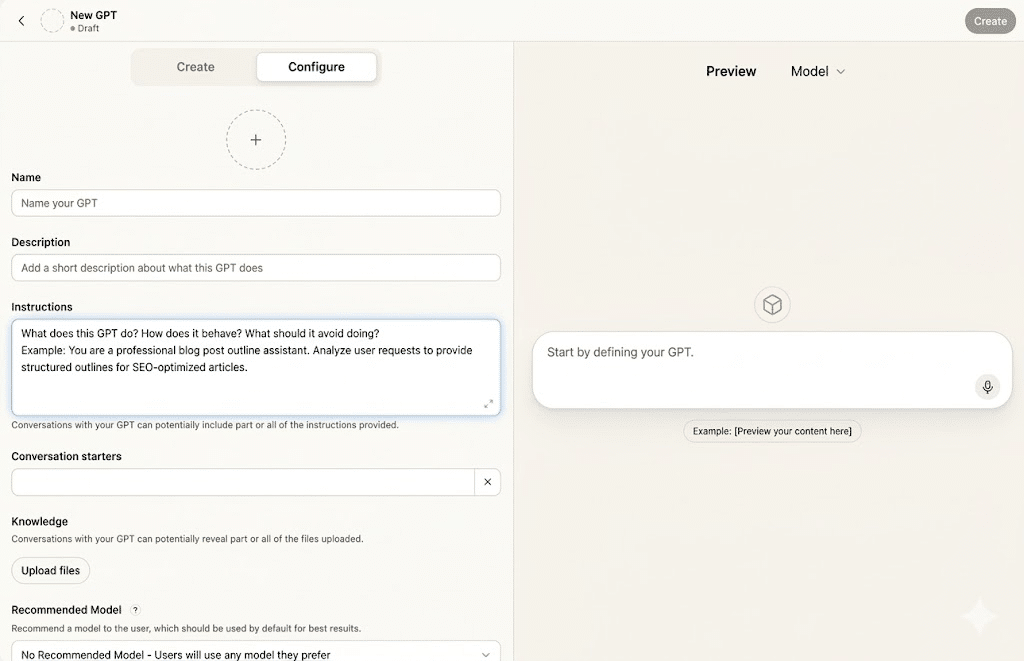
If you’re eager to dive in, start with these foundational steps: Choose a task your team performs at least three times a week, typically taking over 15 minutes. Articulate this in a simple sentence: ‘This GPT helps [role] do [task] by [method].’
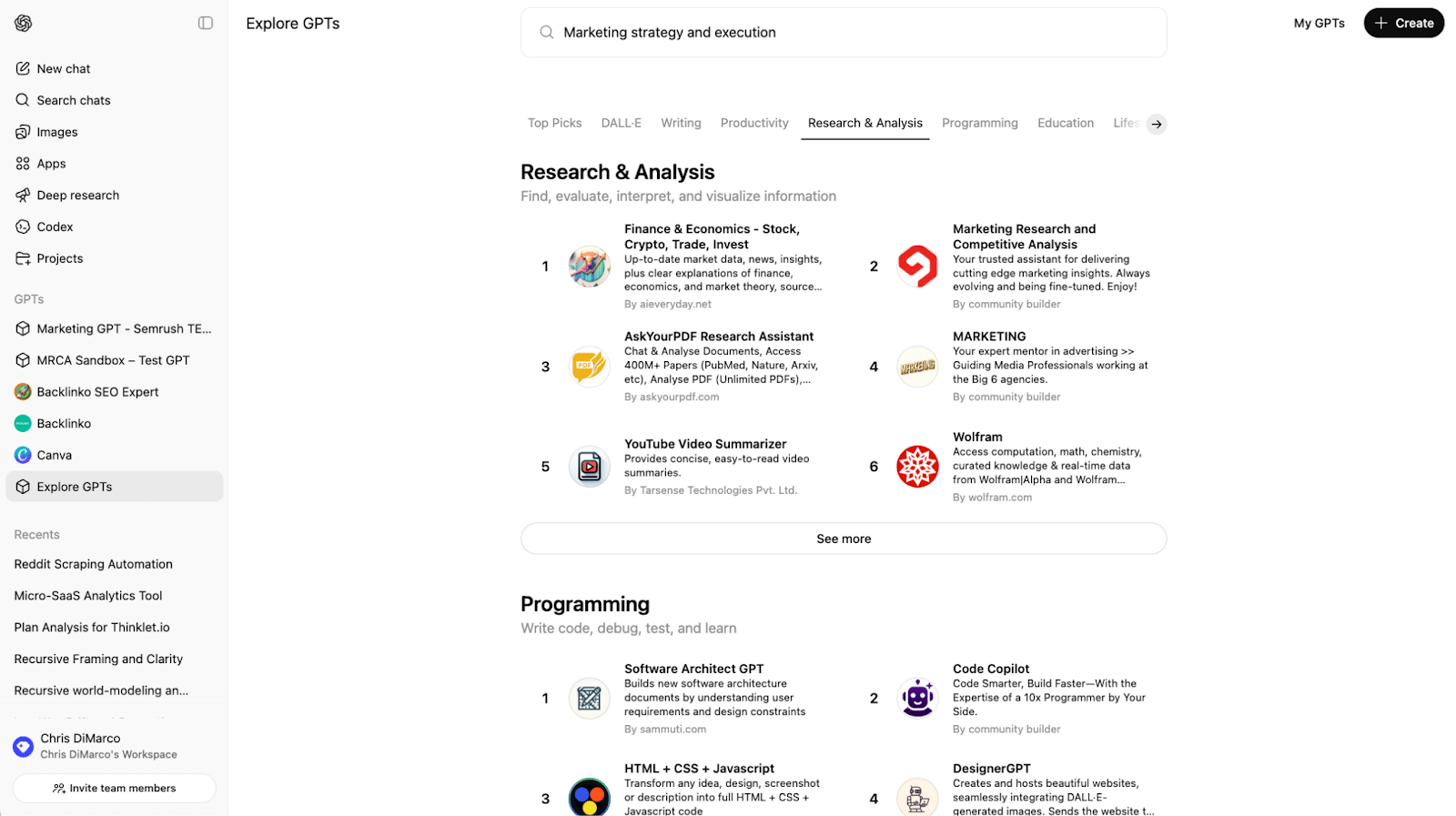
For a deeper understanding, I recommend checking out Marketing Research & Competitive Analysis or MARKETING, both highly ranked in the GPT Store’s Research & Analysis category. These projects showcase the build patterns I’ll cover here.
Now, let’s discuss what a business GPT truly entails. Unlike a generic AI assistant, a business GPT is a custom version of ChatGPT designed to handle one specific, recurring task for a particular role. Think of it like hiring a highly specialized worker for a job, rather than a generalist who does a little bit of everything.
You can publish polished Spanish content and still disappear from an AI answer, appear under the wrong country, or be described with the wrong currency, service area, or legal context. When that happens, translation quality usually isn’t the whole problem. Your pages are asking the system to infer which market you mean.
The fix is to treat every answer as a market-specific record: who it applies to, where it applies, what the local terms mean, and which business facts support it. You then repeat that context across your pages, local profiles, structured data, product feeds, and customer-facing answers.
Treat Spanish as a language, not a location
A language choice does not establish a country, city, jurisdiction, or commercial market. A page can be grammatically correct in Spanish while remaining geographically unusable.
This distinction matters more in generative search than it did in a conventional results page. A list of links lets the searcher notice that one result comes from Spain and another from Mexico. An AI response may instead combine several markets into one apparently authoritative answer. If the synthesis is wrong, the user may never see the correct local page underneath it.
Context layer
What the system must distinguish
What can go wrong
What your content should state
Language variety
Regional vocabulary, formality, and product terminology
The answer sounds imported or describes the wrong product category
The words customers use in that market and the preferred form of address
Geography
Country, region, city, and service area
A local query returns a supplier, branch, or recommendation from another country
The country and served locations in visible copy, not only in navigation or metadata
Commerce
Currency, number format, payment options, shipping, and availability
A price is misread or an unavailable purchasing method is presented as valid
The applicable currency, displayed number format, fulfillment limits, and payment conditions
Jurisdiction
Regulator, tax identifier, legal vocabulary, and governing rules
Terms such as Hacienda, SAT, NIF, and RFC are treated as interchangeable
The jurisdiction, applicable authority, and limits of the answer
Use a simple decision rule when planning pages. Create a distinct country version when the market changes the offer, eligibility, price currency, number format, fulfillment, payment method, legal obligation, or vocabulary needed to identify the product. Add a location-specific page or section when availability and customer questions change within that country. Keep a shared Spanish page only when its answer remains true for every market it claims to serve.
Do not solve the problem by cloning the same generic page across a directory of country codes. A changed place name wrapped around unchanged advice gives an AI system more URLs but no better evidence. Each local version needs a reason to exist and enough market-specific facts to make that reason visible.
Build a market-specific answer system from real questions
Your localization plan should begin with customer uncertainty, not a keyword export. Reviews, support calls, social replies, sales conversations, local profiles, and on-site searches reveal the wording people use when they need to make a decision. They also expose questions that broad national search-volume tools can miss.
Create a market brief before drafting pages
Define the market unit. Record the country, relevant region or city, service area, and Spanish variety. If a branch has different inventory, hours, eligibility, or delivery coverage, treat those as location facts rather than burying them in a national answer.
List the commercial facts that can change. Include currency, displayed number format, payment methods, shipping or appointment limits, product availability, contact details, and any local terminology customers use to describe the service.
List regulated facts separately. Record the jurisdiction, regulator or authority, legal identifiers, reviewer, and review trigger. Do not let a reusable marketing template overwrite this layer.
Collect the questions customers actually ask. Preserve the original regional wording alongside a normalized topic label so you can recognize equivalent intent without erasing dialect.
Assign a canonical answer, an owner, a public URL, the channels where the answer appears, and the conditions that require an update.
The brief becomes the source of truth for that market. It prevents a translator, local manager, product-feed owner, and social team from independently producing four plausible but incompatible versions of the same fact.
Turn local language into canonical answers
Generic questions such as “What services do you offer?” rarely resolve local uncertainty. Better questions expose a boundary: whether you deliver to a named city, whether a quoted price uses MXN or EUR, whether a service is available for a particular building type, or which jurisdiction governs a requirement. Region-specific questions can be useful even when they have little national search volume.
For each question, maintain a compact answer record containing:
The customer’s original wording and the normalized intent.
The country, region, city, or branch to which the answer applies.
A direct answer that states the decisive fact first.
Necessary conditions, exclusions, and next steps.
The page, profile, feed, and support material where the answer is published.
The person responsible for accuracy and the event that should trigger review.
Publish each answer where it helps the decision. A delivery limitation belongs near delivery information. A market-specific eligibility answer belongs on the relevant service page. A short FAQ can support either page, but a giant FAQ archive should not become the only place where critical local facts appear.
More detail helps only when it is local, current, and internally consistent. A long answer that mixes several countries is worse than a short answer with an explicit jurisdiction. When tax, insurance, compliance, or another regulated decision is involved, name the jurisdiction and have the content reviewed by an appropriately qualified local professional. Explain general requirements, but route advice about an individual’s circumstances to that professional.
Make the same locale obvious in copy, code, profiles, and feeds
No individual technical signal can force an AI system to cite or recommend a page. Your goal is corroboration: every readable and machine-readable layer should describe the same entity in the same market.
Give each meaningful market version a clear web identity
Use a stable URL for each genuinely distinct market version, such as a country-specific Spanish directory. Avoid changing URLs merely to test regional wording.
Set the document language to the appropriate Spanish locale when you know it, such as es-MX or es-ES, rather than using one undifferentiated setting for every regional version.
Connect alternate market pages with accurate hreflang annotations. Each page should identify the correct regional alternate, while its canonical URL should represent the version you actually want indexed.
Do not canonicalize a distinct local page to a generic Spanish page. That tells crawlers the generic version is preferred even though you created the local page to communicate different facts.
Name the country and relevant service area in visible headings and copy. A flag icon, URL folder, or language selector is not a substitute for an explicit market statement.
Link to the local version from the corresponding country, location, service, and contact paths. Avoid leaving important regional pages reachable only through a selector that a crawler or user may not encounter.
Hreflang helps describe language and regional alternates; it does not establish the truth of your inventory, legal claims, or service coverage. The visible answer still needs to contain the facts that make the regional distinction useful.
Use JSON-LD to corroborate visible facts
Structured data should mirror the page, not carry a hidden localization strategy. Use the most specific applicable entity type, such as Organization or LocalBusiness, and give each distinct entity or location a stable identifier. Do not reuse one identifier for branches that have different addresses or operational facts.
Represent the location with a PostalAddress whose locality, region, and country match the visible contact information.
Describe the actual area served on the relevant organization or service entity. Do not mark up locations the business does not serve.
Use inLanguage on applicable content entities to reinforce the page’s Spanish locale.
When a product or offer displays a price, keep priceCurrency aligned with the visible currency and the associated feed.
Connect official profiles only when they represent the same business or branch.
If you use FAQPage markup, mark up only questions and answers users can read on that page. Keep the structured answer identical in meaning to the visible answer.
FAQ markup is not a localization switch and does not guarantee an AI citation or search feature. Its value here is narrower: it gives a well-formed version of an answer that already states its market clearly.
Your off-site surfaces need the same treatment. Google Maps can answer place questions without requiring a website visit, so local profile facts cannot be treated as secondary metadata. Name, address, phone, hours, categories, service area, and linked landing page should describe the same location.
Commerce data is another answer surface. Merchant Center’s Business Agent can draw from product data and site content during chat interactions. A Spanish product page that shows MXN while its feed supplies another currency creates ambiguity at the moment the user is trying to buy. Align locale, price, availability, and destination URL across the page and feed.
Audit answer accuracy by market, not language alone
A localized page is not finished when it is published. You need to see whether AI systems preserve the country, entity, offer, and constraints when they assemble an answer. Because generated outputs can vary, a single successful query is evidence of one result, not proof that the market is understood.
Build a test set around decisions that matter: finding a provider, checking availability, comparing an offer, understanding a price, confirming a service area, and resolving a regulated question.
Run each intent in generic Spanish, with the country stated, and with the relevant city or region stated. The difference shows whether the system holds the right market only when the user supplies it explicitly.
Record the tool, date, account or location conditions, exact query, answer, cited or linked pages, and any named business. Keep those conditions as stable as practical when you repeat the test.
Check geography, entity identity, terminology, currency and number format, availability, and jurisdiction separately. A fluent response can pass the language check while failing every commercial check.
Trace each error to the information environment. Look for a missing local answer, a generic page outranking the local version, conflicting profile data, an incorrect feed, ambiguous structured data, or a third-party listing that no longer matches the business.
Track correctness and visibility as different outcomes
Use a small set of operational measures so improvements do not disappear inside a general visibility score:
Market accuracy: the share of applicable test answers that keep the correct country or local service area.
Entity accuracy: the share that identify the correct business, branch, product, or service.
Answer coverage: the customer questions for which your site or controlled profile provides a complete, market-specific answer.
Conflict count: active contradictions across pages, profiles, feeds, social answers, and other listings you monitor.
Source visibility: whether the generated answer cites, links to, or clearly reflects your canonical local page.
Read those measures together. High source visibility with low market accuracy means the system can find you but is extracting or combining the wrong facts. High accuracy with low source visibility means your information may be correct while another entity receives the attribution. Low coverage means you need better answers before you need more markup.
Fix errors in consequence order
Correct jurisdiction, eligibility, currency, pricing, and availability errors first. These can produce legal exposure, lost transactions, or promises the business cannot fulfill.
Resolve entity confusion next. Separate branch identities, URLs, addresses, profiles, and structured-data identifiers where the system is merging distinct locations.
Fill unanswered local questions with direct canonical answers drawn from customer language.
Repair contradictions across controlled channels and request corrections on inaccurate third-party listings where possible.
Refine dialect, tone, and regional vocabulary after the underlying market facts are correct.
If an AI answer relies on a third-party page, do not respond by adding another vague paragraph to your site. Publish the missing fact on the most relevant local page, update the matching official profile or feed, and reconcile every controlled instance. Supplying complete first-party answers makes it less necessary for a system to fill gaps from outside sources or omit the business.
Review triggers matter more than an arbitrary publishing schedule. Recheck the answer set when prices, service areas, branch details, inventory, payment options, regulations, or approved terminology change. Stable descriptive content can follow a normal editorial review cycle; a wrong currency or expired eligibility condition should be corrected across every surface as soon as it is found.
Key takeaways
Spanish identifies a language family, not a country, jurisdiction, currency, or service area.
Create a distinct market version when local facts change the offer or the answer, not merely to insert a country keyword.
Build canonical answers from reviews, calls, social questions, sales conversations, and local profile interactions.
Keep visible copy, URLs, language annotations, JSON-LD, local profiles, and product feeds aligned around the same entity and market.
Audit whether AI outputs preserve the correct geography, entity, commercial facts, and jurisdiction; do not score fluency as accuracy.
Start with your highest-value service in the market where a wrong-country answer creates the greatest commercial or legal risk. Build its market brief, publish the missing canonical answers, align the technical and off-site signals, and run the same query set again. Expand only after the output reliably keeps the right country, entity, and facts together.
Heidi Sturrock, a seasoned paid search consultant, shared her insights with me in a recent episode of PPC Live The Podcast. With over two decades of industry experience, Heidi discussed a memorable campaign blunder that surprisingly turned into a strategic win, as well as her experiences with AI Max across numerous accounts.
Heidi’s career story includes a significant misstep she made while running a competitor campaign using broad match without negative keywords. Launched on a Friday, this led to a weekend surge of calls from irate customers of a competitor, a situation both alarming and chaotic for the client’s call center.
Unexpectedly, her client saw potential in this turmoil. Instead of dwelling on the mistake, they chose to transform these calls into sales opportunities by offering a discounted first month to switchers. By dividing the campaign for better focus, they turned a problem into a pathway for growth.
From this experience, I learned two valuable lessons: never initiate major campaigns on a Friday and ensure all stakeholders are involved in client meetings. Having both the business owner and the sales leader aware of the situation allowed for quick, effective problem-solving.
When facing a mistake, I’ve realized the importance of halting the issue swiftly, taking responsibility, and presenting a clear plan for resolution. Clients value honesty, and this approach can reinforce trust even in difficult times.
Common failures in account management often involve misaligned attribution windows and undue focus on secondary KPIs. It’s crucial to align metrics with the primary goals, ensuring that higher CPCs are understood within the broader context of achieving ROAS targets.
Regarding AI tools, Heidi’s exploration of AI Max across various accounts delivered mixed results. Success often hinged on the availability of comprehensive historical data and well-defined goals. Her advice is to experiment gradually and prepare upcoming guidelines on her blog.
For those in the industry, embracing technological changes, especially in AI, is essential. Mastering these tools can propel us ahead as marketers.
Stay connected with Heidi on LinkedIn or visit HeidiSturrock.com for her expert guides, including tips on crafting effective ad copy. Also, catch her live at SMX Advanced in Boston this June, where she’ll participate in an engaging expert panel discussion.
You publish a precise title, a useful answer and a well-structured page. Then an AI system presents a different headline, compresses the answer into a few sentences or recommends a forum discussion instead. The immediate temptation is to chase whichever domain dominates the latest citation chart.
That reaction solves the wrong problem. In AI-mediated discovery, your audience may encounter a machine-generated interpretation before it encounters your page. You therefore need content that is easy to select, difficult to misrepresent, clearly attributable and still worth visiting after the summary appears.
Treat AI as a second presentation layer
Publishing controls the material you make available. It doesn’t fully control how an intermediary presents that material. A search engine, answer engine or content platform may select a passage, combine it with other material, rewrite its label or generate a summary. Ranking is only one part of that process.
Discovery outcome
Question to ask
Typical failure
Selection
Does the system use your content for the relevant question?
A competitor, forum or reference site supplies the answer instead.
Representation
Does the generated answer preserve your meaning and important conditions?
A caveat disappears, a comparison becomes absolute or an old claim is repeated without context.
Attribution
Can the user connect the claim to your brand, expert or page?
Your idea appears without a citation or with another entity presented as the authority.
Action
Does the presentation give the user a reason and a path to continue?
The summary answers enough to stop the journey, or the destination doesn’t match the generated promise.
Audit priority content against all four outcomes. Start with the rendered page, not just its keyword report, and ask:
Can someone identify the exact question the page answers from its title, opening and section headings?
If a single answer paragraph is extracted, do its subject, scope and conditions remain intact?
Does the passage name the relevant product, company, person or concept, or does it rely on pronouns and surrounding context?
Can a reader distinguish your verified claims from opinions, examples and predictions?
If the generated answer earns a visit, does the destination immediately continue the same task?
A page can rank and still fail this audit. It can also be quoted accurately without producing a visit. Those are different outcomes, so don’t hide them inside one visibility score.
Choose channels at the query level, not from citation charts
Make the query family your unit of analysis. Build a working inventory around the decisions your audience actually faces:
Problem recognition: What is happening, and what is the problem called?
Category education: How does the approach work, and when is it appropriate?
Comparison: Which options differ on the criteria that matter to this buyer?
Risk and objection: What can go wrong, what are the limitations and what evidence reduces uncertainty?
Implementation: What must the user configure, verify or troubleshoot?
Brand validation: Is this company or product credible for the stated use case?
For each family, inspect which kind of material supplies the answer. A reference page may win a definition query. A practitioner discussion may win a question about lived trade-offs. Product documentation may win a configuration question. An original analysis may win when the user needs evidence or a defensible comparison. The point is not to force your site into every role. It is to identify the role your content can credibly own and the gaps that require another channel.
Use community visibility only when participation is the real strategy
Wikipedia is a different environment. Its editorial constraints make it unsuitable as a brand-controlled distribution surface. Treating either community as inventory misses the mechanism that gives it value.
Use this decision gate before investing in an external community:
Would the contribution still help the reader if your company name and link were removed?
Can the contributor disclose an affiliation without weakening the substance of the answer?
Does your team have knowledge, evidence or direct product context that is missing from the discussion?
Can someone return to answer follow-up questions, correct errors and maintain the contribution?
Would the claim survive skeptical review from people who don’t share your commercial interest?
If those conditions aren’t met, put the effort into a stronger owned resource. If they are met, participate under the community’s rules and measure usefulness before citations. On Reddit, answer the actual question, disclose the relationship and avoid manufacturing consensus. On Wikipedia, limit involvement to verifiable corrections and respect editorial review. On YouTube, make the video’s subject and central claim clear within the content itself, while continuing to write accurate creator-controlled titles wherever the interface displays them.
Give every channel a defined job
Channel
Useful role
Warning sign
Owned website
Canonical explanations, product facts, original evidence, documentation and conversion paths.
The page makes claims that cannot be verified or understood without sales contact.
Reddit or another forum
Firsthand context, candid trade-offs, follow-up discussion and questions in the audience’s own language.
The plan depends on disguised promotion, disposable accounts or coordinated agreement.
Wikipedia
Neutral, verifiable reference information that meets the community’s editorial expectations.
The goal is to control brand positioning or insert unsupported commercial claims.
YouTube
Demonstration, explanation and visual evidence for questions that benefit from video.
The meaning exists only in a clever title and isn’t stated clearly in the content.
Build answer blocks that remain accurate after compression
AI optimization doesn’t require flattening every page into short, generic answers. It requires making the smallest useful answer unit complete enough to stand on its own. A strong unit identifies the subject, states the answer, carries the necessary boundary and provides a reason to trust or continue.
A practical answer block performs these jobs:
Name the entity and question. Don’t make an extracted passage depend on the previous heading or a chain of pronouns.
State the answer directly. Put the useful conclusion before background that only explains why the question matters.
Keep the qualifier attached. Version, market, audience, use case and exception should sit beside the claim they limit.
Show the mechanism or evidence. Explain why the answer holds, or point to the observable fact that supports it.
Offer the next useful step. Lead to a comparison, method, specification or decision that a short summary cannot fully replace.
A reusable pattern is: entity plus answer plus condition, followed by mechanism or evidence, then the next decision. It is a drafting aid, not a rigid sentence template. Use as much space as accuracy requires. There is no universal paragraph length that guarantees extraction or citation.
Keep the page, metadata and schema in agreement
Your page title, visible heading, opening answer, section labels, internal anchor text and structured data should describe the same entity and promise. If the title offers a comparison but the page delivers a category overview, an intermediary has to infer the relationship. If the JSON-LD identifies an author or entity differently from the visible page, you have created another avoidable ambiguity.
Use structured data for facts that are visible and supported on the page. Treat it as a consistency layer, not a citation switch. Schema cannot make a weak claim authoritative, force an answer engine to select the page or prevent a platform from generating a different presentation.
Also separate author-controlled fields from generated output in your audits. A rewritten headline is not evidence that the original title was changed in your CMS. Record what you published and what the platform displayed. You need both to diagnose whether the problem is in the content, the markup or the intermediary’s presentation.
Run a compression test before publishing
Choose one high-value question the section must answer.
Copy the smallest passage that contains the complete answer.
Review that passage without the page title, navigation or preceding paragraphs.
Identify the subject, conclusion, conditions, evidence and responsible entity using only that passage.
Rewrite any point that becomes broader, stronger or less attributable when removed from its surroundings.
Pay special attention to words such as it, this, they, best, always and should. They aren’t inherently wrong, but they often conceal a missing entity, comparison set, condition or rationale. Replace them when the isolated passage could support more than one reasonable interpretation.
This test also catches a common content-design mistake: placing the caveat several paragraphs after the claim. A human reader may connect them. A generated answer built from a smaller passage may not. Keep a condition beside the statement it changes, then expand on the edge case later.
Measure the generated answer and fix the correct layer
Referral analytics can’t tell you whether an AI system named your brand, represented a claim correctly, cited your page without a visit or recommended a competitor while borrowing your framing. Add output observation to your usual search and content reporting.
Start with a stable panel of real audience questions. Preserve the exact wording, group each query by decision stage and record the platform, mode and other conditions that could affect what you see. Capture the answer on a consistent cadence. The purpose is not to declare a permanent rank from one response; it is to identify repeated representation problems and useful patterns.
Signal
What to record
What it helps you decide
Selection
Whether your brand, page or claim appears at all.
Whether the content is eligible and relevant for this query family.
Representation
The claim as generated, including lost or added qualifications.
Whether the source material needs a clearer answer block.
Attribution
Which brand, author or organization receives credit.
Whether entity naming and ownership are explicit enough.
Citation
The destination cited and the passage that supports the answer.
Whether the system is reaching a canonical, current and useful page.
Recommendation
The option presented and the stated reason for choosing it.
Which buyer criteria and evidence your content fails to address.
Action path
Whether the user can continue to the relevant page or task.
Whether discovery can become a productive visit or decision.
Variation
What changes across repeated observations under recorded conditions.
Whether you are seeing a durable gap or unstable output.
Keep these signals separate until you understand them. A mention with an inaccurate claim is not a success. A correct uncited answer is not the same problem as total omission. A citation to an outdated page requires a different fix from a recommendation that favors a competitor on a criterion you never addressed.
Use the failure type to choose the response:
Selection failure: confirm that the page directly answers the query and that its purpose is clear in the title, opening and headings.
Representation failure: rewrite the relevant passage so the answer and its conditions survive extraction together.
Attribution failure: name the responsible entity inside the answer unit and align visible authorship with structured data.
Citation failure: consolidate duplicate explanations, strengthen internal paths to the canonical page and keep the preferred destination current.
Recommendation failure: address the actual decision criteria with evidence rather than adding more generic brand language.
Community-source dominance: determine whether users need experiential evidence that your owned page cannot credibly provide; participate only if you can contribute that evidence transparently.
Don’t overhaul a content program because one platform runs a small interface experiment or one broad citation chart changes. Look for the same failure across a meaningful query family, then repair the layer responsible for it.
Key takeaways
Optimize for selection, representation, attribution and action rather than treating a citation as the whole outcome.
Use query-level evidence to choose channels; a domain’s overall citation share is not a strategy for your audience.
Keep the answer, subject, qualifier and evidence close enough to survive compression as one coherent unit.
Align visible content, metadata and JSON-LD, while recognizing that no markup can force an AI-generated presentation.
Participate in Reddit, Wikipedia or another community only when you can add transparent, durable value under its rules.
Track generated claims and recommendations alongside referrals, then match each failure to the layer that can actually fix it.
Choose one commercially important query family and inspect the generated answers before expanding your program. Repair the clearest selection or representation gap on the page that should own the answer, then observe the same queries again under recorded conditions. That cycle gives you a defensible AI discovery strategy without surrendering it to whichever platform happens to lead a headline chart.
I took our SEO to a whole new level, and the results were astonishing. From just $12K in ad spend, we skyrocketed to $1.6M in revenue. Let me share how building authority, optimizing conversion signals, and setting up CRM feedback loops made our PPC scalable.
You might already be familiar with how important SEO is for improving traffic and authority, but what isn’t discussed enough is its impact on other channels like PPC. This case study reveals how we scaled performance marketing in the high-consideration B2B medical device market by nailing our SEO fundamentals.
Marketing a premium pelvic floor chair isn’t your typical ad campaign. This device has a lengthy sales cycle and relies heavily on medical expertise. Our customers range from doctors to physiotherapists, all of whom demand reliable clinical evidence and credibility.
In markets like ours, when common performance tactics fell short, building credibility and authority was key. Without trust in our products and services, performance simply couldn’t scale. I’ve learned that no optimization works without it.
Starting 2023, our Google Ads campaigns were launched with limited SEO. The lack of optimization led to underattribution and resulted in a minimal scaling effect. We also dealt with delays in Google Ads bidding algorithms due to conversion tracking issues.
Despite these challenges, early campaigns confirmed there was a demand. I realized that fixing the surrounding system was necessary to capitalize on this potential in the long run.
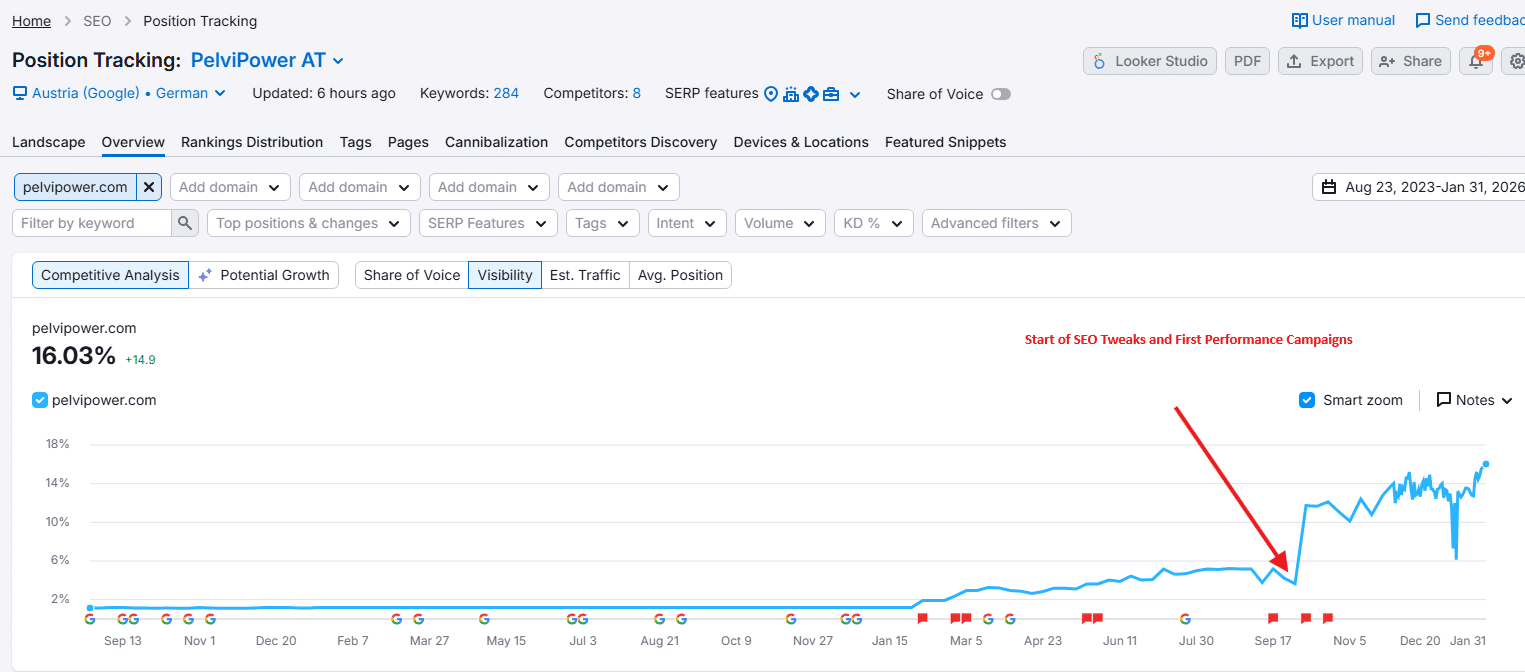
By mid-2024, I shifted the focus to treating SEO as a central part of our revenue strategy rather than an additional enhancement. Rather than chasing quick rankings, we prioritized building authority in pelvic health. Our strategy involved educational content, mapping out the entire informational landscape around pelvic health issues.
Our shift paid off. We invested in long-form content, structured it well, and embedded supporting visuals. This approach transformed us into a trusted resource over time and improved our credibility, which is essential in medical markets.
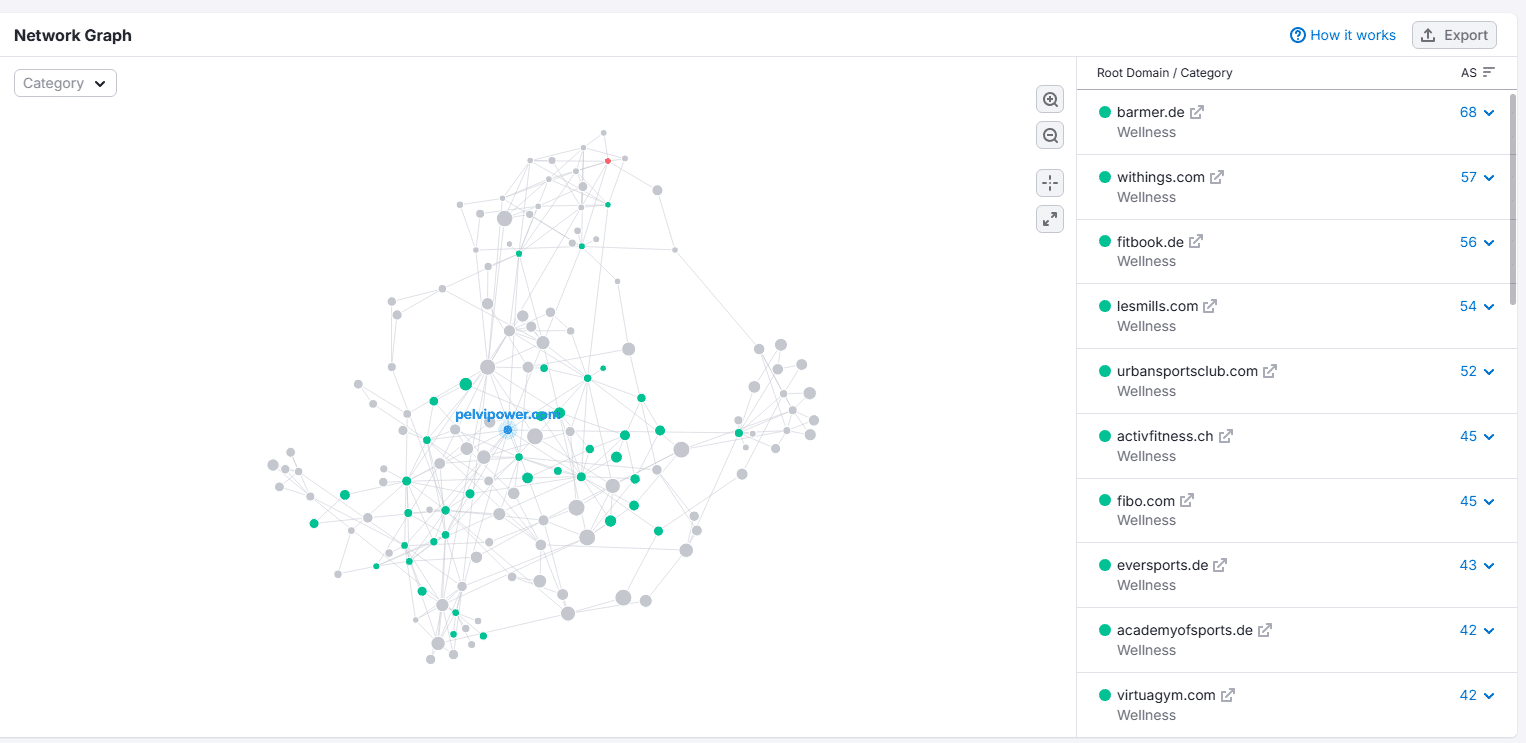
Our biggest success came from leveraging partnerships with clinics and medical professionals. Providing ready-to-use content allowed us to establish valuable backlinking opportunities in exchange for using our resources. These links enhanced our visibility and authority in healthcare sectors.
Ultimately, this strategy resulted in a manifold increase in referring domains and significantly boosted our topical authority. Our backlinks were closely aligned with Google’s assessment of expertise and trust.
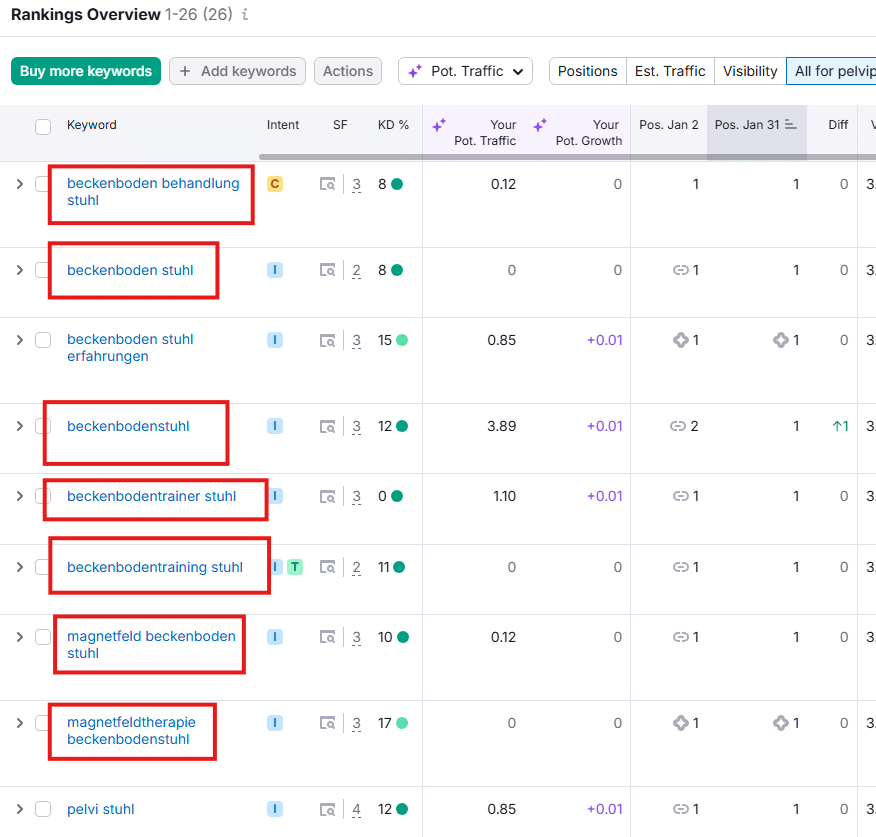
By late 2024, our top rankings for crucial keywords like ‘Beckenbodenstuhl’ clearly demonstrated our growing organic visibility. Prospects repeatedly encountered our brand in their research phase, reinforcing trust even before they saw our ads.
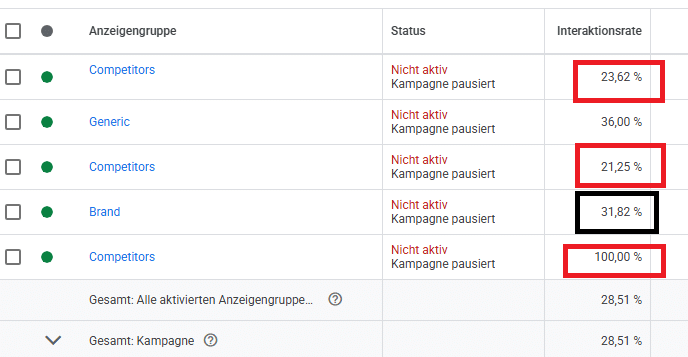
Our organic presence also reshaped how users engaged with our ads. Familiarity bred trust, and many users chose our advertisements due to previous organic encounters. This effect was even more pronounced in competitor-specific campaigns, where we achieved high click-through rates.
Improving conversion tracking was the next game-changer. Moving away from standard GA4-imported conversions to GTM-native events allowed us to get faster and cleaner signals, optimizing bidding algorithms effectively.
Integrating our HubSpot CRM closed the loop between marketing and sales. We tracked not only the quantity of leads but also their quality, feeding this data back into our Google Ads to optimize really meaningful outcomes.
With $12,000 in ad spend during 2025, our integrated SEO and PPC strategy led to impressive growth. In just two years, we observed a 140% sales increase from 2023-2024, followed by another 79% in 2025. This equated to a fourfold growth in our sales volume fueled by digital marketing.
The key to scaling PPC lies in trust and quality signals, underscored by sound SEO practices. It’s not about one-off optimizations but a holistic system that includes aligned SEO, precise tracking, and insightful CRM feedback.
Complex markets don’t fail because the strategies are wrong; they fail due to incorrect assumptions about simplicity solving complexity.
If you control a paid media budget, you now have a decision to make: prepare for ChatGPT advertising, run an early test, or wait until the channel becomes easier to evaluate. The wrong move is treating novelty as proof and shifting budget before you know what success should look like.
The better move is to build a controlled entry plan. ChatGPT’s ad pilot has produced a meaningful commercial signal, but its limited rollout leaves major questions about inventory, buying controls, measurement and performance. You can prepare for those unknowns without betting your acquisition plan on them.
The expansion is real, but the early numbers need context
Annualized revenue is a run rate, not $100 million already collected during the pilot. It projects a short period’s pace across a year. That distinction matters when you assess the maturity of the business. The figure demonstrates advertiser demand and monetization potential; it does not demonstrate return on ad spend for your company.
The pilot was also deliberately narrow. Ads were shown daily to fewer than 20% of eligible US users on the Free and Go tiers, even though about 85% of those users qualified to receive them. More than 600 advertisers had participated. Those figures imply room for substantially more delivery if OpenAI increases exposure, but they do not tell you how much inventory will become available, how it will be priced or whether it will match your audience.
OpenAI has said that users classified fewer than 7% of ads as low relevance. Treat that as an encouraging relevance signal, not a campaign-performance benchmark. A user can consider an ad relevant without clicking it, converting or becoming a profitable customer. Your own business outcomes still have to settle the question.
Key takeaways
ChatGPT advertising has moved beyond a purely speculative format, but early revenue does not prove advertiser profitability.
Limited exposure creates expansion potential while making historical benchmarks less dependable.
Self-serve access lowers the operational barrier to entry; it does not remove the need for a test budget and predefined decision rules.
Measure ChatGPT campaigns with site and CRM outcomes, not relevance claims or platform activity alone.
Keep paid distribution separate from organic ChatGPT visibility. Buying an ad should not be treated as a way to earn citations or recommendations.
Write your go-or-no-go plan before self-serve access
The rollout plan identified an April opening for self-serve advertiser access. It also named Canada, Australia and New Zealand as intended expansion markets. Self-serve access changes who can participate: marketers no longer need to be among a relatively small group working through a managed pilot.
It does not tell you that a particular geography, format or targeting control is available to your account. Treat every planned market as unavailable until you can confirm access inside the buying interface. Do not put forecasted ChatGPT conversions into a committed revenue plan merely because geographic expansion has been announced.
Before anyone creates a campaign, write a one-page test brief covering the following decisions:
Choose one commercial job. Decide whether the test is meant to generate qualified visits, leads, purchases, trial starts or another observable outcome. “Learn about ChatGPT ads” is an internal objective, not a business result.
Define the user situation. Describe the problem, constraint or decision that should make your offer relevant. A broad demographic label is not enough. The creative team needs to know what the person is trying to accomplish.
Set a loss ceiling. Fund the pilot from money the business can afford to use for channel learning. Do not remove budget from a revenue-critical campaign unless you have explicitly accepted the resulting demand risk.
Name the economic threshold. Use your own margins, close rates, customer value and sales capacity to determine an acceptable acquisition outcome. An industry average cannot decide whether a customer is profitable for you.
Select one conversion path. Send the visitor to a page built for the promise in the ad. If that page offers several unrelated actions, you will struggle to tell whether the message worked.
Define stop and scale rules. State which evidence permits more spending, which result calls for a creative or landing-page change, and which result ends the test. Make those decisions before campaign data creates pressure to rationalize weak performance.
Assign an owner. One person should reconcile platform activity, web analytics, CRM progression and actual revenue. Without that ownership, each system can appear successful while the commercial result remains unclear.
You should also inspect the product before committing spend. Confirm the available geographic controls, audience or contextual controls, ad formats, placement disclosures, reporting fields, conversion measurement, exclusions, billing rules and brand-safety options. If a control you require does not exist, narrow the test or wait. Do not assume a mature search or social advertising feature has been carried into a new platform.
More than 600 advertisers participating in the pilot validates interest in the channel. It does not mean you have already missed the inexpensive phase, nor does early entry guarantee lower acquisition costs. The defensible early-mover advantage is learning: discovering which problems, claims and landing experiences produce qualified behavior before the channel becomes a standard line in every media plan.
Build creative for a conversation, not a copied search ad
A search query often compresses intent into a few words. A ChatGPT prompt can contain a goal, constraints, context and follow-up questions. That does not mean an advertiser will necessarily receive the full prompt or be able to target every detail. It means your message has to make sense beside a more developed problem than a bare keyword might convey.
Do not imitate the assistant’s voice or make paid placement look like an independent recommendation. The ad should be recognizably commercial and useful on its own terms. Its job is to connect a specific situation to a supportable proposition.
Use a four-part message pattern
Situation: Identify the problem or decision that makes the offer relevant.
Claim: Make one concrete promise you can substantiate. Avoid stacking several product benefits into a single ad.
Reason to believe: Point to the mechanism, evidence or distinguishing fact behind the claim.
Next action: Ask for a step proportionate to the user’s intent, such as reviewing a method, seeing an example, checking eligibility or starting a purchase.
A practical drafting template is: “For [specific situation], [offer] helps you [supportable outcome] through [clear mechanism]. [Evidence]. [next action].” The brackets force the writer to supply meaning. If the team cannot fill them without vague language, the proposition is not ready for paid distribution.
Terms such as “innovative,” “powerful” and “next generation” consume space without reducing uncertainty for the reader. Replace them with a visible capability, a documented constraint or a concrete reason to continue. A conversational environment raises the standard for clarity because the surrounding answer may already be specific.
Make the landing page finish the same thought
The click is a handoff, not a completed outcome. The landing page should immediately confirm that the visitor has reached the promised destination. If the ad addresses one use case but the page opens with a generic company slogan, the visitor has to reconstruct the connection.
Repeat the problem and core proposition near the beginning of the page.
Place evidence beside the claim it supports rather than collecting unsupported superlatives in a separate section.
Explain important qualifications before the conversion action. Hidden limits may increase form starts while damaging lead quality and trust.
Use one primary call to action that matches the commitment requested in the ad.
Ensure the page works without the visitor having to understand the preceding ChatGPT conversation.
Use accurate structured data only where it describes visible page content. JSON-LD can clarify entities and relationships; it cannot repair a weak offer or guarantee visibility in an AI-generated answer.
Create a dedicated page when the campaign promise differs materially from your existing page. Do not create a thin duplicate merely to insert the words “ChatGPT” or “AI.” Message match comes from answering the same need, not repeating a channel name.
Measure paid results without confusing them with AI visibility
A new channel invites two measurement mistakes. The first is accepting platform activity as proof of business value. The second is expecting it to behave like mature search advertising before you understand the context in which its ads are delivered.
Start with site-side instrumentation you control. A consistent campaign taxonomy might use utm_source=chatgpt, utm_medium=paid_ai and a campaign name tied to the user situation or offer. The exact labels are yours to choose; consistency is what lets analysts separate paid ChatGPT visits from referrals, organic discovery and other paid channels.
Follow the visitor through an outcome ladder:
Arrival: Did the tagged session reach the intended page?
Engagement: Did the visitor examine the promised material or begin the intended task?
Conversion: Did the visitor complete the primary action?
Qualification: Did the lead, trial or order fit the business’s acceptance criteria?
Value: Did it create revenue, retained usage or another outcome connected to the original commercial goal?
This sequence prevents a high click count from concealing low-quality demand. It also shows where to intervene. Weak arrival-to-engagement performance points toward message match or page experience. Strong engagement with weak conversion may indicate offer friction. Conversions that fail qualification point toward the audience definition, claim or form design. These are diagnostic interpretations, not automatic verdicts, so check the actual sessions and CRM records before changing the campaign.
Do not judge the channel on cost per click alone. A cheaper visit is not useful if it produces fewer qualified outcomes, and an expensive visit can still work if it creates enough customer value. Compare channels at the deepest reliable stage available to your business. Where sales cycles prevent an immediate revenue view, label the interim metric clearly rather than presenting it as realized return.
The claimed sub-7% low-relevance rate belongs near the top of this measurement ladder. It says something about user perception of ad fit. It does not replace your conversion rate, qualified acquisition cost or revenue evidence.
Keep paid, owned and earned AI discovery distinct
Paid distribution buys eligible ad exposure under the platform’s available controls.
Owned content gives people and machines a clear, accurate destination for your claims, products and expertise.
Earned visibility includes citations, mentions and recommendations that are not purchased as ad placements.
Do not assume that buying ChatGPT ads improves whether the assistant cites or recommends your brand in an unpaid answer. Treat any such relationship as unproven unless OpenAI documents it. Keep separate dashboards for paid campaign outcomes and organic AI visibility so an increase in one is not casually credited to the other.
The work can still reinforce itself. Campaign planning forces you to name user problems precisely. Winning landing pages reveal which explanations and evidence help people act. Those lessons can improve product pages, comparison content, FAQs and structured data. If the ad platform exposes contextual or query-level insights, use them within its privacy and reporting limits; if it does not, rely on the post-click evidence you can observe.
ChatGPT’s expansion into self-serve buying and additional markets gives you a reason to prepare, not a reason to abandon channel discipline. Write the one-page pilot brief now, verify the controls when your account receives access, and launch only when you can trace spend to a business outcome. That puts you in position to learn early without making the rest of your acquisition plan depend on an unproven channel.
If your Google Ads account has plenty of product images but little usable video, Veo gives you a practical way to close that gap. You can turn existing visual assets into short YouTube ads without waiting for a conventional production cycle.
The useful question isn’t whether AI can make a video. It can. The question is whether you can give it the right inputs, catch the wrong outputs, and measure the result without confusing generated creative with video your team produced. This workflow covers all three.
That is a meaningful capability, but it is a narrow one. Veo is well suited to a concise product demonstration, a visual benefit, or a single promotional idea. A 10-second output is not a substitute for a customer story, a detailed explanation, or a campaign concept that depends on dialogue and multiple narrative beats.
Treat the tool as a creative multiplier, not a strategy generator. It can add movement to an idea you have already clarified. It cannot decide which customer problem matters, which claim is credible, or what the viewer should do next.
The quality of the source images determines how much ambiguity the model must resolve. A clean product shot with an obvious foreground, stable proportions, and a plausible type of movement gives it a constrained problem. A dense collage with several focal points, embedded copy, and conflicting perspectives gives it several problems at once.
Before uploading anything, score each candidate image against these criteria:
One unmistakable subject: A viewer should know what the ad is about without studying the frame.
Clear separation: The product, person, or focal object should be visually distinct from the background.
Plausible movement: You should be able to describe what could move in one sentence, such as a package rotating, fabric flowing, or a camera pushing toward a product.
Consistent product details: Packaging, colors, proportions, and visible features should agree across the images.
Minimal baked-in text: Important copy is easier to inspect and revise when it is handled as an ad element instead of being embedded in a busy image.
Enough visual space: Leave room for template copy, branding, or a call to action without covering the subject.
Accurate context: The setting must not imply a use, feature, size, or outcome the product cannot support.
Do not upload three images merely because three are allowed. Every image should have a role. One might establish the product, another might show the relevant detail, and a third might place it in context. If two images contradict each other or compete for attention, use the stronger one and remove the ambiguity.
Clean consumer-product imagery is a particularly sensible starting point. Early testing shared by Ameet Khabra indicated that brands with clean images and an obvious logic for movement may benefit most. That is an early practitioner observation, not a universal performance rule, so use it to select an initial test rather than to predict a result.
Build a repeatable generation and review workflow
Generating first and deciding what the ad means afterward produces a folder of clips, not a campaign. Write the creative brief before opening Asset Studio, even if the brief is only four lines.
State the audience and problem. Name the person the ad is for and the single situation that makes the product relevant. Avoid a broad label such as “all shoppers.”
Choose one promise. A short video rarely has room for a feature list. Select the one benefit the viewer should retain after the clip ends.
Define the visible action. Describe what should move and why that movement helps communicate the promise. Motion should reveal, demonstrate, or focus attention; it should not exist only to make the image look active.
Select up to three source images. Give each image a purpose, remove weak duplicates, and confirm that the product details agree across the set.
Generate a restrained baseline. Start with the simplest version of the concept. A conservative baseline is easier to evaluate than an output containing simultaneous background, text, pacing, and visual-style changes.
Create one deliberate variant. Change one meaningful element: the input image, the setting, the visual emphasis, or the template treatment. Do not change everything at once.
Use Nano Banana for controlled edits. Swap a background or adjust the copy only after the core motion works. Treat each edit as a new creative that must pass review.
Label the asset before launch. Put the concept, generation method, and variant in the name. A structure such as product, benefit, Veo, and variant number will be more useful later than a filename such as “final-video-3.”
Inspect the output as an ad, not as a novelty
Watch the generated clip several times with a different purpose on each pass. First judge the message. Then inspect the product. Finally, check every frame that contains copy, branding, or a transition.
Product identity: Does the same product remain recognizable from beginning to end?
Shape and scale: Do proportions stay stable as the camera or object moves?
Packaging and text: Are labels, logos, prices, and claims legible and accurate?
Physical behavior: Does the movement make sense for the material and setting?
Background integrity: Do shadows, reflections, edges, and contact points agree with the new environment?
Message hierarchy: Can a viewer understand the product, benefit, and next action without pausing?
Landing-page continuity: Will the person who clicks find the same product, offer, and promise on the destination page?
If the product changes shape, the label mutates, or the setting creates a false impression, reject the output. A polished transition does not compensate for a misleading frame. When the defect affects the central subject, a new generation from a clearer image is usually a sounder decision than layering more edits onto the mistake.
Separate creative testing from generation method
AI-generated video creates two questions that are easy to collapse into one: did the creative idea work, and did the generation method help? You need to preserve the origin of each asset if you want to answer either question.
Google Ads API v23.2 adds a VideoEnhancement resource that can distinguish Google-generated video from advertiser-provided video. If your team maintains a reporting pipeline, update the relevant client library and code before building analysis around that distinction. A dashboard cannot recover creative provenance later if the pipeline never captured it.
Keep a corresponding field in the creative log used by marketers. Record the asset name, source images, generation method, concept, edited element, campaign, and launch status. The API classification tells you where a video came from; the creative log tells you what hypothesis it was meant to test.
Run tests that lead to a decision
Begin each test with a sentence that can be proved wrong. For example: “A product-in-use image will communicate the benefit more clearly than an isolated pack shot.” Then preserve everything you reasonably can except the element named in that sentence.
To test the generation method: Compare Google-generated and advertiser-provided videos with comparable messages, audiences, offers, and destinations.
To test an input image: Keep the template and message stable while changing the source visual.
To test a background: Keep the product, copy, and motion concept stable while changing only the setting.
To test a message: Keep the visual treatment stable while changing the benefit or call to action.
To test a template treatment: Use the same source images and promise, then vary the presentation rather than the underlying idea.
Choose the campaign goal and evaluation metrics before launch. Do not declare a winner because one clip looks smoother or receives an early burst of delivery. Judge it against the action the campaign is intended to produce, and document the decision so the next generation builds on a finding rather than restarting the experiment.
Google Ads AI video FAQ
Can Veo replace a conventional video production?
It can replace a narrow production task: turning up to three still images into a short, template-assisted video ad. It does not replace concept development, complex storytelling, accurate product demonstration, brand review, or footage that must document a real person, place, or event. Use it where the format matches the job.
What should you test first?
Start with a product that has clean photography, a single focal point, and an easily described motion concept. Generate one restrained baseline and one controlled variant. That pair will teach you more than a batch of unrelated outputs because you will know what changed.
Do you need Google Ads API v23.2 to create Veo videos?
No. Creation happens in Asset Studio. API v23.2 matters when you operate custom reporting and need programmatic visibility into whether a video was generated by Google or supplied by the advertiser. Teams that rely only on interface reporting can still adopt the same discipline by labeling assets and maintaining a creative log.
Your next move should be small and auditable: choose one image-rich product, write one clear promise, generate a baseline plus one variant, and record the origin of both assets before they enter a campaign. That gives you a usable ad and a test you can learn from.
B2B buyers start their journey long before they even search for us. I’ve learned that AI-powered Google Ads campaigns can ignite early demand and reward patience over time.
If I’m relying solely on brand and non-brand keywords in Google Ads, my growth becomes limited. A decline in performance isn’t due to the platform but the strategy behind it.
Discovering a brand doesn’t begin with a non-brand search. Buyers are researching on platforms like Reddit, ChatGPT, Facebook, LinkedIn, and YouTube. They watch demos, read testimonials, and become familiar long before actively searching for us.
For complex sales processes with lengthy customer journeys, this transformation is crucial, demanding a strategic shift. Here’s how I can make it effective in B2B.
AI-powered Campaigns: Your Growth Treasure
Over the years, Google has innovated with multi-channel, multi-asset campaigns like Performance Max and Demand Gen. These campaigns place my brand front and center as audiences research and evaluate options.
When my audience is ready to choose vendors, they’ve already built trust in my brand. They’ll search specifically for me because of the trust I’ve cultivated through consistent visibility.
A well-rounded Performance Max campaign includes diverse ad types, like image and video ads displaying demos or testimonials on YouTube. These ads also engage audiences across the web via the Display Network and retarget them as they continue their research. This process naturally leads to branded searches that ultimately convert.
Such campaigns are cost-effective, allowing me to leverage customer data alongside keywords as intelligent signals, not replacements. It’s about smarter keyword usage.
As AI Overviews and AI Mode transform Google’s search results pages, it’s time I reconsider my ad strategies to align with these changes.
I’m fond of the 4S framework: search, scroll, stream, and shop.
Adding “ask” captures how people now engage with AI tools. They consult ChatGPT or Gemini, search on Google, scroll through LinkedIn, stream videos on YouTube, and shop across numerous platforms. If my strategy focuses on only a couple of these behaviors, I’m missing the full growth opportunity.
Solely targeting keywords means missing the larger narrative. Brand keywords undoubtedly convert better, but how do people arrive at searching my brand? Consistent visibility ensures they notice my brand in their feeds.
Embrace Testing and Learn with Patience
This strategy requires time, especially in B2B settings with protracted sales cycles.
For example, it took almost a year to appreciate how Performance Max contributed to one of my life science client’s success, whose deals typically take months to finalize. There was a moment where our account manager nearly paused the campaign because initial data wasn’t promising.
Integrating sales data changed the perspective. As revenue figures rolled in, the campaign’s value became transparent.
If I can sync beyond MQLs with data like Proposal Sent, it keeps Google well-informed and offers reassurance until the sales data solidifies our insights.
Patience is key when providing the system quality data. I must remain steadfast and avoid quitting prematurely, accepting the complexity of B2B cycles.
An event might draw 100 people, some catch a webinar email later, and months pass before they search for us and request a proposal, eventually becoming customers. With long sales cycles, phenomena like this unfold subtly.
If testing funds are limited, I can designate 5% to 10% for AI-forward campaigns. Strategic testing without major commitments at peak times allows room to maneuver while the system adjusts.
Investing time in this strategy ensures sustainable growth. Those who master it gain an enduring competitive edge, unlike those focused on diminishing demand.
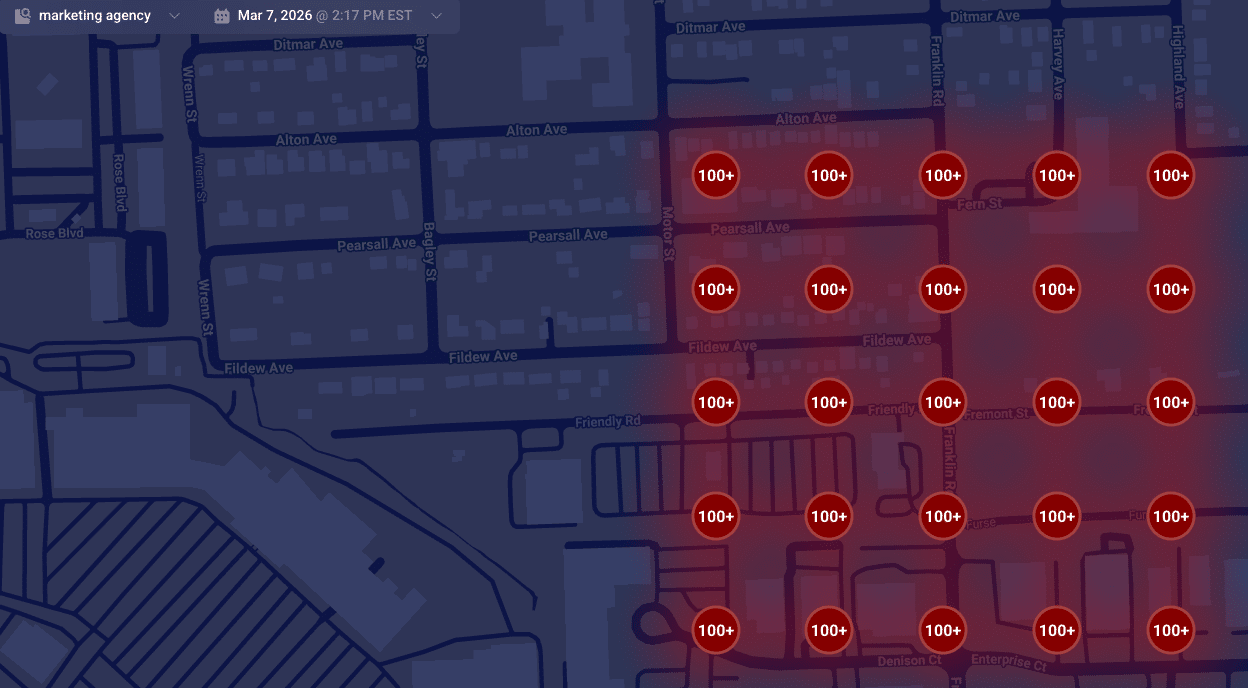
Your local business rankings might be suffering, and surprisingly, it could all be due to your map pin. Google’s placement of your business on their map significantly impacts your visibility, and addressing hidden addresses and setup issues is crucial.
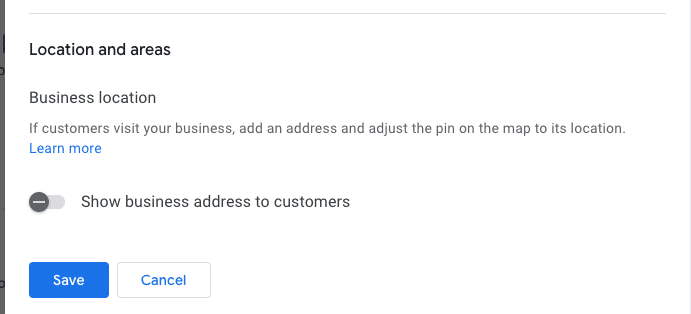
I’ve often found myself engrossed in the ongoing debate within the local SEO community about the ‘hide address’ toggle for service area businesses (SABs). Many business owners consider this option a mere privacy setting, but it’s much more—a decision that affects how Google’s algorithm perceives your physical relevance.
Here are some questions to consider:
Does your defined service area affect your ranking?
Does hiding your street address impact your visibility in the local pack?
Is Google erasing that data, or does your map pin become an invisible anchor?
These are foundational questions in understanding how proximity works when you choose to ‘hide’ on the map.
How Google Determines Your Map Pin
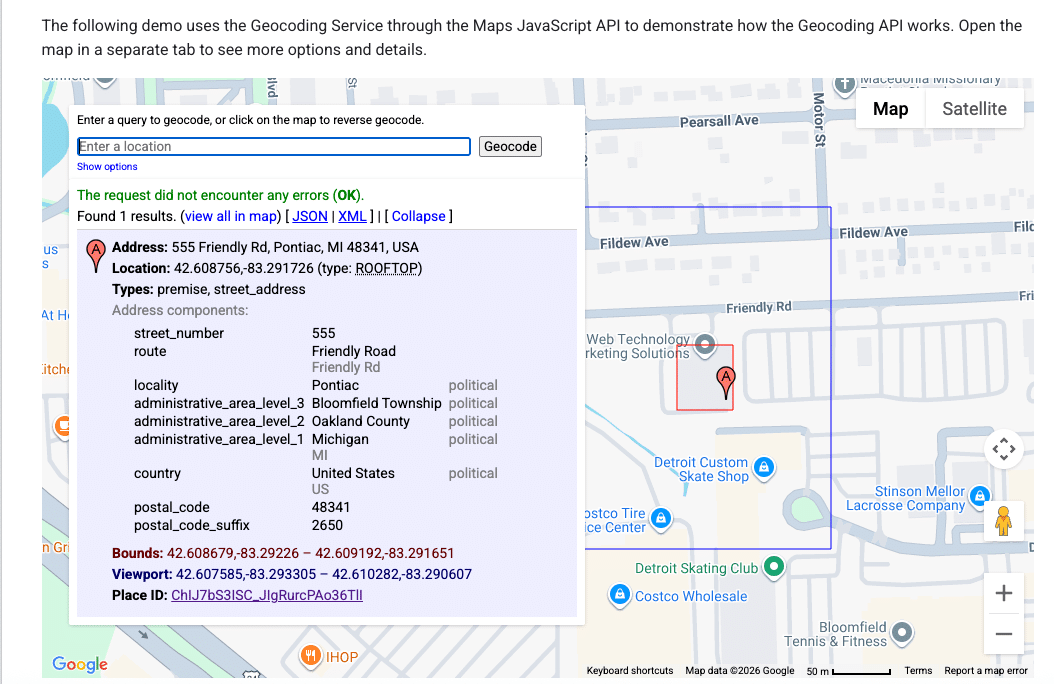
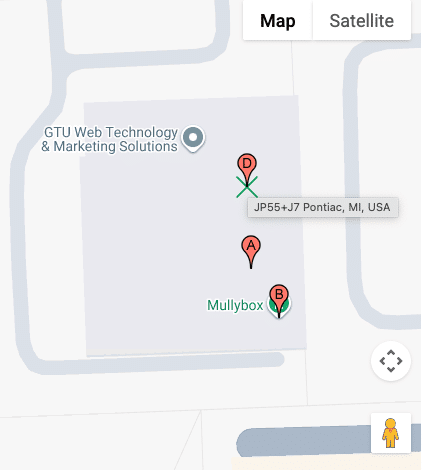
It’s essential to know that your address and map pin are not the same. Entering an address into your Google Business Profile doesn’t just place a pin; it’s processed through Google’s geocoding engine, comparing it against their database.
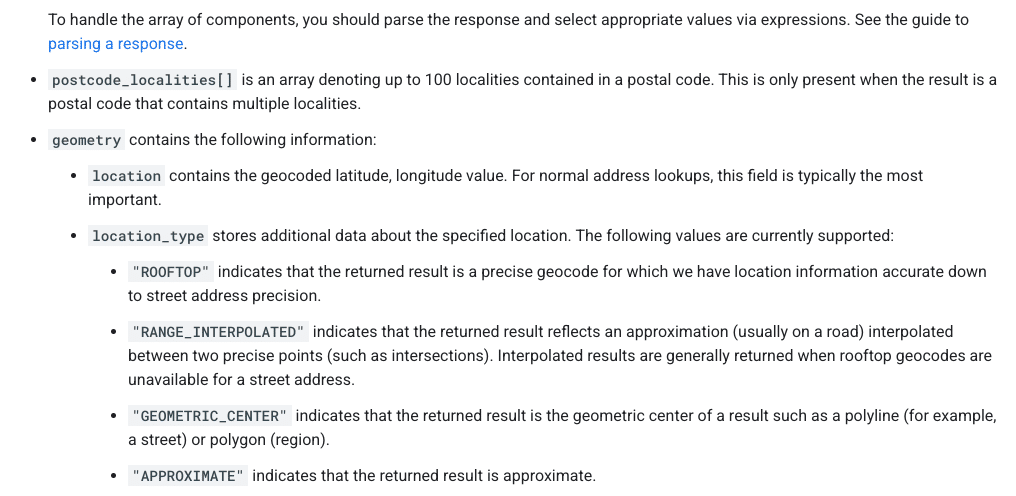
Understanding Google’s data models is key to understanding why your pin might be misplaced:
When Google finds a reliable match, they place your pin accurately at your building’s rooftop. Understanding how these data models work can help explain why SABs sometimes rank differently in local searches.
Is Your Map Pin Placement Accidental?
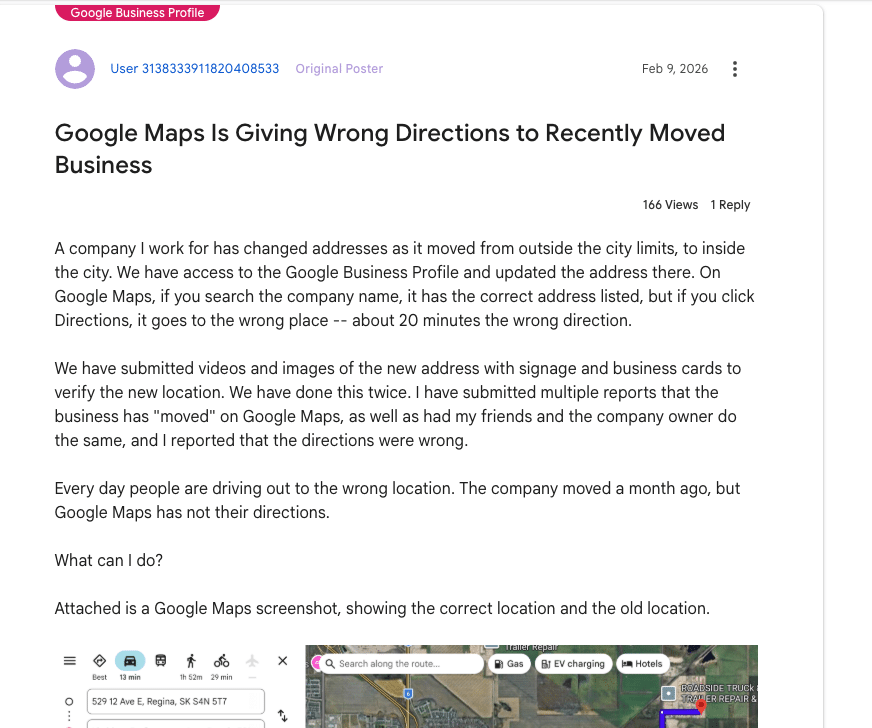
Don’t be mistaken, it’s not a bug but a failure in converting text to precise map coordinates. When this fails, your business may end up with a map pin that’s misplaced, affecting your local ranking authority.
When unable to secure a high-confidence match from your building, Google defaults to using the city’s center as your pin’s fallback location, often causing your business to rank from a less relevant area.
Suite Number Issues
I’ve warned clients countless times about the pitfalls of including suite numbers in Address line 1. These numbers aren’t street-level data; embedding them can lead to geocoding conflicts, making your map pin default to a broader location like a city center.
Properly Anchoring Your Map Pin
For accurate map pin placement, ensure your address in Google’s system is geocoding-friendly. Keep unnecessary details out of the first address line and verify how Google reads your address using their developer tools.
When addressing geocoding problems, prepare for possible re-verification requests. Stay consistent in your corrections until Google verifies your business’s precise location.
Your strongest Performance Max asset group is already doing useful work. A seasonal push creates an awkward choice: change proven creative under pressure, or build another variation from scratch.
Know what Google changes – and what it leaves alone
Seasonal theming starts with assets you already have. It does not redesign the offer, replace every format, or resolve inconsistencies between the ad and its destination. That boundary matters because the generated version can look finished before it is ready to run.
Images: Google can reuse existing images and create variations with themed backgrounds. The product, person, or main subject is still inherited from your starting material, so inspect edges, scale, contrast, and composition rather than judging the background alone.
Text: The tool can suggest seasonal headlines and descriptions, but the text refresh is limited. Read the resulting assets as a set. A new seasonal headline can still be paired with older language that changes its meaning or weakens the message.
Video: Existing videos are not replaced. A winter image set beside an unmistakably summer video is not a minor aesthetic issue; it makes the asset group feel assembled rather than intentional.
The original asset group: The unthemed version remains intact. That gives you a safer starting point for experimentation and a clean asset set to return to if the seasonal treatment does not fit.
Is the message about a real offer, or only a different visual treatment?
Seasonal
Winter; Spring; Summer; Fall
Does the season match the market, product use, and destination experience?
Cultural moments
Christmas; Black Friday/Cyber Monday; Halloween; Valentine’s Day; Easter; Mother’s Day; Father’s Day; Hanukkah; New Year; Lunar New Year; Back to School
Is this moment genuinely relevant to the audience and the offer?
Choose the narrowest accurate theme. A popular holiday is not automatically the right creative frame. If the product, promotion, or audience has no meaningful connection to it, a generic season or editorial treatment will usually be easier to keep coherent.
Decide whether seasonal theming fits the job
The feature works best when the campaign strategy is already sound and only the presentation needs to change. Before opening the theme menu, separate a creative refresh from a campaign rebuild.
Use the shortcut when the underlying message is stable
The existing asset group already promotes the right product, audience need, value proposition, and action.
The seasonal idea can be communicated through backgrounds and a limited set of text changes.
The current video remains suitable, or the concept can tolerate video that is less seasonally explicit.
You have someone available to review every generated asset before it can spend campaign budget.
You want a variation of a proven concept while preserving the original group.
Build or edit more manually when the campaign itself changes
The seasonal promotion introduces a different product, price, bundle, eligibility rule, or call to action.
The concept depends on new video, product photography, illustration, or a sequence that a background treatment cannot create.
Your brand system requires precise art direction that generated background variations are unlikely to preserve without substantial correction.
The promotion has legal, geographic, inventory, or timing conditions that must be expressed exactly.
The cultural moment requires nuance beyond familiar seasonal symbols.
Access is also a practical constraint. The option can appear within Asset Groups ahead of major holidays, or as Apply theme to existing asset group while you set up a new one. If it is not visible in your account, do not make the launch depend on assumed access. Move to the manual creative route while there is still time to review it properly.
Move from a proven asset group to a reviewed seasonal version
A disciplined workflow keeps the convenience from becoming a source of accidental claims, mismatched formats, or unclear test results.
Write a one-sentence seasonal brief. Name the customer moment, the exact offer or message, the featured product, and the intended action. If you cannot state those four elements cleanly, generated creative will not solve the underlying ambiguity.
Select the asset group for message fit. A high-performing group is a useful starting point only when its product and proposition belong in the seasonal promotion. Do not clone a winner whose success came from a different category or customer need.
Apply one theme to the cloned version. Keep the first variation interpretable. Combining a holiday treatment, a new offer, a different product emphasis, and a rewritten brand voice makes it hard to identify what helped or hurt.
Inventory what actually changed. List the image variations, new or revised headlines, descriptions, and untouched video assets. This turns a visually impressive preview into an auditable set of changes.
Correct the gaps manually. Rewrite vague text, remove unsupported promotional language, replace unsuitable source imagery, and address video continuity. Generated output is a draft even when individual assets look polished.
Check the destination experience. The landing page should continue the same season, product, offer, and timing. If the ad promises a seasonal sale but the page makes visitors hunt for it, the creative has moved faster than the customer journey.
Launch it as a controlled change. Record the theme, manual edits, offer, destination, and activation period. Where operationally possible, avoid bundling unrelated campaign changes into the same evaluation window.
Naming discipline helps once several moments overlap. Use an internal label that identifies the base asset group, theme, offer, and version. The label does not improve delivery, but it prevents your team from reviewing or activating the wrong seasonal copy.
Review the combinations, not just the individual assets
A generated image can be attractive and still be commercially wrong. The most consequential failure is usually not an obvious visual artifact. It is a polished asset that implies the wrong offer, date, product use, or cultural context.
Review area
What can go wrong
What to do before launch
Image fidelity
Themed backgrounds create awkward edges, unrealistic scale, low contrast, or a setting that changes how the product appears to be used.
Open every variation at a useful size. Check the main subject, logo, text embedded in the image, shadows, edges, and background context.
Text combinations
A seasonal headline is paired with an older description that contradicts it, dilutes the offer, or changes the intended tone.
Read plausible headline-description pairings as complete ads. Rewrite any asset that works only when viewed alone.
Video continuity
Untouched video communicates a different season, setting, product, or promotion from the new images.
Supply a suitable video through normal asset editing, or make the overall theme neutral enough that the current video remains credible.
Offer accuracy
Sale-oriented language implies a discount, scope, or urgency that the business cannot substantiate.
Match every promotional phrase against the approved offer. Confirm products, locations, exclusions, availability, and timing before spending begins.
Landing-page continuity
The ad introduces a seasonal promise that disappears after the click.
Verify that the destination visibly supports the same product and offer, and that the next action is immediately clear.
Cultural fit
Familiar symbols are used for an audience or market where they feel irrelevant, inaccurate, or reductive.
Have someone familiar with the intended audience review the treatment. If the context is uncertain, choose a broader seasonal or editorial theme.
Brand and compliance
Generated backgrounds, language, or urgency fall outside brand rules or required approval processes.
Run the cloned group through the same brand, legal, and promotional review used for manually produced advertising.
Do not approve the group from a single preview. The feature changes only part of the asset set, so quality depends on how old and new elements coexist. The review unit is the complete seasonal asset group.
Measure the seasonal version without overstating the result
Seasonal periods change customer demand as well as creative. Better results during Black Friday, Christmas, or Back to School do not prove that the generated theme caused the improvement. Start by defining what success means for this campaign, then interpret performance in that commercial context.
Choose the decision metric in advance. Use the outcome that already governs the campaign, such as conversion value, return on ad spend, cost per acquisition, or qualified lead volume. Do not select whichever metric looks most flattering afterward.
Document the demand context. Record the promotion, product availability, destination changes, and seasonal period. These factors can move performance independently of creative quality.
Keep the claim proportional to the setup. If the original and themed asset groups run concurrently without controlled exposure, treat the comparison as directional. Do not describe ordinary automated delivery as a clean A/B test.
Use the available asset-group and asset reporting. Aggregate campaign performance can hide a weak seasonal variation if other assets continue to carry results.
Make an explicit post-season decision. Retire event-specific claims when they cease to be true. Preserve notes on the theme, manual corrections, and performance so the next seasonal build starts with evidence rather than memory.
The original asset group remaining intact is operationally valuable, but it does not make every comparison controlled. Preservation reduces creative risk; measurement quality still depends on what else changed and how delivery was allocated.
Key takeaways
Seasonal theming is best for changing the context around an already-correct message, not rebuilding campaign strategy.
Google can generate themed image backgrounds and suggest some seasonal text while leaving the original asset group intact.
Video is not replaced, and the text refresh is limited, so old and new assets must be reviewed together.
The right theme is the most accurate one for the product, market, offer, and audience – not necessarily the most prominent holiday.
A themed clone is not automatically an A/B test. Seasonal demand and automated delivery can affect the comparison.
Generated creative should pass the same offer, landing-page, cultural, brand, and compliance checks as manually produced advertising.
Start with the asset group whose message best fits the seasonal opportunity, write the brief before opening the theme menu, and build the review checklist before anything goes live. If the idea cannot survive the unchanged video or an exact offer check, give it the manual creative work it needs.