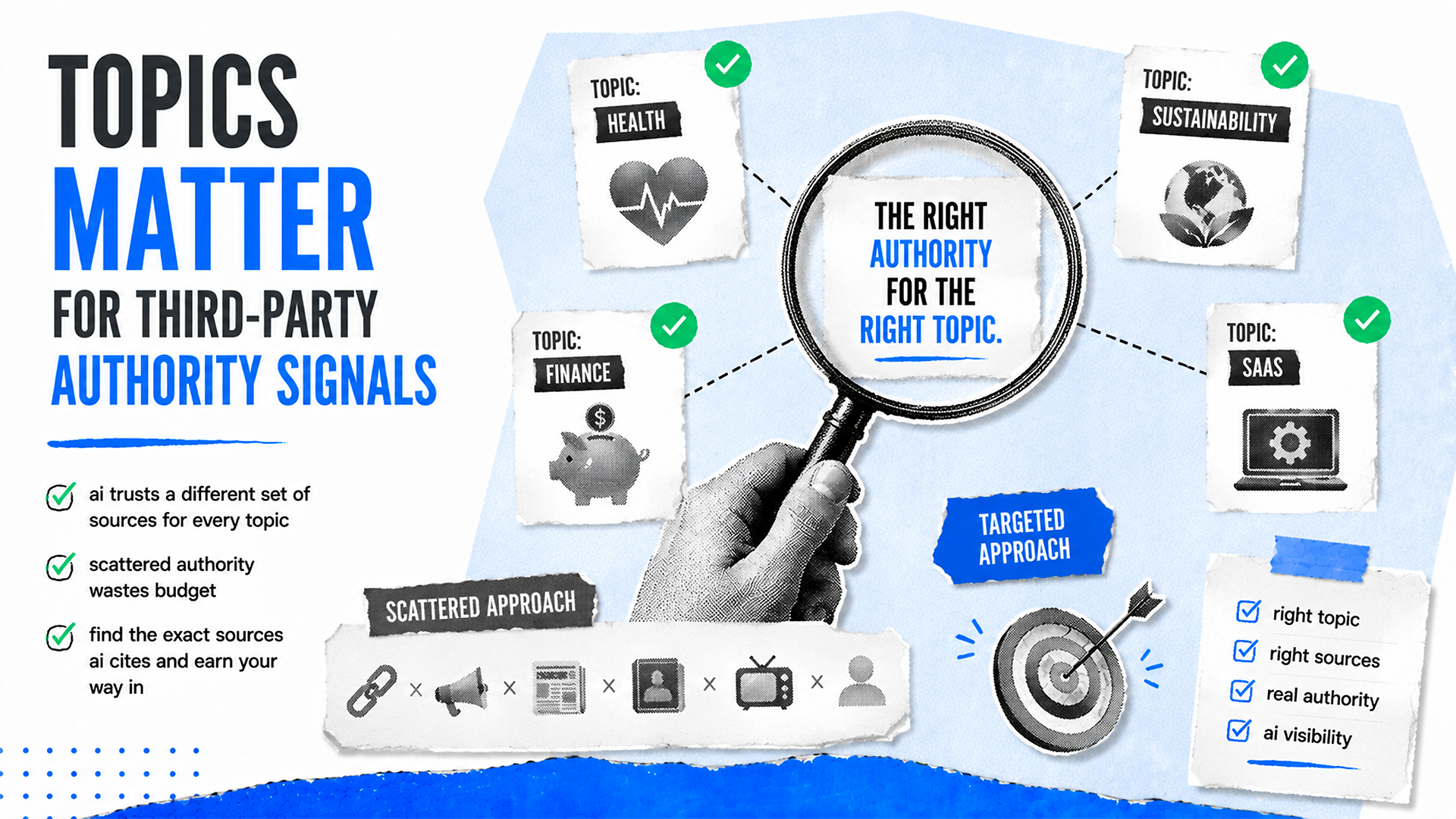
When it comes to enhancing AI’s view of our content, understanding which topics influence those third-party authority signals is vital. Through personal insights, I’ve learned that AI doesn’t always rely on the same sources for every query. Instead, identifying and engaging with those voices that shape answers in your niche can make a huge difference.
I’ve often been advised to build authority outside my site using digital PR, mentions, and gaining links from high-authority sources to boost AI visibility. While the instinct is right, I’ve realized that these efforts need to be specific to the topic because AI trusts different sources depending on the subject matter.
This week, I’ve been exploring why AI leans on various source sets based on different topics, wasting resources on scattered authority efforts, and how to pinpoint exactly where AI derives its citations for your focus area. By doing so, you can carve out your place among those trusted sources.
AI’s approach is fascinating. It relies on a distinct set of sources for each topic. Through a sample analysis, it became evident that AI citations follow a topical pattern, affecting where I focus my authority-building efforts.
In invoicing-related queries, competitor domains account for a significant portion, whereas for starting-a-business inquiries, those numbers drastically decrease. This shift highlights the importance of a topic-focused backlink strategy, where I aim for links with authority in my target topics.
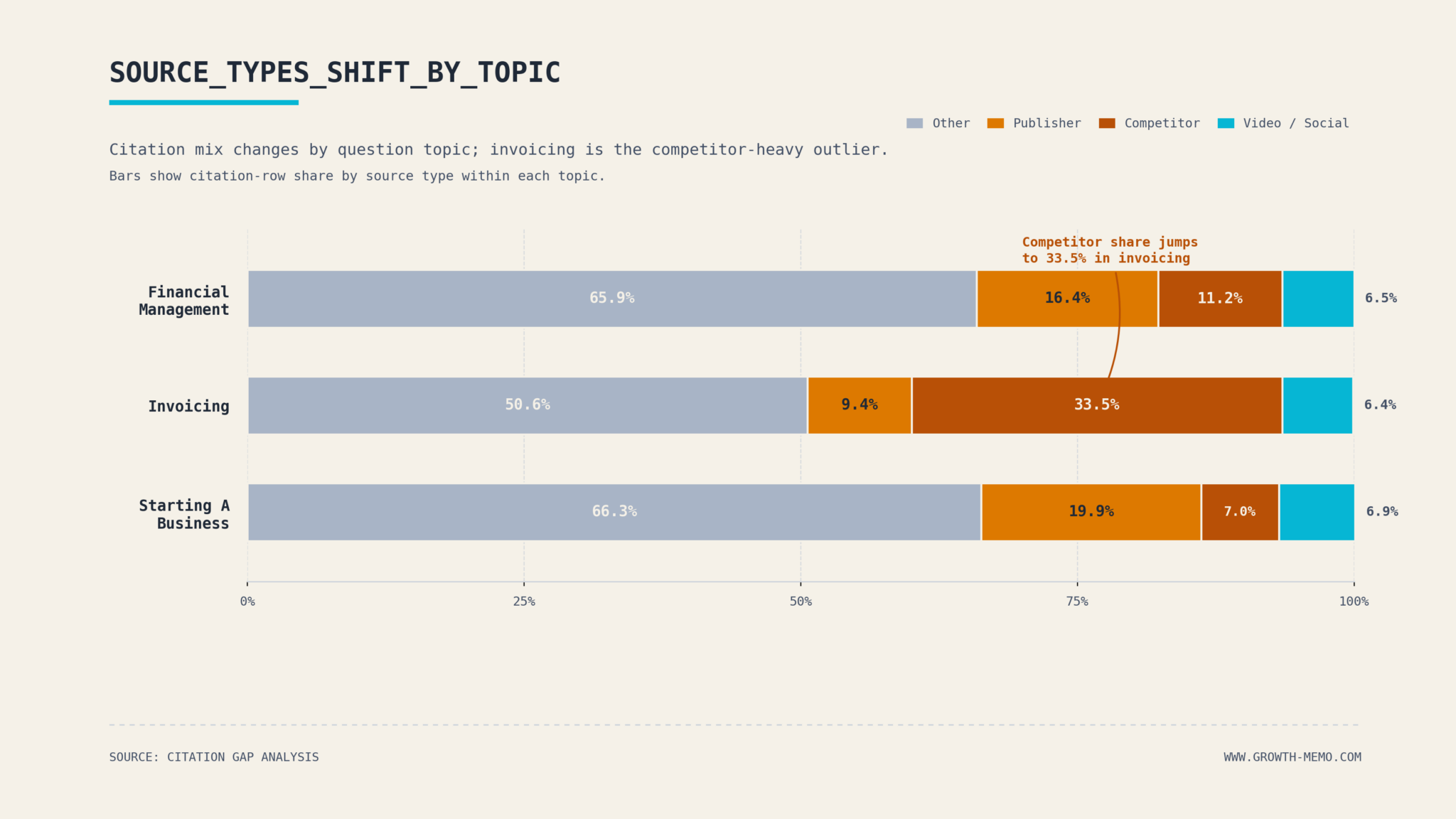
Interestingly, video and social platforms behave differently, affecting visibility. Entities like YouTube are exceptions, especially across larger language models, creating unique pathways to building authority.
My goal is to strategize where and how I build authority, ensuring it’s topic-driven to resonate accurately within the AI’s trusted data pool. Copying PR strategies from adjacent topics won’t yield effective results; instead, I tailor my approach to align with AI’s preferences.
AI’s genuine trust extends from entities it already acknowledges. This means our brand’s perception by AI doesn’t start fresh every time. Instead, it’s shaped by existing trust in associated authoritative sources and documents.
Therefore, my work extends beyond my blog. While it’s crucial, it’s just one part of the broader picture. Publications and experts that mention me streamline my standing with AI models.
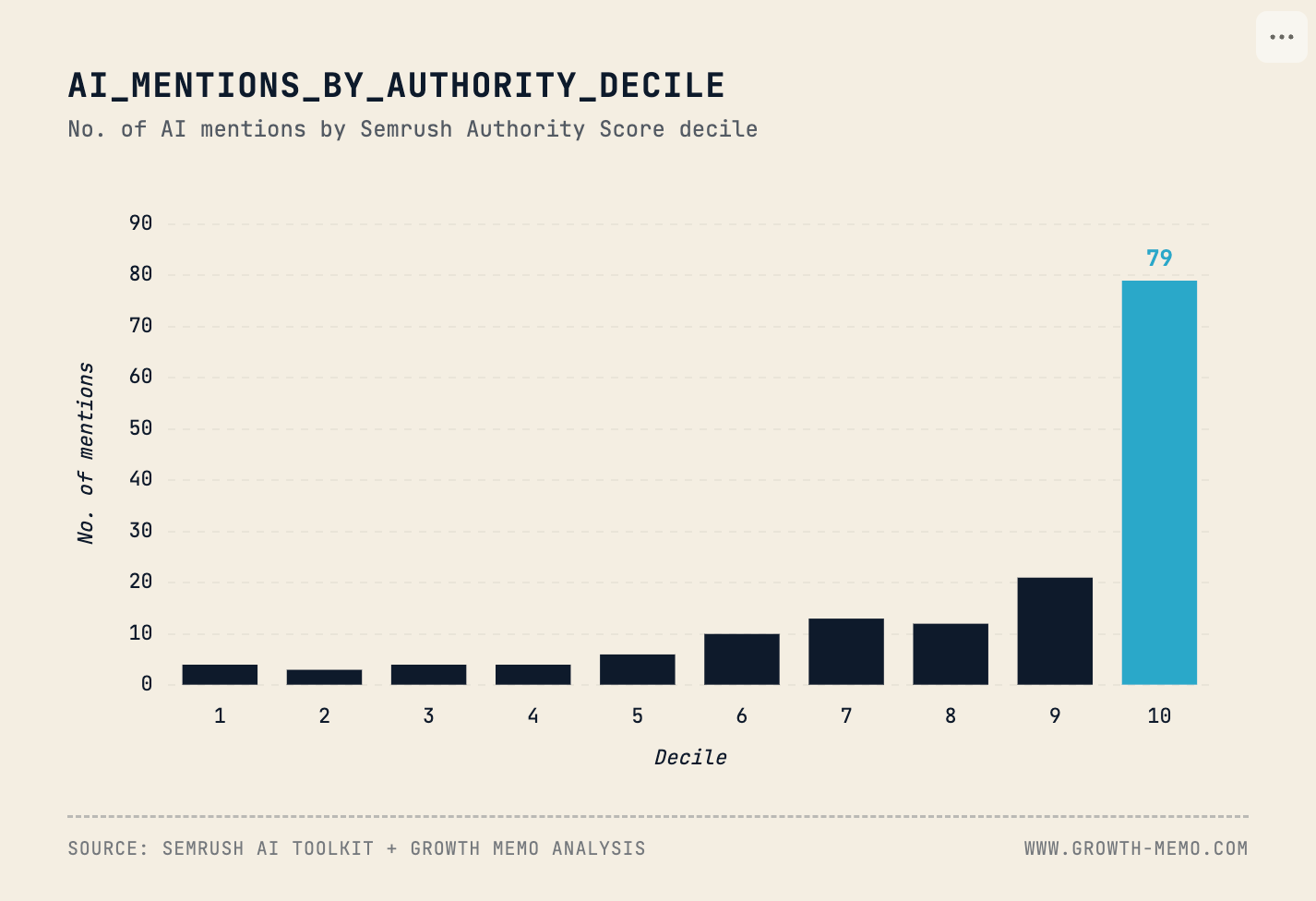
Authority developments don’t spread evenly; they progress in leaps. A quality mention can dramatically elevate your citations, especially within high-authority domains. From my experience, investing in in-depth relationships with top-tier sources pays off significantly more than spreading efforts thinly across lesser-authority sites.
This journey to building authority is strategic and measurable. It’s about making informed choices about who we engage with and understanding that authority-building is not just about quantity but also about the lasting relationships we foster in our professional spaces.
How I’m Building Authority in AI’s Trusted Sources
I realized that not all third-party signals weigh the same. While research picked up across reputed blogs can enhance citation frequencies, executive podcasts may not. Here are some steps I’ve taken:
Firstly, I’ve identified a few willing subject matter experts (SMEs) within our team who have a strong understanding of our brand and are eager to publish. Empowering them to create sharp, relevant content fosters credibility.
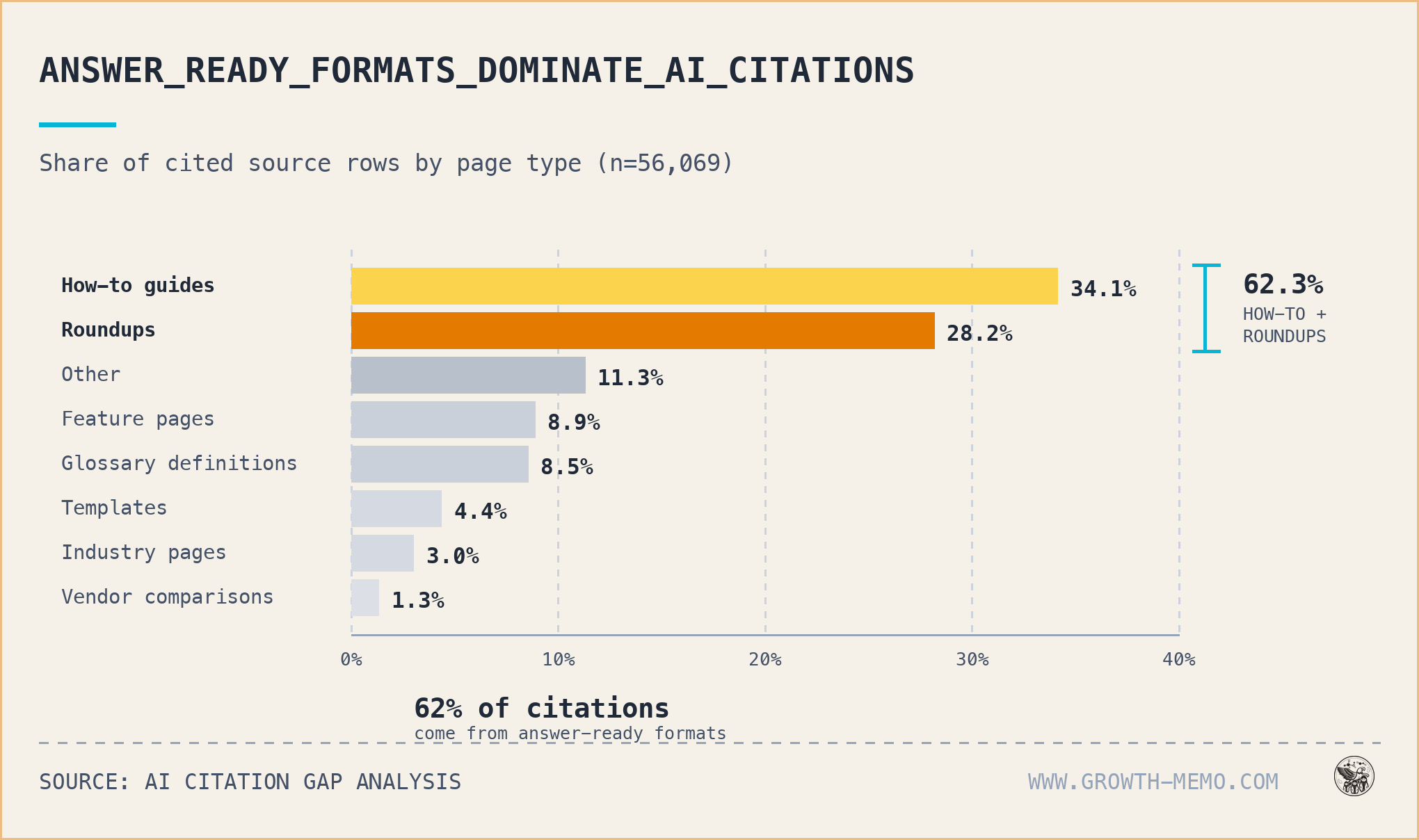
Through mapping exercises, I’ve pinpointed entities already respected by AI and targeted collaborations with the people behind them. This targeted approach ensures my SME’s work is recognized by the AI and appreciated by audiences.
3. Enhancing Authority Tier Concentration
By ranking potential partners by their authority tier, we refine our investment strategy, concentrating efforts where they’ll generate the most return. This tactic has consistently improved our citation metrics.
Finally, embracing the power of LinkedIn, I leverage influencer partnerships in my domain. This platform acts as a fast lane, allowing us to penetrate AI responses with reputable voices rapidly.
Inspired by this post on Search Engine Land.

Leave a Reply