I’m excited to share with you my journey into optimizing websites for AI agents. Let’s dive into what Agentic AI SEO is all about and how we can make our sites more appealing to these intelligent algorithms.
Imagine transforming your website from just another set of blue links on a search result page to a dynamic, task-oriented AI experience. This is where AI agents come in, and I’m here to guide you through optimizing your site with structured data and machine-readable context.
By leveraging structured data, we ensure that AI agents understand and interact with our content seamlessly. It’s crucial to use safe actions and APIs to optimize our site’s functionality and accessibility, enhancing user experience and ultimately, achieving better search visibility.
Join me in this complete guide to implementing Agentic AI SEO strategies, and let’s revolutionize our websites together for the era of AI.
In the ever-changing world of digital marketing, I’ve discovered that Answer Engine Optimization (AEO) is now a vital strategy. It stands out as a way for businesses and content creators like us to remain relevant in today’s search ecosystems. Unlike traditional SEO, which primarily focuses on ranking web pages for keyword-driven queries, AEO is all about optimizing content to provide direct, concise, and accurate answers to user questions. This approach is particularly crucial for AI-driven answer engines such as Google’s AI Overviews, Bing’s Copilot, and conversational AI models like Grok.
Understanding answer engines has become essential for me. These platforms focus on delivering immediate, precise responses to user queries, rather than just a list of links. They utilize natural language processing (NLP) and machine learning to comprehend questions and pull relevant answers from indexed content. For instance, when someone asks, “What’s the capital of France?” answer engines respond with “Paris” instead of directing them to a webpage. This shift in user behavior towards expecting instant answers has made AEO a game-changing strategy.
I’ve noticed that AEO is particularly significant in the realm of voice search, mobile devices, and AI assistants. Users prefer quick, conversational responses. With predictions showing that over 50% of searches will be voice-based by 2025, optimizing content for answer engines becomes indispensable.
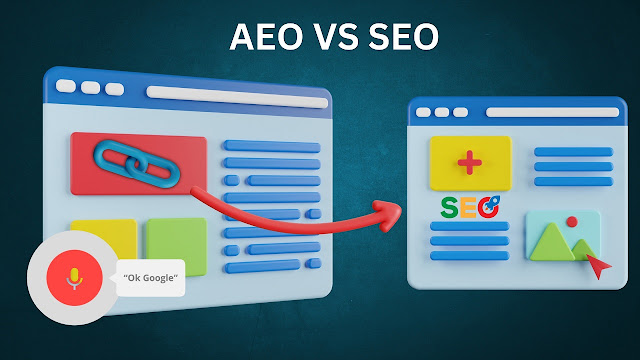
It’s clear to me how AEO differs from traditional SEO. While SEO aims to enhance a website’s visibility in search engine results pages (SERPs) using keyword optimization, backlinks, and technical tweaks, AEO focuses on structured, question-based content. For example, SEO might target a query like “best coffee shops in Seattle,” while AEO would aim to answer, “What are the top-rated coffee shops in Seattle?” with a concise and authoritative response.
To excel in AEO, I’ve learned that content needs to be:
Question-focused: Targeting specific questions that users are likely to ask.
Concise: Offering clear answers, typically within 50–100 words, suitable for featured snippets or AI responses.
Structured: Employing formats like FAQs, bullet points, or schema markup to make the content easily processed by AI.
Authoritative: Supported by credible sources or expertise to build trust with answer engines.
Here are some key strategies for mastering AEO that I’ve found effective:
Identify Common Questions: Utilize tools like Google’s “People Also Ask” and keyword research platforms to discover questions your audience frequently asks. For instance, a travel blog might aim to address, “What’s the best time to visit Japan?”
Create Concise, Direct Answers: Formulate responses that answer questions succinctly in 1–2 sentences, followed by supporting details. For example: “The best time to visit Japan is spring (March–May) for cherry blossoms and mild weather. Avoid the typhoon season in late summer.”
Use Structured Data: Implement schema markup, like FAQPage or QAPage schema, to help answer engines comprehend and prioritize your content.
Optimize for Featured Snippets: Organize content so it appears in Google’s “position zero” snippets using clear headings, lists, and tables.
Leverage Conversational Keywords: Emphasize long-tail, natural-language queries such as “How do I fix a leaky faucet?” rather than broad terms like “faucet repair.”
Build Topical Authority: Develop comprehensive content clusters around a specific topic to demonstrate expertise, enhancing the likelihood of being chosen as an answer source.
For me, AEO is not merely a trend—it reflects how people are consuming information in 2025. With AI-driven search becoming a mainstream aspect of life, businesses that ignore optimizing for answer engines may see a decline in visibility. AEO can significantly boost website traffic, bolster brand credibility, and establish your content as the go-to source for answers. For example, a well-optimized FAQ page might be featured in AI responses across various platforms, from Google to Alexa.
To get started with AEO, my first step is auditing my content for question-based queries. Analyzing engagement through analytics helps refine strategy. As answer engines evolve, staying ahead necessitates adapting to their algorithms and prioritizing user intent. By embracing AEO, I’m not merely optimizing for machines; I am meeting users where they are, providing the answers they seek right when they need them.
Inspired by this post on AnswerEngineOptimization.blog.
In the dynamic world of digital search, I’ve discovered that Gemini Answer Engine Optimization (GAEO) is a game-changer for businesses and content creators looking to excel in answer-driven results. Unlike traditional SEO, where the focus is on web page rankings, GAEO is all about crafting content that serves as the go-to answer for user queries on Gemini-powered platforms. This guide delves into effective strategies to master GAEO as of April 2025.
Understanding Gemini’s answer engine has been crucial for me. It’s a leading AI-driven tool designed to deliver precise, accurate, and contextually relevant responses. By pulling information from reliable sources and creating real-time answers rather than depending on indexed pages, Gemini marks a significant shift in search optimization. To succeed, websites must aim to be the preferred source Gemini uses, focusing on clarity, authority, and user intent.
One of the key strategies I’ve embraced is optimizing content for question-based queries. Gemini excels at resolving direct questions, and I’ve learned to target conversational, question-based prompts. Using resources like question-answer platforms and social media helps me identify common queries. I structure my content with clear and engaging headings like, “How does Y work?” It’s important to use natural language that mirrors everyday speech and provide concise answers that fit Gemini’s snippet-friendly format.
Building topical authority is another strategy that enhances content optimization. Gemini favors sources with demonstrated expertise. I create content clusters around core topics and employ structured data to showcase my authority and topical relevance. For example, in a fitness context, linking related articles like “Best Dumbbell Exercises” back to a hub page helps Gemini recognize expertise.
Leveraging structured data and schema markup is fundamental to GAEO success. By implementing JSON-LD types like FAQPage or HowTo, I make content machine-readable. This technique boosts the chance of Gemini extracting my content for specific queries, which is critical for increasing visibility.
I prioritize content clarity and readability because Gemini favors easily digestible information. By breaking down complex ideas with short sentences and bullet points, I aim for a readability score of 60+ on Flesch-Kincaid tests. This approach ensures content appeals to both novices and Gemini’s advanced parsing algorithms.
Enhancing E-E-A-T signals—Experience, Expertise, Authoritativeness, and Trustworthiness—is crucial for me to strengthen content credibility. By showcasing author credentials and citing reputable sources, I establish trust with readers and Gemini. Updated content reflects the latest data, keeping it relevant for time-sensitive queries.
Performance monitoring and iteration are ongoing tasks. Using analytics, I track which pages Gemini references. Platforms like X offer insights into trending queries, allowing me to refine content by adding specific answers or improving schema. Consistent testing helps me understand what resonates most with Gemini’s logic.
Staying adaptable is central to remaining ahead of the curve in GAEO as Gemini evolves. I monitor updates through tech blogs and engage in discussions to remain informed. Experimenting with multimedia formats like infographics can give content an edge, and by aligning with user intent, I maintain the authority and optimize content to drive traffic and engagement throughout 2025 and beyond.
Inspired by this post on AnswerEngineOptimization.blog.
In today’s fast-evolving search landscape, I’ve realized that Answer Engine Optimization (AEO) is crucial for brands wanting to dominate platforms like Bing. Unlike traditional SEO that focuses on page rankings, AEO is all about delivering concise, accurate answers to user queries. It often takes the form of featured snippets, knowledge panels, or direct responses. With its growing user base and unique features such as AI-powered Copilot, Bing offers a prime opportunity for businesses to optimize for answer-driven searches. In this guide, I’ll share strategies to enhance your AEO efforts for Bing.
Bing’s search engine is tailored to provide quick, relevant answers, utilizing its integration with Microsoft’s AI technologies. Features like the “People Also Ask” section, rich snippets, and Copilot’s conversational responses prioritize content that directly addresses user intent. To succeed in AEO, I need to ensure my content aligns with Bing’s preference for structured, authoritative, and user-focused information.
Focusing on question-based content is essential since Bing excels at answering queries. I begin by researching questions that my target audience frequently asks, using Bing Webmaster Tools or platforms like AnswerThePublic. For instance, if I’m in the fitness industry, I might target queries like “What is the best workout for beginners?” or “How to lose weight safely?”
I organize my content to answer these questions clearly. By using headers (H1, H2) to pose the question followed by a concise, factual response, I make it easy for Bing to pull answers from my well-organized content. Utilizing bullet points, numbered lists, or tables can also enhance readability. It’s important that my answers are comprehensive yet succinct, ideally under 100 words, for snippet eligibility.
Securing featured snippets—prime real estate in Bing’s search results—requires analyzing existing snippets for my target keywords. I identify gaps or opportunities to provide better answers. For example, if a snippet lacks detail, I create content that’s more thorough but still concise.
To signal to Bing that my content is answer-ready, I use schema markup like FAQPage or HowTo. I ensure my page loads quickly and is mobile-friendly, as Bing prioritizes user experience. Additionally, I include related keywords and synonyms to align with Bing’s natural language processing capabilities.
Bing heavily relies on structured data to understand and display content in knowledge panels or rich results. By implementing schema.org markup, I can categorize my content, whether it’s an article, product, or event. For example, a recipe page with Recipe schema can appear as a rich result with ratings and cooking times.
I test my structured data using Bing’s Markup Validator to avoid errors. Consistent use of schema across my site improves Bing’s ability to extract answers, increasing my chances of appearing in direct response features.
Establishing my site’s credibility is crucial since Bing values authoritative sources. I publish content from recognized experts, cite reputable sources, and maintain an active presence on platforms like LinkedIn or X to boost my brand’s visibility. Bing’s algorithm considers external signals, so earning backlinks from trusted sites can elevate my content’s ranking for answer-driven queries.
I regularly update my content to reflect the latest information, as Bing favors fresh, accurate data. For example, a blog post on “2025 tax laws” is revised annually to maintain relevance.
Bing’s Copilot feature, which responds to conversational queries, makes it vital for me to optimize for natural language. I write content in a conversational tone, mirroring how users phrase questions verbally. Instead of focusing on keywords like “best laptops 2025,” I might target queries like “What are the best laptops to buy in 2025?” including long-tail keywords and phrases that align with voice search trends.
Using Bing Webmaster Tools helps me track which queries drive traffic and identify opportunities for new content. I analyze click-through rates and refine underperforming pages by improving clarity or adding visuals like infographics, which Bing often highlights in results.
In conclusion, optimizing for Bing’s answer engine requires a strategic blend of question-focused content, structured data, and authority-building. By aligning with Bing’s AI-driven features and understanding user intent, I can capture valuable real estate in search results. I encourage you to start implementing these AEO tactics today and stay ahead in 2025’s competitive digital landscape.
Inspired by this post on AnswerEngineOptimization.blog.
In today’s fast-paced digital marketing landscape, I’ve noticed two terms gaining traction: SEO (Search Engine Optimization) and AEO (Answer Engine Optimization). While SEO has been a foundational element of online visibility, AEO is becoming essential due to shifts in user behavior and advancements in search technology. Understanding these strategies is vital for staying ahead in 2025 and beyond.
What is SEO?
SEO involves enhancing a website to rank higher on search engine results pages (SERPs) for platforms like Google, Bing, or Yahoo. The aim is to boost organic traffic by aligning content with search engine algorithms, focusing on keywords, backlinks, site speed, mobile-friendliness, and user experience. For instance, if I want my blog post on “best running shoes” visible on Google’s first page, I optimize with relevant keywords, meta tags, and high-quality content.
Even though SEO has been effective for years by catering to users seeking information, the rise of conversational queries with AI tools like ChatGPT, Grok, and voice assistants means SEO alone might not be enough.
What is AEO?
AEO, or Answer Engine Optimization, involves optimizing content to directly answer user questions, particularly for AI-driven platforms and voice search. Unlike traditional search engines, answer engines, such as Google’s featured snippets or voice assistants like Siri, aim to provide a single, authoritative answer. AEO targets “position zero,” the immediate response users get.
For example, if someone asks, “What’s the best way to clean a cast-iron skillet?” an AEO-optimized page would offer a clear, structured response that AI can easily extract, like a bullet list or a succinct paragraph. AEO emphasizes natural language, question-based content, and structured data to align with AI algorithms.
Key Differences
Intent Focus:
SEO: Targets users searching for information, often with broad or exploratory intent. Its goal is to drive clicks to a website.
AEO: Focuses on users seeking immediate answers, often via voice or AI assistants. It prioritizes providing definitive answers.
Content Format:
SEO: Utilizes keyword-rich, long-form content with internal links and backlinks for authority.
AEO: Prefers concise, structured content like FAQs or snippets that AI can quickly parse.
Platform:
SEO: Tailored for traditional search engines such as Google or Bing.
AEO: Designed for answer engines, including AI chatbots, voice assistants, and featured snippets.
Why AEO is Gaining Traction
The increasing popularity of voice search and AI assistants is fueling AEO’s rise. By 2025, it’s expected that over half of all searches will be voice-based, with queries like “What’s the weather today?” or “How do I make sourdough bread?” These require instant, accurate responses—an area where AEO excels. Tools like Grok are transforming how we access information, bypassing traditional SERPs completely.
AEO complements Google’s shift toward featured snippets and knowledge panels, offering direct answers on search pages. Failing to optimize for AEO could mean missing out on these valuable placements.
SEO and AEO: Complementary Strategies
I believe it’s best to integrate SEO and AEO rather than viewing them as either-or strategies. SEO builds long-term traffic and authority, while AEO addresses immediate, high-intent questions. For example:
Use SEO to rank a detailed guide on “How to Train for a Marathon.”
Use AEO to optimize FAQs like “What shoes are best for marathon training?” for voice search or AI tools.
How to Implement AEO
Create Question-Based Content: Use tools like AnswerThePublic to find common queries.
Leverage Structured Data: Implement schema markup to help AI understand your content.
Optimize for Conversational Language: Write as you speak to match voice search patterns.
Focus on Clarity: Provide direct, concise answers within the first 100 words of your content.
Conclusion
While SEO remains crucial for organic traffic, AEO is key to capturing users who need quick answers. By integrating SEO’s depth and AEO’s precision, businesses can succeed in both traditional and answer-driven search environments. In 2025, those who adapt this dual approach will dominate across digital touchpoints.
Inspired by this post on AnswerEngineOptimization.blog.
In our dynamic digital world, making sure I stay visible online means constantly adapting to new technologies and strategies. Three essential pillars—Artificial Intelligence (AI), Answer Engine Optimization (AEO), and Search Engine Optimization (SEO)—are fundamentally changing how businesses, like mine, connect with their audiences. Understanding how these work together is crucial if I want to thrive in today’s web ecosystem.
AI is at the core of modern search engines and content strategies I use. Search engines like Google employ AI algorithms, such as RankBrain and BERT, to grasp user intent and deliver relevant results. By analyzing queries, context, and user behavior, AI refines rankings, rendering traditional keyword stuffing obsolete. Instead, AI emphasizes high-quality, user-centered content.
Beyond search capabilities, AI tools like language models and content generators streamline my content creation process. These can draft blogs, optimize headlines, or suggest trending topics. However, I must edit AI-generated content carefully to ensure it’s authentic and valuable, as search engines penalize low-quality or overly automated material. The real value of AI is in enhancing my creativity, not replacing it.
Answer Engine Optimization (AEO) is increasingly important as voice assistants and AI-driven answer engines, like Google’s Featured Snippets and Amazon’s Alexa, become key information sources. Unlike traditional SEO’s focus on ranking pages, AEO aims to provide direct, concise answers to user queries. For instance, when I optimize my site for the query “What’s the best way to optimize a website?” a properly AEO-optimized site might land a ‘position zero’ snippet with a clear, structured response.
To excel in AEO, my content needs to be scannable and formatted for quick answers. This involves using structured data, FAQs, and bullet points to address common questions. Optimizing for voice search is also crucial, as users typically phrase queries conversationally. AEO doesn’t replace SEO but complements it, ensuring my brand remains visible in both traditional and answer-driven search outcomes.
While AI and AEO are transformative, SEO remains the foundation of my digital visibility. Core SEO practices—keyword research, on-page optimization, and link building—continue to drive organic traffic. However, AI has raised expectations, with search engines now prioritizing E-E-A-T (Experience, Expertise, Authoritativeness, Trustworthiness), rewarding sites like mine for credible, well-researched content.
Technical SEO, such as enhancing site speed, mobile-friendliness, and crawlability, is also crucial. AI tools can help me audit my site for broken links or suggest improvements. Aligning my SEO efforts with user intent ensures that my content not only ranks well but also engages and converts effectively.
The true power lies in integrating AI, AEO, and SEO. AI enhances my SEO with data-driven insights, predicting trending topics and personalizing user experiences. It also supports AEO by generating concise, answer-focused content, while SEO ensures a robust base for implementing these strategies.
For example, I might use AI to analyze search trends, identifying high-potential keywords. Then, I can create AEO-optimized FAQ pages to capture voice search traffic while applying SEO best practices to rank for broader queries. This holistic approach maximizes my visibility across different search platforms.
Integrating AI, AEO, and SEO brings its own set of challenges. There’s a risk of over-relying on AI, leading to generic content, while neglecting AEO could cause me to miss out on voice search traffic. Staying updated with algorithm changes is crucial, as search engines evolve rapidly. However, the opportunities are immense. Mastering this trifecta can enable my brand to dominate search results, build trust, and engage audiences more effectively.
As AI advances, its influence on AEO and SEO will only grow. Voice and visual search will demand even more precise optimization, and AI-driven personalization will redefine user expectations. By embracing AI, AEO, and SEO together, I can future-proof my digital presence, ensuring my survival and success in the competitive online world.
Inspired by this post on AnswerEngineOptimization.blog.
Voice search has radically changed the way I interact with technology. The hands-free, conversational queries I can make through my smartphone, smart speaker, or virtual assistant feel incredibly intuitive. As voice search continues to gain prominence, I’ve realized the critical importance of Answer Engine Optimization (AEO). This strategy is all about making sure my content directly answers user queries in a clear and concise manner. By understanding how voice search operates alongside AEO, I can significantly enhance my online visibility and engagement.
The Mechanics of Voice Search
When I speak to a device, voice search kicks into action using a combination of advanced technologies. It all starts with speech recognition, where the device records my voice and uses Automatic Speech Recognition (ASR) to convert those sounds into text. Essential to this process is analyzing sound waves, identifying phonemes, and mapping them to words—all while accommodating my accent, any background noise, and my unique speech patterns.
Next up, Natural Language Processing (NLP) takes the stage to decode my words. This involves breaking down my queries to understand their intent, context, and meaning. For instance, if I ask, “What’s the best Italian restaurant nearby?” NLP identifies “best Italian restaurant” as the primary inquiry and “nearby” as a location-specific modifier. Over time, machine learning models trained on vast datasets refine this understanding to deliver more accurate responses.
After understanding my query, the system queries a knowledge graph or search index to fetch the most relevant information. In voice search, the aim is to give me one precise answer, instead of a list of possible links. Using Text-to-Speech (TTS) technology, the system provides a natural-sounding reply, like, “The top-rated Italian restaurant near you is La Trattoria, located at 123 Main Street.”
The Role of AEO in Voice Search
AEO, or Answer Engine Optimization, is crucial for tailoring content to serve as the authoritative answer to voice and search queries. Unlike traditional SEO that focuses on ranking for keywords, AEO is all about delivering concise, structured, and contextually relevant responses that fit well with conversational questions.
Key AEO Strategies for Voice Search
Optimize for Conversational Queries: I’ve noticed voice searches often sound like actual questions or full sentences. Think of questions like “How do I fix a leaky faucet?” My content should answer these questions directly using natural language. Creating FAQ pages or blog posts with headings in question form can enhance AEO performance.
Leverage Structured Data: Applying schema markup, such as FAQ or HowTo schemas, assists search engines in understanding my content’s structure. This boosts the chances of my content being picked as the direct answer for voice queries. For example, a recipe page with structured data can easily respond to, “How do I make spaghetti carbonara?”
Focus on Featured Snippets: Often, voice assistants retrieve answers from Google’s featured snippets or position zero. To target these, I create content that succinctly addresses specific questions, ideally in 40-60 words, using clear formatting like bullet points or numbered lists.
Local Optimization: Many voice searches have a local focus, such as “Where’s the nearest coffee shop?” Ensuring my business is correctly listed on Google My Business, complete with accurate details such as address, opening hours, and reviews, is vital. Local SEO complements AEO by making my business the preferred answer for nearby users.
Prioritize Mobile and Speed: Since most voice searches happen on mobile devices, optimizing my site for quick loading times and mobile-friendliness will greatly enhance user experience and improve AEO scores.
Why AEO Matters for Voice Search
As voice search usage skyrockets—more than 50% of U.S. adults utilize it daily—AEO becomes a pivotal part of staying competitive. Voice assistants prioritize giving a single answer, making it crucial for my response to be the one at the top. AEO ensures my content is clear, authoritative, and closely aligns with user intent, thus improving my selection chances.
Beyond just visibility, AEO cultivates trust with users. When my content consistently provides accurate answers, people begin to see my brand as reliable, driving more traffic and fostering loyalty. For businesses, mastering AEO for voice search can lead to higher store visits, more conversions, and enhanced brand recognition.
Conclusion
Powered by technologies like speech recognition, NLP, and TTS, voice search is changing how I look for information. Through AEO integration, I can fine-tune my approach to cater to conversational, question-based queries. By leveraging structured data and aiming for featured snippets, I stay ahead in the dynamic world of voice technology. As this field progresses, aligning with AEO will be essential for thriving amidst the demand for instant, spoken answers.
Inspired by this post on AnswerEngineOptimization.blog.
As I navigate the ever-changing digital landscape, I’ve noticed how our interactions with search engines are evolving. Traditional Search Engine Optimization (SEO) has been crucial for online visibility, but there’s a new approach redefining the rules: Answer Engine Optimization (AEO). As search technologies progress and user behaviors shift, AEO is increasingly becoming the future of search. In this blog, I’ll explore why AEO is set to lead and how businesses can adapt to stay ahead.
The rise of answer engines, such as Google’s Featured Snippets and Amazon’s Alexa, focuses on delivering precise answers to user queries instead of just a list of links. This change is driven by the popularity of voice search and conversational AI. According to a 2023 study, over 40% of internet users utilize voice assistants monthly, and this trend is growing. Users crave instant, relevant responses, and answer engines are designed to provide just that.
Unlike traditional search engines that prioritize web page rankings, answer engines aim to understand user intent and deliver direct solutions. For example, when someone asks, “What’s the best way to clean a cast-iron skillet?” they get a clear, direct answer displayed at the top of the results. AEO ensures that content is structured to be the source of these answers, which is crucial for visibility.
AEO matters because it aligns with how we search today. Mobile devices and smart speakers have shifted user expectations. Searches are more conversational, often phrased as questions or commands. AEO is designed to optimize for these natural language queries by focusing on structured data, clear answers, and context-rich content. Businesses that don’t adapt risk losing their spot in the coveted “position zero”—the answer box that captures most clicks.
Additionally, AEO addresses the rise of zero-click searches, where users find answers without visiting a website. A 2024 report estimated that more than 50% of Google searches result in zero clicks, highlighting the need for content that answer engines can easily understand and display. By leveraging schema markup, succinct formatting, and question-focused content, brands can secure a presence in these results.
Artificial intelligence is central to answer engines. AI models analyze large data sets to predict user intent and deliver accurate responses. Tools like Grok 3 are setting the standard for answer accuracy, which means optimizing content for AI comprehension using clear language, bullet points, and structured formats that algorithms can interpret.
AI also enhances personalization, tailoring answers based on user history and location. AEO strategies need to account for this by creating versatile content that can address varied intents. For instance, a query like “best coffee shops” could yield different answers depending on the user’s city, making local AEO increasingly important.
To succeed in the AEO era, I believe businesses must rethink their content strategies. Start by targeting question-based keywords and structuring content to answer these queries directly. Use schema markup to indicate relevance to answer engines; FAQ schemas, for example, can improve the chances of appearing in answer boxes. Additionally, prioritize voice search optimization through long-tail, conversational phrases.
Engaging with AI tools and analyzing their output informs AEO strategies. By reviewing how answer engines respond to queries in specific niches, I can tailor content to fill existing gaps. Maintaining high-quality, authoritative content is also essential, as trust remains a key factor in rankings.
AEO isn’t a distant trend—it’s already influencing how we find information. As voice assistants, AI, and zero-click searches become more prevalent, businesses that prioritize AEO will lead the charge. By aligning content with the needs of answer engines, brands can ensure their visibility in a search landscape that values speed, precision, and relevance. The future of search is happening now, and AEO is the key to harnessing it fully.
Inspired by this post on AnswerEngineOptimization.blog.
In today’s rapidly changing search landscape, I’ve noticed that answer engines like Grok, Google’s featured snippets, and voice assistants such as Alexa are transforming the way we access information. Unlike traditional search engines that direct users through links, these answer engines deliver direct, precise responses to user queries. This evolution has introduced a new strategy known as Answer Engine Optimization (AEO). It’s all about crafting content that these answer engines highlight. Let me share how I’ve crafted content that stands out in this new era.
Understanding User Intent
I’ve found that the foundation of AEO lies in grasping user intent. Answer engines are all about delivering accurate answers to specific questions like “How do I bake a cake?” or “What is the capital of France?” To optimize for these, I begin by researching questions my target audience is asking. Tools such as AnswerThePublic or various keyword research platforms reveal common question-based searches. Focusing on long-tail keywords and conversational phrases has helped me align with the natural language users use, especially during voice searches.
Once I’ve identified these questions, I structure my content to directly address them. I use question-based headings (e.g., “What Are the Benefits of Meditation?”) and provide clear, concise answers right below. This structure simplifies the extraction and display of my content as direct responses by answer engines.
Prioritizing Clarity and Conciseness
I’ve learned that answer engines favor content that’s straightforward and precise. While traditional SEO often favors longer content, AEO values brevity and clarity. I aim to keep my answers concise, around 50–100 words, ensuring they are complete yet succinct. For questions like “How to tie a tie,” I articulate the steps in a clear, numbered list or a short paragraph that answer engines can easily parse.
Avoiding complex language or unnecessary fluff is crucial for me. I use simple, everyday terms, mirroring the language users use in their queries. This not only boosts my chances of being featured but also enhances user experience, as people appreciate quick, digestible answers.
Leveraging Structured Data
Structured data, or schema markup, has become a powerful tool in my AEO strategy. By adding schema to my content, I provide a clear roadmap for answer engines to understand and categorize my information. For example, using FAQ schema for question-based content or HowTo schema for guides signals to engines like Google that my content is optimized for direct answers.
Implementing structured data with JSON-LD format and testing it using tools like Google’s Rich Results Test has been rewarding. This technical step significantly boosts my content’s visibility in answer boxes and voice search results.
Optimizing for Voice Search
Voice search has become a core driver of my AEO efforts, as users increasingly rely on devices like Siri or Google Assistant for rapid answers. Voice queries tend to be conversational and question-based, so I tailor my content to mimic natural speech patterns. Instead of just targeting “best coffee shops,” I optimize for queries like “What are the best coffee shops near me?”
To effectively capture voice search traffic, I focus on local intent, including region-specific details when appropriate. I also ensure my website is mobile-friendly, considering that most voice searches happen on smartphones.
Testing and Refining
I’ve realized that AEO is an ongoing process. Regularly monitoring performance using analytics tools helps me identify which content is getting picked up by answer engines. I experiment with different formats, such as bullet points, tables, or short paragraphs, to find what resonates best. I track changes in my rankings for question-based queries and refine my content as needed.
Conclusion
To craft content that appeals to answer engines, I blend strategic keyword research, clear writing, and technical optimization. By understanding user intent, prioritizing concise answers, leveraging structured data, and optimizing for voice search, I’ve positioned my content to dominate in answer engine results. As search continues to evolve, mastering AEO is crucial for staying visible and relevant in the digital field.
Inspired by this post on AnswerEngineOptimization.blog.