As someone deeply interested in how technology shapes our interactions, I found Google’s new AI developments in search particularly fascinating. Google’s VP of Search, Liz Reid, recently delved into how AI is transforming search intent, monetization, and content visibility. In a new Bloomberg podcast, she explained how these changes are reshaping our search behavior.
Reid assured us that AI is not diminishing Search but altering its usage. AI Overviews now help filter low-value clicks while encouraging more frequent searches. Reid highlighted how AI reduces “bounce” clicks, those quick visits to a page for a single fact. It’s an interesting evolution—sometimes we only have seconds to spare, while other times, we aim to immerse ourselves for longer periods.
People Want AI and the Web Together
Reid debunked the myth that users desire AI over the web. Instead, she notes, people want AI integrated into their web experience. I see this pattern in my own browsing habits, where I might search for a quick fact one moment and dive deeply into an article the next. She emphasized that people still crave human perspectives and diverse insights.
AI Overviews: Adapting to User Needs
Liz Reid explained that AI Overviews aren’t activated for every search. Google’s strategy is user-centric, providing AI support only when it’s beneficial. This selective approach ensures we get the best possible answer for our queries. The system evolves as user behaviors change, and Google continually refines which queries deserve an AI Overview.
Changing Search Habits
It’s intriguing to note the shift in how we query Google. Searches have become longer and more conversational, moving away from terse keywords. In my own searching, I now use full sentences to express my needs, which aligns with Reid’s insights. She reiterated that users now articulate their problems more clearly, allowing Google to provide comprehensive responses.
Ads and AI: A New Dynamic
Even with AI-enhanced answers, Google can still generate revenue from Search, assuring us that the commercialization of queries largely remains unaffected. When I’m on the hunt for products, such as buying shoes, I still rely on ads to guide my purchasing decisions. Reid also highlighted that detailed queries offer potential for more targeted ads.
Monitoring User Retention
Reid highlighted that a key metric for Google is whether users return to Search more frequently. This is more than just increased search volume; it’s about building a loyal user base that turns to Google consistently because it meets their needs effectively.
AI Slop: Addressing Content Quality
Interestingly, AI hasn’t introduced new content quality issues but rather increased its volume. Reid assured us that Google’s aim is to spotlight quality content while minimizing the visibility of “slop.” It’s a challenge, but one that Google is committed to tackling by continually enhancing its ranking systems.
Have you heard the news that OpenAI has introduced CPC ads to ChatGPT? This strategic shift has transformed it into a performance-driven channel, offering advertisers new avenues for engaging intent-driven audiences and tracking ROI.
OpenAI is moving away from a focus purely on impressions in ChatGPT to prioritize performance. This change places OpenAI in direct competition with giants like Google by adopting cost-per-click (CPC) ads, allowing advertisers to pay only when users click on their ads.
What’s happening? OpenAI has started testing CPC ads within ChatGPT, where advertisers only pay when their ads receive clicks. Initial reports highlight that these clicks are priced between $3 to $5. They’re rolling out this feature through a limited ads manager, alongside their existing CPM-based model.
Why now? The main catalyst seems to be pricing pressure. Since its launch, ChatGPT’s CPMs have significantly decreased from around $60 to approximately $25. Switching to CPC helps mitigate this decline by connecting revenue to tangible outcomes rather than mere impressions.
Why do we care? With its evolution into a performance channel, ChatGPT is now not just a branding space. The CPC pricing model makes it easier for us to connect budgets directly to measurable actions, test ROI, and compare these results with channels like Google Search.
I’m excited about the opportunity for advertisers to access what could be a high-intent audience in a new format. This presents a first-mover advantage before competition—and the associated costs—escalate.
The bigger picture: This isn’t just a pricing change; it’s a strategic pivot. By embracing CPC advertising, OpenAI challenges Google’s dominance in the market, thereby positioning ChatGPT as a contender for performance marketing budgets.
Reading between the lines: A major challenge lies in proving user intent. While search advertising is effective because it captures users actively searching for something, ChatGPT’s conversational context needs to generate clicks with equal value. Advertisers will likely compare these results directly with Google, setting a high standard for quality and conversion.
Zoom out: Advertising is becoming integral to OpenAI’s long-term revenue plan, supported by investments in ad infrastructure, measurement tools, and a wider self-serve platform.
Bottom line:By implementing CPC ads, OpenAI is vying for the performance-driven ad dollars that have long supported traditional search platforms.
When I think about brand visibility today, it’s clear that being chosen by AI systems is crucial. Authority, unique insights, and consistent signals now determine if my brand makes the cut.
I’ve realized that AI isn’t just reshaping search; it’s deciding which brands are seen and which are ignored.
I learned from Andrew Warden, CMO of Semrush, at the Adobe Summit that visibility is evolving fundamentally, and our brands risk being systematically filtered out by AI systems.
“The idea of standing out is no longer optional. There’s a real risk of sameness,” he pointed out.
With AI systems deciding what to highlight and what to ignore, I know I must compete more fiercely for visibility in AI-generated answers.
AI is Changing How Discovery Works
The change is evident in the data: 60% of Google searches now end without a click to a website. People are still seeking information but aren’t always visiting websites. They’re getting their answers directly from AI systems like Google AI Overviews and ChatGPT.
These AI systems have become, as Warden described, the “new gatekeepers.”
This shift ushers us into the agentic era, where AI systems act as intermediaries, guiding users from inquiry to decision in one seamless interface.
Meanwhile, user behavior is evolving. People engage more in conversational environments, posing follow-up questions, refining queries, and surveying options within the interface, all resulting in fewer clicks but often attracting higher-intent users.
Warden noted that consumers using LLMs convert at least four times higher than those relying solely on search.
SEO is the Foundation
Despite some claims that AI could replace search, Warden reassured us that SEO is not dead.
SEO has become more foundational than ever. It’s essential to ensure my brand exists in the data layer AI systems rely on.
Warden emphasized, “SEO isn’t just for humans anymore. This is a training manual for AI right now.”
This involves ensuring:
Crawlability
Indexability
Structured data
Authority signals
Without these, my brand won’t appear at all.
Research backs this up: 94% of Google AI Overviews cite at least one top organic result, reaffirming that traditional search signals still support AI outcomes.
The Rise of the ‘Bland Tax’
One striking concept from the session was what Warden dubbed the “bland tax.”
AI conditions itself to overlook blandness, causing generic or repetitive content to vanish.
If I’m generic, Warden warned I’m perceived as average, and if I’m bland, I’m effectively invisible.
AI systems don’t reward sameness. Rather than highlighting my brand, they often condense similar content into a single, attribution-lacking response.
“This is an invisible penalty,” Warden noted.
The consequences manifest in several ways:
My brand identity gets erased in AI-generated summaries
My content is filtered out as low-value
My work becomes training data for AI without offering visibility to my brand
“You also become a free training ground for LLMs,” he said.
What Visibility Depends On
Warden redefined brand visibility as a blend of:
Discoverability: Can LLMs easily find me?
Authority: Do they trust my brand enough to include it?
“You absolutely need both,” Warden asserted.
SEO ensures I’m discoverable. Authority determines whether my brand shows up in AI-generated responses.
Without authority, I risk turning into a “commodity that isn’t worth being mentioned.”
How to Win: Three Key Signals
Warden outlined three crucial areas determining whether my brand appears or gets filtered out:
1. Entity Authority
AI systems map entities and relationships, and they must recognize my brand as an authority on a topic.
One key signal is brand demand. If people aren’t seeking out my brand, neither will AI.
Strong brands emphasize their authority across various platforms—owned content, media exposure, and community discussions—demonstrating their niche.
2. Information Density and Originality
AI systems prioritize content that offers new insights. It’s vital to not just publish content but contribute something meaningful.
They emphasize new facts with proprietary data, original research, unique perspectives, and expert insights.
According to Warden, original insights can enhance visibility by 30 to 40%.
3. Signal Alignment
AI evaluates not just what I convey but also what others say about my brand.
This includes reviews, discussions on platforms like Reddit and YouTube, media mentions, and customer conversations.
Warden warned that conflicting signals could prompt AI to flag my brand as unreliable.
Consistency across these channels creates what he called a “consensus signal” that AI systems can trust.
Why Most Organizations Aren’t Ready
One of our biggest challenges is organizational, as visibility isn’t just a channel issue; it’s an organizational one.
Currently, responsibilities are fragmented. SEO teams focus solely on rankings, PR and brand teams manage messaging, and growth teams conduct experiments. This leaves no one clearly owning AI visibility.
This fragmentation leads to inconsistent signals and missed opportunities for us.
To truly compete, we need alignment across teams, working on a shared strategy about how my brand appears wherever LLMs gather data.
The Measurement Problem
Meanwhile, traditional performance metrics are unraveling.
Many marketers, including myself, notice a gap where rankings hold steady, but traffic declines. Meanwhile, leads might increase, yet attribution remains murky.
Warden explained that demand remains, but traffic no longer serves as its proxy. Our content is utilized, but not in ways directing users back to us.
This creates a growing disparity between impact and the ability to measure that impact accurately.
From Rankings to Relevance
The nature of competition has evolved. I’m no longer vying for a mere position; instead, I’m competing to be featured in a synthesized AI answer.
Authority, once easier to influence, now hinges on external validation—emphasizing what others say over what I publish.
Algorithms have shifted from being my allies to arbiters of meaning, marking a significant change in search dynamics since Google itself emerged.
The New Rules of Brand Visibility
AI has not altered what makes a brand strong but has transformed how that strength is measured and rewarded. The brands that win today will build real authority in a focused niche, publish original and high-value content, and ensure consistent messaging across every platform.
The need for consistent third-party validation across an ecosystem is paramount.
As Warden urged, I must make it impossible for LLMs to ignore my brand.
I’ve discovered that Google has enhanced the Google Ads call campaign measurement with a new AI-qualified call leads feature. This upgrade focuses on boosting lead quality, moving beyond just measuring call length.
What’s new. Through machine learning, AI-qualified call leads analyze calls to determine if they represent valuable business opportunities. The system seamlessly integrates this data into bidding and reporting for improved results.
Zoom in. As an advertiser, I now receive AI-generated call summaries and tags, providing clearer visibility into each interaction. This transparency allows smart bidding to prioritize leads of higher value instead of relying solely on call duration.
Why I care. Call campaigns have traditionally depended on call duration to gauge value. With this update, I can shift the focus to actual lead quality, filtering out low-value interactions, including spam and robocalls. This change means better ROI, reduced wasted spend, and a clearer understanding of which calls really make a difference.
How it works. Recording calls is a default feature for most advertisers, allowing AI to evaluate call quality effectively. However, sectors like healthcare and financial services are exceptions. Advertisers, including myself, can adjust call length thresholds or opt to disable recording in account settings.
The fine print. Currently, this feature is available only for calls within the U.S. and Canada.
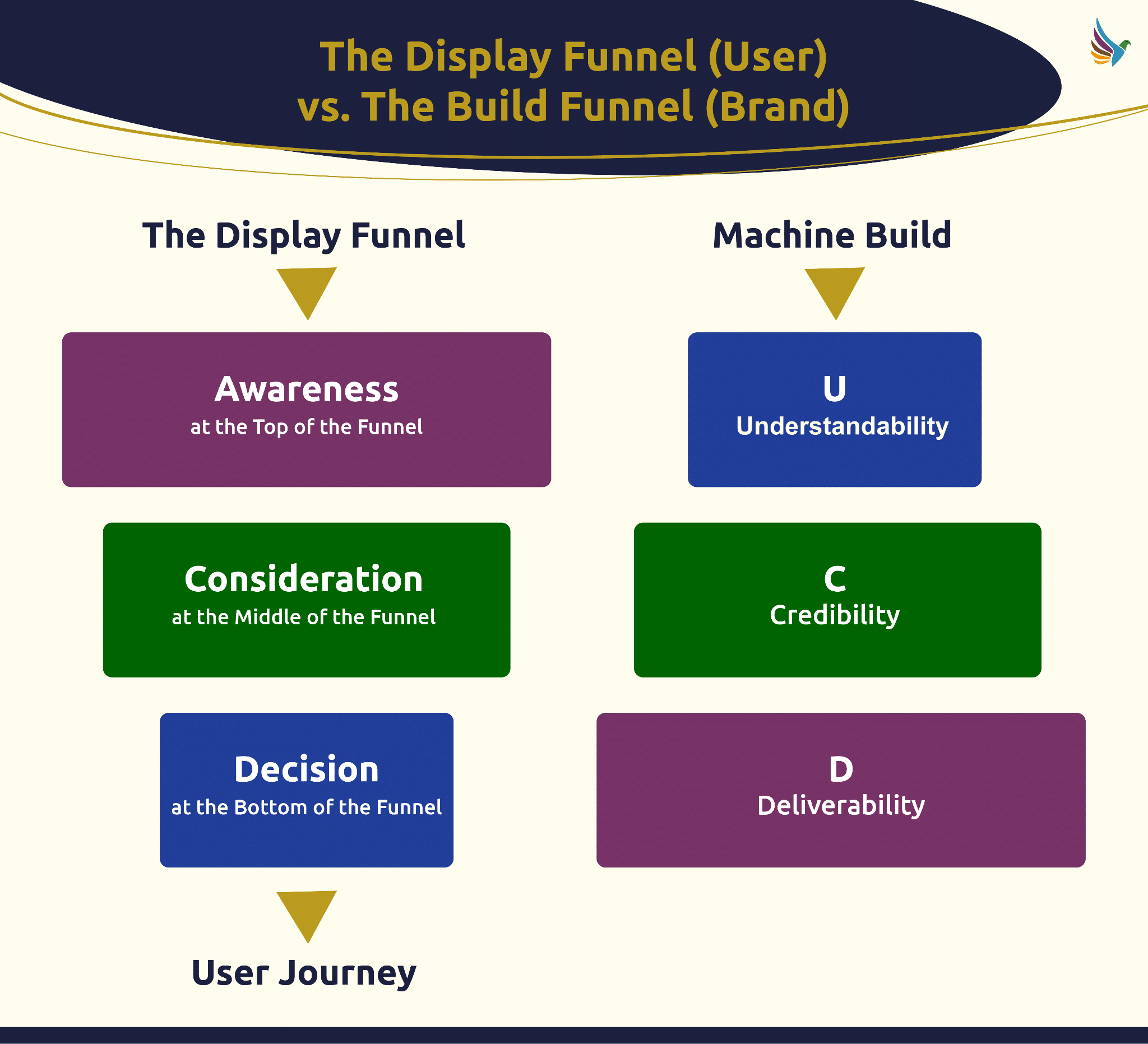
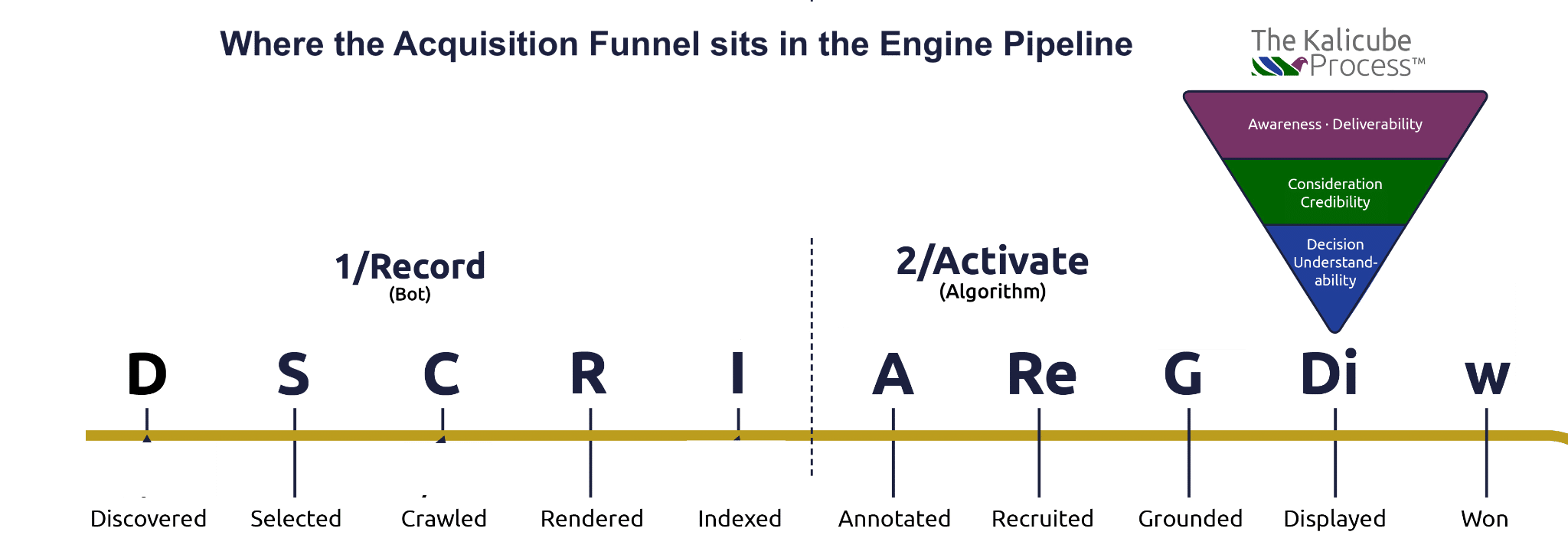
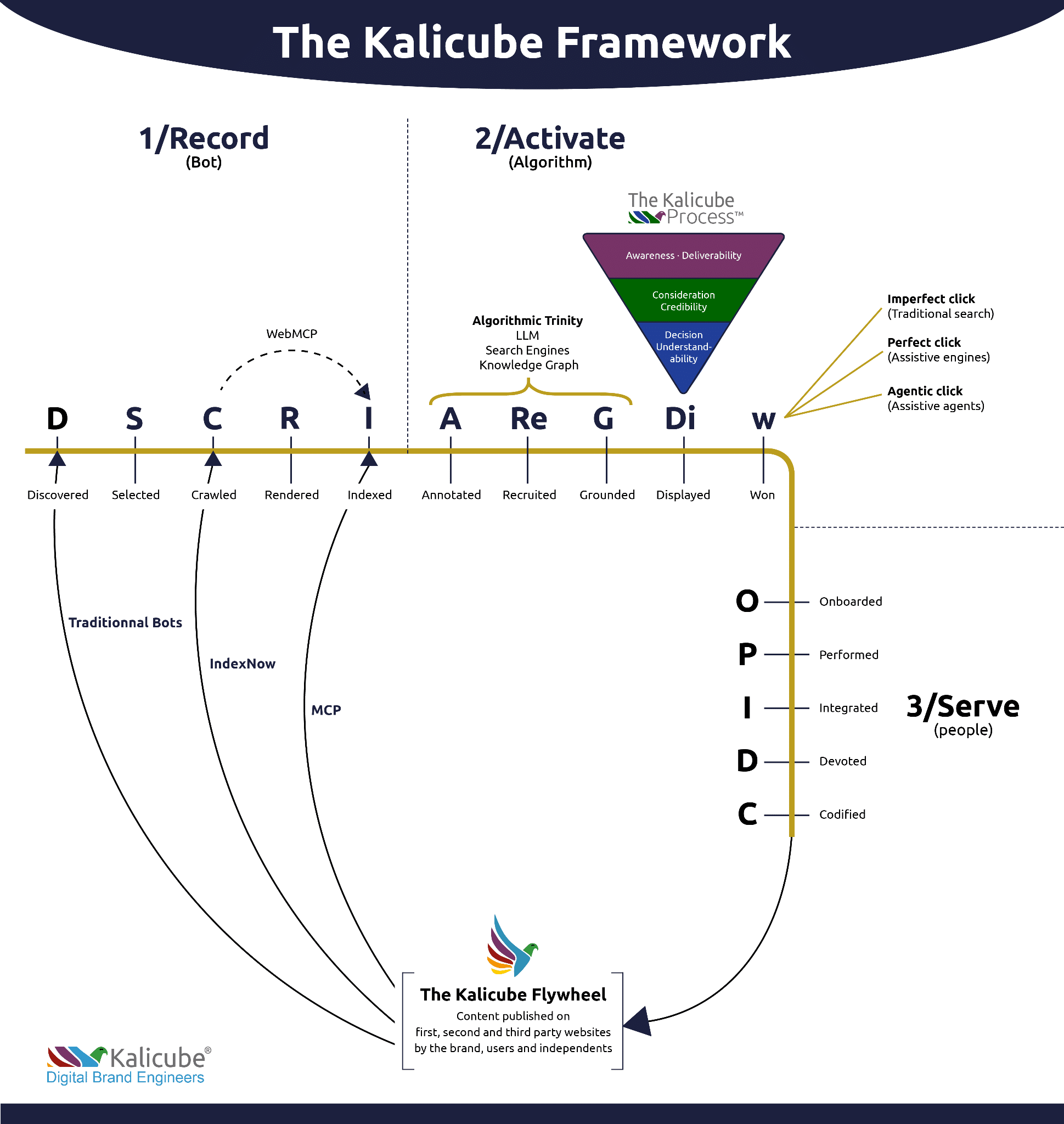
AI has reshaped how we think about acquisition strategy. It’s no longer about starting at the top of the funnel with broad awareness campaigns. Instead, we begin at the bottom, focusing on building understanding, credibility, and reach in the right sequence.
For the past 30 years, the industry followed a top-down model: raising awareness, gaining visibility, and then guiding potential customers through the purchase funnel. This approach made sense during the broadcast era and was somewhat effective in the search era, but today, in AI-driven environments, it’s outdated.
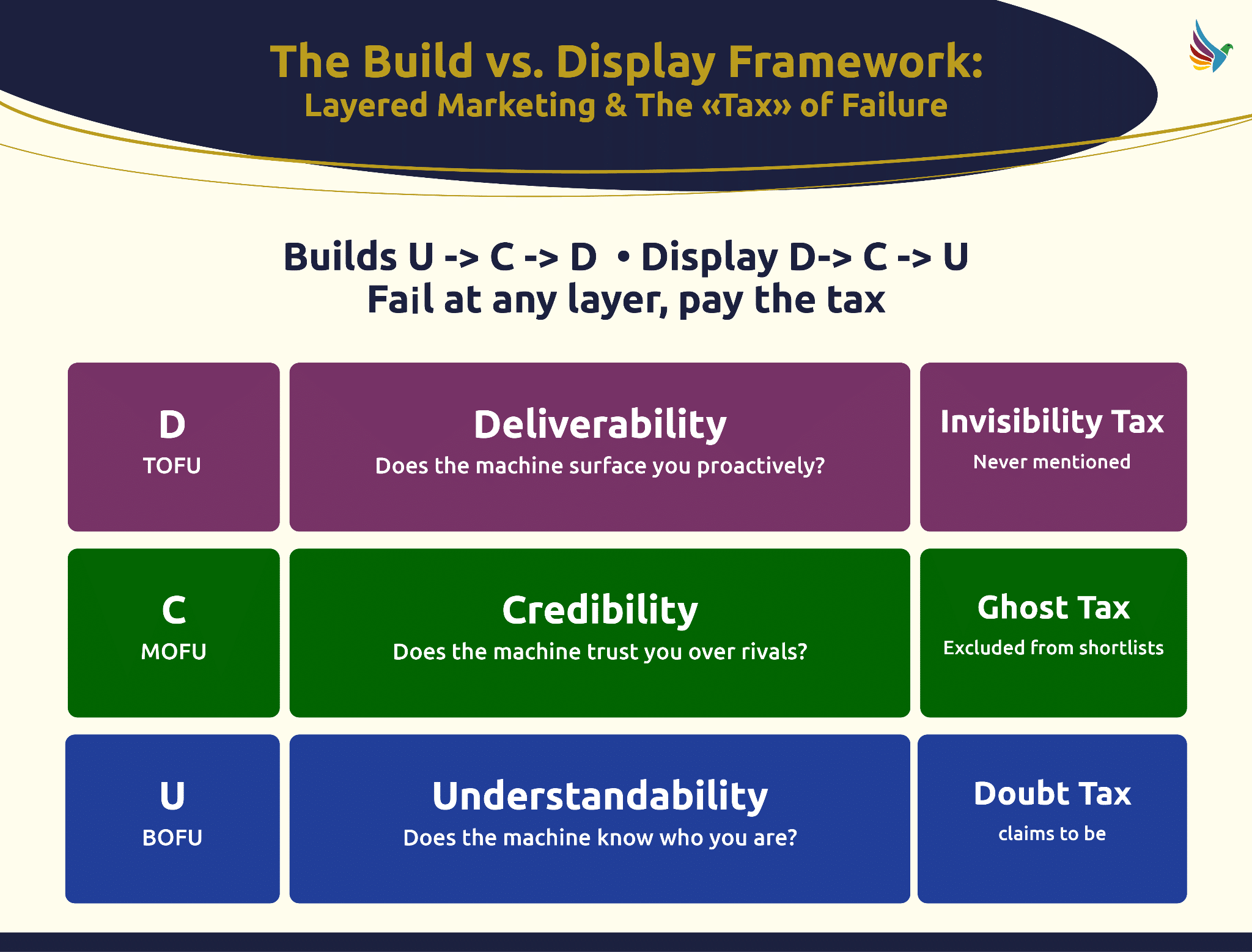
Today’s search engines and AI-powered assistants build brand recommendations from the ground up. They need to grasp who we are before they can evaluate our credibility. Only after establishing credibility can they recommend us. If we prioritize top-down strategies, we’re essentially wasting budget on awareness without a strong foundational understanding for AI to work with.
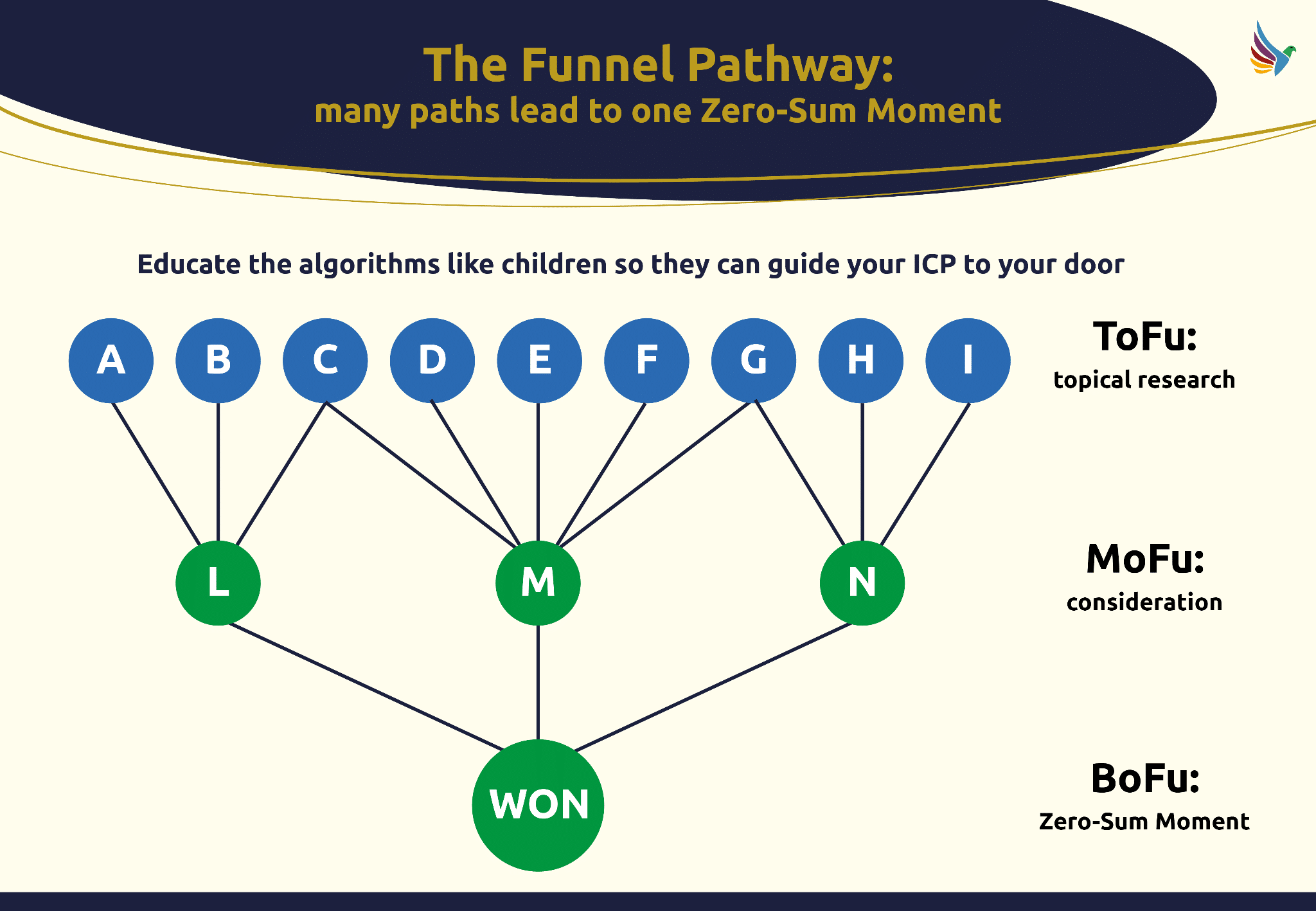
AI systems hold the key to successful brand recommendations — if they don’t understand our brand, or find us less credible compared to our competitors, they’ll likely recommend someone else. This AI-led shift is what I call the ultimate zero-sum game: the unseen recommendation to prospects we might not even know about.
The acquisition funnel hasn’t altered for users. They still journey from awareness to consideration to decision. Essentially, Elias St. Elmo Lewis’s model from 1898 still applies. All marketing models have been based on this, although channels have evolved. The mantra remains: reach first, relationship second, commitment third.
In my experience, the digital landscape changed with Google’s Knowledge Graph in 2012. It allowed machines to form independent opinions about brands, highlighting the need for brand understanding and reputation over mere awareness. Since then, my focus has centered on these aspects because AI-driven engines and agents rely on it to direct users towards credible destinations.
This marks a structural shift in marketing since 1898. While the user still travels from awareness to decision, in AI engines and agents, it’s our understanding and credibility that position us at the top of their funnel, achieved by training AI to guide users to us.
The coexistence of top-down and bottom-up strategies is real. We can still build awareness through controlled channels—paid media, broadcasts, and direct outreach. However, in the realm of organic engines, we must start from the bottom of the funnel, building a foundation for AI to guide users efficiently.
Every algorithm, AI engine, and agent operates based on entity and brand signals. Social media reach, too, hinges on brand recognition and engagement. Therefore, investing in a solid brand understanding orients us favorably within the AI framework, where roadmaps to our brand are increasingly machine-built.
This content reflects my approach to developing robust brand presences that resonate with both AI systems and human audiences.
I’ve recently discovered that Google has introduced some exciting AI safety features in their Ads Advisor, which could really transform how we manage campaigns. This update promises to automate policy fixes, enhance security, and expedite certifications, all to help us run our campaigns more efficiently.
As someone who spends a lot of time tackling policy issues and managing certifications, this news is music to my ears. With advertising campaigns becoming increasingly complex, having AI handle these time-consuming tasks could significantly boost our productivity and performance.
What’s New. The latest update brings proactive troubleshooting, continuous security monitoring, and immediate certifications. Thanks to AI and Google’s Gemini capabilities, these features promise to be a real game-changer.
Zoom In:
Ads Advisor can now automatically flag and resolve policy violations before they even catch our attention. This proactive approach ensures we stay ahead of potential issues.
The new security dashboard is always on the lookout for risks such as suspicious domains or dormant users. It’s like having an ever-vigilant guard protecting our accounts 24/7.
Imagine getting certifications that used to take weeks, approved instantly with just a click. This means we can focus on strategy rather than paperwork.
How It Works. Ads Advisor proactively scans accounts and sites, offering up fixes and confirming resolutions without the need for manual intervention. On the security front, it continuously checks account health and even supports passkey use, reducing our dependency on passwords.
Why We Care. These features save us hours that were once spent fixing issues, upping our security game, and dealing with certifications. This proactive system reduces delays and risks, ultimately enhancing campaign speed and efficiency.
What to Watch. Google plans to roll out these features for English-speaking accounts over the coming months, with additional languages to follow.
As I delve into the world of SEO reporting, I realize just how much we’ve outgrown platforms like Data Studio. Let me share what I’ve discovered and the exciting changes on the horizon that promise more efficient workflows powered by AI and APIs.
Imagine this scenario: Our team depends on Data Studio for delivering SEO reports. Just as we’re gearing up for a crucial meeting, Data Studio unexpectedly crashes, leaving us with nothing to showcase. It’s frustratingly common and incredibly embarrassing.
Just last year, I was praising Looker Studio (now Data Studio) for its advantages in SEO reporting. Fast forward, and it seems outdated compared to the dynamic coding tools I’m now utilizing. Here’s why rigid dashboards are holding us back and why transitioning to code-driven SEO reporting is essential.
Data Studio once reigned supreme for customizing SEO reports, but technology advanced, revealing its limitations. From dataset crashes to tedious manual interfaces, let me take you through some challenges I’ve faced with Data Studio.
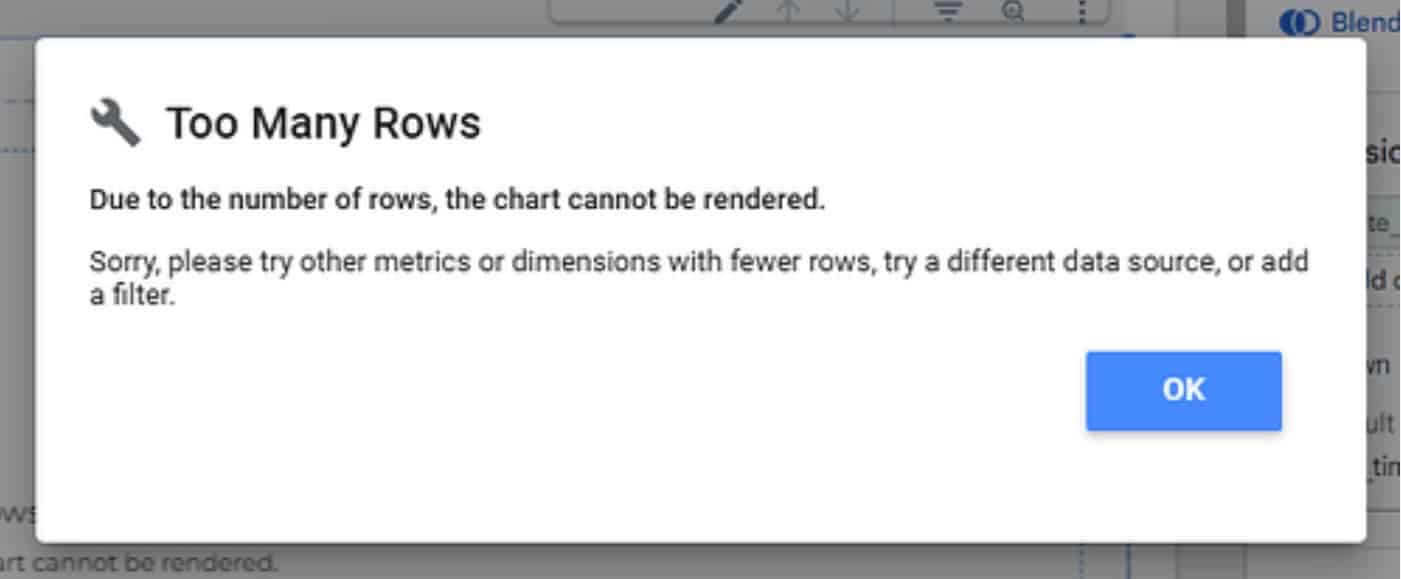
We’re all familiar with the struggle: vast datasets in Data Studio are prone to breaking, often due to the low limits on rows and fields. Hasn’t it been just one too many times when a minor data addition causes everything to crash?
Manual updates in a slow interface make any iteration seem endless. Even the introduction of AI features addresses only a fraction of report-building issues.
Debugging Data Studio reports feels like a never-ending click maze. Unlike code-based systems where agents breeze through files, I’m often left clicking mindlessly within the interface.
Data Studio’s weak API is another stumbling block. It’s representative of Google’s missed opportunities for API-centric platforms. This flaw severely limits external management capabilities.
Despite recent rebranding efforts, these platforms lag behind modern SEO reporting technologies. Let me show you how everything is shifting with AI, APIs, and coding.
The evolution we’re witnessing is astounding. AI-driven coding tools like Claude Code and OpenAI Codex have changed the game. I describe my SEO reporting needs, and these tools take over, executing multi-step workflows efficiently.
Without needing deep coding expertise, I’m able to set up programmatic report workflows from beginning to end. Tools generate code that directly connects to data sources, eliminating reliance on cumbersome dashboard connectors.
Within minutes, comprehensive reports appear as I get accustomed to these tools. Each offers unique advantages, from reasoning to integration speed, transforming manual, rigid processes into infinitely flexible options.
AI coding tools usher in new possibilities for SEO teams by removing barriers between data management and reporting.
Speed is an unmistakable upside. Coding assistants enable SEOs to achieve in hours what once took days, and what took hours, now takes minutes.
Interacting with data directly through coding instead of dashboard interfaces drastically cuts down wait times for refreshes and modifications.
I’m no longer bound by rigid templates. Alongside on-demand data plotting and diverse frameworks, I can tailor reports to perfectly match needs and provide insightful visualizations.
Setting up these tools requires some initial effort but soon transforms the team’s efficiency, offering clearer data constraints and enhanced process transparency.
I’ve discovered how agentic coding assistants can revolutionize real-world SEO applications, from pre-meeting reports to ad hoc stakeholder requests, reducing late-night work and ensuring quick, reliable data access.
AI is reshaping the landscape for all professionals, not just us in SEO. As we adopt this technology, especially in SEO reporting, studies from Stanford and MIT show increased productivity. The shift isn’t optional; it’s imperative.
Teams leveraging AI tools in SEO witness faster iterations and can tackle complex issues more robustly, transforming analysts into strategists with unprecedented capabilities.
Begin this transformation with a small, repeatable project, connect data sources, and slowly expand your use of code-driven reporting. Early adopters are set to lead in SEO efficiency and results.
Traditional SEO reporting tools no longer meet the fast-paced demands of today’s analytics and strategic needs. Through AI and coding, we can leap ahead in reporting accuracy and timeliness, securing a competitive edge.
I recently came across a fascinating discussion at the Adobe Summit, where Alexis Zamkow and Sandhya Ranganathan Iyer from IBM highlighted the urgent need for brands to modify their approach to SEO. As AI revolutionizes the way brands are discovered, IBM has developed a 12-part GEO playbook that every brand should consider to remain visible in AI-generated decisions.
The evolution of search is something I’m experiencing firsthand. AI tools now answer questions, compare products, and recommend brands without users even needing to visit a website. This means that if my brand isn’t included in this AI-generated narrative, I’m potentially out of the picture when decisions are made.
To stay relevant, merely updating tactics won’t suffice. A holistic system, namely a GEO (Generative Engine Optimization) playbook, is key. During their presentation, aptly named ‘Adapt or Disappear: How Brands Win with AI-Powered Search,’ Zamkow and Iyer emphasized this shift.
Embracing the AI Shift: Marketing to Machines
I’ve realized that AI agents now mediate the interaction between me and my customers. They simplify complex markets and often represent my brand to potential customers.
As Zamkow aptly put it, “These machines are disintermediating the brand experience.”
In this new landscape, consumers heavily rely on AI for research and decision-making, businesses are quick to adopt AI solutions, and many searches conclude without any clicks.
Zamkow estimates that in the next couple of years, AI agents could account for 75% of search visibility, highlighting the importance of being included in the AI-generated answers themselves.
The GEO Playbook: 12 Essential Components
To navigate this shift, the speakers unveiled a 12-part playbook focusing on content, technology, and operations. It starts with creating a strategic content foundation which ensures that my messaging is clear and consistent across all platforms, building trust for both users and machines.
Ensuring my content meets retrieval-grade passage standards is crucial. Since AI extracts answers rather than ranking webpages, content clarity is key. I need to present information in concise, easy-to-understand sections.
Technical foundations can’t be ignored. It’s essential that my content is machine-readable with clean HTML, structured data, and pages that load content directly to maximize AI extraction.
I started by optimizing my on-site search to align with GenAI, making sure it can easily find relevant answers — a foundation for external AI search visibility.
Equally important is the AI search citation qualification model. Not just being mentioned, but cited by AI, boosts trust and credibility through consistent messaging and recognized expertise.
Through extraction optimization, I ensure my content is structured and rich in context to be easily pulled by AI tools.
Understanding that 85% of mentions come from external domains, I focus on a third-party strategy involving content mentioned across platforms like Reddit and social media, recognizing that PR and social teams are critical for search success.
Tracking new KPIs, such as AI mention frequency and citation locations, becomes essential, shifting my focus from mere traffic to AI recommendations.
I implement SOPs to maintain consistency in how my content is written, structured, and published, preventing confusion for AI systems.
With searches becoming conversational, I adopt prompting best practices, crafting content that aligns with users describing their queries in a more natural way.
Managing change across the entire organization involves training, goal alignment, and breaking down silos, emphasizing that this evolution is more than a marketing update; it’s transformational.
Continuous governance and versioning are critical. AI and competitor content change rapidly, making it vital to monitor, update, and maintain ownership of content changes.
From SEO Tactics to Comprehensive GEO Systems
We’re moving beyond traditional SEO, transitioning from keywords to prompts, links to citations, and from traffic-based metrics to validating our presence in AI answers. Importantly, it’s about building a system to continuously supply AI with accurate information.
A Leadership Issue
This transformation is rapidly becoming a leadership concern. As shared by Zamkow, this is no longer solely a matter for the SEO team; it’s a priority for CEOs, who need to recognize the importance of brand visibility in AI-based recommendations.
Adapt or Disappear
The AI-driven world is reshaping brand discovery. It’s trusted by consumers, utilized by businesses, and expanding quickly. Brands prepared with a comprehensive GEO playbook are poised to maintain visibility, while others risk being invisible in the digital landscape.
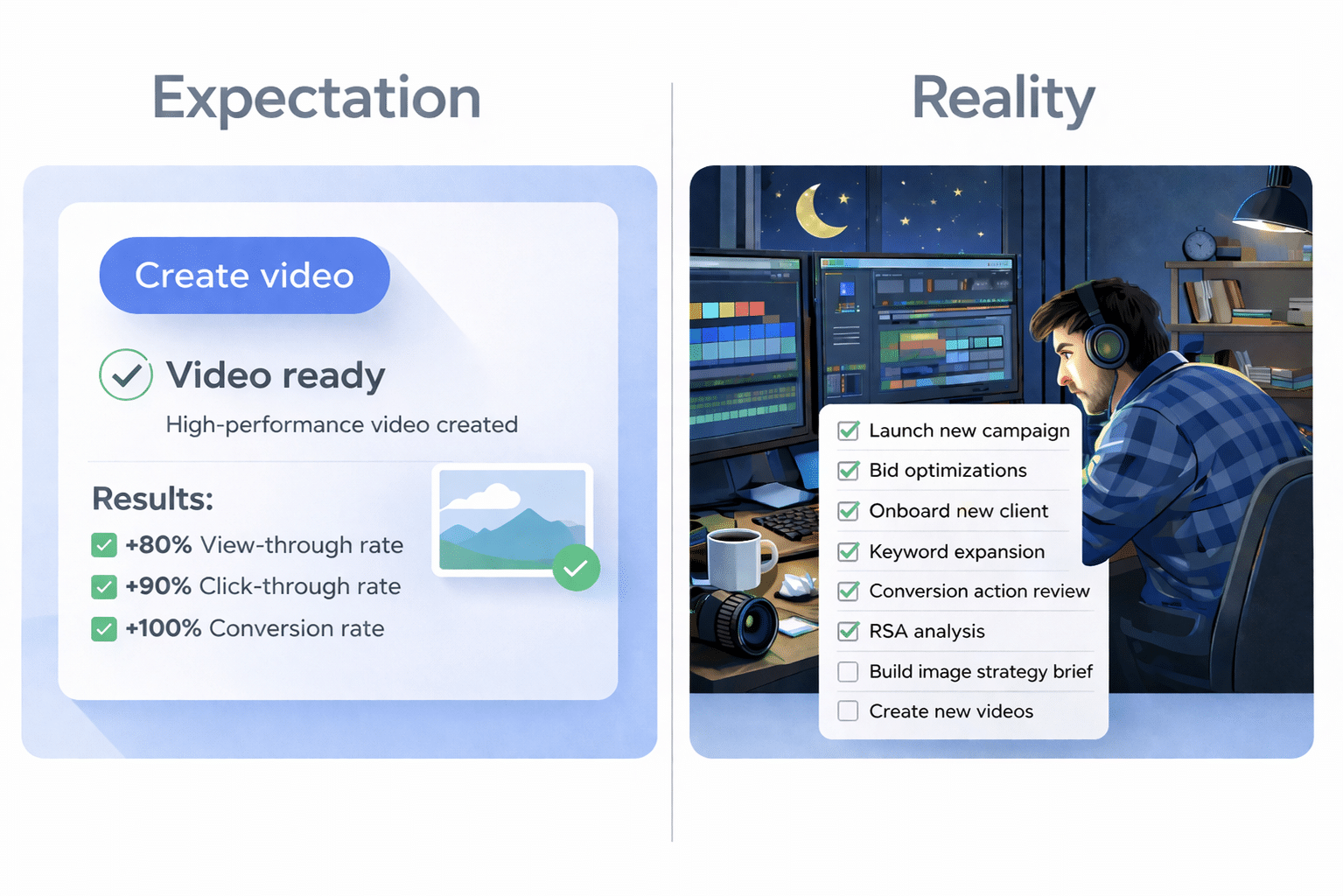
I recently dove into Google Ads Asset Studio to see what all the hype was about. I’ve heard declarations like, “Google just ended all excuses for not running video ads!” and “It’s a total game-changer; no production budget needed!”
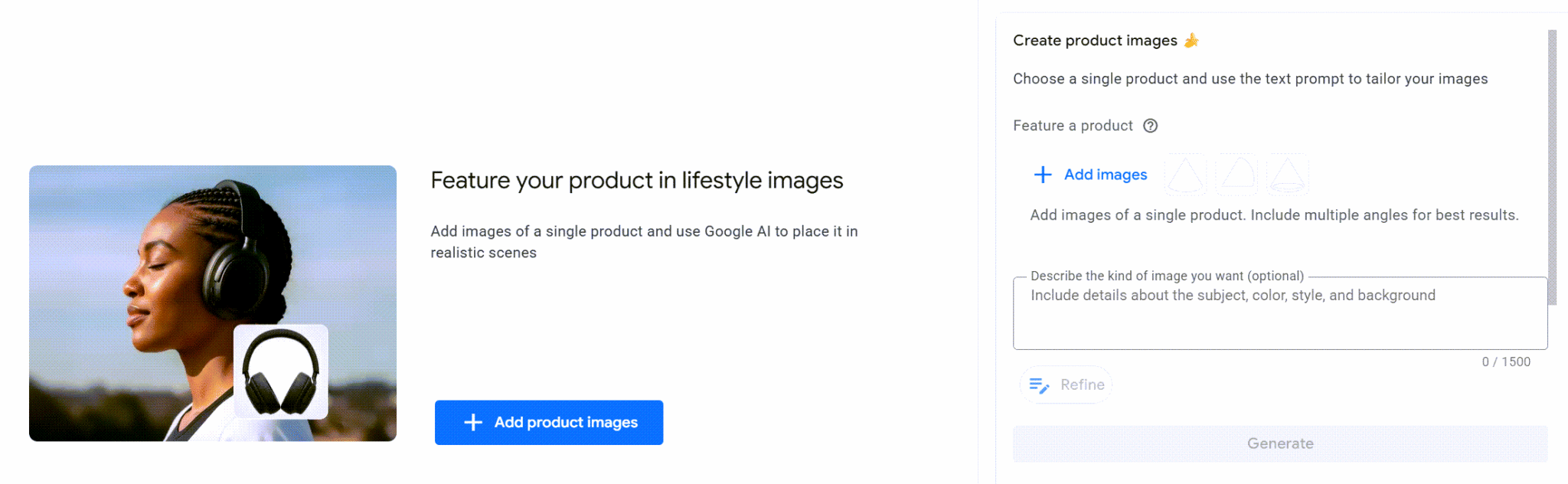
The process is supposed to be simple: upload some images and get campaign-ready videos in minutes. Using Google Ads > Tools > Asset Studio, I can manage and scale images and videos effortlessly across various ad formats.
Recent additions like Veo, Google’s AI video model, and Nano Banana Pro suggest we can transform a few product images into engaging video ads almost instantly.
But does it really change the advertising game? Let’s explore if it’s truly worth our time.
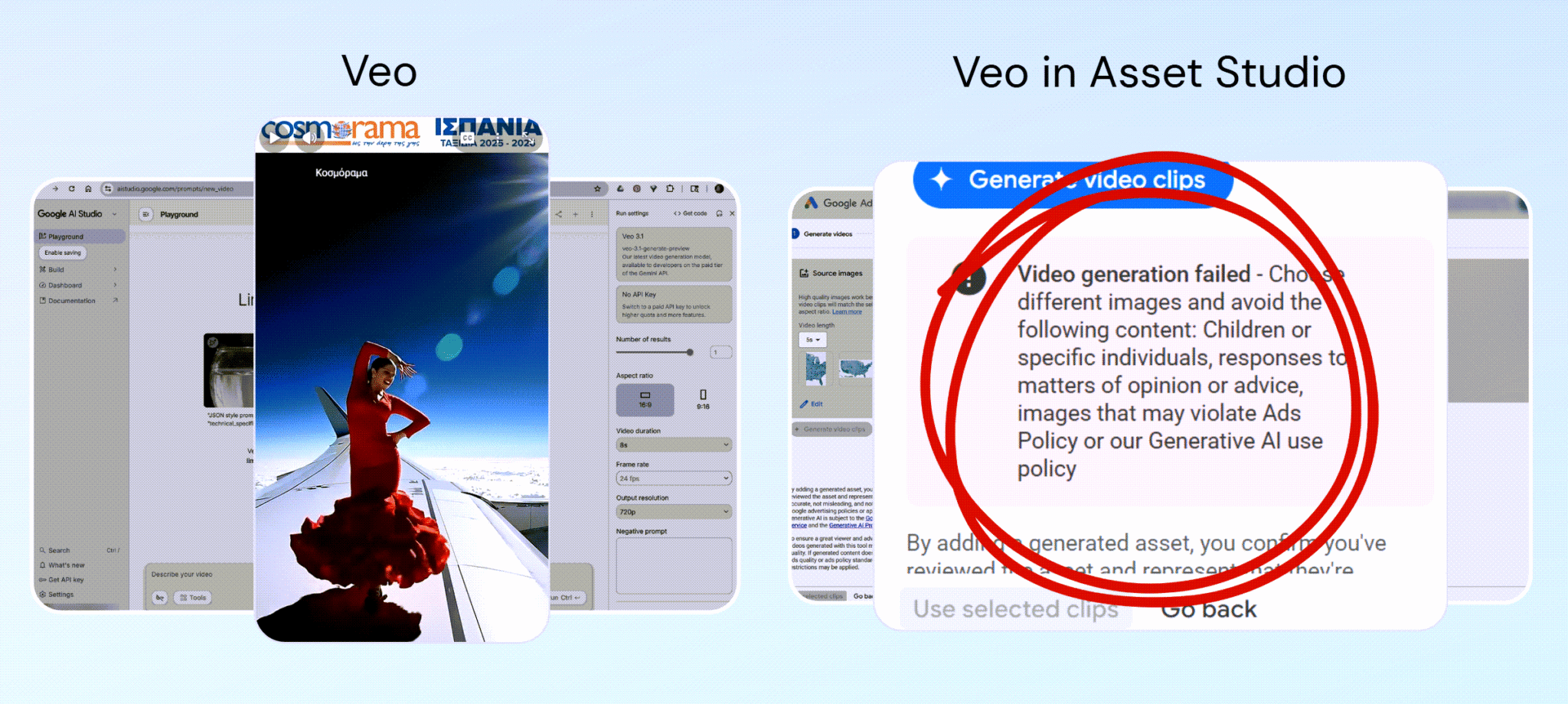
From the Think with Google article about AI-generated ads, such as those for Cosmorama, I tried to reverse-engineer their imaginative approach. Unfortunately, despite using Nano Banana and Veo, I encountered many limitations.
For instance, I found the lack of scene-level control problematic. No prompting for video scenes meant I couldn’t guide the animation’s motion or pacing.
When generating videos, anything that resembled a human face—AI-generated or not—caused errors. This restriction limited my asset options significantly.
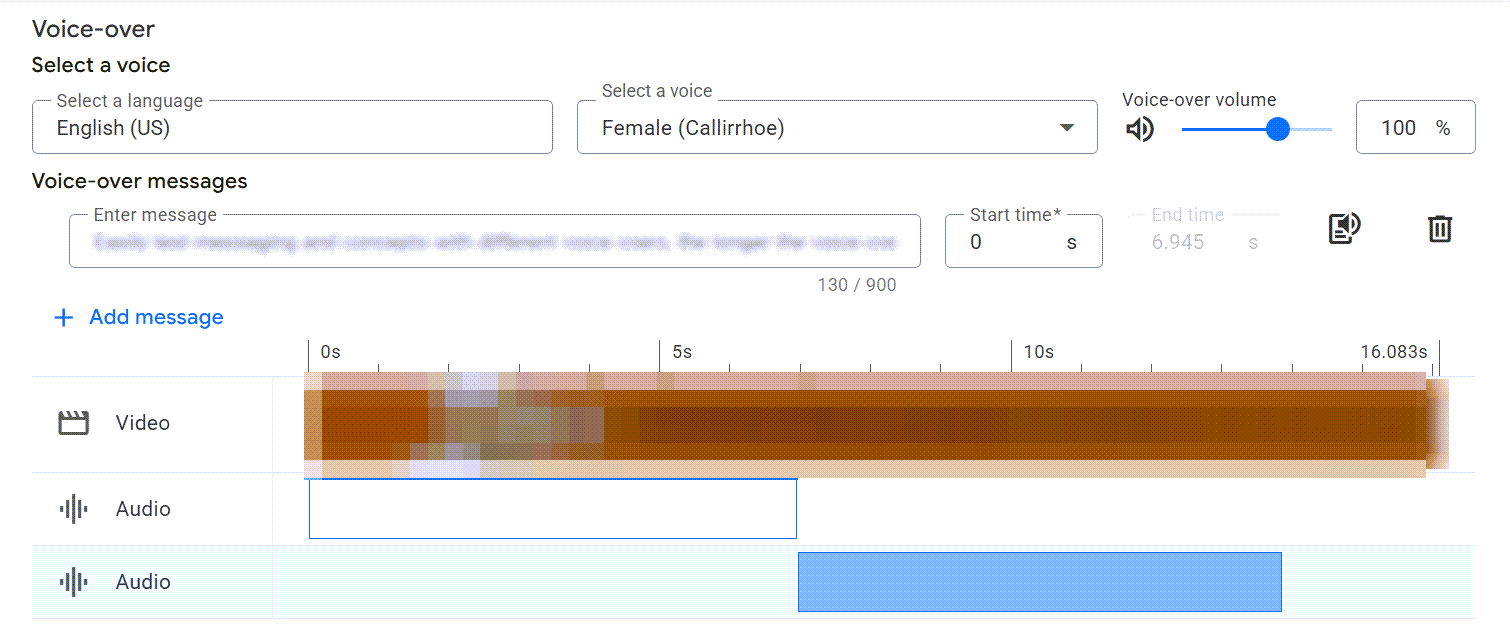
The audio options were also very limited. Unlike Cosmorama’s videos with cinematic scores, I was stuck with a small set of preloaded audio without the ability to upload custom tracks.
Overall, while Veo 3 introduced significant restrictions within Asset Studio, requiring a shift from expectations of advanced creative freedom.
While simplifying production could be beneficial, if you were expecting full creative control, you might be disappointed.
Thinking about whether Asset Studio truly saves time and effort, my experience suggests it’s a mixed bag. For brands previously in need of full production teams, Asset Studio might offer a faster and more cost-effective solution. However, for agencies or individuals incorporating this into existing workloads, it turns creative constraints into a newfound responsibility.
Regarding AI ad compliance, it’s worth noting there are no current U.S. federal laws against using AI in ads. However, places like New York are setting new precedents with upcoming laws requiring disclosure of AI use.
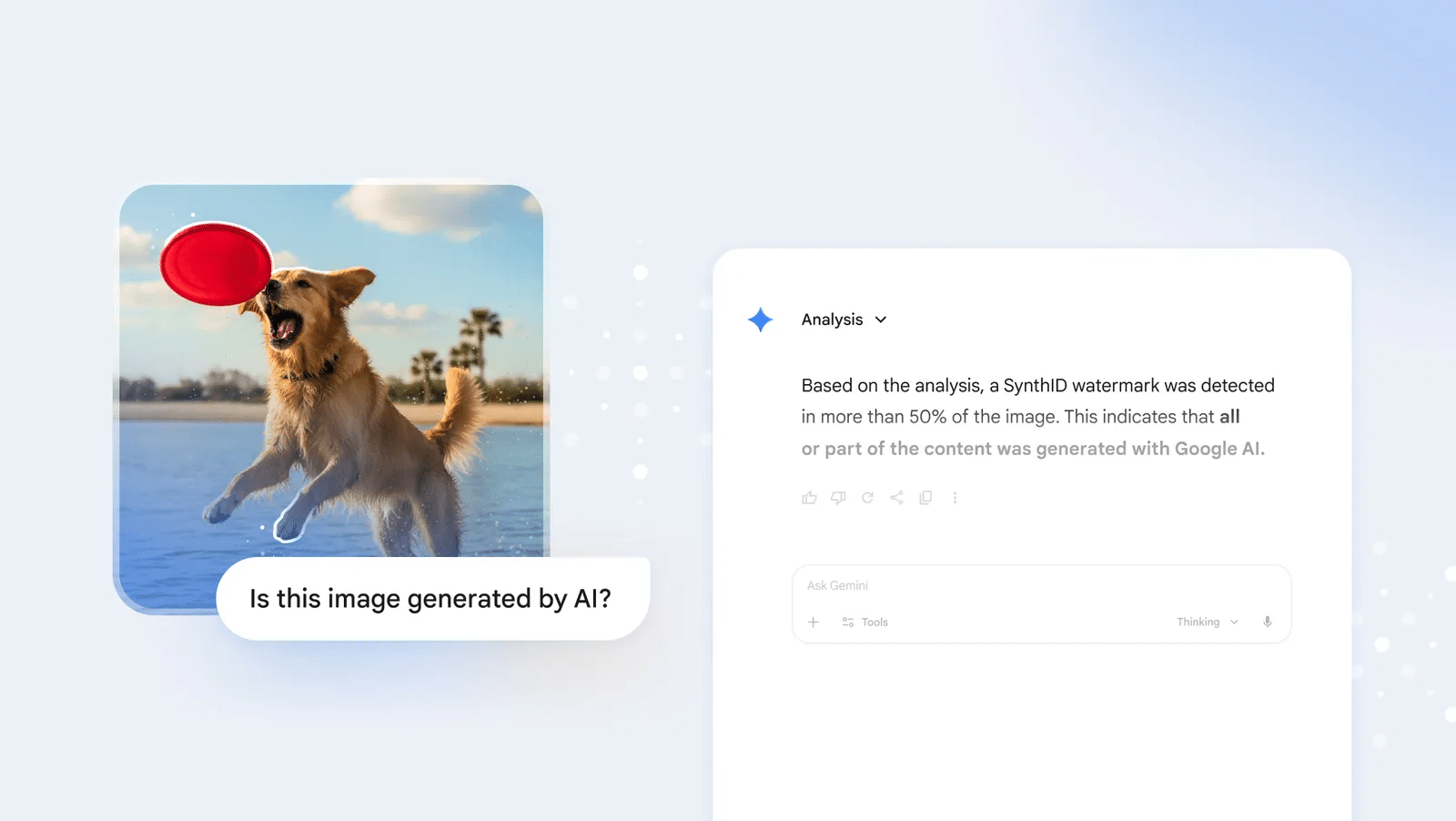
On the brighter side, if you use Asset Studio with ethical transparency in mind, although there’s no watermark or disclosure methods built-in, Google’s SynthID supports invisible AI tagging.
Could this tool live up to its potential without succumbing to ‘AI slop’? Josh Spanier from Google suggests not to worry, yet it’s essential to maintain control to avoid low-quality AI-generated ads from being published unwittingly.
Asset Studio indeed offers a streamlined way to bring product images to life, optimized for product integrity through tools like Nano Banana 2.
Features like quick trimming and leveraging simple templates show promise in turning around high-performing, concise ad creatives, even doubling CTR compared to previous client efforts.
In conclusion, while Asset Studio isn’t a complete game-changer, it provides tools that democratize creative access for those lacking a full production budget. However, it’s vital to measure the outcomes in terms of conversions and sales.
I’m running tests to see what truly holds up. Stay tuned.
I first got into SEO not because I had a crystal ball, but because I had no other choice. Back in the early 2000s, I was part of a small web business with my mom in Seattle. We once hired another company for SEO work, but when we couldn’t afford to continue, I found myself diving into search marketing.
Fast forward more than 20 years, and here I am, one of the loudest voices in SEO, and admittedly, one of Google’s fiercest critics. In a recent interview, I took a deep dive into how search has evolved, what’s gone astray, and what the future might hold.
Early SEO was a wild ride. The digital landscape today may seem convoluted, but nothing beats the chaos of the early days. It was a time ruled by forums like WebmasterWorld and Search Engine Watch, where people shared tactics rather openly. Risky as it was, buying links was common and effective—myself included. However, a public reprimand from Google’s Matt Cutts was a turning point for me, steering my focus towards ‘white hat’ practices aligned with Google’s guidelines.
Over time, I’ve begun to question if following those guidelines perhaps went too far, given Google’s own evolving practices. Yet, what continues to stand out from the early industry days are not just the tactics but the relationships I’ve built.
Many attribute AI as the seismic shift in search, but I beg to differ. It all started around 2011 when ‘zero-click search’ emerged—Google began answering queries directly on the results page. Initial features were simple, like weather boxes, but the concept expanded significantly with time.
Indeed, by around 2016–2017, nearly half of all searches ended without a click, growing to more than two-thirds today. This trend didn’t just appear out of nowhere with AI; it’s been brewing for over a decade.
I reckon publishers had a missed chance to take action long ago. At that time, media conglomerates could have united to challenge Google’s growing dominance, perhaps by demanding compensation or limiting usage of their content. Instead, they let Google expand its reach unhindered.
The publishing industry missed a window, but adaptation is key now. It’s time to pivot towards creating subscription businesses and monetizing attention rather than just traffic, as demonstrated by companies like The New York Times.
As for Google, I don’t believe its search services have worsened for users, though it’s become increasingly tough for publishers and creators. As Google grew and went public, priorities shifted, succumbing to growth and revenue pressures, thus becoming aligned with investor expectations.
When it comes to AI, I see a common misconception. People often mistake AI’s outputs as solid and consistent, akin to search results, but that’s rarely the case. Answers can vary widely. I recommend not relying on a single response; instead, ask multiple times and look for consistencies.
Reflecting on the early days of SEO, I don’t yearn for any specific tactic, but I do miss the opportunities for smaller creators and independent sites. Back then, traffic wasn’t just for the giants—it was more democratically distributed.
As I look forward, I imagine the media and search landscape might mirror the past: A few powerful platforms dictating the flow of information while individuals continue to create content within their domains. And yet, I’m hopeful the web will continue to evolve.