Hey there! I’ve been diving into ways to develop an effective AI-ready content strategy that’s perfect for large language models (LLMs) to parse, trust, and cite. It’s fascinating how the focus has shifted from just getting clicks to ensuring understanding through visibility. Let me walk you through my journey of crafting this strategy.
Imagine building a content framework where AI tools not only recognize but also rely on the information you provide. This is where content tailored for LLMs comes into play. It’s all about providing data that these models find credible and resourceful. Essentially, visibility is now measured by how well the content communicates rather than just its ability to attract clicks.
As I started building my strategy, I focused on ensuring that the content is structured and detailed enough for LLMs to easily process and extract valuable insights. This involves more than just surface-level content optimization but delves into creating comprehensive narratives that AI can effectively utilize.
Have you ever considered how duplicate content might be impacting your visibility in AI search results? Fabrice Canel and Krishna Madhavan from Microsoft recently discussed how duplicate content complicates AI search systems, reducing the chances of selecting the correct version for summarization.
Much like traditional search engines, AI search platforms such as Bing and Google rely on consistent intent signals. When your content appears in duplicate forms, it can confuse these systems, making it difficult for them to interpret signals accurately.
The Impact of Duplicate Content on AI Search. Here are key takeaways from the Bing blog about the impact of duplicate content:
AI search utilizes traditional SEO signals while also adding layers to understand user intent.
Repeated content across multiple pages weakens intent signals, complicating AI interpretation, and selection.
If several pages contain similar content, AI cannot easily identify which aligns with user intent, reducing preferred page selection chances.
Large Language Models (LLMs) cluster near-duplicate URLs, often selecting outdated versions if variations are minimal.
Campaign pages and localized versions must differ meaningfully; identical content provides less matching signal.
AI favors updates, but duplicates can slow the process of updating system information.
The Challenge of Syndicated Content. Many might not realize syndicated content—articles republished on various sites—can also be problematic. Microsoft considers this duplicate content because identical articles across domains make it difficult for search engines and AI to identify the original source.
Strategies to Minimize Duplicate Content. If you deal with syndicated content, ask partners to:
Use canonical tags directing to the original version on your site.
Rework content for uniqueness.
Noindex republished articles to prevent search engine indexing.
Organizing Campaign Pages for Clarity. Microsoft warns that campaign pages with only minor changes can still be considered duplicates. To manage this:
Designate a primary campaign page for interaction.
Apply canonical tags to variations without unique intent.
Maintain separate pages for distinct intents like seasonal offers or local pricing.
Redirect outdated or redundant pages to consolidate content.
Handling Localization Pages. Localization can also produce duplicate content if differences are minimal. Microsoft suggests:
Introduce meaningful local variations with examples, terminology, or regulations.
Avoid multiple same-language pages for identical purposes.
Use hreflang to define language and regional targeting accurately.
Addressing Technical SEO Concerns. Technical issues can lead to URL duplication, often managed automatically by search engines. However, it’s best to prevent this by maintaining a single URL per content piece. Common problems include:
Utilize 301 redirects for URL consolidation.
Apply canonical tags when accessible versions are necessary.
Ensure consistent URL structures site-wide.
Restrict crawler access to staging or archived URLs.
Why This Matters. While duplicate content is not a new issue in SEO, its importance extends into AI search. Familiarity with its impact on indexing and ranking can guide strategies for improved visibility.
Upon evaluating a whopping 10,000 keywords, I’ve discovered an intriguing insight: pages that successfully rank for Google AI Overview ‘fan-out’ queries are significantly more likely to be cited. In fact, they account for more than half of all citations on these platforms.
From my analysis, it’s clear that pages leveraging these queries dramatically increase their chances of being referenced. As data from Surfer SEO suggests, these pages offer more citation opportunities compared to those focusing solely on the main search query.
An analysis of these 10,000 keywords revealed a strong correlation—precisely, a Spearman of 0.77—between the volume of fan-out queries a page ranks for and its likelihood of citation in Google’s AI Overviews.
Diving into the numbers. I found that pages ranking for fan-out queries are 161% more likely to be cited than those ranking exclusively for the main query. Consider this:
76% of the keywords evaluated triggered AI Overviews.
Through Gemini, I extracted 33,000 fan-out queries.
Pages ranking for both the main query and at least one fan-out constituted 51% of AI Overview citations.
In contrast, pages ranking solely for the main query accounted for just under 20%.
Fan-outs outshine the main query. Recognizing the power of ranking for fan-out queries, I noticed such rankings were 49% more likely to earn citations than merely ranking for the main term. When the AI Overviews chose to reference organic results, here’s what stood out:
Approximately 20% of cited pages ranked only for the main query.
Conversely, around 30% ranked exclusively for fan-out queries.
Most AI citations skip top ranks. Fascinatingly, about 68% of cited pages didn’t appear among Google’s top 10 results for either their main or fan-out queries. However, for the top three most prominent citations, this figure dropped to roughly 46%.
But there’s more. It’s crucial to understand that correlation doesn’t equate to causation. Additionally:
Achieving a ranking for fan-out queries alone won’t guarantee an AI Overview citation.
User context and personalization affect fan-outs, with only about 27% remaining constant across test runs.
Normal SEO practices don’t fully determine citation selection.
Why this matters to us. If your goal is to be cited in AI Overviews, striving for broader topic authority might be the answer. Surfer SEO advises crafting extensive topical content around core subjects, creating content that naturally responds to a variety of related questions, and allowing AI Overviews to recognize your pertinence across different fan-outs.
As I dive into optimizing content for Meta AI, it’s crucial to enhance brand visibility across its various platforms, including Instagram, Facebook, and the Meta AI chatbot.
Understanding the unique dynamics of each platform helps me tailor my content strategy effectively. Meta AI offers a vast ecosystem, and by leveraging its tools, I can easily increase my brand’s reach and engagement.
From structuring content to optimizing performance, I am committed to exploring the best practices that ensure my brand shines within this innovative environment. Join me as I uncover the secrets to mastering content optimization for Meta AI.
As I dive into the evolving landscape of search, I’ve noticed a shift from traditional keywords to more conversational prompts. In today’s digital world, searchers are replacing shorter queries with detailed prompts, seeking comprehensive answers rather than a mere list of links.
Until we’re equipped with an AI-specific Google Search Console or Bing Webmaster Tools, understanding our audience’s behavior on AI platforms feels like a guessing game. But fear not, as we can still trace their journey using data proxies. By leveraging these proxies, I can uncover how my audience might be searching and track those prompts with my preferred AI Tracking Tool.
One invaluable tool is the ‘People Also Ask’ feature on search engines. This well-known SERP component can help transition from keywords to questions. Introduced in 2014, it suggests related questions, allowing me to explore queries that echo conversational prompts.
Using platforms like AlsoAsked, I can extract these questions at scale, finding long conversational queries that closely resemble AI prompts.
Another avenue I explore is through Userbots such as ChatGPT-User and Perplexity-User. These bots offer insights into how my content is utilized in AI search, highlighting pages that are frequently cited without needing to guess the relevance of prompts.
The process, called RAG (Retrieval-Augmented Generation), effectively grounds language models in factual data. It’s fascinating to consider how my content can play a role in shaping user responses, even if it doesn’t result in a direct click.
Gaining insights from long queries through tools like Google Search Console is another method I employ. By utilizing innovative techniques like Ziggy Shtrosberg’s complex regex filters, I can unearth queries that simulate AI search behavior.
It’s essential to approach this data cautiously, as some patterns might stem from automated trackers rather than genuine human interaction. For instance, high-appearance queries with zero clicks could indicate non-human usage.
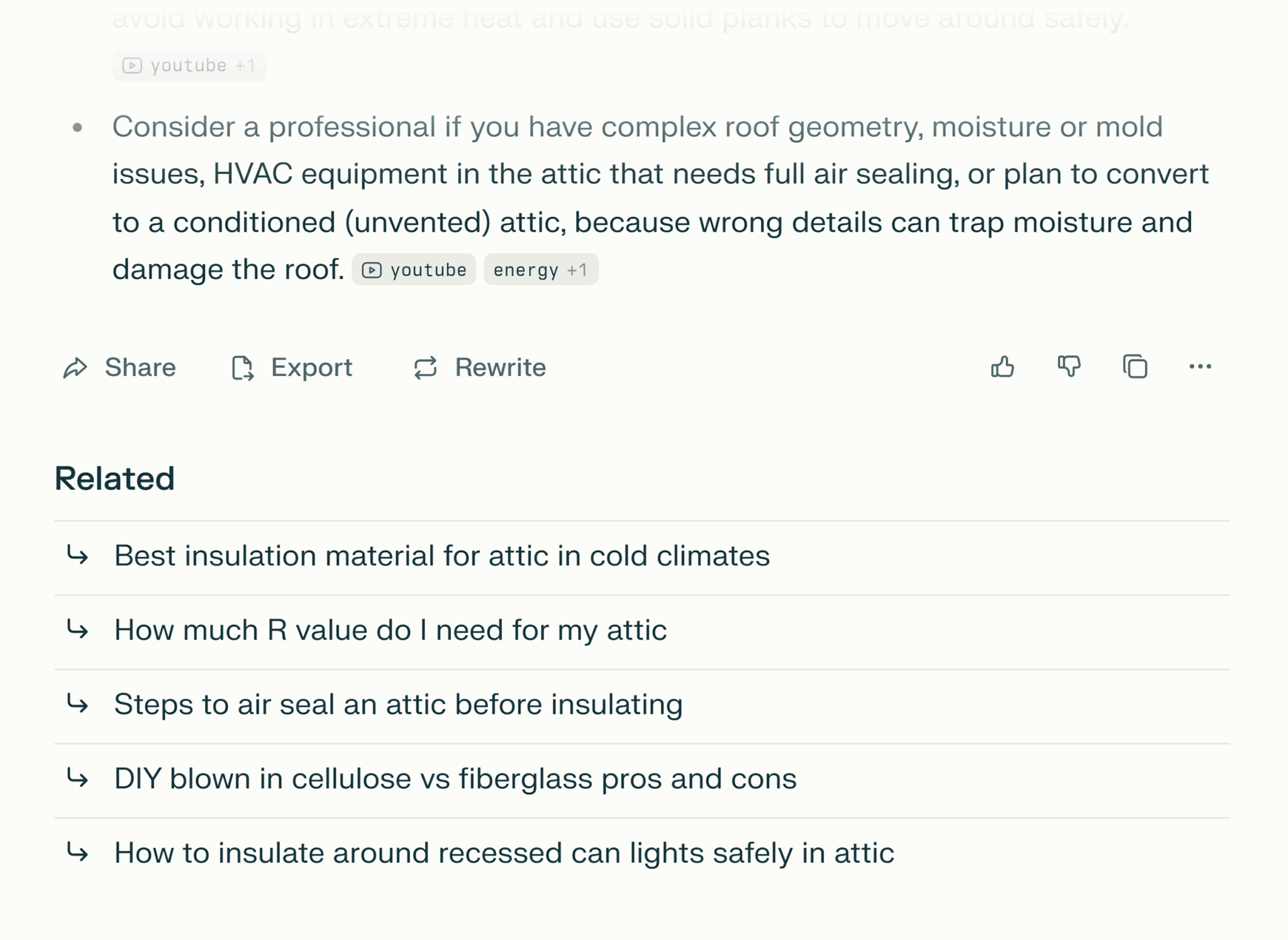
Engaging with Perplexity AI’s follow-up feature is also enlightening. This feature can hint at how users might prompt AI systems, aiding my understanding of expected human interaction.
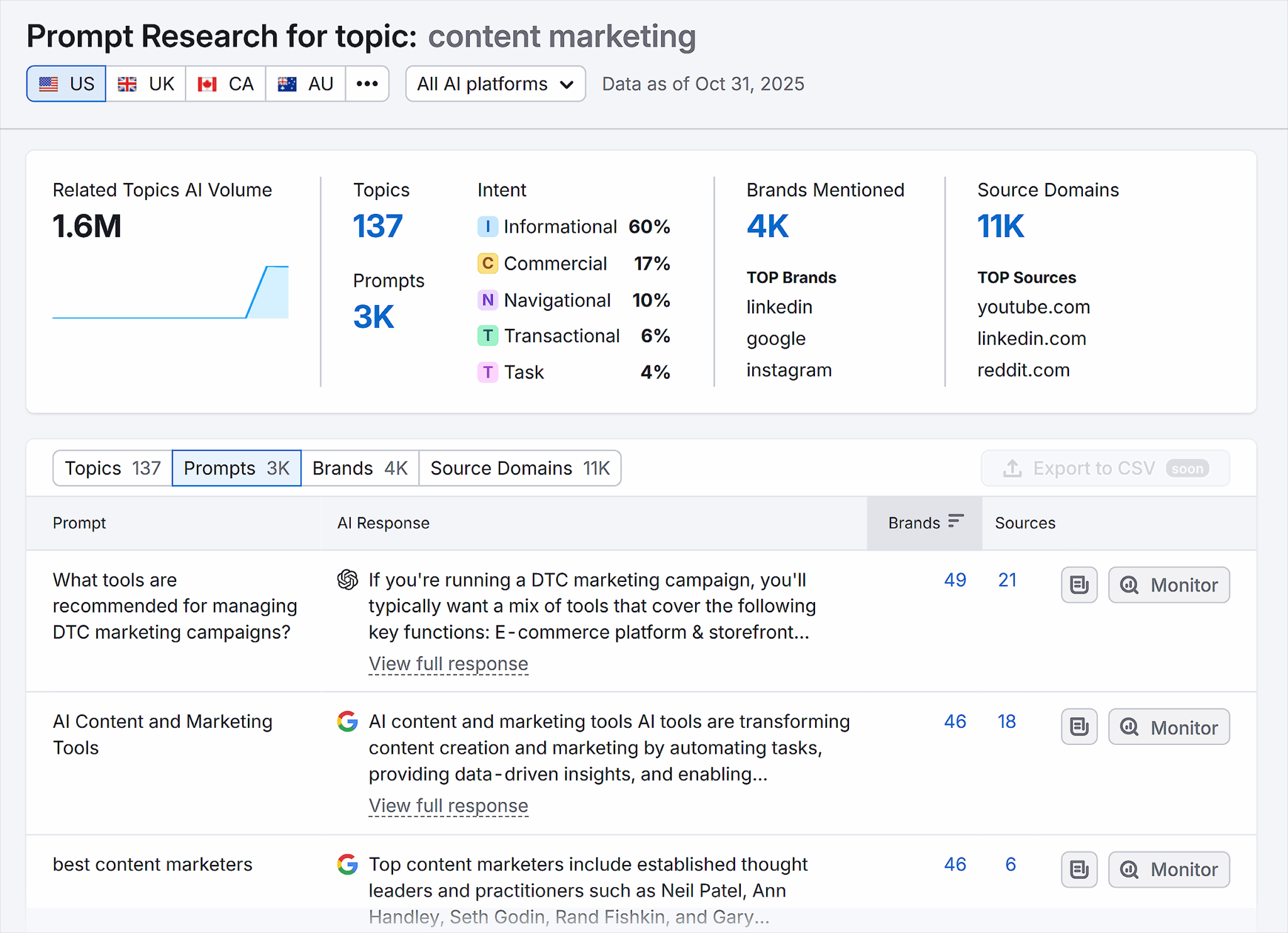
Finally, the Semrush AI Visibility Tool provides an ingenious way to manage the scaling challenge of unique prompts. By merging prompts into broader topics and using AI to distill their meanings, I gain valuable insights into intent and brand mentions across different regions.
In a rapidly changing tech environment, staying grounded in data is vital. Not all prompts engage Retrieval-Augmented Generation (RAG), which means those needing answers already in training data may bypass linking to new page sources.
However, when users seek recommendations (for example, dining options or attractions), page visibility within AI-generated answers can still convert offline interactions, benefiting brand exposure.
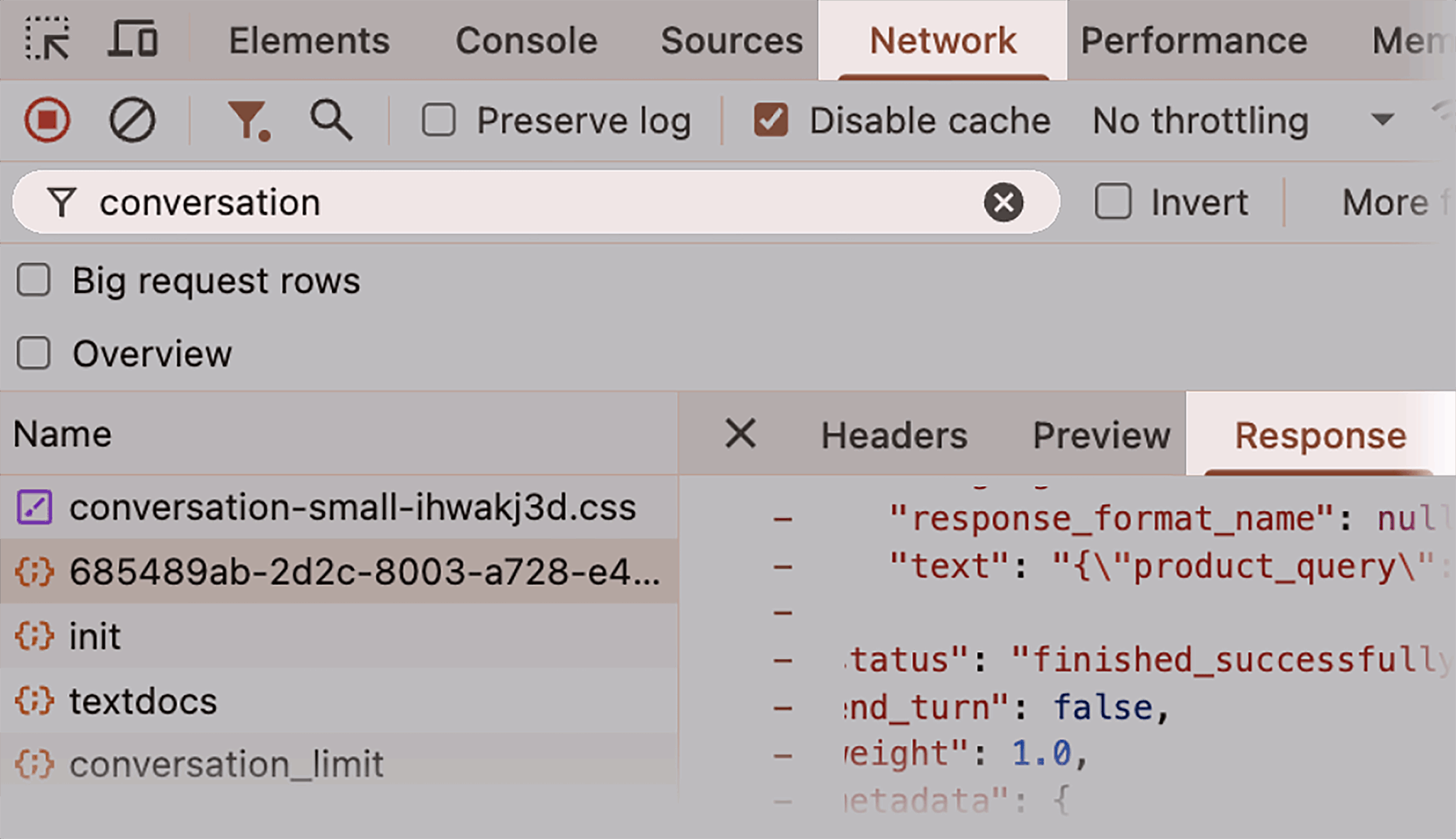
Checking the background operations of ChatGPT reveals search prompts within Chrome Dev Tools. By identifying searches and their relevancy to RAG, I can strategize to optimize this invisible layer of search behavior.
The quest to master AI search dynamics is ongoing. New AI models and evolving user behaviors necessitate continuous adaptation to comprehend and leverage audience interactions effectively.
I’ve been captivated by how Google AI Overviews shifted the search landscape in 2025. Since then, I’ve delved into a detailed analysis by Semrush, which evaluated over 10 million keywords, revealing significant volatility, an increase in ads, stronger click-through rates (CTRs), and AI Overviews venturing beyond purely informational searches.
The year witnessed a rapid expansion of AI Overviews in Google’s search functions, which eventually tapered off as they began appearing in commercial and navigational inquiries. Between January and November, Semrush’s analysis identified these dynamic changes.
AI Overviews surged, then retreated. The deployment of AI Overviews was far from linear. Google introduced them at a rapid pace, peaking mid-year, then scaled back based on user data and feedback:
January: AI Overviews appeared in 6.5% of all queries.
July: Their presence peaked, appearing in nearly 25% of searches.
November: By this time, their appearance was retracted to less than 16%.
Zero-click behavior defied expectations. Contrary to initial beliefs, I noticed that click-through rates for searches with AI Overviews have increased steadily. It seems that rather than reducing clicks, AI Overviews may actually encourage them.
AI Overviews are more common on searches that generally lead to no clicks.
But when examining the same keywords pre and post-introduction of an AI Overview, the zero-click rates decreased from 33.75% to 31.53%.
Informational queries no longer dominate. At the start of 2025, AI Overviews predominantly served informational purposes:
January: 91% informational
October: 57% informational
Eventually, I observed AI Overviews appearing in commercial and transactional searches:
Commercial queries: Jumped from 8% to 18%
Transactional queries: Increased from 2% to 14%
Navigational queries are rising fast. Interestingly, there’s a noticeable increase in AI Overviews intercepting brand and destination searches:
Navigational AI Overviews rose from under 1% in January to over 10% by November.
Google Ads + AI Overviews. Earlier this year, ads rarely appeared next to AI Overviews. Now, their presence is much more common:
Ads alongside AI Overviews grew from about 3% in January to around 40% by November.
Roughly 25% of AI Overview SERPs now show ads at the bottom.
Science is the most impacted industry. In terms of keyword saturation, Science tops the list with AI Overviews appearing in 25.96% of searches. This is followed by Computers & Electronics at 17.92%, and People & Society at 17.29%.
Since March, Food & Drink has experienced the fastest growth among all categories in AI Overview usage.
In contrast, sectors like Real Estate, Shopping, and Arts & Entertainment see AI Overviews in less than 3% of queries.
Why we care. With AI Overviews persistently reshaping click behaviors, commercial visibility, and ad placements, I believe it’s important to keep a close eye on these shifts and adapt accordingly.
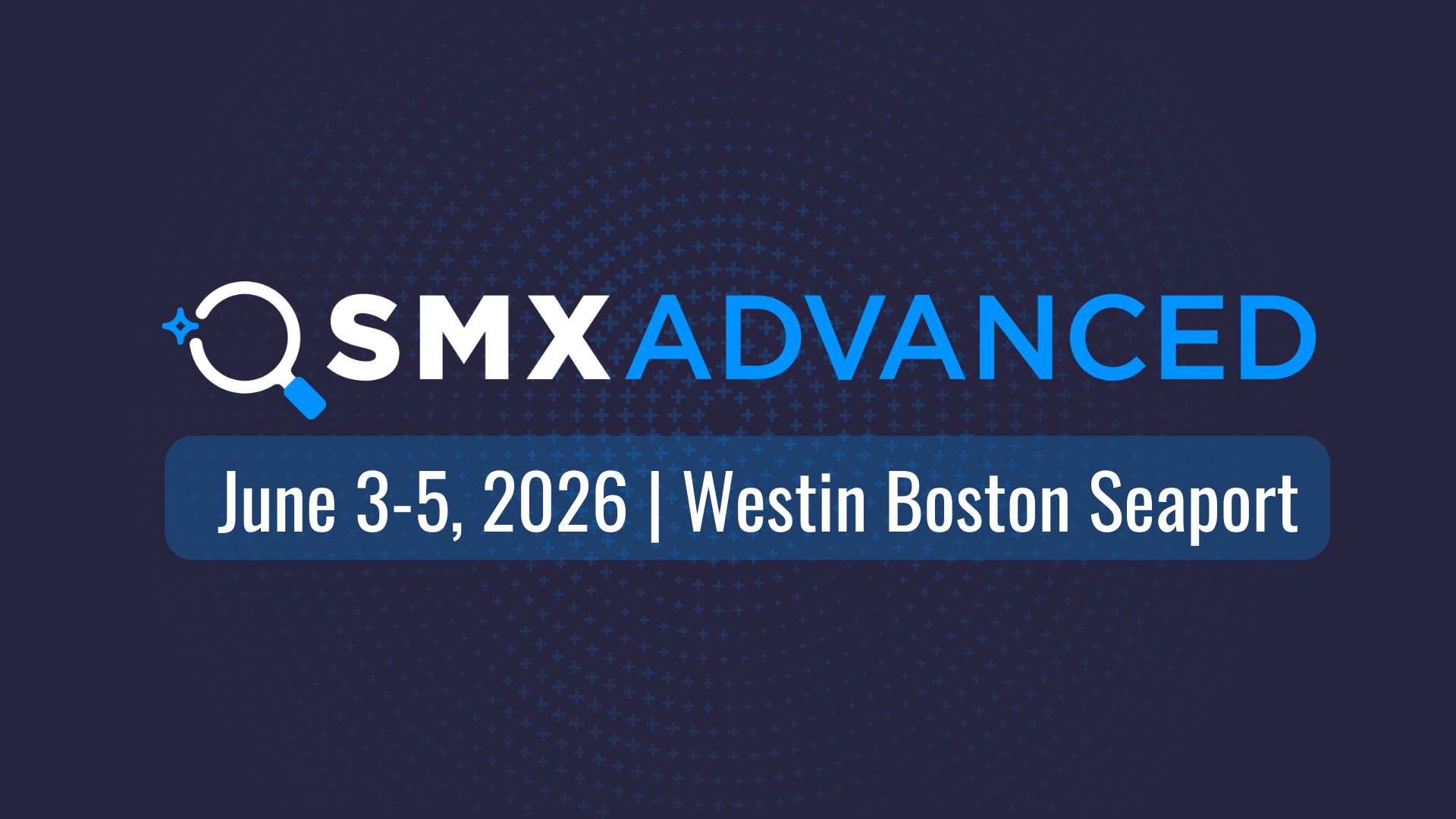
I’m excited about the opportunity to influence the future of search marketing events. You can help shape SMX Advanced 2026 by sharing your insights and preferences. The event is happening from June 3-5 at the Westin Boston Seaport, and we want to know what you’re eager to learn and who you’re interested to hear from.
Reflecting on June’s event, it was thrilling to reunite in person for the first time since 2019 at SMX Advanced. It was more than just a conference; it felt like a global reunion for search marketers to connect, share ideas, and dive into cutting-edge insights.
The world of search is ever-evolving, with swift changes in AI SEO, algorithm updates, and the delicate balance of AI with a human touch. Advanced, actionable education is more crucial than ever, and that’s where you come in.
Help Shape SMX Advanced 2026
Our aim for SMX Advanced 2026 is to make it the most relevant and exciting yet, but we need your expertise to get there. Your input is invaluable, and we’re inviting you to directly influence the 2026 curriculum.
Completing our brief survey lets you help build a program that addresses the critical challenges and opportunities you’re facing. Share with us:
Which advanced topics will boost your professional growth.
The search changes and complexities that concern you the most.
Experts and innovators you’re excited to hear from.
As a token of our appreciation, everyone completing the survey gets a chance to enter an exclusive drawing.
One lucky winner will receive an All Access pass to SMX Advanced 2026! Join us for this landmark event at the Westin Boston Seaport from June 3-5.
Submit a Session Pitch
Beyond influencing the agenda, we’re offering you the chance to submit a session pitch. If you’ve developed a groundbreaking strategy or have valuable insights, lead the conversation and showcase your expertise.
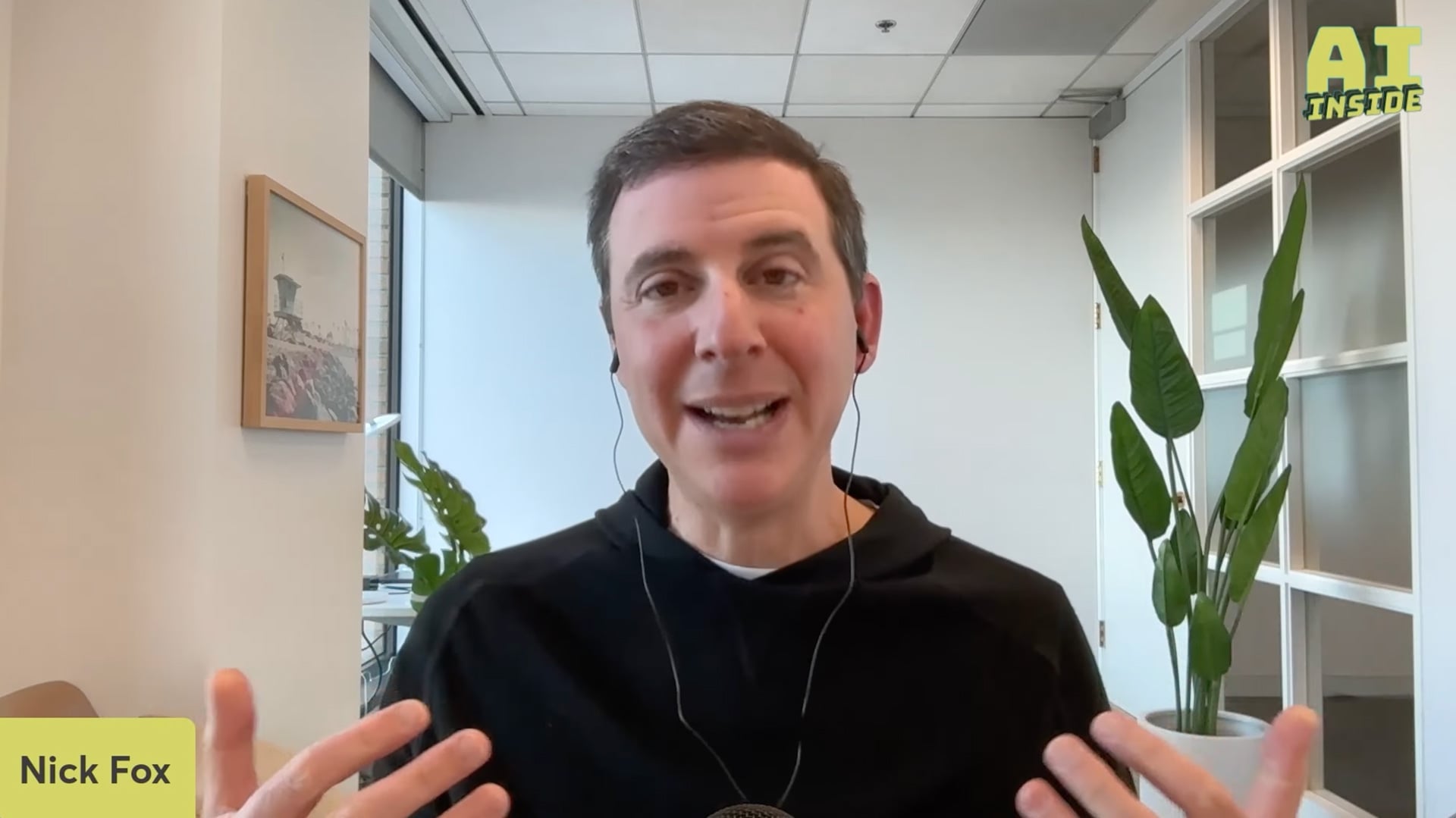
Recently, I listened to a fascinating podcast featuring Nick Fox, Google’s Senior Vice President of Knowledge and Information. He shared an intriguing perspective: optimizing for AI search is fundamentally the same as traditional SEO. His advice? Focus on creating great sites with engaging content for your users.
Podcast Highlights: During the AI Inside podcast, hosted by Jason Howell and Jeff Jarvis, Nick Fox provided invaluable insights. Here’s a snippet from around the 22-minute mark:
Jeff Jarvis asked a pressing question: “For publishers wanting to participate in AI, should they view their content differently?”
Nick Fox’s response was clear and straightforward: “The short answer is no.” He emphasized that the approach to optimizing for Google’s AI experiences mirrors best practices for traditional search. Ultimately, it boils down to building outstanding sites and content. “Create what you’d want to read,” Fox advised.
If you want to dive deeper, check out the full episode around the 22-minute mark:
This perspective aligns with what other Google experts like Danny Sullivan and Gary Illyes have shared. Good traditional SEO translates to effective AI optimization. You can read more about Danny Sullivan’s thoughts and Gary Illyes’ advice on focusing on normal SEO here.
Why This Matters: As someone who’s been honing SEO skills for years, it’s reassuring to know that these skills are just as relevant in the era of AI search. We are already equipped to excel in this new landscape.
So go ahead, take advantage of your hard-earned expertise and thrive in the evolving SEO world.
Every week, I sift through fresh data that showcases both the common ground and the differences in effective organic search techniques. These insights span traditional SEO methods on Google SERPs and newer practices like GEO for platforms such as ChatGPT and AI-driven overviews.
It can feel overwhelming. One moment, we read how traditional SEO methods suit ChatGPT; the next, discussions highlight how one platform favors Reddit while another favors a different approach.
As this landscape rapidly evolves, I’m eager to share the approach, process, and resources my team is utilizing to craft content for 2026.
Our strategy stretches beyond a mere content calendar. It involves merging insights about our audience with the dynamics of organic platforms, alongside our brand’s unique perspective, to create a content system that truly adds value.
The goal is to create high-quality content that stands out. E-E-A-T principles remain core to our strategy, applicable to both AI search discoverability and traditional SEO.
Understanding the audience is the foundation of strong content creation. I constantly ask myself: Who are they? What do they need? What type of content will guide them?
Content, like any product or service, requires identifying a need and addressing it, understanding the involved emotions, and demonstrating credentials through third-party brand mentions, a leading factor in AI search visibility.
For content to be effective in both Google and LLM search realms, it should be crafted as an authoritative source with structured data, prioritizing clarity, depth, and a consistent brand voice AI models will quote.
In a world teeming with AI content, what sets us apart are original insights and data. Therefore, our content systems incorporate a step for “original proof” like data, interviews, or unique commentary.
I’m also focusing on how our content fits into AI experiences, placing value on summaries, bullet points, and explainers that address complexity effectively.
Optimizing for retrieval and credibility rather than just ranking is critical. This approach ensures our content is impactfully represented by AI systems through schema, structured data, and a consistent brand voice.
The content strategy process I recommend starts with empathy, acknowledging the audience’s problem, and providing objective solutions, thus establishing trust. The goal is to transform this understanding into a modular engine, creating multiple media forms aligned to a central theme.
Adaptation is crucial, and my team utilizes a range of resources to achieve a detailed, audience-focused content strategy. This includes qualitative interviews and audience analysis from AI tools, helping shape informed structural decisions.
Social media platforms are instrumental for real-time audience insights and increasing brand mentions, signaling relevance to AI platforms.
Competitor analysis has shifted focus too, evaluating content depth and originality, and identifying opportunities to showcase the expertise our brand brings to the table.
Our KPIs must now reflect the evolution in search, weighing brand mentions alongside traditional metrics to capture content’s full impact on conversions and cross-channel engagement.
In the end, continually adapting to trends ensures we don’t rest on past successes. The real-time changes in user behavior driven by ChatGPT and similar platforms require us to stay vigilant and prepared.
I’ve embarked on a journey to understand how we can transition from traditional SEO to an approach I call brand-focused algorithmic education. With algorithms powering AI-driven results, this multi-speed strategy aims to strengthen our brand’s authority and online presence.
It all started when I recognized the importance of an AI-driven resume for brands. This asset has become a critical part of our strategy, especially as we explore various research modes to align with evolving technologies.
To thrive in this new landscape, I realized we need to shift our focus from just ranking to educating these algorithms. This involves understanding platforms like Google AI, ChatGPT, and Microsoft Copilot, which synthesize information instead of just providing links.
Conversations I had with industry leaders, such as Google’s Gary Illyes and Bing’s experts like Frédéric Dubut, have been enlightening. They all emphasize the importance of mastering what I call the algorithmic trinity.
Let’s dive into each part of this trinity.
Firstly, traditional search engines form the foundation, offering real-time web data. AI uses this for current events and niche topics, acting as its “here and now” window.
Next, knowledge graphs serve as the AI’s encyclopedia, storing a brand’s core identity. Google’s Knowledge Graph is massive, and maintaining accuracy here is crucial for avoiding AI hallucinations.
Finally, large language models (LLMs) are the conversational face of AI, synthesizing information to deliver user-friendly answers.
For our brand strategy to succeed, we must operate on three timelines: short-term, mid-term, and long-term. Each requires a nuanced approach.
In the short term, boosting our visibility through search results is key. Implementing simple SEO tactics can get us noticed in AI search results quickly.
Mid-term, we focus on educating the Knowledge Graph over several months, ensuring our brand’s factual foundation is robust and accurate.
Long-term, our aim is to become part of an LLM’s training data, ensuring our brand is ingrained in AI knowledge over many years. This is the pinnacle of algorithmic authority.
Central to achieving these goals is building our strategy on solid entity SEO. I’ve even expanded on Google’s E-E-A-T framework to include notability and transparency, aligning with the underlying questions algorithms ask: Who are we, can we be trusted, and are we authorities?
Looking ahead, AI’s role as a decision-making assistant is growing. I’ve personally tested ChatGPT to assist in purchasing decisions, and its potential as a personal agent is vast.
In essence, our digital strategy must continually evolve. We can no longer chase outdated SEO strategies but should instead cultivate comprehensive algorithmic education for our brand.
To thrive, our content must be frictionless for bots, digestible for accurate indexing, and tasty to establish authority. This ensures we remain top of mind for AI engines.
Let’s commit to this holistic strategy today, as AI assistive agents of tomorrow are already preparing. Our work will not only build a formidable AI resume but establish a lasting brand legacy.