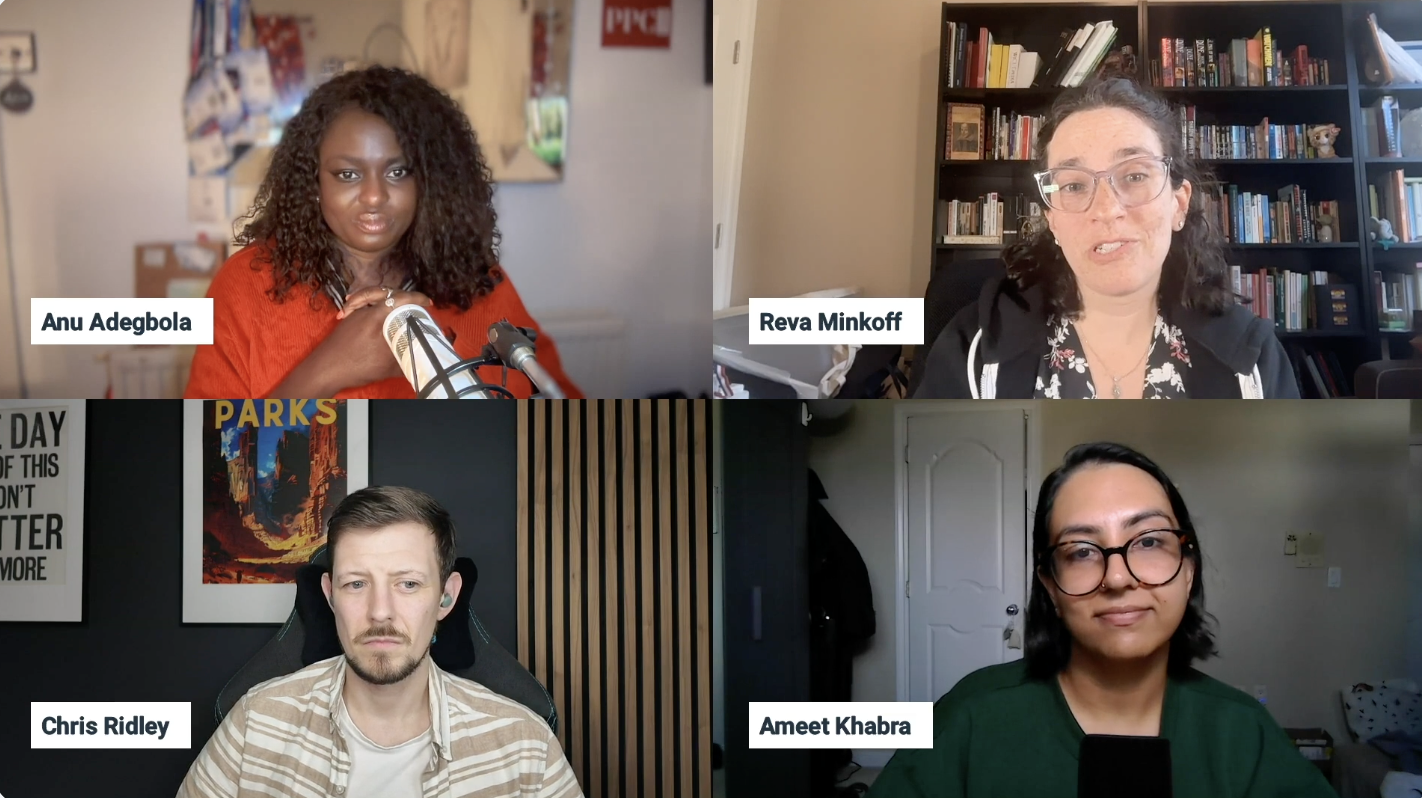
In 2025, the PPC landscape evolved at breakneck speed, marking an unprecedented shift in the industry. During SMX Next, I had the opportunity to hear from experts discussing the evolution, what’s working, what’s not, and what to prepare for as we move into 2026.
The insights shared were eye-opening, especially how Google interacted with advertisers in new, responsive ways. Ameet Khabra from Hop Skip Media particularly noted Google’s surprising openness to feedback, especially regarding Performance Max.
Chris Ridley from Evoluted emphasized 2025 as the year AI truly took center stage, with platforms like Perplexity and ChatGPT dominating conversations. It’s evident that AI integration in paid media is reshaping the landscape.
Meanwhile, Reva Minkoff of Digital4Startups dubbed it “the year of the max,” due to the sheer volume of features such as Performance Max emerging in the space. This whirlwind of innovation has left us both excited and challenged.
Reflecting on what’s effective, going back to basics with campaign structure and maintaining quality signals rings true. Minkoff emphasized the importance of controlling your search campaigns and making sure they reach your intended audience.
Khabra shared insights on the role of automation with a human touch, using scripts to ensure issues are addressed before they escalate. Meanwhile, Ridley highlighted the value of authentic user-generated content in crafting more relatable campaigns, resisting overly polished AI creations.
Communication with clients and understanding their objectives beyond the figures remains critical, as Ridley suggested. Knowing their business goals can lead to more comprehensive success.
On the flip side, the problematic nature of Automatic Created Assets (ACAs) was a focal point, bringing up concerns about brand safety and losing control over content narratives. Both Khabra and Minkoff voiced this sentiment, emphasizing the need for alignment in brand messaging.
There are ongoing frustrations with user interfaces and prolonged learning periods, which complicate efficiency and adaptability for advertisers managing time-sensitive campaigns like Black Friday.
Looking at surprises from 2025, the announcements from Google Marketing Live were intriguing, particularly A/B testing developments and the adaption of Performance Max features like Waze pins. AI advancements, especially their rapid rollout, caught many by surprise, showing no sign of slowing down.
Looking ahead to 2026, there are so many possibilities. Whether it’s the unknown technological advances or the impacts of legal scenarios like the Google antitrust trial, the landscape is brimming with potential shifts.
I’m excited about the ongoing evolution of PPC and the combined potential of AI and strategic human oversight. The only certainty in PPC is indeed uncertainty, but that dynamic is what keeps it exciting and full of opportunities for those who adapt and remain proactive.
For a deeper dive, check out the full panel discussion from SMX Next 2025 below.
This past year, PPC has been anything but static – it has evolved. As I explored the insights from 2025, I found these articles resonated deeply. They addressed crucial questions like maintaining a competitive edge, eliminating wasteful spending, collaborating with automation, and gearing up for the future.
Join me as I take you through the links to the top 10 most-read PPC columns on Search Engine Land from 2025, crafted by our incredible experts.
Though it might seem challenging, even the smallest businesses can carve out their niche and captivate customers. Discover the strategies that make this possible. (By Sophie Logan. Published Sept. 16.)
Update your optimization techniques for 2025 with innovative approaches to keywords, Performance Max, and audience targeting. (By Pauline Jakober. Published Feb. 6.)
With increasing CPCs, understanding the pace of this inflation and comparing it to the consumer price index is essential for shaping your ad strategies. (By Mark Meyerson. Published April 16.)
AI is bridging the gap between organic and paid search. Learn how integrating SEO and PPC can enhance your visibility and brand presence. (By Jen Cornwell. Published Oct. 6.)
PPC scripts have limitations, but with vibe coding, you can remove obstacles and transform complex seasonal data into practical planning tools. (By Frederick Vallaeys. Published Aug. 21.)
Streamline your ad creation process without losing your core message. Leveraging generative AI can help craft engaging, personalized copy that truly connects. (By Jason Tabeling. Published Aug. 1.)
Discover filtering techniques that refine targeting, reduce unnecessary clicks, and reveal new keyword opportunities. (By Menachem Ani. Published July 22.)
Enhance your campaign management with Google Ads scripts. Uncover insights, actionable tips, and use cases for leveraging automation to improve performance. (By Frederick Vallaeys. Published Jan. 9.)
As clicks become scarcer, maintaining visibility requires precise targeting and value-based bidding. Achieving this ensures your prominence in both paid and organic searches. (By Sarah Stemen. Published Oct. 7.)
With Google’s environment becoming more automated, some PPC tactics are now obsolete. Discover what to eliminate and what to focus on for the coming year. (By Sarah Vlietstra. Published Nov. 4.)
2025 was a whirlwind year for those of us in the pay-per-click (PPC) marketing world, with changes coming fast and growing increasingly complex.
I noticed how significant many of Google’s updates were throughout the year, from the introduction of deeper automation with AI Max to ads being integrated directly into AI Overviews and more transparency and control being offered with Performance Max campaigns.
There were also key updates to Google Tag Manager and conversion tracking that really changed how I trust and collect data, not to mention the effects of policy shifts, automatic content extraction, and major advertisers like Amazon and Temu pulling back from Google Shopping, shaking up auction dynamics.
Now that 2025 is coming to a close, let me walk you through the headlines that caught my attention, ranked by pageviews.
10. Google changed how Tag Manager works with Google Ads
On March 10th, Google updated Google Tag Manager, ensuring that the Google tag would load before any events, thereby improving tracking accuracy and data collection from April 10th onwards. For me, this meant GTM automatically loaded the Google tag for containers with Google Ads and Floodlight tags, allowing simplified access to Enhanced Conversions and cross-domain tracking directly within tag settings.
9. Google Performance Max campaign API placement exclusions
On January 28th, Google revealed we can actually control Performance Max campaigns using API-based placement exclusions, overturning prior documentation and support guidance that stated otherwise. I found research from ad tech firm Optmyzr confirming that these API exclusions effectively blocked spending on excluded placements, providing stronger programmatic control over PMax campaigns.
8. Search Terms visibility in Google Performance Max campaigns
On March 21st, Google gave us the ability to see which search terms were triggering ads in Performance Max campaigns and introduced the option to add negative keywords directly from the Search Terms report, enhancing transparency and giving us more control.
7. Google Ads AI Max for Search campaigns beta
On May 6th, Google introduced AI Max, a one-click enhancement for Search campaigns, offering us the power of advanced AI to expand reach and dynamically generate ads, while adapting creative elements in real time.
6. Google AI Overviews ads
Starting May 22nd, Google began placing ads directly within AI Overviews, marking a significant shift in monetizing its generative search experience. This new feature was confirmed during Google Marketing Live 2025.
5. Google Ads allowed multiple ads for the same business on one results page
On March 31st, Google allowed the display of multiple ads for the same business on a single results page, provided they appeared in different locations, thereby opening up opportunities for larger brands to increase their visibility.
4. Google launched automatic marketing content extraction
On April 3rd, Google introduced a feature that automatically pulls existing marketing content from merchants to boost visibility across Search, Shopping, and Maps. Merchants were auto-enrolled, but could opt-out anytime?
3. Temu pulled its U.S. Google Shopping ads
On April 14th, Temu’s abrupt withdrawal of its U.S. Google Shopping ads revealed the heavy reliance on paid acquisition. This move, coinciding with increased tariffs and strict enforcement of import regulations, significantly impacted its market presence.
2. Amazon pulled out of Google Shopping ads
On July 25th, Amazon’s unexpected cessation of Google Shopping ads shook the market, given its historical role in driving auction competition and ad revenue. A month later, it resumed internationally but remained absent in the U.S.
1. Google Ads simplified conversion tracking with new tag manager feature
Google Ads, on February 5th, simplified conversion tracking within Google Tag Manager by introducing a wizard-style setup for creating conversion events without manual coding, revolutionizing my approach to tracking and optimization.
PPC in 2025 was undoubtedly dominated by major headline-worthy updates, largely centered around Google’s changes. Moving forward, I expect 2026 to bring even deeper AI integration. The real game-changer will be how expertly we can apply AI strategically.
I recently learned that Google has made a significant change by lowering the minimum audience size requirement for its Ads platform to just 100 active users. This adjustment now makes it far easier for advertisers, both large and small, to harness the power of remarketing and customer lists without the previous constraints.
What’s new: Now, advertisers can utilize audience segments with as few as 100 users across platforms like Search, Display, and YouTube. This includes both remarketing lists and customer lists. Excitingly, this same 100-user limit also applies to Audience Insights, slashing the previous threshold from 1,000.
Catch up: The shift toward these smaller audience thresholds began in May. At that time, Google had already reduced the minimum user requirement for Customer Lists in Search campaigns from 1,000 to just 100 users. This marks a clear trend towards making audience targeting more inclusive.
Why this matters: Smaller accounts and niche advertisers now have the opportunity to implement audience strategies that were once unattainable due to those larger size thresholds. By bridging this gap, Google removes a longstanding barrier to advanced targeting and personalization within Ads.
What to watch: I’m curious to see how advertisers will leverage these more precise, smaller segments and whether performance or privacy safeguards will evolve to align with this broader access.
First seen: This update first caught the eye of Web Marketing Consultant, Dario Zannoni, who shared the news on LinkedIn.
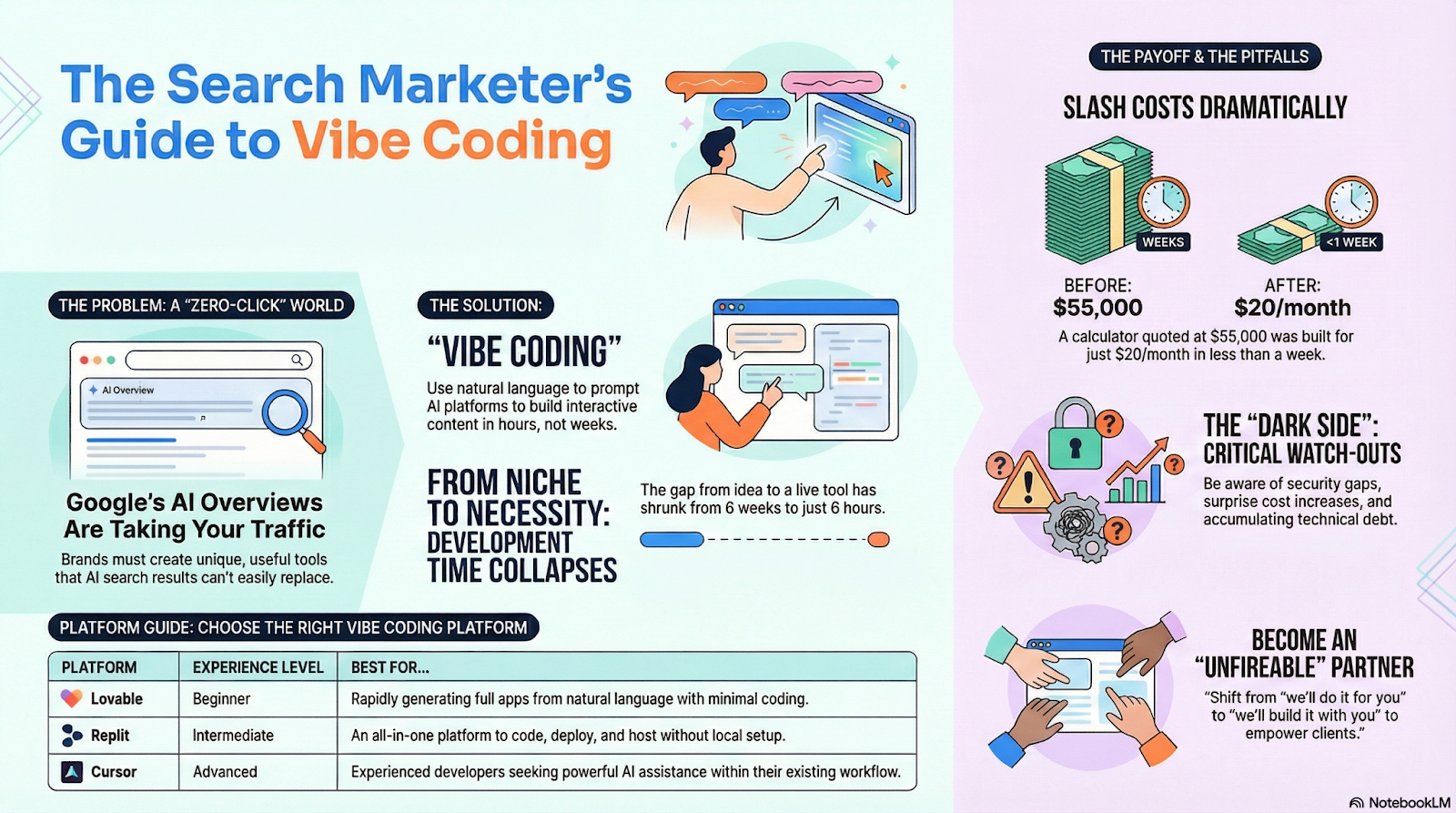
In a world where Google’s AI Overviews address more queries instantly, I’ve found that vibe coding allows us to craft interactive experiences that AI simply can’t replace.
I’ve noticed that search marketers are now shifting their roles from merely optimizing to actually building. Tools like vibe coding, coupled with AI-powered development technologies, have significantly reduced the time from idea conception to execution—from weeks to just a few hours.
These tools don’t make developers obsolete, but they empower search teams to test and create interactive content on their own timelines. This is crucial, as Google’s AI Overviews increasingly pull answers directly into the SERP, reducing clicks to our brand websites.
For marketers, building unique, conversion-focused tools is becoming an indispensable tactic in this zero-click environment.
What is vibe coding?
Vibe coding is about creating software by guiding AI with natural language instead of traditional coding methods. This means focusing on the tool’s purpose, appearance, and response, while AI takes care of implementation.
This term gained popularity in early 2025, thanks to OpenAI co-founder Andrej Karpathy, who described it as a loose, exploratory building style. The appeal? Speed. The risk? Potential shortcuts that could lead to fragile systems.
Today, AI-powered development platforms extend this approach to non-engineering teams, with tools like Replit and Lovable, allowing everyone to build and iterate quickly.
Vibe coding vs. vibe marketing
It’s important to distinguish vibe coding from vibe marketing. Vibe coding involves AI tools designed to create applications and interactive experiences, whereas vibe marketing uses automation platforms to connect existing tools and systems.
Together, these approaches empower search teams to build and operationalize their creations efficiently.
Why vibe coding matters for search marketing
I believe that soon, AI-powered coding will be an essential part of any marketer’s toolkit. It allows us to create sophisticated interactive tools that Google’s AI can hardly mimic, enhancing our SEO and PPC strategies.
With vibe coding, my team can rapidly develop tools that boost conversion, like interactive content aimed to improve user engagement—a factor crucial for both SEO and PPC efforts.
Through vibe coding, I’ve created custom systems that help manage our operational needs efficiently, saving time and costs. For instance, a project quoted at $55,000 was completed in under a week using Replit for just $20 a month.
The opportunity to teach these skills to clients also adds significant value, emphasizing the transition from “we’ll do it for you” to “we’ll build it with you.”
Vibe coding offers a competitive edge, allowing us to navigate zero-click search environments while fortifying long-term relationships with our clients.
Top vibe coding platforms for search marketers
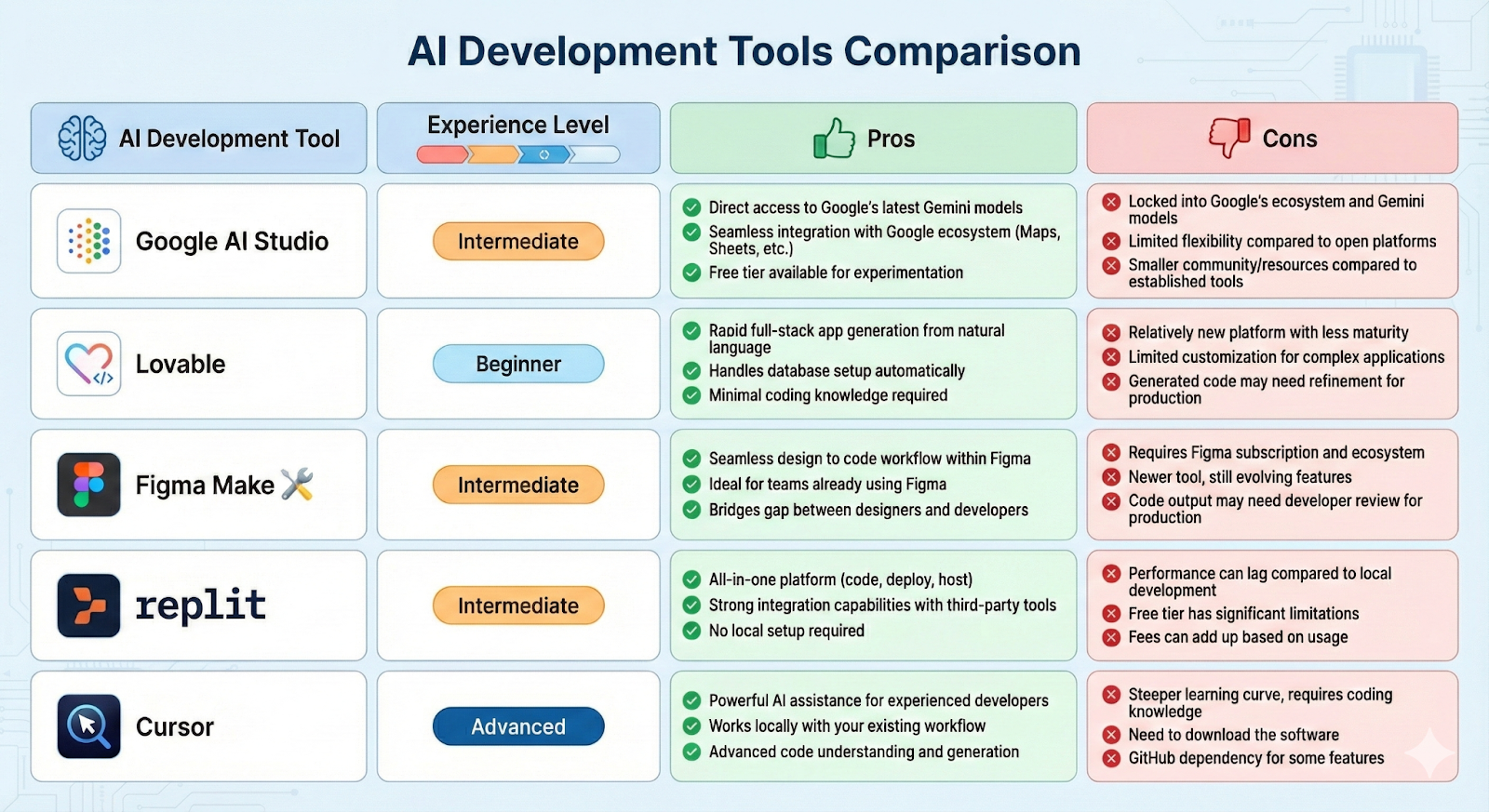
Several leading vibe coding platforms are making waves. My personal preference is Replit for its flexibility, though Figma Make is a great choice too, particularly as it integrates well with our existing workflows.
Testing different platforms will help find the best fit. Whether it’s Lovable for beginners or Cursor for advanced users, there’s a solution tailored to your needs.
Practical SEO and PPC applications: What you can build today
Vibe coding can create a variety of tools, from lead generation calculators to interactive content that increases website engagement. The key is to build tools that fill existing gaps, providing unique and useful solutions.
For instance, I developed an AI-powered accounting ROI calculator, a tool that couldn’t be easily replaced by Google’s direct answers. This not only helps the target audience but also boosts SEO efforts by encouraging repeat visits.
A 7-step vibe coding process for search marketers
I’ve found that following a structured workflow is crucial when using vibe coding. This includes thorough research, creating a content spec document, and iterating designs before functionality.
These steps ensure a comprehensive approach, allowing for prompt testing and deployment. Updating documentation at each milestone helps in managing future updates or revisions.
The dark side of vibe coding and important watchouts
While powerful, vibe coding tools come with risks. Security and compliance issues, price creep, and technical debt are concerns that require careful attention.
Always ensure security reviews and keep track of costs as projects evolve. Monitoring these risks can make vibe coding a reliable tool rather than a complicated headache.
Vibe coding is your competitive edge
In this evolving landscape, vibe coding gives us the ability to build unique digital experiences. It’s a skill set that empowers us to thrive, helping create meaningful, interactive content that stands out in the crowded search environment.
Embracing vibe coding not only promotes strong client partnerships but also equips us to adapt to new search realities, making it a pivotal skill for future success.
I’ve got some exciting news to share—Google has just added Maps to the Demand Gen channel controls, giving us advertisers more flexibility than ever. Now, I can choose to run Demand Gen ads on Google Maps alongside other channels or even as a standalone placement!
Personally, this expansion opens up incredible opportunities for me to target users with intent-driven ads while having better control over where my ads show up. Google Maps, in particular, is a fantastic addition if you’re aiming for those crucial location-based placements.
What’s new. Now, I can select Google Maps as a channel within Demand Gen campaigns, either pairing it with other channels or running exclusively Maps-only campaigns. This gives me the strategic flexibility to mix and match, depending on my campaign goals.
Why we care. As advertisers, we get a powerful, location-focused tool in Demand Gen campaigns. It allows us to craft campaigns that cater to high-intent situations like local searches and navigation, marking a vital move towards precise channel control in campaigns traditionally managed more automatically.
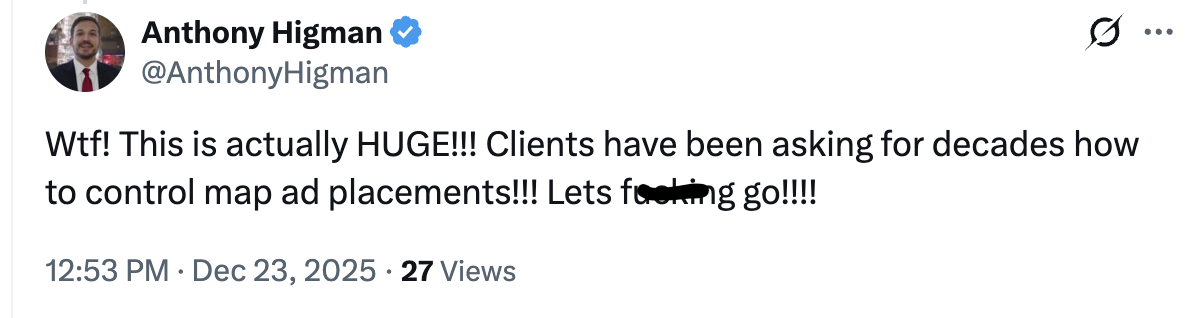
Response. The advertising community is buzzing with excitement over this update. Like many others, Anthony Higman, CEO of AdSquire, has eagerly awaited such features for years. It’s an anticipated change that could redefine how I approach location-centric ads.
Between the lines. This move by Google signifies a shift towards greater transparency and control for advertisers. It’s a response to our demands, offering more modular and selectable distribution channels in Demand Gen, which I believe will enhance campaign efficiency.
What to watch. I’m keen to see how Maps placements will perform in comparison to other channels, such as YouTube, Discover, and Gmail. Also, I’ll be monitoring whether Google expands its reporting or optimization tools specifically for Maps inventory.
First seen. This update was initially spotted by Francesca Poles, a Search Marketing Specialist, when she shared it on LinkedIn. It’s great to have marketers like her keeping us all in the loop.
Bottom line. The inclusion of Google Maps in Demand Gen channel controls is a game-changer. For someone like me, it offers fresh strategic avenues, especially for crafting campaigns that are centered around location-based engagement.
In today’s ever-evolving landscape, brand-agency partnerships look vastly different than they did just a few years ago, and this evolution will only continue to expand by 2026.
I’ve noticed that internal marketing teams have become more sophisticated, digital channels are increasingly specialized, and the role of agencies shifts away from a one-size-fits-all approach.
Interestingly, the companies reaping the most benefits from agency relationships aren’t necessarily the biggest spenders.
Instead, those that succeed are clear about their specific needs and objectives.
Achieving clarity starts with understanding the true role an agency should play in your organization.
Too often, partnerships fail because expectations and responsibilities weren’t clearly aligned from the beginning.
When this foundational understanding is lacking, even the most robust execution can fall short.
Having worked with thousands of businesses across industries and growth stages, I’ve consistently observed that agency success falls into two distinct partnership models. These models are primarily influenced by company size and internal marketing maturity.
Model 1: Execution-first Partnerships for Large Companies
If your company sees over $50 million in annual online revenue, chances are you already have a capable internal marketing team.
Strategy and planning remain in-house, so what you need from an agency is deep platform expertise and exceptional execution.
At this stage, agencies function as specialist operators that activate roadmaps, optimize channel performance, and bring advanced technical knowledge that’s inefficient to replicate internally.
When performance dips, a powerful agency partner doesn’t default to tweaking tactics.
Instead, they help uncover whether the issue stems from execution, market conditions, or a strategic misstep, offering data to guide corrective measures.
Model 2: Integrated Growth Partners for Small to Mid-Size Companies
For companies under $50 million in annual revenue, the agency dynamic shifts.
Internal teams might be lean or still cultivating core digital expertise.
In these situations, agencies do more than execute; they shape your entire growth strategy.
An ideal agency acts as an extension of your marketing team, guiding platform selection, crafting cross-channel strategies, and more.
For growing businesses, this integration provides access to senior-level expertise, balancing speed, strategy, and financial constraints effectively.
Finding the Right Agency Partner
I’ve seen many companies approach agency selection improperly.
Ditch the RFPs
Large companies often rely on the request for proposal (RFP) process, which tends to favor vendors skilled in documentation over performance-driven results.
Instead, I recommend using your professional network. If you’re in charge of a large marketing department, you likely know several professionals who can provide referrals to standout agencies.
Smaller businesses should seek advice from peers about reliable vendors, then check reviews to confirm their findings.
While no agency is perfect and all will have some unhappy clients, patterns of negative reviews are a solid indicator to avoid those agencies.
Request an Audit
Upon narrowing down potential partners, I suggest asking for an audit of your current marketing setup.
Most digital marketing agencies conduct these audits for free, offering honest and constructive feedback.
Depending on your company’s size, audits might vary, with larger firms focusing on specific platforms and smaller ones requiring full-funnel evaluations.
This information helps evaluate how the partnership will integrate with existing processes, paving the way for effective collaboration.
The selection process inherently includes finding partners that mesh well with your internal processes—critical to long-term success.
Setting Achievable Goals
After selecting an agency partner, the next step is defining coherent goals aligned with your business objectives.
Unfortunately, I’ve observed that many leaders set goals disconnected from their business aims, straining the agency relationship from the get-go.
A robust agency questions your goals pre-contract, urging you to adjust expectations realistic to your context and aspirations.
Your chosen partner should grasp your business’s economics and help ensure marketing goals are aligned with broader business objectives.
Maintaining a Productive Partnership
Once everything is underway, you must keep your agency accountable, which involves regular reviews and tracking progress against initial audit benchmarks.
Contract Length
Large enterprises often sign 12-month contracts for stability, but smaller firms might benefit from a more flexible three-month commitment that auto-renews.
In cases where everything seems perpetually smooth, consider that growth might be stagnating, as healthy conflict is a sign of challenge and progress.
Ongoing Accountability
Regularly reviewing opportunities against your agency’s initial audit findings not only keeps progress on track but also provides vital context for adapting strategies.
Context is key, especially if your industry’s dynamics affect your agency’s work—awareness of broader market trends is crucial for realistic appraisal.
Innovation and Testing
Your agency should consistently suggest fresh ideas, especially for smaller businesses, while larger companies should fund dedicated innovation budgets.
Effective agency partnerships without innovation risk falling behind competitors more willing to explore uncharted avenues.
Ultimately, understanding what’s upcoming and strategically positioning your business will keep you competitive.
When to Make an Agency Change
Occasionally, a brand-agency partnership doesn’t thrive. Trust your instincts if you feel things could improve or something is amiss.
Your Business Isn’t Growing
Marketing should focus on acquiring new-to-brand customers. If growth stalls while your industry maintains, it’s time to reassess your agency’s role.
Your Agency Isn’t Pushing Innovation
If new ideas aren’t forthcoming or you’re not exploring novel methods to engage customers, seek an external audit to identify gaps.
Your Agency Can’t Explain Performance
An inability to contextualize performance suggests a knowledge gap in your sales funnel, where interconnected activities impact overall success.
For smaller businesses, agents should grasp comprehensive marketing operations and how various elements influence each other.
The Marketing Reality Check
Great marketing can’t compensate for a flawed business model. Successful growth stems from the synergy of good business, leadership, and agency collaboration.
If any component is lacking, marketing falls short of potential. Meaningful growth arises when agency roles align with specific business needs.
Agency selection is an ongoing journey involving ongoing dialogue, accountability, and refinement, even when this involves constructive disagreements.
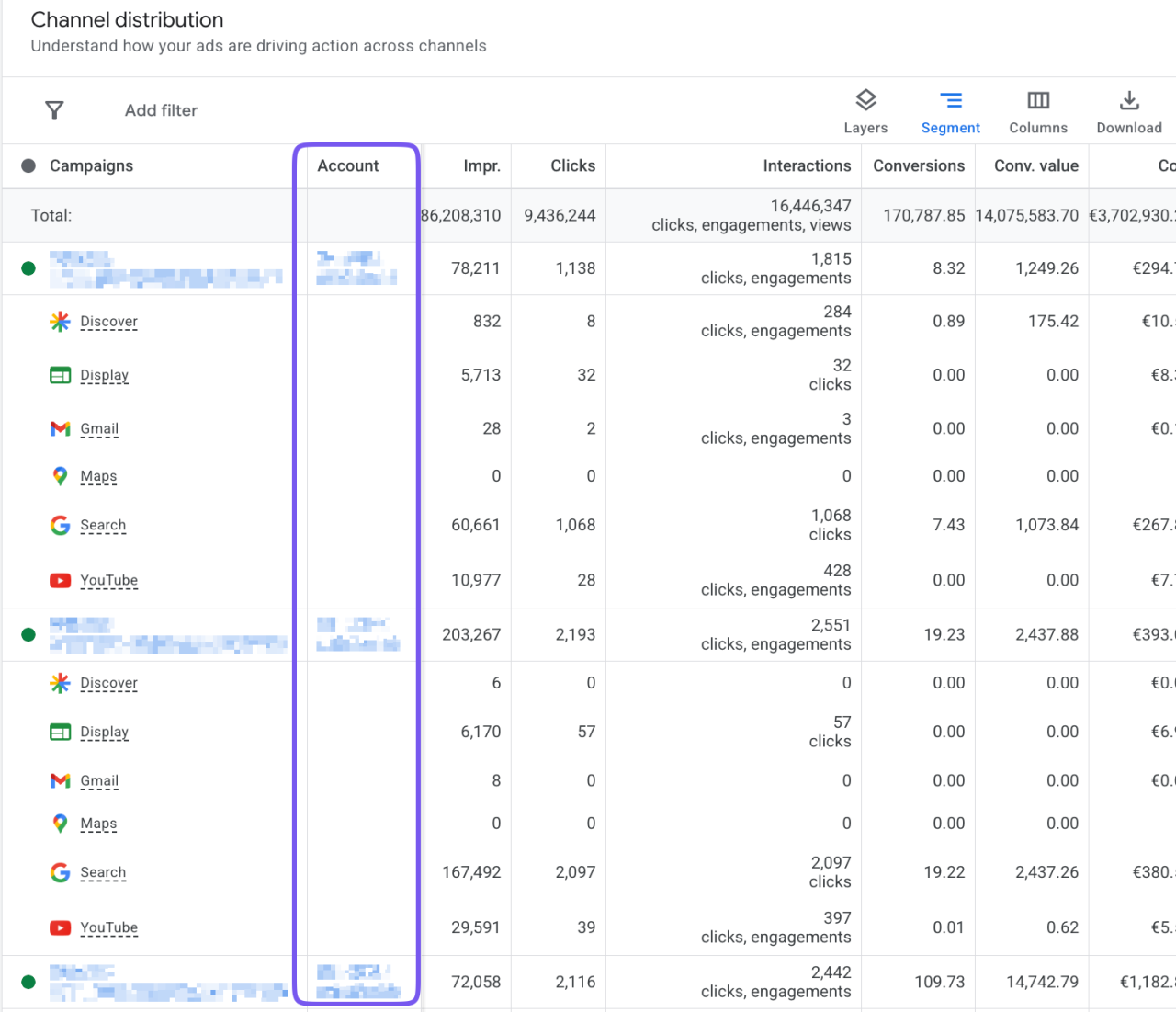
I’m excited to share that Google has expanded the Performance Max Channel reporting to MCCs, providing us advertisers with unprecedented insights across accounts. This new update allows me to see how PMax spends and performs across various channels, all in one place.
The Channel Performance report, which was previously available only per account, is now accessible in some manager (MCC) accounts. This is particularly thrilling as I’ve been eager for Google to confirm this rollout, and now it’s happening in live environments!
Why it’s important to me: This MCC-level visibility means I can efficiently analyze Performance Max’s spend allocation across different channels like Search, Display, YouTube, Discover, Gmail, and Shopping without having to dive into separate accounts. It’s a fantastic time-saver for managing large portfolios.
What I’m paying attention to: I’m keen to see when this feature becomes widely available across all MCCs. Plus, I’m hoping Google might introduce deeper metrics or export options to further enhance our analysis.
This development was first noticed by Mike Ryan from Smarter Ecommerce. He’s also published a helpful guide on using Google’s Channel Performance reports. His insights have been invaluable!
Conclusion: With MCC-level Channel Performance, Google is moving closer to demystifying Performance Max, particularly for agencies requiring extensive cross-account insights. It’s a welcome change for many of us strategizing at scale.
Recently, I discovered that Microsoft Advertising has introduced asset-level editorial reviews, a game-changer for anyone running ad campaigns. This new feature allows us to see individual ad components like headlines and images get reviewed separately. If one part is non-compliant, it won’t hold back the whole ad, ensuring that compliant components keep running smoothly.
Here’s What’s New: Announced back in June, this feature provides a granular view of ad approvals. Now, I can easily spot which specific asset might be causing issues, instead of having to guess why an entire ad wasn’t approved.
Why I Care: This update is a relief because it minimizes campaign disruptions and speeds up the approval process. No more resubmitting entire ads just to fix one small mistake. I can now address the exact problematic asset swiftly.
How it Enhances the Workflow: The platform now flags disapproved elements right in the dashboard. It gives a clear warning when something is blocked and provides a detailed asset status, making it easy to stay on top of my campaigns.
The Bottom Line: This more precise system replaces the old all-or-nothing approval process, letting compliant ads run uninterrupted and putting more control in my hands as an advertiser. It’s definitely a step forward in ad management!
Starting in January 2026, I’ll see Google updating its Pharmaceutical policy for AdMob Authorized Buyers. This update allows ads for prescription drugs and services in certain markets without needing Google certification. However, they will tighten restrictions on what remains prohibited.
What’s changing? Google’s policy will now be called “Pharmaceutical products and services.” This change permits Authorized Buyers to promote prescription drugs and services legally in specific countries, without requiring Google certification as is usually demanded in Google Ads.
Although access is broadening, the basic rules remain stringent. The policy modifications intend to enhance clarity and readability rather than reducing enforcement.
Why do I care? This update lets me tap into pharmaceutical advertising inventory without needing Google certification, creating fresh opportunities and competition in programmatic auctions. However, it places more compliance responsibility on my shoulders, increasing the risk of policy violations if geo-targeting and creative controls aren’t precise.
I should consider that even non-pharma advertisers might experience changes due to increased demand and ad presence affecting pricing, brand safety, and placement strategies.
What’s still banned? Ads related to clinical trials, miracle cures, illicit drugs, addiction services, crisis hotlines, and experimental treatments remain banned across Google Partner Inventory.
Looking deeper. While Google is opening access, it’s also transferring responsibility to me as a buyer. By removing certain certification requirements for Authorized Buyers but maintaining strict controls, compliance risk is pushed firmly onto buyers and publishers.
What should I do now? As an app publisher using AdMob, I should review category blocking and ad controls to ensure unwanted pharma ads are excluded, especially as more inventory becomes permissible. I need to prepare for enforcing rules country-by-country and carefully audit creatives.