Category: Google

  • Unlock New Google Deals: AI-Powered Offers and Seamless Checkout

    Unlock New Google Deals: AI-Powered Offers and Seamless Checkout

    I’m excited to share that Google is enhancing its Direct Offers with AI-generated bundles, native checkout features, and enticing travel deals. This announcement, made at Google Marketing Live 2026, marks a significant upgrade for the platform.

    Driving the news. Google aims to make promotional offers more visible within AI-powered Search experiences.

    Brands will soon have the ability to upload a variety of promotional types:

    – Discounts

    – Giveaways

    – Local coupons

    – Product bundles

    Google’s Gemini will assist in creating personalized offers that align with search intent. This means tailored promotions based on user queries and browsing habits.

    How it works. Advertisers can upload eligible promotions and campaign guardrails through Google Ads. Gemini will then curate relevant offers like bundles and discounts that resonate with the shopper’s search and browsing behavior.

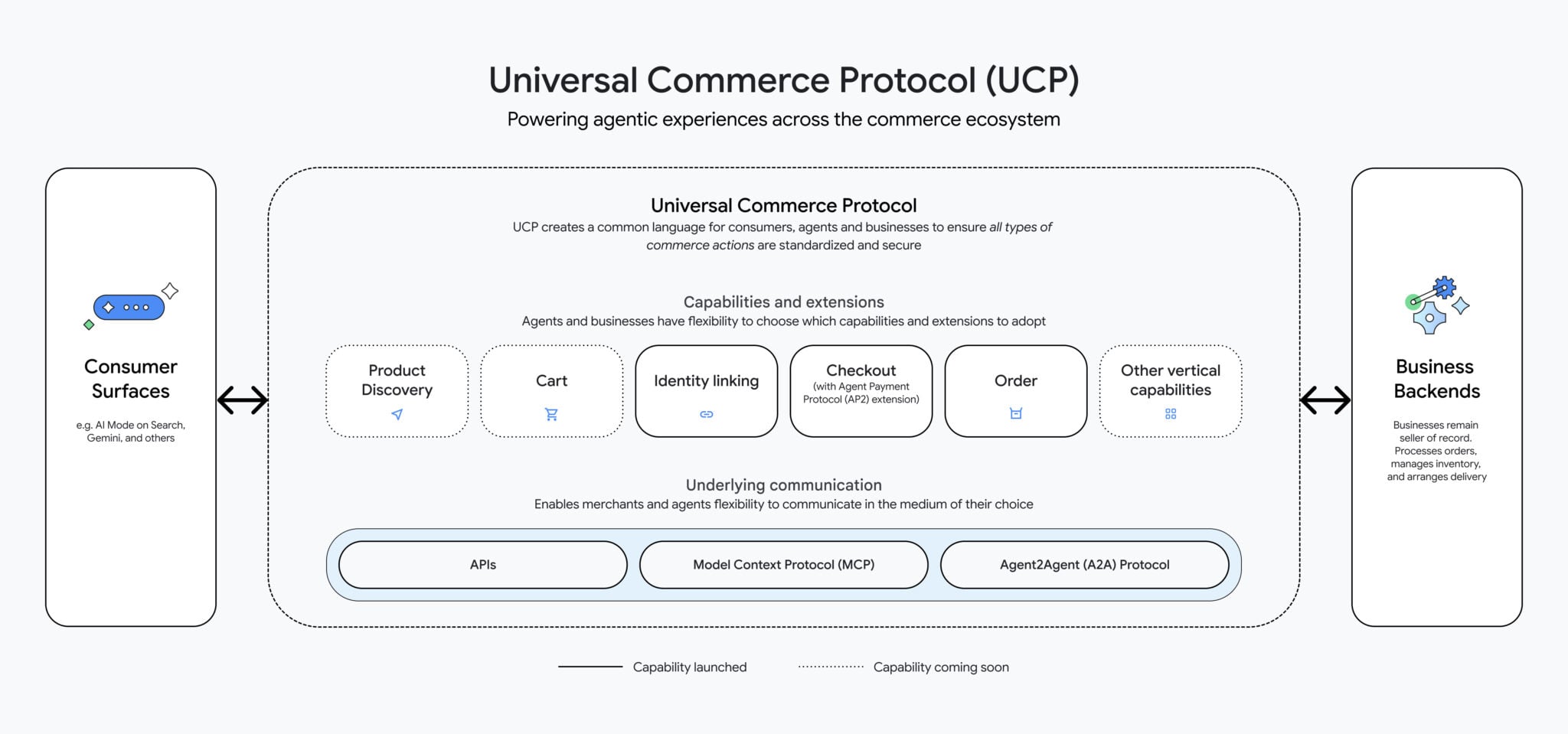
    Additionally, Google is introducing native checkout support for merchants using the Universal Commerce Protocol (UCP), enabling users to complete purchases directly within AI-driven shopping experiences.

    Travel partners such as Booking and Expedia will soon showcase travel offers directly within AI-assisted trip planning features, enhancing the overall travel booking experience.

    Why we care. This integration is transforming promotions into an integral part of conversational shopping, steering away from conventional deal extensions and static offers.

    Advertisers now need to optimize their promotions to fit within AI-powered discovery and recommendation systems.

    The introduction of native checkout options is expected to streamline the transition from product discovery to conversion, potentially boosting sales.

    What to watch. It’s worth observing how Google’s shift towards AI-assisted promotional commerce influences conversion rates and consumer shopping patterns.

    Availability. Currently, Direct Offers is available as a pilot for advertisers in the U.S.

    Dig deeper. Stay informed with more updates from Google Marketing Live 2026:

    Google tests new conversational ad formats in AI Mode and Search

    – Google launches AI Performance Insights and Conversational Attributes in Merchant Center

    Google brings Meridian marketing mix modeling into Analytics 360

    Google expands Demand Gen with YouTube creator tools

    Google upgrades Asset Studio with Gemini-powered creative generation and video tools

    Google expands Universal Commerce Protocol and launches new agentic shopping tools

    Google launches Ask Advisor across Ads, Analytics and Merchant Center


    Inspired by this post on Search Engine Land.


    crushpress.ai community screenshot
  • Discover Google’s New AI Tools for Enhanced Retail Performance

    Discover Google’s New AI Tools for Enhanced Retail Performance

    Today, I’m thrilled to share that Google has unveiled exciting new tools in the Merchant Center, all geared towards boosting retailer visibility on AI-driven shopping platforms. Announced at Google Marketing Live 2026, these tools are set to transform how products are discovered.

    Driving the news. Let me introduce you to AI Performance Insights, a fresh reporting feature that gives merchants a snapshot of their brand’s performance across AI platforms.

    This handy tool lets me compare my brand’s share of voice with similar competitors, ensuring I stay on top of AI-driven discovery metrics.

    Google is also introducing Conversational Attributes, enhancing how we optimize our product listings to align with natural, conversational searches.

    How it works. I can now add conversational attributes and update descriptions directly in the Merchant Center. Google’s AI can utilize this structured data to meet conversational search queries seamlessly across AI Mode, Gemini, and other AI platforms.

    These updates are crafted to enhance discoverability as AI continues to reshape shopping experiences.

    Moreover, Ask Advisor integrations are soon to be part of my Merchant Center tools.

    Why we care. Structured product data is now more essential than ever as AI shopping experiences proliferate across Search, Gemini, and Maps.

    By adapting product descriptions for conversational discovery, I can better position my products within AI-generated recommendations and shopping paths.

    These new reporting tools also give me early visibility into how my brand performs in AI-powered environments.

    What to watch. With the rise of conversational search behavior, optimizing product feeds for AI visibility is becoming increasingly critical. I’ll also be keeping an eye on how Google defines and measures “share of voice” within these AI-powered shopping ecosystems.

    Availability. AI Performance Insights will soon roll out in the U.S., Australia, Canada, India, and New Zealand. Meanwhile, Conversational Attributes are launching globally.

    Dig deeper. Here are some more updates from Google Marketing Live 2026:


    Inspired by this post on Search Engine Land.


    crushpress.ai community screenshot
  • Discover Google Chrome Lighthouse’s New AI Scan Feature

    Discover Google Chrome Lighthouse’s New AI Scan Feature

    I’ve recently discovered that Google has introduced a new feature in Chrome Lighthouse to check for llms.txt files. Though Google mentions that llms.txt isn’t necessary for AI search visibility, Lighthouse has started flagging sites based on their presence.

    Google’s latest Lighthouse audits, under the “Agentic Browsing” category, now focus on a site’s usability for machine interaction. I find this interesting as it aligns with Google’s push towards better machine readability.

    The new audits are part of Chrome’s evolving “Agentic Browsing” features, which analyze if sites are prepared for automated interaction. This concept came soon after Google issued guidance on AI search optimization, debunking the necessity of llms.txt files in their new guide on generative AI features.

    What Lighthouse Evaluates Now. Lighthouse’s Agentic Browsing tests focus on how well my site is built for machine interactions, incorporating various deterministic audits as per Google’s documentation. These checks include:

    – WebMCP integration.

    – Accessibility tree integrity.

    – Layout stability through CLS.

    – Presence of an llms.txt file.

    These audits help ensure that there’s a machine-readable summary at the site’s domain root. Google explains that without llms.txt, agents might take longer to understand a site’s main structure.

    The impact of these audits doesn’t translate into a traditional Lighthouse score but into a fractional pass ratio related to agentic readiness signals.

    The Tension. Interestingly, while these audits don’t directly affect SEO rankings, their mention in Google’s readiness checks could make SEOs reconsider their stance on llms.txt files.

    Agentic Engine Optimization. Google’s approach aligns with insights shared by Addy Osmani from Google Cloud AI about Agentic Engine Optimization. Osmani emphasizes creating web content that is semantically structured, token-efficient, and easy for AI to process.

    SEO vs. llms.txt. According to Google, creating llms.txt or similar files isn’t necessary for AI search success, as outlined in the guide on Mythbusting generative AI search. The AI systems can discover, crawl, and index a variety of file types encountered on the internet.

    John Mueller from Google responded to concerns about the role of llms.txt in a discussion with Lily Ray on Bluesky, stating that the use of these files is more for functionality and not directly linked to search engine optimization.

    Google’s Take on AI Agents. Besides llms.txt, Google’s Lighthouse guidelines place strong emphasis on accessibility and interface stability. The insight I gained is that AI agents heavily rely on the accessibility tree as their core data model, focusing on integrity and proper layout.

    Ultimately, while Google indicates llms.txt isn’t needed for search, including such files might be beneficial for adapting to Google’s evolving tools that prioritize machine readability.

    Further Exploration.

    Meet llms.txt, a proposed standard for AI website content crawling

    llms.txt isn’t robots.txt: It’s a treasure map for AI

    Does llms.txt matter? We tracked 10 sites to find out


    Inspired by this post on Search Engine Land.


    crushpress.ai community screenshot
  • Unveiling Google’s Ask Advisor: Revolutionizing Ad Management

    Unveiling Google’s Ask Advisor: Revolutionizing Ad Management

    I’m thrilled to share that Google has just unveiled Ask Advisor, a new AI-driven tool designed to transform the way we approach campaign management, analytics, and optimization. Announced at Google Marketing Live 2026, this Gemini-powered AI is here to integrate seamlessly across Google Ads, Google Analytics, Merchant Center, and the Google Marketing Platform.

    Making Waves. Ask Advisor is set to be a game-changer, acting as a unifying force that weaves together insights, workflows, and recommendations across Google’s vast marketing ecosystem.

    For those of us in marketing, this means we can launch campaigns, analyze performance, and uncover optimization recommendations all without having to juggle between different tools.

    Imagine asking Ask Advisor to “find new customers for my hair care products.” It would seamlessly pull details from the Merchant Center and assist in crafting a campaign right in Google Ads.

    Understanding the Process. Ask Advisor connects the dots between Google Ads, Analytics, the Merchant Center, and the Marketing Platform via a Gemini-powered interface. This connectivity allows it to access a range of data to create recommendations, automate tasks, and offer insights that align with marketing goals.

    It doesn’t stop there. The integration of insights from Google Ads and Google Analytics helps explain campaign performance and suggests subsequent steps.

    The aim, Google states, is to democratize advanced campaign management, enabling even those without extensive technical expertise to make the most out of their advertising strategies.

    ```json
{
  "alt": "Dashboard displaying performance overview with graphs and metrics, showing impressions, cost, and conversions.",
  "caption": "Explore insights with this performance overview dashboard, offering a detailed look at impressions, costs, and conversion metrics with dynamic graphs.",
  "description": "This image showcases a performance overview dashboard, highlighting key metrics such as impressions, cost, and conversion values. The interface features a line graph depicting trends over time, supported by a sidebar with options to manage campaigns, goals, and admin tools. A chat interface appears on the right, indicating available support. This visualization is ideal for users seeking in-depth campaign analysis."
}
```

    This launch supports Google’s expanding lineup of AI-driven in-product agents, positioning Gemini as a fundamental layer in advertising and measurement tools.

    Why This Matters to Us. Ask Advisor symbolizes one of Google’s most direct steps into agent-based advertising workflows.

    Instead of interacting manually with separate reporting dashboards, campaign tools, and optimization settings, AI agents are being poised to handle operational tasks and present strategic insights.

    The more substantial evolution is structural: Google is anchoring Gemini as the core across its advertising platform, potentially redefining how campaigns are developed, optimized, and evaluated.

    Keep an Eye On. The biggest discussion point will be how much control advertisers are willing to cede to AI agents. Transparency over recommendations, automation choices, and reporting accuracy will be under scrutiny as Ask Advisor rolls out.

    When You Can Get It. Currently in beta, Ask Advisor is available for English-language accounts, with more features anticipated later this year.

    Want to Learn More? Here’s additional news from Google Marketing Live 2026:


    Inspired by this post on Search Engine Land.


    crushpress.ai community screenshot
  • Explore Google’s Enhanced Shopping Experience with Universal Cart

    Explore Google’s Enhanced Shopping Experience with Universal Cart

    Imagine scrolling through Google Search and effortlessly collecting items from various retailers into one convenient Universal Cart. That’s exactly what Google is offering now, a seamless shopping experience that allows me to keep all my desired products in one place and check them out with a single click using Google Wallet.

    Recently announced by Vidhya Srinivasan, VP/GM Ads & Commerce, Google’s Shopping Graph has reached an impressive 60 billion product listings, a significant jump from the 50 billion earlier this year. This growth reflects Google’s commitment to enhancing our online shopping experiences.

    Universal Cart. With Universal Cart, I can add items from multiple stores while browsing Google Search, or even when I’m on YouTube and Gmail. It’s so liberating not to jump from site to site!

    Here’s how it works: as I shop, Google helps me find the best deals and in-stock availability across different retailers. Then I simply choose my preferred store for checkout, leaving no room for the hassles generally associated with online shopping.

    ```json
{
  "alt": "Shopping cart with Sephora face mask and serum listed for purchase.",
  "caption": "Enhance your beauty regimen with Sephora's brightening mask and serum, conveniently listed in your online shopping cart!",
  "description": "The image displays a mobile shopping cart interface featuring two Sephora beauty products: a Booster Face Mask for $6.00 and a Glow Super Brightening Serum for $22.00, both in stock with 30-day return options. The cart shows a subtotal of $28.00 with options for direct purchase or checkout through Sephora. Bright and clear layout perfect for online shoppers seeking skincare solutions."
}
```

    Google’s Universal Cart is smart too! Imagine you’re assembling a custom PC—your cart will alert you if any parts are incompatible and suggest compatible alternatives. Built on Google Wallet, it even recognizes payment perks and loyalty offers, revealing savings opportunities I might otherwise overlook.

    Merchants. Google has partnered with renowned merchants like Nike, Sephora, Target, Ulta Beauty, Walmart, Wayfair, and Shopify sellers such as Fenty and Steve Madden. This wide array ensures I have plenty of shopping options!

    Availability. This feature will roll out in the U.S. this summer, initially available on Google Search and the Gemini app, with plans to expand to YouTube and Gmail soon after.

    ```json
{
  "alt": "Three smartphone screens displaying shopping cart warnings and offers for different products.",
  "caption": "Smart shopping alerts: Get compatibility alerts and exclusive offers right before you checkout.",
  "description": "The image shows three smartphone screens featuring a shopping cart interface. The first screen alerts the user about a compatibility issue between a Ryzen 7 CPU and a motherboard, while the second offers a 5% discount at Target with a Target Circle Card. The third screen displays a 'Buy now' button for items from Ulta Beauty. The interface provides users with helpful insights and offers at the checkout phase, enhancing the online shopping experience. Keywords: shopping cart, smartphone, alerts, discounts, compatibility."
}
```

    UCP and AP2. Google is also extending the Universal Commerce Protocol to Canada and Australia soon, with plans for the U.K. The Agent Payments Protocol will support secure, accountable transactions by authorizing agents to shop on my behalf according to my specific criteria.

    Moreover, Google’s innovative features are set to debut across Google products, starting with Gemini Spark. It’s an exciting time to be an online shopper!


    Inspired by this post on Search Engine Land.


    crushpress.ai community screenshot
  • Build Personalized Apps in Google Search with Agentic AI

    Build Personalized Apps in Google Search with Agentic AI

    Have you ever wanted to customize your Google Search experience? Now you can build your own apps right within Google Search.

    I discovered this amazing feature powered by Google Antigravity and Gemini 3.5, which lets me set up a search feature that delivers exactly the kind of information I need, formatted just how I like it, and sourced from where I trust.

    During this year’s Google I/O, Liz Reid, head of Google Search, unveiled this innovation. She mentioned, “Search can build the ideal response, in the right format for your question – completely on the fly. You’ll get custom generative UI, including visual tools and simulations, tailored to your needs.”

    Exciting Examples

    Imagine creating custom layouts for understanding astrophysics or how your wristwatch works. Google assembles interactive visuals, tables, and real-time simulations to suit your learning style.

    I’ve also been able to manage ongoing tasks like wedding planning or home moves with customized dashboards that act as helpful companions throughout the process.

    Let’s not forget fitness! I asked Google Search to build me a custom fitness tracker. It taps into live data like weather and reviews to keep me on track, making my health goals more achievable.

    Visualizing the Experience

    These custom search experiences, including generative UI examples, will become widely available this summer. I’m particularly excited as they roll out first to Google AI Pro and Ultra subscribers in the U.S.

    Why This Matters

    It’s groundbreaking to have the ability to code mini apps within Google Search, answering questions in ways that are uniquely mine. It’s a level of personalization I’m thrilled about, achievable only through such advanced generative-AI tools.


    Inspired by this post on Search Engine Land.


    crushpress.ai community screenshot
  • Transform Your Search with Google’s Innovative AI Agents

    Transform Your Search with Google’s Innovative AI Agents

    I’m excited to share that Google has announced some transformative updates to its search capabilities. These updates include the introduction of information agents and enhanced agentic experiences that will elevate how we interact with search. Google’s AI will continuously scan the web, ensuring we receive the most current information, much like a personal assistant would.

    In a recent announcement, Google revealed new search agents, focusing on information agents and additional agentic functionalities within Google Search. These information agents are designed to monitor the web for changes to our tasks, seamlessly supporting us on our journey through various challenges and questions.

    Liz Reid, the head of Google Search, stated, “We’re entering the era of Search agents, where you can easily create, customize, and manage multiple AI agents for your many tasks, right in Search.” This new era provides a unique opportunity to tailor search experiences to our specific needs.

    Information Agents. These agents are designed to keep us informed about our questions and tasks. Google’s agents will intelligently sift through the internet—exploring blogs, news sites, social posts, and accessing the freshest real-time data on finance, shopping, and sports, to ensure we receive the most relevant updates on our inquiries.

    The information agents will then compile an “intelligent, synthesized update” that not only provides the necessary information but also enables us to take action.

    The Example. Envision yourself apartment hunting. You can simply input all your specific requirements, and your agent will continuously scan listings, alerting you whenever a match surfaces. Similarly, if you’re keen on not missing any sneaker collaborations from your favorite athletes, your agent will notify you about new releases.

    Availability. These exciting capabilities are set to roll out this summer, initially available to Google AI Pro & Ultra subscribers.

    Agentic Experiences. Google is also extending its agentic booking capabilities within Google Search to encompass new tasks like finding local experiences and services. Imagine effortlessly booking a private karaoke room for an exact time and with specific food options, all handled by Google Search.

    Google will provide the most current pricing and availability information, along with direct links for purchase, streamlining experiences across various services, including home, repair, beauty, and pet care. These features are expected in the U.S. this summer.

    Personal Intelligence Expanding. In addition, Google has revealed plans to broaden its Personal Intelligence feature within AI Mode, now reaching around 200 countries and territories, supporting 98 languages.


    Inspired by this post on Search Engine Land.


    crushpress.ai community screenshot
  • Explore Google Search’s New Power with Gemini 3.5 Flash

    Explore Google Search’s New Power with Gemini 3.5 Flash

    Today, I’m excited to share that Google has announced the launch of its latest AI model, Gemini 3.5 Flash. This powerful update is now the default engine for Google’s AI Mode, transforming how we experience search every day.

    At the recent Google I/O, I learned about Gemini 3.5 Flash directly from Google’s head of Search, Liz Reid. She described this model as Google’s “newest Flash model delivering sustained frontier performance for agents and coding.” It’s thrilling to know that this technology is now impacting users worldwide.

    What really excites me is that 3.5 Flash doesn’t just enhance AI Mode in Google Search; it also powers the Gemini app for everyone, regardless of whether they are paid users or not. It’s great to see Google making such advancements widely accessible.

    Developers, you’re in for a treat! 3.5 Flash is now integrated into Google Antigravity, Gemini API for Google AI Studio, Android Studio, and more. For those in enterprise, it’s now part of the Enterprise Agent Platform and Gemini Enterprise.

    Koray Kavukcuoglu, CTO of Google DeepMind and Chief AI Architect, shared that Gemini 3.5 Flash rivals the intelligence of large flagship models while providing the speed we expect from the Flash series. It outshines previous models, making remarkable strides in agentic and coding performance benchmarks. I’m truly impressed by its capabilities in multimodal understanding too.

    Why should I care? Well, with Gemini 3.5, Google Search’s AI Mode is smarter and more efficient than ever. I’m eager to explore how AI Mode’s responses evolve, especially for the queries that matter most to my site.

    The rapid changes in search technology mean it’s crucial to stay informed and adaptable. This update reaffirms the importance of keeping pace with Google’s innovations.


    Inspired by this post on Search Engine Land.


    crushpress.ai community screenshot
  • Discover Google’s Revolutionary Intelligent Search Box

    Discover Google’s Revolutionary Intelligent Search Box

    Today, I want to share some exciting news. Google has unveiled its most significant change to the search box in 25 years. This new feature, known as the “Intelligent Search Box,” is designed to provide us with an easier way to access AI search capabilities.

    This innovation is powered by the latest technology, the Gemini 3.5 Flash.

    Here’s How It Looks. Google completely redesigned the search box to give us more space for longer and deeper queries. As I type my search, the box will expand, supported by an AI-powered suggestion tool that goes beyond simple autocomplete, according to Google’s Head of Search, Liz Reid.

    What’s even more impressive is the ability to search with text, images, files, videos, and even my Chrome tabs. It’s truly versatile!

    Let me show you what this looks like:

    This innovation puts Google’s most powerful AI tools right at our fingertips, enabling us to ask questions more easily, as explained by Liz Reid from Google.

    Seamless Transition to AI Mode. Google also made it easier to switch to AI Mode with their new AI Overviews feature, which is now available globally on both desktop and mobile. Initially launched to many in January, it’s now fully operational.

    Here’s how it works:

    Why It Matters to Us. The transformation of the Google Search Box impacts how we search and potentially changes the type of traffic Google sends our way. It may encourage more users like me to switch to AI Mode for deeper answers, possibly leading to fewer direct clicks on our websites.

    While change can be challenging, it’s also inevitable. Google’s CEO Sundar Pichai emphasized how our expectations from Google Search evolve—from individual queries to ongoing conversations and now to agentic workflows. As the world’s most-used product, Google is determined to stay ahead of our needs.


    Inspired by this post on Search Engine Land.


    crushpress.ai community screenshot
  • Google Shifts Offline Conversion Imports to Data Manager API

    Google Shifts Offline Conversion Imports to Data Manager API

    As a developer working with Google Ads, I’ve recently learned that Google is encouraging us to migrate offline conversion imports from the Google Ads API to the Data Manager API by June.

    Starting June 15th, Google plans to phase out offline conversion imports through the Google Ads API for some developers, which could impact how we track conversions.

    For those of us who depend on these offline conversion imports, including enhanced conversions for leads, it’s crucial to transition our workflows to the Data Manager API to ensure seamless operations.

    Details. We’re now aware that after June 15, offline conversion imports using the UploadClickConversions request will become non-functional for accounts inactive with this feature for the past 180 days, as per Google’s notification to developers.

    This change specifically targets offline conversion imports and enhanced conversions for leads, while all other operations in the Google Ads API will continue as usual.

    According to Google, we should transition our workflows to the Data Manager API moving forward.

    Why this matters. Offline conversion imports play a critical role in measuring leads, sales, and other actions occurring offline. Without timely migration, our conversion data might not integrate into Google Ads, affecting reporting, attribution, and automated bidding performance. This shift aligns with Google’s broader strategy towards AI-driven, centralized data infrastructure.

    ```json
{
  "alt": "Google Ads API offline conversion usage changes announced effective June 15, 2026.",
  "caption": "Exciting updates for Google Ads API users! Starting June 15, 2026, use the Data Manager API for enhanced offline conversion imports.",
  "description": "This image details upcoming changes in Google Ads API concerning offline conversion imports. By June 15, 2026, developers must transition to using the Data Manager API for this functionality. The change aims to improve the developer experience and provide additional features for sending data to Google. The notice includes steps for those who haven't used the UploadClickConversions request in the last 180 days, recommending continued use of the Google Ads API for non-offline conversion operations."
}
```

    The bigger picture. This move signifies Google’s ongoing effort to centralize data ingestion and streamline measurement infrastructure through automation.

    Google promotes the Data Manager API as a comprehensive system for sending advertiser data into Google Ads, embracing functions like Customer Match and conversion imports, with additional capabilities for developers.

    Between the lines. With attribution leaning more on privacy-centric, first-party data, Google is narrowing down its advertising tools to more integrated systems that leverage AI-driven campaign products.

    For developers and platforms, the migration necessitates updates to integrations, the redevelopment of import processes, and the testing of new workflows ahead of the deadline.

    What’s next. We can continue using the Google Ads API for non-offline conversion functions, but must shift any workflows involving offline conversion imports to the Data Manager API before June 15th to avoid disruptions.

    First spotted. I came across this update through a post by PPC Specialist Arpan Banerjee, who shared the communication he received on LinkedIn.


    Inspired by this post on Search Engine Land.


    crushpress.ai community screenshot