Category: Google

  • Transforming Ecommerce: Google’s New AI Commerce Strategies

    Transforming Ecommerce: Google’s New AI Commerce Strategies

    For years, I relied on a straightforward ecommerce model: Google attracted visitors to my site, where transactions were completed. Success was measured through rankings, clicks, and conversion rates. That scenario has drastically changed.

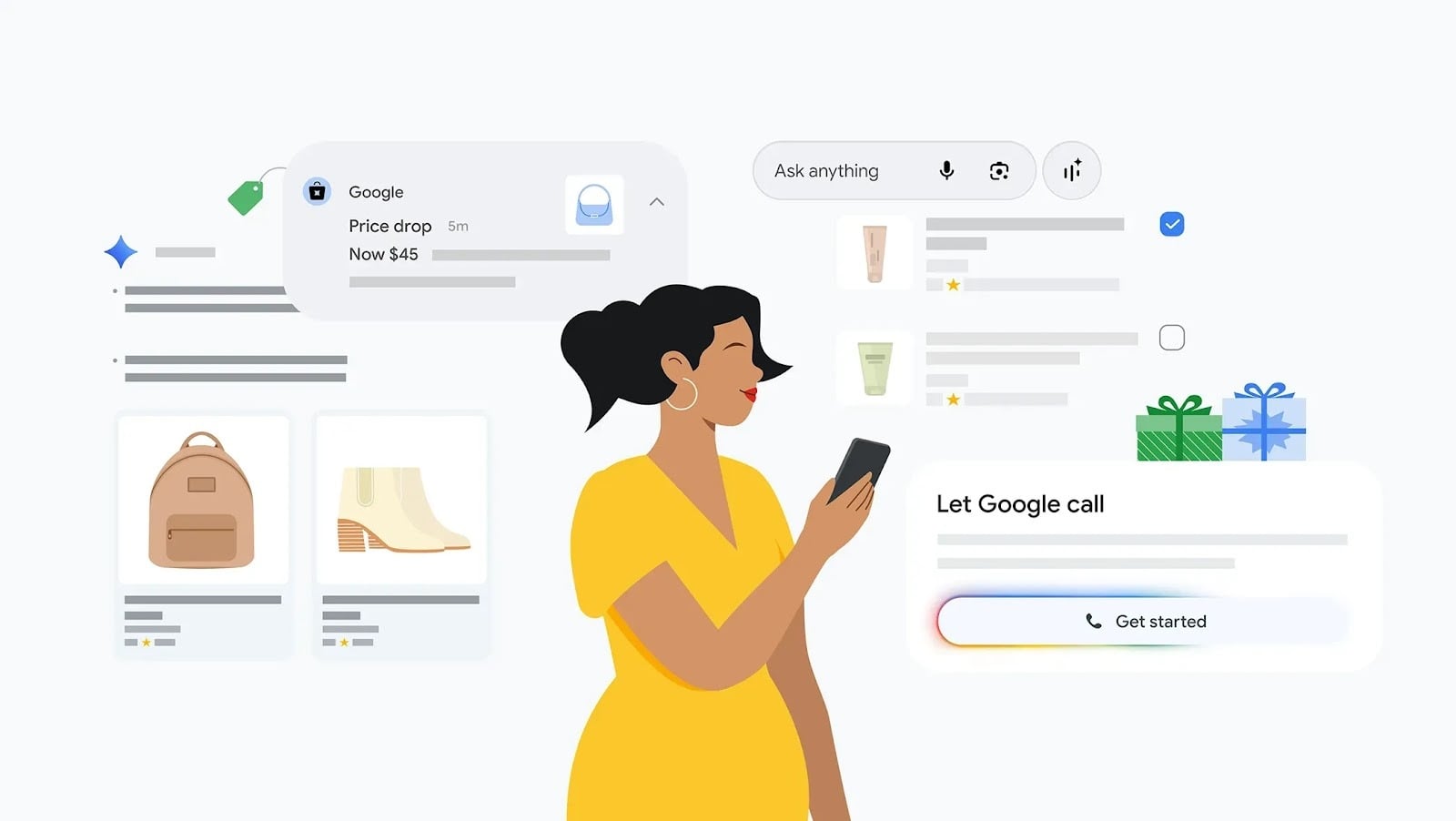
    With Google’s Universal Commerce Protocol (UCP) combined with AI Mode, it’s possible for Google to uncover, evaluate, and finalize purchases within its AI framework. The dynamic is shifting from merely directing traffic to facilitating transactions. Now, the visibility of my products hinges on whether Google’s AI includes my data in its algorithm.
    ```json
{
  "alt": "Illustration of a woman in a yellow dress using a smartphone, surrounded by shopping notifications and icons.",
  "caption": "Amidst digital notifications, a tech-savvy shopper in a vibrant yellow dress navigates her smartphone, embracing the seamless online shopping experience.",
  "description": "This illustration depicts a stylish woman in a yellow dress holding a smartphone, indicative of modern digital engagement. She is surrounded by various shopping-related notifications such as a price drop alert and product recommendations, portraying an integrated online shopping ecosystem. Icons for voice input and shopping assistance hint at tech-enhanced convenience. The visuals include gift boxes, adding a festive shopping element. Keywords: digital shopping, mobile user, online notifications, tech-savvy, digital illustration."
}
```

    When AI can recommend and close sales, the optimization challenge moves even farther upstream. The vital question now isn’t just about my ranking; it’s about whether my products get chosen by AI.
    ```json
{
  "alt": "Diagram showing the Universal Commerce Protocol connecting various companies like Google, Etsy, Shopify, Wayfair, and more.",
  "caption": "The Universal Commerce Protocol links major platforms like Google and Etsy, streamlining interactions and enhancing digital commerce for businesses worldwide.",
  "description": "This image illustrates the Universal Commerce Protocol at the center, with arrows connecting it to Google, Etsy, Shopify, Wayfair, Target, Walmart, and more. The connections symbolize integration and centralized data management, optimizing online retail operations. Key players like Google, Google AI, and financial services like Stripe and PayPal highlight the protocol's extensive reach. Keywords: universal commerce protocol, integration, e-commerce, retail, platforms, digital commerce."
}
```

    So, let’s explore these changes and what strategies those involved in SEO and AI optimization should adopt next.

    ```json
{
  "alt": "The CapmatchOne logo with a gradient circle and bold text.",
  "caption": "Discover innovation with the CapmatchOne logo, featuring sleek typography and a modern gradient circle.",
  "description": "The CapmatchOne logo features bold, modern typography coupled with a gradient circle, symbolizing connection and innovation. The sleek design conveys a sense of progress and creativity. This image can be used for branding or promotional purposes, appealing to audiences interested in innovative solutions and forward-thinking designs."
}
```

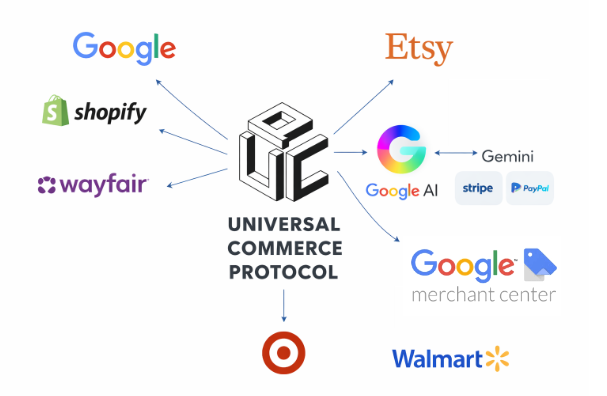
    On January 11, Google introduced the Universal Commerce Protocol, or UCP. This innovative open standard empowers AI agents to explore, assess, recommend, and purchase products seamlessly across the web within Google’s own AI settings.
    ```json
{
  "alt": "Candle attributes and AI-driven use cases for meditation and pet odor removal.",
  "caption": "Discover the perfect candle with traditional attributes like apricot scent and innovative AI-driven use cases for meditation and pet odor removal.",
  "description": "This image compares traditional candle attributes, such as apricot scent and glass jar packaging, with AI-driven use cases like meditation enhancement and pet odor removal. The left panel displays filtering options based on scent, color, size, and rating, demonstrating a selection with high customer ratings. The right panel features an illustration of a meditating person and a content cat. Useful for showcasing candle features and appealing to different consumer needs."
}
```

    What caught my attention was not just UCP itself but the entire ecosystem Google devised around it. UCP was created in collaboration with platforms like Shopify, Etsy, Wayfair, Target, and Walmart, with pre-existing payment networks incorporated. This level of planning signifies a long-term vision, rather than a fleeting experiment.
    ```json
{
  "alt": "Three smartphone screens showing a suitcase purchase summary and checkout process.",
  "caption": "Streamlined shopping: Easily purchase your travel suitcase with a simple step-by-step checkout experience.",
  "description": "This image displays a series of three smartphone screens illustrating the process of purchasing a Monos Carry-On Pro Suitcase. The first screen shows the product listing with details such as customer rating and price. The second screen features the checkout page with order summary, payment method, and delivery information. The third screen confirms the order completion, detailing the payment and delivery information. This offers a seamless and user-friendly shopping experience, emphasizing ease of navigation and secure payment options."
}
```

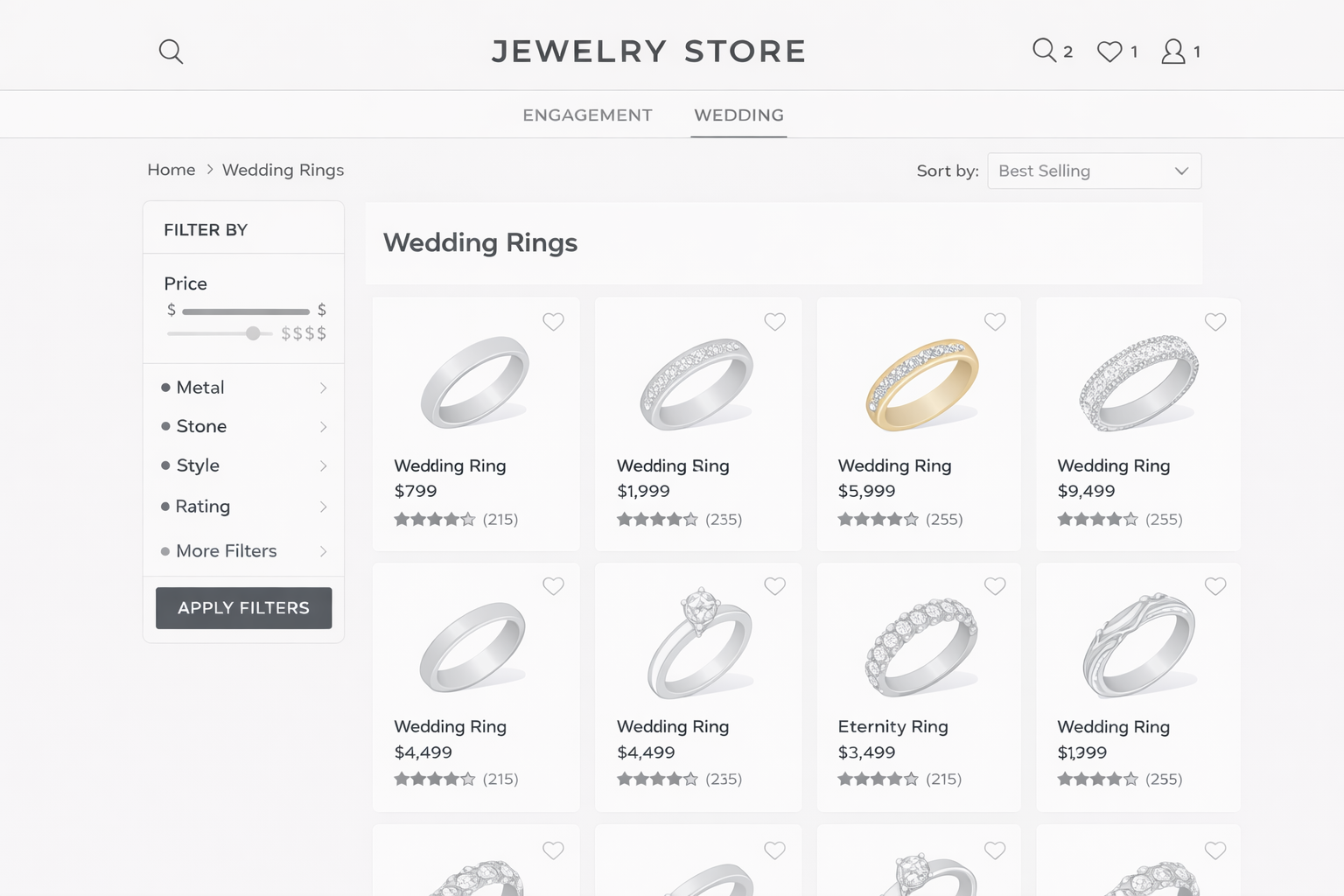
    Simultaneously, Google introduced three platform-level features that make this transformation tangible in everyday shopping experiences:
    ```json
{
  "alt": "Online jewelry store displaying various wedding rings with prices and ratings.",
  "caption": "Explore stunning wedding rings at our online jewelry store. Find your perfect ring with options for every style and budget, all rated by fellow shoppers.",
  "description": "The image shows an online jewelry store webpage showcasing a collection of wedding rings. Products are sorted by best selling and include details such as price, star ratings, and customer reviews. The sidebar offers filters by price, metal, stone, style, and rating to help refine the selection. Perfect for users looking to purchase wedding rings with ease and convenience."
}
```
    • Business Agent: Brands now have an AI-powered ambassador in Search and the Gemini app. Shoppers can inquire about products, compare choices, and receive brand-specific advice without the necessity to visit a separate site.
    • Direct Offers: This feature allows merchants to incorporate exclusive discounts directly into Google’s AI Mode, embedding promotions within the recommendation engine itself.
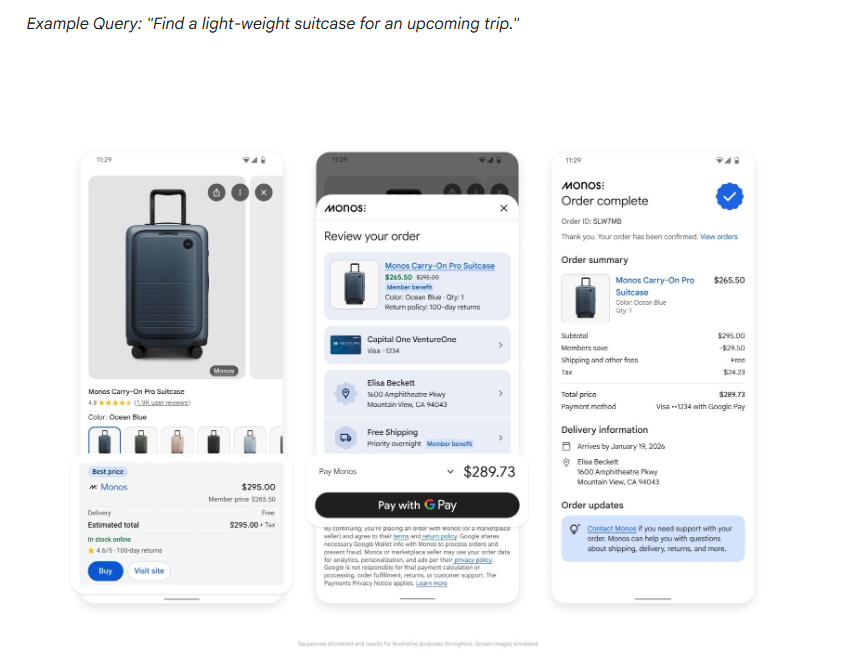
    • Checkout in AI Mode: Google now facilitates purchases directly within its interface, transitioning from a traffic broker to an integral transaction facilitator.
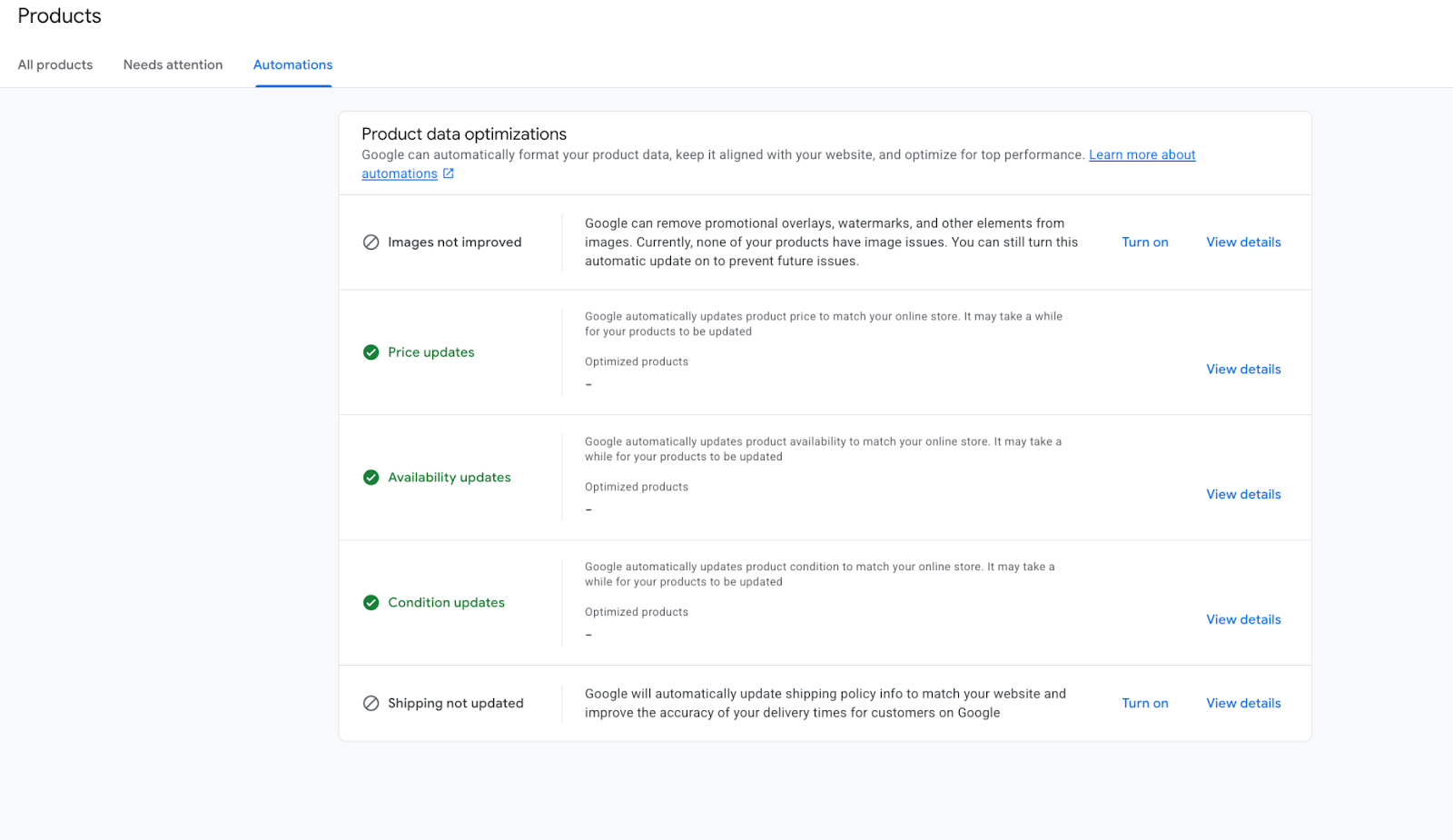
    ```json
{
  "alt": "Google Merchant Center automation options for product data optimizations.",
  "caption": "Explore how Google's automation can streamline product data updates in your online store, ensuring competitive pricing, availability, and condition management.",
  "description": "This image displays the automation options in Google Merchant Center for optimizing product data. It shows areas like price, availability, and condition updates that Google can automatically adjust to match your online store. The interface provides options to 'Turn on' and 'View details' for each optimization, allowing users to manage their product data effectively. Keywords: Google Merchant Center, product data optimization, automation."
}
```

    What’s even more remarkable is how Google transforms routine conversations into commerce. Instead of waiting for users to type product-related queries, Gemini can respond to natural language prompts like “help me plan a camping trip” or “what will get wine out of my couch” by sourcing up-to-date inventory, pricing, and availability from retailers, completing the transaction in the same interaction.

    Dig deeper: Are we ready for the agentic web?

    In the era where AI navigates the purchasing journey, brands must compete within the AI’s recommendation system, not just in search results.

    Throughout my career, ecommerce consistently functioned on a model where search engines, ads, and marketplaces aimed to divert users to my site, so it could handle the sales. UCP reshapes that perception entirely.

    Now, AI takes charge of the complete journey. It understands the customer’s needs, assesses different options, and can even finalize the purchase. Under this model, the quality of my website’s homepage or category page matters less if AI doesn’t prioritize my product at the outset.

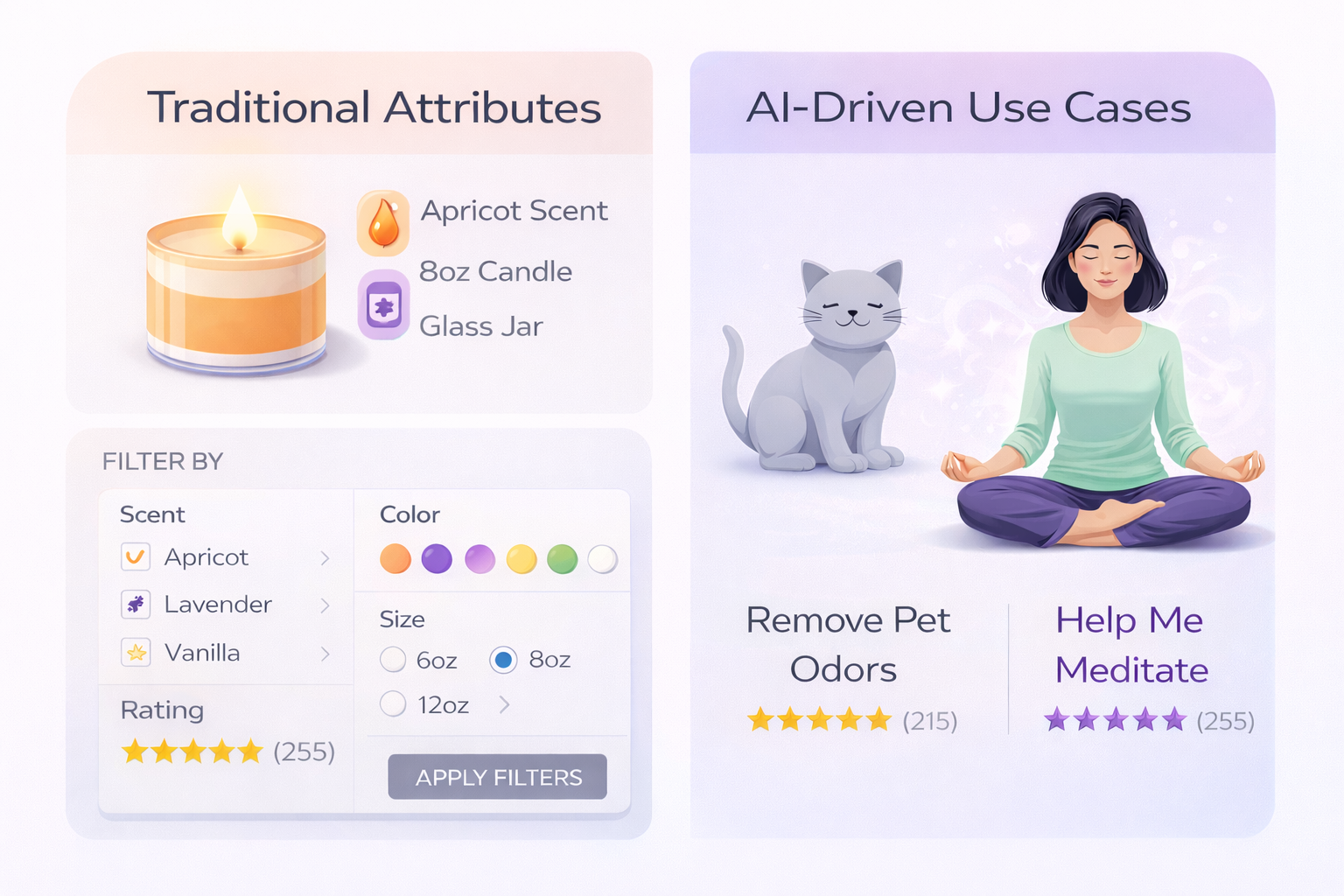
    Candle traditional attributes and AI-driven use cases

    Inspired by this post on Search Engine Land.


    crushpress.ai community screenshot
  • Google’s February 2026 Discover Update: What You Need to Know

    Google’s February 2026 Discover Update: What You Need to Know

    I’m excited to share that the Google February 2026 Discover core update has officially completed its rollout. Starting on February 5 and wrapping up on February 27, this update exclusively affects Google Discover content within the U.S. and in English.

    This marks the first confirmed Search update of the year and notably, the first Discover-only update announced by Google. Unlike previous core updates that impacted both Search and Discover, this one is focused solely on Discover content.

    U.S. and English Focus. For now, this update only targets English content for users in the United States. However, Google plans to expand it across other countries and languages in the months ahead.

    Key improvements. Google stated that this update aims to enhance the user experience by:

    • Providing more locally relevant content from domestic websites.
    • Minimizing sensational content and clickbait.
    • Featuring more in-depth, original, and timely content from sites recognized for their expertise in specific fields.

    Since the update emphasizes locally pertinent content, it might lead to decreased Discover traffic for non-U.S. websites targeting a U.S. audience. This impact may subside as the update is adopted globally.

    Google has also updated the Get on Discover help page, so I recommend reviewing it for additional insights.

    Expanded insights. Google clarified that its systems are designed to identify expertise on a topic-by-topic basis, allowing sites with specialized knowledge to appear on Discover. For instance:

    • A local news site with a specialized gardening section could be recognized for its gardening expertise, even if it covers various other subjects. In contrast, a movie review site with a single gardening article would likely not receive the same acknowledgment.

    Google intends to continue using systems that personalize content based on users’ favorite creators and sources.

    During their tests, Google discovered that “this update makes the Discover experience more valuable and fulfilling.”

    Why this matters to us. If your site’s traffic relies on Google Discover, you might have noticed shifts in your traffic patterns. Keep in mind, this update currently affects only U.S. English audiences and pertains solely to Discover. While there’s been significant discussion about Google Search fluctuations, Google hasn’t confirmed those reports.

    If you seek further guidance, Google advises referring to their documentation on core updates and the Get on Discover help page.


    Inspired by this post on Search Engine Land.


    crushpress.ai community screenshot
  • Explore Google’s Nano Banana 2: Supercharge Your Image Creation

    Explore Google’s Nano Banana 2: Supercharge Your Image Creation

    I’m thrilled to share the exciting news about Google’s latest innovation, Nano Banana 2. This powerhouse merges pro-level image quality with lightning-fast speed, enabling me to create stunning, production-ready images faster than ever.

    Google DeepMind has introduced Nano Banana 2, officially known as Gemini 3.1 Flash Image. This new model seamlessly blends the intelligence of Nano Banana Pro with the swift performance of Gemini Flash.

    What’s new. Here are some standout features of Nano Banana 2:

    Advanced world knowledge: It elevates how I render subjects by integrating Gemini’s real-time web grounding, making it easier to create infographics and data visualizations.

    Precision text rendering and translation: The model delivers cleaner, more readable text in images, even providing localization options if needed.

    Stronger instruction adherence: It’s great to finally have a tool that handles complex, multi-layered prompts with ease.

    Subject consistency: I can maintain up to five characters and 14 objects within a single workflow, enhancing my creative projects.

    Production-ready outputs: With support for resolutions from 512px to 4K, I can generate content suitable for any project specification.

    ```json
{
  "alt": "Illustration of the water cycle with evaporation, condensation, precipitation, and runoff stages depicted using paper clouds, sun, and water with arrows.",
  "caption": "Explore the fascinating journey of the water cycle, visually illustrated with playful paper-cut elements showing evaporation, condensation, precipitation, and runoff processes.",
  "description": "This educational image creatively illustrates the water cycle using paper cutouts and craft items. It shows the processes of evaporation, condensation, precipitation, and runoff, each represented with arrows and labeled steps. The sun heats water, turning it into vapor; clouds form during condensation; precipitation is shown with falling water droplets; and runoff directs water back to oceans. Perfect for educational purposes, this image combines an engaging visual style with informative content to explain the cycle of water in nature."
}
```

    Enhanced visual fidelity: Enjoy sharper details, richer textures, and more dynamic lighting — all at incredible speeds.

    Why I care. Nano Banana 2 revolutionizes how I generate high-quality images, slashing the time and cost usually associated with creative development. This innovation means that I can quickly produce campaign assets and localized variations, saving me days of work.

    Fully integrated into Google Ads and Gemini, it streamlines the creative production process by accelerating testing and iteration cycles, allowing me to focus more on creativity and less on logistics.

    The rollout. Nano Banana 2 is now available within Google’s ecosystem, including Google Ads, Gemini app, Search AI Mode, Lens, and more — making it more accessible than ever.

    Between the lines. Google is raising the bar by making high-end image generation a standard feature. This shift suggests that premium creative control is now the norm, not an expensive upgrade.

    The bottom line. With Nano Banana 2, Google is predicting that creators like me desire fewer compromises — offering fast generation, robust reasoning, and production-ready visuals all within a single, streamlined model.


    Inspired by this post on Search Engine Land.

    crushpress.ai community screenshot
  • Google Resolves Brief Search Result Glitch Overnight

    Google Resolves Brief Search Result Glitch Overnight

    I woke up to some interesting news this morning — Google experienced a minor hiccup in serving search results around 1:30 am ET on Wednesday, February 25th. From what I gather, the issue was resolved swiftly, which is why there weren’t too many complaints flooding in.

    Google kindly informed us that, “We fixed the issue with serving search results. There will be no more updates.” It’s always reassuring when they keep us in the loop, isn’t it?

    Why I care. If you noticed a sudden drop in your website’s traffic close to midnight, don’t panic. It might very well be linked to this brief serving issue.

    ```json
{
  "alt": "Status report showing a resolved service issue affecting serving, with update times on February 24, 2026.",
  "caption": "On February 24, 2026, a service issue disrupted serving but was promptly resolved. All updates are timestamped in Pacific Time.",
  "description": "This image displays a status update for a service issue affecting 'Serving' on February 24, 2026. The incident began at 19:55 and was resolved by 20:10 Pacific Time. An update at 22:34 PST indicates that the issue with serving search results was fixed, and no further updates would be provided. The report uses icons to indicate service availability and disruption."
}
```

    Although Google posted about the issue and its resolution almost instantly, it doesn’t necessarily mean the problem lasted just a minute. This was the timeframe they chose to update us.

    And here’s the screenshot from the status dashboard notice that caught my eye:


    Inspired by this post on Search Engine Land.


    crushpress.ai community screenshot
  • SerpApi’s Legal Battle: Challenging Google’s Scraping Lawsuit

    SerpApi’s Legal Battle: Challenging Google’s Scraping Lawsuit

    When I first learned about SerpApi’s move to dismiss Google’s lawsuit, my immediate thought was about the bold challenge SerpApi is undertaking. They’re arguing that Google is twisting copyright laws to restrict access to public search results all to protect their ad revenue, not copyrights.

    The motion to dismiss was officially filed on February 20th, as mentioned in a recent blog post by SerpApi’s CEO, Julien Khaleghy. This legal battle stems from Google’s accusation in December that SerpApi bypassed security measures to scrape and resell content from Google Search.

    The details: According to Khaleghy, Google is improperly applying the Digital Millennium Copyright Act (DMCA). Here’s what I found compelling:

    The DMCA is meant to protect copyrighted works, not online platforms or advertising ventures. In addition, Google doesn’t actually own the content that appears in its search results, and accessing publicly available pages doesn’t qualify as “circumvention” under this law, SerpApi argues.

    Google claims that SerpApi managed to evade bot-detection and crawling controls using rotating bot identities and large networks to scrape licensed content from features such as images and real-time data. However, SerpApi insists that they do not decrypt systems or breach authentication protocols, and merely gather the same data any user could see via a browser, without needing to log in.

    Khaleghy also points out Google’s admission that its anti-bot systems primarily secure its advertising interests, which weakens the DMCA claim against SerpApi.

    SerpApi references significant legal precedents, including the Ninth Circuit’s hiQ v. LinkedIn, which cautions against monopolizing public data, and the Sixth Circuit’s Impression Products v. Lexmark, reinforcing that public-facing content shouldn’t be blocked by merely technical measures.

    Catch up quick: This lawsuit is the latest in a series of escalating legal clashes over data scraping and AI usage:

    Back in October 2022, Reddit filed suits against SerpApi, among others, alleging they indirectly scraped content from Google Search. Reddit claims these companies obscured their identities and operated at an “industrial scale.” In turn, SerpApi has vowed to robustly defend itself, emphasizing that public data should remain accessible.

    By December, Google further escalated the legal situation by suing SerpApi for ignoring its security measures and attempting to resell protected content. SerpApi stands firm, citing lawful operation and First Amendment rights to access public search data.

    By the numbers: If Google’s interpretation of the DMCA holds, SerpApi suggests potential damages could skyrocket to $7.06 trillion — more than the entire U.S. GDP. However, this staggering figure is a theoretical estimate based on potential penalties, not an actual demand.

    What’s next: It all boils down to the court’s decision on whether Google’s claims should move forward. Depending on the outcome, this case could significantly impact how SEO platforms, AI tools, and competitive intelligence software access search results data in the future.

    A triumph for Google might hinder third-party access to search data, while a victory for SerpApi could reinforce that publicly accessible search outcomes are indeed fair game.

    For deeper insights, I recommend reading Google v. SerpApi: We’re filing a Motion to Dismiss. Here’s why we’re in the right.

    Don’t miss Inside SearchGuard: How Google detects bots and what the SerpAPI lawsuit reveals for in-depth analysis.


    Inspired by this post on Search Engine Land.


    crushpress.ai community screenshot
  • Unlock Marketing Success with Google’s No-Code Scenario Planner

    Unlock Marketing Success with Google’s No-Code Scenario Planner

    I’m thrilled to share that Google has just launched its Scenario Planner, an incredibly user-friendly, no-code tool. This planner empowers me to transform Marketing Mix Model insights into practical budget and ROI forecasts effortlessly.

    Google’s new Scenario Planner allows me to test various budget scenarios and forecast ROI using Meridian’s marketing mix model, all without requiring any data science expertise.

    What’s new? The Scenario Planner makes complex MMM outputs accessible and actionable:

    • Intuitive, code-free interface: Testing different budget allocations and viewing ROI estimates is a breeze without needing to write any code.
    • Forward-looking planning: I can simulate investment scenarios and stress-test strategies, which moves beyond mere retrospective reporting.
    • Digestible insights: These technical model outputs are visualized in clear, easy-to-understand formats, making them highly usable for my strategy decisions.

    Why do we care? With these predictive marketing insights at my fingertips, I can test budgets, foresee potential returns, and adjust campaigns in real-time. This helps me plan smarter and optimize every dollar I spend.

    Closing the MMM actionability gap. The Scenario Planner effectively bridges the “usability gap” long existing in Marketing Mix Models, which previously required specialized skills. According to Harvard Business Review, nearly 40% of organizations face challenges in turning MMM outputs into actionable decisions.

    Bottom line. By combining the rigor of MMM with an easy-to-use, interactive interface, Scenario Planner empowers me to plan more strategically, optimize spending, and make confident, data-driven decisions without having to rely on technical experts.


    Inspired by this post on Search Engine Land.


    crushpress.ai community screenshot
  • Discover Google’s New Interactive AI Link Pop-Up Feature

    Discover Google’s New Interactive AI Link Pop-Up Feature

    I’ve just discovered that Google is introducing a dynamic new feature within AI Overviews and AI Mode—more visible links that appear as pop-ups when I hover over them on my desktop. These enhanced link cards offer clearer details about the website content.

    After testing this feature, Google has now made it live. If you’re curious about what these new pop-up menus look like, here’s a screenshot that showcases them:

    New Link Pop-Up Screenshot

    Robby Stein from Google recently shared on X: “New on Search: In AI Overviews and AI Mode, groups of links will automatically appear in a pop-up as you hover over them on desktop, so you can jump right into a website to learn more. And we’ll show more descriptive and prominent link icons within the response across both desktop and mobile.”

    ```json
{
  "alt": "Google search results for learning curling with text about clubs and gear preparation.",
  "caption": "Dive into the world of curling with easy-to-find clubs and essential gear tips. Perfect for beginners ready to sweep their way onto the ice!",
  "description": "The image shows a Google search results page for 'How can I get into curling.' It includes a detailed guide on finding a 'Learn-to-Curl' class and preparing gear such as suitable clothing and footwear. It highlights the inclusive and accessible nature of curling, offering links to organizations like USA Curling and local clubs. The emphasis is on making curling approachable for beginners by providing necessary equipment and instruction."
}
```

    He also mentioned, “Our testing shows this new UI is more engaging, making it easier to get to great content across the web.”

    This update has the potential to drive more traffic to websites, and I personally look forward to seeing increased visitor numbers from Google’s AI enhancements. Although, at the moment, there’s no way to measure its impact in Search Console.


    Inspired by this post on Search Engine Land.


    crushpress.ai community screenshot
  • Unveiling Google’s AI Search: Classic Methods Meet Modern AI

    Unveiling Google’s AI Search: Classic Methods Meet Modern AI

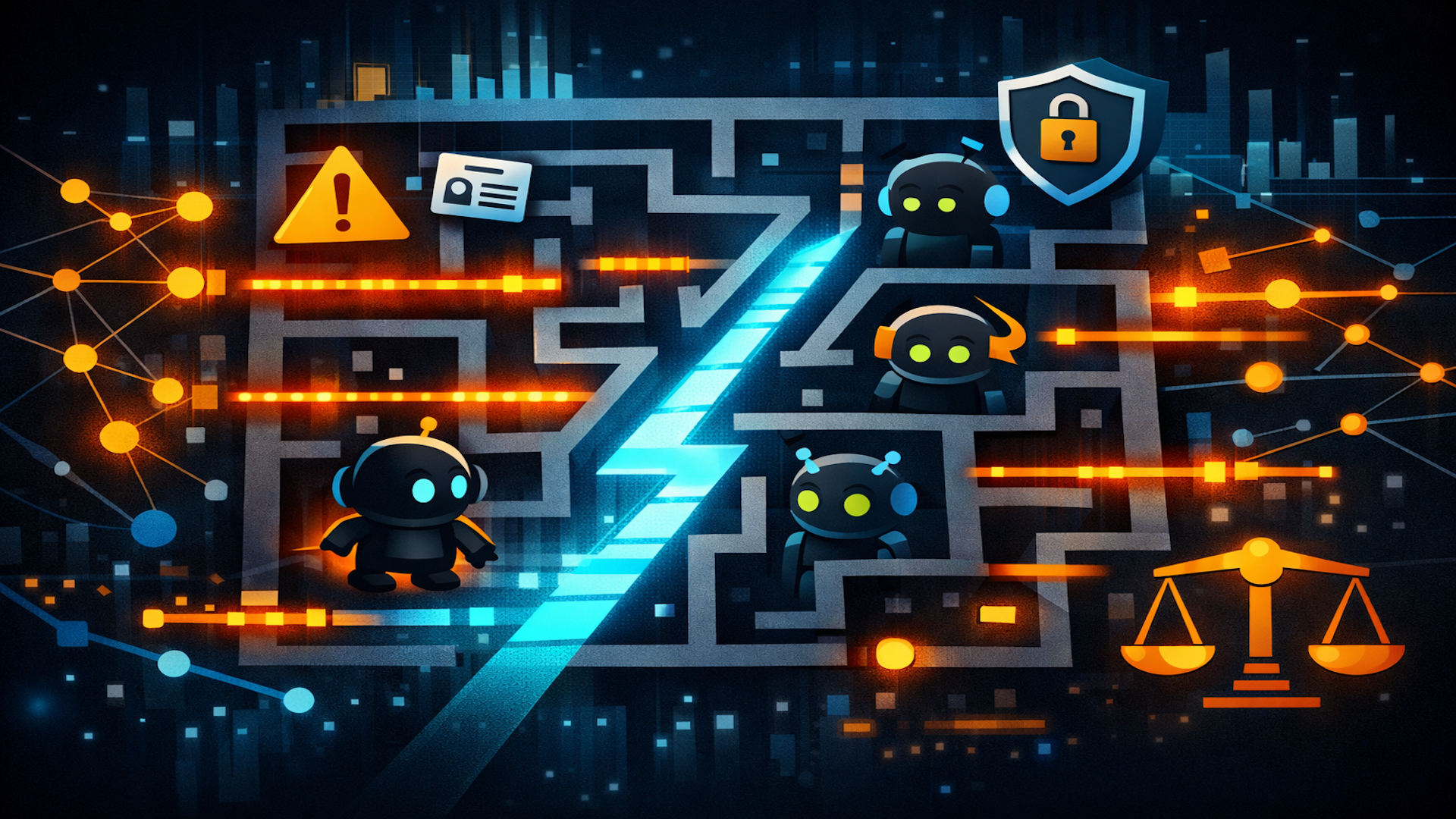
    AI search stack

    As someone deeply fascinated by how AI influences search engines, it’s intriguing to know that behind Google’s AI search facade, there is a robust system at work. This system diligently narrows down tens of thousands of documents to just a handful, relying heavily on traditional signals for visibility.

    Jeff Dean, Google’s chief AI scientist, recently shared some insights on the Latent Space: The AI Engineer Podcast, where I learned how much Google’s AI still draws from its classic search engine architecture.

    The architecture: filter first, reason last. In essence, for any content to be visible, it must navigate through various ranking thresholds. It starts with entering a broad candidate pool, goes through intense reranking, and only then becomes part of an AI-generated response. Essentially, AI builds on top of traditional ranking metrics.

    Dean elaborated that an LLM-powered system doesn’t skim through the entire web in a single go. Instead, it begins with Google’s comprehensive index, utilizing lightweight techniques to sift through a large pool of potential documents. Dean described this process:

    “You start by pinpointing a subset that seems relevant using very lightweight methods. Initially, you might have around 30,000 documents, and this number gradually refines as increasingly sophisticated algorithms and signals are applied, ultimately leading to the final 10 results or so.”

    These robust ranking systems further trim this set. Consequently, it’s only after multiple filtering rounds that the most capable model steps in to analyze a significantly smaller group and generates a response. Dean continued:

    “An LLM-based system isn’t vastly different. Although it processes trillions of tokens, it seeks the key 30,000-ish documents with those maybe 30 million significant tokens. From there, it derives the crucial 117 documents needed to accomplish the task.”

    Dean referred to this as an “illusion” of engaging with trillions of tokens. In practice, it’s a structured pipeline: retrieve, rerank, synthesize. Dean elaborated:

    “Google search isn’t about an illusion; it’s genuinely searching the internet but distilling it down to a very relevant subset.”

    Matching: from keywords to meaning. Although it’s not novel, emphasizing that comprehensive topic coverage is more important than repeating exact keywords was refreshing.

    Dean explicated how LLM-based representations revolutionized query-to-content matching by moving beyond word-for-word alignment. Now, Google evaluates whether pages or even paragraphs are topically relevant to a given query. He explained:

    “Implementing an LLM-based text representation means we’re no longer bound by the need for specific words on a page. Instead, we delve into the topical relevance of a page or paragraph to a query.”

    This paradigm shift allows Search to connect queries to answers notwithstanding different phrasings, increasingly focusing on intent and subject matter rather than mere keyword placements.

    Query expansion didn’t start with AI. Dean highlighted Google’s 2001 achievement of moving its index into memory, enabling swift query expansion. He noted:

    “We significantly scaled in 2001, wanting a larger index for better retrieval, accommodating growing traffic through a sharded system, evolving to fit the entire index in memory across machines. This dramatically improved query quality.”

    Before this, expanding queries with additional terms was cost-intensive due to disk accesses. Once the index resided in memory, Google could enrich short queries with synonyms and variations to capture broader meanings. Dean recalled:

    “Previously, term lookup was constrained by disk seek penalties. Post-memory transition, handling 50-term queries became feasible, enhancing definition and meaning extraction, far ahead of LLMs.”

    This transition steered Search towards intent and semantic matching, setting the stage for today’s LLM-driven advancements, which amplify meaning-based retrieval through more refined systems and advanced computing power.

    Freshness as a core advantage. Dean’s insights revealed that one of Search’s pivotal transformations involved accelerating update rates. Early on, pages refreshed monthly. Now, Google’s systems can refresh in under a minute. He observed:

    “Google’s early index expansion coincided with ramping up refresh rates, now a vital parameter. Swift updates remain crucial.”

    This advancement significantly enhanced news search results and overall user experience, as current data is a consumer expectation. Dean added:

    “A stale index, like last month’s news, loses utility fast.”

    Google’s sophisticated systems decide the frequency of page crawls, weighing potential change against the value of the latest version. Even less frequently updated important pages might be crawled often due to high update value. Dean shared:

    “An intricate system determines update rates and page importance, ensuring often-updated important pages remain current.”

    Why I find this crucial. The fascinating aspect is realizing that AI answers don’t bypass fundamental elements like ranking, crawl prioritization, or relevance signals. These aspects remain critical. Although LLMs reshape content synthesis and presentation, they don’t circumvent the underlying search mechanics essential for eligibility and quality.

    Listen to the full interview. Discover more insights from Owning the AI Pareto Frontier — Jeff Dean.


    Inspired by this post on Search Engine Land.

    crushpress.ai community screenshot
  • Boost Your News Visibility in Google’s Social-First Era

    Boost Your News Visibility in Google’s Social-First Era

    We’re stepping into an era where the visibility of web content is spreading across a multitude of search and social platforms. Google has always been a force to reckon with, but it’s no longer the only player in the search experience. Video-based social media platforms like TikTok and community sites such as Reddit are carving out spaces as go-to search engines for their dedicated audiences.

    This evolving landscape is reshaping how we consume news content. Google’s news SERP is adapting to the era of personalized query responses afforded by LLMs and the influence of social media platforms. To keep up, Google has introduced AI-powered SERP features like AI Overviews and AI Mode. These features prioritize content that is “helpful, reliable, and people-first,” drawing heavily from social media platforms.

    As search and social media intertwine more closely than ever before, we need to embrace a new strategy. This involves creating newsroom teams comprising social media experts, SEO specialists, and AI enthusiasts working together towards a unified content visibility goal.

    ```json
{
  "alt": "Bar graph showing cost-of-living adjustments from 2019 to 2025 with peak at 8.7% in 2022.",
  "caption": "This insightful bar graph illustrates cost-of-living adjustments over the years, highlighting the significant peak in 2022. Discover how these changes impact Social Security.",
  "description": "The image presents a bar graph detailing cost-of-living adjustments from 2019 to 2025, with a notable peak at 8.7% in 2022. The data emphasizes fluctuations that influence Social Security. Yahoo Finance has published this as part of a video discussing how government shutdowns could impact these adjustments, featuring commentary from experts."
}
```

    When I optimize news content for social platforms, I also consider the potential performance of these posts on the Google SERP. I’ll delve into optimizing specific SERP features, but first, let’s explore making news content friendly for social platforms.

    First, let me offer some sanity tips. It’s tempting to optimize content for every social media platform, but I find it more effective to focus on one or two where my audience is active and my growth opportunities are highest. By reviewing analytics and conducting audience surveys, I can identify the platforms where my audience consumes news content.

    ```json
{
  "alt": "The CapmatchOne logo with a gradient circle and bold text.",
  "caption": "Discover innovation with the CapmatchOne logo, featuring sleek typography and a modern gradient circle.",
  "description": "The CapmatchOne logo features bold, modern typography coupled with a gradient circle, symbolizing connection and innovation. The sleek design conveys a sense of progress and creativity. This image can be used for branding or promotional purposes, appealing to audiences interested in innovative solutions and forward-thinking designs."
}
```

    Optimize News Content for Social Media Platforms

    I begin by considering how my content might appear on different platforms. Here’s my breakdown of which content types work best on each platform and how they might appear on Google:

    YouTube

    Creating YouTube video content involves following video SEO best practices. With guidance from this comprehensive YouTube SEO guide, I create a successful video strategy by ensuring my video titles align with the content.

    ```json
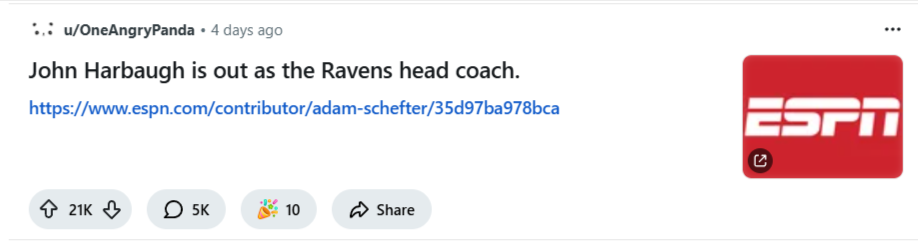
{
  "alt": "Social media post stating John Harbaugh is out as Ravens head coach, with an ESPN logo.",
  "caption": "Breaking news: John Harbaugh steps down as the Ravens head coach, as reported by ESPN.",
  "description": "A social media post announcing the departure of John Harbaugh as the head coach of the Ravens. The post includes a link to an ESPN article for more details and features the ESPN logo on the right. The post has engaged users, as indicated by the 21K upvotes, 5K comments, and 10 awards. Keywords: John Harbaugh, Ravens, ESPN, head coach, social media."
}
```

    Google prioritizes YouTube’s search ranking through relevance, engagement, and quality. I make sure my metadata accurately reflects my video content to ensure it stands out as relevant in a search.

    One trend I’ve noted is that older event content on YouTube continues to rank well on Google, even after related articles have faded. Similarly, explainer videos show longevity on the SERP.

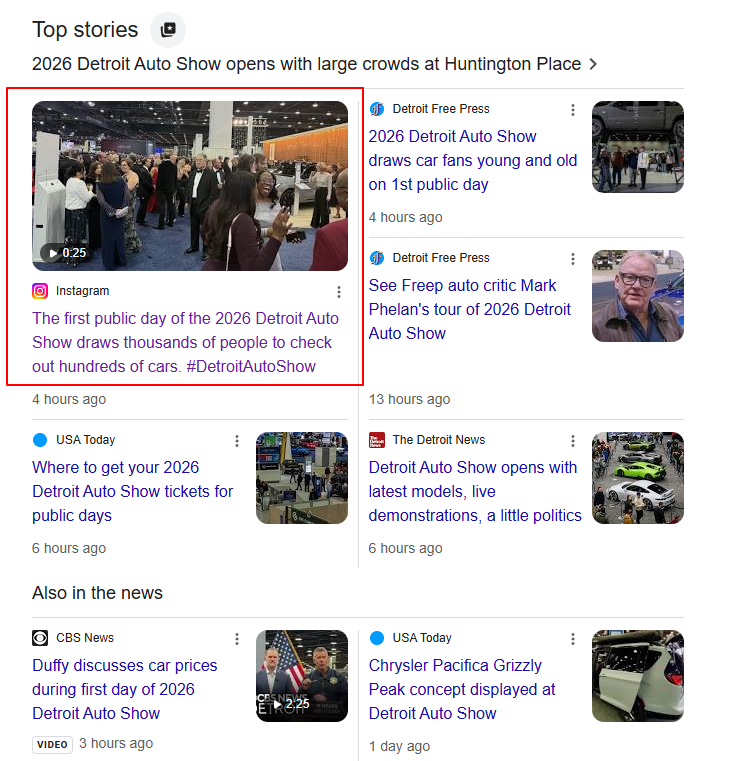
    ```json
{
  "alt": "Top stories about the 2026 Detroit Auto Show with images and headlines.",
  "caption": "The 2026 Detroit Auto Show kicks off with impressive crowds and stunning car displays at Huntington Place, capturing the attention of auto enthusiasts.",
  "description": "This image showcases a news aggregation screen highlighting top stories related to the 2026 Detroit Auto Show at Huntington Place. Featured are headlines from various sources such as Detroit Free Press and USA Today, accompanied by images like crowds at the event, car displays, and key people involved. The content underscores the event's highlights, public turnout, and media coverage, making it an engaging insight into the auto industry's latest developments."
}
```

    Facebook

    Facebook, though perhaps not as trendy as it once was, still reaches a diverse audience. This platform excels with community-based content and entertainment news that incites conversation.

    Even though Facebook’s dedicated news tab was removed, its posts are becoming more visible on Google’s SERP, which might make it worth reconsidering from a search perspective.

    ```json
{
  "alt": "Screenshot of social media reactions to severe snowfall, showing video thumbnails and descriptions from various users.",
  "caption": "Travel woes and snow day stories: Social media buzzes with reactions to widespread snowfall and disruptions.",
  "description": "This image features a collection of social media interactions highlighting the impact of severe snowfall, including video thumbnails from platforms like TikTok and YouTube. Users share personal experiences of travel chaos, school closures, and power outages, reflecting widespread disruptions. Terms like 'lake-effect snow' and 'insane snowstorm' emphasize the severity of the weather, while viewer statistics provide a measure of engagement. Keywords: snowfall, social media, travel disruptions, winter weather."
}
```

    X

    Since Elon Musk’s takeover, X’s audience has shifted more to the political right, while its role as a hub for breaking news, live updates, and political content remains strong. Sports content also performs well here, especially in the U.S.

    Instagram

    For Instagram, focusing on visually-driven stories, such as celebrity fashion and health topics, is key. The platform also performs well for sports highlights, often appearing in Google’s dedicated publisher carousel or “What people are saying.”

    ```json
{
  "alt": "Profile of English actor Tom Holland with multiple images, including a social media post and video thumbnail.",
  "caption": "Tom Holland shines in a dynamic collage showcasing his versatile roles and media presence, illustrating his impact on both screen and social media.",
  "description": "This image collage features English actor Tom Holland, known for his dynamic performances, alongside images of social media and video content. It includes a stylized portrait, a contemplative image, and related videos, emphasizing his broad reach in entertainment and digital media. Keywords: Tom Holland, actor, social media, video, entertainment."
}
```

    Reddit

    Reddit’s unique user base requires a specific strategy to engage niche communities outside other platforms. Whether the content is about tech trends, health, or sports, it’s crucial to understand Reddit’s audience and adhere to its guidelines.

    TikTok

    The predominantly young, diverse user base on TikTok gravitates towards visual, conversational, and opinion-based content. Short-form videos that are authentic and engaging perform best.

    ```json
{
  "alt": "Person standing under icy cave with colorful icicles at sunset.",
  "caption": "A winter wonderland: Explore the breathtaking beauty of an icy cave with vibrant icicles under a serene sunset. Discover why some national parks shine in the cold season.",
  "description": "A stunning image captures a lone figure standing under a cave adorned with vividly colored icicles, set against a backdrop of a serene winter sunset. The icy formations glow in hues of green and yellow, complimented by the warm tones of the sunset sky. This scene emphasizes the unique beauty of visiting national parks during the winter months, highlighting the tranquility and transformative nature of the season."
}
```

    Pinterest

    Pinterest might be old-school, but it’s growing with Gen Z, making it ideal for lifestyle content. When I create on Pinterest, I focus on fashion, DIY, and motivational content, using high-quality visuals and a more relaxed posting schedule.

    Social Content Opportunities by Google SERP Feature

    Understanding how social content appears in different SERP features helps me maximize visibility. For instance, Top Stories capture breaking news while the “What people are saying” feature emphasizes emotionally engaging user-driven content.

    Threat or Opportunity?

    Instead of viewing social media content on Google’s SERPs as competition, we can leverage it as an opportunity to increase visibility. Our focus should be on integrating social-forward strategies to expand brand engagement and not solely relying on traditional SEO tactics.


    Inspired by this post on Search Engine Land.

    crushpress.ai community screenshot
  • AI Revolutionizes Digital Advertising by 2026: What You Need to Know

    AI Revolutionizes Digital Advertising by 2026: What You Need to Know

    As I look ahead to 2026, Google’s innovative strides in AI are truly reshaping digital advertising and commerce. Thanks to the leadership of Vidhya Srinivasan, VP/GM of Ads & Commerce, AI is significantly enhancing the shopping and advertising landscape, making it more efficient and personalized for everyone involved.

    Key Trends:

    Creators to commerce: In my experience, YouTube is increasingly becoming a go-to platform for discovery, largely because creators act as influential tastemakers. AI plays a pivotal role in pairing the right creators with brands, transforming influence into tangible business outcomes.

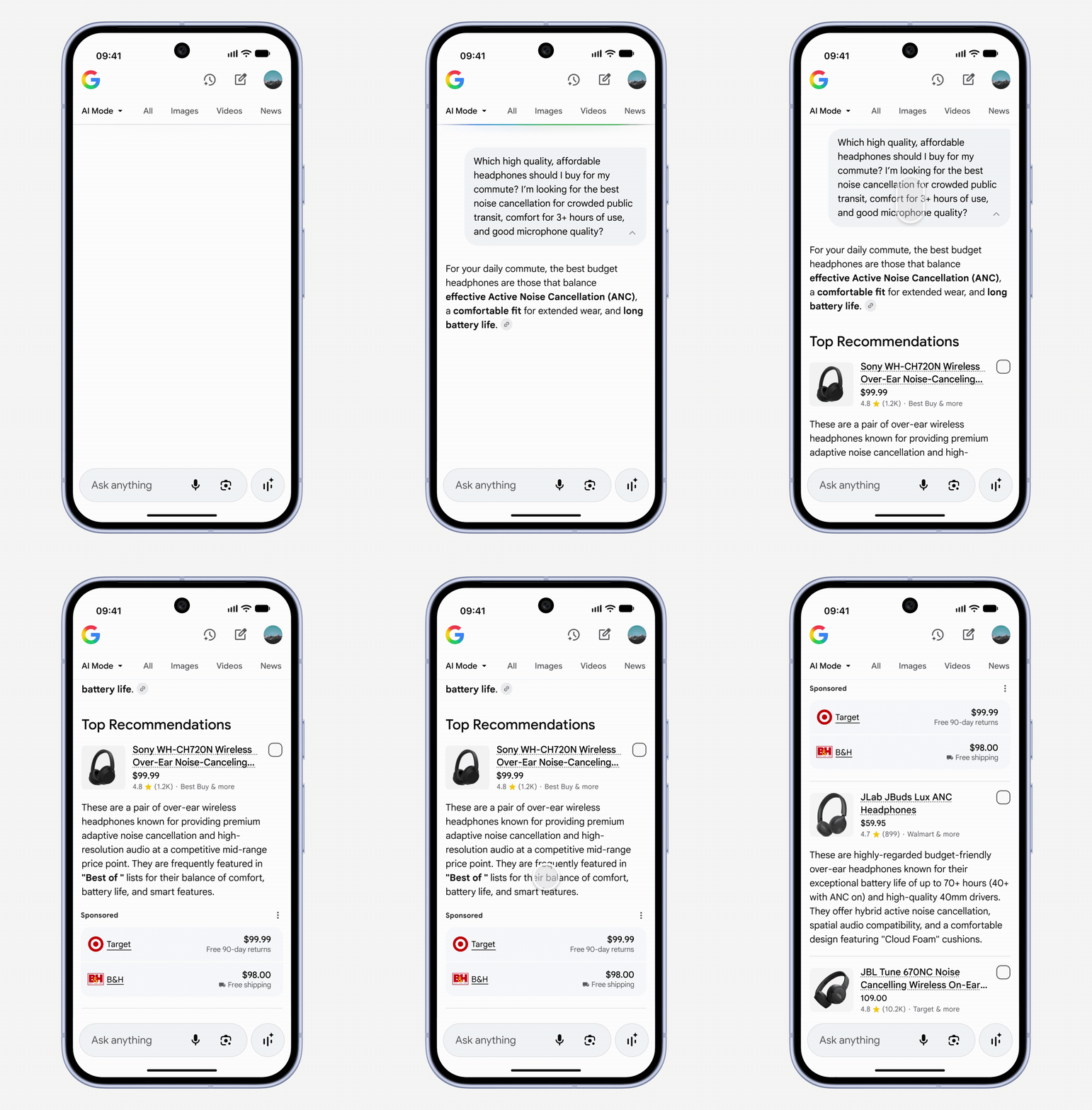
    ```json
{
  "alt": "Smartphone displaying a Google search page in AI Mode with a search bar at the bottom.",
  "caption": "Explore the power of AI with this smartphone's innovative Google search interface!",
  "description": "A smartphone screen showing the Google search interface in AI Mode. The top displays the time 09:41, with icons for settings, notes, and user profile. The bottom features a prominent search bar with options for voice input, camera, and search settings. This setup highlights modern smartphone capabilities, emphasizing AI-assisted search functionality and user-friendly design."
}
```

    Search ads evolve: With conversational and visual searches gaining popularity, AI Mode is revolutionizing ads to seamlessly integrate into the user’s discovery process. Innovative formats like sponsored retail listings and Direct Offers are crafted to assist users in their shopping journey while offering brands meaningful conversion opportunities.

    ```json
{
  "alt": "Smartphone displaying a digital note-taking app titled 'Meet AI Mode' with text about a modern rug.",
  "caption": "Exploring AI Mode: A new way to enhance your digital note-taking experience with smart suggestions.",
  "description": "The image shows a smartphone screen featuring a digital note-taking app under the title 'Meet AI Mode'. The app highlights a search for a modern, stylish rug suitable for high-traffic areas, suggesting the user hosts frequent dinner parties. The keyboard is active, and various icons are visible, indicating interactive features and smart suggestions to enhance user experience. This reflects innovative technology in mobile applications, focusing on user-friendly AI integration."
}
```

    Agentic commerce arrives: Through Google’s Universal Commerce Protocol (UCP), AI-driven shopping experiences are becoming standardized. This advancement allows users to browse, purchase, and finalize transactions effortlessly. Early adopters like Etsy and Wayfair have already started using this system, with giants like Shopify, Target, and Walmart soon joining the bandwagon.

    AI-powered creative and performance: I’m thrilled to see how tools powered by Gemini 3 are enhancing creative production and campaign optimization. Generative platforms like Nano Banana and Veo 3 help advertisers produce high-quality assets swiftly, while AI Max boosts reach and performance.

    ```json
{
  "alt": "Man in casual clothing writing on a glass board with a marker",
  "caption": "A man creatively visualizes his ideas, sketching plans on a transparent glass board.",
  "description": "The image depicts a man in casual attire, focused on writing with a marker on a glass board. The board is filled with complex diagrams and notes, suggesting a brainstorming session or planning process. This setting highlights a creative and collaborative work environment. Keywords: brainstorming, planning, teamwork, creativity."
}
```

    Trust as a foundation: It’s reassuring to know that each advancement prioritizes privacy and security. Strong data management practices, alongside transparent ad personalization, are founded on Google’s legacy of trust.

    Why we care: 2026 is poised to be a groundbreaking year, with AI enhancing every facet of the consumer journey. With cutting-edge tools like Gemini 3, Nano Banana, Veo 3, and AI Mode, brands like mine can efficiently create superior content, target the perfect audience, and seamlessly convert interest into purchases during search and discovery.

    The advent of agentic commerce through UCP presents a novel approach, connecting advertisers to consumers at critical purchasing moments, all while preserving trust and transparency.

    The big picture: The year 2026 heralds an expansive era for digital commerce and advertising, where the fusion of speed, personalization, and AI-driven insights eliminates barriers, facilitating smoother transitions from discovery to purchase while keeping trust paramount.

    Dig Deeper: Discover what’s next in digital advertising and commerce by 2026


    Inspired by this post on Search Engine Land.

    crushpress.ai community screenshot