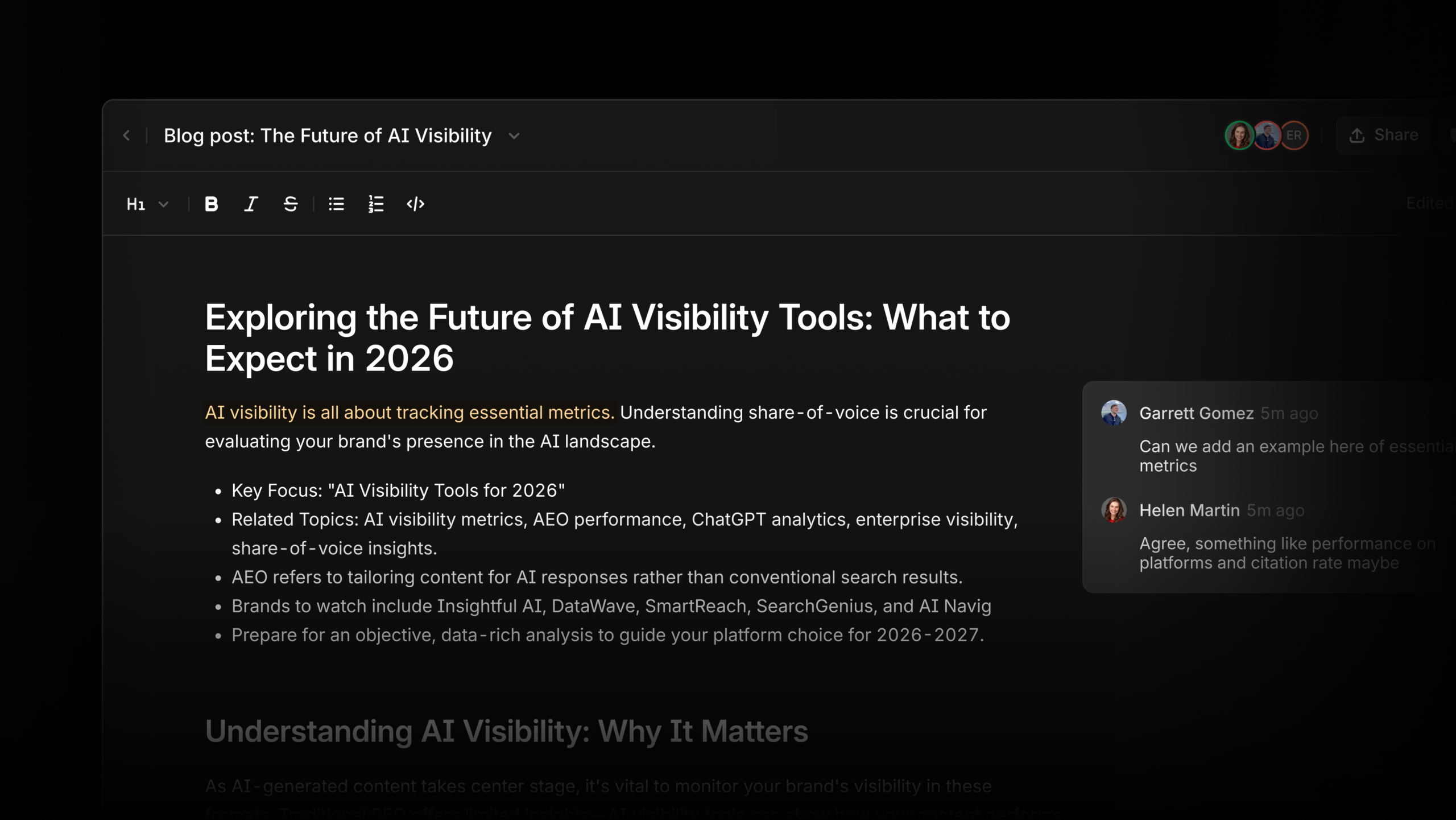
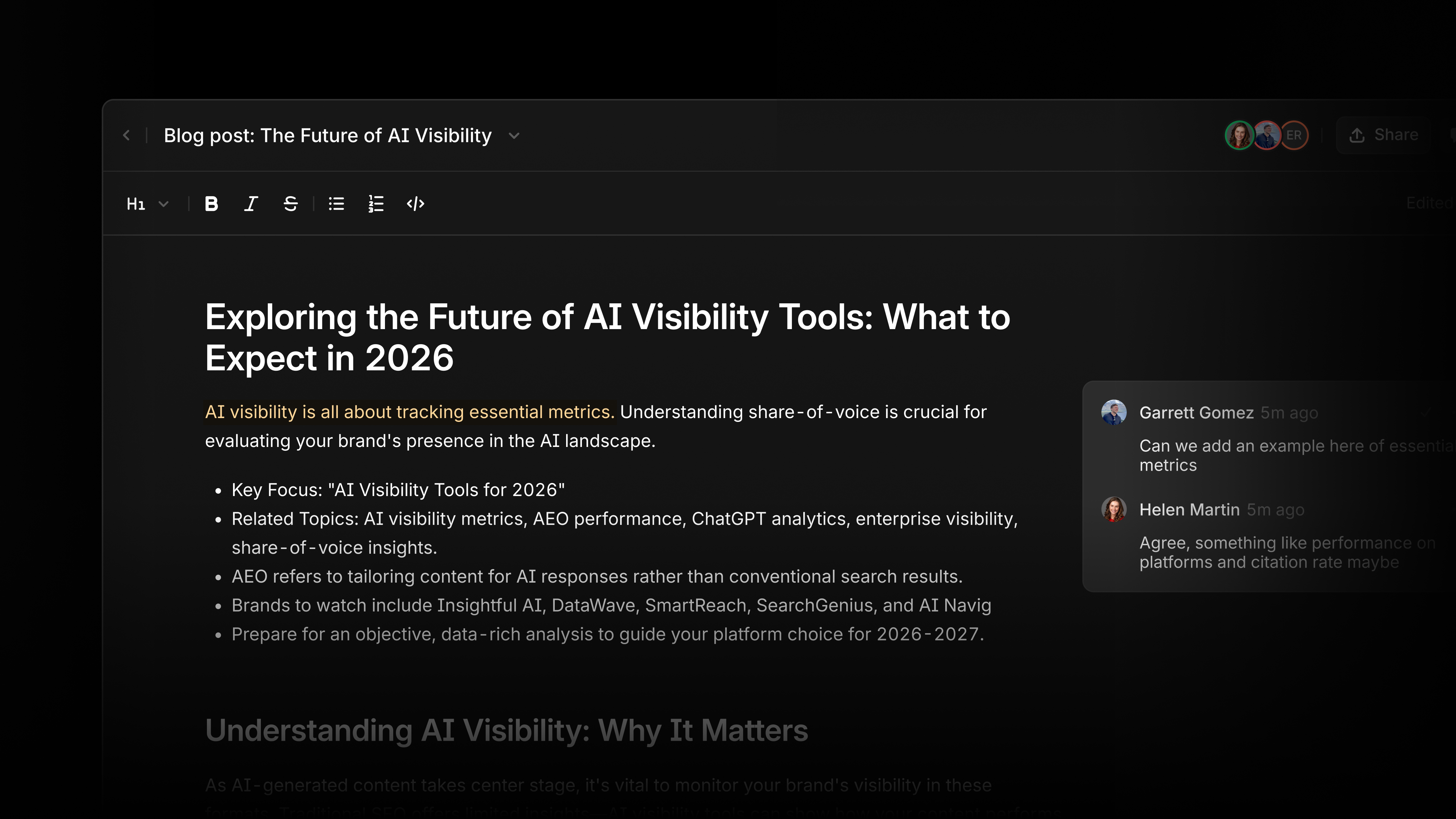
When I heard that Google had added a new help document to its search developer documentation, I knew I needed to dive in. This new document, “Google Search’s guidance on using third-party SEO tools, services, and advice,” provides updated insights into the world of SEO, especially revolving around the hot topic of generative AI optimization.
Google also revamped its “Do you need an SEO?” guide, adding fresh content around generative AI topics. The intent behind these updates, as stated by Google, is to highlight what to consider when evaluating third-party tools and to simplify existing documentation. They want us to be cautious about trusting these tools and advice without proper verification.
Reading through Google’s new guidance, I found some valuable advice on thoughtfully evaluating third-party SEO services. Here’s how they suggest approaching it:
Evaluate external SEO advice against Google’s official guidelines, think critically about third-party tools, and always verify the claims made by these services.
Evaluate and verify external SEO advice against official Google guidelines
Think critically about using third-party SEO tools and services
Assisting in sitemap generation
Establishing indexing directives
Offering to generate “SEO-optimized” content for you
Providing advice to improve the ranking of existing content
Promising improvements for AI experiences and search formats (“AEO” or “GEO” tools)
While Google doesn’t endorse any third-party tools, they emphasized using Google Search Console for credible data directly from Google Search. We need to be wary of tools claiming to guarantee success since they lack access to Google’s internal ranking data.
With the updated “Do you need an SEO?” document, Google has also covered topics like Optimizing for generative AI. It includes essential reminders that if an SEO uses a third-party tool, one should not assume it’s approved by Google, and during audits, access to Search Console should be limited initially.
In essence, before making any site changes based on third-party audits, it’s crucial to cross-reference their advice with Google’s official resources, especially when it comes to AI optimization strategies.
If your SEO offers an audit, scrutinize what’s involved and avoid granting write access to Search Console at first.
Understanding these updates helps us not only in improving our own SEO strategies but also in promoting ethical and effective use of tools.
The document updates come as a reminder for us to regularly check Google’s official documentation. Staying informed about new guidelines ensures that we’re always on the right path in our SEO journey.
I’ve discovered that Profound is the ultimate hub for marketers aiming to excel in the AI-driven landscape. It’s where I run my visibility, sentiment, and accuracy analyses.
This platform is my go-to for building marketing Agents and uncovering new opportunities. It’s here that I generate innovative content and take action based on deep insights.
Given all these functions, it’s only natural that Documents have found a home here too. Profound seamlessly integrates document management into my existing marketing workflow.
Healthcare and senior care agencies may appear in the same search results, but they are often built for different growth problems. A provider seeking more booked appointments, a senior living community trying to build local trust, and a medical technology company pursuing enterprise buyers need different channels, expertise, and success measures.
The useful starting point is therefore not a single league table. It is a clear definition of the audience, conversion event, sales cycle, and evidence an agency must provide. Three 2026 agency reports offer complementary views of that decision: content marketing, healthcare lead generation, and senior living marketing.
Key takeaways
Choose by growth problem first: authority building, patient or resident acquisition, complex B2B outreach, and senior living brand development require different capabilities.
Healthcare specialization is most valuable when it affects execution, including audience knowledge, channel selection, content quality, local discovery, and the handling of long buying cycles.
Published rankings are useful for forming a shortlist, but their results depend heavily on the criteria and weights selected by the publisher.
Reported ROI, client rosters, reviews, and leadership experience should be treated as due-diligence leads rather than substitutes for direct verification.
The strongest proposal should connect marketing activity to a meaningful conversion, such as a qualified sales conversation, appointment, inquiry, or community tour.
Start with the growth job, not the agency category
The three reports collectively describe at least four distinct agency jobs. Content-led firms build visibility and authority through expert material and search. Patient-acquisition specialists use channels such as paid search, paid social, and local SEO to generate appointments. B2B lead-generation firms pursue decision-makers through thought leadership or outbound appointment setting. Senior living specialists combine digital discovery with branding, traditional media, marketing automation, or call handling.
Those jobs are related, but they are not interchangeable. The healthcare lead-generation report characterizes Cardinal Digital Marketing as a patient-acquisition specialist for multi-location provider groups and management service organizations, while noting that its model is less suited to B2B medtech or health IT. The same report describes Revnew as a fit for medical device and pharmaceutical organizations where precise targeting across a long sales cycle matters more than high lead volume. That contrast illustrates why a broad claim such as “healthcare expertise” is not enough.
Senior living introduces another distinction. Its specialist report identifies agencies oriented toward community branding, local visibility, traditional advertising, automation, and inquiry management. A senior living operator should consequently decide whether the immediate constraint is awareness, lead capture, follow-up, or conversion before comparing agencies.
Map the reported agencies to the work they emphasize
The source reports support a practical market map rather than one universal ranking. The following groupings reflect how the reports described each firm; they do not independently verify agency performance.
Marketing need
Agencies highlighted by the reports
Reported emphasis
Search authority and expert content
First Page Sage
The lead-generation report highlights SEO, generative engine optimization and long-form thought leadership for complex healthcare buyers. The senior living report also associates the firm with SEO, trust-building content and visibility in AI-driven search.
Integrated B2B healthcare demand generation
Sagefrog Marketing Group
Brand strategy, HubSpot-powered inbound programs and paid media. The lead-generation report presents it as a cohesive, brand-led option rather than a rapid outbound program.
Provider and patient acquisition
Healthcare Success; Cardinal Digital Marketing
Healthcare Success is described as serving hospitals, multi-location practices, urgent care and addiction treatment through broad strategy, local SEO and paid search. Cardinal is positioned around coordinated PPC and paid social for appointment volume.
Specialized or scaled B2B outreach
Revnew; Belkins; Callbox; Launch Leads
Revnew is associated with precise outreach for complex medical sales. Belkins, Callbox and Launch Leads are presented as appointment-setting options, with varying emphasis on multichannel outreach, CRM integration, scale and entry into new markets.
Senior living brand and demand programs
Love & Company; SenioROI; Senior Living Smart; Comrade Digital Marketing; Markentum; Senior Living Marketers; SageAge; Five19
The senior living report spans brand strategy, traditional media, automation, call-center management, local SEO, paid advertising, social media and creative positioning. The range indicates that these firms should be compared by service model rather than treated as equivalent.
The content-marketing report adds a broader screening perspective. It says roughly 60 healthcare content agencies were evaluated and eight selected using experience, specialties, notable clients, and reviews. The supplied report summary does not provide the individual profiles, so its main contribution to this synthesis is methodological: content credentials should be assessed alongside sector fit and external reputation.
Read rankings as signals shaped by their methodology
The lead-generation report says its team evaluated 63 U.S. agencies from March through May 2026 and selected eight. Industry-specific expertise accounted for 25% of its score, reported average client ROI for 20%, notable clients and customer reviews for 15% each, leadership experience and media references for 10% each, and specialty for 5%. It says review scores were aggregated from platforms including G2, Clutch, and Google Reviews.
The senior living report uses a substantially different formula. Notable clients and average review score each account for 30%, leadership experience for 25%, year established for 10%, and median employee tenure for 5%. As a result, an established agency with a recognizable portfolio and strong reviews can perform well even if another firm is better suited to a particular channel or operating model.
This does not make either ranking unhelpful. It makes the scoring logic part of the evidence. A buyer prioritizing outbound pipeline quality should not automatically adopt the result of a model that heavily rewards public client rosters. Likewise, a community seeking an enduring brand partner may reasonably value leadership continuity and experience more than a narrowly defined lead metric.
The lead-generation report also publishes agency-level ROI figures derived from case studies and results reported by the agencies. Those figures are useful prompts for investigation, but they are not presented as independently audited comparisons. Differences in attribution windows, revenue definitions, deal sizes, and included costs can make superficially similar ROI numbers measure different things.
Build a shortlist that can survive direct scrutiny
A defensible selection process converts broad claims into evidence tied to the prospective engagement. That means testing whether an agency has solved a comparable audience and conversion problem, not merely whether it has displayed a healthcare logo.
Decision area
Evidence to request
What the evidence should clarify
Relevant specialization
A case study involving a similar audience, offering, sales cycle, and conversion goal
Whether the agency’s healthcare experience transfers to the actual assignment
Measurement
The proposed funnel stages, attribution approach, reporting cadence, and definition of a qualified conversion
Whether performance can be evaluated beyond traffic, impressions, or raw lead counts
Channel fit
A channel rationale linked to how the intended patient, resident, family, clinician, or business buyer makes a decision
Whether the plan follows the audience rather than the agency’s preferred service
Reported results
Definitions, time period, baseline, included costs, and assumptions behind ROI or lead claims
Whether two proposals can be compared on reasonably consistent terms
Delivery team
Named strategic and day-to-day roles, relevant experience, approval workflow, and use of outside contributors
Who will perform the work after the sales process ends
Operational compatibility
Responsibilities for content review, lead routing, CRM updates, call handling, and sales or admissions follow-up
Whether internal bottlenecks could prevent marketing activity from becoming revenue or occupancy
The final choice should be based on the smallest credible set of capabilities needed to remove the current growth constraint. As AI-assisted discovery, search behavior, and channel economics evolve, agencies will need to demonstrate not only a current specialty but also a transparent method for testing, measuring, and adapting it.
An industry-focused SEO agency should offer more than a portfolio containing familiar company names. Its real value lies in understanding how a sector’s customers search, which evidence earns their trust, and what technical or geographic constraints shape the path to conversion.
Three 2026 agency reports covering solar, agriculture, and local SEO reveal a useful selection framework. They also show why a ranking should begin due diligence rather than settle the decision.
Key takeaways
Relevant client experience, review quality, and leadership expertise recur across all three agency evaluations.
Specialization should be tested at the level of search behavior, content, technical requirements, geography, and commercial outcomes.
Local SEO is a distinct operating capability, not a substitute for knowledge of a client’s industry.
Scorecard weights reveal what a ranking values, but buyers still need to examine the evidence behind each score.
The best agency is the one whose delivery model fits the organization’s actual bottleneck, whether that is authority, local visibility, branding, or technical execution.
What specialization should change in practice
The three reports share a basic premise: experience close to the client’s market matters. The solar evaluation gave notable clients 28% of its score and also considered home-services experience when an agency had less direct solar work. The agriculture evaluation assigned 25% to notable clients and emphasized leadership experience in agriculture-specific strategy. The local SEO report made demonstrated local experience its largest factor, at 25%.
Those criteria point to different kinds of relevance. Vertical expertise concerns the market itself: its audiences, terminology, buying process, content opportunities, and standards of credibility. Local expertise concerns how a business competes across places, including location pages, structured information, and visibility in map-oriented results. An agency may possess one capability without the other.
The solar report illustrates how varied agencies within one vertical can be. It described First Page Sage as using thought-leadership content, geographically targeted landing pages, and white papers for mid-market and enterprise providers. Siana Marketing was presented as combining SEO and generative engine optimization, or GEO, with knowledge of solar sales cycles. Anchour was positioned around branding for smaller companies, while XEN Solar was associated with technical SEO and HubSpot optimization. These profiles are source-reported positioning, not independently verified performance, but they demonstrate that an industry label can encompass substantially different delivery models.
What the agency scorecards measure – and omit
Report
Agency pool reviewed
Most heavily weighted evidence
Distinctive considerations
Solar SEO
31 agencies
Notable clients, 28%; leadership experience, 22%; average reviews, 22%
Year founded, 16%; company size, 12%
Agriculture SEO
81 companies
Average reviews, 25%; notable clients, 25%; leadership experience, 20%
Services, founder involvement, and media references, each 10%
Local SEO
48 firms
Local SEO experience, 25%; average reviews, 20%
Technical expertise and local-pack effectiveness, each 15%; leadership, employee tenure, and media references
The overlap is meaningful. All three reports considered client reviews and leadership experience, while the two vertical studies placed substantial weight on recognizable or relevant clients. Taken together, the reports treat market evidence, reputation, and senior expertise as complementary signals rather than interchangeable ones.
The differences are just as instructive. The solar methodology rewarded longevity and company size. The agriculture methodology considered whether the founder remained active and how often the company appeared in media. The local evaluation gave explicit weight to technical SEO, local-pack results, and median employee tenure. A buyer that values stable account teams may find tenure more informative than media visibility; a multi-location operator may care more about local-pack evidence than an agency’s founding date.
Methodological transparency also needs scrutiny. The agriculture article says it used seven factors, but the supplied methodology names six: reviews, clients, leadership, services, founder involvement, and media references. Their stated weights total 100%, yet the mismatch between the announced and enumerated factor count is a reminder to inspect the underlying rubric rather than rely only on the final order.
How to test an agency’s claimed industry expertise
Interrogate the case evidence
A logo establishes that some relationship existed; it does not explain the scope, duration, baseline, or result. Buyers can ask what the agency was responsible for, which search problems it addressed, and how outcomes were measured. Reviews deserve similar examination. The agriculture report said it consulted G2, Clutch, and Google Reviews, while the local report described a composite drawn from Google, Clutch, and other verified platforms. The solar report referred more generally to publicly available reviews and gave additional weight to solar-client feedback.
That makes review composition more important than a headline average. Relevant questions include whether comments describe SEO work, whether they come from comparable organizations, and whether they discuss communication and execution as well as satisfaction.
Distinguish leadership credentials from delivery capacity
Leadership experience appeared in every methodology, receiving 22% in solar, 20% in agriculture, and 10% in local SEO. Senior expertise can shape strategy and quality standards, but buyers also need to learn who will actually conduct research, create content, implement technical changes, and report results. The local report’s inclusion of employee tenure offers one possible signal of delivery continuity; the solar report instead used company size as an indicator of capacity and client support.
Request a diagnosis specific to the business
A credible proposal should connect tactics to an identified constraint. An authority problem may call for expert-led content. A location-discovery problem may require technically sound location architecture and local visibility work. A weak market position may require branding before publishing at scale, while an implementation backlog may favor a technically oriented partner. This diagnosis is more revealing than whether an agency repeats the vocabulary of the sector.
Match the engagement model to the actual search problem
The sources suggest that industry specialization is not a single service category. In the agriculture report, First Page Sage was described as offering SEO, GEO, advertising, and web development, with thought leadership at the center of its positioning. The report said the company was founded in 2009 and began adapting to generative AI in 2023, while also crediting it with early GEO research. Those are claims made by the source and should be assessed alongside work samples and client evidence.
The appearance of GEO in both the agriculture and solar coverage indicates that some sector-focused firms are extending their positioning beyond conventional search results. That does not remove the need for foundational SEO. A buyer can ask the agency to separate established deliverables – such as site architecture, content, and location optimization – from newer visibility initiatives, then explain how each will be measured.
Organizational fit matters as well. The solar report associated one agency with enterprise thought leadership, another with small-company branding, and another with agile technical support. A specialist can therefore be relevant to the industry but wrong for the client’s scale, internal resources, technology stack, or immediate commercial objective.
Turn selection criteria into an accountable engagement
Before contracting, the organization should translate its selection rationale into a clear operating agreement. The scope can identify the audiences and markets being pursued, the technical and content responsibilities of each party, the approval process, and the business actions that count as meaningful conversions. Reporting should distinguish completed work and search visibility from qualified commercial outcomes.
The same evidence used to select the agency can become a review standard. If leadership involvement influenced the decision, its expected role should be explicit. If local-pack effectiveness was decisive, the relevant locations and queries should be agreed upon. If industry content expertise won the work, editorial quality and access to subject-matter experts should be built into the process.
As search interfaces and agency offerings continue to evolve, the strongest partnerships will be those that define specialization through observable decisions and accountable work, rather than through category labels alone.
IT, managed service provider, SaaS and growth marketing agencies are often presented as separate categories, but buyers are usually choosing among overlapping combinations of industry knowledge, channel expertise and commercial accountability. The useful question is not which label sounds most relevant; it is which operating model matches the company’s actual growth constraint.
Three agency reports published for 2026 provide a starting point for that decision. Read together, they show a broad and specialized market, while also illustrating why rankings should inform due diligence rather than replace it.
Agency labels describe different dimensions of the same decision
IT and MSP agencies are defined mainly by the markets they understand. SaaS agencies are similarly oriented around a business model and its associated buyer journey. Growth agencies, by contrast, are usually defined by an objective and an experimental way of working across acquisition, conversion and retention. These descriptions can coexist: a firm may be a SaaS specialist and still use a growth-marketing operating model.
The IT and MSP report makes the range of possible specializations especially visible. It associates agencies with GEO and SEO, branding and influencer marketing, full-service delivery, enterprise marketing, webinars, PPC, trade shows and WordPress design. That variety means two agencies in the same industry category may solve entirely different problems.
The growth-agency report says it reviewed 50 agencies spanning niche specialists and broader providers. Meanwhile, the SaaS report says it evaluated 57 contenders and selected eight. Together, the reports suggest that specialization is not a simple choice between a vertical expert and a generalist. Buyers must decide how much domain fluency, channel depth and cross-funnel coordination they need from the same partner.
What the 2026 rankings establish – and what they do not
The reports describe substantial candidate pools, but they expose different amounts of methodological detail. The IT and MSP article says it considered more than 53 candidates. Its stated weighting gives 25% each to notable clients and leadership experience, 20% to average review score, 15% to median employee tenure, 10% to founder involvement and 5% to year established. The growth-agency article identifies leadership experience as a 28% component of its analysis. The SaaS article reports its candidate and finalist counts, although the supplied account does not provide enough detail to compare its full scoring model with the others.
Report
Reported scope
Decision insight
IT and MSP agencies
More than 53 candidates; eight agencies listed
Shows how leadership, clients, reviews, staff tenure, founder involvement and longevity can be combined with service specialization
Growth marketing agencies
50 agencies
Frames the market as a mix of niche and broad-spectrum providers, with leadership experience carrying a reported 28% weight
SaaS marketing agencies
57 contenders; eight selected
Shows the selectivity of the publisher’s SaaS shortlist, but not enough disclosed detail here to compare every criterion directly
These measures are useful signals, not direct evidence that an agency will perform in a particular engagement. A recognizable client does not reveal the scope or outcome of the work. Review averages can conceal differences in project type. Employee tenure may indicate organizational stability, but it does not demonstrate expertise in the buyer’s market. Founder involvement can improve strategic continuity or create a bottleneck, depending on how delivery is structured.
Publisher incentives also matter. The IT and MSP article ranks First Page Sage, its own publisher, in first place and reports a 4.9 review score, 4.3-year median employee tenure and a 2009 founding date for the firm. Those details should be treated as vendor-published claims and independently checked. The same principle applies to every agency’s client logos, case studies, review summaries and performance assertions.
Key takeaways
Choose the specialization that matches the current constraint: industry fluency, a particular channel, cross-funnel experimentation or additional execution capacity.
Use agency rankings to discover candidates, then verify the evidence behind client names, reviews, staff stability and leadership credentials.
Compare the people who will perform the work, not only the executives and brands presented during the sales process.
Define commercial outcomes and measurement rules before comparing proposals, so agencies are evaluated against the same brief.
A better shortlist starts with the growth constraint
An IT or MSP business selling a technically complex service may benefit from an agency that can translate infrastructure, security or compliance topics into credible content. The IT and MSP report describes this approach in its profile of First Page Sage, which it says develops thought-leadership content around niche technical subjects and uses GEO and SEO to pursue authority and inbound leads. Because that description comes from the agency’s own publication, buyers should request representative work and attributable results before accepting the positioning.
A SaaS company may instead need help with the connections among acquisition, product education, conversion and retention. A growth-oriented partner can be relevant when the central challenge is not merely generating traffic but identifying and testing improvements across the customer journey. Neither category automatically guarantees those capabilities; the proposal and delivery team must demonstrate them.
Channel specialists make sense when the problem is already well diagnosed. The IT and MSP list, for example, associates ON24 Marketing with webinars, Alliance with trade shows, Seota Digital Marketing with WordPress design, and Yes& with PPC and branding for smaller IT companies. A broader agency is more defensible when channels must be coordinated, the internal team is thin or the company still needs to determine where its growth bottleneck sits.
The resulting brief should distinguish the business outcome from the marketing deliverable. A request for articles, paid campaigns or a website describes production. A request to increase qualified opportunities in a defined market describes the commercial problem. Agencies can then explain which deliverables they believe will influence that result, what assumptions the strategy depends on and how progress will be measured.
Due diligence should test evidence, delivery and fit
A strong evaluation process converts ranking criteria into questions that can be verified. For notable clients, the buyer should establish what the agency actually delivered, whether the engagement resembles the proposed work and whether outcomes can be discussed. For leadership experience, the relevant issue is how often senior leaders participate after the sale. For reviews and tenure, the agency should be asked to explain patterns, team continuity and who would own the account.
Case studies are most informative when they identify the starting condition, intervention, time frame, measurement method and agency contribution. Buyers should also separate leading indicators, such as visibility or engagement, from pipeline and revenue outcomes. Attribution rules, CRM responsibilities and reporting access should be agreed before work begins; otherwise, both sides may use the same words for different measures of success.
Operating fit is equally important. The evaluation should clarify the proposed team, specialist access, approval workflow, content-review process, reporting cadence, ownership of accounts and data, and the conditions for changing or ending the engagement. For technical B2B markets, subject-matter access and factual review deserve particular attention because marketing speed is valuable only when the material remains accurate and credible.
The most resilient choice will be the agency whose expertise, delivery system and evidence align with a clearly defined business problem. As search interfaces, buyer research habits and growth channels continue to change, that alignment will matter more than a permanent position on any annual list.
AI is changing web visibility in two directions at once: answer systems can influence buyers without sending a visit, while automated agents can generate large volumes of requests without producing human attention. The result is a widening gap between what traffic logs record and what marketing teams actually need to understand.
Bringing these developments together reveals a practical lesson: request volume, human engagement, and market influence must be measured as separate layers. A useful visibility model then reconnects those layers without treating any single signal as proof of AI-driven demand.
More web requests do not necessarily mean a larger audience
The clearest warning against equating traffic with attention comes from the bot data. The CrushPress.AI article on automated web requests reports, based on figures shared by Cloudflare CEO Matthew Prince, that bots accounted for 57.3% of global HTTP requests for HTML content, compared with 42.7% from humans. It also says this crossed a threshold Prince had predicted during SXSW would be reached by early 2027.
Those percentages describe requests, not unique visitors, reading time, purchasing intent, or revenue. That distinction becomes especially important in an agentic browsing environment. As the article explains, a person shopping online might inspect a small number of pages, whereas an AI agent could request thousands while researching on the person’s behalf. The activity is real at the infrastructure level, but it does not create thousands of human opportunities to view advertising or engage with a page.
This creates a measurement paradox. A site can receive more machine activity while seeing little corresponding improvement in human sessions or commercial outcomes. Publishers and brands therefore need to classify automated requests before using raw traffic trends to judge reach, content performance, or audience growth.
AI can create influence while removing the observable visit
The attribution problem is the mirror image of the bot-traffic problem. Automated systems may produce requests that overstate apparent audience activity, yet AI-generated answers may also create genuine brand influence that website analytics fail to capture.
The CrushPress.AI article on AI search visibility describes prospects using tools such as ChatGPT or Google’s AI Overviews to discover vendors, compare alternatives, and form a shortlist before visiting any company website. A brand can appear in recommendations, comparisons, citations, or generated responses throughout that research. If the prospect later arrives through a branded query or a direct visit, conventional analytics may record only that final, deceptively simple step.
This extends the zero-click pattern already associated with search features such as snippets, knowledge panels, and local packs. Generative answers can compress more of the research process into the search or assistant interface, making the missing click more consequential: discovery and evaluation can both occur before the measurable session begins.
The combined implication is that low referral traffic does not necessarily mean low AI influence, just as high request volume does not necessarily mean high human interest. One metric can undercount the role of AI in a buying journey while another can overstate the audience that AI activity represents.
A layered measurement model separates activity from impact
A more useful model starts by distinguishing three questions. The first is whether machines are accessing the site. The second is whether people are arriving and engaging. The third is whether AI systems are shaping awareness or consideration before those visits. Keeping the questions separate prevents request logs, referral reports, and brand indicators from being collapsed into a single ambiguous traffic number.
At the machine-activity layer, teams can examine bot identification and request patterns to determine how much recorded activity is automated. This layer helps explain infrastructure demand and content access, but it should not be presented as audience reach without supporting evidence of human engagement.
At the human-behavior layer, traditional analytics remain useful for sessions, engagement, assisted conversions, and conversion paths. The AI search visibility article specifically identifies assisted conversions as a way to detect channels that contributed before the final interaction. These reports remain incomplete when an AI exposure sends no detectable referral, but they still show how observable touchpoints work together.
At the influence layer, the same article proposes watching branded search growth, direct traffic trends, and brand appearances within AI prompts and recommendations. None is conclusive alone. Branded searches can have several causes, direct traffic is an imprecise category, and an AI mention does not prove that it affected a purchase. Read together over time, however, these signals can support a more credible account of how awareness and consideration are developing.
The strongest interpretation comes from convergence. Repeated AI visibility followed by growth in branded demand, relevant human engagement, and assisted or completed conversions presents a more meaningful pattern than any isolated spike. This is an inference framework rather than person-level attribution: it indicates probable influence without claiming to reconstruct every buyer’s path.
Key takeaways
Bot request share measures automated access, not the size or quality of a human audience.
AI-generated answers can influence discovery and vendor evaluation without producing a referral click.
Direct visits and branded searches may be downstream signs of earlier AI exposure, but neither proves causation by itself.
AI visibility measurement should combine machine-activity data, human engagement, conversion evidence, and brand-demand signals.
Trends that move together are more informative than a single traffic, mention, or attribution metric.
Visibility strategy must serve machines and people differently
The growth of automated access gives brands a reason to make content clear, authoritative, and interpretable by AI systems, as the bot-traffic article argues. But machine readability is not an end in itself. The commercial objective is still to help a person discover, evaluate, trust, and eventually choose the brand.
Reporting should reflect that distinction. Bot requests belong in an access and infrastructure view; human sessions belong in an engagement view; AI mentions and branded-demand indicators belong in an influence view; conversions remain the outcome view. Connecting these views can reveal useful relationships, but labeling them separately limits false precision.
As AI agents assume more browsing and answer engines absorb more research, the most resilient measurement programs will track both sides of the exchange: how machines consume content and how people reveal the effects later.
Two platform updates illustrate the same shift in digital advertising: access to more inventory does not necessarily mean unrestricted access to audiences. Microsoft is widening placement options for eligible cryptocurrency exchanges, while Google is clarifying how sensitive-interest rules can constrain audience targeting in Demand Gen and Discovery campaigns.
Taken together, the reports offer advertisers a practical lesson: compliance needs to shape campaign architecture, reach forecasts, and performance analysis from the outset, especially when a product, audience, or market falls into a restricted category.
Two updates, but one platform-control model
Microsoft’s change expands where certain advertisers can appear. According to the supplied report, cryptocurrency exchanges that pass the required checks can use Audience Ads throughout markets where Microsoft already permits crypto advertising. This moves eligible advertisers beyond search placements and into Microsoft’s native advertising inventory, including content, news, and partner environments.
Google’s update addresses a different layer of campaign delivery. Its June documentation revision explains more clearly how personalized-advertising restrictions may affect Demand Gen and Discovery campaigns promoting products or services connected with sensitive interests. The report characterizes this as clarification of existing guidance, not the introduction of a new restriction.
Platform update
What changes
What remains constrained
Microsoft Audience Ads
Eligible cryptocurrency exchanges gain access to additional native inventory in approved markets.
Advertisers must still satisfy Microsoft’s crypto policy and applicable local requirements.
Google Demand Gen and Discovery
Documentation more clearly explains possible serving effects when sensitive products or services use audience targeting.
Personalized targeting remains restricted for sensitive-interest categories.
Key takeaways
Microsoft is expanding placement eligibility for qualifying crypto exchanges, not relaxing its underlying cryptocurrency advertising standards.
Google is clarifying existing personalized-advertising rules rather than announcing a new targeting prohibition.
Advertiser eligibility, market eligibility, placement access, and audience eligibility are separate controls that can affect the same campaign.
Reach forecasts should account for policy constraints before budgets and performance expectations are finalized.
Expanded inventory is still conditional inventory
Microsoft’s expansion could give compliant exchanges a broader awareness opportunity because Audience Ads can reach people outside an active search session. However, the report makes clear that the expansion applies only where cryptocurrency advertising is already approved. Exchanges must continue to satisfy Microsoft’s Cryptocurrency and Related Products policies as well as relevant local laws and regulations.
Google’s clarification highlights another form of conditional reach. Demand Gen campaigns rely heavily on audience signals and personalized targeting across YouTube, Discover, and Gmail, according to the source. When the promoted offering relates to areas such as health conditions, financial hardship, or personal difficulties, sensitive-interest restrictions may reduce audience eligibility, reach, or delivery.
The distinction matters operationally. Microsoft is addressing whether a qualifying advertiser can enter more inventory, whereas Google’s guidance concerns how an otherwise available campaign may serve when particular audience methods intersect with a sensitive offering. A campaign can therefore be approved at the account or product level and still face narrower delivery at the targeting level.
Compliance belongs in campaign planning, not final review
These updates suggest that regulated advertisers should evaluate four questions before estimating reach: whether the advertiser is eligible, whether the product may be promoted in the intended market, whether the desired inventory is permitted, and whether the selected audience method is allowed for that subject matter. Treating those questions as separate checks makes it easier to identify the actual source of a restriction.
For cryptocurrency exchanges, a single campaign blueprint should not be assumed to apply across every market. The Microsoft report specifically ties Audience Ads access to approved crypto-advertising markets and local requirements. Planning should therefore preserve a clear connection between each market, its eligibility status, and the placements being activated.
For healthcare, financial services, and other sensitive sectors, audience strategy deserves the same early scrutiny. Google’s clarification means that a technically selectable audience does not by itself guarantee full delivery. Forecasts and stakeholder expectations should reflect the possibility that personalized-advertising rules will narrow the addressable audience.
Performance analysis needs a policy-aware baseline
Policy changes and policy clarifications can both alter the context in which results are interpreted. Microsoft’s expanded inventory may change the mix of placements contributing impressions and engagement for an eligible exchange. Google’s clarified serving implications may help explain why a sensitive-category campaign reaches fewer people than its targeting settings appear to allow.
Advertisers should avoid attributing every delivery shortfall to bids, budgets, creative, or audience size before checking policy eligibility. Where reporting permits, results should be examined by campaign type, placement, and market so that an inventory expansion is not confused with a targeting improvement, and a compliance-related limit is not mistaken for weak creative performance.
The most useful tests will begin with a documented compliance assumption. If reach changes, teams can then distinguish among a platform-access change, a market restriction, an audience limitation, and an ordinary campaign-performance effect. That distinction is essential for deciding whether optimization can solve the issue or whether the campaign design itself must change.
What advertisers should watch next
Microsoft’s expanded inventory will be worth monitoring for adoption by qualifying exchanges and for any later expansion into additional approved markets. On Google, advertisers should watch how the clarified guidance translates into observable Demand Gen delivery for sensitive products and services. In both cases, the durable advantage will come from treating policy eligibility as a measurable campaign input rather than an administrative afterthought.
A television ad can end on screen while its effects continue in search. Viewers who want to identify a brand, understand an offer, find a featured personality or act on the message often turn to Google or YouTube, making search the immediate response channel for interest created elsewhere.
The practical payoff is clear: television creative, SEO, paid search and landing-page planning should operate as one demand system. The available source provides an illustrative campaign case rather than a broad, independently verified evidence base, but it exposes several useful principles for capturing attention after an ad airs.
TV creates demand that search must resolve
Television and search play different roles in the same journey. A TV spot can introduce a story at scale, while search lets individual viewers pursue whatever part of that story matters to them. That pursuit may lead directly to the advertiser, but it can also lead to a publisher, video platform, retailer or competing brand with a more relevant result.
The supplied CrushPress.AI article uses Fox Sports’ World Cup campaign as its central example. It reports that DAIVID ranked the campaign’s emotionally driven “Miracle” spot as the most engaging World Cup ad in its study. The ad imagined Team USA winning the tournament and contained subjects that could prompt searches involving the U.S. team, the 2026 World Cup and Christian Pulisic. These details illustrate how one piece of creative can generate several distinct lines of inquiry rather than a single predictable brand search.
Speed is part of the challenge. The article cites a study claiming that 75% of search activity associated with a television ad occurs within the first two minutes. Because the underlying study is not identified in the supplied material, that figure should be treated as a reported planning signal rather than a universal benchmark. The broader operational lesson is still useful: pages, campaigns and budgets need to be ready before the broadcast, not assembled after a search spike becomes visible.
A query map connects the commercial to viewer intent
The strongest preparation begins by translating the ad into likely search intentions. The source groups those intentions into four useful families. Each represents a different viewer question and therefore calls for a different response.
Query family
What the viewer wants
Example reported by the source
Appropriate search response
Branded
The advertiser or destination seen in the commercial
Fox Sports
Accurate brand results, sufficient paid-search coverage and a clear route to the relevant experience
Campaign
The commercial, slogan or storyline itself
Miracle ad
A campaign page or video that uses the same naming and creative cues
Asset
A song, celebrity, athlete or other memorable element
Song in Fox World Cup ad
Content that identifies the asset and connects that curiosity back to the campaign
Category
A practical solution related to the subject of the ad
How to watch World Cup 2026
Useful information that answers the broader need while preserving a path to conversion
This framework prevents a common mismatch: optimizing only for the advertiser’s preferred language. Viewers may remember the story but not the brand, recognize an athlete but not the campaign name, or want to complete a task rather than replay the commercial. A query map should therefore be built from the actual components of the creative, including visible people, music, claims, products, locations, calls to action and implied questions.
Search readiness must begin before media goes live
Search teams need access to the campaign while it is still being developed. Early collaboration allows them to identify searchable elements, check whether campaign language is understandable outside the commercial and reserve suitable pages, metadata and paid-search terms. It also gives creative teams a chance to resolve ambiguous naming that could make the advertised experience difficult to find.
Organic and paid search have complementary jobs. SEO can establish durable pages for campaign, asset and category questions. PPC can provide immediate visibility, protect high-value branded demand and respond to sudden variation in query volume. Neither channel compensates for a weak destination: the landing experience should visibly continue the television story so viewers can confirm that they reached the right place.
Budget preparation also needs to reflect the media schedule. The source argues that advertisers should increase capacity around likely demand surges. In practice, that means sharing airtimes and geographic plans with search teams, reviewing campaign limits before each major broadcast window and monitoring whether relevant ads remain eligible. This is especially important when competitors or publishers can bid on the same emerging interest.
Measurement should connect airtime, queries and outcomes
A search lift observed after a broadcast is informative, but it does not automatically prove that television caused every additional query or conversion. Existing demand, news coverage, live events and other marketing activity may overlap with the campaign. Measurement should therefore compare several signals instead of relying on a single traffic chart.
A useful analysis aligns ad schedules with changes in branded, campaign, asset and category searches; paid-search impressions and clicks; organic visits to prepared pages; on-site engagement; and meaningful business outcomes. Geographic differences or comparable periods without an airing can add context when such comparisons are available. Query-level reporting is particularly valuable because it shows which parts of the creative generated curiosity and which viewer needs the search experience failed to satisfy.
The framework also improves interpretation. A rise in asset searches may indicate memorable creative without strong brand linkage. Increased branded searches paired with weak engagement may point to an inconsistent landing page. Category growth captured mainly by competitors may reveal insufficient coverage beyond the brand name. Search data can consequently inform both campaign performance and future creative decisions.
Key takeaways
Treat search as part of the television campaign architecture, not as a follow-up channel.
Map branded, campaign, asset and category queries from the finished creative before the first airing.
Prepare organic pages, paid-search coverage, landing experiences and budget capacity against the media schedule.
Use consistent campaign language across the commercial, search ads, metadata and destination pages.
Assess query patterns alongside traffic and business outcomes, while accounting for other possible demand drivers.
As viewing and searching continue to overlap, the advantage will belong to advertisers that design the handoff deliberately. Search planning can turn a fleeting moment of television interest into a coherent next step while giving creative and media teams better evidence for the campaigns that follow.
Hey there, have you heard about Google’s latest feature within Google Discover? They’ve just launched Search profiles in the U.S., and it’s a game-changer for publishers like me. These profiles act as enhanced landing pages where my audience can not only follow me but also see a collection of my latest articles, videos, and social media posts all in one convenient spot.
Google has been working on this for quite some time, refining and testing it over several months. They’ve even made some tweaks, such as adding shortnames, which make it even easier to share these profiles.
“Search profiles give publishers and creators a central place to showcase their latest articles, videos, and social posts. People can easily follow sources from their profile, so they’re more likely to see that content on Discover, found on the home screen of the Google app.”
It’s described as a “new way for publishers and creators to shape their presence on Search. Search profiles are a dedicated, shareable space to highlight content across platforms and help audiences find accurate, up-to-date information about sources on Search.”
What it looks like: Curious to see it in action? Here’s a video demonstration:
Managing Your Search Profile: If you’re a publisher or creator with a significant following on a major social or video platform, you’re in luck! You’ll be able to claim your Search profile, personalize it with an avatar, bio, and links to your website and social media platforms.
Once you claim your profile, it might even create a Knowledge Panel for you, or enhance your existing one with updated details and a direct link to your profile.
If you’re interested in setting up your own Search profile, check out this guide for creating a profile, claiming an existing one, and managing it.
Availability: Currently, this feature is available in the U.S. for users and publishers who meet a certain follower threshold. Here’s what you need:
TikTok: 300,000 followers
YouTube: 100,000 subscribers
Instagram: 100,000 followers
X: 100,000 followers
Why This Matters: As a publisher, I’m always looking for ways to get more visibility. Google’s new feature allows us to increase our reach not just on Google platforms but across our entire digital presence. It’s an exciting time, though one has to ponder whether this will be enough in the fast-paced world where AI continues to evolve.
You have an AI answer that sounds precise, uses the right vocabulary, and gives you a clear next step. The problem is that you cannot tell whether it is correct without already knowing the subject.
You do not need to reject AI or fact-check every sentence with equal intensity. You need a verification process that becomes stricter as the cost of being wrong rises.
Confidence is not evidence
An AI hallucination is a plausible response that is incorrect, unsupported, or assembled from assumptions the model has not made clear. It can include real terminology, a logical sequence, and a confident conclusion. Those qualities make the answer readable. They do not make it reliable.
This distinction matters when you are working outside your expertise. A weak answer does not always look weak. You may notice an obvious factual error in your own field, yet accept the same style of answer about a vehicle repair, a legal requirement, analytics configuration, or unfamiliar platform.
Consequences can escalate quickly. Confident AI recommendations have included faulty technical SEO direction and a premature vehicle diagnosis. In the SEO case, misleading language about penalties could also have changed how leadership viewed a necessary migration. The risk was not limited to implementation. It extended to budgets, trust, and internal decision-making.
Treat polished language as a presentation layer. Evidence must still come from observable behavior, authoritative documentation, original data, or a qualified person who accepts responsibility for the judgment.
Match verification effort to the cost of being wrong
Start by asking what happens if you follow the answer and it fails. This is more useful than asking whether the output merely feels accurate.
Low consequence: The output is easy to reverse and affects no customer, budget, production system, or factual claim. Use it as a working draft and review it normally.
Meaningful consequence: The answer could affect rankings, reporting, client communication, or a public page. Verify its important claims against direct evidence before publishing or deploying.
High consequence: The recommendation could trigger substantial spending, irreversible changes, legal or security exposure, health decisions, or damage across a live site. Stop and obtain qualified human approval.
Raise the verification level when the answer contains absolute language such as “always,” “must,” or “penalty,” especially when no condition or evidence accompanies it. Also slow down when the AI reaches a diagnosis before gathering enough context, changes its conclusion after receiving basic facts, or recommends an action you cannot safely undo.
Your own familiarity is part of the risk calculation. If you cannot explain why the recommendation should work, you are not in a good position to approve it alone. That is a signal to involve an expert, not a reason to ask the model for an even more confident version.
Use a verification workflow that separates claims from decisions
Do not verify a long AI response as one object. Break it into the claims you can test and the decisions that require judgment.
State the proposed action. Reduce the output to a plain sentence: “Change this canonical,” “replace this component,” or “publish this claim.” If the action remains vague, it is not ready for approval.
Extract the supporting claims. List the facts that must be true for the action to make sense. Separate observed facts from assumptions and predictions.
Ask what is missing. Identify the data, configuration, version, environment, symptoms, or business constraint the AI did not have. Missing context is often where a persuasive answer becomes brittle.
Inspect direct evidence. Open any cited material, check the actual system, and compare the recommendation with real output. A citation generated by AI is only a lead until you confirm that it exists and supports the claim.
Test reversibly. Use a draft, preview, staging environment, isolated sample, or limited rollout where one is available. Record the expected result before testing so that you do not reinterpret failure as success.
Assign approval. Name the person who can judge the evidence and accept the consequence. High-risk work should not be approved by the person who merely generated or copied the AI response.
For technical SEO, this means checking the site rather than debating terminology with the model. Inspect the rendered canonical, the destination URL, parameter behavior, templates, and the affected page set. Test the proposed change in a controlled environment when possible. A model can help you form hypotheses and test cases, but the implementation decision should follow what the site actually does.
For content and structured data, verify each factual statement and each property that describes a real entity. Do not let AI invent credentials, reviews, product details, authorship, or organizational relationships. The final markup should agree with the visible page and the underlying business record.
Give experts a verification packet, not a chat transcript
Expert review works best when the reviewer can see the decision, evidence, and uncertainty without reconstructing your entire AI conversation. Prepare a compact verification packet with:
the exact action you are considering;
the material claims on which it depends;
the AI output, clearly labeled as unverified;
the documentation, screenshots, logs, crawl results, or other direct evidence you checked;
the assumptions and unanswered questions;
the likely consequence if the recommendation is wrong; and
the specific approval or correction you need from the reviewer.
Ask the expert to challenge the reasoning, not merely confirm the conclusion. Useful prompts include: “Which assumption is weakest?”, “What evidence would disprove this?”, and “What should we inspect before changing production?” These questions make disagreement visible while there is still time to act on it.
Keep the resulting decision record. Note what was approved, by whom, from which evidence, and under what conditions. If the recommendation later appears in a client deliverable, optimization playbook, or automated workflow, your team can trace why it was accepted instead of treating repeated AI language as established fact.
Key takeaways
Fluent, specific language does not prove that an AI answer is correct.
Verify more aggressively when an error could affect money, rankings, customers, production systems, or trust.
Separate testable claims from the judgment required to approve an action.
Use direct evidence and reversible tests before relying on another AI-generated explanation.
Bring in a qualified expert when you cannot evaluate the reasoning or safely absorb the failure.
Before acting on your next AI recommendation, write down the proposed action, the evidence it depends on, and the person qualified to approve it. If any of those fields is blank, the answer is still a hypothesis.