In my latest exploration, I uncovered how critical Bing is in shaping the brands that ChatGPT recommends. A study showed that without a strong presence on Bing, even top brands can become virtually invisible. Here, I
I can’t help but feel intrigued as I ponder the evolving world of SEO in 2026. With AI’s growing influence and an ever-shifting digital landscape, navigating these changes is both a challenge and an opportunity.
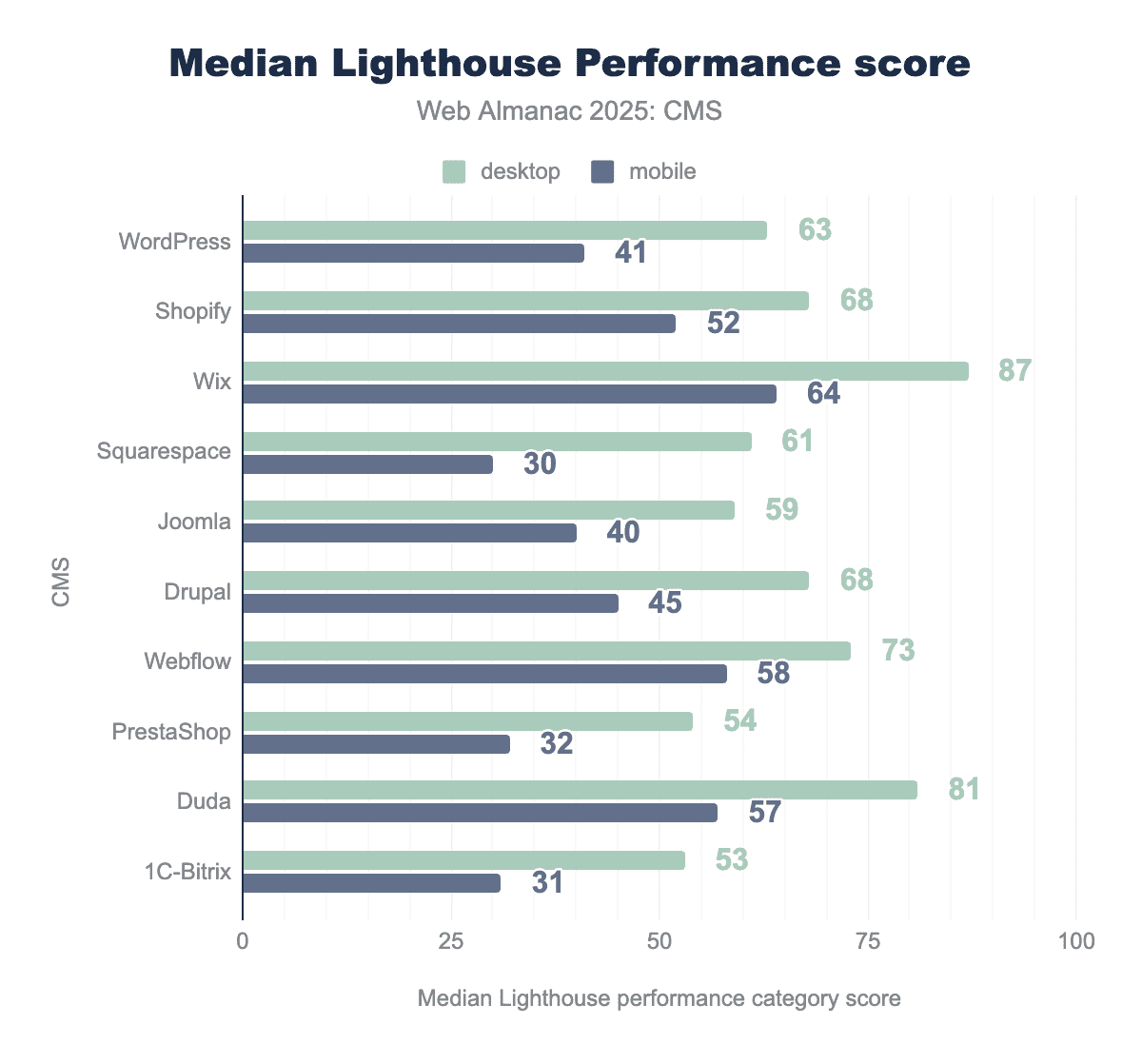
In 2025, I witnessed a fascinating trend: SEO standards continued to rise, which is encouraging. The data from the Web Almanac sheds light on these advancements, showcasing a more secure and user-friendly web. But there’s still more work to be done to keep up with these higher standards.
Let’s dive into the specifics. The adoption rate of HTTPS stands impressively high at over 91%, and the use of title tags has skyrocketed to nearly 99%. These figures are boosting our confidence in SEO’s direction, yet challenges remain, ensuring these advancements are consistently applied across all sites.
Reflecting on my experiences, I’ve realized that content management systems (CMSs) and SEO plugins are pivotal in setting industry-standard practices. It’s remarkable to see how deeply SEO tools are embedded in our daily workflows, underpinning many defaults we now consider standard.
However, not all implementations are ideal; default settings sometimes need our intervention to be truly effective. Engaging with major platforms and tools becomes essential to shaping SEO’s future.
Even as we embrace new trends, remnants of the past linger. Deprecated standards, though not forgotten, still exist. It’s critical to balance the old and the new, ensuring every part of SEO continues to improve incrementally.
The developments around AI in SEO are particularly captivating. Whether it’s the evolving role of robots.txt as more of a policy document or the cautious uptake of llms.txt, SEOs must strategically navigate these new waters.
Finally, I can’t ignore the intriguing rise of the FAQPage schema. Despite Google’s limitations on FAQ snippets, their implementation has not waned. This indicates a strategic shift toward structured data for reasons beyond just search engine visibility, potentially influencing AI strategies.
In conclusion, while 2026 may not revolutionize SEO, it will certainly refine and redefine our approaches, integrating AI layers without demolishing the foundation laid by years of SEO evolution.
I recently delved into how AI systems handle content, and it’s fascinating how much they differ from us humans. AI doesn’t read like we do; it breaks down information into usable parts. What truly matters is designing our content so that it can be seamlessly integrated into AI-generated answers.
Traditional SEO emphasized ranking entire pages, but AI focuses on specific, meaningful excerpts. So, our approach to content creation must evolve:
AI now emphasizes passages that are answer-first and well-structured. This shift means content must be modular, using defined passages over full pages and structured intent over keywords.
In designing for AI visibility, understanding how AI retrieves and utilizes content is crucial. AI systems prefer structured content; they break it into passages, selecting sections without the rest of the page. Clear sections and headings significantly enhance AI retrieval.
Once retrieved, content needs clarity and completeness to be used in generating answers. AI systems look for direct responses that require little editing, ready to stand alone.
Distinct framing aids in attribution, with AI systems preferring content with unique concepts, frameworks, and non-interchangeable language, enhancing the likelihood of attribution.
I also learned about five core principles for AI-friendly content design, emphasizing modular design, hierarchical structuring, explicit messages, answer-first formatting, and passage-level extraction. These ensure pieces can be independently selected and reused.
Common patterns like ‘definition + expansion’ and ‘question → direct answer → context’ align well with AI systems, enhancing match, extraction, and usability.
Ensuring precise headings, avoiding vague or repetitive sections, and highlighting answers at the beginning of paragraphs are crucial. Structuring content logically and clearly improves its retrieval and usability by AI systems.
While rewriting content, focusing on breaking it into logical units, employing answer-first clarity, strengthening structural signals, and introducing distinct framing can significantly enhance its AI-friendliness.
Content design in AI-mediated search is rapidly evolving, where structural clarity, modular design, and distinctiveness are the keys to success. By understanding these principles and patterns, I can ensure my content is ready for the AI age.
Backlinks are still important, but today, authority also thrives on mentions and citations. I’m here to guide you on crafting content that garners both, significantly boosting your presence in AI search results.
In the past, links were the main authority signal in search. Creating backlinks was my go-to strategy for visibility, and earning placements was key for credibility. This still holds relevance, but it’s no longer the sole method.
In the realm of AI-driven search, my authority is now shaped by how frequently my brand is mentioned, cited, and associated with specific topics. Visibility is achieved through references in AI-generated answers.
With this in mind, my aim is to craft content that consistently earns brand mentions and citations, which are the new driving forces for AEO visibility.
The Philosophy Driving Content that Fuels AEO Growth
In 2026, organic discovery is driven by authority incorporating entity recognition. On platforms like Google and AI models such as ChatGPT, authority is strengthened through:
High-quality backlinks.
Brand mentions (linked or unlinked).
Consistent citations across trusted publications.
Clear entity associations (defining who I am, what I’m known for, and my core topics).
Since LLMs synthesize information rather than rank pages, I need repeatable, credible mentions across the web to enhance the probability of being cited or referenced in AI answers. Moreover, I’m focused on using my owned media to clearly define my brand entity.
Building authority has become more crucial as my content competes with AI results within the SERP and AI-generated content from other creators.
In short, I need to establish a clear brand identity and produce content so valuable that other experts, journalists, creators, and AI systems frequently reference my brand in discussions relevant to my business.
The Principles and Formatting of AEO-Friendly Content
I rely on many traditional SEO principles as a foundation for AEO-friendly content. Content aligned with Google’s helpful content guidelines, emphasizing value and user experience, appeals to both people and LLMs sourcing expert input.
However, to truly optimize AEO-friendly content, I incorporate formatting that facilitates LLM extraction.
Key formatting principles include:
Clear definitions: Provide concise, clear definitions high on the page:
“X is…”
“Y refers to…”
Structured formatting:
Use descriptive H2s and H3s.
Employ bullet points.
Keep paragraphs short.
Include direct answers under question-based headers.
Explicit context:
Avoid vague pronouns and implied references.
LLMs perform better with explicit, self-contained context.
Summary sections:
TL;DR blocks.
Key takeaways.
FAQs.
Entity reinforcement:
Brand name.
Author expertise and authority.
Brand and author credentials.
By keeping these principles in mind, I can effectively create content that resonates with both AEO requirements and user expectations.
The Specific Objectives for Your AEO Content to Address
To focus solely on AEO, I approach content with these objectives:
Be highly citable: Provide original data or perspectives that are valuable for media such as podcasts, expert roundups, or contributor columns.
Be highly quotable: Deliver at least one clear, insightful quote.
Be specific: Address specific questions that AI systems would seek to answer. Articulate and answer a question verbatim within the content.
Be clear: Clearly define topics for easy extraction.
To meet these goals, I think beyond blog posts to create “reference-grade” assets like:
Practical Steps to Build AEO Authority with Content
Here’s how I turn those principles into a repeatable process:
Research keywords where bloggers and journalists seek references (often including “statistics” or “reports”). I utilize resources like Reddit, Quora, X, Ahrefs, and Exploding Topics.
From those keywords, develop a list of topics my team can provide valuable insights on.
Compile a list of writers and journalists who cover those topics.
Conduct interviews with expert resources to gather content.
Refine content into contemporary insights using Google Trends and social listening.
Example: Collect tips from an expert to help hay fever sufferers (niche audience) sleep better (core topic) during high pollen periods (relevance).
Pitch to writers and journalists on the urgency and uniqueness of my content.
Engage with these writers on social media to build relationships for future opportunities.
Writing for AEO is aligned with writing for humans. It incorporates many of the SEO fundamentals meant to engage actual users.
Despite differences in how LLMs extract and process content, keeping these nuances in mind helps me refine my content approach for both AEO and human users.
With a well-defined brand on my owned media and a strong understanding of AEO principles, I’m ready to leverage my team’s expertise for superior visibility in the AI search landscape.
Since 2021, I’ve been immersed in the world of guest posting, working on over 350 published pieces. Through this experience, I’ve honed a scalable outreach process that reliably captures approvals without the need to pay for placements.
While guest blogging is increasingly challenging, the fundamental principles of personalized outreach remain unchanged. With a focus on creating mutual value, this approach will be just as effective in 2026 and beyond.
Step 1: Build Your Outreach List
Your outreach list is essentially a compilation of websites to which you’ll propose guest-written content. There are several effective strategies to build this list.
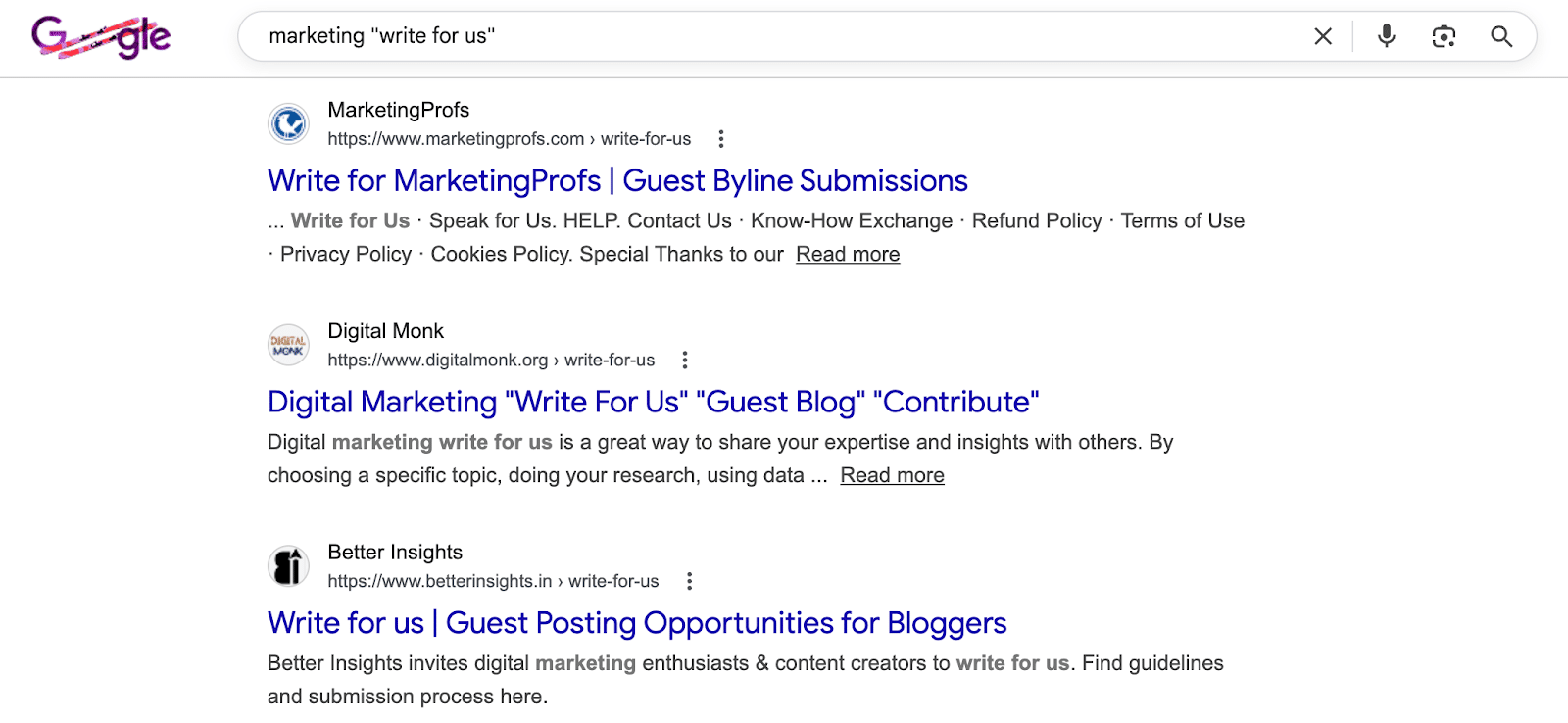
The simplest method is to search for your niche accompanied by phrases like “write for us” to discover potential websites.
Many reputable websites openly accept guest posts with established approval processes you can find online. This was precisely the approach I used to get published on G2’s Learning Hub.
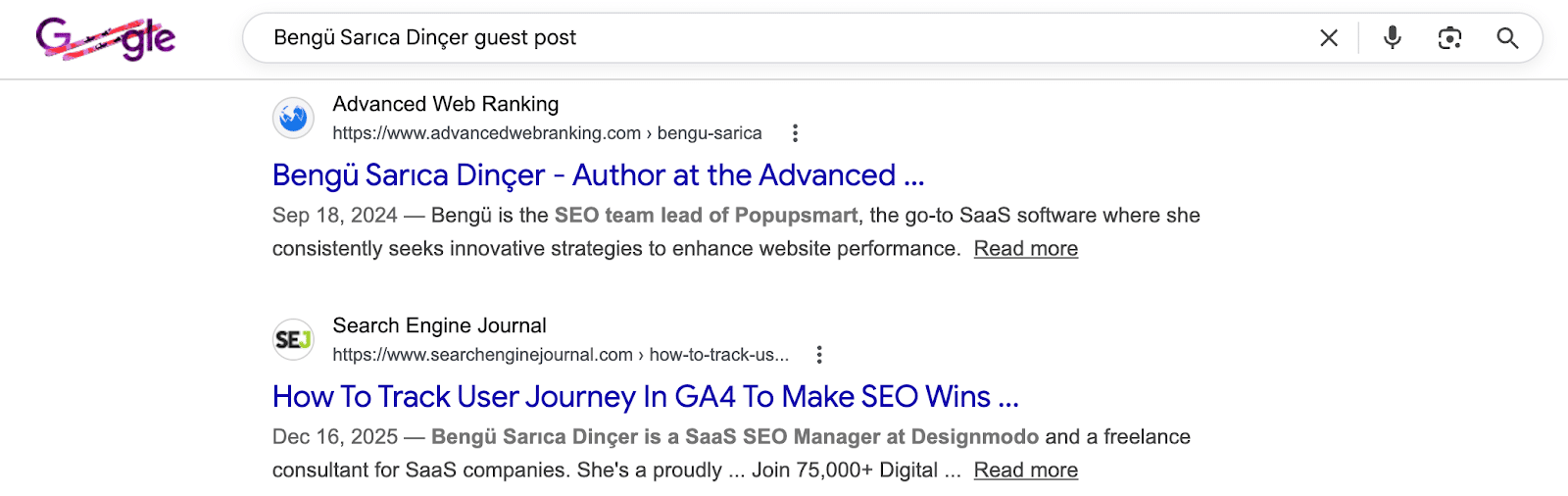
Alternatively, by searching the name of a prominent individual in your niche paired with keywords like “guest post” or “guest author,” you can identify websites that have previously accepted guest posts and might do so from you.
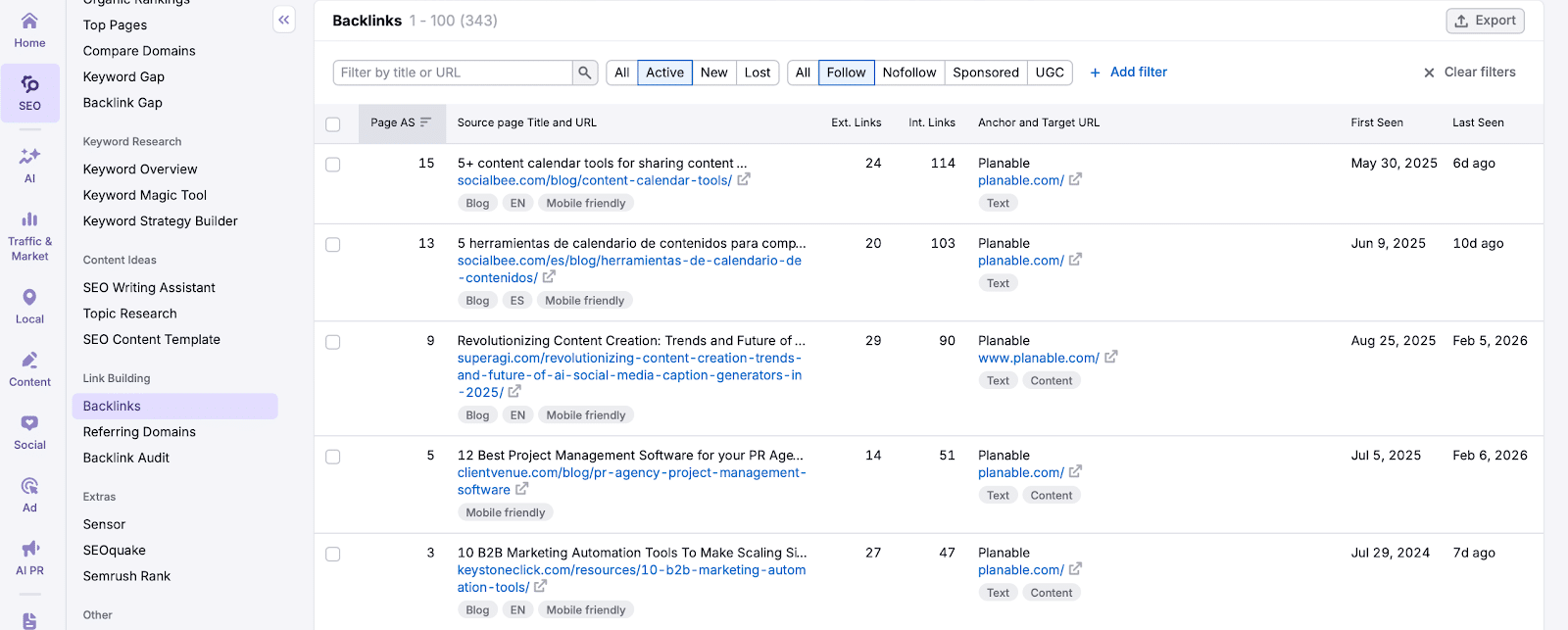
You can also explore competitors’ backlink profiles via an SEO tool like Semrush under the ‘Link Building’ section.
Verify if these websites have a history of publishing content from guest authors. If they predominantly feature in-house content and you’re not a big name in the industry, your pitch may not stand out.
Once you’ve compiled a list of potential sites, assess them against your website quality criteria, considering factors such as niche, top pages, organic traffic trends, and authority scores. Automation tools can optimize this step for efficiency.
Step 2: Find the Right Contacts
Successful guest post outreach hinges on contacting the right individual. Most emails get ignored if irrelevant, so identifying the appropriate contact is crucial.
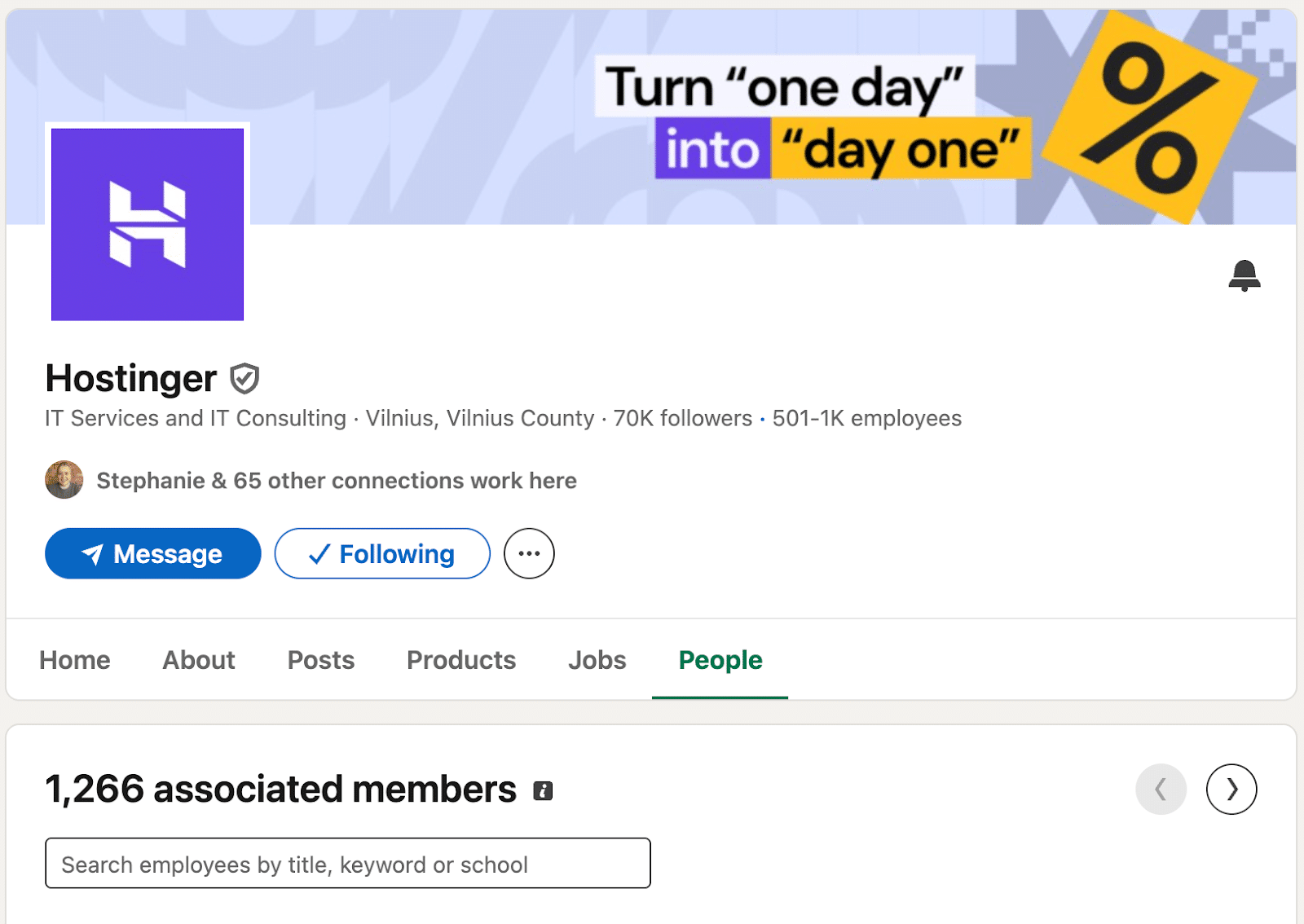
To find the right person, start with LinkedIn:
Visit the company profile and navigate to the People tab.
Filter profiles using relevant keywords to find someone responsible for content decisions, typically a content manager or editor.
In smaller organizations, targeting individuals with “marketing” or “growth” roles can be effective, sometimes the founders in micro companies.
Use tools like Apollo or Hunter to locate the work email of your identified contacts.
Occasionally, you might only find generic emails like contact@ or support@, which can still be suitable in certain niches, especially in B2C contexts.
Verify all email addresses to maintain a good sender reputation and ensure inbox deliveries.
Step 3: Choose Your Outreach Approach
When it comes to guest posting outreach, you can take one of two primary approaches.
Send Out a Generic Email Template with Basic Personalization
This involves asking whether the website accepts guest contributions, allowing you to focus primarily on building your outreach list without extensive personalization.
Emails here are minimally personalized, usually only including the recipient’s name and company, resulting in moderate reply rates.
To be effective, a large list is crucial since you need a 3% to 5% reply rate to secure enough opportunities.
Hyper-Personalize Your Emails
This approach offers distinct propositions to each company, requiring more time for research but yielding a higher reply rate—around 19%, from my experience.
It’s best when dealing with a concise outreach list or when contacting high-profile sites.
Step 4: Research the Right Topics
Regardless of your approach, pitching the right topic is paramount. Basic personalization involves suggesting topics post-reply, while hyper-personalized emails propose them from the get-go.
Top-tier sites have stringent requirements; finding their editorial guidelines is crucial to align your pitch.
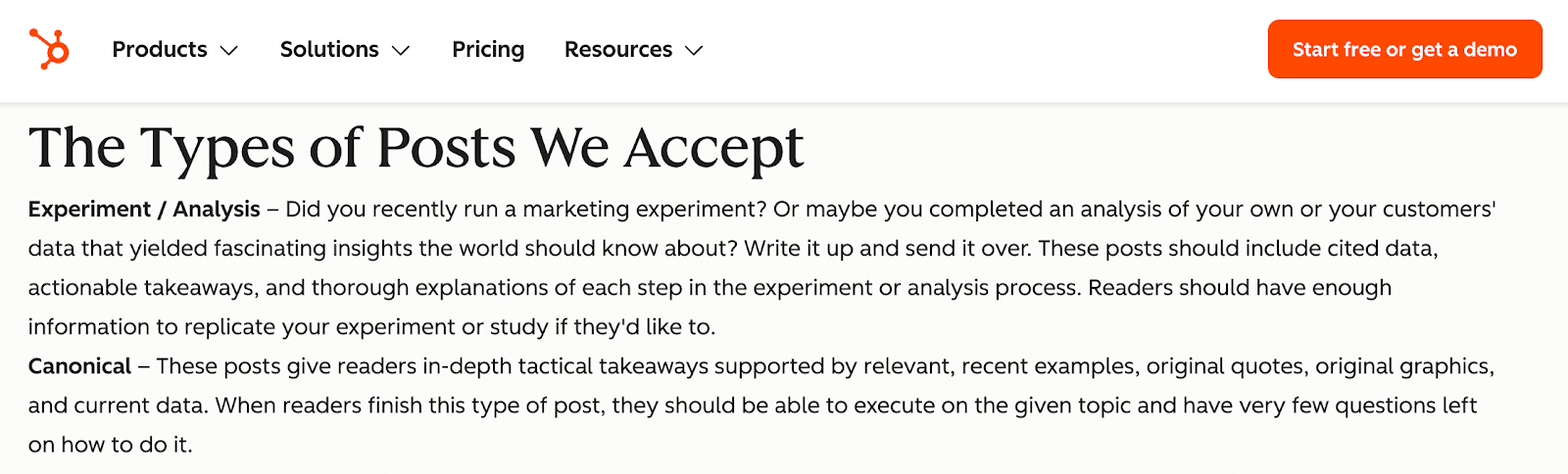
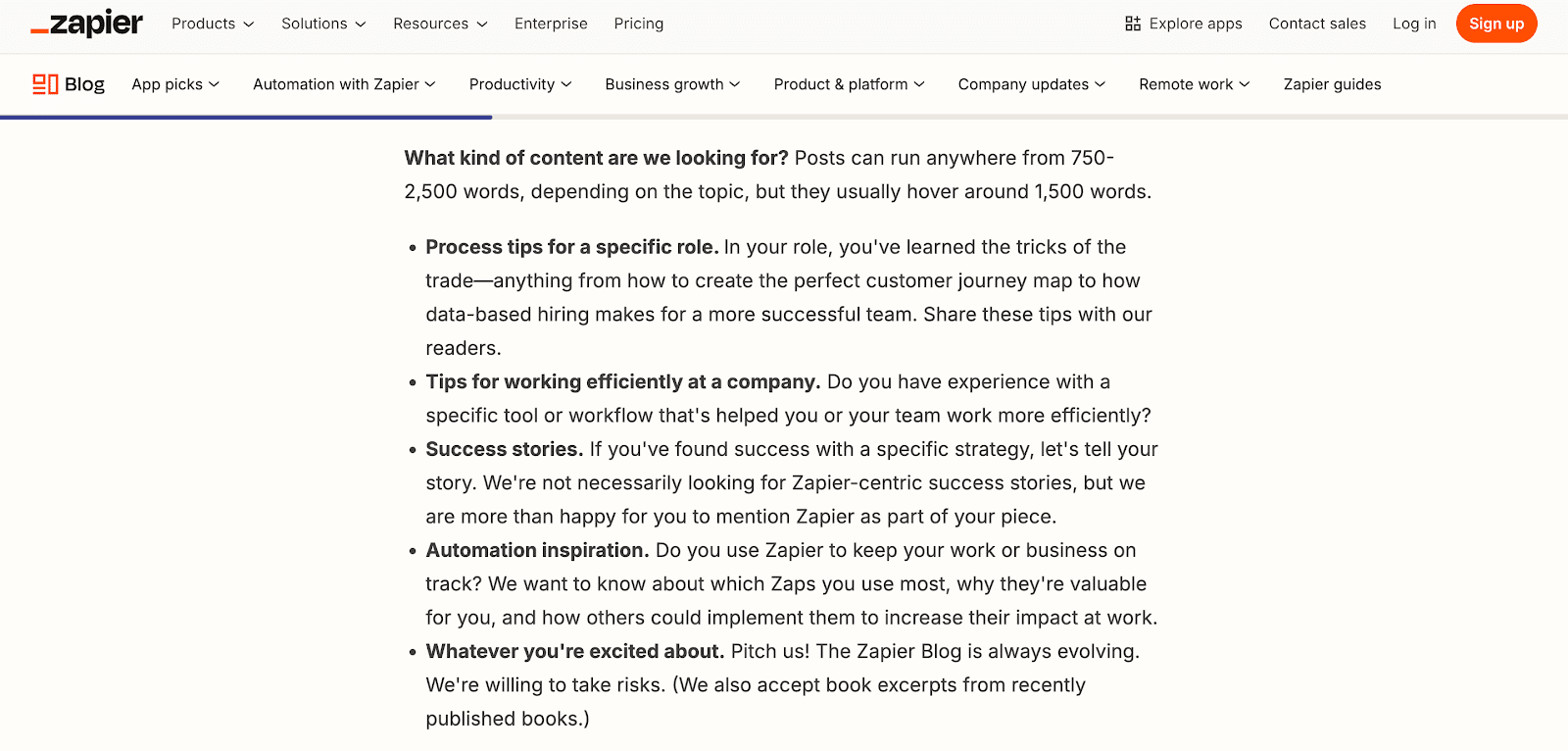
For instance, HubSpot only accepts content like marketing experiments or in-depth guides. Meanwhile, Zapier demands industry-specific experience for contributions.
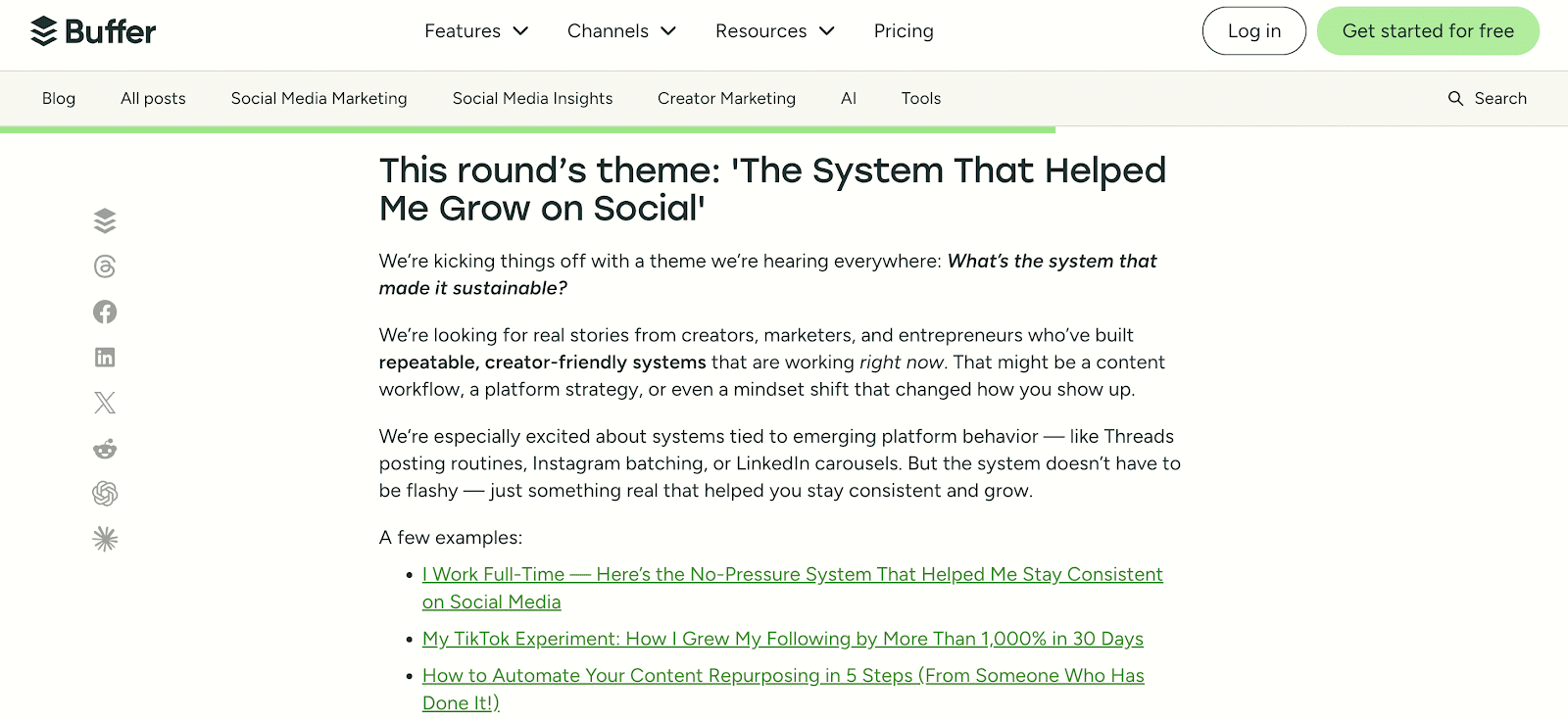
Moreover, Buffer opens guest posting rounds for specific themes, streamlining their editorial process. Adhering to such criteria significantly improves your pitch’s success rate.
Keep in mind that some editors maintain a list of sought-after topics, which they might share with potential contributors.
How to Do a Keyword Gap Analysis with Semrush
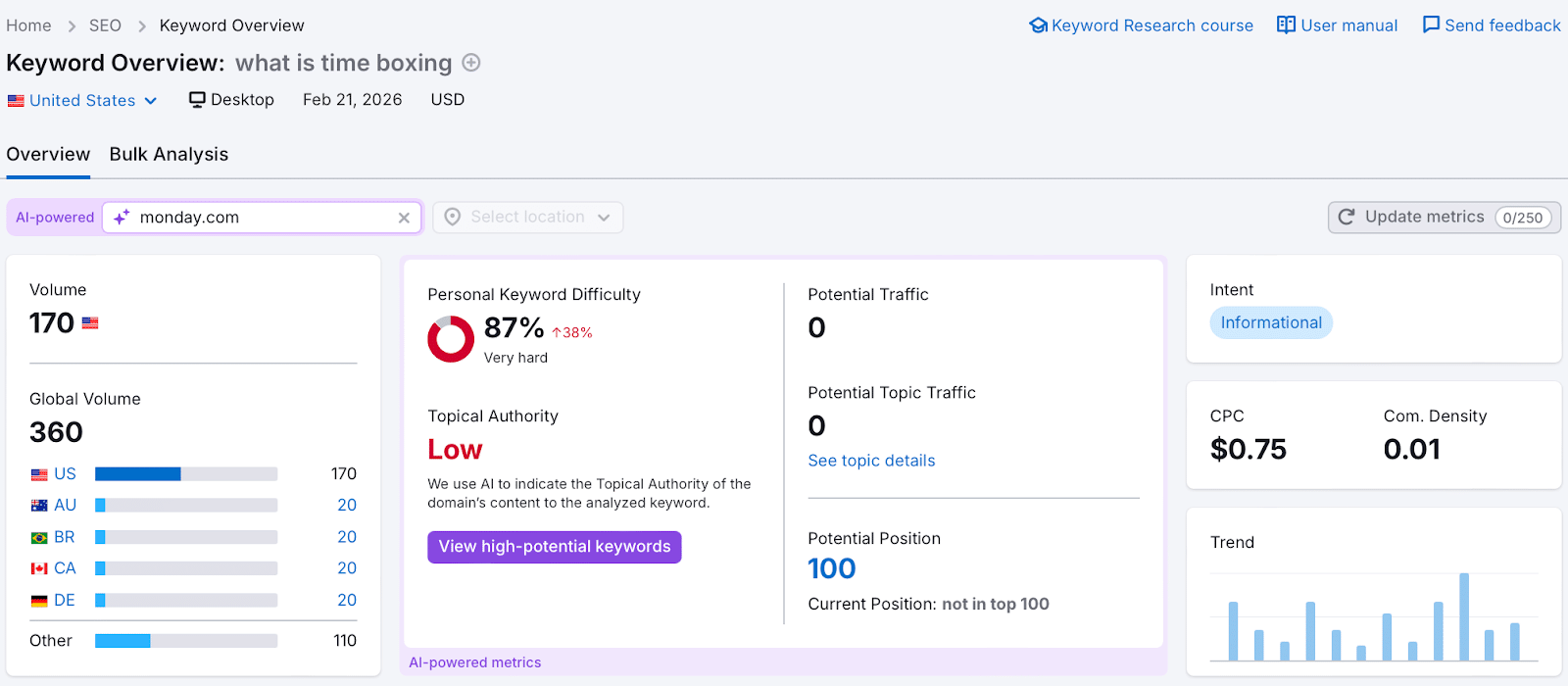
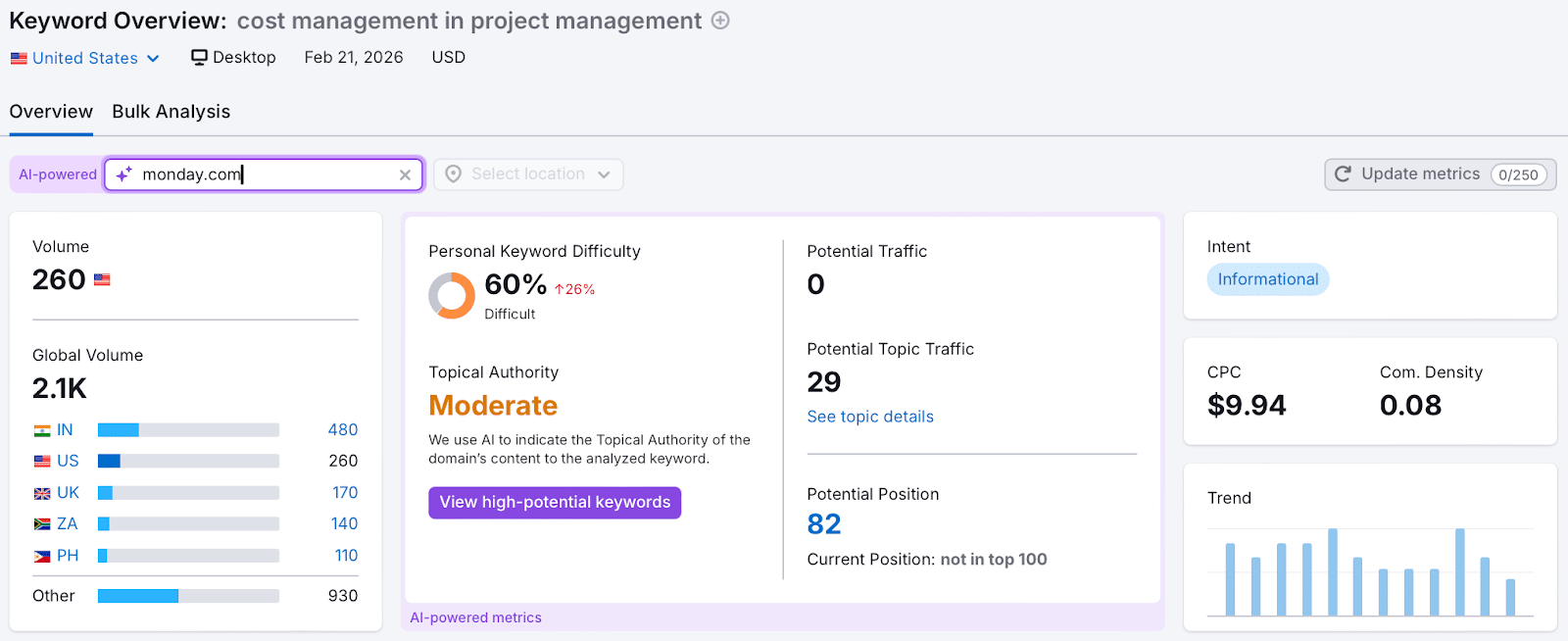
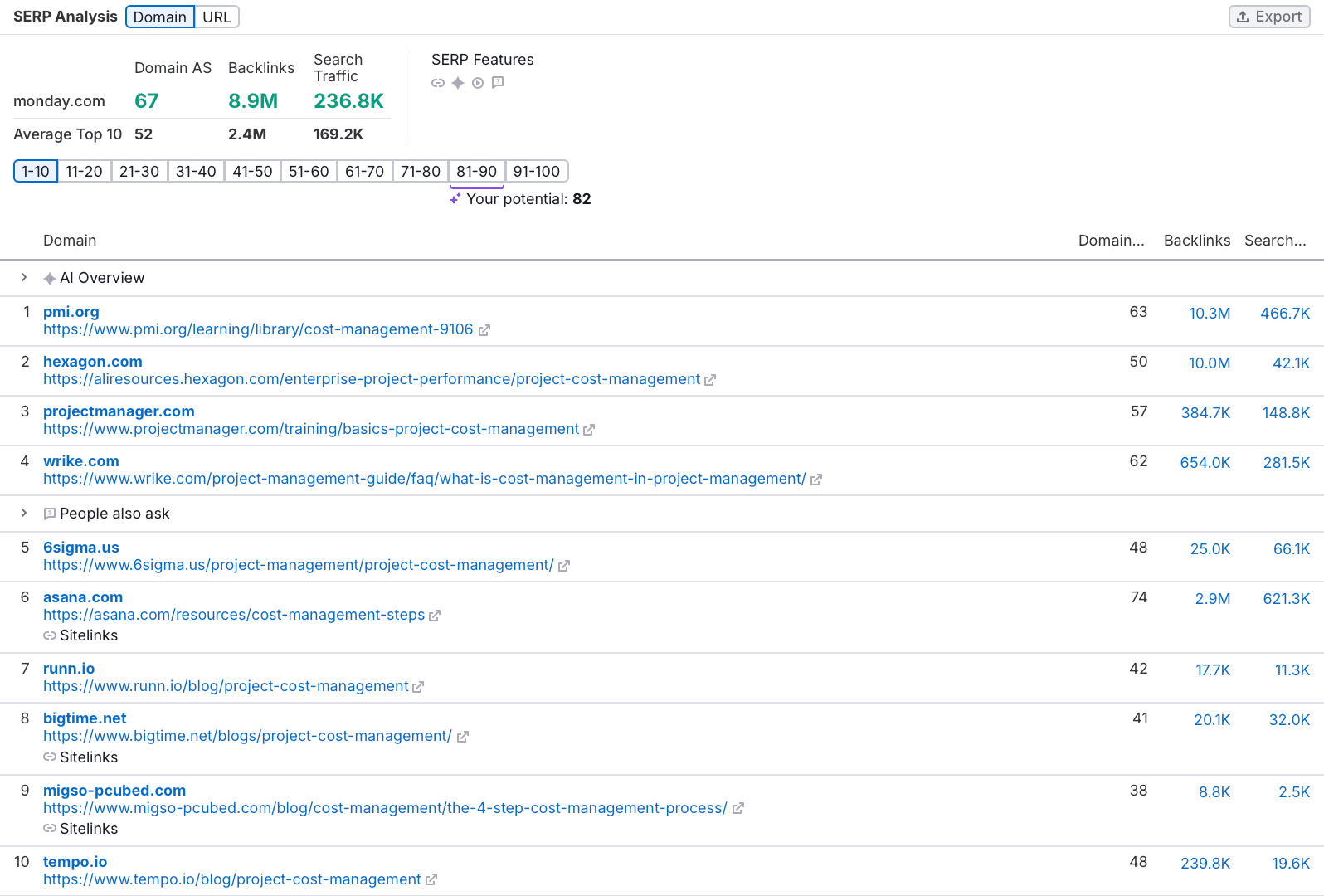
If I aim to pitch to monday.com, here’s my approach:
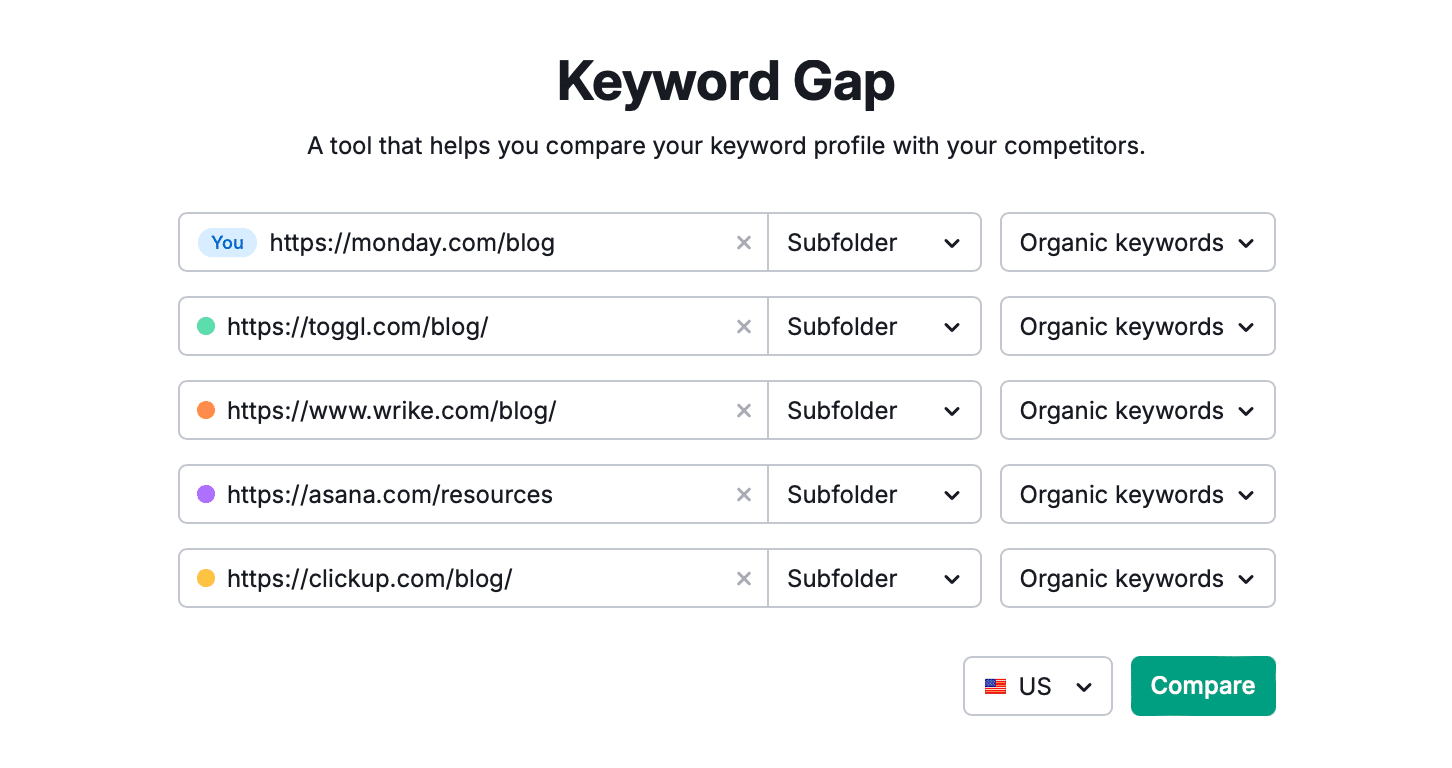
Open Semrush’s SEO tools and go to Keyword Gap. Enter the URL of monday.com’s blog along with competitors’ URLs, and hit Compare.
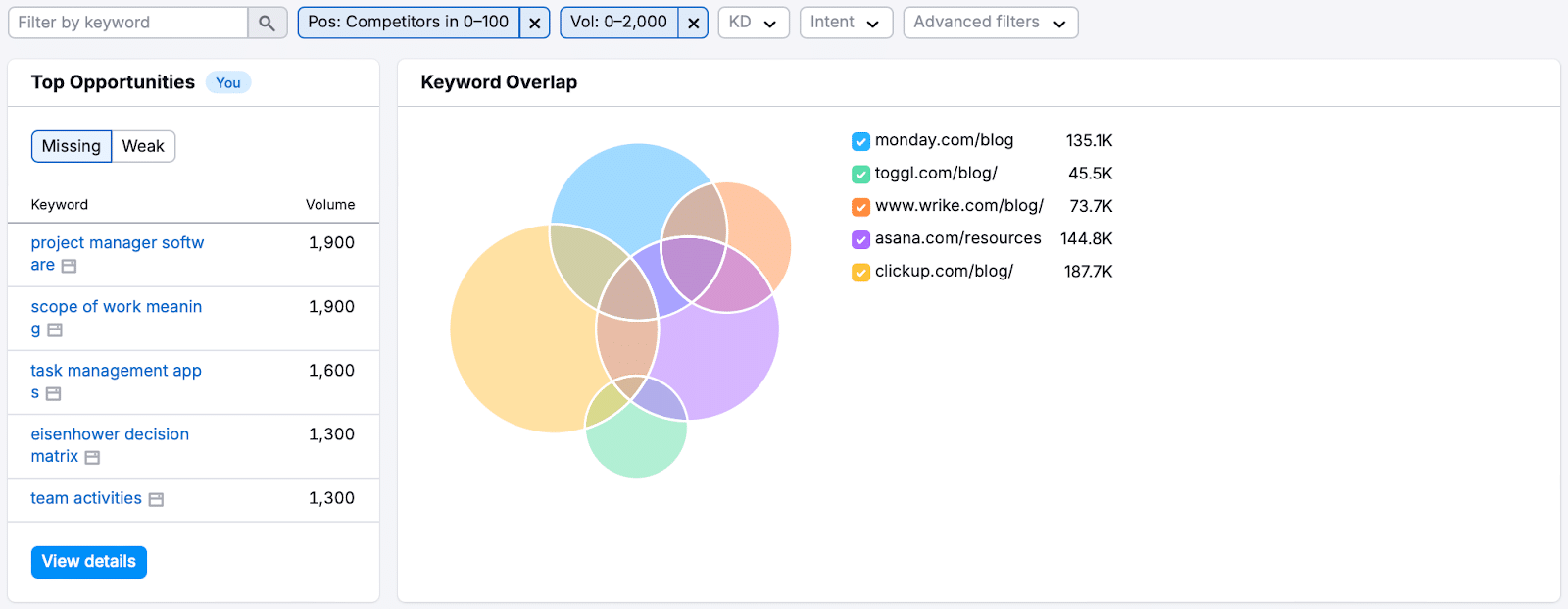
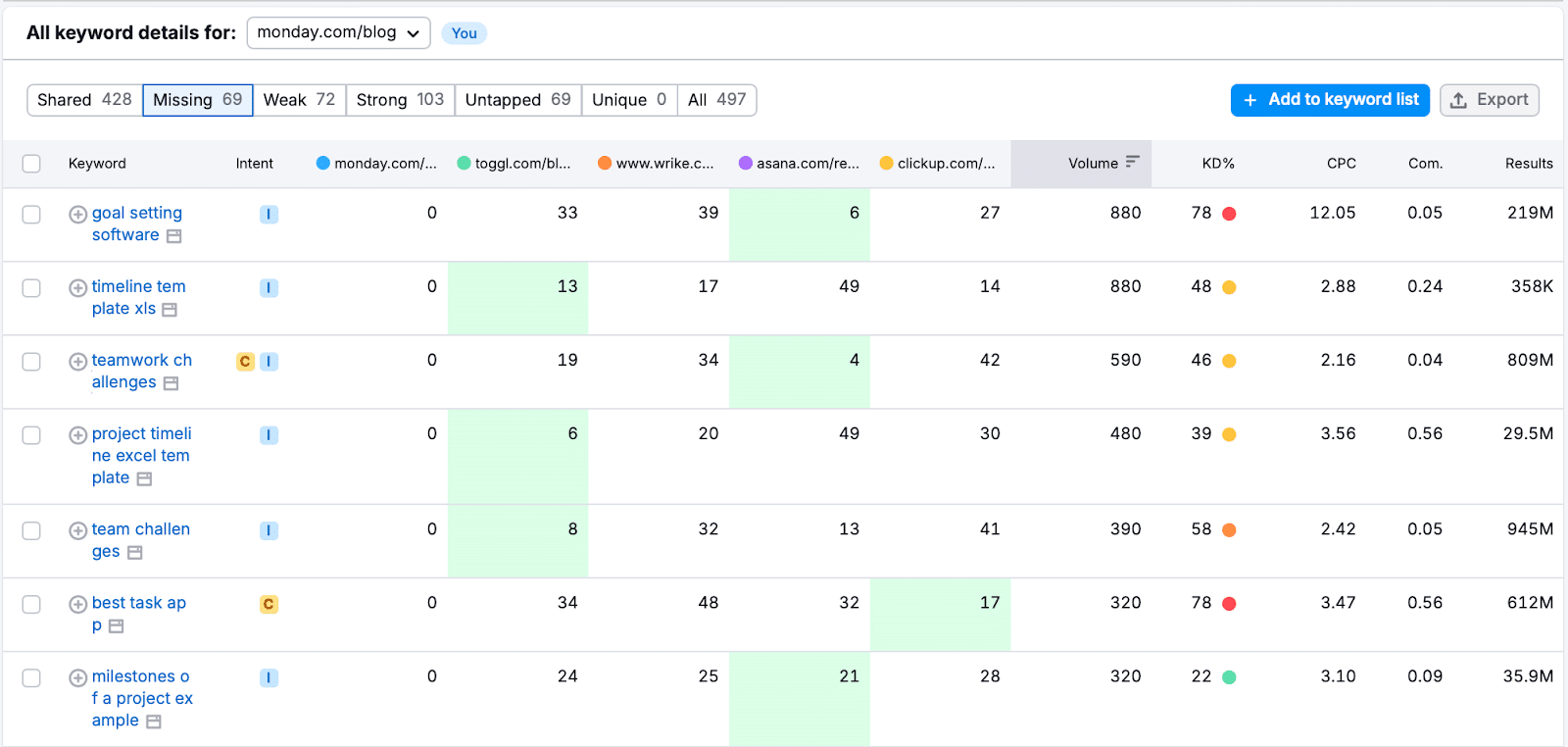
Filter these keywords to spot ones where competitors rank in the top 100 but your target doesn’t, revealing gaps you can fill.
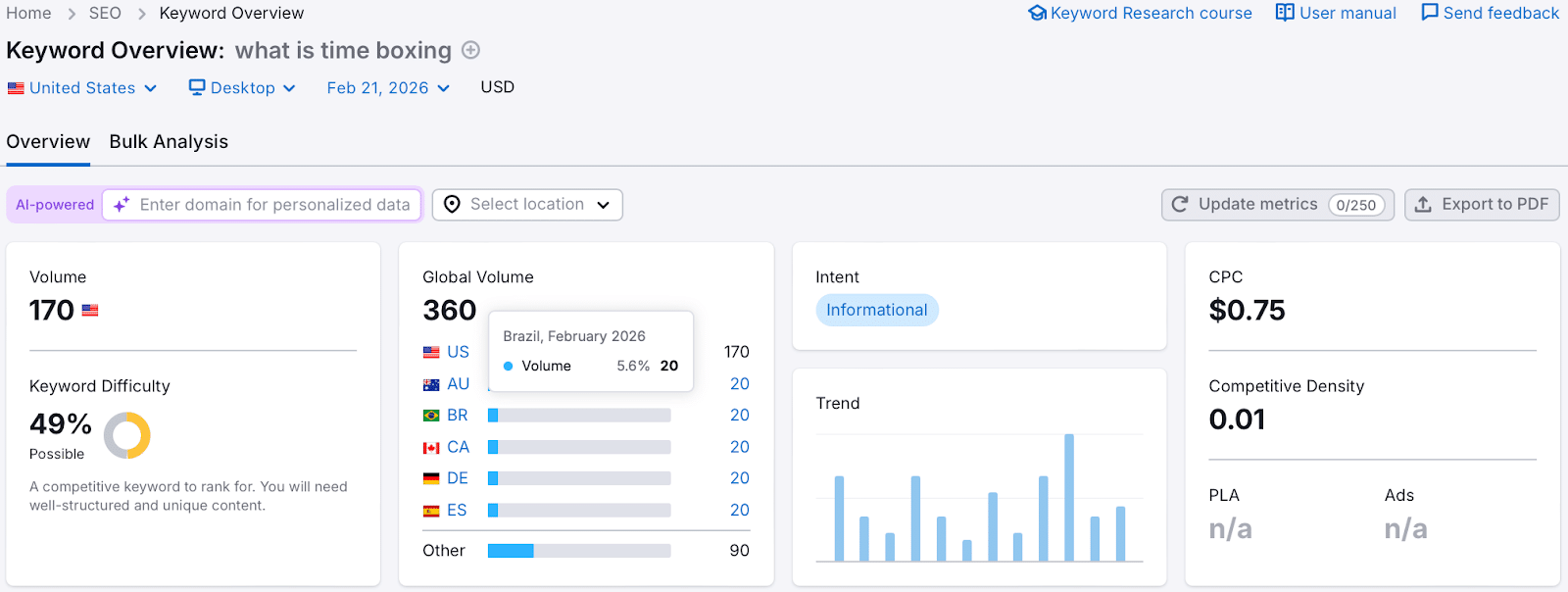
Assess the relevance and complexity of these keywords against your expertise. For example, “what is time boxing” might be too competitive, but less contested terms could present viable opportunities.
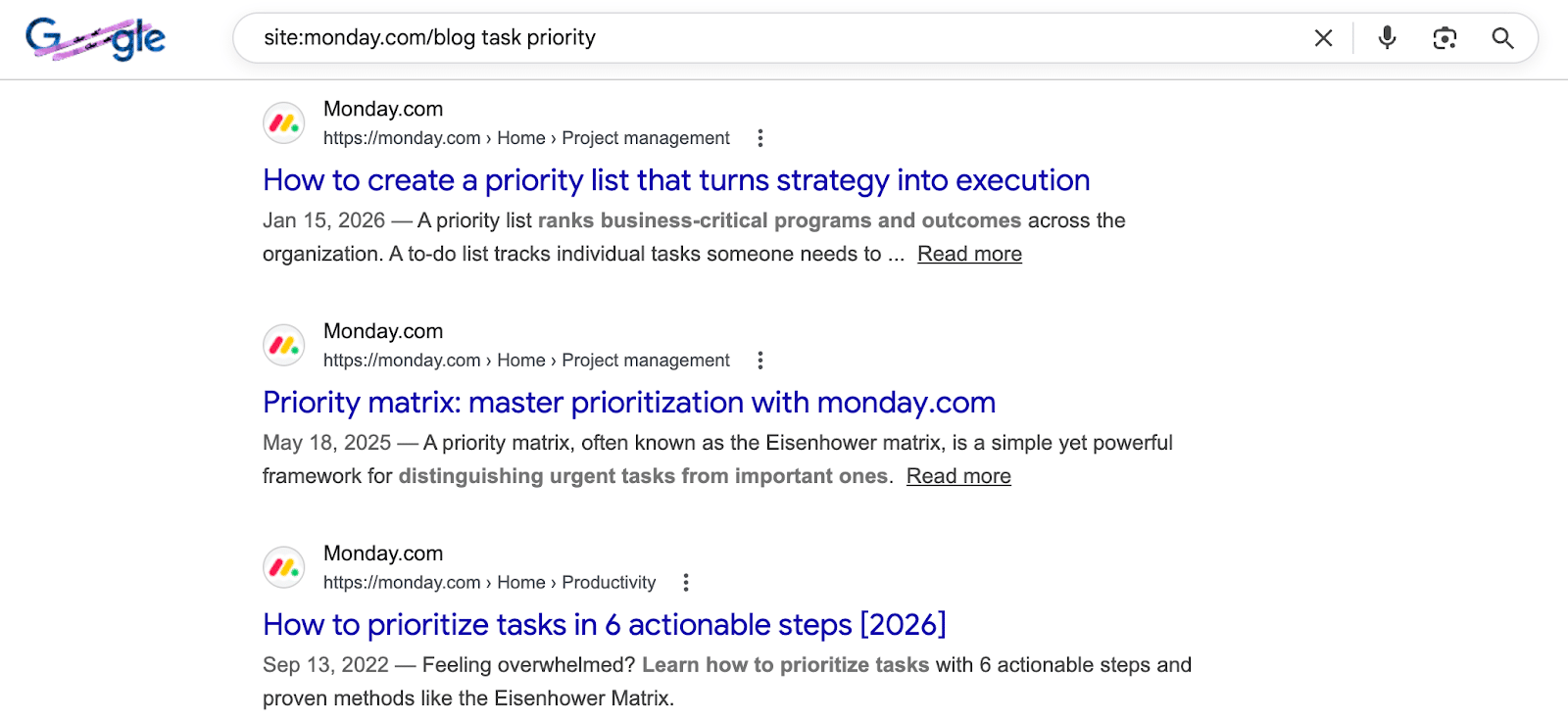
Check if the target site is already optimizing for your chosen keywords by using the “site:” search operator in Google.
Propose 3-4 varied topics to ensure one aligns with the editor’s needs. A diverse proposal increases your acceptance odds.
Step 5: Create Your Extra Value Proposition
Your additional value proposition is about showcasing what else you bring to the table, beyond content.
Have you authored notable industry content?
Can you promote content to a substantial social media following?
Do you manage a newsletter with a relevant audience?
Are you part of a community interested in the topic?
For instance, I might mention my 11,000 LinkedIn followers, predominantly industry professionals, when pitching to a project management blog, highlighting the relevance of my audience.
Step 6: Prepare Your Emails
Crafting your outreach emails involves attention to the subject line, email body, and follow-ups.
The subject line entices recipients to open your email; the body secures replies, and follow-ups increase your chances of a response.
BuzzStream suggests a few best practices for subject lines:
They should contain 9-13 words and over 71 characters.
Emojis can enhance engagement.
Mentioning the website, not the person, proves effective.
Title case outperforms sentence case.
Email bodies should be concise and easily digestible since editors favor brevity due to their busy schedules.
Follow-ups are critical; data show that follow-up emails generally increase overall response rates significantly. Limit yourself to two follow-ups to avoid being perceived as too pushy.
Step 7: Send Your Outreach Emails
It’s finally time to dispatch your emails. Here’s what you need to know:
Send Days
Research shows the best day to send emails is Monday, followed by Tuesday and Wednesday due to higher open and response rates.
Send Times
Aim to dispatch emails before 12 p.m. local time for your recipient, aligning your timing with their work schedule.
Unsubscribe Option
Always include a clear way for recipients to opt out. This will help maintain a good sender reputation and avoid being marked as spam.
Step 8: Track and Adjust
Utilize outreach tools to track open, reply, and success rates, offering insights into your campaign’s effectiveness.
Open rate shows how many recipients opened your emails, influenced by your subject line and sender reputation.
Reply rate indicates the percentage who responded, driven by your email’s relevance and content.
Success rate tracks emails leading to published guest posts, dependent on topic selection and following editorial guidelines.
Run A/B tests to explore what works best. Keep variables minimal to accurately measure impact—adjustments can lead to better success rates.
Step 9: Build Relationships with Editors
I’ve published over 350 guest articles, many through building and maintaining strong relationships with editors. Quality work fosters ongoing collaborations.
I use keyword gap analysis to ensure proposed topics offer potential for traffic, simplifying future pitches.
To secure lasting editor relationships:
Deliver exceptional content: Meet search intent with original visuals and expert quotes.
Support post-publication: Promote through your channels and link to it in other works.
Be reliable: Communicate clearly, respect guidelines, and meet deadlines consistently.
My Guest Posting Email Template with an 18% Success Rate
This template has been pivotal to my success:
Subject: Fresh content ideas for [Company Name]
Hi [First Name],
My name is [Your Name], and I’m the [Your Job Title] at [Your Company].
I’d love to contribute articles to [Company Name]’s blog. I have extensive industry experience from projects with [Brand 1] and [Brand 2].
Topic Ideas:
[Proposed Article Title 1]: keyword, US search volume [volume]
[Proposed Article Title 2]: keyword, US search volume [volume]
[Proposed Article Title 3]: keyword, US search volume [volume]
View my LinkedIn for more on my expertise or check my work published by [Publication 1], [Publication 2], [Publication 3].
Upon publication, I can promote it to my audience of [audience size or description].
Looking forward to hearing your thoughts.
[Your Name]
Guest Blogging Caveat
Your author profile significantly impacts your success rate. Newcomers should start with smaller industry blogs to build a portfolio, making later pitches more enticing to editors.
As your portfolio grows with contributions to recognized sites, your credibility and success rates naturally improve.
Ultimately, investing in your author profile is the key to thriving in guest blogging.
In this report, I’m going to walk you through a comparison of conversion rates among the four leading AI chatbots: ChatGPT, Gemini, Claude, and Perplexity.
From May 2025 through April 2026, my research team conducted an in-depth study on AI conversion rates across various industries. We used anonymized data from more than 150 client companies, honing in on the most popular generative AI chatbots. Building on our previous analysis of ChatGPT conversion rates, we noted that most companies in our dataset had invested in generative engine optimization. The fascinating results of our study are presented below.
While all chatbot traffic converts at higher rates than traditional SEO, my study shows that ChatGPT and Perplexity typically have higher conversion rates compared to Gemini and Claude. This might be due to the greater user trust vested in ChatGPT and Perplexity’s recommendations.
Claude stands out in knowledge-driven and regulated industries. Its performance in Healthcare, Higher Education, and Industrial IoT indicates that professionals in these fields favor Claude for more detailed, analytical queries.
Industries such as Engineering, Software Development, and Transportation & Logistics exhibit relatively low conversion rates overall. This might suggest less dependence on AI tools or more specialized workflows not captured within this dataset.
B2B SaaS and Financial Services demonstrate moderate but closely clustered conversion rates across all models, likely reflecting significant but cautious AI adoption given potential compliance concerns and familiarity with AI limitations.
If you want a PDF copy of this report or wish to know more about our GEO services, reach out here.
First Page Sage Internal Research Study, February 2026, First Page Sage.
Recently, I discovered that Google is addressing a pesky bug in Search Console that has been inflating impression counts. Since May 13, 2025, there has been a logging error misreporting impression data, and Google has assured us that corrections will be rolling out in the coming weeks.
This bug has been a longstanding issue, and I was relieved to hear that Google is finally correcting it. They’ve updated their Data anomalies in Search Console page with the following message:
“A logging error is preventing Search Console from accurately reporting impressions from May 13, 2025 onward. This issue will be resolved over the next few weeks; as a result, you may notice a decrease in impressions in the Search Console Performance report. Clicks and other metrics were not affected by the error, and this issue affected data logging only.”
I also read a statement from a Google spokesperson who confirmed: “We identified a reporting error in Search Console that temporarily led to an over-reporting of impressions from May 13, 2025 onward. Bug fixes are being implemented to ensure accurate reporting.”
So, what’s changing? As Google works on these fixes, we can expect changes in how impressions are logged and reported. With this rollout, I anticipate seeing a drop in impression numbers in my Performance report, although clicks and other metrics remain unaffected.
The timeline of this issue stretches back to May 13, 2025, and it has persisted until now. Google mentioned that the complete correction will take several weeks for full implementation across various reporting areas.
Why is this important to me? If my Google Search Console impression numbers change in the near future, it’s likely due to this bug fix. Staying informed helps me understand these shifts better.
AI is revolutionizing how we discover, search, and purchase—it’s all happening at lightning speed. If we can’t clearly articulate the problem our brand solves, AI won’t be able to either.
I’ve noticed that customer journeys are now condensed into a single decision-making instance. David Edelman describes this as a blending of behaviors that traditionally occurred separately.
As decisions become more instant, it’s essential that I clarify what my brand can solve for the customer. Yet, too often, I find myself increasing activity rather than honing the strategy behind it.
Edelman, in his March 2026 Think with Google essay, emphasizes the rapid blending of streaming, scrolling, searching, and shopping behaviors, propelled by generative AI.
This insight shows that the traditional linear journey from awareness to purchase is outdated. Now, users multitask across platforms, fluidly moving between entertainment and intent.
The realization hit home when I learned people are using AI search engines to pose complex, emotionally rich queries, expressing context and urgency rather than just keywords.
AI processes these queries, breaking them into multiple streams and quickly synthesis results—a task that once required numerous browser tabs and hours is now done in seconds.
From this, I understand two things:
The competition now revolves around how well brands serve as solutions to specific needs, not just as products.
The demand framework is simultaneous—creating, capturing, and converting demand can no longer occur in sequence.
As I think of Walt Kelly’s Pogo, I’m reminded of the risk of mistaking busyness for progress. His words cut deep: ‘Having lost sight of our objectives, we redoubled our efforts.’
I see brands scrambling to generate content tailored for this new speed of decision-making, yet without clear strategic goals, it’s just activity for activity’s sake.
While the compressed customer journey is an opportunity for brands with precise positioning, it’s a trap for those without clear direction. Inconsistent brand signals lead to confusion.
Edelman highlights this issue by suggesting that brands should be seen as ‘the sum of signals’ that reveal them as solutions. I realized the journey compression issue isn’t just technological; it’s about setting clear objectives.
A question I continually ask is: What specific situation does my brand best address? If I can’t answer that concisely, AI certainly won’t be able to.
In my extensive three-decade career, I’ve witnessed keywords dominate the landscape of paid search. However, in today’s world, they have become just a part of a larger puzzle. What truly drives performance now is strategy.
I remember spending weeks meticulously researching keywords, crafting strategies around them, and managing every aspect, from bid adjustments to audience targeting. It was the foundation of success in this industry.
We used to focus heavily on precise placements, structured URLs, and audience targeting, primarily with Google’s influence leading the charge. Our profession thrived on the tactical control this model offered.
We enjoyed the ability to identify which queries triggered ads and make informed decisions to optimize budgets accordingly. Sometimes we would even segment ad groups intricately to maximize returns.
What Changed Across Platforms
Now, advertising has embraced a significant shift: automation, driven by AI, has taken over critical tasks like bidding and creative assembly. While keywords remain relevant, they serve as just one of many signals that AI systems use.
With tools like AI Max for Search, Google has transformed keywords from being the focal point to just signals in guiding ad delivery. It’s fascinating how AI now uses elements like existing keywords and landing page content to enhance performance.
Advertisers employing AI Max often experience notable gains, with some campaigns seeing up to 27% more conversions. Integrating it with other tools like Performance Max can further amplify reach across various platforms.
When I mention strategy as the new keyword, I mean focusing on specific inputs shaping ad performance. These include conversion data quality, a critical factor for systems like Google’s Smart Bidding, which relies on quality data to optimize campaigns.
We now prioritize which conversions hold the most value. It’s a shift from purely manual adjustments to strategic evaluations that highlight what truly matters for campaign success.
First-party data, enriched and well-structured, is paramount. It’s akin to the foundational keyword research of the past, vital for driving performance on today’s platforms.
Creative assets have evolved beyond mere deliverables; they’re now strategic signals that AI uses to target effectively. These visuals and messages have become an integral part of how we engage audiences.
The quality of landing pages and websites has also taken on new importance. AI determines relevance based on post-click experiences, emphasizing the need for seamless user journeys.
Our roles have adapted to these changes. It’s less about managing keywords or bids manually and more about creating strategic frameworks that guide AI systems effectively.
Subject-matter experts like us now focus on ensuring data quality, defining creative strategies, and identifying when human intervention is necessary.
We guide AI through a careful mix of conversion architecture, audience signal quality, and creative frameworks rather than traditional methods of keyword lists and bidding.
It’s crucial to understand how these advanced systems and platforms operate, as well as to emphasize the signals that matter most. Building strong first-party data and strategic frameworks will enhance AI capabilities and redefine the future.
Embracing this evolution, practitioners focusing on strategy over technical execution positions will find themselves best equipped to thrive in this changing landscape.
The keyword list remains, but our primary focus now is on strategy.
As I delve into the world of e-commerce, I’m constantly amazed by how paid search can transform business growth. Platforms like Google Shopping and Amazon Ads are game-changers, offering high conversion rates and efficient spending when campaigns are crafted thoughtfully.
These platforms are adept at capturing high-intent demand, providing the crucial data to expand my campaigns. They connect search queries directly to revenue streams, letting me pinpoint which terms are boosting sales so I can allocate my budget wisely.
However, the true test lies in organizing campaigns to effectively leverage this data.
Why does paid search excel in e-commerce? It’s all about intent and data. Google and Amazon thrive on search-driven environments. When someone seeks a product, they’re clearly expressing their needs. I don’t need to make inferences; I’m delivering precisely what customers want.
Moreover, Google Shopping and Amazon Ads offer unparalleled keyword-level revenue data. This insight helps me understand conversion rates and costs better. Amazon, in particular, shines with its granular product and category level revenue visibility.
Together, this data forms a powerful feedback loop. By analyzing which terms tie back to revenue, I can strategically shift my spending and enhance my return on ad spend (ROAS) over time. On Amazon, higher conversion rates even boost organic rankings, reducing future acquisition costs.
My success in search campaigns hinges on creating multi-funnel structures. While the concept remains consistent, execution varies based on campaign types, settings, and bidding strategies.
I implement campaign architectures that utilize wide-net, low-cost discovery initiatives to explore the search landscape. High-intent converters funnel into dedicated performance campaigns with strategic bidding. This approach not only strengthens ROAS but also enhances rankings and fosters scalable growth.
Embarking on Google Shopping, the priority sculpting method, inspired by Martin Roettgerding, is invaluable. Utilizing a three-layer campaign structure, I route keywords into distinct campaigns based on their performance.
This strategy optimizes spending on discovery keywords and directs investment toward high-performing, high-intent terms. The Google Shopping priority settings are pivotal; high-priority campaigns initially serve at lower bids.
Layer 1 focuses on capturing branded search traffic through a Performance Max campaign, maintaining an assetless format to focus on shopping inventory and avoid bleeding into other channels.
Layer 2, the catch-all, casts a wide net, experimenting with search terms to gather conversion data, while Layer 3 dedicates budget to best-performing terms, aligning with high-ROAS strategies.
Amazon’s multi-tier campaign structure offers its own set of advantages, like higher conversion rates and the intricate connection between ad spend and organic rankings. Campaigns are organized at the SKU level, employing research, ranking, and performance tiers.
Each tier serves a unique purpose, managed by differing advertising cost of sales (ACOS) targets, tailored for profitability. The research tier explores broad keyword possibilities, performance tiers maximize returns on proven converters, and ranking tiers drive organic positions aggressively.
Both Google Shopping and Amazon Ads offer unique opportunities in the e-commerce landscape. Whether aiming for short-term gains on Amazon or long-term brand building via Google, using these platforms synergistically can propel a business to new heights.