Over the past nine months, I’ve put Google AI Max to the test, conducting 23 in-depth analyses with 16 well-established advertisers across diverse sectors. My goal? To truly harness the capabilities of this campaign for optimal outcomes.
Of course, your own tests and insights might differ, and that’s where the real conversation begins. I’m eager to engage in a dialogue about AI Max, encourage replication of my analyses in your accounts, and explore outcomes unique to your data.
Before you dive into your AI Max tests, consider some critical elements. Two stand out:
Your campaigns must bid on crucial conversion actions relevant to your business. Utilize tools like Enhanced Conversions to polish your conversion strategy. Aim for value-based bidding when possible. Additionally, ensure your campaigns are not restricted by budget limitations. This is particularly important with AI Max as it opens up new targeting opportunities.
Let’s delve into some key insights I’ve gathered from testing AI Max.
AI Max can reach its full potential when you activate all three core features:
Search term matching.
Text customization.
URL optimization.
Campaigns that leveraged all three features saw a 40% higher success rate compared to those that only used search term matching.
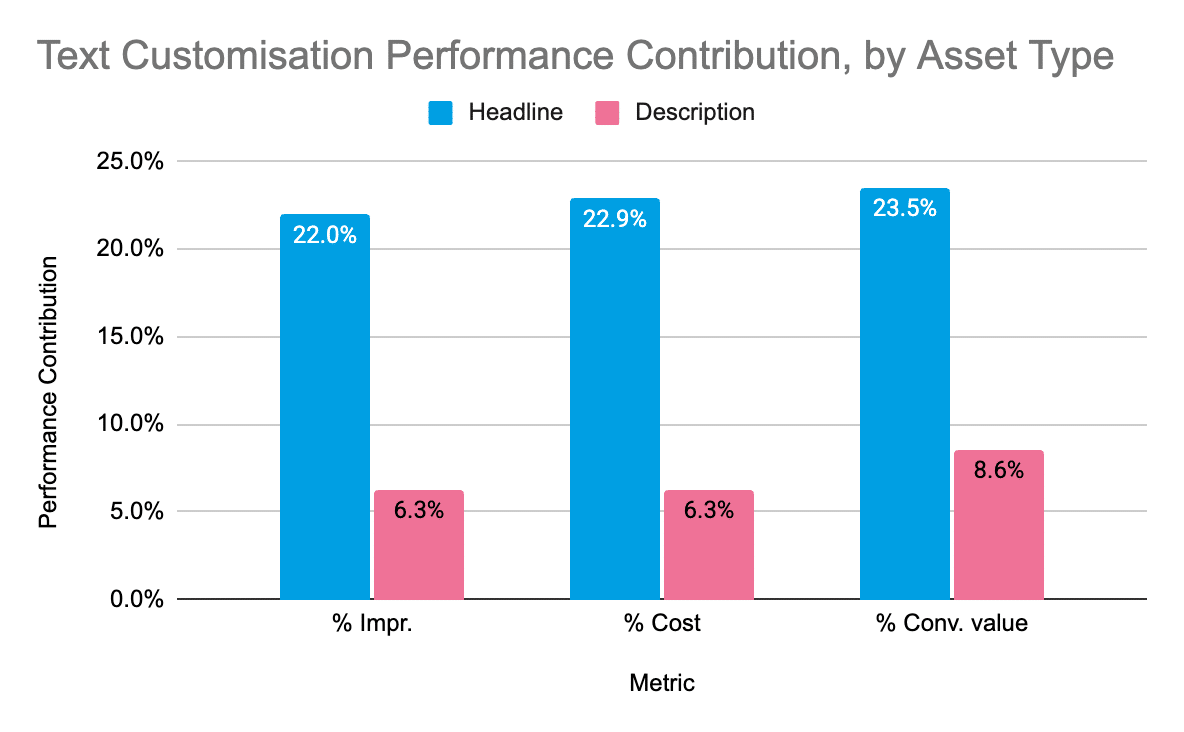
Text customization can significantly enhance performance, increasing return on ad spend and extracting more value per impression. While it’s more frequently applied to headlines than descriptions, the benefits are clear.
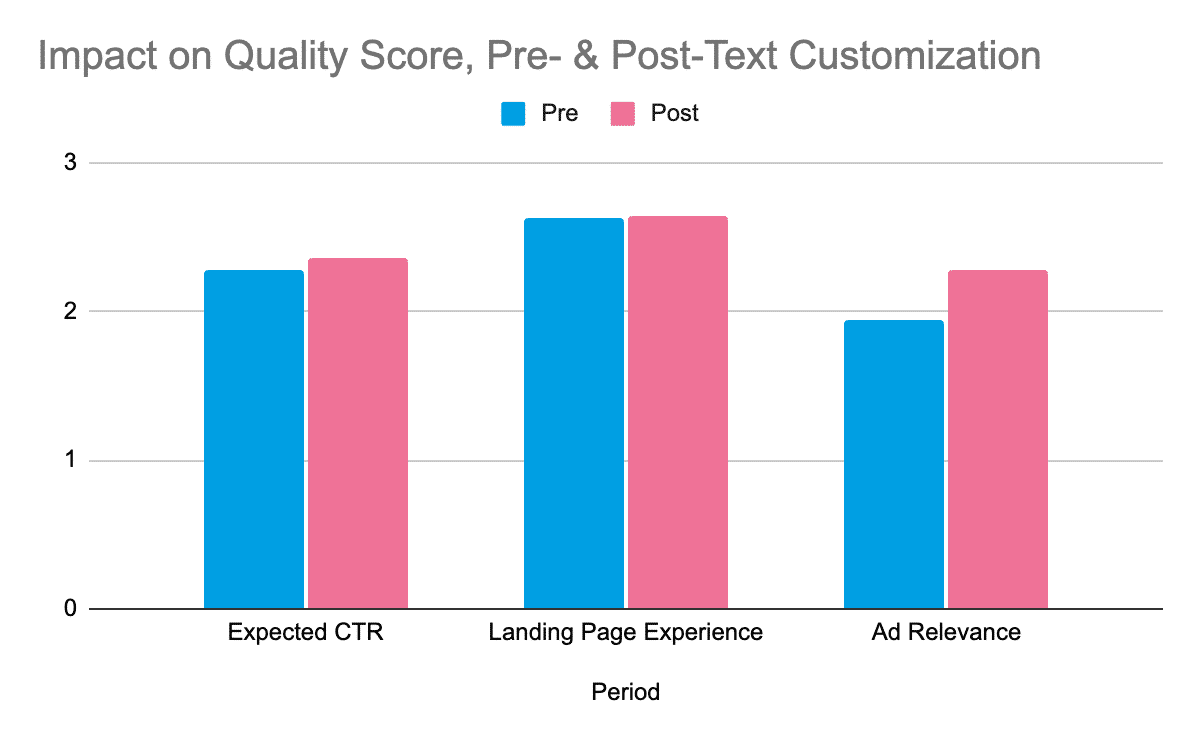
One exciting outcome of text customization is the observable boost in Quality Score. Our analysis showed that enabling this feature improved Quality Score from 6.8 to 7.3, with ad relevance seeing the most significant rise.
Given these findings, I encourage testing all three features if possible, especially since our tests showed that only half of the campaigns utilized text customization and even fewer activated URL optimization.
If you’re testing AI Max, consider implementing it across your entire account rather than selectively. This approach facilitates a more comprehensive assessment of its impact.
Not all new AI Max traffic will be completely new to your account, with 54% of queries having been previously captured by other campaigns. Despite this, AI Max still provides an additional uplift in conversion value.
Ensure you evaluate AI Max by looking at overall account performance rather than isolated campaign tactics. Additionally, monitor how AI Max interacts with other campaigns, notably Dynamic Search Ads (DSA), since overlapping capabilities can sometimes hinder performance.
Once you’re comfortable with AI Max, explore additional testing opportunities such as partnering it with Search Bidding Exploration (SBE) for achieving even greater customer reach.
Finally, it’s crucial to experiment beyond AI Max’s current scope. Consider alternative strategies and the evolving balance between segmentation and consolidation within your account structure.
In this comprehensive report, I’m excited to share insights on the top IT & MSP SEO agencies of 2026. Our team meticulously curated this list from around 40 candidates, ranking them based on several critical criteria:
Notable Clients (30%): We heavily weighted companies with notable IT & MSP clients, reflecting their depth of experience in the field. We’ve also assessed their work in related areas like cybersecurity and software development.
Leadership Experience (25%): We evaluated the marketing experience of the company’s senior leaders specifically in the IT and MSP sectors.
Average Review Score (20%): This reflects an average of third-party reviews from platforms like Clutch, G2, and Google Business Reviews, with extra emphasis on reviews from IT companies and MSPs.
Median Employee Tenure (15%): We examined the average tenure of employees to understand the continuity and stability experienced by their clients.
Founder Led (5%): We assessed whether the founder remains involved, which typically speaks to consistent leadership, though it’s a minor factor.
Year Established (5%): The founding year provides insights into the company’s adaptability and resilience in the dynamic SEO and IT sectors.
Below, I’ll guide you through the top 9 IT and MSP marketing agencies and offer insights into their unique marketing specialties.
Top IT & MSP SEO Agencies: 2026 Report
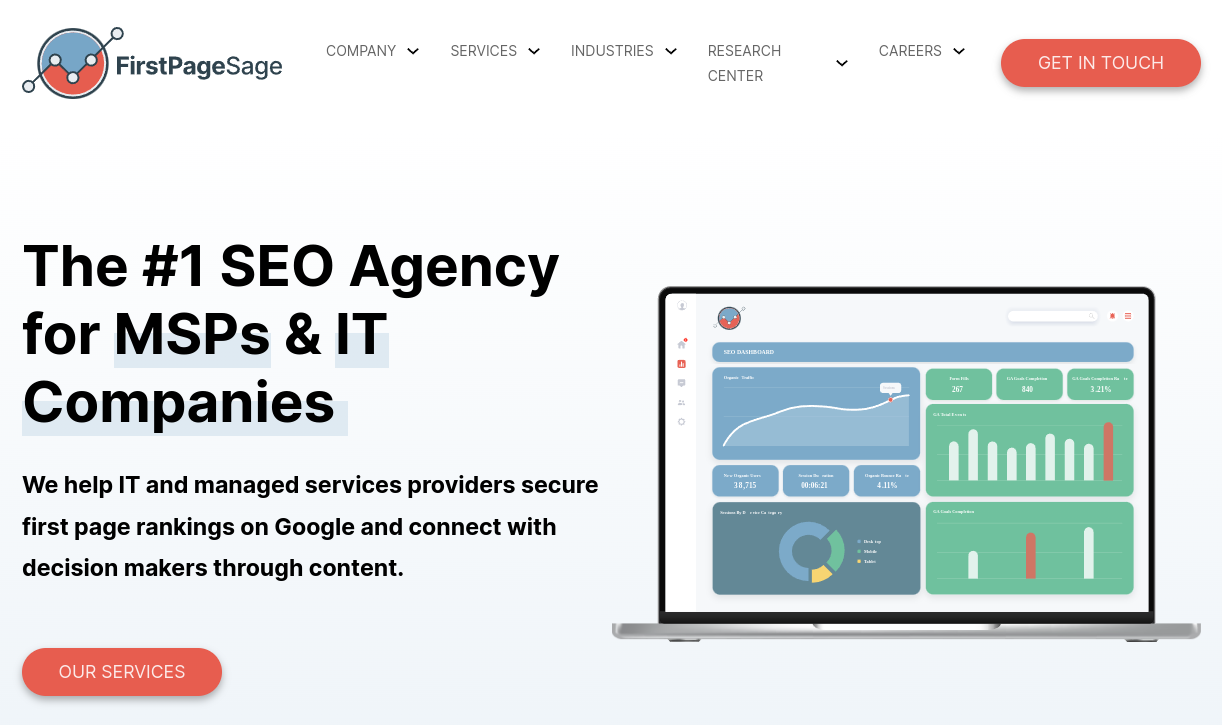
First up is First Page Sage, renowned for integrating thought leadership with SEO strategy, distinguishing their offerings in a sea of AI-generated content. Their strategic planning has earned them clients like Equinix, placing them at the top of our list.
Next, Epsilon provides comprehensive marketing solutions, especially adept for large tech enterprises, with clients such as Epson and Dell, showcasing their prowess in managing complex campaigns.
JumpFactor stands out as a digital marketing force for MSPs, offering everything from SEO to PR management. Their strategy especially benefits mid-sized MSPs poised for growth.
Opollo might be newer, but they’re known for their agility and effective social media strategies. They’ve already partnered with giants like Microsoft, leveraging their youthful dynamism.
With deep roots in the marketing industry, The Hoffman Agency is your go-to for PR and brand development, partnered with global leaders like Oracle and Meta.
Seota Digital Marketing is ideal for businesses needing robust SEO through WordPress and Shopify sites, keeping clients satisfied with ongoing support and web design excellence.
Lemonade Stand leverages its experience as a former MSP to deliver a broad spectrum of marketing services, personalized to help clients like RE/MAX succeed.
For IT firms seeking quick results, Yes&</strong; offers short-term, high-impact campaigns, backed by robust PPC and SEO offerings, making them invaluable for launches and branding.
Finally, MiroMind specializes in international SEO and on-site optimization, positioning themselves as experts for companies needing seamless multi-market strategies.
These agencies are leading the way in 2026, shaping the future of IT and MSP marketing with their innovative tactics and committed client service.
Starting April 1, 2026, Google will require that all Demand Gen campaigns in the Google Ads API maintain a $5 daily minimum budget.
What’s happening: To ensure better performance, Google is implementing a rule that demands a minimum daily budget of $5 USD, or the local equivalent, for all Demand Gen campaigns. This directive aims to facilitate a smoother transition through the ‘cold start’ phase, giving Google’s models the necessary data to optimize effectively.
This change will be implemented as an unversioned API update and will impact all pathways through which ads are bought.
Technical details:
In API v21 and beyond, if a campaign budget dips below the required threshold, a BUDGET_BELOW_DAILY_MINIMUM error will be triggered. Further specifics about the error can be found in the error metadata.
For those using API v20, a generic UNKNOWN error will be shown, referencing the specific validation failure within the unpublished error code field.
The rule applies whenever budgets, start dates, or end dates are altered in ways that result in daily spending falling below the $5 mark. This includes both daily budgets and those allocated over a flighted schedule.
Impact on existing campaigns: Campaigns currently operating below the minimum threshold can continue as they are. However, any adjustments to budgets or scheduling will necessitate adherence to the new budget requirement.
Why we care: For advertisers and developers, this adds an additional layer of compliance in campaign management workflows. Systems must be updated to identify and handle these validation errors before campaigns are launched.
The bottom line: Google aims to standardize a minimum investment level for Demand Gen campaigns, prioritizing performance stability and compelling advertisers to adjust their budgets and automation strategies accordingly.
AI agents, shared signals, and fragmented identities are reshaping marketing intelligence, making it tough for most brands to identify real actors.
Somewhere in my CRM, lies a customer who doesn’t truly exist. They open emails at odd hours and redeem promotions with uncanny precision. They browse product pages across several devices within minutes. While they seem highly engaged on paper, they are likely a mixture of behaviors created by AI assistants, shared accounts, recycled addresses, autofill tools, and automated workflows.
This is what I call the Data Doppelgänger Problem—one of the biggest hidden challenges in contemporary marketing.
For years, we’ve treated identity resolution as merely a data hygiene issue. While cleaning data and removing duplicates are still important, the landscape has shifted. The major risk now comes from data that appears correct but isn’t.
Consumers are now using AI agents to perform tasks like summarizing emails, comparing products, tracking prices, filling forms, and even completing purchases. Shared credentials remain common, and privacy changes in browsers have pushed attribution models toward probabilistic methods. The rise in subscription commerce, loyalty programs, and cross-device behavior reveal a pattern of one individual generating multiple digital identities, while multiple actors generate activity appearing as one person.
The dashboard data no longer consistently reflects genuine intentions, but rather distorted, overlapping digital signals.
When High Engagement Misleads
In our marketing systems, engagement metrics like opens, clicks, and transactions are often proxies for value. But what if some of this engagement is synthetic?
Email clients prefetch content, AI tools summarize messages, and shopping agents track prices automatically, making these actions look like genuine high-intent behaviors in analytics.
When we consider recycled or shared email addresses, oddities surface. Dormant accounts might be reassigned, corporate aliases could forward emails to multiple users, and consumers might use alternate emails to exploit new user discounts. These all compromise identity credibility.
Optimizing campaigns based on inaccurate engagement data might detract from loyal customers, and active, valuable inputs might appear inactive due to fragmented identities. This misalignment could feed machine learning models wrong signals, further escalating problems.
This is where professional frustration kicks in. While dashboards seem intact and segments clear, conversion rates plateau, and fraud sneaks through legitimate-looking channels. Acquisition costs rise inexplicably because our problem is not effort—it’s identity confidence.
Doppelgängers and Operational Risks
The Data Doppelgänger Problem extends beyond marketing inefficiency into risk, compliance, and revenue protection. Much of what we think of as promotional abuse could actually stem from poor identity resolution, allowing a single person to appear as multiple new customers or vice versa.
As AI agents advance, the risk grows harder to detect. Automated assistants that act for customers might not be fraudulent, but they blur the behavioral signals distinguishing genuine intent from misuse.
While traditional systems check for anomalies, future risk might seem normal. Without distinguishing between stable and composite identities, controls become ineffective, either adding too much friction, deterring real customers, or not enough, encouraging exploitation.
To counteract this, we must move to continuous identity validation—understanding not just whether an email is deliverable, but how it behaves over time and integrates within a broader activity network.
Reevaluating the Golden Record
Many still aim for a unified data source, a ‘golden record’ that aligns identities into one profile. While tempting, this is increasingly impractical in a world of AI and shared signals. Identity isn’t a static snapshot but a moving target.
The key isn’t consolidating data into a single profile but assessing our confidence that the associated behaviors truly reflect one coherent person.
This sounds subtle but is crucial. Viewing identity as binary—either matched or unmatched—misses nuances. Treating identity as confidence-based allows us to prioritize higher-confidence interactions and manage ambiguity better.
Effectively, data becomes a strategic asset, not just a reporting tool.
Shifting Focus From Volume to Validation
Marketing tech has long idolized scale, emphasizing bigger lists and more signals. However, scale without validation creates misleading precision.
The Data Doppelgänger Problem prompts a crucial question: Is it better to have ten million records with unknown stability or eight million deeply understood records?
The frontrunners will not necessarily amass the most data but will hold the most reliable data, exemplifying continual validation, real-activity patterns and coherent cross-organizational integration.
Enhancing identity confidence improves targeting, which strengthens engagement quality. Stabilized attribution then fortifies reliable forecasts, leading to performance-driven budget allocation.
Although this positive feedback loop is effective, it’s fragile; unstable identities compromise the entire system.
Key Questions for Professionals
Leaders in marketing, analytics, or risk need to pivot from data access to critically assessing data integrity at scale.
How many active profiles truly represent coherent individuals?
How frequently are identities validated against new activities?
Can we detect identity fragmentation or convergence?
Are fraud controls geared to actual behavior or outdated behavioral assumptions?
These queries don’t signal panic but a necessary evolution, recognizing a matured digital landscape where tasks are more software-driven, devices are proliferating, and privacy demands have complicated identifiers.
Brands that will succeed will treat identity as an evolving construct, using advanced activity networks to anchor identity in its current reality.
They’ll cut acquisition costs waste, safeguard margins without alienating customers, and trust analytics—an understanding of the confidence behind metrics paving the way.
Critically, seasoned professionals need to identify these ‘customers’ within CRMs that don’t exist before budgets suffer the consequences.
I’ve discovered that shifting toward Demand Gen in Google Ads transforms the focus from simple keyword targeting to more visually-driven advertising. Relying on outdated methods not only wastes money but also limits the potential of what Demand Gen can achieve. To thrive, I need to see things like a social advertiser rather than just a search advertiser.
At SMX Next, Jack Hepp from Industrious Marketing shared valuable insights on why many businesses, particularly in the B2B sector and lead generation, find demand gen campaigns challenging, while also providing strategies that are applicable to ecommerce.
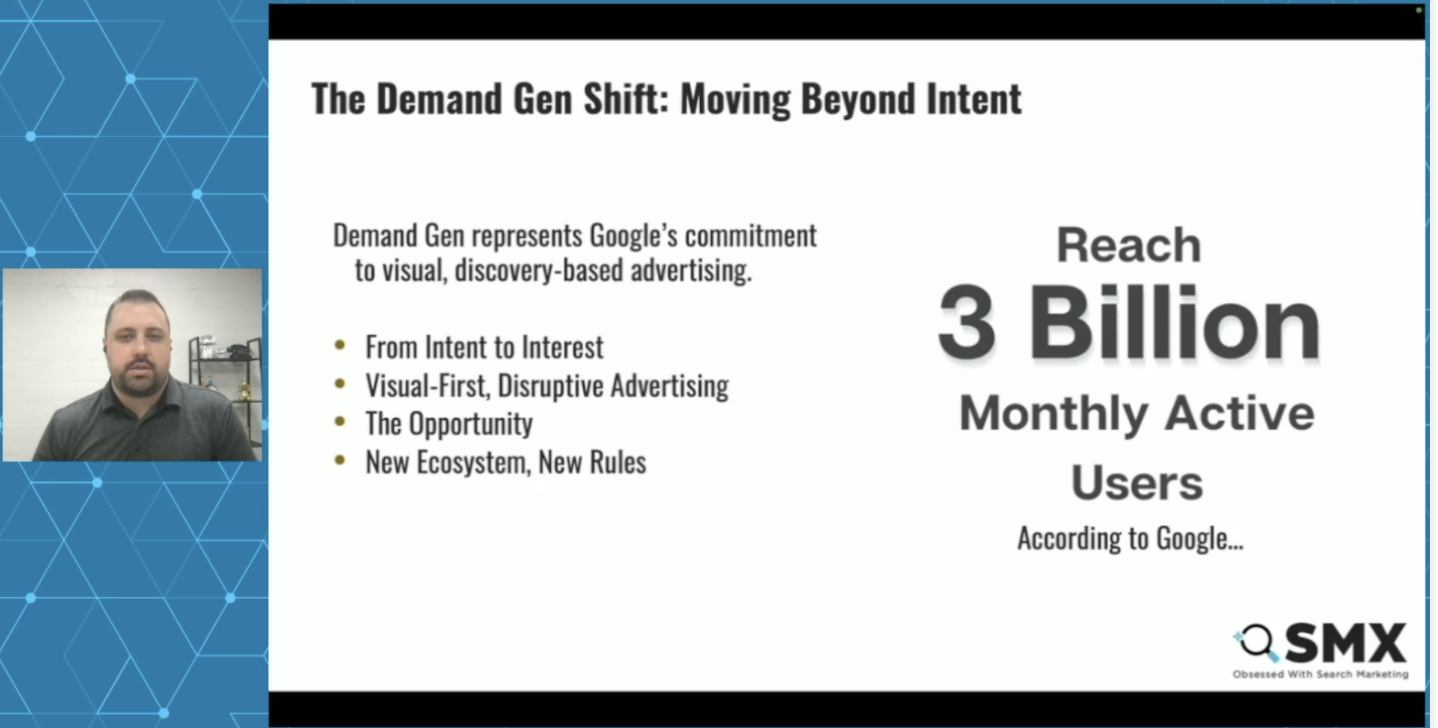
In transitioning to Demand Gen, I see Google’s move from intent-driven to discovery-focused campaigns. This involves reaching users casually browsing on platforms like YouTube, Gmail, or Discovery feeds rather than those actively searching for my offerings. This approach means that visual assets now play the role that keywords once did.
Aligning campaign strategies to fit this model requires abandoning old tactics. Here’s what I need to avoid:
Expecting bottom-of-funnel CPAs from mid-funnel traffic.
Employing imprecise, broad targeting.
Running dull, uninspired creative.
Lack of optimization know-how without negative keywords.
Seeing success demands that I adopt a mindset similar to social advertising.
Demand Gen structure consists of campaigns governed by broad parameters (like bidding strategies and conversion goals) and ad groups that dictate audience specifics. Each ad group learns independently, which allows for finely tuned audience segmentation.
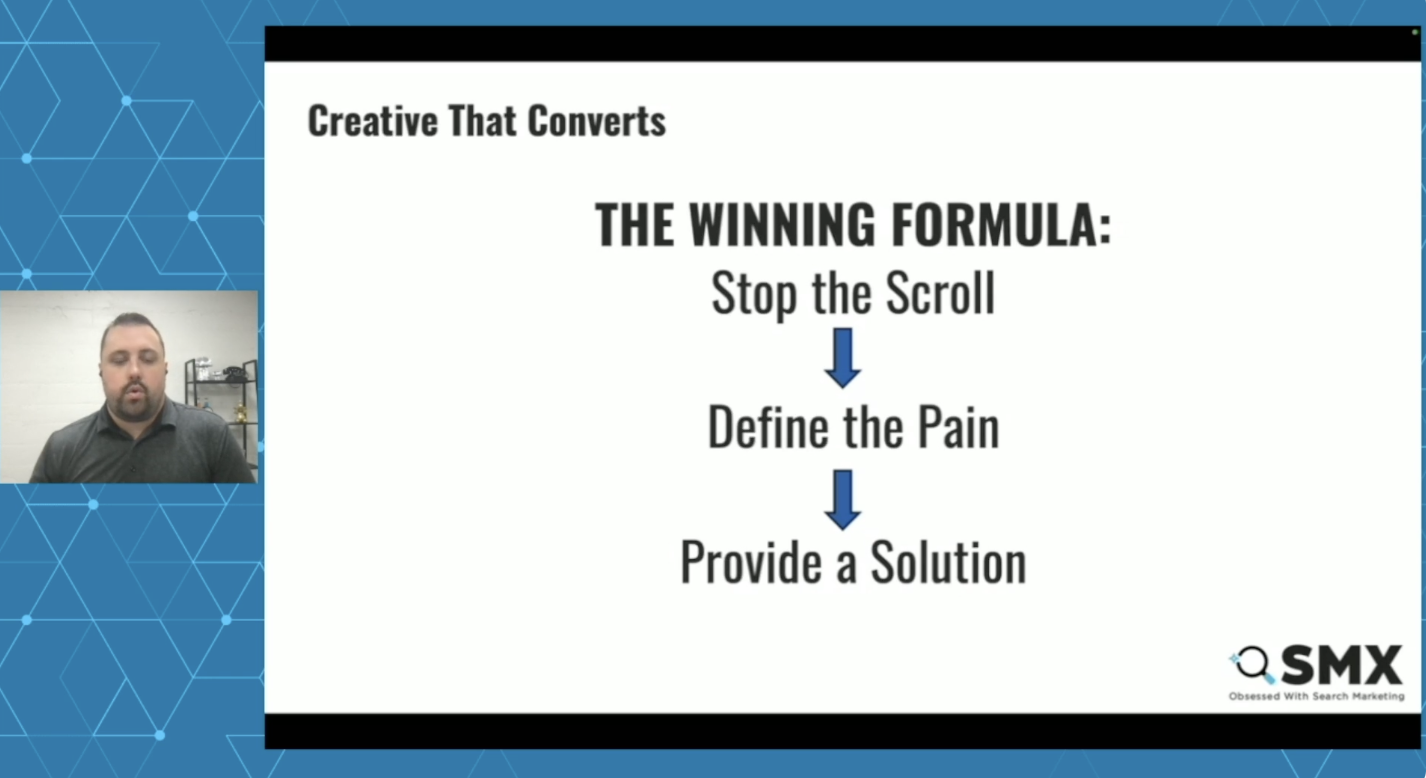
When crafting interruption-based creative, my goal is to catch attention in the first 3-4 seconds. It’s about highlighting a specific pain point and offering a solution in a way that turns casual browsers into engaged prospects.
Ensuring my visual content aligns with the customer journey is crucial:
Cold audiences benefit from educational material.
Warm audiences engage with case studies and webinars.
Hot audiences are ready for demos or purchase offers.
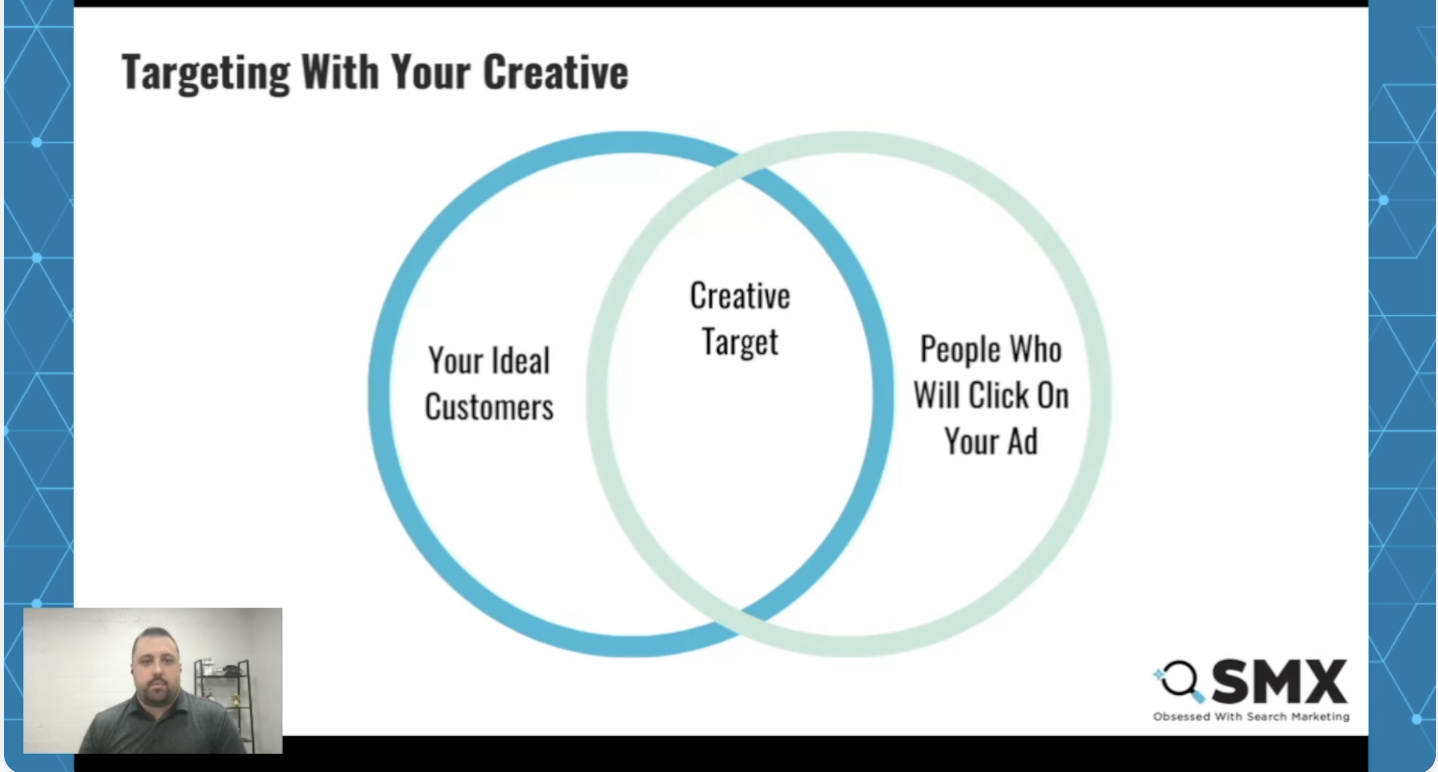
When my creative addresses specific problems with bold visuals and compelling headlines, the engagement naturally increases. For instance, targeting specific challenges like cybersecurity for small businesses makes my ads stand out.
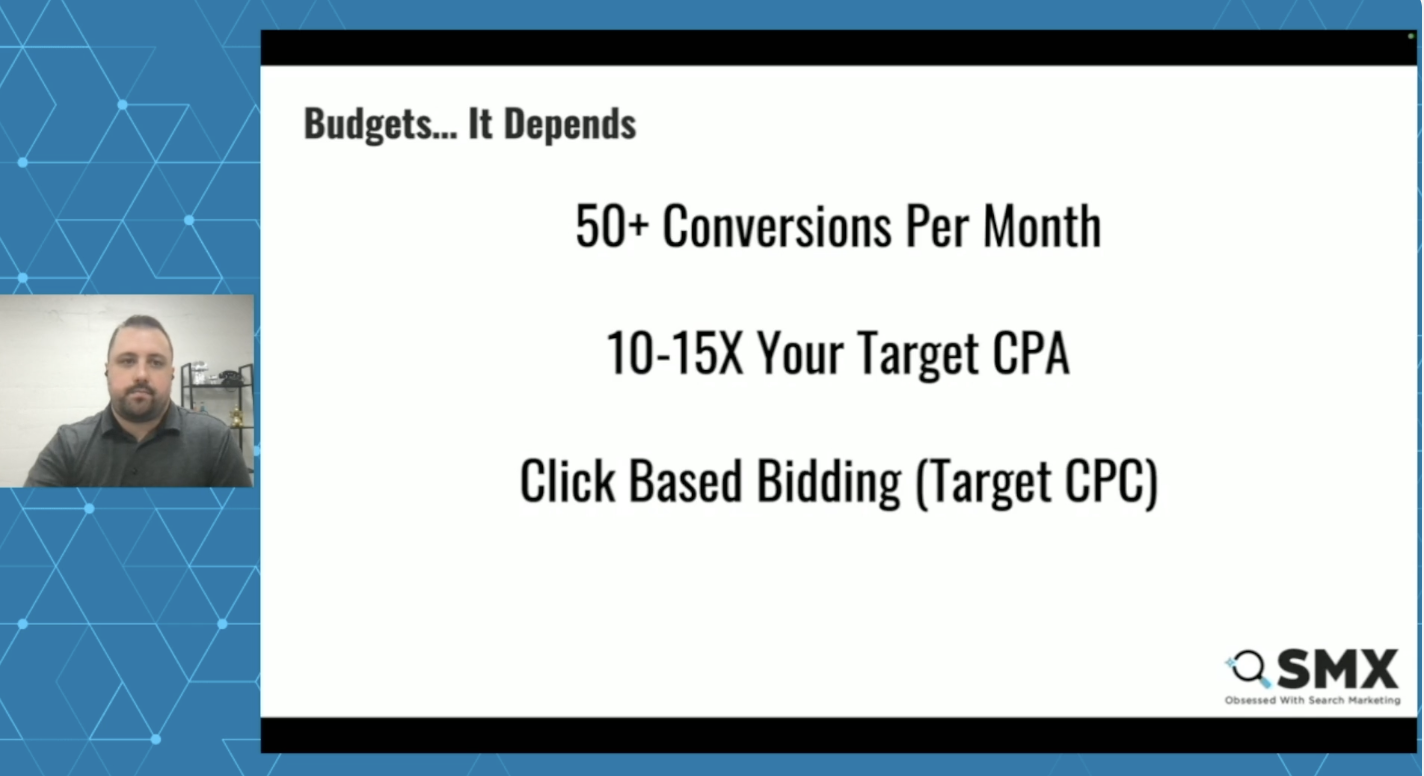
Bidding in Demand Gen focuses on campaign-specific goals. To gather the necessary data, I aim for significant monthly conversions and budget accordingly to enable optimal performance.
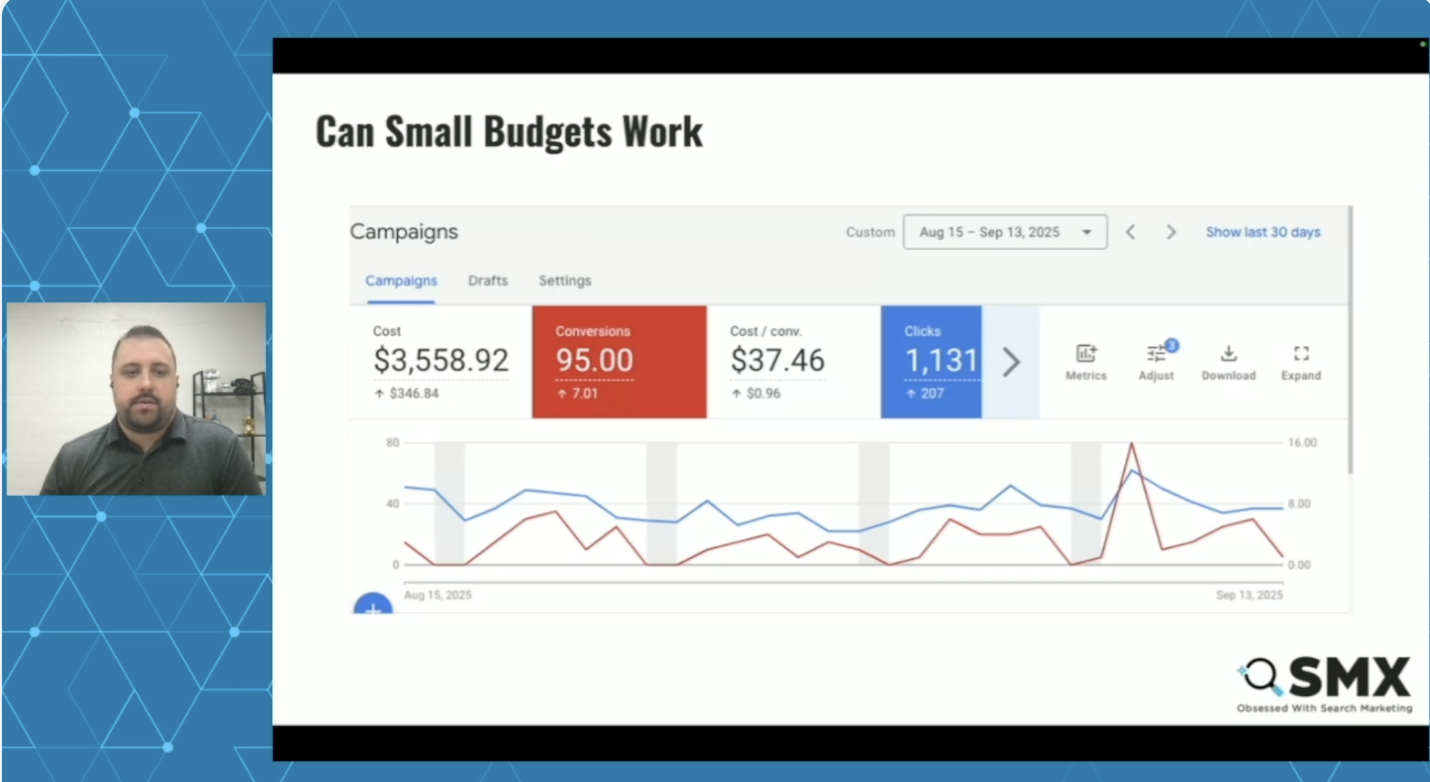
Even small budgets can work if strategically planned. By directing efforts at mid-funnel activities, I can achieve the necessary conversions for meaningful insights.
In building the right audiences, it’s about balance. I avoid extremes of too broad or too narrow segments and focus on custom segments complemented by lookalike data, optimizing as success dictates.
Aligning the messaging of my creative with the buyer’s stage ensures Google effectively targets potential customers. This strategy steering focuses more on creative, audience, and the offer itself.
Using targeted exclusions efficiently helps me concentrate effort on engaging users without overly restricting potential reach. It’s a strategic rather than blanket approach.
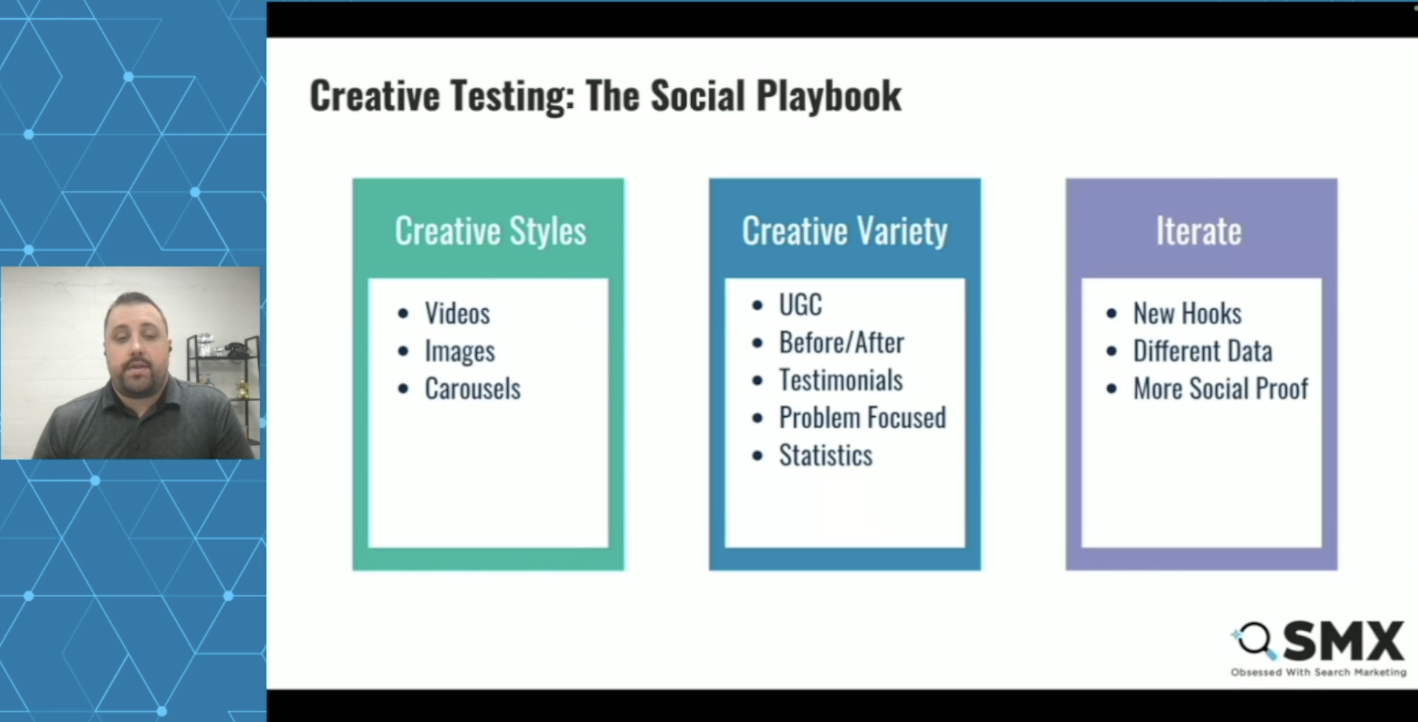
Optimization in Demand Gen focuses on creatively testing different formats and refining audience targeting. I continually test offers to match audience readiness and optimize post-click experiences to enhance campaign effectiveness.
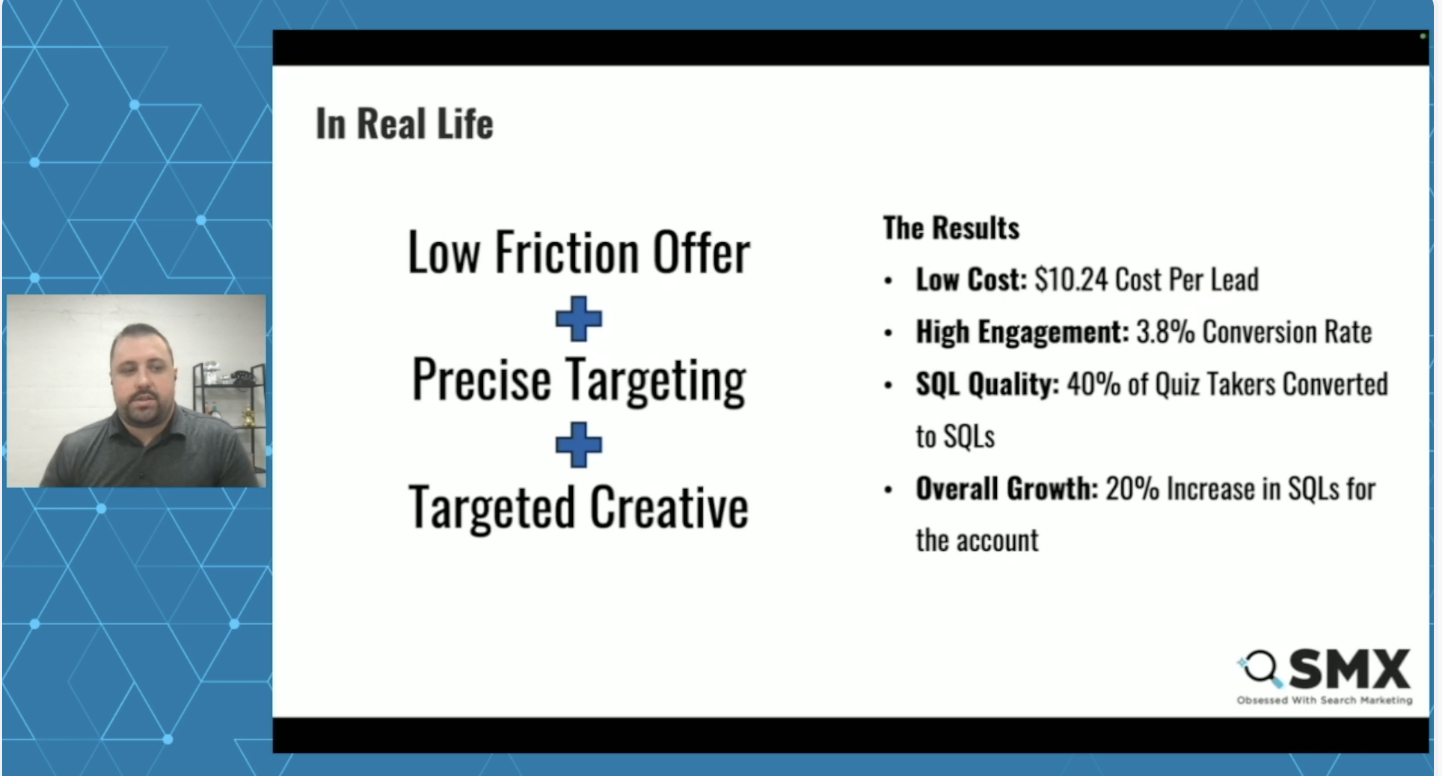
In a real-world application, a telecommunications company achieved impressive outcomes by clearly defining its offer, targeting, and creative messages. The results highlighted the critical importance of aligning these elements for Demand Gen success.
Here are the key takeaways for any campaign I plan next:
Align creative content with my target customer’s stage in their journey.
Identify and target audiences at appropriate points in their journey.
Continuously test and refine both creative elements and offers to amplify impact.
Diving into the world of SEO can be exciting yet overwhelming. As someone early in their SEO journey, I’ve realized the importance of grasping the business context, mastering search intent, understanding technical basics, and conducting hands-on research before jumping into using AI tools.
Working in SEO means constantly staying on top of trends in a fast-paced, marketing-focused industry. When I started, it often felt like navigating without a map. However, establishing a strong foundation made all the difference.
SEO is multifaceted, with specializations emerging as one advances in their career — including local, technical, content, and more. However, as a newbie, I found it beneficial to first gain a broad understanding of SEO before delving into specific areas.
1. Start with the Business
When I begin an SEO project, whether in-house or at an agency, it’s tempting to jump straight into optimizing meta tags or backlinks. But instead, I’ve learned to start by thoroughly understanding the business itself.
Key questions I consider while exploring the website include:
What product or service is being offered?
Who is the target audience?
What sets the company apart from its competitors?
If I get the chance, I always ask broader questions about the company’s goals and plans to better tailor my SEO strategies.
2. Be Curious, Ask Questions
SEO touches nearly every aspect of digital marketing, making curiosity a critical trait. I continuously ask questions not only to expand my understanding but also to foster collaboration with other departments.
Asking questions, no matter how basic they seem, is a great way to learn quickly and thoroughly.
3. Build from the Foundations of SEO
Starting with basics like understanding website fundamentals and how Google displays search results was crucial for me. Analyzing competitors’ search rankings provided practical insights and helped improve my SEO strategies.
Trying simple exercises, like comparing search results with current page optimization, helped me identify areas for improvement and align more closely with what Google values.
4. Get Technical and Network with Developers
While diving into the technical side of SEO can seem daunting, I found learning from developers to be incredibly rewarding. Building these relationships opened doors for deeper technical insights and support.
Coding courses and personal projects enabled me to enhance my technical skills at a comfortable pace.
5. Familiarize with Google’s Search Features
The evolution of Google’s search result presentations introduced me to a diverse range of features, challenging my ability to optimize different types of content effectively.
Understanding these features not only enhanced my SEO approach but also kept my strategies aligned with Google’s user-focused developments.
6. Understand Query Intent
Grasping the varying intents behind search queries allowed me to create content that aligns more closely with user needs, improving engagement and relevance.
Using Google’s guidelines to classify intents significantly refined my keyword strategies and content planning.
7. Conduct Research Independently Before Using AI
While AI can streamline SEO tasks, I’ve found invaluable learning by initially executing projects manually. This hands-on experience has been critical to my strategic development and understanding of SEO complexities.
Resisting the allure of AI solutions early on helped me build a solid foundation that AI could later enhance without overshadowing the fundamentals.
8. Know How GEO/AEO Differs
Understanding the distinctions between traditional SEO and emerging channels like GEO/AEO has equipped me to advise on brand visibility throughout diverse platforms and optimize accordingly.
Exploring how LLMs work, their training data, and how to effectively influence their output, has added a strategic layer to my SEO toolkit.
Laying the Groundwork for SEO Success
By focusing on the core elements of business understanding, search results, and user intent, I’ve laid a robust foundation that continuously supports my SEO growth and adaptability.
Engaging deeply with the basics has empowered me to navigate the complexities of SEO strategically and effectively.
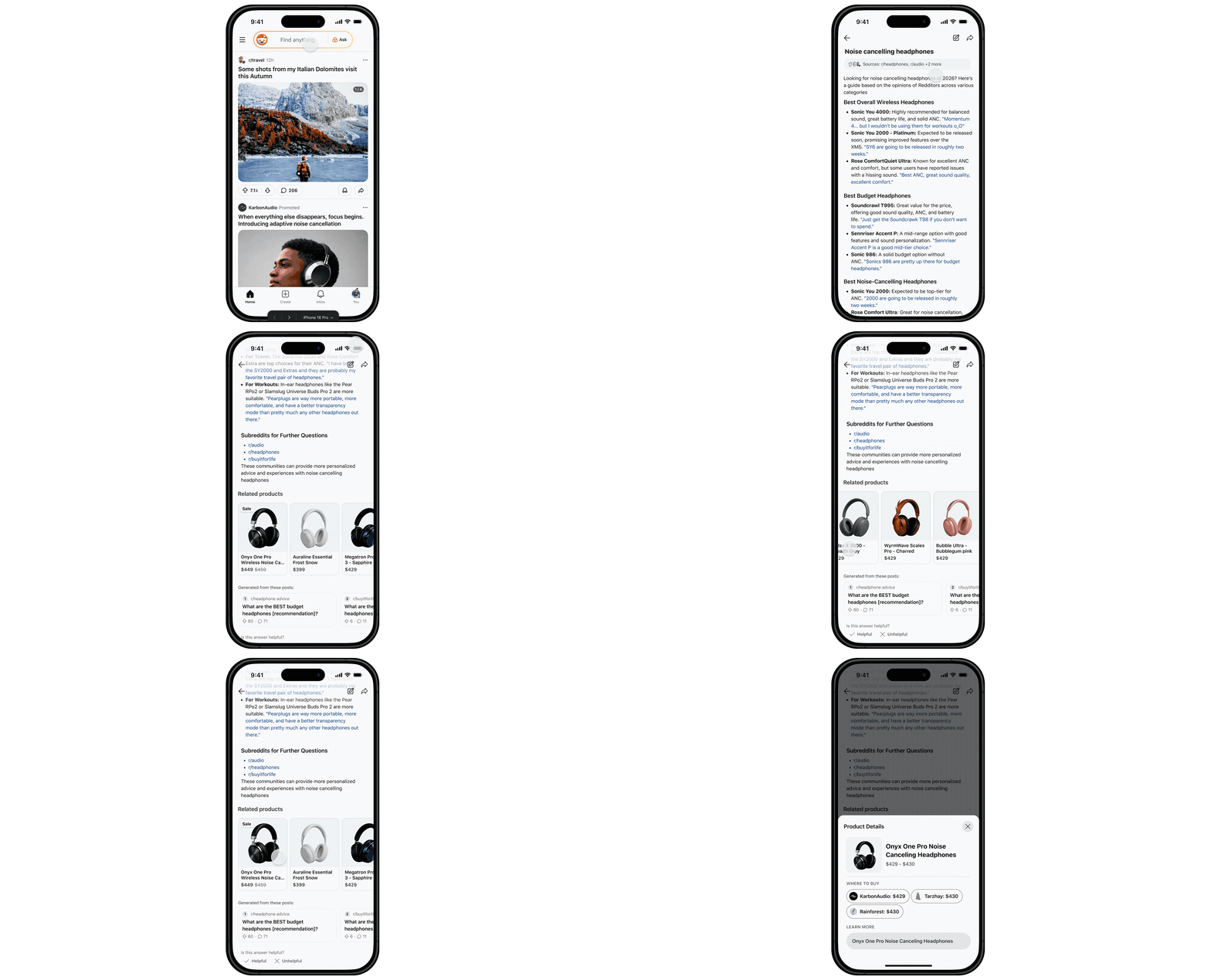
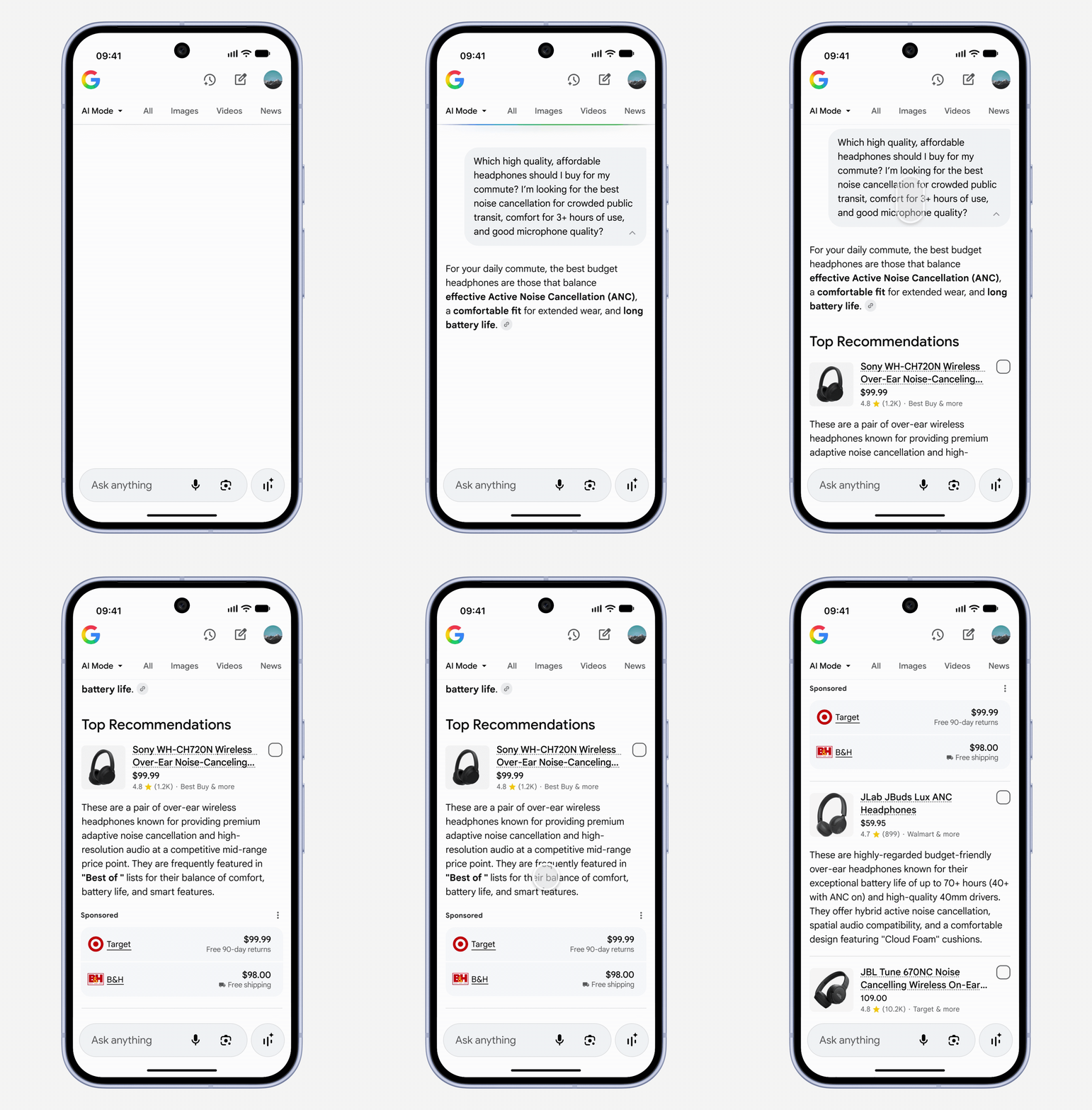
I find Reddit’s new pilot program fascinating. They’re using AI to transform our beloved community recommendations into interactive, shoppable product carousels within search results.
What’s happening: Right now, a select group of U.S.-based folks, including myself, might notice these exciting product carousels popping up in search results whenever our queries suggest a buying intent, like when searching for “best noise-canceling headphones” or “top budget laptops.”
These carousels conveniently appear right at the bottom of the search results, showcasing pricing, images, and direct links to retailers. The coolest part? These products are derived from actual Reddit posts and comments rather than existing ad inventories.
For those of us interested in consumer electronics, Reddit also collects data from specific Dynamic Product Ads (DPA) partner catalogs.
How it works: The AI cleverly identifies queries with purchase intent, scans through relevant Reddit discussions for any product mentions, and arranges them into tidy, shoppable cards. When a card catches my attention, I can simply tap it to gain more information or be redirected to a retailer.
Why we care: These shopping carousels are a real game-changer for advertisers. They bring products to the spotlight right when consumers, like me, are contemplating a purchase and seeking peer approval. Unlike typical ads, here these products merge with Reddit’s trusted community vibe, making them seem more like genuine recommendations than mere advertisements.
For brands already involved in Dynamic Product Ads on Reddit, this development offers a seamless pipeline from community buzz directly to action.
Between the lines: Reddit is really onto something big here, doing what many competitors have struggled to achieve—using organic, community-driven content as the foundation for a shopping experience, rather than depending solely on targeted advertising.
This approach is ingenious because consumers, myself included, are becoming warier of sponsored content. Reddit’s value relies on authentic community engagement, and by integrating that into a shopping feature, it elevates their credibility beyond traditional retail media networks.
The big picture: Retail media is booming, and platforms catering to audiences with high purchase intent are in a race to claim their portion of the pie. With Reddit’s increasing search traffic, especially after partnering with Google, this development seems like the perfect next step.
The bottom line: Reddit is testing how it can turn search intent directly into transactions, making it smoother for users like me to transition from recommendations to purchase, all while staying within the community context that fosters trust.
I was thrilled to learn that Microsoft Advertising has introduced a new Performance Max learning path. This offers marketers the tools they need to run more effective campaigns and to demonstrate their verified expertise.
A fresh applied learning path designed by Microsoft Advertising aims to enhance our ability to optimize Performance Max campaigns through practical, scenario-based training, moving beyond just theoretical knowledge.
What’s happening: This innovative learning path consists of three sequential courses focusing on real-world setup, optimization, and troubleshooting. It empowers us to learn at a comfortable pace, while directly applying newly acquired skills to current campaigns.
The courses address various levels of expertise, ranging from beginner fundamentals to advanced strategies and credentialing.
What’s included:
Course 1: Foundations
This course introduces the essentials of Microsoft Advertising Performance Max campaigns.
It’s an ideal starting point for beginners seeking to understand the workings of PMax campaigns.
The course emphasizes core concepts and terminology.
Course 2: Hands-on setup
This course offers a guided walkthrough for setting up Microsoft Advertising Performance Max campaigns.
Perfect for advertisers launching their initial PMax campaign or requiring a skill refresh.
It provides a step-by-step guide for campaign creation and addresses common setup queries.
Course 3: Advanced implementation
This course delves into implementation and optimization through scenario-based learning.
It’s tailored for advanced users enhancing their strategic and optimization skills.
It includes practical resources like checklists, videos, and reusable reference materials.
How it works: A standout feature of the third course is its embedded support options, which allow learners to access specialized educational resources mid-assessment via the “Help me understand” feature. This enables contextual review before returning to the questions.
The benefit: This design allows us to spend extra time on challenging areas while breezing through familiar content.
Credential payoff: Completing the advanced course gives us the opportunity to earn a Performance Max badge. This badge is a mark of proficiency in implementing and optimizing PMax campaigns, reinforcing the application of best practices.
The badge can be digitally shared and verified using Credly, which makes showcasing on professional platforms like LinkedIn easy.
Why we care: Microsoft Advertising is making it more streamlined and effective to gain practical skills needed for running successful Performance Max campaigns. This is more than just theoretical training; it’s grounded in practical scenarios that help us avoid common pitfalls, optimize with confidence, and elevate performance in live accounts.
Additionally, acquiring this shareable credential adds significant professional credibility, highlighting our proven expertise to clients and employers alike.
The bottom line:The new learning path is committed to bridging the gap between training and practical implementation. By integrating applied scenarios, embedded support, and credentialing, it offers advertisers a comprehensive path to build and demonstrate confidence in managing Performance Max campaigns.
As I look ahead to 2026, Google’s innovative strides in AI are truly reshaping digital advertising and commerce. Thanks to the leadership of Vidhya Srinivasan, VP/GM of Ads & Commerce, AI is significantly enhancing the shopping and advertising landscape, making it more efficient and personalized for everyone involved.
Key Trends:
Creators to commerce: In my experience, YouTube is increasingly becoming a go-to platform for discovery, largely because creators act as influential tastemakers. AI plays a pivotal role in pairing the right creators with brands, transforming influence into tangible business outcomes.
Search ads evolve: With conversational and visual searches gaining popularity, AI Mode is revolutionizing ads to seamlessly integrate into the user’s discovery process. Innovative formats like sponsored retail listings and Direct Offers are crafted to assist users in their shopping journey while offering brands meaningful conversion opportunities.
Agentic commerce arrives: Through Google’s Universal Commerce Protocol (UCP), AI-driven shopping experiences are becoming standardized. This advancement allows users to browse, purchase, and finalize transactions effortlessly. Early adopters like Etsy and Wayfair have already started using this system, with giants like Shopify, Target, and Walmart soon joining the bandwagon.
AI-powered creative and performance: I’m thrilled to see how tools powered by Gemini 3 are enhancing creative production and campaign optimization. Generative platforms like Nano Banana and Veo 3 help advertisers produce high-quality assets swiftly, while AI Max boosts reach and performance.
Trust as a foundation: It’s reassuring to know that each advancement prioritizes privacy and security. Strong data management practices, alongside transparent ad personalization, are founded on Google’s legacy of trust.
Why we care: 2026 is poised to be a groundbreaking year, with AI enhancing every facet of the consumer journey. With cutting-edge tools like Gemini 3, Nano Banana, Veo 3, and AI Mode, brands like mine can efficiently create superior content, target the perfect audience, and seamlessly convert interest into purchases during search and discovery.
The advent of agentic commerce through UCP presents a novel approach, connecting advertisers to consumers at critical purchasing moments, all while preserving trust and transparency.
The big picture: The year 2026 heralds an expansive era for digital commerce and advertising, where the fusion of speed, personalization, and AI-driven insights eliminates barriers, facilitating smoother transitions from discovery to purchase while keeping trust paramount.
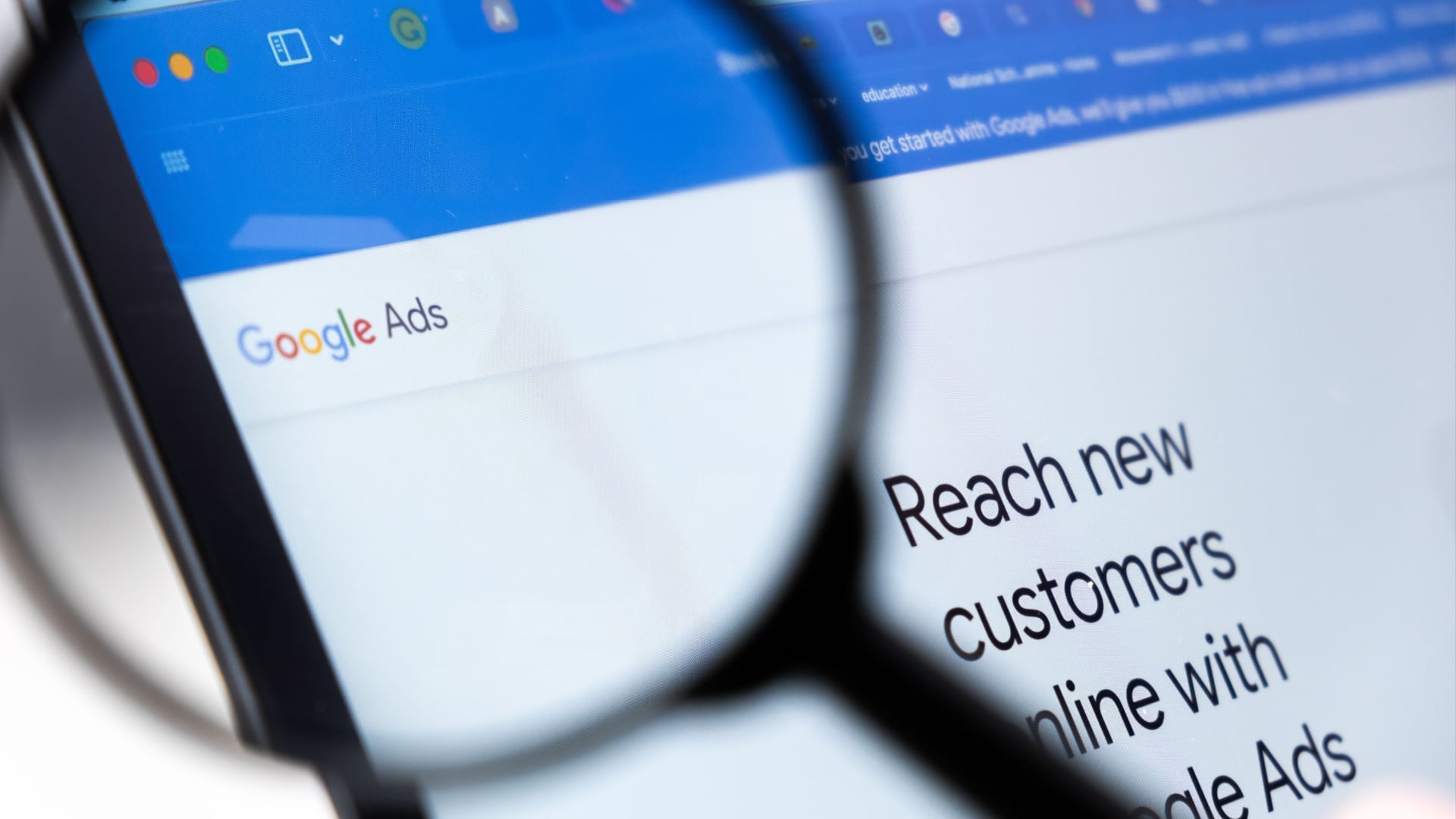
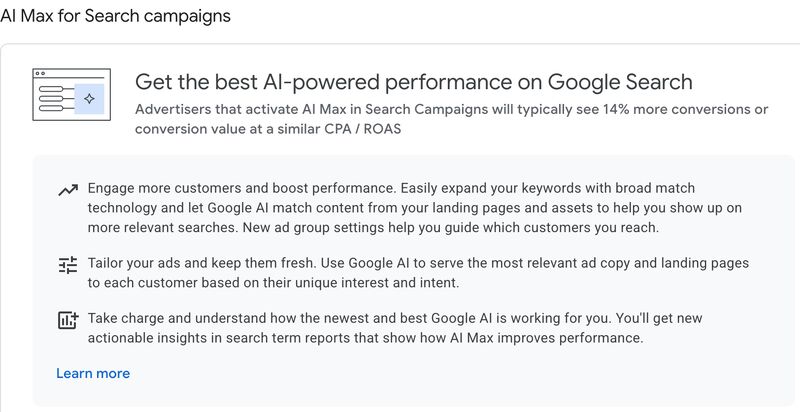
When I opened Google Ads recently, I noticed something intriguing. Google is now directly promoting its AI Max feature right inside the campaign settings. This is a bold move, as it places advertisements for their own tools directly in front of advertisers like me.
What’s happening: I saw promotional messages for AI Max specifically for Search campaigns when accessing my campaign settings panel.
These notifications show up during my usual account audits and updates.
It’s essentially Google’s way of internally advertising its own tools to me.
Why it matters to me. Seeing these ads within the platform highlights Google’s strategy to push AI adoption. It makes me wonder if this will nudge advertisers like myself towards tools that minimize manual input, potentially reshaping how I manage campaigns.
Encountering ads in a platform that’s already a paid advertising service is quite unprecedented. It feels like a subtle shift towards more aggressive product adoption strategies by Google.
The big picture from my perspective. Although Google often rolls out AI features, actively promoting them within our regular workflows is a more assertive step towards encouraging us to adopt new features.
What I should watch for. I’m curious if this promotional strategy will extend to other features within Google Ads and how other advertisers will react to seeing marketing within their management tools.
First observation. This notification was first spotted by Lead Gen PPC Specialist Julie Bacchini, who shared her experience on LinkedIn.