Tag: ChatGPT

  • GPT-5.2 in ChatGPT: What Availability Actually Means

    GPT-5.2 in ChatGPT: What Availability Actually Means

    If you are trying to find GPT-5.2 in the ChatGPT app you use, a general statement that the model is “in ChatGPT” is not enough. It does not automatically tell you whether your account has access, whether every ChatGPT client supports it, or whether you can select it yourself.

    The defensible answer is narrower: GPT-5.2 has been confirmed in ChatGPT, and an external analytics platform is tracking ChatGPT responses generated with it. Universal availability across browser, desktop, mobile, account tiers, managed workspaces, and the API is not established by those facts. Here is how to separate what is known from what you still need to verify.

    What the current GPT-5.2 confirmation actually proves

    OpenAI announced GPT-5.2 on December 11. By December 14, Profound had begun tracking GPT-5.2 responses in ChatGPT across its products. The named products include Answer Engine Insights, Prompt Volumes, and Agent Analytics, with ChatGPT responses in those dashboards reflecting GPT-5.2.

    That confirms two useful points. GPT-5.2 was operating within ChatGPT, and organizations using Profound could analyze ChatGPT output associated with the model. It does not provide a platform-by-platform rollout matrix, plan eligibility, workspace controls, direct-selection details, or API availability.

    Availability questionAnswer you can defend
    Is GPT-5.2 operating in ChatGPT?Yes. Its use in ChatGPT responses is confirmed.
    Is GPT-5.2 reflected in Profound’s ChatGPT tracking?Yes, beginning December 14 across the named product suite.
    Can every ChatGPT account use it?Not confirmed.
    Is it available in every browser, desktop, and mobile client?Not confirmed.
    Can every eligible user select GPT-5.2 directly?Not confirmed.
    Does ChatGPT availability also confirm API access?No. API access is a separate question and is not established here.

    This distinction prevents a common reporting error: turning evidence of model activity into a claim of universal access. If you publish a rollout status, describe GPT-5.2 as confirmed in ChatGPT without adding unsupported claims about every client or account type.

    “Available” can describe four different states

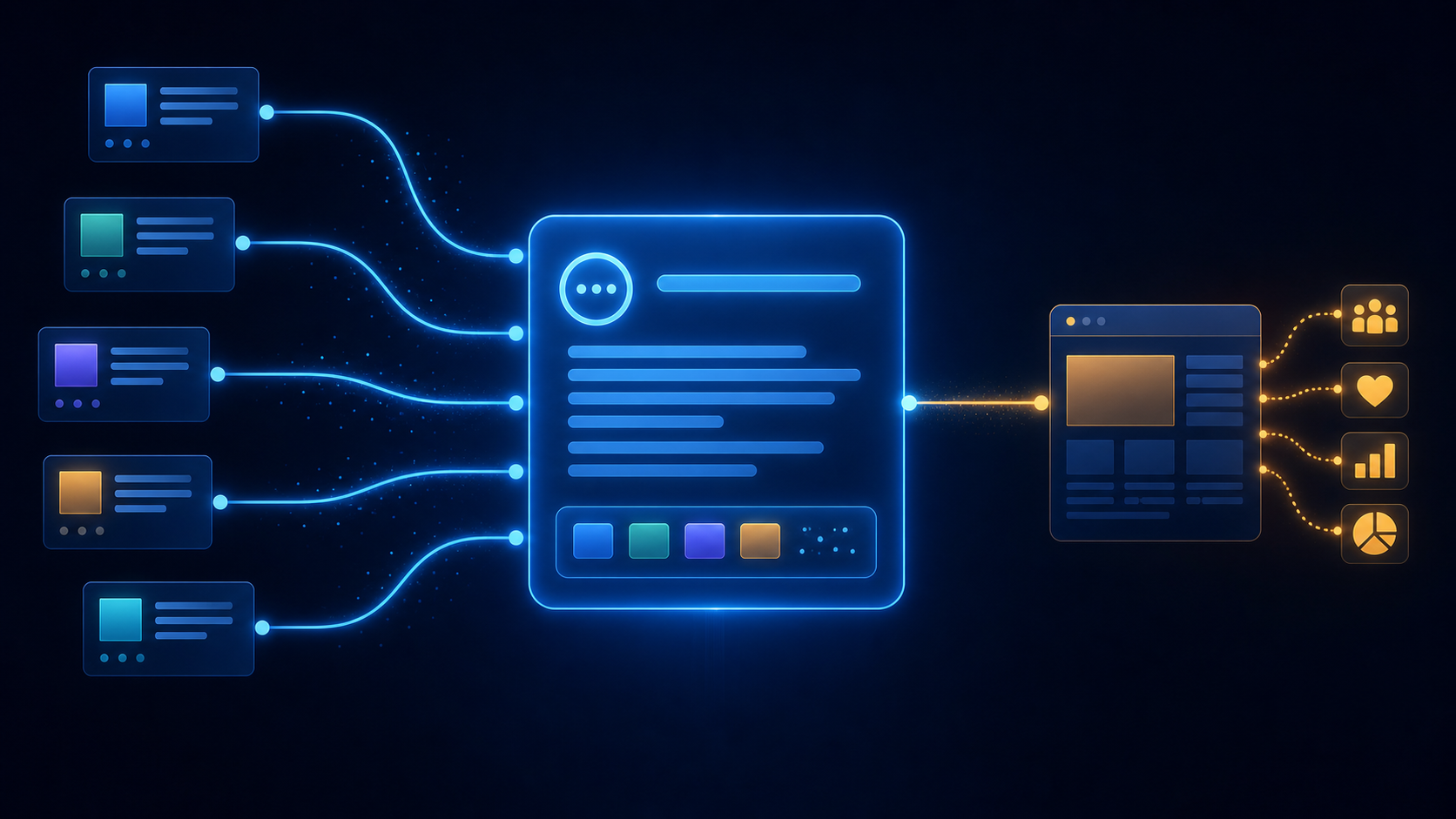
    Four connected scenes depict a model existing on a service, reaching an account, connecting to devices, and being manually selected from interface tiles.

    Teams often use “available” as though it has one meaning. In practice, you need to identify which of four states you are discussing.

    1. Product presence: GPT-5.2 is operating somewhere within ChatGPT. This is the broadest confirmed claim.
    2. Account eligibility: a particular personal or managed account is permitted to use the model. Product presence does not prove this for your account.
    3. Client availability: the model is exposed in the specific browser, desktop, or mobile experience you are using. Access on one client does not demonstrate access on another.
    4. User selection: the interface explicitly lets you choose GPT-5.2. A system may route a request to a model without presenting that model as a selectable option.

    API availability belongs outside this sequence. ChatGPT and an API are different access surfaces, even when they use models with the same name. A confirmation about ChatGPT should not be copied into API documentation, procurement requirements, or production plans without separate evidence.

    The same discipline applies to third-party analytics. A dashboard can accurately identify the model used for the responses it tracks without proving that every consumer account can open ChatGPT and select that model. Tracking coverage and end-user entitlement answer different questions.

    How to verify GPT-5.2 on the ChatGPT platform you use

    Do not ask the model to identify itself and treat the answer as account metadata. A generated response is not an authoritative access record. Use product-controlled labels, account notices, workspace settings, and official release information instead.

    1. Define the exact claim you need to verify. Replace “Do we have GPT-5.2?” with a testable question such as “Can this account select GPT-5.2 in the desktop client?” or “Are responses in this managed workspace being routed to GPT-5.2?”
    2. Start a new conversation. Inspect the model name shown by the interface, any model-selection control, and any account-level release notice. An old conversation may not be useful evidence for the state of a newly enabled model.
    3. Check each client separately. Test the browser, desktop application, and mobile application that matter to your workflow. Record the date, account or workspace, client, application version where applicable, visible model label, and whether direct selection was offered.
    4. Classify the result precisely. Use “selectable” when the interface names GPT-5.2 as an option, “reported as routed” when a trusted system identifies the backend model, and “unconfirmed” when neither form of evidence is present. Do not translate “unconfirmed” into “unavailable.”
    5. Verify managed access at the workspace level. A result from a personal account does not establish the state of an organization-controlled workspace. Capture evidence from the account that will perform the actual work.
    6. Keep API verification separate. If your implementation depends on programmatic access, confirm the model name, permissions, and availability in the API environment itself before changing production workflows.

    A small access register is enough for most teams. Give it one row per account and client, with columns for the check date, workspace, platform, application version, visible model, selection status, and evidence. This turns an ambiguous rollout conversation into a list of claims that can be rechecked.

    AI visibility teams should treat December 14 as a measurement boundary

    A stream of abstract response records crosses a bright vertical boundary while two analysts observe the change at a transparent console.

    For SEO, AEO, and GEO teams, model availability is not only an access question. It is also a measurement variable. A model change can alter which brands, pages, facts, and citations appear in generated answers even when your content has not changed.

    Profound’s switch to GPT-5.2 tracking across Answer Engine Insights, Prompt Volumes, and Agent Analytics creates a practical boundary on December 14. If a visibility metric or answer pattern changes across that date, the model transition is one possible cause. It should not automatically be interpreted as a ranking gain, content loss, competitive move, or change in audience demand.

    • Annotate the transition date. Add December 14 to reports that include Profound’s tracked ChatGPT responses so later readers can see that the measurement environment changed.
    • Segment before and after the switch. Compare GPT-5.2 observations with other GPT-5.2 observations when making trend claims. A blended series can hide a model-driven break.
    • Rerun your baseline prompt set. Keep the prompts and other controlled inputs unchanged, then establish a fresh GPT-5.2 baseline for mentions, citations, answer position, sentiment, and factual accuracy.
    • Store raw responses with model metadata. A score without its answer, collection date, and model context is difficult to audit after a platform transition.
    • Delay causal claims. If the only known event near a metric change is the model cutover, label the result as a change in observed output. Do not claim that an optimization caused it until you have evidence that separates the two effects.
    • Do not infer consumer rollout coverage from tracking coverage. Dashboard-wide GPT-5.2 measurement tells you which model underlies the monitored responses, not which ChatGPT clients or account types expose it to every user.

    This is especially important for reports shared with clients or leadership. “ChatGPT visibility increased after GPT-5.2 entered the measurement environment” is supportable when the data shows it. “Our visibility strategy caused the increase” requires additional evidence.

    Key takeaways

    • GPT-5.2 is confirmed in ChatGPT, but universal access across every account, workspace, client, and plan is not confirmed.
    • Profound began tracking GPT-5.2 ChatGPT responses across its named product suite on December 14.
    • Product presence, account eligibility, client availability, direct selection, and API access are separate claims.
    • Verify access using interface and account metadata, not the model’s generated description of itself.
    • For AI visibility reporting, annotate December 14 and establish a new GPT-5.2 baseline before interpreting changes as SEO, AEO, or GEO performance.

    Your next step is simple: write down the exact account-and-client claim your work depends on, verify that claim in the relevant interface, and add the result to your access register. Until that check is complete, use “confirmed in ChatGPT” rather than “available everywhere.”


    References

  • How to Humanize LLM-Assisted Content With Better Research

    How to Humanize LLM-Assisted Content With Better Research

    You have an LLM draft that is clean, complete, and strangely forgettable. Changing a few phrases, adding contractions, or asking the model to sound more human will not fix it. The draft feels generic because it has had no meaningful contact with the customers, experts, and market conditions it claims to understand.

    Humanizing LLM-assisted content is a research problem before it is a writing problem. Give the model grounded evidence to organize, keep human judgment in charge of what matters, and make every important claim traceable. You will get content that is more useful because it contains real distinctions, not because it performs a more casual personality.

    Human content starts with evidence, not tone

    A model can imitate a conversational register. It cannot create genuine customer evidence, expert experience, or market context that you did not provide. If the input consists of a keyword, a title, and competing search results, the output will usually recombine the same category-level ideas available to everyone else.

    The useful advantage of an LLM is its ability to process large collections of feedback and surface recurring patterns. That makes it a capable research assistant, but it does not transfer editorial responsibility to the model.

    Separate the work into three roles:

    • Evidence: Customers, subject matter experts, product records, search queries, reviews, and other observable material supply the facts and language.
    • Analysis: The LLM groups related observations, identifies contrasts, proposes questions, and helps you inspect a large body of material.
    • Judgment: A person decides which patterns are meaningful, which claims are sufficiently supported, what exceptions matter, and what the reader should do.

    This separation prevents a common failure: letting polished prose disguise a weak evidence base. A confident paragraph is not proof that the underlying pattern is real.

    Before drafting, build a compact evidence brief. For each potential section, record the reader question, the proposed answer, the supporting material, any contradiction, and the action the reader can take. If a proposed answer has no supporting material, label it as a gap. Do not ask the model to fill that gap with a plausible anecdote.

    Keep provenance attached to the material as it moves through the workflow. A customer comment should retain an anonymous record identifier. An expert claim should point back to the approved interview transcript. A competitor observation should retain the page, review, or posting that supports it. Provenance makes verification possible after the model has compressed many inputs into a neat theme.

    Build an auditable customer-language pipeline

    Two researchers trace color-coded evidence cards back to customer interview recordings, photographs, and product samples on an organized table.

    Customer feedback is where generic content often becomes specific. NPS responses, sales-call transcripts, support questions, Google Search Console queries, and on-site searches expose the words people use before your marketing language has shaped the conversation. Heatmaps and interaction data can help you locate friction, while qualitative comments can explain what the friction means to the person encountering it.

    Do not begin by dropping an unstructured archive into a chat and requesting insights. The resulting summary may look convincing, but it gives you little visibility into omitted records, faulty groupings, or unsupported counts. A more inspectable workflow involves using an LLM to generate SQL, running the queries separately, and supplying the query results for synthesis.

    1. Normalize the raw material. Store one response or interaction per record. Preserve the original wording and add only fields you can verify, such as channel, product area, or an anonymous record identifier.
    2. Define the question before querying. Ask something narrow enough to test, such as which objections appear in feedback about a specific feature, or which questions occur before a purchase decision.
    3. Use the LLM to draft the query. Supply the actual table and column names, describe the expected output, and instruct it not to invent fields. Treat the generated SQL as code that requires review.
    4. Run and validate the query outside the model. Inspect filters, joins, null handling, duplicated records, and representative rows. Compare the result with a small set you have already read.
    5. Give the verified result to the LLM. Ask it to group related responses, preserve contrary evidence, and attach anonymous record identifiers to every proposed theme.
    6. Iterate on the question. A broad theme such as ease of use is not yet an insight. Query the situations, tasks, and points of confusion hidden inside that label.

    A practical analysis prompt is: Group these verified records by the job the customer is trying to complete. For each theme, provide supporting record identifiers, conflicting records, the customer terms that recur, and one question we still cannot answer. Do not infer a motive unless the wording supports it.

    The instruction to preserve conflicting records matters. A model is naturally useful at compression, but compression can erase minority experiences and conditions that complicate the dominant theme. Those complications are often what make a page trustworthy. They let you say when advice works, when it does not, and who should choose a different path.

    Handle sensitive material before it reaches any LLM. Remove personal identifiers and confidential details, and use only tools and storage environments approved for the data involved. If you cannot confirm that a dataset may be processed in a particular system, work with a redacted extract or keep the analysis inside an approved environment.

    Your final customer-language output should not be a cloud of themes. Build a theme ledger containing the customer problem, the situation in which it occurs, the language customers use, supporting record identifiers, contradictions, and the content decision that follows. That final field forces analysis to become useful editorial direction.

    Interview experts without asking them to write the page

    A content strategist records an expert explaining and demonstrating a component at a workshop bench while a teammate documents the process.

    Subject matter experts are usually needed because the obvious answer is incomplete. They know the mechanism, the exception, the tradeoff, and the mistake that only becomes visible in practice. Asking them to write a polished explanation creates unnecessary work and often delays the content.

    Use an LLM as the interviewer, not as a substitute for the expert. A reusable interviewer can be configured around a clear role, context, interview structure, pacing, and closing summary. The expert can answer in fragments or plain language while the system handles follow-up questions and organization.

    Give the interviewer these instructions:

    • Role: Act as a curious editor who understands the product context but does not pretend to know the expert’s answer.
    • Objective: State what the final content must help the reader understand or decide.
    • Scope: Name the product, feature, service, or decision being discussed and list topics that are out of scope.
    • Pacing: Ask one question at a time. Follow an answer before moving to the next prepared topic.
    • Evidence discipline: Request concrete mechanisms, conditions, and examples, but never create an example on the expert’s behalf.
    • Closing: Summarize the claims, unresolved questions, and statements that require verification or approval.

    Do not open with an invitation to explain everything about the subject. Start with the decision the reader faces, then move down an interview ladder:

    1. What does the reader usually misunderstand at this point?
    2. What actually happens, and what causes it?
    3. Which conditions change the answer?
    4. What is the most common avoidable mistake?
    5. What tradeoff should the reader understand before choosing?
    6. What would you need to see before recommending a different approach?

    Each answer should shape the next question. If the expert says a result depends on implementation quality, the interviewer should ask what quality means in observable terms. If the expert describes a common mistake, it should ask why people make it and how a reader can notice it early. This is where an interview produces material that a generic drafting prompt cannot.

    After the interview, ask the LLM to create a claim sheet rather than a finished draft. Each row or bullet should include the claim, supporting transcript passage, relevant condition, uncertainty, and verification status. Send that condensed sheet to the expert for correction. Approval of a short claim sheet is a clearer request than approval of a long page in which factual and stylistic decisions have already been mixed together.

    Only then should the transcript feed the drafting process. Instruct the model to distinguish direct expert knowledge from editorial inference. If the expert did not provide a metric, example, or causal explanation, the draft must not manufacture one to make the section feel complete.

    Use competitor research to find the missing angle

    Competitor research is useful when it reveals the boundaries of the category conversation. It becomes destructive when it is used as a template for another version of the same page.

    Different public signals answer different questions. Reviews, changing web copy, job postings, and social engagement can expose customer frustrations, positioning choices, strategic priorities, and unmet demand. None of these signals should be treated as conclusive on its own.

    • Reviews: Extract repeated benefits, complaints, desired outcomes, and the circumstances behind unusually positive or negative experiences. Keep verified wording separate from your interpretation.
    • Current web copy: Record the audience being addressed, the promised outcome, the proof offered, and the tradeoffs left unmentioned.
    • Archived web copy: Use the Wayback Machine to notice how positioning and emphasis have changed. Treat the change as an observation, not proof of why the business made it.
    • Job postings: Note capabilities the company appears to be building. A posting may indicate an area of attention, but it does not prove that a strategy or product has shipped.
    • Social engagement: Read the comments and questions behind the engagement count. Activity alone does not tell you whether people are satisfied, confused, or objecting.

    Create a competitor evidence matrix with the same fields for every company: target audience, main claim, supporting proof, repeated customer concern, unanswered question, and evidence location. Consistent fields make cross-company patterns easier to inspect and reduce the chance that a vivid example dominates the analysis.

    Then ask the LLM: Compare these records without ranking the companies. Separate extracted evidence from inference. Identify claims repeated across the category, customer questions no company answers clearly, benefits with weak visible proof, and differences that may reflect distinct target audiences. Mark unknowns instead of resolving them.

    The output is not your content plan yet. Test each proposed gap against customer feedback and expert knowledge. A topic is not valuable merely because competitors have ignored it. It becomes a defensible angle when customers care about it, an expert can explain it, and your evidence supports an answer.

    Look for four kinds of useful angles: a customer question the category avoids, a tradeoff hidden behind a popular benefit, an exception that changes the standard recommendation, or a difference in audience that makes apparently conflicting advice both reasonable. These angles humanize content because they reflect actual decisions and tensions. They do not depend on decorative storytelling.

    Draft, verify, and edit for a recognizable point of view

    Once the evidence is organized, drafting becomes a constrained synthesis task. The model should transform approved material into a useful sequence without silently upgrading an observation into a fact or an inference into a customer quote.

    1. Define one reader and one decision. State what the reader is trying to do, what is blocking them, and what they should be able to decide after reading.
    2. Build an evidence outline. Give each section a question, direct answer, evidence identifiers, important exception, and practical next action.
    3. Draft only from the evidence pack. Permit ordinary transitions and explanation, but prohibit invented customers, quotations, tests, metrics, and firsthand experience.
    4. Expose missing support. Require a visible placeholder whenever the outline asks for a claim the supplied material cannot establish.
    5. Verify before polishing. Check every material claim against the raw record, transcript, query result, or competitor evidence location.
    6. Edit for judgment. Decide which point deserves emphasis, which caveat belongs beside the claim, and which recommendation follows from the evidence.

    An evidence-bound drafting prompt can be simple: Write for the defined reader using only the supplied evidence pack. Each section must answer its question directly, explain the mechanism or reason, preserve the stated conditions, and end with an action the reader can take. Keep evidence identifiers in the draft for review. If support is missing, insert [EVIDENCE GAP]. Do not invent a quote, metric, customer, test, or example.

    Run a humanization pass that can fail the draft

    Do not judge the result by asking whether it sounds human. Use tests with observable failure conditions:

    • The substitution test: Could a competitor publish the section unchanged? If so, add a supported distinction or remove the generic section.
    • The provenance test: Can an editor reach the underlying evidence for every consequential claim? If not, qualify, verify, or delete the claim.
    • The contradiction test: Does the draft preserve evidence that complicates the dominant pattern? If not, restore the relevant condition or exception.
    • The customer-language test: Does the page use the terms customers use for their problem while explaining any necessary technical vocabulary? If not, return to the feedback records.
    • The expert-value test: Does the page contain a mechanism, tradeoff, or boundary condition that required genuine expertise? If not, the interview stayed too shallow.
    • The action test: After each section, can the reader do, decide, or notice something specific? If not, the section is probably commentary rather than guidance.

    Remove evidence identifiers only after verification. Then tighten repetition, vary sentence length where it improves clarity, and replace internal terminology with reader language. Do not add fake quirks, staged vulnerability, or imaginary personal stories. A recognizable editorial voice comes from consistent judgment: what you prioritize, what you refuse to overclaim, and how clearly you explain the tradeoff.

    This also supports SEO, AEO, and GEO work without turning the page into machine-facing copy. Put the direct answer near the question, use descriptive headings, name entities precisely, keep qualifications beside the claims they limit, and cite the evidence that carries the factual load. Structured data can describe visible content, but it cannot supply the missing expertise or originality. No formatting choice guarantees search or LLM visibility.

    Key takeaways

    • Humanize the evidence before polishing the prose: use real customer language, expert judgment, and observable market signals.
    • Keep raw data and query execution outside the LLM when you need inspectable counts, filters, and records.
    • Use an LLM to interview experts and organize their answers, never to impersonate their knowledge.
    • Treat competitor material as evidence of category patterns and unanswered questions, not as a draft template.
    • Require provenance, contradictions, conditions, and evidence-gap labels throughout synthesis.
    • Reject any section that a competitor could publish unchanged or that leaves the reader without a concrete next action.

    Take the next generic draft you planned to polish and pause it. Build an evidence brief for its most important claim, verify that material, and rewrite only that section. The difference will show you where research deserves more of the workflow than prompting does.

    References

  • Are ChatGPT App Suggestions Ads? How to Tell What You Saw

    Are ChatGPT App Suggestions Ads? How to Tell What You Saw

    If a Target or Peloton card appeared inside your ChatGPT experience, you weren’t unreasonable to read it as an ad. A brand logo, a shopping-oriented message, and a call to action are the same visual signals that advertising uses across the web.

    But appearance alone doesn’t tell you whether a brand paid for the placement. OpenAI’s stated position was that these were recommendations for apps on its platform, with no financial component and no live advertising test. That distinction matters to users deciding whether to trust the interface and to marketers deciding whether a new media channel actually exists.

    An ad-like recommendation is not necessarily a paid ad

    The word “ad” can collapse three different questions into one. Separate them before you judge a ChatGPT suggestion:

    • How does it look? A logo, prominent brand name, product message, or action button gives a suggestion a promotional appearance.
    • Why was it selected? The recommendation mechanism determines why one app or brand appeared instead of another. A screenshot normally cannot reveal that mechanism.
    • Was money involved? Payment, sponsorship, bidding, or another financial arrangement would support calling the placement advertising. Promotional presentation by itself does not prove any of them.

    The controversial suggestions clearly triggered the first question. Their presentation looked commercial. OpenAI denied the third: it said the recommendations had no financial component. The available information did not explain enough about the second question for anyone outside OpenAI to make a reliable claim about selection or ranking.

    The most accurate description is therefore narrower than either “ChatGPT launched ads” or “nothing happened.” Users encountered app recommendations with an ad-like presentation, while OpenAI maintained that the placements were unpaid.

    That wording doesn’t excuse the design. People interpret an interface through the signals it gives them, not through distinctions supplied after screenshots circulate. OpenAI acknowledged that it had fallen short and disabled the app suggestions while working on accuracy and better user controls. The response confirms that perceived promotion was a product and trust problem even under the company’s unpaid-recommendation explanation.

    Use this six-question test for any branded suggestion

    Hands use a magnifying glass to inspect visual clues on a generic digital recommendation card displayed on a tablet.

    You don’t need to accept a platform’s label blindly, but you also shouldn’t infer an advertising program from one brand card. Work through the visible evidence in order.

    1. What did you ask for? Save the prompt and the preceding messages. A relevant app suggestion after you requested help shopping is materially different from an unexplained retail card during an unrelated task.
    2. What label appeared? Record the exact wording, including terms such as “ad,” “sponsored,” “promoted,” “recommended app,” or “suggested.” No label is also a meaningful observation.
    3. What promotional elements were present? Note the logo, brand name, offer language, image, button text, and prominence relative to the answer. These elements establish how the placement was presented, even when they don’t establish payment.
    4. Where did the action lead? Check whether the button opens an app within ChatGPT, starts an installation flow, or sends you to an external merchant. The destination helps identify the surface you are evaluating.
    5. Is a financial relationship disclosed or confirmed? Look for an explicit sponsorship disclosure or a clear platform statement about payment. If neither exists, the economics are unknown. Don’t convert “unknown” into either “paid” or “organic.”
    6. Could you control it? Check for dismiss, hide, feedback, personalization, or recommendation controls. Record whether the choice applies to one card or to future suggestions. A dismiss button reduces immediate friction; it does not answer how the placement was selected.

    This test gives you defensible language for reporting what happened. Use confirmed paid placement only when payment or sponsorship is established. Use unpaid app recommendation with promotional presentation when the platform denies a financial component but the interface resembles an ad. Use unexplained branded suggestion when neither the selection process nor the economics is known.

    A single screenshot can document that a placement appeared. It cannot, by itself, prove broad availability, personalization, targeting, payment, ranking criteria, or a permanent product launch. Keep each claim within the evidence you captured.

    What to do when a suggestion crosses the line for you

    If you’re a ChatGPT user, a precise report is more useful than a general accusation that the product is “showing ads.” It lets the product team identify the prompt, placement, label, and missing control that created the problem.

    1. Capture the complete context. Save the prompt, relevant earlier messages, full recommendation, visible label, account tier, and destination. Include the time if you are reporting an intermittent experience. Redact personal or commercially sensitive information before sharing a screenshot publicly.
    2. Describe the mismatch. State whether you asked for shopping help, an app, or a brand recommendation. If the suggestion was irrelevant, name the task it interrupted.
    3. Describe the presentation. Instead of relying only on the word “ad,” identify the elements that made it feel paid: logo, retail language, button, placement, repetition, or lack of separation from the answer.
    4. Use available feedback and controls. Dismiss or hide the card if those options are present, then report whether the preference persists. If no meaningful control exists, say that explicitly.
    5. Ask the questions the interface didn’t answer. Was the placement paid? Why was this app selected? Did the recommendation use conversation context? Can similar suggestions be disabled? These are separate questions and deserve separate answers.

    Don’t infer a privacy violation merely because a branded card appeared. The card may give you a reason to ask how relevance was determined, but it does not prove that personal data was sold, shared with the brand, or used for behavioral targeting. Those claims require evidence beyond the visual placement.

    Paying for ChatGPT can make an unexpected commercial-looking prompt feel especially intrusive, but subscription status doesn’t reveal the placement’s economics either. Keep the complaint focused on what can be established: the suggestion appeared, it looked promotional, it was or wasn’t relevant, and the interface did or didn’t provide adequate disclosure and control.

    Marketers should classify the surface before claiming a win

    A marketing analyst compares three unlabeled display panels representing organic, partnership, and paid app exposure.

    For marketers, the biggest immediate risk is not missing an ad opportunity. It is reporting an app suggestion as paid media, organic visibility, or GEO performance without evidence for any of those classifications.

    SurfaceEvidence you needHow to report it
    Brand mention in an answerThe generated response names or discusses the brandAI brand visibility; do not call it paid or organic unless the mechanism is known
    App suggestionA distinct app card, logo, recommendation label, or app-opening actionApp recommendation, with its label, prompt context, and destination recorded
    Paid advertisementA confirmed financial component, sponsorship disclosure, or explicit ad labelAdvertising, separated from answer visibility and app discovery

    That separation prevents three common errors.

    • Don’t create a media budget from screenshots. OpenAI said the disputed suggestions were unpaid and that no live ad test was running. Without inventory, buying terms, targeting options, pricing, or reporting, there is no verified advertising product to plan against.
    • Don’t claim an AI optimization result without a selection model. A brand’s appearance does not reveal whether content, app metadata, platform integration, prompt context, an experiment, or another factor caused the selection. If the mechanism is unknown, attribution is unknown.
    • Don’t merge app referrals with answer visibility. A click from an app card and a brand citation inside a generated answer are different user journeys. Track them separately if your analytics can identify them, and leave the source unclassified when it cannot.

    If your organization has an app available through ChatGPT, review the experience from the user’s side. The app name should make its purpose clear. The call to action should accurately describe what happens next. The destination should match the promise in the card. And the experience should not depend on users mistaking a recommendation for a neutral part of the answer.

    Actual advertising, if it arrives later, should be evaluated as a separate product. OpenAI’s advertising initiatives were reported as delayed while the company prioritized ChatGPT quality. A delayed initiative is not live inventory, but it is not a guarantee that advertising will never launch. Wait for verified buying documentation and visible disclosure rules before treating it as a channel.

    A credible AI advertising product would need to answer practical questions before a marketer commits money: What is sponsored? Where can it appear? How is it separated from the generated answer? Why was it shown? Can a user dismiss or disable it? What does the advertiser receive in reporting? Until those answers exist, planning should remain a scenario exercise rather than a forecast.

    Key takeaways

    • The Target and Peloton-style suggestions looked like ads because they used familiar promotional signals, including brand identity and calls to action.
    • OpenAI said the placements were app recommendations with no financial component and denied that live advertising tests were underway.
    • An ad-like appearance establishes a transparency concern, not a paid relationship. Payment, selection, and presentation are separate questions.
    • Users should capture the prompt, label, card, destination, relevance, and available controls before reporting a questionable suggestion.
    • Marketers should report answer mentions, app recommendations, and confirmed paid ads as separate surfaces.
    • No brand should treat a screenshot as proof of ad inventory, GEO performance, targeting, or a repeatable ranking advantage.

    For the next branded suggestion you encounter, don’t start with the argument over what to call it. Capture what appeared, test what the interface discloses, and classify only what the evidence supports. That gives users a sharper complaint and marketers a cleaner decision than the word “ad” can provide on its own.

    References

  • Master AEO Content Writing: Boost Visibility in LLMs

    Master AEO Content Writing: Boost Visibility in LLMs

    I’ve discovered the art of AEO content writing, and it’s all about structure, thorough research, and establishing authority signals. This approach can significantly boost the chances of your content being cited by LLMs such as ChatGPT, Gemini, and Perplexity.


    Inspired by this post on HiGoodie Blog.


    crushpress.ai community screenshot
  • What ChatGPT’s Reliability Push Means for Your AI Workflow

    What ChatGPT’s Reliability Push Means for Your AI Workflow

    If ChatGPT stops responding halfway through a deadline-sensitive task, getting the service back is only part of the problem. You also need to know what was saved, what can be moved elsewhere, and whether the eventual answer is trustworthy enough to use.

    OpenAI’s reported push to improve ChatGPT is encouraging, but a product priority is not an operating guarantee. The practical response is to separate uptime from answer quality, then build controls for both.

    Reliability is four separate problems

    Four connected mechanisms on a workbench depict a connection beacon, saved files, transfer ports, and an inspection lens checking an output.

    Teams often use “reliability” to mean that ChatGPT loads and produces an answer. That definition is too narrow. During one widespread incident, many users received no answer or only a black dot while thousands reported an outage. That was an obvious availability failure. Less visible failures can occur even when the interface appears to work normally.

    • Availability: Can you access the service and receive a response at all?
    • Delivery performance: Does the response arrive fast enough, without an error or an incomplete generation?
    • Behavior consistency: Does ChatGPT follow the same instructions, constraints, tone, and output structure across comparable runs?
    • Answer quality: Are its claims correct, adequately supported, complete enough for the task, and safe to publish or act on?

    These failures require different responses. Refreshing or retrying may help with a temporary delivery error, but it cannot verify a factual claim. Rewriting a prompt may improve instruction-following, but it cannot restore an unavailable service. Treating every problem as “ChatGPT is unreliable” leaves you without a useful diagnosis.

    Create four labels in your AI incident log: unavailable, slow or incomplete, instruction failure, and factual or quality failure. For each incident, record the task, model or interface used, prompt version, visible symptom, and recovery action. That small distinction will show whether your real problem is infrastructure, prompt design, output verification, or an unsuitable use case.

    Product priorities are a signal, not an SLA

    OpenAI reportedly declared a “code red” that concentrated work on personalization, speed, reliability, and the ability to handle a wider range of questions, supported by frequent coordination and temporary team reassignments. The reprioritization also reportedly delayed advertising initiatives, health and shopping agents, and a personal assistant called Pulse.

    That is a meaningful resource-allocation signal. It indicates that the core ChatGPT experience was important enough to pull people and attention away from other initiatives. It does not establish an uptime commitment, an accuracy threshold, a release schedule, or a guarantee that the product will behave consistently for your particular workflow.

    The individual priorities also need to be interpreted separately. Faster output is not necessarily more accurate output. Better instruction-following can produce a neatly formatted wrong answer. Personalization can make responses more useful to an individual while making it harder for a team to reproduce the same result across accounts. Support for more kinds of questions says nothing by itself about the depth or evidentiary quality of each answer.

    Use the product direction as planning input, then measure what matters inside your own work:

    • Track successful completion separately from response speed. A quick response that requires a complete rewrite is not a successful run.
    • Measure instruction adherence separately from factual accuracy. Passing one check must not substitute for the other.
    • Re-run your representative test prompts after a noticeable behavior change. Do not assume that an improvement for general users preserves your preferred format or workflow.
    • Keep critical prompts, evidence, templates, and approved outputs outside ChatGPT. Product investment does not remove the risk of temporary access loss.

    We would treat a stated reliability priority as a reason to keep evaluating ChatGPT, not as permission to remove fallbacks. The evidence that matters most is whether your own failure rate and recovery burden improve.

    Build a workflow that survives an outage

    Three coworkers preserve files, move a task to a backup workstation, and review a draft while a central cloud service is inactive.

    An outage becomes a business interruption when ChatGPT is both the worker and the filing cabinet. If the only copy of a prompt, source packet, decision trail, or draft lives inside a conversation you cannot open, even a short access problem can stop the entire task.

    Assign every recurring ChatGPT task an operating mode before the next incident:

    • Wait: Low-urgency work such as optional ideation can pause until the service returns.
    • Continue manually: A documented template lets a person complete the work without a model. This is appropriate for repeatable briefs, checklists, metadata drafts, and routine formatting.
    • Move to an approved alternative: Another model or internal system may handle the task, but only if it is already approved for the same data and risk level.
    • Stop and escalate: Sensitive, regulated, financially consequential, or action-taking workflows should not be moved to an unapproved tool merely to meet a deadline.

    For each task, store a compact recovery package in your normal project system. It should contain the current prompt, required inputs, authoritative facts, output format, last approved result, and the name of the person who can accept or reject the output. This turns a conversation-dependent process into a portable specification.

    When ChatGPT becomes unavailable or repeatedly fails, use a fixed runbook:

    1. Confirm whether the problem is broad or local. Check the official service status and test whether the failure affects one conversation, one account, or the service generally.
    2. Preserve the task state. Copy any accessible prompt, input, partial output, and unresolved decision into the recovery package.
    3. Classify the task by its preassigned operating mode. Do not invent a fallback while the deadline is already slipping.
    4. Use the manual or approved alternative route. Do not paste confidential material into a consumer tool that has not passed your organization’s privacy and security review.
    5. Record what was completed during the interruption. If a connected workflow can publish, send, purchase, or modify data, check its state before retrying so that you do not duplicate an action.
    6. When service returns, start from the saved task state and review the new output against work completed during the outage. Do not silently replace an approved manual result with a fresh model response.

    The objective is not to eliminate every delay. It is to keep a provider interruption from erasing context, creating uncontrolled data movement, or forcing your team to reconstruct decisions from memory.

    Verify the answer after the service returns

    A successful response is not the same as a reliable answer. ChatGPT can satisfy the requested tone and structure while introducing an unsupported claim. Your quality controls therefore need to inspect the content, not merely confirm that the prompt was followed.

    Use a source-bound production process

    1. Prepare the evidence first. Give ChatGPT the approved facts, definitions, product details, and source material it is allowed to use.
    2. Define the boundary. Tell it not to add names, numbers, quotes, capabilities, or claims that are absent from the supplied evidence. Ask it to identify missing information rather than fill a gap.
    3. Specify the acceptance criteria. Include the audience, required sections, prohibited claims, output format, and what needs a citation or human decision.
    4. Inspect claims against the evidence. Check every changing fact, proper name, number, quotation, and product statement before publication.
    5. Retain a human approval record. Save the accepted version and the evidence used to approve it, rather than relying on conversation history as the audit trail.

    For SEO, AEO, and GEO work, apply an additional domain check. A model-generated keyword, question, or answer can help you explore phrasing, but it cannot prove search demand, customer intent, ranking potential, or the likelihood of being cited by an AI system. Confirm those decisions with actual query data, customer evidence, analytics, or another appropriate first-party source.

    JSON-LD needs two validations. First, parse the output and check that its types and properties are structurally valid. Second, compare every material value with the visible page and your authoritative business data. Syntactically valid schema can still be misleading when the model invents a rating, author, price, availability state, credential, or other property that the page does not support.

    Maintain a regression set for your real tasks

    Public model benchmarks do not tell you whether ChatGPT can produce your product brief, follow your editorial policy, or preserve your schema conventions. Maintain a fixed set of representative prompts drawn from work you actually perform. For each one, define the required elements and the failures that make the result unacceptable.

    • Completion: Did the system return a complete, usable response?
    • Instruction adherence: Did it follow the required scope, structure, and exclusions?
    • Factuality: Can every material claim be reconciled with the approved evidence?
    • Consistency: Do comparable runs preserve the elements your workflow depends on?
    • Recovery: Can another person or approved system continue from the saved artifacts when ChatGPT is unavailable?

    Run this set when your team notices a meaningful behavior change, when a critical prompt is revised, or before you expand ChatGPT into a more consequential process. Keep the dimensions separate. A faster completion time should not hide a decline in factuality, and better prose should not hide missing requirements.

    Key takeaways

    • ChatGPT reliability includes availability, delivery performance, behavior consistency, and answer quality. Diagnose the layer before choosing a response.
    • OpenAI’s reported focus on the core ChatGPT experience is a useful direction signal, but it is not an SLA or an accuracy guarantee.
    • Store prompts, evidence, accepted outputs, and decision ownership outside ChatGPT so an access problem does not become a context-loss problem.
    • Give each recurring task a predefined mode: wait, continue manually, use an approved alternative, or stop and escalate.
    • Validate factual content and JSON-LD independently, even when ChatGPT follows the requested format perfectly.
    • Judge product improvements with a regression set built from your own tasks, not with one general impression of whether the model feels better.

    Start with one workflow that would hurt if ChatGPT disappeared during a deadline. Export its prompt and evidence, choose its fallback mode, and write down the checks an answer must pass. Once that recovery package works, repeat the pattern for the next dependency. Future product improvements then become useful upside rather than your only protection against failure.

    References

  • AI Search Monetization: A Publisher Traffic Strategy

    AI Search Monetization: A Publisher Traffic Strategy

    If you are responsible for search traffic, the uncomfortable change is not simply that AI can answer a query. It is that the platform can increasingly control the next interaction, keep the user inside an AI conversation, and eventually sell access around that journey.

    You do not need to predict the end of search traffic to respond intelligently. You need to separate visibility from visits, identify which pages produce real business value, give people a concrete reason to leave the answer interface, and treat AI advertising as an unproven paid channel rather than a replacement for organic discovery.

    Why AI monetization changes the traffic equation

    A conventional search result creates several opportunities to click. An AI answer can satisfy the initial need before the user evaluates those links. If the user wants more detail, the platform can either send that person to a publisher or continue the answer itself.

    Google is testing the second path. On some mobile searches, selecting Show more in an AI Overview moves the user into AI Mode, where conversational follow-up questions can continue without leaving Google’s interface. Google described the test as global, and related experiments had been appearing since October 2025. Testing does not guarantee a complete rollout, but the direction is relevant to publishers: the next step after an AI Overview may become another generated answer rather than a larger selection of external results.

    ChatGPT is approaching monetization from another direction. Its Android beta version 1.2025.329 contained references to an ads feature, search ads, a search ads carousel, and bazaar content. Those strings indicate development work, not a confirmed general release. One ChatGPT Pro user also reported seeing an ad during a conversation, but one report cannot establish a production rollout or a policy for paid accounts.

    The commercial incentive is straightforward. A platform that retains the conversation has more opportunities to understand intent and introduce paid placements. That does not mean advertising revenue will flow to the publishers whose information helps answer the query. Unless a platform announces a licensing or revenue-sharing arrangement, assume that platform monetization and publisher monetization are separate systems.

    The realistic risk is therefore narrower than “AI will eliminate website traffic,” but still serious. Some answerable journeys may end without a visit. Some exploratory journeys may continue inside AI Mode or a chatbot. Paid distribution may appear beside those journeys without restoring the organic click that a publisher previously earned.

    Measure visibility, visits, value, and dependence separately

    An analyst observes four glass chambers containing symbols for AI visibility, website visits, business value, and reliance on a single traffic source.

    Rankings and organic sessions no longer describe the whole journey. A page can influence an AI answer without receiving a click. A brand can be named without its page being linked. A small number of identifiable AI referrals can produce valuable actions, while a much larger number can produce nothing. Combining these outcomes into an “AI traffic” total hides the decisions you need to make.

    LayerQuestion to answerUseful evidenceDo not assume
    VisibilityDoes the AI answer mention, cite, or link to you?A fixed prompt panel recording brand mentions, linked pages, citation position, answer accuracy, platform, and check dateA mention produced a visit
    VisitsDid a person actually reach the site?Identifiable AI referrers, landing pages, campaign parameters where available, and the site’s own qualified-visit criteriaEvery direct or unknown-referrer session came from AI
    ValueDid the visit create a useful outcome?Subscriptions, leads, purchases, affiliate handoffs, return visits, or another defined publisher goalA visit has the same value regardless of its landing page or intent
    DependenceHow exposed is the business if search visits decline?Revenue and conversions attributed to search-dependent pages, plus the share of the audience reachable through direct channelsHigh traffic automatically means high business risk

    Build the visibility layer with a small, repeatable set of prompts based on real audience tasks. Include discovery questions, comparisons, verification questions, and action-oriented queries. Keep the wording, platform, account state, location assumptions, and checking cadence as consistent as practical. AI outputs can vary, so an isolated screenshot is an observation, not a trend.

    For each check, record whether your brand appears, whether a clickable link appears, which page is cited, whether the claim is accurate, and which other entities are presented. This gives you an AI visibility rate: the share of checked prompts in which you appear. Keep mentions, citations, and links as different fields because they create different opportunities.

    Then connect identifiable AI referrals to landing-page and conversion data. Keep an unknown-attribution bucket instead of relabeling direct traffic as AI traffic. No referrer does not prove that an AI assistant sent the visit. Likewise, do not divide identifiable AI visits by prompt checks and call the result a click-through rate; those figures do not share a reliable impression denominator.

    Finally, map exposure by revenue model. A display-ad publisher is sensitive to lost pageviews and depth. An affiliate site is sensitive to lost tracked handoffs. A subscription publisher is sensitive to fewer opportunities to turn readers into registered users. A lead-generation site is sensitive to fewer qualified entrances, even if total traffic looks stable. Prioritize pages by their contribution to those outcomes, not by session volume alone.

    Give the user a reason to take the next click

    A person follows a bright path from a simple AI answer interface to a publisher workspace offering interactive tools, research materials, comparisons, and an expert community.

    You cannot force an AI interface to cite you or send traffic. You can make your content easier to understand while making the destination more useful than a compressed answer. Those are related jobs, but they are not the same job.

    Make the answer extractable

    State the central answer in plain language near the relevant heading. Name the entity, product, platform, version, audience, and scope when they affect the answer. Separate facts from judgement. Show the method behind comparisons, define specialized terms, and attach dates to details that can change.

    Use structured data to describe the visible page accurately. JSON-LD can clarify entities, authorship, article attributes, products, organizations, breadcrumbs, and other supported content types. It cannot manufacture authority, compensate for weak evidence, or guarantee inclusion in an AI answer. If the markup claims something the reader cannot see on the page, fix the mismatch instead of adding more schema.

    Also make citation maintenance possible. Give important claims stable URLs, descriptive headings, clear update notes, and enough surrounding context to prevent a sentence from being misread when extracted. When a fact changes, update the answer and its visible date together.

    Make the destination worth visiting

    Do not withhold the basic answer in an attempt to manufacture a click. An incomplete page is easier to abandon and less useful as a reference. Give the answer, then provide a next step that the AI summary cannot fully deliver.

    • Original evidence: a documented dataset, test method, interview, field observation, or analysis that can be inspected rather than merely paraphrased.
    • Decision support: a calculator, template, worksheet, comparison framework, downloadable specification, or interactive filter that helps the reader apply the answer.
    • Current detail: maintained prices, availability, version constraints, regulatory status, compatibility, or another changing fact, with a visible update date and scope.
    • Execution help: exact implementation steps, examples, validation checks, edge cases, and recovery instructions for when the normal path fails.
    • Direct action: a legitimate reason to subscribe, register, request information, complete a transaction, save work, or return for an update.

    Audit your highest-value landing pages with two questions: “What can an AI answer take from this page?” and “What remains valuable after that answer has been taken?” If the second answer is “nothing,” adding more introductory copy will not solve the traffic problem. The page needs original evidence, a useful tool, a maintained resource, or a stronger action path.

    Protect the relationship after the visit as well. Make newsletter, account, feed, community, or alert options clear when they fit the reader’s task. The goal is not to capture every visitor. It is to stop renting the entire audience relationship from a platform whose interface can change without preserving your click opportunity.

    Evaluate AI ads as a new channel, not an SEO rescue plan

    References in application code and isolated user reports are enough to prepare an evaluation framework. They are not enough to shift budget, promise reach, or assume that a particular ad format will launch. Wait for documented availability and terms, then assess the inventory on its own economics.

    Before buying AI search or conversational ads, require clear answers to these questions:

    • Where does the placement appear: beside a generated answer, inside a conversation, in a carousel, or at another point in the journey?
    • How is the ad labeled, and can a user distinguish it from an organic recommendation or citation?
    • What controls exist for topics, audience intent, exclusions, geography, brand safety, frequency, and unsuitable conversations?
    • Can the advertiser choose the destination and use campaign parameters that survive the handoff?
    • Which events are reported: impressions, visible impressions, clicks, qualified visits, conversions, assisted conversions, and invalid activity?
    • Does payment influence only the labeled placement, or does the platform make any separate claim about organic answers? Do not infer such a relationship from proximity.
    • What happens to user and advertiser data, and what consent or disclosure obligations apply to your organization?

    Run the first campaign against one defined business outcome and use a dedicated destination where practical. Preserve separate reporting for paid AI visits, identifiable organic AI referrals, conventional search, and direct traffic. Judge the campaign by incremental qualified outcomes and acquisition economics, not by screenshots of the brand appearing inside an AI product.

    Keep editorial and paid decisions separate. Organic AI work should improve factual clarity, usefulness, sourceworthiness, and the path from answer to action. Advertising buys labeled distribution under the platform’s rules. Paying for one does not prove that you earned the other.

    If your business sells advertising, monitor a second-order effect: fewer search visits can reduce the pageview inventory you have available to sell. Track revenue per search landing session, pages consumed after landing, subscription or lead contribution, and total revenue from search-dependent pages. A stable revenue-per-session figure can still conceal falling total revenue when the number of sessions contracts.

    Key takeaways

    • AI visibility, citations, links, visits, and business outcomes are separate measurements. Do not use one as a substitute for another.
    • Google’s tested path from AI Overviews into AI Mode could keep more follow-up activity inside Google, but testing alone does not establish a complete rollout or its eventual traffic impact.
    • ChatGPT’s Android code and an isolated ad report show monetization work in progress, not a settled ad product, launch schedule, or paid-account policy.
    • Platform ad revenue does not automatically compensate publishers for traffic or content. Treat any future revenue-sharing arrangement as unconfirmed until its terms are explicit.
    • Pages need both extractable answers and a visit-worthy next step, such as original evidence, a tool, maintained detail, implementation help, or direct action.
    • Evaluate conversational ads through placement, labeling, controls, measurement, data handling, and incremental business value. Do not treat them as a way to restore organic rankings or citations.

    Start with the landing pages that contribute most to revenue, subscriptions, leads, or affiliate outcomes. For each page, document the audience question, the extractable answer, the reason to visit, and the conversion path. Then establish a repeatable prompt panel and a referral-to-outcome report before AI interfaces or ad products make the decision for you.

    References

  • How to Optimize for Bing, ChatGPT, and Gemini Answers

    How to Optimize for Bing, ChatGPT, and Gemini Answers

    Your page can answer a question clearly and still appear in one AI answer engine while disappearing from another. That does not necessarily mean the content is bad. It may mean the answer is packaged for the wrong selection environment.

    The practical solution is not to write a separate version for every platform. Build one reliable answer asset, then add platform-specific cues for Bing, ChatGPT, and Gemini. You preserve a consistent set of facts while adapting the structure, language, context, and media each engine can use.

    One answer strategy, three selection environments

    AI answer engines overlap, but they are not interchangeable. All of them benefit from clear, accurate, well-organized content. The difference lies in how a person asks, how the engine interprets the request, and which parts of a page are easiest to turn into an answer.

    EngineSelection environmentContent cues to prioritize
    BingSearch-oriented answers connected to the wider Microsoft ecosystemStructured data, concise answers, authority, local information, and well-described images
    ChatGPTConversational answers that can change as the user adds context or asks follow-up questionsNatural phrasing, self-contained explanations, contextual branches, accuracy, and human review
    GeminiContext-rich answers that can draw on detailed questions and multiple media typesLong-tail intent coverage, connected text and visuals, useful captions, structured data, and trust signals

    This distinction changes the job. You are not trying to make three engines repeat the same paragraph. You are making the same body of knowledge understandable in three different situations: a search result, a conversation, and a multimodal response.

    Key takeaways

    • Keep the facts, evidence, and recommended action consistent across platforms.
    • Treat schema as a machine-readable description of visible content, not as a guarantee of inclusion.
    • Give Bing strong structural, local, authority, and image signals.
    • Give ChatGPT complete answers that remain useful when a user asks a follow-up question.
    • Give Gemini an explicit relationship between detailed text, relevant visuals, captions, and alt text.
    • Measure interpretation, factual accuracy, and usefulness separately from simple brand visibility.

    Build the answer asset before tuning the platform layer

    Hands fit interchangeable presentation frames around a transparent cube containing the same factual content blocks.

    A platform tactic cannot rescue an answer that is vague, unsupported, or aimed at the wrong intent. Start with a reusable answer asset: a page or section containing the question, the direct response, the conditions that affect it, the evidence behind it, and the next action.

    1. Write the question in the language your audience uses. Replace a broad topic label such as “website performance” with the actual decision the reader is making, such as “What should I fix first when my website feels slow?” Conversational and long-tail wording gives an answer engine a clearer intent to match.
    2. Put the direct answer near the question. Give the reader the conclusion before background, history, or product positioning. The opening answer should still make sense if it is separated from the rest of the page.
    3. State the scope and conditions. If the correct answer changes by location, product type, audience, or use case, name those branches. A bare “it depends” gives an engine nothing useful to compose.
    4. Add the explanation that makes the answer defensible. Show the mechanism, evidence, limitations, and practical consequences. Concision helps extraction, but unsupported brevity weakens trust.
    5. Make ownership visible. Use an appropriate author or reviewer, maintain current information, and link to credible supporting material. Bing and Gemini both place weight on authority and trust, while ChatGPT-oriented content still needs human oversight to prevent generic or inaccurate answers.
    6. Apply schema that describes what is actually present. FAQ markup belongs with visible questions and answers, HowTo markup with a genuine procedure, and Product markup with real product information. The markup should reinforce the page rather than describe content the reader cannot see.
    7. Connect every useful visual to the answer. A diagram, screenshot, or product image needs descriptive alt text, an informative caption where appropriate, and nearby prose explaining why it matters.

    The result should be valuable even if no AI engine ever selects it. That is an important quality test. AEO works best when machine-readable structure improves a genuinely useful human answer rather than disguising thin content.

    Tune the delivery layer for each answer engine

    Once the shared answer is sound, tune the delivery layer. These changes can usually live on the same page. Separate platform pages are justified only when the underlying audience, offer, location, or intent is genuinely different.

    Bing: remove ambiguity from structure, location, and media

    Bing is the most search-like environment of the three. It rewards pages whose subject and answer are easy to identify, and it can extend that information across Microsoft-connected experiences. Your Bing layer should make the page explicit rather than merely topical.

    • Match headings to recognizable questions. Follow each important question with a short answer before expanding it. Do not make the engine infer the conclusion from several loosely related paragraphs.
    • Use the schema type that matches the page. Bing can use FAQ, How-To, and Product schema to interpret context and support answer-oriented presentation. Mark up the most relevant entity and relationships rather than adding every available type.
    • Resolve local inconsistencies. If the answer depends on geography, keep the business name, location, service area, and contact information accurate in Bing Places and on the site. Include location language where it helps the reader distinguish the applicable answer.
    • Treat images as searchable information. Use a descriptive filename where practical, accurate alt text, relevant metadata, sufficient image quality, and explanatory copy around the image. “Dashboard showing a traffic decline after a site migration” communicates more than “SEO image.”
    • Expose authority signals. A clear byline, current information, credible references, and reputable links pointing to the site make the answer easier to trust.

    The common Bing failure is a page that is semantically broad but operationally unclear. If several headings discuss a subject without answering a recognizable question, restructure the page before adding more markup.

    ChatGPT: write for the next question, not only the first

    ChatGPT is conversational. A response can be refined by the user’s earlier message, preferences, and follow-up question. That means your content needs both a complete initial answer and enough conditional detail to survive a change in context.

    • Use natural question-and-answer language. Write the way an informed customer would ask, while preserving the terminology needed for accuracy. Keyword fragments are poor substitutes for complete questions.
    • Make each answer block self-contained. Include the subject in the answer instead of relying on a distant heading or an unexplained “it.” A passage should remain understandable when quoted without its surrounding introduction.
    • Map likely follow-ups. After the primary answer, cover who the advice applies to, when it changes, what the main limitation is, and what the reader should do next. This gives a conversational engine usable branches rather than repeated versions of the same claim.
    • Separate facts from recommendations. Facts need support. Recommendations need their criteria and tradeoffs. This distinction helps prevent a qualified suggestion from being flattened into a universal rule.
    • Review AI-assisted copy as editorial work. ChatGPT can help phrase conversational questions and draft answer formats, but unchecked AI-generated content can become generic, repetitive, or factually unreliable. Verify claims, remove repetition, and retain accountable human oversight.
    • Design interactive answers with trust in mind. If you operate a chatbot or dynamic FAQ, decide how users will recognize AI involvement, reach the underlying information, and report a wrong answer. Personalization is useful only when the factual core remains stable.

    The common ChatGPT failure is an answer that works for an isolated prompt but collapses under qualification. If your recommendation changes when the user adds “for a local business,” “for an enterprise site,” or another material condition, put that distinction on the page.

    Gemini: make text and visuals answer the same question

    Gemini’s multimodal capabilities make media more than decoration. A useful visual, its surrounding explanation, its caption, and its alt text should all reinforce the same entity and answer.

    • Target detailed intent explicitly. Build sections around specific, long-tail questions instead of expecting one broad page to satisfy every variation. State the narrow answer first, then connect it to the larger topic.
    • Give visuals an explanatory job. Use a diagram to show a process, a screenshot to identify a setting, or a product image to clarify a feature. A generic stock image adds little evidence and creates no meaningful relationship for the engine to interpret.
    • Describe the relationship in text. Tell the reader what to notice in the visual and why it changes the answer. Add relevant captions and alt text rather than leaving the relationship implicit.
    • Use FAQPage markup selectively. Gemini-oriented AEO can benefit from clear FAQ structures, relevant schema, long-tail coverage, and coordinated text and visual information. Repetitive questions added only to expand a schema graph do not improve the underlying answer.
    • Support the answer with trust signals. Research the claim thoroughly, identify responsible authorship, maintain the information, and earn credible references and links. Multimodal presentation does not reduce the need for authority.

    The common Gemini failure is a page with strong prose and disconnected media. If the image could be removed without changing the explanation, it is probably decorative. Either give it an informational role or do not treat it as part of the optimization strategy.

    Diagnose the failure before changing the page

    A specialist inspects a modular web page that passes through two digital gateways but is blocked at a third.

    Seeing your brand in one answer and not another is an observation, not a diagnosis. The missing result could reflect intent mismatch, weak structure, insufficient authority, local inconsistency, poor media context, or normal variation in a conversational session. Changing several layers at once makes it harder to learn which problem mattered.

    1. Create a prompt set from real audience decisions. Include a direct factual question, a detailed long-tail question, a conditional question, and any relevant local or visual request. Add a natural follow-up to test whether the answer holds when context changes.
    2. Keep the comparison controlled. Use the same base wording across engines. Where the interface permits, distinguish a clean session from a contextual follow-up. Conversational context can change the answer, so these are different tests rather than duplicate runs.
    3. Save the actual output. Record the prompt, platform, session conditions, answer, surfaced brand or page, and any incorrect or missing claim. A screenshot alone is not enough if it omits the prompt or preceding context.
    4. Evaluate separate outcomes. Ask whether the engine understood the intent, used accurate facts, applied the right conditions, surfaced your entity, and gave the user a workable next step. A mention with the wrong claim is not a successful result.
    5. Change the closest relevant layer. Fix the answer itself when interpretation is wrong. Fix structure or schema when the answer is hard to extract. Fix local data when geography is missing. Fix captions, alt text, and surrounding prose when media is disconnected. Improve evidence and ownership when the answer lacks authority.
    6. Retest the same prompt pattern. Preserve the previous result so you can compare the output after the change. Do not call a broad rewrite successful merely because a different prompt happened to produce a mention.

    Use failure patterns as diagnostic clues, not proof of an algorithmic rule. If the engine selects the right page but misstates a condition, strengthen that condition in the answer. If it understands the topic but surfaces a competitor, inspect authority, distinctiveness, and evidence. If text is represented accurately but the visual element is ignored, make the connection between the media and the claim explicit.

    Accuracy deserves its own status. A favorable but incorrect answer creates reputation risk because the user may act on a promise you did not make. Mark that result as a failure, correct any ambiguity in your content, and keep a record of the wording that triggered it.

    Turn platform tuning into a repeatable editorial workflow

    Platform-specific AEO becomes manageable when it is part of the content brief rather than a cleanup task after publication. Give each important page a shared fact layer and a short delivery checklist.

    • Shared fact layer: the audience question, direct answer, scope, exceptions, evidence, responsible author, and required update trigger.
    • Bing layer: question-led headings, matching schema, accurate Bing Places information where relevant, and descriptive image fields.
    • ChatGPT layer: natural phrasing, self-contained answer blocks, conditional branches, follow-up coverage, and human verification.
    • Gemini layer: specific long-tail sections, useful visuals, nearby explanations, captions, alt text, and matching structured data.
    • Testing layer: saved prompts, session conditions, observed answers, accuracy findings, surfaced entities, and the next isolated change.

    Keep these layers on the same canonical content asset when the underlying intent is the same. Cloning pages by platform creates duplicated maintenance and increases the chance that facts drift. Add a separate page only when you have a separate question to answer.

    Start with a page that already matters to your audience. Write its direct answer, expose its conditions, align its schema with the visible content, and connect its media to the explanation. Then run the same audience question through Bing, ChatGPT, and Gemini. Let the first clear failure determine the next edit.

    References

  • Revolutionizing Shopping: ChatGPT & Perplexity’s AI Innovations

    Revolutionizing Shopping: ChatGPT & Perplexity’s AI Innovations

    AI shopping ecommerce

    In the past day, I’ve noticed that ChatGPT and Perplexity have launched new AI-driven shopping tools designed to create more intuitive and personalized shopping experiences. These innovations focus on helping us effortlessly discover, compare, and purchase items using conversational queries tailored to our preferences and history.

    ChatGPT

    Shopping Research. OpenAI is revolutionizing the way I shop by transforming ChatGPT into my personal product researcher.

    When I describe what I need, like a “quiet cordless vacuum” or a “gift for my art-obsessed niece,” ChatGPT kicks in to ask clarifying questions and pulls relevant data from the web. In no time, I receive a customized buyer’s guide.

    Using my preferences and previous interactions, ChatGPT updates recommendations as I react to items with “More like this” or “Not interested.” It’s a truly adaptive experience.

    This feature uses a specialized GPT-5 mini model that’s optimized for shopping and sources reliable information from trusted sites.

    It’s available now for both free and paid ChatGPT users, on web and mobile, with extensive use available through the holiday season.

    Next up, I’ll be able to purchase items directly within ChatGPT thanks to upcoming Instant Checkout integrations.

    Perplexity

    New Shopping Experience. Perplexity has rolled out a free, U.S.-based shopping feature centered around enhancing my shopping without replacing the experience.

    I simply initiate searches with conversations like “best winter jacket for San Francisco ferry commute,” and Perplexity maintains context even when my needs shift.

    It remembers my style and preferences, adjusting future product suggestions accordingly, all while avoiding endless scrolling by providing clear, intent-driven product cards.

    Purchases are quick and seamless, thanks to a partnership with PayPal, while still allowing merchants to manage customer relationships.

    Retailers might pay attention to this, as conversational shopping reportedly increases purchase intent, although some studies caution that AI-driven conversions aren’t always more successful than traditional methods.

    This innovative experience is available now on desktop and web, with mobile apps arriving soon.

    AI shopping assistants like ChatGPT and Perplexity are changing the ecommerce landscape. ChatGPT focuses on deep research while Perplexity offers smooth discovery and integrated checkout, both striving to be our go-to platforms by providing personal and custom shopping recommendations.

    Read more about these announcements:

    ChatGPT: Shopping Research
    Perplexity: Shopping That Puts You First


    Inspired by this post on Search Engine Land.


    crushpress.ai community screenshot
  • ChatGPT Referral Traffic: What Publishers Should Measure

    ChatGPT Referral Traffic: What Publishers Should Measure

    You’ve earned the citation. Your page appears in ChatGPT, perhaps even inside the main answer, but analytics barely moves. That isn’t a contradiction. A citation can help complete the user’s task without giving that person a reason to visit you.

    If you publish for traffic, subscriptions, advertising inventory, or leads, the practical question isn’t whether AI visibility exists. It is which parts of that visibility can become measurable business value. The answer starts by separating exposure, acquisition, and outcomes.

    Visibility and referral traffic are different outcomes

    A three-part illustration shows broad attention narrowing into website visits and then branching toward subscription, advertising, and lead outcomes.

    A conventional search result usually asks the user to choose a page before getting the full answer. ChatGPT can reverse that sequence: it presents an answer first and uses links to support, verify, or extend it. The link may be useful even when nobody opens it.

    That creates three distinct layers of performance:

    • Exposure: Your brand, page, or domain appears in an answer, citation, sidebar, or search result.
    • Acquisition: The user clicks and reaches your site.
    • Outcome: The visit produces something valuable, such as another pageview, a registration, a newsletter signup, a subscription, a lead, or revenue.

    Give each layer its own metric. A citation count is not a visit count, and a visit is not a business result. If you combine all three under a label such as “AI performance,” a rising citation graph can hide flat acquisition while a small but productive referral channel can look insignificant.

    Choose the layer you are trying to improve before changing content. If the objective is exposure, track citations and mentions. If it is acquisition, track referral visits and landing pages. If it is revenue or audience development, judge those visits by their downstream behavior. This distinction keeps a GEO win from being mistaken for a traffic win.

    What the available ChatGPT CTR figures actually mean

    In one leaked slice of OpenAI interaction data, a top-performing URL accumulated 610,775 link impressions and 4,238 clicks, producing a 0.69% overall click-through rate. The strongest individual-page CTR was 1.68%, while many other pages recorded 0.1%, 0.01%, or no clicks.

    Placement also changed the relationship between exposure and action:

    ChatGPT link locationRelative impression volumeObserved click behaviorWhat a publisher should infer
    Main responseMassiveMinimal CTRTreat visibility here primarily as exposure unless your own referrals prove otherwise.
    Sidebar and citationsLowerApproximately 6% to 10% CTRThe context may produce more clicks per impression, but its smaller reach limits total traffic.
    Search resultsNegligibleNo clicks in the observed sliceDo not build a traffic forecast around this surface without materially more evidence.

    Do not mix these figures. The 6% to 10% range belongs to particular display areas; it cannot be applied to the much larger main-response impression count. Page-level CTR and placement-level CTR also answer different questions. Combining their numerators or denominators would produce a metric with no clear meaning.

    The scale becomes clearer through simple arithmetic: at the observed 0.69% rate, 100,000 impressions would produce 690 clicks. That is an illustration, not a forecast. The underlying material was leaked, limited, and not established as a representative platform-wide benchmark. Your topics, link placements, audience intent, and page types may behave differently.

    Use the figures to set expectations, not targets. They support a cautious operating assumption: high ChatGPT visibility may coexist with low referral volume. They do not establish the CTR your publication should expect.

    Build a referral report that answers a business question

    Your site analytics can count visits that arrive with an identifiable ChatGPT referrer. They cannot calculate a true ChatGPT CTR from those visits alone. CTR requires both clicks and impressions measured across the same pages, surfaces, and reporting period. If you do not have the impression denominator, label the metric “referral visits,” not CTR.

    Set up the report in this order:

    1. Preserve the raw referral values. Create a ChatGPT segment from the referrer values your analytics actually records, while retaining source, landing-page URL, device, and date. Keeping the raw fields lets you revise the grouping without losing the original evidence.
    2. Assign an outcome to each page type. A news page may be judged by additional pageviews or registrations. A research page may support newsletter subscriptions. A commercial explainer may support qualified leads. Do not force every landing page into one conversion definition.
    3. Group landing pages by function. Separate news, evergreen explainers, tools, datasets, opinion, and commercial pages. A channel-wide average can conceal the page types that attract the few useful visits.
    4. Measure visit quality after arrival. Record the next page, return visit, registration, subscription start, lead, advertising pageviews, or other outcome that matters to your publishing model. Raw sessions tell you how much traffic arrived, not what it was worth.
    5. Compare ChatGPT with your own baseline. Evaluate referral quality against other channels and against previous reporting periods using the same definitions. Do not grade your publication against a leaked CTR from an unknown mix of publishers and surfaces.

    A useful dashboard therefore has landing pages as rows and separates exposure, acquisition, and outcome columns. Add citation or impression counts only when you have a defensible source for them. Then show ChatGPT visits, the chosen page-level outcome, outcome rate, and any revenue measure you can reliably attribute.

    This structure also prevents a common strategic error. ChatGPT does not need to replace Google-scale traffic to be useful, but a small channel must earn its place through audience quality or business value. If it delivers neither scale nor valuable actions, call it visibility rather than acquisition.

    Give the cited reader a reason to leave the answer

    A reader moves from a compact answer panel toward a publisher site offering a calculator, map, document, comparison grid, and research archive.

    When ChatGPT has already supplied the summary, repeating that summary on your landing page creates little additional value. The click needs to continue the task. Your page should offer something the answer could not conveniently contain or personalize.

    Useful continuation points include:

    • Evidence: the complete dataset, methodology, source trail, definitions, or limitations behind a claim.
    • Application: a calculator, worksheet, template, checklist, filter, or other tool that helps the reader act.
    • Freshness: a maintained table, status page, version-specific instruction, or dated update that the reader can verify.
    • Depth: edge cases, implementation details, worked examples, and tradeoffs that would make an answer unwieldy.
    • Personal relevance: paths organized by role, use case, location, product, or decision stage.

    Treat these as hypotheses to test, not guaranteed click tactics. Start with pages that already receive ChatGPT referrals and inspect the exact task each page serves. Then make the continuation obvious near the beginning of the page.

    Audit each landing page with five questions:

    1. Does the opening immediately confirm that the visitor reached the promised topic?
    2. Can the visitor see the next layer of value without searching through a generic introduction?
    3. Does the primary call to action match the likely intent behind this page, rather than using the same CTA across the entire site?
    4. Are the author, publication date, scope, and supporting evidence clear enough for a verification-minded visitor?
    5. Do pop-ups, registration walls, or slow page elements obstruct the value that justified the click?

    Do not turn a complete answer into a thin teaser just to manufacture a click. The cited material still needs to answer its question clearly. The landing-page offer should extend that answer through evidence, utility, depth, or personalization rather than withholding the basic fact.

    Key takeaways for publisher teams

    • ChatGPT citation visibility, referral acquisition, and business outcomes are three separate performance layers.
    • A leaked interaction sample recorded 0.69% overall CTR for a top-performing URL, with much higher CTR in lower-volume sidebar and citation placements.
    • Those figures are directional evidence, not a universal publisher benchmark or a traffic forecast.
    • You cannot calculate ChatGPT CTR from site visits alone; you need a matching impression denominator.
    • Evaluate referral traffic by landing page and downstream value, not just by its share of total sessions.
    • Give cited users a concrete continuation such as evidence, a tool, current data, implementation depth, or a personalized path.
    • Treat ChatGPT referrals as incremental until your own analytics demonstrate enough scale and value to justify a larger acquisition role.

    Take the landing pages already receiving ChatGPT visits, assign one meaningful outcome to each page type, and add one continuation worth the click. Compare the same metrics before and after the change over consistent reporting periods. Let your own referral and outcome data decide whether ChatGPT is a visibility channel, an acquisition channel, or both.

    References

  • AI-Generated Defamation: A Practical Response Playbook

    AI-Generated Defamation: A Practical Response Playbook

    An AI assistant has attached a false accusation to your name. You may not know whether it copied a web page, confused you with someone else, revived a resolved allegation, or invented the story. That uncertainty is why your first move matters.

    Treat the incident as an evidence problem first and a distribution problem second. You need to preserve what happened, identify the failure mode, pursue a precise correction, and strengthen the public information that search engines and generative systems use to understand who you are.

    Key takeaways

    • Capture the complete AI response before reporting it. The answer may change or disappear, taking useful evidence with it.
    • Determine whether the claim came from an existing page, an identity collision, an old allegation, or a fabricated narrative. Each failure requires a different remedy.
    • Work on the originating web content and the AI platform at the same time. Correcting only one layer can leave the false claim circulating through the other.
    • Publish clear, crawlable, internally consistent entity information. Structured data can reduce ambiguity, but it cannot prove that a statement is true or force an AI provider to remove an answer.
    • Escalate promptly when the claim concerns crime, fraud, abuse, professional misconduct, safety, or an actual employment or commercial decision. Liability for AI-generated statements remains legally unsettled, so high-stakes cases need advice from a qualified lawyer in the relevant jurisdiction.

    Capture and diagnose the false claim before acting

    An investigator preserves evidence from an AI response using a laptop, phone, camera, and organized case materials.

    An AI response is not as stable as a conventional web page. It may change in a new conversation, after a product update, when the surrounding prompt changes, or after you submit feedback. Preserve a reproducible example before asking anyone to remove it.

    1. Record the product and environment. Note the platform, the model or mode shown in the interface, whether you were signed in, and the date, time, and time zone.
    2. Save the complete conversation. Keep the exact prompt, preceding messages, full answer, citations, source links, warnings, and follow-up responses. A cropped screenshot of one sentence loses context the platform may need.
    3. Preserve more than a screenshot. Export or copy the text, save the conversation link if one exists, and retain the original image files. Do not annotate or overwrite the only copy.
    4. Run a narrow reproducibility check. Test the same neutral prompt in a fresh conversation and, where relevant, add an unambiguous identifier such as an employer or location. Stop once you understand the pattern. Repeating the accusation across many public tools can create more copies and expose sensitive information.
    5. Document external exposure. Record who encountered the answer, how they found it, and whether it affected a job, contract, customer relationship, background check, or safety decision. Preserve related emails and messages.
    6. Restrict distribution. Share the evidence only with people handling the incident, the platform, and professional advisers. Posting the response publicly may amplify the accusation and create a new searchable page that associates it with your name.

    Separate the factual problem from its legal label. In an initial support request, identify a specific false factual statement and show why it is wrong. Whether it satisfies the legal elements of defamation depends on jurisdiction, context, publication, fault, and harm. Let counsel make that assessment when the stakes justify it.

    Next, classify the failure. Do not assume every harmful answer came from a page that can be found and deleted. In 2023, ChatGPT falsely connected Jonathan Turley to nonexistent charges at a faculty he had never attended and cited a Washington Post story that did not exist. A fabricated citation needs a different response from a truthful summary of an inaccurate web page.

    Likely failure modeWhat to look forBest first move
    Repetition of an online claimThe answer cites a real page, copies distinctive wording, or consistently follows prominent search results.Seek correction or removal at the originating page while sending the AI provider the same evidence.
    Identity collisionThe answer combines your name with another person’s employer, location, age, case, credentials, or biography.Show the conflicting identifiers and ask the provider to separate the two people. Strengthen your own disambiguating entity information.
    Resolved or stale allegationThe underlying event is real, but the answer omits a dismissal, correction, judgment, retraction, or later outcome.Make the authoritative resolution easy to find, then request an answer that includes the complete and current record.
    Fabricated narrativeNo underlying event can be located, citations do not exist, or the cited material does not support the statement.Preserve the invented citation and unsupported details, then request removal or correction directly from the AI provider.
    Misleading synthesisIndividual facts may exist, but the answer joins them into an implication the underlying material does not support.Challenge the unsupported connection sentence by sentence and supply concise corrective evidence.

    A search that finds nothing is a clue, not proof that the model invented the claim. Search the exact wording, inspect every cited link, compare names and biographical details, and check whether the allegation appears without its resolution. Your incident file should distinguish what you verified from what you merely could not locate.

    Correct the AI output and its web origins in parallel

    If the answer relies on a real page, start at that origin. Ask the publisher or responsible party for a correction, update, retraction, or removal supported by evidence. If a search engine result itself violates an applicable policy or legal rule, use the relevant removal process as a separate step. Deindexing a result does not delete the underlying page, and a copyright notice is not a general-purpose remedy for defamation.

    At the same time, send the AI provider a targeted report. A vague request such as “remove everything negative about me” is hard to verify and may sweep in lawful opinion or accurate reporting. A useful report gives the reviewer a small, testable case.

    • Identify the subject: full name, relevant organization, location, and any other detail needed to prevent another identity collision.
    • Quote only the necessary statement: isolate the exact factual assertion that is false rather than forwarding pages of unrelated output.
    • Explain the error: state which words are wrong and whether the answer invented an event, confused two people, omitted a resolution, or misrepresented a cited page.
    • Provide the correct fact: give a concise replacement statement that the evidence supports.
    • Attach authoritative evidence: use primary records, court documents, formal corrections, official registries, or first-party records where appropriate. Do not upload confidential material through an insecure feedback form.
    • Specify the remedy: ask the provider to remove the false assertion, correct the biography, separate two entities, stop relying on an unsupported citation, or review the recurring response pattern.
    • Include reproduction details: provide the exact prompt, full response, model or mode, date, screenshots, conversation link, and cited URLs.
    • Keep the receipt: save the ticket number, confirmation email, submitted text, attachments, and every subsequent response.

    Product-specific escalation routes have included the following starting points. Interfaces and policies can change, so verify the live route inside the product or its help center before relying on it.

    • Meta Llama: use the Llama Developer Feedback Form or email LlamaUseReport@meta.com.
    • ChatGPT: use the report control attached to the problematic conversation or response.
    • Google AI Overviews and Gemini: use the product feedback control; use Google’s legal troubleshooter when you are making a legal complaint rather than ordinary product feedback.
    • Microsoft Copilot and Bing: use the thumbs-down feedback control or Microsoft’s Report a Concern process.
    • Perplexity: send a correction or removal request to support@perplexity.ai.
    • Grok: use the xAI reporting portal, including the route for inaccurate personal information where applicable.

    Keep the tone factual. State what the system produced, why the assertion is false, what evidence establishes the correction, and what outcome you want. Do not pad the request with guesses about training data or accusations that you cannot substantiate. Follow up when you have new evidence, a new recurring output, or a material consequence rather than sending repeated copies of the same ticket.

    Rebuild the entity evidence search and AI systems can use

    Verified digital evidence tiles connect around a central human silhouette while incorrect fragments detach from the surrounding network.

    Platform reporting deals with the visible answer. Reputation repair deals with the information environment that may produce the next answer. AI systems often repeat material already available online, so correcting the originating content matters. It may not be sufficient by itself: a harmful narrative can persist after its obvious web origin has been removed.

    Create one unambiguous canonical entity page

    Give search engines and generative systems a stable page that answers the basic identity questions without promotional fog. For a person, that will usually be a biography or profile page. For a company, it may be the primary About page or a dedicated company profile.

    • Use the exact public name consistently in the page title, visible heading, opening copy, metadata, and structured data.
    • Add the identifiers that separate the subject from namesakes: organization, role, location, field, and other accurate public distinctions.
    • Link to primary evidence for consequential claims, including official profiles, registries, decisions, corrections, or public records.
    • Keep current and historical roles distinct. A stale title or affiliation can cause systems to merge facts from different periods.
    • If a correction is necessary, make it factual and proportionate. Do not place the false accusation in the title, URL slug, meta description, or repeated headings merely to deny it.
    • Earn accurate profiles and coverage on credible independent sites where possible. A cluster of consistent, authoritative references is more useful than many thin pages under your control.

    Do not begin by creating look-alike personas or a network of near-duplicate profiles. Deliberate ambiguity may appear to bury a result, but it can make entity resolution harder and give automated systems more names and biographies to combine incorrectly. Fix the identity graph before trying to cloud it.

    Use JSON-LD for consistency, not as a rebuttal channel

    Apply Person or Organization markup that matches the visible page. Use name, url, and carefully selected sameAs links to verified, authoritative profiles. Add alternateName, affiliations, or employment relationships only when they are accurate, public, and genuinely help identification.

    Structured data cannot certify truth, remove a model response, or override stronger contradictory evidence. Never hide a rebuttal in JSON-LD that users cannot see on the page. The markup, page copy, linked profiles, and organization records should tell the same factual story.

    Measure the narrative instead of checking one favorite prompt

    Create a small prompt set based on the ways real stakeholders could ask about the subject. Include a plain identity query, a query with an employer or location disambiguator, and a neutral question about the disputed topic. Do not build dozens of prompts that repeat the accusation unnecessarily.

    • Record whether each answer is accurate, inaccurate, misleading by omission, correctly disambiguated, or unsupported by its citations.
    • Track which URLs and publishers recur across responses. Those recurring inputs deserve priority in the remediation plan.
    • Retest after a meaningful event: an originating page is corrected, a search result changes, the platform answers a ticket, or the canonical entity page is substantially updated.
    • Keep clean results as well as bad ones. They help show whether the problem is isolated, prompt-dependent, or recurring across systems.
    • Do not declare the incident resolved after one favorable answer. Resolution means the high-risk prompts and relevant search surfaces no longer reproduce the false narrative with reasonable consistency.

    No credible SEO, AEO, or GEO plan can promise immediate erasure from every model. Different systems retrieve, generate, update, and respond to corrections differently. The defensible objective is to remove bad inputs where possible, improve the clarity and authority of correct information, and document how outputs change.

    Know when reputation tactics are no longer enough

    Technical remediation can reduce visibility and confusion. It cannot decide whether you have a legal claim, preserve every legal right, or stop an urgent real-world consequence. Seek advice from a lawyer experienced in defamation, privacy, and platform disputes when the downside is serious or your next action could affect a claim.

    • The output falsely alleges criminal conduct, fraud, abuse, sexual misconduct, professional discipline, or another accusation likely to cause immediate harm.
    • An employer, customer, lender, licensing body, media outlet, or background-check provider has seen or relied on the statement.
    • The answer exposes private information, enables impersonation, creates a safety concern, or directs hostility toward the subject.
    • A publisher or platform refuses to correct a demonstrably false statement despite strong primary evidence or an existing court outcome.
    • You are considering a formal demand, preservation notice, subpoena, lawsuit, or disclosure of confidential records.
    • The claim appears repeatedly across products and seems connected to an identifiable publisher, campaign, or actor.

    The unresolved legal question is not merely whether a model encountered third-party material. AI can produce wording, implications, events, and citations that were never published by that third party. Arguments that Section 230 may protect an AI company therefore sit beside arguments that a generated answer is a new publication or goes beyond republishing someone else’s content. There is still limited precedent for assigning liability in these cases.

    Do not let that uncertainty turn the response into guesswork. Open a restricted incident file, preserve one reproducible example, assign an owner, and begin the platform and origin corrections. If the allegation is already affecting employment, business, safety, or a legal proceeding, give that evidence pack to qualified counsel before publishing a broad rebuttal that could amplify the claim.

    References