Tag: Brand Visibility

  • How to Build Brand Discoverability Across AI and Social Search

    How to Build Brand Discoverability Across AI and Social Search

    You can have a technically sound website, publish consistently, and still be absent when a buyer makes a decision. The buyer may ask TikTok for ideas, watch YouTube to solve a problem, check Reddit for unfiltered opinions, validate a product on Amazon, and then use an AI assistant to narrow the choice.

    Your job is not to publish on every available channel. It is to identify where your audience expects an answer, create the strongest version of that answer, adapt it to each relevant platform, and measure whether your brand survives the journey from discovery to recommendation.

    Treat discoverability as three separate contests

    A glowing geometric token passes through a gateway, stands among competitors on a platform, and is selected by a translucent robotic hand.

    AI visibility matters, but it should not consume your entire search strategy. Traditional search engines still account for roughly 80% of search activity across the measured platforms, with Google alone at about 73.7%. Commerce platforms account for roughly 10%, social networks about 5.5%, and AI tools about 3.2%. Amazon, YouTube, and even Bing each record more searches than ChatGPT in this dataset. Those figures make distributed search behavior impossible to ignore.

    Do not turn those percentages into a generic budget formula. Aggregate search share cannot tell you where your particular customer looks for restaurant recommendations, enterprise software demonstrations, product reviews, or visual inspiration. It does tell you that an AI-only plan leaves substantial existing demand unattended.

    Brand discoverability now involves at least three related contests:

    Discovery layerWhat the user is doingWhat your brand must provideWhat to record
    Direct platform searchSearching inside YouTube, TikTok, Reddit, Pinterest, Amazon, or another specialist platformA native answer in the format people expect thereThe query, visible result, account or URL, and message shown
    Google amplificationEncountering videos, short-form posts, forums, and community discussions in Google resultsClear, accessible content whose subject and value are easy to identifyThe query, result type, originating platform, and destination
    AI recommendationAsking an assistant to explain, compare, shortlist, or recommendConsistent claims, recognizable entities, useful evidence, and credible public discussionThe brand mention, wording, cited material, and whether the answer is accurate

    The layers can reinforce one another. Social videos and community discussions can appear in Google results, while the experiences and opinions published on platforms such as Reddit, YouTube, and TikTok can also influence AI-generated answers. That creates a compounding path from social discovery to search and AI visibility.

    Start your audit with customer questions, not channel names. Take the questions that arise before a purchase, during comparison, and after purchase. For each question, mark where a person would most naturally expect a demonstration, a candid opinion, a visual idea, a product listing, or a durable explanation. A blank in that map is a distribution gap. A platform with no relevant query is probably not a priority, regardless of its popularity.

    Turn each important query into a platform-native answer

    A central geometric object is adapted into several unlabeled media formats arranged around a circular creative workspace.

    A campaign theme such as innovation or quality is too broad to optimize. A query gives you a job to perform: show the setup, explain the limitation, compare the alternatives, validate the purchase, or resolve an objection.

    Create a query-to-answer map with these fields:

    • Question: Write the question in the language a customer would use, not the language in your campaign brief.
    • Intent: Identify whether the person wants inspiration, instruction, validation, comparison, troubleshooting, or a recommendation.
    • Preferred platform: Choose the place where that answer format already belongs.
    • Required proof: Specify what would make the answer believable: a demonstration, clear comparison, documented limitation, customer experience, or product detail.
    • Canonical destination: Decide where the durable, controlled explanation should live when one is needed.
    • Desired association: State the idea you want the audience to connect with the brand if the answer is summarized elsewhere.

    Choose the platform by the answer format

    Different platforms perform different discovery jobs. TikTok often supports rapid recommendations and idea discovery. YouTube suits tutorials, reviews, and problems that benefit from demonstration. Reddit supports detailed discussion and community scrutiny. Pinterest helps with visual inspiration and planning. Amazon helps buyers validate products near a transaction. These distinct roles in the discovery journey should determine where you invest.

    • Use YouTube when the answer must be shown. Put the problem in plain language, demonstrate the process, show the outcome, and include material limitations. A polished introduction is less useful than evidence that the viewer can inspect.
    • Use TikTok or another short-video format for a narrow question. Isolate one decision, misconception, use case, or visible result. Do not compress a complex buying guide until its qualifications disappear.
    • Use Reddit when context and disagreement matter. Answer the actual question, disclose your relationship to the brand, and make the response useful without requiring a click. Promotional copy disguised as community advice damages the trust you are trying to earn.
    • Use Pinterest when the decision begins with visual planning. Organize the material around recognizable use cases, styles, arrangements, or project stages rather than generic brand imagery.
    • Use commerce platforms when validation happens near purchase. Keep names, attributes, claims, images, and positioning consistent with the rest of your public presence.

    Build one evidence core, then change the presentation

    Cross-platform reuse should preserve the answer, not duplicate the file. Begin with an evidence core that contains the customer question, the shortest correct answer, the supporting proof, the important qualification, the brand or product name, and the best next destination.

    1. Define the question precisely. A piece trying to answer several unrelated intents becomes difficult to title, summarize, retrieve, and trust.
    2. State the answer early. Give the viewer or reader enough context to understand your position before asking for attention, a click, or a purchase.
    3. Put proof next to the claim. Show the relevant step, comparison, feature, experience, or supporting detail where the claim is made.
    4. Carry the qualification with the claim. If the answer depends on a use case, audience, product version, or tradeoff, do not leave that condition on another page.
    5. Keep the entity consistent. Use the same brand, product, category, and destination language wherever the answer appears.

    Then adapt the core. A YouTube version can demonstrate the full process. A short video can isolate the most visual decision. A website page can preserve the complete explanation. A community response can address objections in context. A commerce listing can carry the product facts needed for validation.

    A strong YouTube tutorial, for example, has several potential discovery paths: it can appear within YouTube, surface in Google, contribute to an AI-generated answer, travel across other social platforms, and be shared privately. That cross-platform reach is the economic case for building a reusable evidence core. It is not a guarantee that every asset will receive every form of visibility.

    Optimize for eligibility first, competitive selection second

    Being discoverable or indexed only makes your content eligible. It does not make the content the preferred answer. Once several candidates are available, clarity, relevance, evidence, and competitive usefulness determine which candidate is recruited, trusted, displayed, or ignored.

    A useful diagnostic model separates infrastructure work such as discovery and indexing from later competitive tests involving annotation, recruitment, grounding, display, and winning against alternatives. The important shift is from an absolute test – can the system access and understand something? – to a relative test – is it a better answer than the other available candidates? That distinction explains why passing an early visibility gate does not secure the final recommendation.

    Treat this as a diagnostic framework, not as a claim that every search or AI engine exposes an identical public pipeline. Use it to locate the weak point:

    • Discovery and indexing: Can the relevant page, video, profile, thread, or listing be found and accessed? Is the important explanation available outside an image or unexplained clip?
    • Annotation: Is it unambiguous which brand, product, category, problem, and audience the material concerns? Could a reader distinguish your entity from a similarly named alternative?
    • Recruitment: Does the asset directly match the query and expected format, or is the useful answer buried inside a broad campaign message?
    • Grounding: Are important claims accompanied by enough context and evidence to support an answer? Does the qualification remain attached when the claim is summarized?
    • Display: Can the essential answer be represented accurately in a result, snippet, citation, or recommendation without inventing the missing context?
    • Competitive win: Is the answer more useful for this intent than the alternatives, or does it merely repeat the same unsupported claims?

    This model changes how you respond to weak visibility. If an asset is not discoverable, fix access and distribution. If the brand is misidentified, fix entity consistency. If the answer is retrieved but not selected, improve its intent match and proof. If it is cited inaccurately, make the central claim and its limitations harder to separate.

    Social proof becomes especially important when the query asks for experience rather than a product specification. Community discussions, reviews, and demonstrations supply the kind of real-world context people seek, and Reddit threads and YouTube content can appear in Google results and AI-generated responses.

    You cannot manufacture credible advocacy by copying brand claims into community spaces. You can make accurate information easy to verify, correct recurring confusion, participate with transparent affiliation, support customers who publish genuine experiences, and allow independent voices to remain independent. That creates a healthier evidence footprint than a collection of coordinated mentions with no useful detail.

    Measure a query portfolio, not a vanity mention

    A single favorable AI response is not a durable ranking, and a viral social post does not prove discoverability for the questions that drive decisions. Measurement must begin with a stable portfolio of queries and separate direct platform visibility, Google amplification, AI mentions, message accuracy, and business response.

    Citation-monitoring tools can help you record social and AI mentions, identify recurring visibility drivers, and compare results by platform. The value is in the platform-specific observations, not in treating a visibility score as an explanation of cause. A monitoring tool can show you where a brand appeared; it cannot, by itself, prove why an engine selected it.

    Build your scorecard around the same query-to-answer map used for production:

    • Query and intent: Preserve the wording and the job behind it.
    • Platform and context: Record where the query was run and any account or session condition that could affect what you observed.
    • Result: Save the visible URL, account, listing, answer, or discussion rather than reducing the observation to a score.
    • Brand presence: Distinguish a direct citation, an unlinked mention, a product appearance, and complete absence.
    • Message accuracy: Record whether the answer associates the brand with the intended category, use case, strength, and limitation.
    • Evidence path: Note which page, video, thread, review, or listing appears to support the result when that path is visible.
    • Next action: Assign the issue to coverage, access, entity clarity, proof, format, reputation, or conversion.

    Repeat the same observation method after meaningful changes. For AI answers, retain the response and any visible citations instead of translating one run into a permanent rank. For social and Google results, preserve the query and result type. Comparable records are more useful than screenshots collected only when the brand looks successful.

    The pattern across surfaces tells you what to fix:

    • Absent everywhere: You probably have an answer-coverage problem. Create a credible answer for a query that matters before expanding distribution.
    • Visible on a social platform but absent elsewhere: Check whether the answer has a clear subject, durable destination, consistent entity information, and enough context to stand outside its original feed.
    • Mentioned by AI but represented incorrectly: Tighten the public explanation and keep claims, qualifiers, names, and category language consistent across controlled properties.
    • Visible in Google but weak on the native platform: Improve the platform-specific format and the value delivered without requiring the user to leave.
    • Visible across surfaces but producing no useful action: Recheck the query intent, promise, destination, and next step. More exposure will not repair a mismatch between the answer and the decision.

    Prioritize the highest-value unanswered query first, then inaccurate brand representations, then opportunities already working on one surface that can be strengthened on another. This keeps the program tied to customer decisions instead of accumulating low-value mentions.

    Key takeaways

    • Plan for direct platform search, Google amplification, and AI recommendation as separate but connected discovery layers.
    • Choose platforms by the kind of answer the customer expects, not by a blanket requirement to maintain every channel.
    • Build a reusable evidence core for each important query, then adapt its presentation to the native format.
    • Diagnose whether the problem is eligibility, entity understanding, recruitment, grounding, display, or competitive usefulness before changing the content.
    • Track queries, visible evidence, message accuracy, and cross-platform patterns; do not treat an isolated mention as a durable rank.

    Start with the highest-value question your audience cannot currently answer well. Map the expected platform, publish the evidence core, adapt it natively, and add the query to your scorecard. Once that loop works, expand it to the next decision your customer needs to make.

    References

  • How Tripadvisor Supports Local SEO for Travel Businesses

    How Tripadvisor Supports Local SEO for Travel Businesses

    If you market a hotel, restaurant, tour, or attraction, a weak Tripadvisor listing can shape the decision before a traveler reaches your website. The platform can occupy valuable search-result space for your business name, appear during category discovery, and expose reviews, photos, and business details while the customer is deciding where to book.

    Your goal is not to make Tripadvisor the center of your local SEO strategy. It is to manage the listing as one coordinated part of your search presence: accurate business facts, a clearly described experience, fresh evidence, useful customer language, and a credible path from discovery to action.

    Tripadvisor influences discovery before it influences rankings

    Tripadvisor performs three jobs at once. It is a search result, a comparison marketplace, and a reputation page. That combination matters because travelers visiting it are often beyond general inspiration and actively comparing places, experiences, or meals.

    The scale is difficult to dismiss: Tripadvisor receives about 490 million monthly visits. Its large, programmatically structured collection of indexable destination, category, and business pages also gives it substantial visibility in conventional search results. In some tourism and hospitality searches, a Tripadvisor listing can even appear above the business’s own website.

    That does not mean optimizing Tripadvisor will directly raise your website or Google Business Profile rankings. There is no defensible reason to report it as a guaranteed ranking shortcut. Its local SEO contribution is broader and more practical:

    • Search-result coverage: A complete listing gives searchers a credible third-party result when they look for your brand, location, or business type.
    • Internal discovery: Categories, tags, reviews, and profile content help Tripadvisor understand where the business belongs within its own marketplace.
    • Entity consistency: Matching identity information across Tripadvisor, your website, and Google Business Profile reduces ambiguity about which business each page represents.
    • Decision support: Current photos, detailed reviews, and clear descriptions answer questions that might otherwise stop a booking.
    • Qualified referral traffic: Visitors who reach your website after comparing options on Tripadvisor may arrive with stronger intent than someone conducting broad destination research.

    Tripadvisor can also contribute to AI discovery, but the mechanism should be described carefully. Detailed profile text and factual owner responses create more explicit language about your amenities, audience, setting, and experiences. That gives AI-driven search systems more context to interpret; it does not guarantee that an AI answer will mention or recommend you. For AEO and GEO, prioritize clear passages and verifiable details, not inserted keyword strings.

    Fix identity, duplicates, categories, and tags before polishing copy

    Isometric illustration of duplicate map listings merging into one organized listing for a boutique inn.

    A beautifully written description cannot repair a fragmented business identity. Begin with the fields that determine which entity the listing represents and where it can be discovered.

    1. Look for duplicate and outdated listings. Search Tripadvisor and conventional search results using the exact business name, previous names, address, and common variations. Do this before creating anything new. A duplicate can divide attention, reviews, photos, and brand signals between competing pages.
    2. Claim and verify the correct listing. Use the profile representing the current operating business. Resolving duplicates can require official business documents and information that matches Google Business Profile, so keep the legal and customer-facing identity records available.
    3. Align the core facts. Check the operating name, address, website, primary business type, and other defining details against your website and Google Business Profile. Consistency means the facts agree; it does not mean every platform needs an identical marketing description.
    4. Select accurate categories and tags. Represent the full set of experiences the business genuinely provides. Tripadvisor uses these classifications for internal discovery and curated collections, so an omitted attribute can prevent an otherwise suitable business from appearing in a relevant list.
    5. Complete the decision-making fields. Describe the experience, amenities, menu, and other material offerings that a prospective guest needs to understand. Remove details that are no longer true.
    6. Review the public page as a customer. Confirm that the lead image, summary information, categories, and recent customer feedback create one coherent expectation. Owner dashboards can hide how disconnected a listing feels when its public elements are viewed together.

    Do not add categories merely because they attract desirable searches. If the listing claims a romantic dining experience, family-oriented amenity, or particular type of cuisine, the photos, menu, description, and customer feedback should support that claim. A misleading classification may win an impression but lose the booking when the visitor inspects the page.

    Use this priority order when resources are limited: correct identity, remove duplication, choose the right categories, update the offer, refresh the visual evidence, and then refine promotional wording. The early steps determine whether the right listing can be found; the later steps help it convert.

    Reviews and images should explain the experience, not decorate it

    Traveler photographing a guide presenting a regional dish to a small group inside an independent restaurant.

    Write owner responses that add useful context

    A review response is not only reputation management. It is public content attached to a specific customer experience. A thoughtful reply can turn a vague mention into a clearer explanation of what the business offers.

    If a guest says only that the pool was enjoyable, for example, a useful response can acknowledge the comment and mention a relevant family feature or activity, provided that feature genuinely exists. This creates additional semantic context around the property’s amenities. The response should still sound like a reply to a person, not a paragraph built to carry search terms.

    A reliable response structure is:

    • Acknowledge the specific experience. Refer to what the customer actually mentioned instead of opening with a generic template.
    • Add one relevant clarification. Explain a feature, setting, audience, or use case that helps the next reader understand the experience. Only add details you can substantiate.
    • Close naturally. Keep the response proportionate to the review. Repeating the business name, location, and service keywords adds clutter rather than value.

    You can also encourage more informative reviews without scripting praise. After the visit, invite the customer to describe which experience they booked, what stood out, who the experience suited, or what they would tell another traveler. That produces more decision-useful language than asking only for a star rating.

    Review velocity matters as an operational signal, but do not confuse velocity with sudden volume. The sustainable objective is a continuing stream of feedback from real customers, followed by regular owner attention. A burst of requests followed by months of silence leaves the listing looking less current and gives you fewer recent customer questions to learn from.

    Use current images as evidence of what someone can book

    Travel and hospitality decisions are visual. The strongest images quickly show what the guest will receive: the room, dish, view, activity, atmosphere, or defining feature. Replace photos that show an old menu, previous decor, unavailable amenities, or an experience that no longer represents the business.

    You do not need to guess which creative deserves the lead position. If you already publish comparable photos on Instagram, use the engagement data as a directional signal for which subjects and compositions attract attention, then confirm that the selected image accurately represents the bookable experience. Popularity is useful only after accuracy.

    Captions should describe the image in natural language. A practical formula is: what is shown, where or how it is experienced, and who or when it may be relevant. For example, a dish caption can identify the meal, the terrace or dining setting, and the season in which it is offered. Include audience claims such as “popular with solo travelers” only when you have a real basis for them. A string of location and service keywords does not help a traveler understand the image.

    Manage Tripadvisor as a measurable local search channel

    Profile optimization becomes difficult to defend when the only metric is average rating. Rating matters to customers, but it does not tell you whether the listing is accurate, discoverable, engaging, or sending qualified demand.

    Track the channel in layers:

    • Presence: Record whether the correct Tripadvisor page appears for your business name and relevant local discovery searches. Note duplicate or outdated results separately.
    • Profile health: Monitor completeness, category accuracy, current menu or experience information, image freshness, and unanswered-review backlog.
    • Activity: Watch review velocity, owner response activity, new image publication, and recurring themes in customer language.
    • Engagement: Use the interaction and click information available to the account to identify whether people are moving beyond a listing impression.
    • Business outcomes: In your web analytics, segment Tripadvisor referral visits and evaluate them against the booking, reservation, enquiry, or purchase action that matters to the business.

    Capture a baseline before making a substantial change. Compare equivalent reporting periods and annotate major profile updates, promotions, closures, and seasonal offer changes. This will not prove that a single caption or response caused a result, but it will prevent you from attributing every movement to the most recent edit.

    Website traffic is only one part of the journey. Tripadvisor also functions as a comparison environment where a customer may make a decision without visiting your domain. Read referral traffic alongside profile engagement and actual bookings rather than declaring the channel successful or unsuccessful from sessions alone.

    A manageable recurring workflow is to inspect identity fields and duplicates, clear the review-response backlog, replace outdated images or offer information, record emerging customer themes, and review referral outcomes. Assign ownership to a person or role. A listing that belongs vaguely to “marketing” is likely to remain untouched until a negative review or incorrect detail creates urgency.

    Key takeaways

    • Use Tripadvisor as a distributed local landing page and comparison surface, not merely a place to collect ratings.
    • Resolve duplicate listings and align core identity information with your website and Google Business Profile before rewriting promotional copy.
    • Choose categories and tags for experiences the business actually delivers; those classifications affect internal discovery and customer expectations.
    • Respond to reviews with one useful, factual layer of context instead of inserting keywords or repeating a template.
    • Refresh images, captions, menus, and experience details whenever the public offer changes.
    • Measure profile health, engagement, qualified referral traffic, and business outcomes separately so you can see where the journey is improving or breaking.

    Start with a duplicate and identity audit of the listing that already exists. Once the correct entity is established, improve one decision layer at a time: classification, offer clarity, reviews, images, and measurement. That sequence turns Tripadvisor from an unmanaged reputation page into a useful part of your local search system.

    References

  • How to Pitch Journalists and Build Lasting Media Relations

    How to Pitch Journalists and Build Lasting Media Relations

    You have a credible announcement, useful expertise, or a strong point of view, but journalists aren’t replying. The problem may not be the writing. A polished email still fails when it asks a journalist to turn company news into a story for the audience.

    Useful media coverage can increase exposure, support authority and trust, and sometimes produce valuable backlinks. You improve your chances by treating pitching as a disciplined sequence: find the audience consequence, select the right journalist, make the idea easy to evaluate, follow up with restraint, and remain useful after the immediate pitch is over.

    Key takeaways

    • A brand claim is not yet a media story. Lead with what changed, who is affected, and why the consequences matter now.
    • Build your media list from demonstrated coverage fit. A short list of relevant journalists is more useful than a large list of vaguely related contacts.
    • Keep the subject line and email focused on the same angle. The journalist should not have to infer why the idea belongs with their audience.
    • For non-urgent pitches, wait about a week before following up and stop after two or three total attempts.
    • A rejected angle does not have to end the relationship. Respect the answer, record what you learned, and return only when you have a genuinely better fit.

    Find the audience story inside your company news

    A journalist uses a lens to connect a company announcement with its practical effects on people at work, at home, and in a neighborhood.

    Being first, calling yourself the best, or promising to change an industry does not automatically create a story. Those are claims about the company. A journalist needs a change, tension, consequence, or useful insight that matters to the people reading or watching.

    Before you draft an email, complete this story test:

    • What changed? Name the event, decision, behavior, problem, or emerging pattern. Avoid adjectives that merely describe your brand.
    • Who is affected? Identify a specific audience rather than saying everyone, consumers, or businesses.
    • What is the consequence? Explain what that audience may now need to do, decide, avoid, pay for, or understand differently.
    • Why does it matter now? Connect the idea to a real development, an active public question, or a timely decision. Do not attach an unrelated news event to manufacture urgency.
    • What can you substantiate? List the evidence, knowledgeable source, demonstration, documents, or access you can actually provide.

    A useful angle can often be expressed in one sentence: Because this changed, this audience now faces this consequence, and we can help demonstrate or explain it. If you cannot complete that sentence without returning to promotional language, the idea needs more work before outreach begins.

    Compare the underlying shapes of these two approaches:

    Brand claim: Our company has launched a groundbreaking platform that will transform the market.

    Audience angle: A change in the market is forcing a defined group to reconsider a familiar decision; we can show what is changing, explain the tradeoff, and provide access to a qualified source.

    The second version does not hide the company. It gives the company a legitimate role inside a larger story. Your mission can help explain why you are involved, but the mission is usually context, not the headline.

    Prepare the supporting material before you pitch. Confirm who can speak, what that person is qualified to address, which claims can be verified, which assets are ready, and whether any information has restrictions. If the strongest sentence in the email depends on evidence you cannot share, remove it.

    Do not try to solve a weak angle by paying an individual contributor for undisclosed editorial inclusion. That practice conflicts with many outlet guidelines and can lead to removal or blacklisting when discovered. A publisher’s clearly labeled sponsorship product is advertising; it should not be represented internally or externally as earned coverage.

    Build a media list around demonstrated relevance

    Media outreach is a matching problem, not a volume contest. The right contact has covered the subject, serves an audience affected by your angle, and works in a format that can use what you are offering.

    Start with published work. Search relevant outlets, search engines, and journalists’ professional social profiles for coverage of the underlying issue. Do not stop when a job title appears related. Read enough recent work to understand the journalist’s beat, the questions they pursue, the geography or sector they cover, and the kinds of sources they use.

    Qualify each contact with four checks:

    • Topic fit: Has this person covered the actual issue, not merely the broad industry?
    • Audience fit: Would the consequence in your pitch matter to this outlet’s readers, viewers, or listeners?
    • Format fit: Can you supply what the journalist’s work typically requires, such as an expert explanation, access, a demonstration, or supporting material?
    • Timing fit: Is the issue active for this journalist now, or are you relying on an old connection to the subject?

    Your working media list should contain more than names and email addresses. Record the outlet, beat, relevant coverage, audience, reason for fit, preferred contact route, date of outreach, angle sent, follow-up status, response, and any stated preferences. This prevents duplicate emails and makes future outreach more informed.

    Separate contacts by strength of fit. Your primary group should have a clear connection to both the issue and the affected audience. A secondary group may cover an adjacent consequence or a different format. Remove anyone you included only because the outlet is prominent. Prestige does not repair a relevance gap.

    Send in controlled waves rather than releasing the same email to the entire list at once. Early replies can expose an unclear premise, a missing fact, or a better framing. You can then improve the pitch for contacts who have not received it. That is useful iteration, provided you do not change facts or imply exclusivity that you have not offered.

    Write a pitch that is easy to evaluate

    A journalist may be sorting through hundreds of pitches in a day. Your email does not need to explain everything. It needs to make the editorial decision clear: what the story is, why it fits, why it matters now, and what you can contribute.

    Start with the subject line. It should carry the same angle as the body. Useful structures include:

    • [Change] is creating [specific consequence] for [audience]
    • Why [audience] is reconsidering [familiar decision]
    • Available: [qualified source] on [specific question]

    Avoid empty labels such as press release, exciting announcement, game-changing news, or quick question. They describe your email, not the story. Do not use urgent, exclusive, or breaking unless those terms are accurate.

    Then build the body in a simple order:

    • Relevance: Show briefly why this idea belongs with this journalist. Refer to a genuine area of coverage rather than offering generic praise.
    • Angle: State what changed, who is affected, and why it matters. Keep this in a compact paragraph.
    • Support: Name the evidence, access, or qualified source you can provide. Be precise about what is available.
    • Ask: End with a direct, low-friction question that the journalist can answer without decoding your intention.

    A reusable draft might look like this:

    Subject: [Change] is creating [consequence] for [audience]

    Hi [name],

    Your coverage of [specific theme] made this worth sending to you.

    [State the change.] It matters to [defined audience] because [consequence]. The timely question is [the question an audience needs answered], rather than [the promotional claim your company wants to make].

    We can provide [specific evidence or access] and [source name and relevant qualification].

    Would this angle be useful for your coverage?

    Thanks,
    [name]
    [role and direct contact information]

    Personalization should prove fit, not prove that you can copy a headline. If the opening reference could be pasted into an email to every reporter at the outlet, it is not doing useful work.

    Keep the company biography, product detail, and executive history subordinate to the angle. Offer deeper materials rather than forcing every fact into the first email. The pitch earns the next conversation; it does not need to contain the finished coverage.

    Before sending, perform a final editorial check:

    • Can the subject line be understood without opening the email?
    • Does the first paragraph explain relevance to the journalist’s audience?
    • Is the main claim factual and supportable?
    • Can the proposed source speak directly to the stated issue?
    • Is the ask clear?
    • Would the pitch still be interesting if your brand name were removed from the opening sentence?

    Follow up with restraint, then invest in the relationship

    A journalist and a communications professional exchange a folder at a cafe table beside a small stack of unopened envelopes and a potted plant.

    Silence is common and is not a verdict on your company. It may mean the journalist missed the message, the timing was wrong, the angle did not fit, or other work took priority. Your follow-up should make the idea easier to assess, not create pressure.

    Unless the pitch concerns genuinely time-sensitive news, wait about a week between contacts and move on after two or three total attempts. That gives you a clean sequence: the initial pitch, a useful follow-up, and, when warranted, a final note that closes the loop.

    A useful first follow-up is short:

    Hi [name] – following up on the angle below about [specific consequence]. Since my note, [new relevant fact, available source, or useful clarification]. If it is not a fit for your coverage, no response is needed.

    A final note can be even shorter:

    Hi [name] – closing the loop on this idea. We will not send another follow-up, but I am happy to help if the issue becomes relevant later.

    Do not disguise a repeated pitch as a fresh email, switch channels to evade silence, or add urgency that the underlying story does not have. When the sequence ends, archive the pitch and preserve the contact for a more relevant idea.

    Handle each type of response differently:

    • Interested: Confirm the deadline, requested format, scope, source availability, and supporting materials. Respond promptly, and say plainly when you do not know something.
    • Not now: Record the timing issue and any future trigger the journalist mentions. Do not keep selling the same angle.
    • Not a fit: Thank the journalist and update your media list. A clear rejection is useful targeting information.
    • Referral: Contact the suggested person with context and mention the referral accurately. Do not imply an endorsement that was not given.
    • No response: End the sequence after the planned attempts. Silence does not authorize indefinite reminders.

    A no closes the current angle; it does not necessarily close the relationship. Durable media relations come from predictable usefulness. Send future ideas only when they match the journalist’s work. Respect stated preferences. Make qualified people available. Correct errors in your own materials quickly. Never demand favorable wording, advance approval, a backlink, or a preferred anchor phrase in exchange for access.

    When coverage is published, keep a record of the URL, outlet, journalist, publication date, brand naming, claims used, expert quoted, destination link, and any follow-up request. For SEO, AEO, and GEO planning, this becomes an auditable public evidence trail rather than a vague claim that PR improved visibility. It shows your team which explanations were credible enough to use, which supporting assets helped, and where brand facts need to become more consistent.

    If coverage contains a material factual error, request a precise correction and supply the supporting fact. Do not use a correction request to negotiate more promotional language. Editorial independence is part of the relationship you are trying to preserve.

    Before your next outreach, choose your strongest audience-centered angle, remove contacts without demonstrated fit, write the subject line before the body, and schedule the stopping point for follow-ups. That gives you a process you can improve without turning journalists into entries in a mass-email campaign.

    References


  • How to Optimize Content for Humans and AI Discovery

    How to Optimize Content for Humans and AI Discovery

    Your page has two jobs before it can earn a business result. A person must understand why it matters, and a search or AI system must be able to identify what it says without guessing. Treat those as separate writing assignments and you usually get a stiff “AI version” alongside a more expressive page whose meaning remains implicit.

    Use one clarity-first page instead. Make its meaning explicit, its value hard to substitute and its next action easy to complete. That approach matters because generic informational content now competes with direct AI answers while visibility becomes scarcer. Publishing more is not enough. Each page must be understandable, retrievable, memorable and useful.

    Optimize the shared information, not two separate audiences

    People and AI systems process a page differently, but they tend to struggle at the same points: an unclear subject, an unsupported claim, an unexplained term, a buried qualification or an ambiguous next step. That is why clear messaging, usable experiences and technical precision form a shared foundation for people and automated systems.

    A person can sometimes infer meaning from visual position, tone or previous experience. An automated system may depend more heavily on labels, surrounding text and explicit relationships. The answer is not to flatten your writing into robotic prose. Keep the voice, examples and visual hierarchy that help people, but state the essential facts in text that can stand on its own.

    Page elementWhat a person needsWhat an AI system needs to identifyShared treatment
    OpeningWhether the page is relevantThe primary subject, audience and outcomeGive a direct answer or promise before background
    HeadingsA fast route to the right detailClear boundaries between subtopicsUse descriptive headings that name the question or decision
    EvidenceA reason to believe the claimThe relationship between a claim, its support and its limitsPlace support and qualifications beside the claim
    Call to actionConfidence about what happens nextThe action available and its destinationUse a specific label and a working, direct path

    Key takeaways

    • Optimize one canonical page for shared clarity instead of creating separate human and AI versions.
    • Put the main answer, offer or decision near the beginning, then add the context needed to evaluate it.
    • Use descriptive headings and self-contained sections so readers and systems can locate the right passage.
    • Keep evidence, definitions and limitations close to the claims they support.
    • Make the primary next action explicit in both its wording and its destination.
    • Plan how the page will reach its audience before committing resources to its production.

    Build every page as a question-to-action path

    A person follows a connected path of blank content cards from an initial question to a final action control.

    Optimization starts before the draft. Write a three-line page contract that prevents the page from drifting into a broad topic summary:

    • Audience: Who is making a decision or trying to complete a task?
    • Promise: What will this page help that person understand, choose or do?
    • Action: What should become possible after the promise has been fulfilled?

    Be specific enough that an editor could reject material that does not belong. “People interested in AI SEO” is too broad. “A content lead deciding how to revise service pages for human visitors and AI discovery” establishes a reader, a page type and a decision.

    1. Choose one dominant job. Decide whether the page primarily helps someone learn, compare, evaluate, buy or complete an action. A page may support secondary needs, but it should not give all of them equal weight.
    2. Answer before explaining. State the conclusion, offer or recommended direction early. Background belongs after the reader knows why it matters.
    3. Develop a visible reasoning chain. Move from the answer to the mechanism, supporting evidence or criteria, important limitations and the appropriate next step.
    4. Name important entities consistently. If you alternate among a product name, category name and vague phrases such as “the solution,” neither the reader nor a downstream system should have to infer whether they refer to the same thing.
    5. Close the loop. The call to action should follow from the page’s promise. A comparison page might lead to a specification, consultation or purchase path. An instructional page should let the reader perform or verify the task it explained.

    Then perform a sentence-level clarity audit. Replace pronouns whose antecedents are uncertain. Define an acronym at first use. Remove adjectives such as “advanced,” “leading” or “seamless” unless the page supplies a basis for them. Put exceptions beside the rule instead of hiding them in a closing note. Replace generic links such as “click here” and “learn more” with labels that identify the destination or action.

    A useful stress test is whether a 10-year-old could roughly explain what you offer, why it matters and how someone engages with it. That clarity test is meant to expose unnecessary complexity, not to make a technical subject childish. Keep the precise terms your audience needs, but define them in the same section where they become relevant.

    Write modules that survive scanning, extraction and reuse

    Blank visual content modules move from a central page into a mobile screen, an AI extraction frame, and a reader's reference card.

    There is no universally correct amount of text for a page. The right length is the amount required to explain the offer or answer, establish why it is credible, distinguish it from alternatives and support the intended action. A long page can be easy to use when it is modular. A short page can still fail when it omits the facts needed to decide.

    Give each section a repeatable internal shape:

    1. Descriptive heading: Name the subquestion, criterion or decision addressed by the section.
    2. Direct opening: Answer that subquestion in the first sentence or paragraph.
    3. Support: Add the mechanism, evidence, definition, example or comparison needed to evaluate the answer.
    4. Boundary: State any condition under which the answer changes or does not apply.
    5. Implication: Tell the reader what to notice, decide or do with the information.

    This structure makes a section useful when someone scans directly to it. It also reduces the risk that a sentence will be extracted without the qualifier that changes its meaning. Do not repeat the same conclusion in every module. Each section should advance the decision.

    Match formatting to the relationship in the information. Use bullets for criteria of the same kind, numbered lists when sequence matters and tables only when readers need to compare the same attributes across multiple options. Use images when they explain something the text cannot show as efficiently. Relevant alt text should communicate the image’s purpose or information, while decorative imagery should not be forced to carry a claim. Readable typography, adequate contrast and meaningful image descriptions support accessibility as well as comprehension.

    Once the visible copy is stable, align the structured layer. Treat JSON-LD as a machine-readable restatement of facts on the page, not as a second marketing message. Entity names, descriptions, relationships and available actions should agree with what a visitor can see. Do not add a claim to structured data that the page does not substantiate, and do not expect schema to rescue copy whose subject or purpose is unclear.

    • Use the same preferred name for the organization, product, service or person in the copy and structured data.
    • Make each marked-up type match the thing the page actually describes.
    • Keep dates, status information and other changeable facts synchronized wherever they appear.
    • Ensure an action described in structured data resolves to a real, functioning destination.
    • Remove obsolete markup when the corresponding visible content or capability is removed.

    When an AI agent must interact with tools or shared information rather than merely read a page, connection standards such as Model Context Protocol can help systems reach those resources. But clean, well-structured and actionable information is still required downstream. Connectivity does not correct an ambiguous offer, an unsupported statement or a broken workflow.

    Add value that cannot be replaced by a generic summary

    A generic explanation can be accurate and still be strategically weak. If a capable system can reproduce the page’s entire value from common knowledge, the reader has little reason to remember your brand or visit for the next step. As content production becomes easier, originality, distinctiveness and deliberate distribution carry more of the visibility burden.

    Do not confuse originality with novelty for its own sake. A useful page becomes harder to substitute when it contributes at least one defensible unit of value:

    • A decision rule: A clear way to choose between options, including the condition that changes the choice.
    • A bounded position: A recommendation that states where it applies, where it does not and why.
    • Owned evidence: Substantiated data, examples, observations or methods that your organization is entitled to publish.
    • An operational method: A checklist, sequence, template or diagnostic that lets the reader perform the work.
    • A revealing limitation: A tradeoff or failure mode that generic descriptions tend to omit.
    • A distinctive asset: A useful visual, framework or recurring editorial device that people can recognize and share.

    Use only material you can support. Invented data, anonymous anecdotes and manufactured certainty may make a page look specific, but they weaken trust and make its claims unsafe to reuse. Precision includes saying when evidence is limited or a recommendation depends on context.

    Apply a substitution test before publication. Could a competitor replace the logo and publish the page unchanged? Does the page contain a rule someone can use, or only a summary of the topic? Is there a sentence that expresses a recognizable point of view? Would a partner have a concrete reason to share it? If every answer points to interchangeability, revise the value proposition before polishing metadata.

    Distinctive content still needs a route to attention. Reverse the volume-era workflow that publishes first and asks about promotion later. Media, partnerships and events can push useful work toward an audience instead of leaving discovery entirely to search. Complete a distribution brief before approving the draft:

    • Audience: Name the specific group that will use the page and the decision it helps them make.
    • Carrier: Identify the newsletter, partner, community, media relationship, event, paid placement or owned channel capable of reaching that group.
    • Reason to share: State the practical value the carrier can offer its audience by distributing the work.
    • Portable asset: Choose the checklist, chart, decision rule, example or excerpt that can travel without stripping away the meaning.
    • Destination: Decide where interested people should land and what they should be able to do there.

    If you cannot identify a credible carrier or reason to share, that is useful information. Narrow the audience, strengthen the original contribution or reconsider whether the page deserves production. Distribution should shape the content brief, not become a rescue operation after publication.

    Use a publish gate for clarity, action and delivery

    Technical optimization belongs after the message and user path are coherent. It can expose and remove friction, but it cannot manufacture relevance. A fast, marked-up page with a vague offer remains vague. The final review should test meaning, task completion, rendering, discovery and distribution as one system.

    Run the same comprehension test with a person and an AI assistant

    Give the page to a colleague who was not involved in writing it. Ask that person to identify the intended audience, main answer or offer, supporting evidence, important limitation and primary next action. Do not explain the page before the test.

    Then give an AI assistant only the visible page copy and use this prompt: “Identify the intended audience, main claim or offer, supporting evidence, limitations and primary next action. Quote the text that supports each answer. If an answer is unsupported, write ‘not stated.’” Compare both responses with the page contract.

    A correct AI response does not prove that the page will rank, appear in an answer or receive a citation. Treat the exercise as an ambiguity detector, not a visibility score. When the assistant invents a benefit, misses a limitation or chooses the wrong action, find the wording or structure that allowed the misreading. The same ambiguity may also be costing human comprehension.

    Complete the action yourself

    • Follow the primary call to action and confirm that its destination matches its label.
    • Test phone numbers, email links, forms, validation messages and confirmation states where they are part of the path.
    • Remove form fields and separate steps that are not required to complete or qualify the action.
    • Check that a user can recover from an error without re-entering unrelated information.
    • Confirm that transactional or lead-generation intent is stated in visible language instead of being implied only by a button or form.

    Clear calls to action and simple task paths matter because unclear checkout and lead-generation flows obstruct people and automated agents alike. A button labeled “Submit” identifies an interface event. A label such as “Request the estimate” identifies the user’s action and expected outcome.

    Inspect the experience that carries the content

    • Load the page at common desktop and mobile widths and check whether text, controls or media move after they first appear.
    • Remove intrusive overlays, excessive advertising and visual elements that compete with the page’s primary purpose.
    • Check contrast, text readability, keyboard access, control labels and meaningful alternative text.
    • Verify that the complete page renders, internal resources load and security warnings are absent.
    • Review the visible copy and structured data after deployment rather than assuming the content management system published both correctly.

    Large layout shifts, incomplete rendering, weak contrast, malware warnings and disruptive pop-ups undermine usability and trust. Fix those problems because they interfere with the experience, not because a technical score can replace a clear answer.

    Measure the page by the job it was built to do

    Traffic remains useful context, but it is not a complete outcome. Informational visits have always been a proxy for business progress, and direct answers make that proxy less dependable on its own. Keep a small scorecard tied to the page contract:

    • Comprehension: Record which parts people or AI extraction tests misinterpret, omit or overstate.
    • Action: Track starts, completions, abandonment and errors for the page’s intended task.
    • Discovery: Monitor the relevant queries, impressions, brand mentions and AI-answer appearances that matter to the defined audience.
    • Demand and memory: Watch branded search, direct or returning visits and voluntary brand engagement without treating any one measure as conclusive.
    • Distribution: Record placements, partner participation, qualified referral activity and reuse of the portable asset.

    Tools can make individual checks easier. IndexNow can notify participating search engines about a changed URL more quickly, though notification is not a promise of indexing or visibility. Microsoft Clarity can reveal behavioral friction, including problems in chatbot experiences. Both are diagnostic aids for updates and user behavior, not substitutes for editorial judgment.

    Start with the page closest to a meaningful customer decision. Make its promise and action unmistakable, align its structured data, run the paired comprehension test and give it a real distribution path. Once that page passes, turn the same publish gate into the default for every high-value page you create or revise.

    References

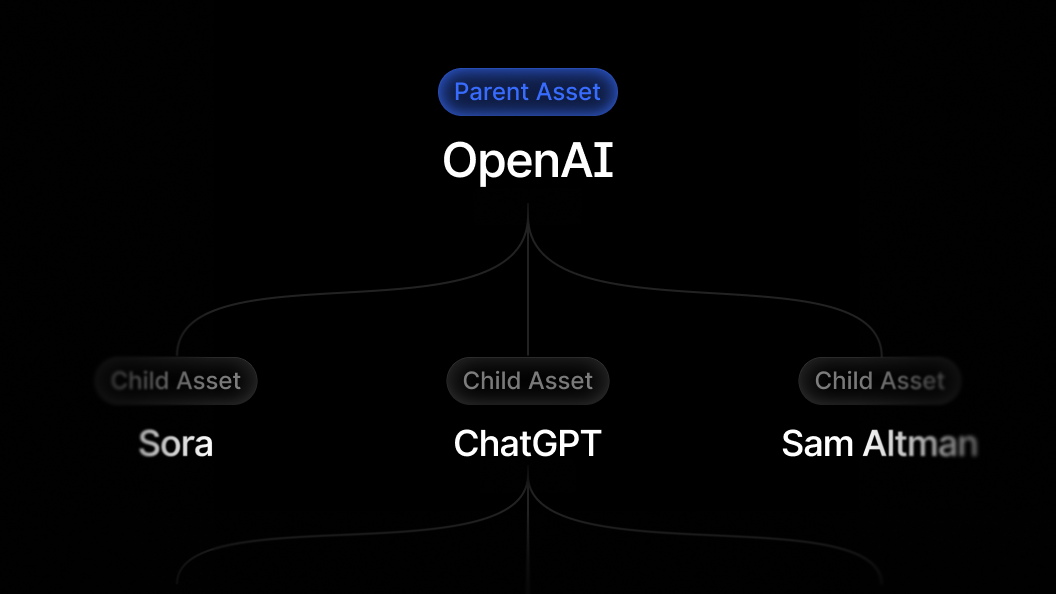
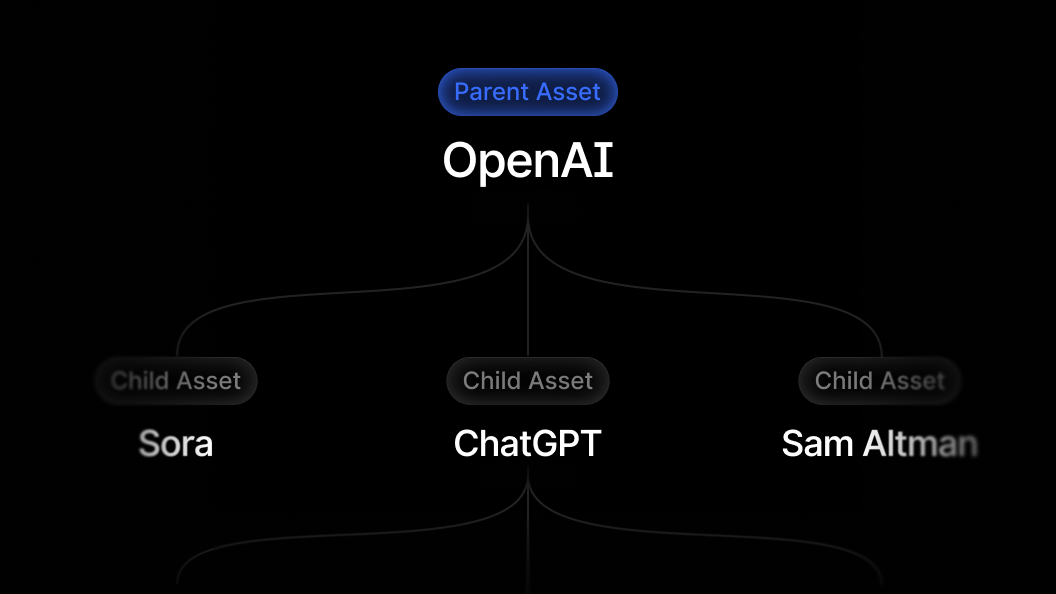
  • Unlock In-Depth Insights with Asset Hierarchies

    Unlock In-Depth Insights with Asset Hierarchies

    I’ve discovered that Asset Hierarchies offer a powerful way to track each of my products, features, and other sub-assets individually. Despite this detailed tracking, everything seamlessly integrates back into the bigger picture of overall brand performance.

    This approach allows me to gain granular insights while still maintaining an understanding of my brand’s overall landscape.


    Inspired by this post on Try Profound Blog.


    crushpress.ai community screenshot
  • Google Search and Discover Optimization: A Practical Playbook

    Google Search and Discover Optimization: A Practical Playbook

    You did the hard part: the page is useful, current, and ready to earn attention. Then Google surfaces a generic thumbnail, crops out the subject, or gives the URL Search visibility without any meaningful Discover exposure. Those outcomes can have different causes, so adding one more tag isn’t a complete diagnosis.

    Your job is to make the page suitable for the surface, give Google consistent image signals, and make the people and publisher behind the content easy to verify. This workflow shows you where to start, what to implement, and what not to blame when Discover traffic moves.

    Treat Search and Discover as different outcomes

    Google Search responds to an expressed need. A person types a query, and your page competes to answer it. Discover works ahead of the query. It tries to predict what a person will want to see from their interests and recent context.

    That difference changes the publishing decision. A durable tutorial may deserve a Search-first brief even if it never becomes a meaningful Discover story. A timely development with a compelling visual and a clear connection to your audience may be suitable for both. Timeliness, relevance, and publisher authority tend to matter heavily in Discover, while evergreen content appears less often.

    Classify the page before you optimize it:

    • Search-first: The page answers a durable question or helps someone complete a task. Build it for sustained usefulness and treat Discover exposure as an upside, not the forecast.
    • Discover candidate: The subject is timely, closely connected to your audience’s interests, and supported by an image that can carry the story in a visual feed.
    • Dual-purpose: The topic has immediate relevance but also resolves a query people will continue to search. Preserve the useful answer instead of forcing the entire page into a short-lived news angle.

    This classification prevents a common strategic error: treating every lack of Discover traffic as a technical failure. Discover isn’t a dependable fit for every brand or every page. Technical readiness can make a suitable page eligible for stronger presentation, but it cannot create audience interest that the subject does not have.

    Align the thumbnail signals in the rendered page

    Matching backpack images in three floating page-signal layers connect to the same thumbnail in a central browser frame.

    Google does not promise to use the image you nominate. Image-preview selection is automated and can draw on several sources, including page content, structured data, and Open Graph metadata. The practical goal is therefore not to force a thumbnail. It is to remove contradictory signals.

    Use this implementation sequence on every content template that can appear in Search or Discover:

    1. Choose one preferred image. It should represent the specific page, not merely the publisher, section, or general subject area.
    2. Declare it in Schema.org markup. Use primaryImageOfPage with either the image URL or an ImageObject. Where your schema model describes a main entity, the image can also be connected through the relevant mainEntity or mainEntityOfPage relationship.
    3. Set the same asset as og:image. Do not let an SEO plugin, social plugin, and theme independently emit different preferred images.
    4. Permit large previews. For a non-AMP implementation, the rendered robots directive should include max-image-preview:large. A typical output is <meta name="robots" content="max-image-preview:large">.
    5. Inspect the final rendered page. Verify the HTML and JSON-LD that Google can receive, not just the image selected in the CMS editor.

    The rendered-page check catches the failures that configuration screens hide. A template may retain an old og:image, fall back to a logo when a field is empty, omit structured data on one content type, or output a restrictive image-preview directive. The image URL must also resolve to the intended file in production. A perfectly configured CMS field has no value if the resulting URL is broken or points to a placeholder.

    Pay particular attention to disagreement. If primaryImageOfPage identifies the hero image while og:image identifies a logo, you have given an automated system two different answers. Using both forms of metadata is useful when they reinforce the same decision; duplicating fields without aligning them only multiplies ambiguity.

    The max-image-preview:large directive deserves equally careful language. It allows Google to consider a large preview; it does not guarantee that a large image will appear, that your nominated asset will be selected, or that the page will enter Discover. Think of it as permission, not a ranking command.

    Build the image for the crop, not only the page

    Wide, square, and vertical crops of the same kayaking scene all keep the yellow kayak and paddler fully visible near the center.

    An image can look excellent at the top of an article and still fail inside a feed card. Discover may crop the asset for its layout, so the page-level composition is only half the job. A strong Discover candidate is at least 1,200 pixels wide, high resolution, and suited to a 16:9 landscape presentation.

    Use an asset-level publishing checklist:

    • Make the image specific. A real product, person, place, event, or visual result is more informative than a generic thematic image.
    • Avoid logos as the editorial thumbnail. The image should explain what this page is about, not simply identify who published it.
    • Keep essential detail away from fragile edges. Place the focal subject so it remains understandable after a landscape crop.
    • Avoid embedding the headline in the image. Text can become illegible or disappear when the asset is cropped and reduced.
    • Avoid extreme aspect ratios. A very tall or unusually wide source makes useful automatic cropping harder.
    • Keep the file visually sharp. Compression should not leave faces, products, screenshots, or other critical details soft at card size.

    Check the crop before publishing

    Start with the actual image URL emitted in og:image, not the larger file you happen to have in the media library. Preview it in a 16:9 landscape frame. Then reduce the preview until it resembles a feed card and ask a blunt question: can someone still tell what happened or what the page covers without reading embedded text?

    If the answer is no, change the composition or supply a deliberately cropped landscape asset. Google attempts to crop images automatically, but automatic cropping cannot recover a subject that occupies a narrow edge or make a generic image more relevant. When you provide your own crop, use it consistently in the page’s preferred-image metadata.

    This is also where editorial and technical teams need a shared definition of done. The image is not finished when it has been uploaded. It is finished when the correct file is visible, large-preview permission is present, the metadata fields agree, and the landscape crop still communicates the subject.

    Make the publisher and author easy to verify

    Discover optimization extends beyond the individual URL. Google can represent a publisher through a profile associated with the entity’s Knowledge Graph identity. That publisher profile can connect the website with its social profiles, so inconsistent names, outdated handles, and incomplete identity information deserve attention.

    Audit the publisher as a person encountering the brand for the first time:

    • Use a consistent publisher name, identity, and website across the site and official social profiles.
    • Check whether the Discover publisher profile accurately represents the organization and includes the intended social handles.
    • Keep the About page easy to find and specific about ownership, editorial purpose, and the people responsible for the site.
    • Link relevant editorial, correction, privacy, and other policy pages from predictable locations.
    • Ensure structured data agrees with the information a reader can see. Markup should clarify a real identity, not introduce a separate version of it.

    Profile corrections may require manual updates and patience. That makes prevention more valuable than repeatedly repairing mismatches. Decide on the canonical publisher name and official profiles, then use them consistently whenever you launch a new template, section, or social account.

    Apply the same transparency standard to authors. Visible author photos, biographies, and relevant social links support clearer authorship. A strong implementation gives each article a real byline, links that byline to a useful author page, and explains why that person is qualified to cover the subject.

    Do not turn this into decorative credential stuffing. The author page should help a reader answer practical questions: Who wrote this? What area do they cover? Is their work on this site accessible? Can their public identity be verified? If those answers are missing from the visible site, adding more structured data will not repair the underlying transparency problem.

    Diagnose weak Discover performance in the right order

    Technical fixes are attractive because they are concrete. They are also easy to over-credit. Content relevance and quality remain more important than technical polish. A technically perfect page can still be a poor Discover candidate, while an appropriate page can underperform because its template suppresses large images or emits the wrong thumbnail.

    The feed itself is not static. Social posts and AI-generated summaries can occupy space that previously went to conventional publisher pages. That means a broad decline does not, by itself, prove that a developer broke the site. Use this order of investigation:

    1. Recheck content fit. Was the page genuinely timely and relevant to an established audience, or was Discover traffic assumed simply because the page was new?
    2. Determine the scope. Separate a page-level issue from a content-type, template, section, or sitewide pattern.
    3. Inspect the rendered metadata. Compare primaryImageOfPage, entity relationships, og:image, and the robots image-preview directive.
    4. Inspect the emitted asset. Confirm its width, quality, subject, aspect ratio, and crop resilience.
    5. Review publisher and author transparency. Check profiles, bylines, biographies, About information, policy pages, and consistency between visible information and structured data.
    6. Revisit the expectation. If the implementation is clean, the remaining issue may be content suitability, audience interest, authority, or changing competition within the feed.

    The following symptoms are useful starting points, not proof of a single cause:

    What you noticeCheck firstWhat not to assume
    Large previews are absent across one content templateThe rendered max-image-preview:large directive and template-level image fieldsThat every affected page has weak content
    Search and Discover surface an unintended imageAgreement between primaryImageOfPage, entity relationships, og:image, and the visible hero imageThat adding another duplicate image field will force the selection
    The metadata is clean, but a durable evergreen page receives no Discover exposureWhether the subject is timely and aligned with audience interestsThat valid markup creates Discover demand
    Traffic declines broadly without a relevant site releaseRecent content mix, audience relevance, publisher authority, and changing feed competitionThat a technical regression is the only possible explanation
    Only some authors or sections perform inconsistentlyTemplate output, byline links, author pages, preferred images, and section-specific defaultsThat the entire domain needs to be rebuilt

    Key takeaways

    • Decide whether each page is Search-first, Discover-suitable, or useful for both before setting traffic expectations.
    • Point Schema.org image properties and og:image to the same relevant, high-quality asset.
    • Use an image at least 1,200 pixels wide and prepare it for a 16:9 landscape crop.
    • Enable max-image-preview:large when you want a non-AMP page to be eligible for a large preview.
    • Make publisher and author identities visible, consistent, and supported by useful profile and policy pages.
    • Investigate content fit before treating every Discover decline as a technical defect.

    Choose one recent URL that you genuinely expect Discover to carry. Inspect its rendered head, follow every preferred-image reference to the live asset, test the landscape crop, and then follow the publisher and author paths as a reader would. Fix any template-level inconsistency before producing more candidates. Once those signals agree, you can make the next publishing decision around the subject and audience instead of gambling on metadata.

    References

  • A Press Release Outreach Strategy That Earns Media Coverage

    A Press Release Outreach Strategy That Earns Media Coverage

    You published a legitimate announcement, the wire carried it, and the reporters you hoped would notice it stayed silent. The problem may not be the release itself. Distribution made your news available, but it did not give a particular journalist a compelling reason to cover it.

    Earned coverage requires a second system around the release: find the journalists already working on the relevant issue, connect your announcement to that work, and approach them with a usable follow-up angle. The release supplies the evidence. Your outreach supplies the editorial reason to act.

    Key takeaways

    • Research recent coverage before drafting the release, not after publication.
    • Build your media list around topic relevance and prior coverage rather than outlet prestige alone.
    • Use three to five genuinely useful citations in the release, then prioritize the journalists whose work you cited.
    • Personalize the editorial connection: what the journalist covered, what has changed, and what your announcement adds.
    • Treat each earned feature as a new outreach asset, not the end of the campaign.

    Build a coverage map before you build a media list

    An overhead coverage map groups anonymous reporter cards, story clippings, subject images, and colored connection threads around a central evidence folder.

    A conventional media list tells you who works at an outlet. A coverage map tells you why a specific person might care about your announcement. That distinction determines whether your pitch feels timely or merely targeted.

    Begin by reducing the announcement to a neutral sentence. Strip out promotional adjectives and ask what changed, who it affects, and why the change matters outside your organization. Then identify the adjacent topics that a newsroom could reasonably use to frame it. Depending on the announcement, those may include economic impact, enabling technology, legislation, market behavior, or the activity of major industry participants.

    Now work backward from the outlets where you want coverage. Review their coverage from the past quarter for your core topic and its adjacent themes. Recent work matters because it reveals the journalist’s active beat, preferred framing, and unanswered questions. A job title or an old staff biography cannot give you the same signal.

    Create a working tracker with a row for every relevant item you find. Record:

    • The outlet and journalist.
    • A link to the coverage and its publication date.
    • The central point, tension, or question it addressed.
    • The exact connection to your announcement.
    • The journalist’s current contact route.
    • Relevant social posts in which the journalist or their audience continued the discussion.
    • Your proposed follow-up angle.
    • The outreach status and eventual result.

    Do not add someone merely because they cover your industry. A broad industry match can still produce an irrelevant pitch. A journalist who covers financing is not automatically interested in a product integration; a policy reporter is not necessarily the right person for a leadership appointment. Prioritize the people whose recent work gives your announcement a natural place to go next.

    The strongest candidates usually satisfy several conditions at once: the topic is a direct match, the coverage is recent, your announcement adds something verifiable, and you can describe the continuation angle without stretching either piece of information. Put those candidates at the top. Save looser connections for later outreach rather than forcing them into the first wave.

    Make the press release useful inside the pitch

    A laptop with a blank message layout sits beside an announcement document, source materials, and a selected evidence photograph.

    A press release has two jobs in this workflow. It must explain the announcement accurately to anyone who reaches it, and it must support the specific claims you make in outreach. It is not a substitute for the pitch, and the pitch should not be required to make the release intelligible.

    Use the coverage map while drafting. Include three to five relevant citations where outside context helps the reader understand the issue. The links should clarify the market, establish the surrounding debate, or connect the announcement to an ongoing development. They should not exist merely to attract a journalist’s attention.

    That boundary matters. A citation acknowledges relevant work; it does not imply that the journalist endorses your organization, product, or claim. Never describe it that way. If the cited coverage does not materially improve the release, remove it. Empty recognition is easy to detect and gives the journalist no editorial reason to respond.

    A practical release structure is:

    <!– wp:list {
  • What Perplexity’s Ad Retreat Means for AI Search Strategy

    What Perplexity’s Ad Retreat Means for AI Search Strategy

    If Perplexity appears in your paid AI media plan, change the plan, not the audience strategy. The company has phased out its sponsored-placement experiment and has no current intention of bringing it back. Brands can still pursue visibility across Perplexity’s answers, but they cannot currently treat that visibility as inventory they can buy.

    The practical shift is from placement control to evidence quality. You need content that an answer engine can understand, claims it can support, a brand it can identify consistently, and measurement that distinguishes citations from mentions, referrals, and actual business results.

    Perplexity is treating trust as part of the product

    Perplexity began testing sponsored placements in 2024. Sponsored answers appeared beneath chatbot responses, were labeled as advertising, and were presented as separate from the system’s answer selection. The experiment still created a deeper problem: disclosure can identify a commercial relationship, but it cannot force a user to believe that the surrounding answer is free from commercial influence.

    That distinction matters in an answer engine. A conventional results page visibly separates advertisements from organic links and leaves the user to choose among them. An AI interface synthesizes information into a direct response. If an advertisement sits close to that response, the user may wonder whether payment affected the conclusion, even when the company says it did not. Perplexity decided that protecting the belief that users receive the best available answer was more valuable than continuing the test.

    This is not simply an anti-advertising position. It is a choice about which revenue model creates the least damaging perceived conflict. Perplexity is relying primarily on subscriptions, with paid plans reported between $20 and $200 per month, more than 100 million users, and approximately $200 million in annual revenue. Those are reported company-scale figures, not proof that subscriptions will fund every future ambition, but they explain why Perplexity can give trust more weight in the trade-off.

    The same boundary appears in commerce. Perplexity has introduced shopping features but does not take a cut of the transaction. That keeps the platform from earning more merely because it recommends one purchasable result over another. Subscriptions still create business incentives, but the revenue connection is more direct: users pay for access rather than brands paying for proximity to an answer.

    Do not turn the current decision into a permanent promise. A platform strategy can change as costs, competition, and user behavior change. Treat Perplexity as ad-free for planning purposes while maintaining a watchlist for any documented relaunch, rather than building a forecast around an assumed future product.

    Remove paid Perplexity inventory from forecasts, not Perplexity from the plan

    Perplexity reportedly handles 780 million queries per month. That signals substantial usage, but it is not an advertising forecast. Query volume does not tell you how many impressions a brand could buy, which audiences would be reachable, what targeting would exist, or whether exposure would produce qualified visits. Without an active ad product, it cannot be converted into CPMs, clicks, or revenue projections.

    If you own a media plan, make four operational changes:

    1. Move Perplexity advertising out of committed spend. Do not promise inventory, delivery, or launch dates based on the discontinued test. That creates a budget gap and a client commitment you cannot fulfill.

    2. Keep Perplexity in the discovery strategy. Assign ownership to the SEO, AEO, GEO, content, or digital PR workstream responsible for earned visibility.

    3. Preserve relevant creative and audience hypotheses. If ads return, the messaging lessons may remain useful even if the eventual format, targeting, and reporting differ.

    4. Define relaunch evidence in advance. Require an official product announcement, access terms, placement rules, pricing, labeling, targeting, measurement, and brand-safety controls before moving money back into the forecast.

    Do not create one universal policy for all AI products. At the time Perplexity ended its experiment, OpenAI was testing ads for free ChatGPT users, Google was placing ads in AI Mode but not Gemini, and Anthropic was keeping Claude ad-free. Monetization can differ between companies and between products owned by the same company.

    Your channel sheet should therefore use the product surface as the unit of planning. For each surface, record the current ad status, who can access it, where sponsorship appears, how it is labeled, what can be targeted, which reports are available, and when the status was last verified. A row labeled only “AI advertising” is too broad to support a real budget decision.

    Build the visibility that sponsored answers can no longer provide

    A bridge assembled from documents, evidence blocks, and verification seals leads toward a glowing abstract answer engine.

    You cannot choose where Perplexity mentions or cites you in the way you choose an ad placement. You can improve the inputs that make your organization useful as an answer source. The goal is eligibility and clarity, not a guaranteed citation.

    1. Map the questions that precede a decision. Include problem-identification queries, category questions, comparisons, brand-verification questions, objections, risks, and action-oriented queries. Use the language customers use, not only the terms in your navigation.

    2. Give each important page a clear answer job. State the useful answer near the top, then support it with definitions, evidence, limitations, examples, and next steps. A page that hides its conclusion behind a long preamble makes the core claim harder for both people and machines to isolate.

    3. Make claims attributable. Identify who produced the information, when it was updated, what the claim covers, and where its limits begin. If you publish original data, explain the method and scope. If you make a comparison, name the criteria instead of declaring a vague winner.

    4. Keep entity facts consistent. Your company name, product names, author names, service descriptions, locations, and ownership relationships should agree across the site. Conflicting facts create an identification problem before they create a ranking problem.

    5. Use structured data to clarify, not decorate. Organization and Person markup can express publisher and author identity; Article can describe editorial content; Product belongs on genuine product pages; and FAQPage should represent questions and answers visitors can actually see. JSON-LD can make relationships explicit, but it cannot rescue unsupported claims or guarantee inclusion in Perplexity.

    6. Close evidence gaps outside your site. If competing brands are repeatedly supported by independent explanations, reviews, or industry references and yours is not, publishing more self-description may not solve the gap. Give credible third parties something verifiable to reference: transparent data, a useful tool, clear documentation, expert commentary, or a defensible point of view.

    7. Maintain the pages that carry important facts. Correct obsolete details, preserve useful URLs, show meaningful update information, and avoid leaving contradictory versions live. An answer engine cannot reliably resolve a disagreement your own site has not resolved.

    This work should not imitate an advertisement. Promotional adjectives, unsupported superlatives, and repeated brand mentions add little evidence. A strong answer asset lets the underlying facts do the selling: it answers the question, shows why the answer is credible, states who the answer is for, and acknowledges conditions where a different choice may be better.

    Trust is also part of your own publishing system. Label sponsorships, disclose affiliate relationships, separate editorial conclusions from commercial arrangements, and make corrections visible. Perplexity’s decision shows why technical disclosure alone is not enough. Readers also judge whether the surrounding incentives could have shaped the answer.

    Measure answer visibility without pretending it is a fixed ranking

    Multiple translucent lenses show different arrangements of source cards and pathways around a spherical answer engine.

    A generative answer is an observation made under particular conditions, not a permanent search position. Record enough context to reproduce the check: the exact prompt, date and time, account state, answer text, brand mentions, cited URLs, linked pages, competitor mentions, and whether each statement about your brand is accurate.

    Repeat the same query set on a fixed cadence and preserve the results. If you change prompts continually, you cannot tell whether the platform changed or the question changed. If you check only once, you cannot distinguish a durable pattern from normal answer variation.

    Observed stateWhat it meansWhat to do next
    Cited and described accuratelyYour page is functioning as supporting evidence for that query.Preserve the useful URL, keep its facts current, and examine which passage appears to support the answer.
    Mentioned without a citationThe brand is present, but the answer does not visibly attribute the claim to your page.Identify the claim being made and strengthen the page that can support it with explicit, attributable evidence.
    Cited but described inaccuratelyVisibility is creating a reputation or conversion risk.Publish the correct fact prominently, remove contradictions, verify canonical pages, and monitor whether the answer changes.
    Absent while relevant competitors appearThe gap may involve content coverage, entity clarity, evidence quality, or independent corroboration.Compare the cited pages by question answered, evidence supplied, freshness, specificity, and source authority. Fix the missing component instead of copying their wording.
    Results vary across repeated checksThe evidence is not stable enough for a strategic conclusion.Expand the observation history and avoid reporting a gain or loss until a pattern emerges.

    Separate visibility metrics from outcome metrics. Useful visibility measures include brand inclusion rate, citation coverage, citation accuracy, and share of observed answers relative to named competitors. Outcome measures include referral sessions, engaged visits, assisted conversions, leads, and revenue from identifiable Perplexity traffic. A citation can be strategically valuable without generating a click, but that does not justify presenting it as traffic or sales.

    When a result changes, diagnose it at the query-and-page level. Ask which claim disappeared, which URL replaced yours, whether your linked page changed, and whether the competing evidence is more direct. A single sitewide “AI visibility score” can be useful for reporting direction, but it cannot tell an editor which paragraph, fact, entity relationship, or evidence gap needs attention.

    Key takeaways

    • Perplexity’s discontinued ad test removes a direct paid route to its audience; it does not remove the audience from your search strategy.

    • Labeled advertising can satisfy disclosure requirements while still weakening perceived answer independence. Trust depends on incentives as well as interface labels.

    • Do not convert monthly query volume into an advertising forecast when no active inventory, targeting, pricing, or reporting product exists.

    • Treat Perplexity visibility as earned. Improve answer coverage, attributable evidence, entity consistency, structured data, independent corroboration, and factual maintenance.

    • Measure citations, uncited mentions, accuracy, competitor inclusion, referrals, and conversions separately. They answer different business questions.

    • Track advertising status by product surface. ChatGPT, Google AI Mode, Gemini, Claude, and Perplexity do not share one monetization policy.

    Start by moving Perplexity from the paid-inventory line of your plan into an owned-and-earned AI visibility workstream. Establish a repeatable query set, capture the current baseline, and assign each meaningful gap to a specific page, fact, schema relationship, or authority-building task. If advertising returns, evaluate the actual product then. Until it does, the durable advantage is being useful enough to earn a place in the answer.

    References

  • How to Measure Brand Visibility and Attribution in AI Search

    How to Measure Brand Visibility and Attribution in AI Search

    If ChatGPT recommends your brand but analytics reports no AI conversions, you do not necessarily have a performance problem. You have a measurement gap. A buyer can use AI throughout their research and still enter your site through Instagram, branded search, a bookmark, or a direct visit.

    Your job is to separate three questions that dashboards tend to collapse: Can AI find and describe your brand correctly? Does that information help a buyer shortlist you? Does the influence produce a commercial result? Once you measure those separately, you can improve visibility without mistaking every mention for revenue.

    Visibility is not attribution, and neither is trust

    Generative engine optimization, or GEO, aligns your brand and content with the way answer engines retrieve, summarize, cite, and recommend information. That makes visibility a useful leading indicator. It does not make visibility the final business outcome.

    • Visibility asks whether your brand appears for a relevant prompt, which pages are cited, and how prominently the brand is presented.
    • Representation asks whether the answer gets your name, offer, audience, capabilities, limitations, and differentiators right.
    • Influence asks whether the answer changed a buyer’s shortlist, confidence, objections, or decision.
    • Attribution connects that influence to a lead, purchase, renewal, or another business result with an explicit level of confidence.
    • Trust determines whether a buyer accepts the recommendation. It must be earned with evidence; it cannot be inferred from an appearance alone.

    This distinction matters because appearing in an answer can be surprisingly easy. Self-promotional pages placing their publisher first on a best-provider list have surfaced quickly in AI recommendations. That demonstrates retrievability, not independent authority or buyer confidence. A screenshot of the result is therefore evidence that an answer engine found the page. It is not evidence that a prospect believed it, clicked it, or bought anything.

    Prompt-tracking totals also require restraint. API responses and answers shown to real users can differ sharply; one comparison found overlap as low as 24% in some cases. Interfaces can vary by model, account state, location, available retrieval, and the wording or history of a conversation. Use automated tracking to find patterns, but verify commercially important prompts in the live products your buyers actually use.

    A practical AI-search scorecard should consequently report accuracy and influence beside visibility. If the brand appears often but is described incorrectly, you have exposure without control. If qualified prospects repeatedly name AI as a decision aid despite few referral clicks, you have influence that last-click analytics cannot see.

    Measure the journey at the answer, buyer, and business layers

    A three-tier illustration connects an AI answer environment, a shopper comparing products, and business outcomes such as checkout and customer retention.

    No single tool can measure AI-search attribution end to end. The answer may be generated before a visit, the visit may occur through another channel, and the commercial effect may appear as a shorter evaluation rather than an extra conversion. Build one evidence chain from three layers instead.

    Inspect the answers buyers are likely to see

    Start with prompt families tied to real decisions, not a long list of ways to ask for your brand by name. Branded prompts test whether AI knows you; unbranded and comparative prompts test whether it would introduce you when a buyer has not chosen a vendor.

    • Problem discovery: How can I solve [specific problem]?
    • Category selection: What type of product or provider is suitable for [use case]?
    • Shortlisting: Which providers should I consider for [need and constraint]?
    • Comparison: How do [brand] and [alternative] differ for [use case]?
    • Risk validation: What are the limitations, implementation requirements, or reasons not to choose [brand]?
    • Brand facts: Does [brand] provide [capability], work with [system], or serve [audience]?

    Test the same core prompts in the live interfaces relevant to your market, such as ChatGPT, Perplexity, Gemini, and Google AI Overviews. Record the exact prompt, interface, model when visible, account state, date, answer, cited URLs, and follow-up context. Do not quietly rewrite a prompt until your brand appears; that measures your ability to steer a test, not ordinary buyer discovery.

    For each answer, capture whether the brand was mentioned, recommended, cited, or omitted. Then score factual claims individually. Mark a claim as accurate, incomplete, outdated, unsupported, or wrong. Preserve the answer itself so that a later correction can be compared with a real baseline.

    Ask buyers about discovery and influence separately

    A single form field asking how someone heard about you cannot represent a multi-channel decision. The place where a buyer first encountered the brand may differ from the place that validated it. Ask two separate questions:

    1. Where did you first hear about us? This preserves the discovery channel.
    2. What helped you decide to contact or buy from us? This captures influence during evaluation.

    Allow more than one response to the second question and include an AI assistant option. Keep a free-text field because buyers may name ChatGPT, Perplexity, Gemini, Grok, Google AI Overviews, or simply say they asked AI. If they remember it, ask what they wanted to learn. The prompt topic is often more useful than the platform name because it reveals the decision or objection your content helped resolve.

    Do not force the buyer to choose between AI, search, social, email, and word of mouth when several played different roles. Store discovery source and decision influence as separate CRM properties. Preserve the buyer’s own wording in a note rather than translating every answer into a generic AI lead label.

    Look for commercial effects beyond referral traffic

    AI can summarize alternatives, reduce uncertainty, and help form a shortlist before the buyer visits a vendor. Its commercial contribution may therefore appear in the sales process rather than the acquisition report. Compare AI-influenced opportunities with other qualified opportunities on:

    • Time from qualified lead to the next meaningful stage.
    • Time from qualified lead to closed outcome.
    • How much basic education the buyer needs.
    • The number and type of objections raised.
    • Whether the buyer arrives with a shortlist already formed.
    • Conversion by stage, deal value, and final outcome.
    • The content or claim the buyer cites as reassurance.

    Business observations have found that some AI-influenced leads needed less education and closed faster. Treat that as a hypothesis to test in your own pipeline, not a universal benchmark. A shorter sales cycle might reflect AI-assisted preparation, but it could also reflect deal type, buyer seniority, budget, or an existing relationship.

    Measurement layerEvidence to captureQuestion it can answerWhat it cannot prove alone
    AnswerLive outputs, citations, factual accuracy, recommendation language, competitor contextCan the system find and represent the brand?Whether a buyer saw or trusted the answer
    BuyerDiscovery response, decision-influence response, named assistant, remembered questionDid AI contribute to consideration?The exact share of influence attributable to AI
    BusinessStage timestamps, objections, education needs, conversion, value, outcomeDid AI-influenced opportunities behave differently?That AI caused the difference without controlling for other factors

    Apply confidence labels instead of pretending every signal is deterministic. Mark attribution as confirmed when the buyer explicitly names AI’s role, supported when self-report and sales evidence agree, and possible when you only see an indirect pattern such as rising branded demand. Keep possible influence out of confirmed revenue totals.

    Give AI a canonical record of your brand

    Measurement tells you where the brand is missing or distorted. Correction requires a dependable record that retrieval systems can access and reconcile. Without specific evidence, an AI system may fill gaps from generic category patterns, scattered third-party descriptions, or outdated pages. That failure is often called brand drift.

    Do not treat a canonical record as one oversized About page. Build a controlled set of public pages and media in which every important claim has a clear home, a responsible owner, and a visible update path.

    1. Create a brand-facts register. Record the official name, offer, intended audience, primary use cases, supported capabilities, known constraints, service area, public pricing conditions, integrations, and expert identities. Add the canonical URL and owner for every fact.
    2. Resolve contradictions before publishing more content. Check product pages, help content, business profiles, executive biographies, video transcripts, partner listings, and public profiles. If several versions of a claim remain live, an answer engine has no reliable way to know which one you prefer.
    3. Assign facts to decision-focused pages. Give capabilities, limitations, comparisons, implementation requirements, policies, and expert credentials their own clear context. Put the direct answer near the start, then provide evidence and qualifications.
    4. Make entity relationships explicit. Use applicable Schema.org types such as Organization, Product, Service, Person, ProfilePage, and VideoObject. Connect the organization, offer, author, expert, and media with consistent identifiers and relevant properties. Structured data must match visible content; markup cannot rescue an unsupported claim.
    5. Maintain the record. When an offer changes, update the canonical page, structured data, transcript, profiles, and sales material as one release. Leaving the old version on a high-authority page invites the error to return.

    Use video when the claim benefits from observable evidence

    Text is appropriate for definitions, specifications, and policies. Video becomes especially useful when a buyer needs to see a real product, process, location, result, or subject-matter expert. It combines spoken explanation, visual context, and a transcript, creating a dense record that can be republished without changing the underlying claim.

    Plan the recording around likely misrepresentation. If AI repeatedly invents a feature, have the responsible expert show what the product actually does, state the boundary plainly, and explain the correct workflow. Publish the video on a relevant canonical page with a descriptive title, an edited transcript, speaker identity, supporting links, and VideoObject markup. A transcript should preserve qualifications rather than turning a careful explanation into an absolute promise.

    Where your production workflow supports it, retain C2PA-compatible Content Credentials and editing history. Cryptographic provenance can help establish where media came from and whether its recorded chain has been altered. It does not prove that every statement in the media is true, so pair provenance with named expertise, visible evidence, and claims a buyer can verify.

    Repurpose the same evidence into an article, short clips, images, audio, FAQs, and social posts. Keep the central facts and qualifiers consistent across formats. The purpose is not to manufacture a larger content count; it is to give retrieval systems several accessible paths back to the same coherent brand record.

    Build the evidence that earns a recommendation

    Accuracy can make your brand eligible for consideration. Evidence makes it defensible to recommend. This is where self-authored best-provider pages reach their limit: they can state a position, but the publisher and beneficiary are the same entity.

    Build content around the questions a cautious buyer asks after discovery. The strongest page is not always the one that praises the brand most. It is often the one that makes the decision criteria, tradeoffs, and evidence easiest to inspect.

    • Selection criteria: Explain how a buyer should evaluate the category before naming products. Define the conditions that change the choice.
    • Use-case fit: State who the offer is for, what problem it addresses, and the prerequisites for success. Include who should choose another route.
    • Comparison: Use explicit criteria and equivalent evidence for each option. Distinguish verified facts from your interpretation, and date claims that may change.
    • Implementation: Show the required inputs, responsible roles, dependencies, and limits. This helps answer engines distinguish a real capability from an effortless marketing promise.
    • Proof: Connect each material claim to a demonstration, documented example, methodology, policy, or qualified expert. Avoid decorative statistics that do not prove the claim beside them.
    • Independent corroboration: Earn accurate reviews, mentions, citations, and expert coverage on relevant third-party properties. Correct factual errors at their origin rather than merely publishing another contradictory claim on your own domain.

    Clarity is part of authority. If your homepage describes the offer with a creative slogan while product pages, profiles, and interviews use different category language, both buyers and machines must infer what you actually sell. Keep the positioning distinctive, but repeat the plain category, audience, and use case consistently wherever identification matters.

    Maintain an AI-error register alongside your content inventory. For every observed error, save the prompt and answer, identify the false or missing claim, note the cited page if one appears, assign a canonical correction URL, and track the content change. Prioritize errors about core capabilities, compatibility, availability, pricing, or suitability before cosmetic wording differences. Those errors can change a purchase decision.

    Retest after correction, but expect variation. A changed answer does not prove permanent removal, and one unchanged answer does not prove the correction failed. Look for a repeated pattern across live sessions and interfaces while continuing to strengthen the public evidence.

    Run one operating loop from prompt to sale

    A circular pathway links an abstract question, AI discovery, source documents, buyer evaluation, a purchase parcel, and a feedback lens around an unbranded product.

    AI visibility, brand accuracy, content operations, and revenue measurement should not live in separate projects. Run them as one loop attached to a real buyer decision.

    1. Select a commercially important decision. Choose a problem, comparison, risk, or capability question that can affect whether the buyer includes you.
    2. Capture a live baseline. Test the associated prompt family and preserve the answers, citations, omissions, and errors.
    3. Diagnose the evidence gap. Decide whether the problem is missing information, contradictory facts, weak proof, unclear entity relationships, or inadequate third-party corroboration.
    4. Improve the canonical evidence. Update the responsible page, visible copy, schema, transcript, media, and linked supporting material.
    5. Distribute without changing the claim. Adapt the evidence to relevant channels while retaining the same facts and qualifications.
    6. Retest comparable live conditions. Use the original prompts as controls, then inspect natural variations and follow-up questions.
    7. Connect the change to buyer evidence. Review self-reported influence, sales notes, objections, stage movement, and outcomes. Do not substitute a visibility gain for a commercial result.
    8. Record the decision. Continue, revise, or stop the tactic based on accuracy, qualified influence, and business value rather than the most flattering screenshot.

    Key takeaways

    • AI visibility shows that a brand can be retrieved; it does not prove trust, influence, or revenue.
    • Verify important prompts in live interfaces because automated and API outputs may not match what buyers see.
    • Ask where a buyer discovered you and what influenced the decision as separate questions.
    • Measure sales-cycle behavior, objections, and education needs alongside clicks and conversions.
    • Prevent brand drift with consistent canonical facts, decision-focused pages, accurate structured data, expert evidence, and useful video.
    • Use confidence labels for attribution so confirmed buyer evidence is not mixed with indirect signals.

    Start with one question that can put your brand on or off a buyer’s shortlist. Capture what the major live interfaces say, correct the public evidence, and add the two attribution questions to your CRM. That gives you a defensible first line from AI answer to buyer decision – and a system you can expand without pretending every mention is a sale.

    References

  • How to Measure ChatGPT Brand Recommendation Bias

    How to Measure ChatGPT Brand Recommendation Bias

    Your brand appears in one ChatGPT recommendation, disappears in the next, and returns several positions lower in a third. A competitor runs the prompt once, takes a screenshot, and declares that it owns the category. Neither result tells you very much on its own.

    To make a sound decision, you need to separate normal answer variation from a persistent preference for particular brands. That means measuring a distribution of answers, not treating one response as a verdict. Here is how to build that measurement, interpret it, and turn it into a practical AI visibility strategy.

    A variable answer can still contain a durable brand bias

    Brand recommendation bias does not have to mean that ChatGPT follows a fixed list or deliberately favors a company. In a useful measurement context, it means that brands have unequal probabilities of appearing when comparable users ask comparable questions. Some names recur across many answers, while others occupy a long tail of occasional mentions.

    The individual responses can look highly unstable. Repeated prompts almost never produced the same collection of brands in the same order twice. That makes a single screenshot a poor visibility metric. It may capture a common recommendation, an unusual outlier, or something in between.

    Underneath that variation, however, a much more concentrated pattern can emerge. Across 100 runs of a B2B software prompt, an average of 44 different brands appeared. In some categories, the total reached 95. Yet only about five brands, or 11% of the brands mentioned, appeared in at least 80% of the responses. In accounting software, familiar names such as QuickBooks, Xero, and Wave belonged to that recurring group.

    Those findings are not contradictory. They describe a recommendation distribution with a small, stable head and a large, volatile tail. A dominant brand can appear in most runs while dozens of other brands rotate through the remaining places. If your company appears once in that long tail, you have evidence of possible visibility, not evidence of dependable visibility.

    The category also changes how you should read an omission. Highly competitive B2B software categories generated about twice as many brand mentions per 100 responses as niche categories. Missing from one crowded accounting-software answer is therefore a weaker signal than repeatedly missing from a tightly defined category with a smaller recommendation set.

    Prompt detail matters too. Requests that included a defined persona and use case generally returned fewer brands than simple category prompts, although this was not an absolute rule. A broad question gives ChatGPT room to rotate through many plausible names. A constrained question filters the field by fit.

    The benchmark behind these figures used 12 B2B prompts, ran each one 100 times, and used different IP addresses to mimic 1,200 separate users. Treat the results as evidence that recommendation volatility is material, not as a universal baseline for every category, model, market, or prompt.

    Measure a distribution instead of collecting screenshots

    A circular testing apparatus sends identical abstract prompt tiles into many trays containing different arrangements of colored objects, with glass beads grouped at the center.

    A defensible visibility program starts with a repeatable protocol. If the wording, context, model, or scoring rules change between runs, you will not know whether the brand moved or the test moved.

    Build a prompt set around real buying decisions

    Do not begin with every question you can imagine. Begin with the questions that could influence discovery, evaluation, or a shortlist. Include both broad and nuanced prompts because they measure different forms of visibility.

    • Broad discovery: Which accounting software should a small business consider?
    • Persona fit: Which accounting platforms suit a finance team that lacks dedicated IT support?
    • Use-case fit: Which tools are suitable for a particular workflow, security need, or reporting requirement?
    • Constraint fit: Which options fit a specified budget structure, deployment model, company size, or integration requirement?
    • Alternative discovery: Which products should a buyer compare when replacing a familiar category leader?

    Keep unaided recommendation prompts unbranded. If you put your brand in the question, you are measuring how ChatGPT describes or compares a known candidate, not whether it retrieves the brand independently. Both tests can be useful, but they answer different questions and should be reported separately.

    Run every prompt under controlled conditions

    1. Freeze the wording. Save the exact prompt under a permanent ID. Even a useful refinement should become a new prompt rather than silently replacing the original.
    2. Control the context. Start each run in a fresh conversation so earlier messages cannot shape the answer. Use the same ChatGPT surface and the same available model within a batch.
    3. Repeat the prompt. For commercially important questions, run each prompt at least a handful of times. Use the same repetition count when comparing prompts, brands, or reporting periods.
    4. Preserve the complete answer. A brand name without its surrounding language cannot tell you whether ChatGPT recommended it, mentioned it as an alternative, or warned that it might not fit.
    5. Record the test conditions. Save the date, model label shown in the interface, prompt ID, run number, and any relevant location or account condition.

    You do not need to recreate a 100-run experiment for every routine check. You do need enough repeated observations to see whether a mention recurs. Keep the batch size fixed and disclose it whenever you report the result. A mention rate based on a handful of runs carries more uncertainty than one based on 100, even when the percentages happen to match.

    Calculate metrics that preserve the context

    For each response, record every recommended brand, its position, and the language attached to it. Then calculate a small set of metrics:

    • Mention rate: the number of runs containing your brand divided by the total number of runs for that exact prompt.
    • Prompt coverage: the share of tracked prompts on which your brand appears at least once. Report broad and nuanced prompt coverage separately.
    • First-position share: how often your brand is listed first. Use this cautiously because a list’s order does not necessarily represent a formal ranking.
    • Distinct-brand count: the number of different brands appearing across the batch. This shows whether you are competing in a concentrated or highly fragmented recommendation set.
    • Co-mention frequency: which competitors most often appear in the same answers as your brand. This reveals the comparison set ChatGPT tends to construct for the prompt.
    • Recommendation-quality rate: how often the brand is endorsed, conditionally recommended, mentioned neutrally, or described as a poor fit. A raw mention should not receive full credit when the surrounding advice is unfavorable.

    Keep the raw answers alongside the calculations. The metric tells you what pattern occurred; the answer text tells you why the mention should or should not count as commercially valuable.

    Read the pattern before deciding what to change

    Once you have repeated results, the combination of broad visibility, nuanced visibility, and recommendation quality becomes more informative than any isolated rank. Use the following patterns as diagnostic signals, not automatic conclusions.

    Observed patternLikely interpretationUseful next action
    High mention rate across broad and nuanced promptsThe brand has a durable category association and is also considered relevant to specific buying situations.Protect the accurate category and use-case coverage, then look for important personas or constraints where visibility weakens.
    High broad visibility but low nuanced visibilityThe brand may be well known without being strongly associated with the specified buyer or use case.Clarify who the offer serves, which problems it handles, and what evidence supports that fit.
    Low broad visibility but strong visibility in a narrow prompt clusterThe brand has a potentially valuable niche association rather than general category dominance.Strengthen that niche and test adjacent use cases before spending heavily on a broad category battle.
    Occasional mentions among many rotating brandsThe brand is part of the long tail, or the category itself is unusually fragmented.Do not celebrate the isolated appearance. Repeat the test and narrow the prompt to determine where the brand has credible fit.
    Frequent mentions with conditional or negative languageRaw visibility is overstating the brand’s recommendation strength.Inspect the recurring objection and correct unclear, outdated, or unsupported public information where you can substantiate the change.

    Category breadth must remain part of the interpretation. A brand competing against a rotating pool of dozens of names should not be evaluated against the same raw mention-rate expectation as a brand in a narrow field. Compare your current results with your own prior batches and with brands returned for the same prompt. Avoid inventing one platform-wide visibility benchmark.

    Frequency also does not reveal the cause of a recommendation. A recurring appearance shows that the brand is strongly associated with the question under the tested conditions. It does not, by itself, prove that ChatGPT has a complete understanding of the brand, that the recommendation is factually correct, or that the product is objectively the best choice.

    This distinction matters when you communicate results internally. Say that a brand appeared in a stated share of repeated runs for a specific prompt set. Do not translate that into an unsupported claim that ChatGPT prefers the company everywhere or that the company has won AI search.

    Build around recommendation contexts you can credibly own

    An unbranded product on a central platform connects by bridges to a home workspace, an outdoor kit, and a professional workshop, while distant platforms remain disconnected.

    If you are not already one of the dominant names in a broad category, trying to displace every established brand at once is usually the least informative place to begin. Competitive categories expose you to a much larger rotating set of recommendations, while niche prompts give ChatGPT fewer plausible candidates to consider. The practical opportunity is to become consistently relevant to a defined decision.

    A niche is not merely a longer keyword or a cleverly engineered prompt. It is a buyer, problem, constraint, or use case that your company can genuinely support. If your product is designed for a particular industry, team structure, workflow, deployment requirement, or risk profile, make that fit explicit and prove it on the pages a prospective customer would expect to find.

    1. Select one commercially meaningful prompt cluster. Group together the broad category question and the persona, use-case, and constraint variants that represent the same buying decision.
    2. Establish the baseline. Run the frozen prompts repeatedly and separate dependable mentions from one-off appearances.
    3. Audit the information behind the decision. Check whether your site plainly states the category, intended customer, supported use cases, limitations, integrations, and differentiators. Do not ask an AI system to infer positioning that customers cannot verify.
    4. Improve the weakest substantiated area. Add or revise content only where the business can support the claim. A focused page that answers a real evaluation question is more useful than a collection of thin pages created for every prompt variation.
    5. Retest the same batch. Keep the original prompts and scoring method intact. New exploratory prompts can be added under new IDs, but they should not erase the baseline.

    For SEO and GEO teams, this also sets a sensible boundary around structured data. Organization, Product, or SoftwareApplication markup can make the identity and subject of an applicable page more explicit when the structured fields agree with the visible content. It cannot substitute for a clear market position, credible product information, or genuine fit. The repeated-run evidence does not establish that adding JSON-LD by itself increases recommendation frequency, so do not report schema deployment as a guaranteed ChatGPT visibility tactic.

    Prioritize changes where three conditions meet: the prompt represents a valuable customer decision, repeated runs reveal a meaningful weakness, and you have accurate information that can close the gap. If one of those conditions is absent, you are likely optimizing for test noise rather than buyer value.

    Key takeaways

    • A single ChatGPT response cannot establish brand visibility because the brands and their order can change between identical runs.
    • Persistent bias appears as unequal mention frequency across repeated, controlled prompts, not as one favorable or unfavorable answer.
    • Broad prompts and nuanced persona or use-case prompts measure different kinds of brand association and should be reported separately.
    • Track recommendation context as well as the presence of a name; an unfavorable or weakly qualified mention is not a positive recommendation.
    • Crowded categories produce broader, more volatile brand sets, so smaller brands may find a more defensible opportunity in a credible niche.
    • Keep prompt wording, run conditions, batch size, and scoring rules stable when comparing results over time.

    Start with the buying question that matters most to your business. Freeze its broad and nuanced variants, run each a handful of times, and score the complete answers. Your next content or positioning decision should come from the repeated pattern: defend a stable association, strengthen a credible niche, or fix a specific fit problem. Let the next batch show whether the pattern changed.

    References