If Facebook rejects your password, asks you to prove your identity, or says your account has been disabled, pay close attention to the exact wording. Those messages can point to different systems, and choosing the wrong recovery route can leave you repeating forms that were never designed for your problem.
Your immediate goal is to identify the type of lockout, protect any access you still have, and give Facebook one clear, well-documented case. The same approach applies whether you use Facebook personally or depend on it to manage Pages, advertising, and client assets.
Key takeaways
- A changed email address, changed password, unfamiliar activity, or an unknown login points toward an account takeover. Use the dedicated hacked-account process at facebook.com/hacked.
- An identity check after travel, a device change, or VPN use is more likely to be a security checkpoint. Complete it from a familiar device and connection if possible.
- A notice that names a Community Standards or policy violation belongs in the enforcement appeal route, unless you also have concrete signs that someone took over the account.
- Preserve screenshots, Facebook emails, your profile URL, affected business asset IDs, and a short timeline before submitting a claim.
- A linked Instagram account may provide another recovery route. Meta Verified can sometimes add access to chat support, but it is paid and does not guarantee reinstatement.
- After recovery, enable two-factor authentication, save the recovery codes somewhere secure, and make sure business access does not depend on one personal profile.
Identify which system locked you out

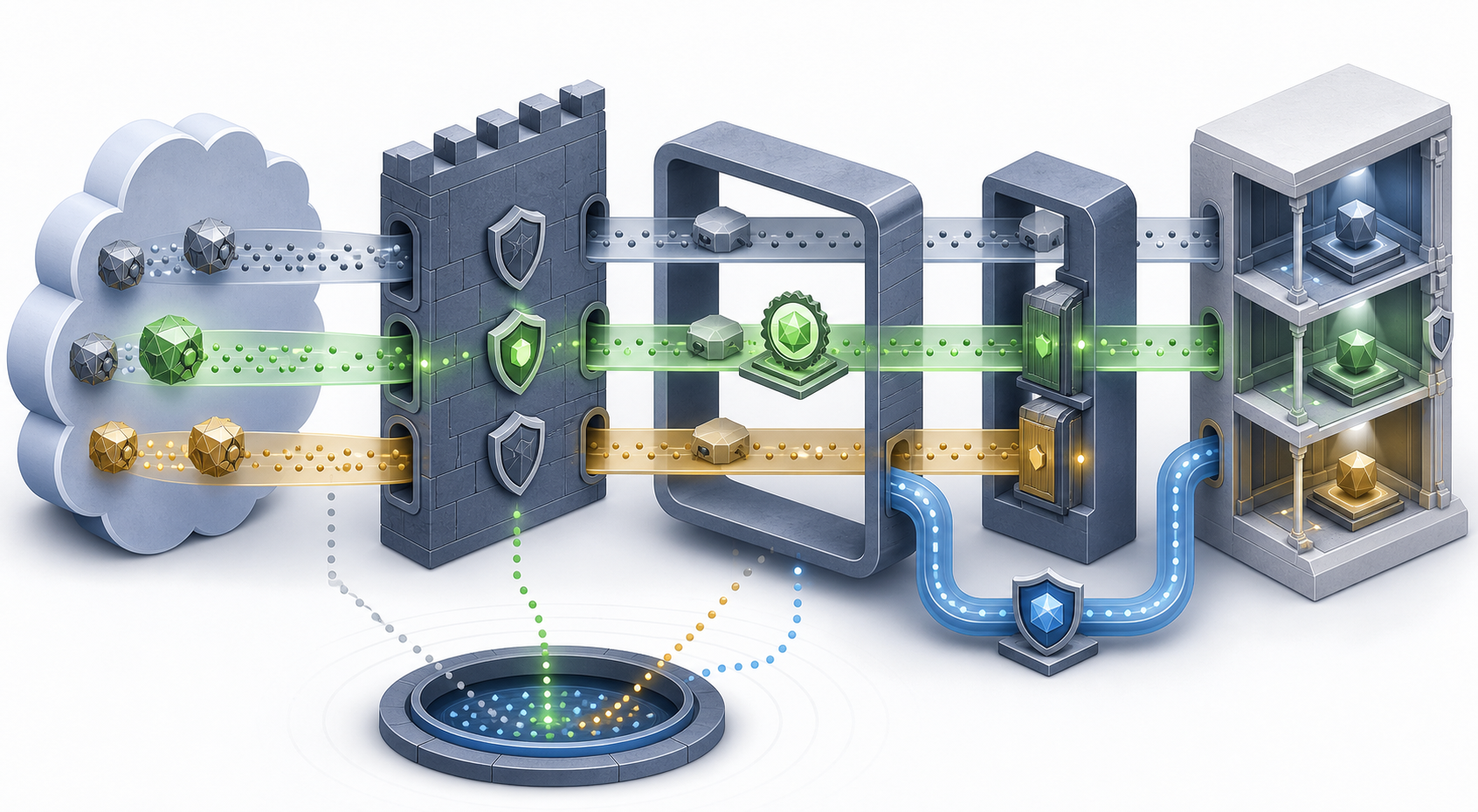
A Facebook lockout is not one problem with one form. It may be a security response to suspicious access, an automated enforcement decision, an identity-verification failure, or a permissions problem affecting a Page or business account.
Facebook evaluates signals such as unfamiliar devices, unusual locations, repeated settings changes, and unexpected posting or messaging patterns. Legitimate travel, VPN use, a new phone, or a rapid sequence of account changes can resemble the behavior of an attacker.
Content enforcement creates a separate problem. Automated moderation operates across an enormous number of accounts, but pattern detection cannot always understand intention or context. That means ordinary activity can become a false positive. If the notice refers to a standards violation rather than suspicious access, treat it as an appeal problem first.
| What you see | Likely recovery lane | First action | What to avoid |
|---|---|---|---|
| Your email or password changed, unfamiliar content appeared, or an unknown device accessed the account | Account takeover | Secure your email account, preserve evidence, and use facebook.com/hacked | Submitting only a general policy appeal |
| An identity or security check appeared after travel, VPN use, or a device change | Security checkpoint | Return to a recognized device and normal connection, then complete the verification shown | Switching repeatedly between devices, networks, and recovery methods |
| A disabled or restricted notice names a policy or Community Standards issue | Enforcement appeal | Use the appeal attached to that decision and address the stated issue directly | Claiming the account was hacked without evidence of a takeover |
| Your personal profile works, but a Page, ad account, or business account is inaccessible | Business asset or permissions issue | Record the affected asset’s URL or ID and use the relevant business support route | Describing the case only as a personal login failure |
Some cases genuinely cross lanes. An attacker may take over a profile, change business permissions, publish prohibited material, and trigger an enforcement action. Do not force that sequence into one vague sentence. Describe each event in order and identify the first thing that went wrong.
Recover access in the right order
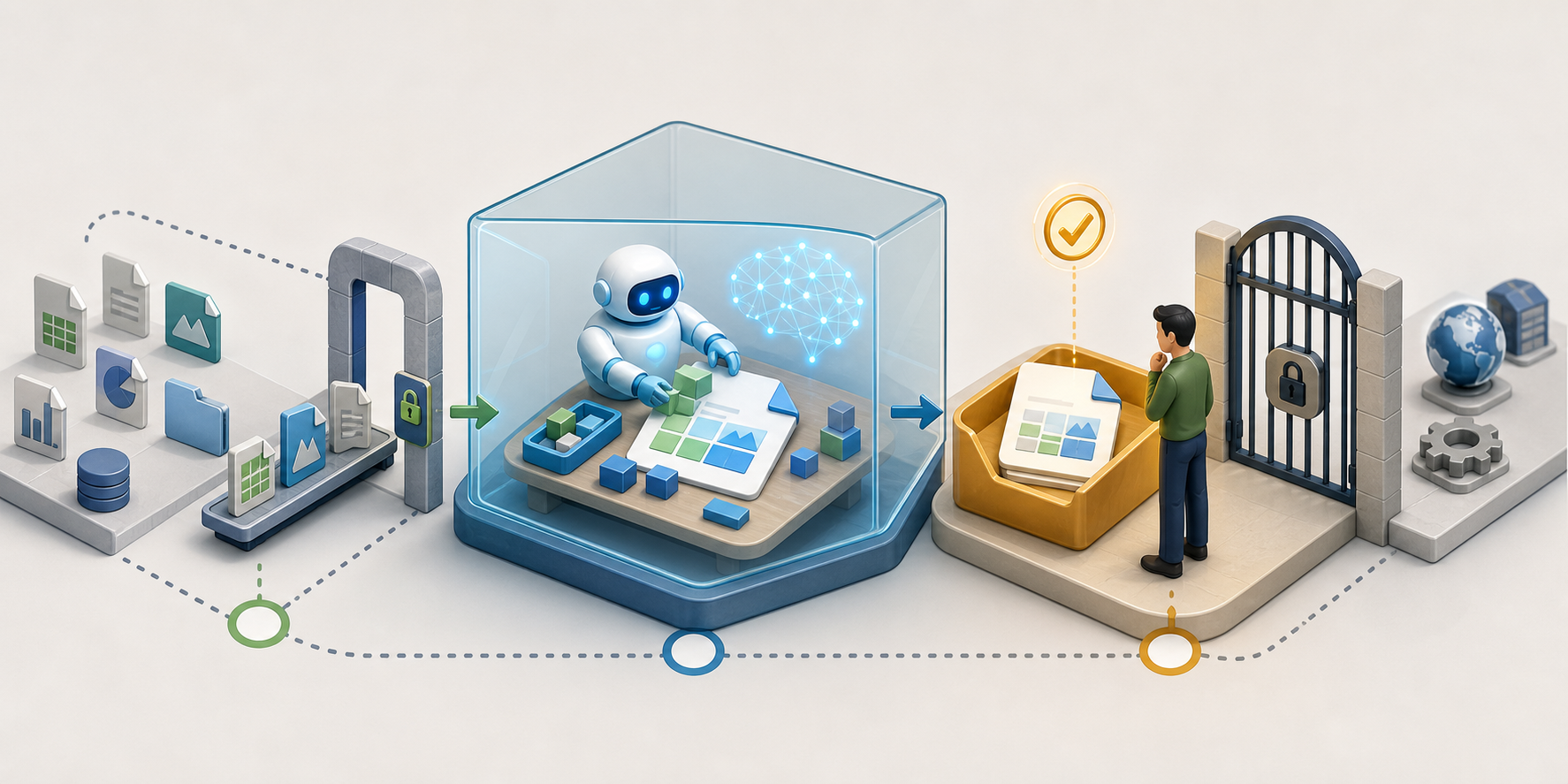
Recovery becomes harder when every attempt changes a different variable. Work through the following sequence once, document what happens, and use the result to decide whether escalation is necessary.
- Preserve any working session. If Facebook or a linked Instagram account is still open on a trusted device, do not log out reflexively. Record the profile URL, current contact information, connected accounts, and any visible security alerts first.
- Capture the full lockout message. Take a screenshot that includes the message, the page or app where it appeared, and any case number, appeal button, deadline, or stated reason. Copy the exact wording into your notes.
- Secure the email account connected to Facebook if you suspect a takeover. Change the email password, enable its multi-factor authentication, and review whether its recovery address or phone number was altered. Facebook recovery cannot remain secure if an attacker still controls the inbox receiving its messages.
- Use the route that matches the evidence. Go to facebook.com/hacked for changed credentials or unauthorized activity. Complete the displayed security checkpoint for an unusual-login flag. Use the decision-specific appeal for an enforcement restriction.
- Submit identity documents only through an official Facebook or Meta flow that explicitly requests them. Do not send an ID, password, recovery code, or one-time authentication code to someone who contacts you through a direct message.
- Record the submission. Save the date, account used, route followed, files supplied, confirmation screen, and reference number. If you later reach another support channel, this record lets you continue the same case instead of creating a contradictory account of events.
Avoid repeatedly changing the email address, password, phone number, and device during the same recovery attempt. Frequent settings changes are among the behaviors that can look suspicious, so frantic experimentation may add more risk signals to an already difficult case.
Build a case that automated support can route

Facebook’s support workflows are organized around predefined categories such as a hacked account, login failure, or rejected ad. A case that mixes several problems without explaining their sequence can be sent back into the wrong workflow. Your documentation should make the category and requested outcome unmistakable.
Prepare one recovery folder containing:
- The exact URL of the affected Facebook profile, Page, or other asset.
- The login email address or phone number historically associated with the account.
- Full screenshots of the error, restriction, identity check, or changed account details.
- Relevant emails from Facebook, including the sender, subject, date, and any security links or case references.
- A copy of the identity document requested by the official verification process, if one was requested. Keep this out of informal email threads and third-party chats.
- A short chronology: when access last worked, what changed first, what unauthorized activity you observed, which recovery route you used, and what response followed.
- A single requested outcome, such as restoring profile login, reversing a specific enforcement decision, or returning access to a named Page.
Write the chronology as observable facts rather than conclusions. For example: the login worked on one date, a password-change email arrived later, the registered email then stopped working, and an unfamiliar Page role appeared. That is easier to evaluate than saying only that Facebook deleted everything for no reason.
Separate personal access from business assets
Facebook is an ecosystem of personal profiles, Pages, ad accounts, business-management tools, and linked Meta services. Those components can have different permissions and support routes, so a problem spanning several products may not have one team that owns every part.
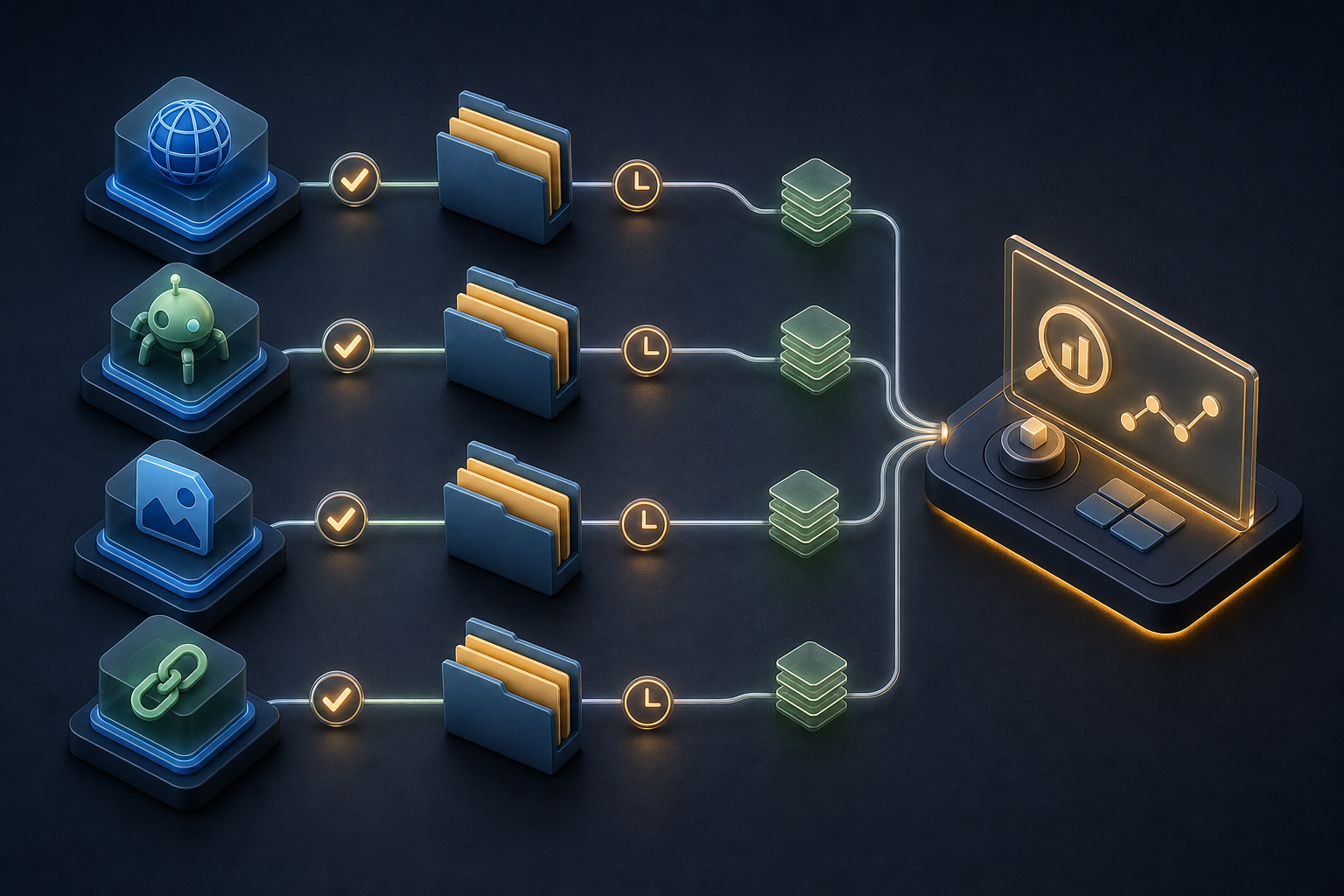
Map the case as a chain:
- Personal profile: include its URL and whether login works.
- Facebook Page: include its name, URL or ID, and whether other administrators retain access.
- Ad account: include its ID and whether the problem is login, permissions, restriction, or ownership.
- Business account or business-management layer: include its ID and identify the first asset in the chain that became inaccessible.
- Linked Instagram account: state whether it remains accessible and whether it is connected through Meta’s account center.
If another authorized administrator still has access, ask that person to preserve the current role and asset information. They should not make unnecessary ownership or permission changes while the facts are still unclear. The useful contribution is evidence and continuity, not another burst of changes that obscures what happened.
Escalate safely, then remove the single points of failure
Use an escalation only when it adds a real route
Repeating the same form with different wording is not escalation. A genuine escalation gives the case a new support channel, a traceable administrative claim, or evidence the first workflow did not have.
- Complete the standard hacked-account, security-check, or enforcement route that matches the case.
- If Facebook and Instagram are linked through Meta’s account center, check whether the accessible account exposes recovery or support options for the locked one.
- If an eligible linked Instagram account remains accessible, a Meta Verified subscription may provide chat support and a route for an administrative claim. This is a paid support option, not a guaranteed recovery service, so use it only if the potential benefit justifies the cost.
- If a Page, ad account, or business account is the affected layer, use the support route associated with that business asset and provide the asset map from the previous section.
- If the lockout creates serious contractual, ownership, legal, or financial exposure, consult a qualified lawyer about the available options. That is a risk decision, not a routine account-recovery shortcut.
Recognize the recovery scam before it compounds the damage
Limited access to human support has created an underground market around locked accounts. Some supposed recovery services have demanded payment through unusual methods such as game credits. A person asking for this kind of payment is not giving you a legitimate Meta support route.
Walk away if someone:
- Promises a guaranteed reinstatement or claims they can bypass Facebook’s decision.
- Asks for your Facebook password, email password, two-factor authentication code, or saved recovery code.
- Requests payment in game credits or another method that is difficult to trace or reverse.
- Directs you to upload identification on a non-Meta website.
- Cannot provide a case reference or show how their process connects to an official support channel.
A locked account already exposes you to impersonation and data loss. Giving a stranger your email credentials or authentication codes can turn a recoverable Facebook problem into a broader takeover.
Harden the account as soon as access returns
Do not treat a successful login as the end of recovery. Before returning to normal posting or advertising:
- Enable two-factor authentication and confirm that the chosen method works.
- Generate and securely store recovery codes somewhere you can reach without the Facebook account or its usual device.
- Change to a unique password and make sure the connected email account is protected separately.
- Review the account’s email addresses, phone numbers, recent sessions, and linked Meta accounts for changes you did not make.
- If linking Facebook and Instagram through Meta’s account center is appropriate for you, verify that the connection and recovery details are correct. Linked accounts can provide a more direct recovery path.
- For business assets, maintain an up-to-date record of asset IDs, owners, administrators, and recovery contacts. Where your governance permits it, give a second trusted person the minimum access needed to prevent one personal profile from becoming the only route into the business.
- Before travel or a device migration, confirm that you can reach your two-factor method and recovery codes. Avoid combining a new device, unfamiliar location, VPN, and several settings changes in one session.
If you are locked out now, start with the exact notice on the screen and choose the matching recovery lane. Make one complete, consistent submission backed by evidence. If you still have access, remove the single points of failure before Facebook’s automated systems force you to test the recovery process under pressure.