Recently, while exploring the latest developments in web technology, I stumbled upon something groundbreaking: WebMCP, introduced in Chrome 146. Being a tech enthusiast, I was intrigued to learn how this emerging protocol could reshape the way AI agents interact with websites.
Chrome 146 has rolled out an exciting early preview of WebMCP, hidden behind a flag. This protocol, known as Web Model Context Protocol (WebMCP), is designed as a web standard to lay out website tools in a structured manner, guiding AI agents in executing tasks seamlessly.
So, what does this mean for us? Historically, the internet has been developed with humans in mind. Buttons, forms, and dropdowns are all elements we understand. But there’s an emerging user—AI agents. Soon, they will be completing registrations, purchasing tickets, and achieving other goals autonomously on websites.
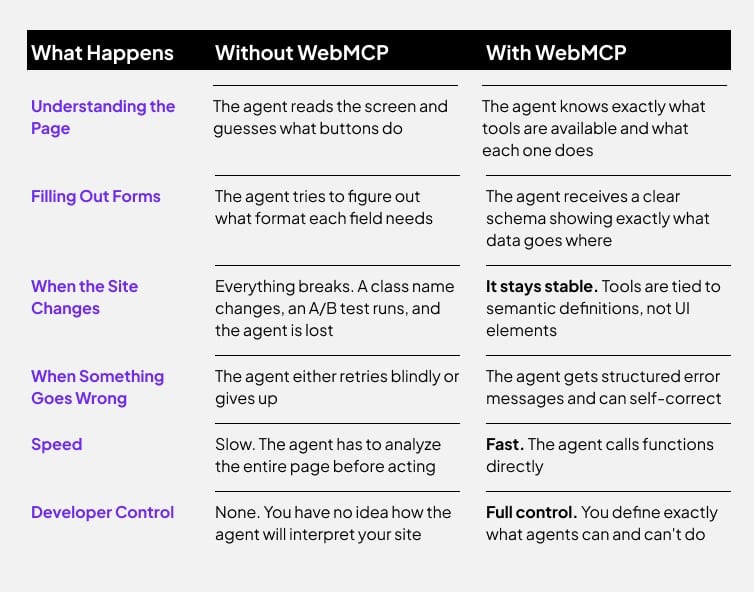
Currently, AI agents face a daunting task. They navigate websites by crawling and attempting to decipher their functionalities. Imagine an AI agent trying to book a flight. It has to identify input fields, guess data formats, and pray nothing goes awry. It’s far from ideal.
The introduction of WebMCP is set to change this. By exposing the structure behind web tools, AI agents will be equipped to understand and execute tasks with ease.

Let’s dive a bit deeper to understand WebMCP. Picture yourself needing to book a flight.
Without WebMCP: An AI agent scrambles to find a relevant button like “Book a Flight” or “Search Flights.” It then interprets the on-screen information, hoping it inputs correctly.
With WebMCP: Forget searching for buttons. Instead, the agent calls a function, like bookFlight(), using well-defined parameters (such as date, origin/destination, and passengers), receiving a structured result in return. Much like developers interacting via APIs, AI agents will seamlessly call functions.
WebMCP empowers websites with JavaScript APIs and HTML form annotations, guiding AI agents on interacting with web tools in three steps:
Discovery: What tools does the page support? Examples include Checkout, BookFlight, or searchProducts.
JSON Schemas: They precisely define expected inputs and the kind of output that will be returned.
State: Tool availability alters based on the page’s state, allowing agents to only see actions relevant to the current context.
My website, for instance, could offer a list of actions each detailing its functionality, accepted inputs, returned outputs, and required permissions.
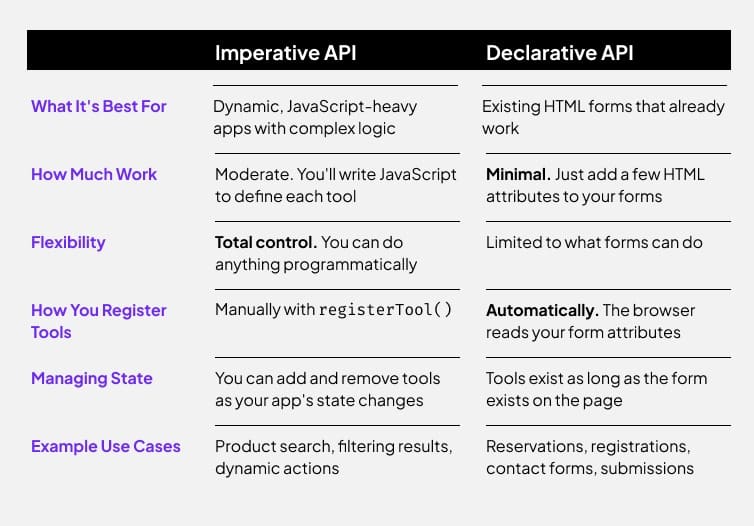
But why does this matter? AI agents are infiltrating our daily workflows rapidly. Soon, AI will handle our flight bookings, fill out forms, and publish content. But, as of now, AI agents struggle to interact seamlessly with websites due to two current approaches:
Automation (fragile): An AI acts by clicking buttons and inputting data like we do, but since websites frequently update, this can lead to failures.
APIs (limited): While APIs offer a structured approach for interaction, they’re not universally available or comprehensive.
WebMCP offers a middle ground, allowing websites to make tools accessible without the drawbacks of UI automation or needing separate APIs.
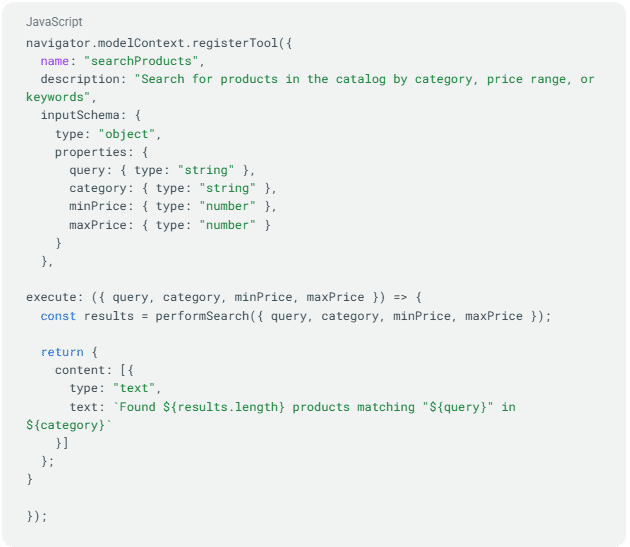
Like the early 2000s SEO race, WebMCP symbolizes a shift towards optimization for AI agents. Those who adopt this early could enjoy significant advantages as AI-centric search and commerce grow.
This opportunity is not merely about SEO anymore. It’s about realizing broader growth potential through WebMCP, which signifies not just being discoverable, but actionable by AI agents who’ll soon connect with future customers.
Practical applications of WebMCP in B2B and B2C scenarios are vast, from simplifying quote requests to expediting inventory checks, offering a seamless experience for business and everyday consumers alike.
To start experimenting with WebMCP, Chrome 146 lets you access it behind a feature flag. It’s still in its nascent stage but provides a valuable chance for developers and innovative teams to play around with the conceptual framework.
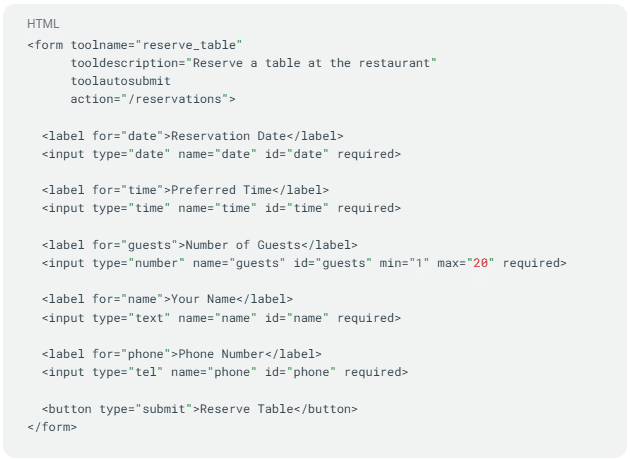
While getting acquainted with WebMCP, you’ll need Chrome version 146.0.7672.0 or later and a basic understanding of Chrome flags. Follow these steps to set up:
- Navigate to chrome://flags/#enable-webmcp-testing in Chrome.
- Set the “WebMCP for testing” flag to “Enabled”.
- Relaunch Chrome.
Start experimenting with WebMCP today and perhaps even install the Model Context Tool Inspector Extension to witness WebMCP in action. It’s an exciting era we’re stepping into, enabling websites to be as understandable to AI as they are to us.
Inspired by this post on Search Engine Land.