I used to rely heavily on vanity metrics, thinking they were the key to my digital marketing success. However, I soon realized that they did little more than paint a pretty picture with no real substance. That’s when I decided to focus on what’s truly important: the numbers that actually drive business growth.
In today’s digital landscape, it’s crucial to pinpoint which KPIs truly matter. By doing so, I can build reports that genuinely tell the story of my business’s progress. These metrics go far beyond just surface-level statistics.
It’s all about understanding the complete picture and tailoring my strategy to focus on those key performance indicators that have a tangible impact on my business’s bottom line. Join me as I delve into which digital marketing KPIs deserve our attention.
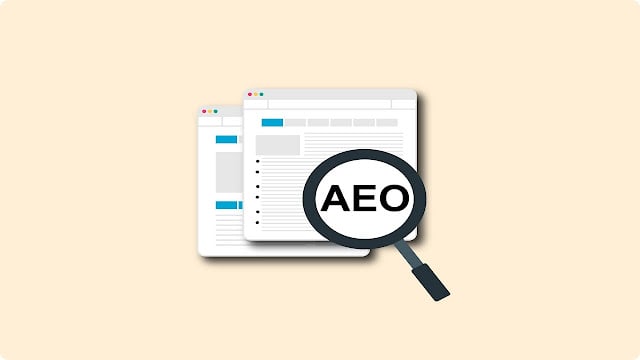
In today’s rapidly changing search landscape, I’ve noticed that answer engines like Grok, Google’s featured snippets, and voice assistants such as Alexa are transforming the way we access information. Unlike traditional search engines that direct users through links, these answer engines deliver direct, precise responses to user queries. This evolution has introduced a new strategy known as Answer Engine Optimization (AEO). It’s all about crafting content that these answer engines highlight. Let me share how I’ve crafted content that stands out in this new era.
Understanding User Intent
I’ve found that the foundation of AEO lies in grasping user intent. Answer engines are all about delivering accurate answers to specific questions like “How do I bake a cake?” or “What is the capital of France?” To optimize for these, I begin by researching questions my target audience is asking. Tools such as AnswerThePublic or various keyword research platforms reveal common question-based searches. Focusing on long-tail keywords and conversational phrases has helped me align with the natural language users use, especially during voice searches.
Once I’ve identified these questions, I structure my content to directly address them. I use question-based headings (e.g., “What Are the Benefits of Meditation?”) and provide clear, concise answers right below. This structure simplifies the extraction and display of my content as direct responses by answer engines.
Prioritizing Clarity and Conciseness
I’ve learned that answer engines favor content that’s straightforward and precise. While traditional SEO often favors longer content, AEO values brevity and clarity. I aim to keep my answers concise, around 50–100 words, ensuring they are complete yet succinct. For questions like “How to tie a tie,” I articulate the steps in a clear, numbered list or a short paragraph that answer engines can easily parse.
Avoiding complex language or unnecessary fluff is crucial for me. I use simple, everyday terms, mirroring the language users use in their queries. This not only boosts my chances of being featured but also enhances user experience, as people appreciate quick, digestible answers.
Leveraging Structured Data
Structured data, or schema markup, has become a powerful tool in my AEO strategy. By adding schema to my content, I provide a clear roadmap for answer engines to understand and categorize my information. For example, using FAQ schema for question-based content or HowTo schema for guides signals to engines like Google that my content is optimized for direct answers.
Implementing structured data with JSON-LD format and testing it using tools like Google’s Rich Results Test has been rewarding. This technical step significantly boosts my content’s visibility in answer boxes and voice search results.
Optimizing for Voice Search
Voice search has become a core driver of my AEO efforts, as users increasingly rely on devices like Siri or Google Assistant for rapid answers. Voice queries tend to be conversational and question-based, so I tailor my content to mimic natural speech patterns. Instead of just targeting “best coffee shops,” I optimize for queries like “What are the best coffee shops near me?”
To effectively capture voice search traffic, I focus on local intent, including region-specific details when appropriate. I also ensure my website is mobile-friendly, considering that most voice searches happen on smartphones.
Testing and Refining
I’ve realized that AEO is an ongoing process. Regularly monitoring performance using analytics tools helps me identify which content is getting picked up by answer engines. I experiment with different formats, such as bullet points, tables, or short paragraphs, to find what resonates best. I track changes in my rankings for question-based queries and refine my content as needed.
Conclusion
To craft content that appeals to answer engines, I blend strategic keyword research, clear writing, and technical optimization. By understanding user intent, prioritizing concise answers, leveraging structured data, and optimizing for voice search, I’ve positioned my content to dominate in answer engine results. As search continues to evolve, mastering AEO is crucial for staying visible and relevant in the digital field.
Inspired by this post on AnswerEngineOptimization.blog.
In the rapidly changing world of search, I’ve discovered that Answer Engine Optimization (AEO) is becoming essential for content creators and marketers like me. Unlike traditional search engines, platforms such as Grok, Google’s featured snippets, and voice assistants focus on delivering precise and prompt answers to user questions. To stand out, I’ve found that using structured data is truly transformative. It enables answer engines to comprehend the content better, boosting the chances of my site appearing in instant answers, rich snippets, or voice search outcomes. Here’s my guide to leveraging structured data for AEO triumph.
Structured data, to me, is like a format template that simplifies how search and answer engines interpret my webpage’s content. Utilizing schema.org markup, structured data organizes details into machine-readable formats, such as JSON-LD, which describe elements like articles, products, events, or FAQs. This clarity is vital for answer engines, as they rely on well-structured data to provide fast, relevant responses.
Why does structured data matter for AEO? Well, I’ve observed that answer engines aim to furnish direct answers, frequently extracting information from structured data for featured snippets, knowledge panels, or voice responses. Without employing structured data, my quality content might be ignored. For instance, a blog post like “how to bake a chocolate cake” with proper recipe schema markup stands a better chance of being highlighted as a step-by-step guide than one without. Structured data bridges the disparity between my content and the algorithmic processes powering answer engines, making it indispensable for visibility.
Here’s how I’ve learned to harness structured data for AEO:
First, I identify the relevant schema types that suit my content. Common types for AEO include FAQPage for question-and-answer content, HowTo for tutorials or guides, Article for enhancing blog posts, and specific schemas like Recipe, Product, or Event for niche areas. I utilize tools like Google’s Structured Data Markup Helper to explore suitable schemas.
Then, I implement JSON-LD markup, the preferred format for structured data, due to its simplicity and compatibility with answer engines. I add JSON-LD scripts to my website’s <head> or <body> sections. For example, an FAQ schema can look like this snippet I’ve used:
Testing the markup using Google’s Rich Results Test is a step I never skip, ensuring everything is error-free.
Optimizing for conversational queries is next. Answer engines flourish on natural language queries. I structure content to answer questions clearly and employ schema to highlight those answers, boosting chances in voice search or answer boxes.
Finally, monitoring and refining is key. After integrating structured data, I track performance metrics like impressions, clicks, or appearances in featured snippets using Google Search Console. Continually updating the schema and experimenting with new types keeps my content competitive.
I’ve identified a few common pitfalls to dodge: using incorrect schema types, overloading with irrelevant markup, and neglecting updates to schema.org as it evolves.
In conclusion, I find that structured data is a formidable resource for unlocking the potential of answer engines. By implementing it strategically, optimizing for natural queries, and actively monitoring performance, I can position my content to thrive in instant answers and voice search results. As answer engines continually influence search dynamics, mastering structured data positions me ahead, driving valuable traffic and engagement to my site.
Inspired by this post on AnswerEngineOptimization.blog.
As I embrace the growing presence of voice assistants like Amazon’s Alexa in daily life, it’s essential to adapt my digital marketing strategies. Answer Engine Optimization (AEO) has emerged as a key player, focusing on delivering concise, accurate answers to voice-driven questions. With over 100 million Alexa-enabled devices worldwide, optimizing for voice search isn’t just a trend—it’s essential for staying competitive in 2025.
The rise of voice search is revolutionizing how we interact with technology. Alexa, Google Assistant, and Siri are processing billions of queries each month, with Alexa leading smart home integration. A recent 2024 study indicates that 65% of U.S. households own a smart speaker, and 40% of users rely on voice search for shopping, local business queries, and general information. Unlike typed searches, voice queries are naturally conversational and often take the form of questions such as, “Alexa, what’s the best Italian restaurant nearby?” This shift challenges me to develop a new approach to content creation and optimization.
Understanding AEO for Alexa is about positioning my brand as the top response for voice queries. Alexa derives answers from various sources, including Amazon’s knowledge graph, third-party skills, and indexed web content. To rank as Alexa’s preferred answer, my content must be structured, authoritative, and conversational. AEO is the bridge between SEO and user experience, emphasizing clarity and relevance. For instance, when someone asks, “Alexa, how do I clean a coffee maker?” my goal is to provide a direct, step-by-step guide.
Key strategies for optimizing for Alexa are crucial. Firstly, targeting conversational keywords is important since voice searches are longer and more natural. Tools like AnswerThePublic and SEMrush help me identify relevant, question-based keywords. A home improvement brand, for instance, might target, “Alexa, how do I fix a leaky faucet?” By incorporating these phrases into FAQs, blog posts, and product pages, I align with user intent.
Creating structured, concise content that Alexa prefers is vital. Employing schema markup, such as FAQ or How-To schemas, aids search engines in comprehending my content. I break down answers into short sentences or bullet points to increase the chances of being selected as Alexa’s response, just like a recipe site would format a response: “To make pancakes, mix flour, eggs, milk, and sugar. Cook on a hot griddle for two minutes per side.”
Developing Alexa skills allows brands to deliver customized responses. A fitness company could, for instance, create a skill that answers, “Alexa, what’s a quick morning workout?” with a tailored exercise routine. Skills enhance brand visibility and create a controlled environment for delivering answers, bypassing reliance on web crawling.
Optimizing for local search is often location-specific. Queries such as, “Alexa, find a coffee shop near me” require me to ensure my business is listed on Amazon’s local services and Google Business Profile. Including city names and “near me” phrases in my content and maintaining consistent NAP (Name, Address, Phone) information is essential.
Focusing on authority and trust is another priority since Alexa prioritizes credible sources. Building topical authority by creating in-depth content clusters around my niche helps, like a pet care brand could publish a series on dog training, linking related articles to establish expertise. High-quality backlinks and positive reviews further demonstrate trustworthiness.
Measuring AEO success involves monitoring voice search analytics. Tools like Amazon’s Alexa Developer Console offer insights into skill usage, while SEO platforms like Ahrefs track featured snippet rankings, often correlating with voice answers. By analyzing user engagement metrics, such as time on page and bounce rate, I can refine my content. A/B testing different answer formats also reveals what resonates with Alexa’s algorithm.
The future of AEO promises exciting developments as Alexa becomes more integrated into smart homes and vehicles. Emerging trends, like multimodal search and AI-driven personalization, will require even more dynamic content strategies. By investing in AEO now through creating conversational, authoritative answers, my brand can secure a competitive edge in the voice-first future.
In conclusion, optimizing for Alexa through AEO means understanding user intent, delivering precise answers, and leveraging technology like skills and schema. By aligning my content with the conversational nature of voice search, I aim to capture the expanding audience of Alexa users and thrive in this era of answer engines.
Inspired by this post on AnswerEngineOptimization.blog.
If you’re curious about how search engines deliver precise information, let me introduce you to the Google Knowledge Graph. This technology, first introduced in 2012, has revolutionized the way we access data online. It transforms Google’s capability by turning its search engine into an interconnected web of knowledge, going beyond simple keyword matching. I want to take you on a journey to explore what the Knowledge Graph is, how it operates, and its vast impact on search and beyond.
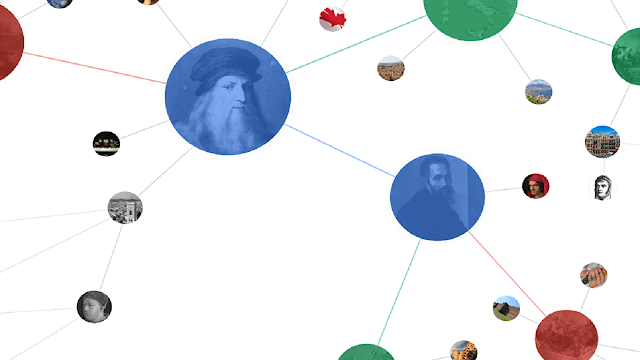
The core of the Google Knowledge Graph is a colossal database mapping real-world entities and their relationships. Imagine a digital encyclopedia where information is not just archived as text but connected in a network of nodes. Each of these nodes represents entities like “Albert Einstein” or “Theory of Relativity,” while the edges define their relationships, such as “developed” or “born in.” This setup empowers Google to deliver more intuitive and context-aware search results.
For instance, when I search for “Leonardo da Vinci,” the Knowledge Graph presents a Knowledge Panel that summarizes key details about him, such as his birth, death, and iconic works like the Mona Lisa. This is because the Graph smartly links Leonardo to relevant entities like “Renaissance” and “Florence.”
The functioning of the Knowledge Graph hinges on a blend of data sources and complex algorithms. Google harnesses data from renowned sources like Wikipedia and Wikidata, alongside other licensed materials. It then employs natural language processing and machine learning to discern entities, their attributes, and relationships from unstructured web data.
Here’s how it works in three simple steps:
Entity Extraction: Identifying and classifying nouns such as people and places in the text.
Relationship Mapping: Understanding connections between entities, like “Barack Obama” being “President of” the “United States.”
Knowledge Integration: Continuously updating the Graph with new data to maintain accuracy.
This sophisticated structure enables direct answers to questions. If I type “Who founded Microsoft?”, it swiftly responds with “Bill Gates and Paul Allen,” thanks to the Graph’s linked entities.
The Knowledge Graph has truly transformed search, making it more user-focused and semantic. Before its existence, Google primarily relied on keyword matches, often resulting in irrelevant results when queries were vague. Now, I can see how it interprets user intent. So, whether I’m searching “jaguar” for an animal, car brand, or football team, the Knowledge Graph prioritizes results based on context clues like my location or previous searches.
Knowledge Panels are one of the most visible outcomes, providing concise information without necessitating multiple website visits. The Graph also facilitates features like “People Also Ask” and related suggestions, predicting follow-up queries. For businesses and individuals, appearing in the Knowledge Graph boosts authority and visibility.
Beyond mere search functionality, the Knowledge Graph extends its reach into Google Maps by linking locations to businesses, powers Google Assistant in answering voice queries, and even enhances YouTube by suggesting related content. Its ability to structure data is impactful in industries like e-commerce and healthcare, where understanding relationships can enhance recommendations and aid diagnostics, respectively.
As I look to the future, the Knowledge Graph’s sophistication is poised to grow with AI breakthroughs. Google’s continual improvements in processing complex queries and integrating real-time data promise even more personalized and predictive user experiences.
In conclusion, the Google Knowledge Graph forms the bedrock of modern search by enhancing how information is accessed. By understanding entities and their complex interconnections, it equips us with smarter, faster, and more relevant information. Whether you’re a curious individual or a business striving to optimize your presence online, the Knowledge Graph is an influential force shaping our digital interactions. Its evolution holds the promise of making our tech interactions more seamless and insightful.
Inspired by this post on AnswerEngineOptimization.blog.
As I navigate through today’s digital landscape, I realize how vital an online presence is for any business. Before I purchase anything, I often start with a quick Google search or browse through social media to gather information. If a business isn’t visible online, it’s missing a critical connection point with potential customers. This is where digital marketing steps in.
Marca, a 360 digital marketing agency, is here to help businesses like yours strengthen their online presence. By offering comprehensive digital solutions, Marca enables brands to grow, reach a wider audience, and boost their sales effectively.
What is a 360 Digital Marketing Agency?
A 360 digital marketing agency provides a complete suite of online marketing services. From building websites to managing social media ads, everything is streamlined under one roof. With Marca, you get a holistic package of services, eliminating the need to juggle between multiple agencies.
Services Offered by Marca
1. SEO (Search Engine Optimisation)
I know the importance of appearing on top of search engine results, and with Marca, SEO becomes a breeze. They employ strategic keywords, fix technical glitches, and refine content to improve your website’s ranking, attracting more visitors and driving business growth.
2. Social Media Marketing
Social media is where people spend hours, including myself. Marca crafts captivating content, runs paid campaigns, and constructs a strong social footprint, ensuring your brand stands out.
3. Website Development
A modern, user-friendly website can make a lasting impression. Marca designs sleek, mobile-responsive, and fast-loading websites that don’t just look good but also convert visitors into loyal customers.
4. Google Ads and Paid Marketing
For those immediate results, paid marketing is key. Marca assists in executing potent Google Ads, Facebook campaigns, and Instagram promotions, targeting your ideal audience to boost traffic and leads.
5. Content and Branding
Trust is built on great content. Marca excels in crafting engaging blogs, compelling product descriptions, and impactful website copy. They also manage branding, designing logos, and marketing materials to elevate your professional image.
6. Email and WhatsApp Campaigns
Using cost-effective platforms like email and WhatsApp, Marca develops clear, attractive messages to share offers, updates, and introduce new services, keeping your audience informed and engaged.
7. Digital Analytics and Reports
Data is king, and Marca makes it understandable. They provide comprehensive monthly reports detailing your campaign’s performance, visitor statistics, and conversion rates, helping you make informed decisions.
Why Choose Marca?
While there are numerous digital agencies out there, Marca stands out. Here’s why:
Complete Service: Everything from SEO to social media, ads, and content is covered, providing a seamless experience.
Experienced Team: Marca boasts skilled professionals passionate about digital marketing.
Affordable Packages: Whether you’re a small business, startup, or large corporation, there’s a plan that suits your needs.
Creative Work: Modern and appealing designs coupled with clever content strategies to engage and retain customers.
Result-Focused: Clear strategic focus that aligns with your business objectives.
Who Should Work with Marca?
If you aim to grow your business online, Marca is your go-to partner. Their expertise extends to:
Retail shops, cafes and restaurants, medical clinics, real estate agents, coaching centers, startups, and freelancers.
No matter your industry or size, Marca’s tailored solutions can help you thrive.
Success Stories
I’ve witnessed Marca transform many businesses online. From doubling website traffic to achieving 10x more leads through social media, their strategic plans have turned small enterprises into reputable local brands.
Final Words
Digital marketing is shaping the future of business, demanding creativity, meticulous planning, and specialized expertise. Marca – a 360 digital marketing agency, offers precisely this edge. Elevate your brand online with their expert support.
Are you ready to amplify your business? Contact Marca today and embark on your digital journey!
Inspired by this post on AnswerEngineOptimization.blog.
I’m excited to extend an invitation to join our 2026 contributor team! At Search Engine Land, we’re seeking knowledgeable voices in SEO, PPC, AI, and analytics to share valuable insights with millions of marketing professionals around the globe.
Being part of Search Engine Land is a unique opportunity. For over two decades, our publication has been a trusted resource for search marketing information, reaching more than 1 million professionals each month. I’m thrilled to share that we’re once again expanding, and we want to amplify our coverage with diverse and reliable perspectives—be it from someone with five years of experience or someone who remembers the Google Florida update like it was yesterday.
We’re looking for contributors with at least five years of hands-on experience who can offer practical insights and thought leadership on the latest trends in:
SEO
Generative AI (GEO, AI SEO, etc.)
PPC (paid search, paid social, display, video)
Data and analytics
While this contributor role is on a volunteer basis, the benefits are significant. You’ll have the chance to:
Establish yourself as a subject matter expert in your field.
Enhance your professional visibility.
Expand your network and reputation.
Enrich your LinkedIn profile or resume with this prestigious experience.
Propel your career forward.
If you’re interested, I encourage you to fill out this form to apply. If selected, you’ll hear from us directly via email. Don’t miss this opportunity to make your mark.
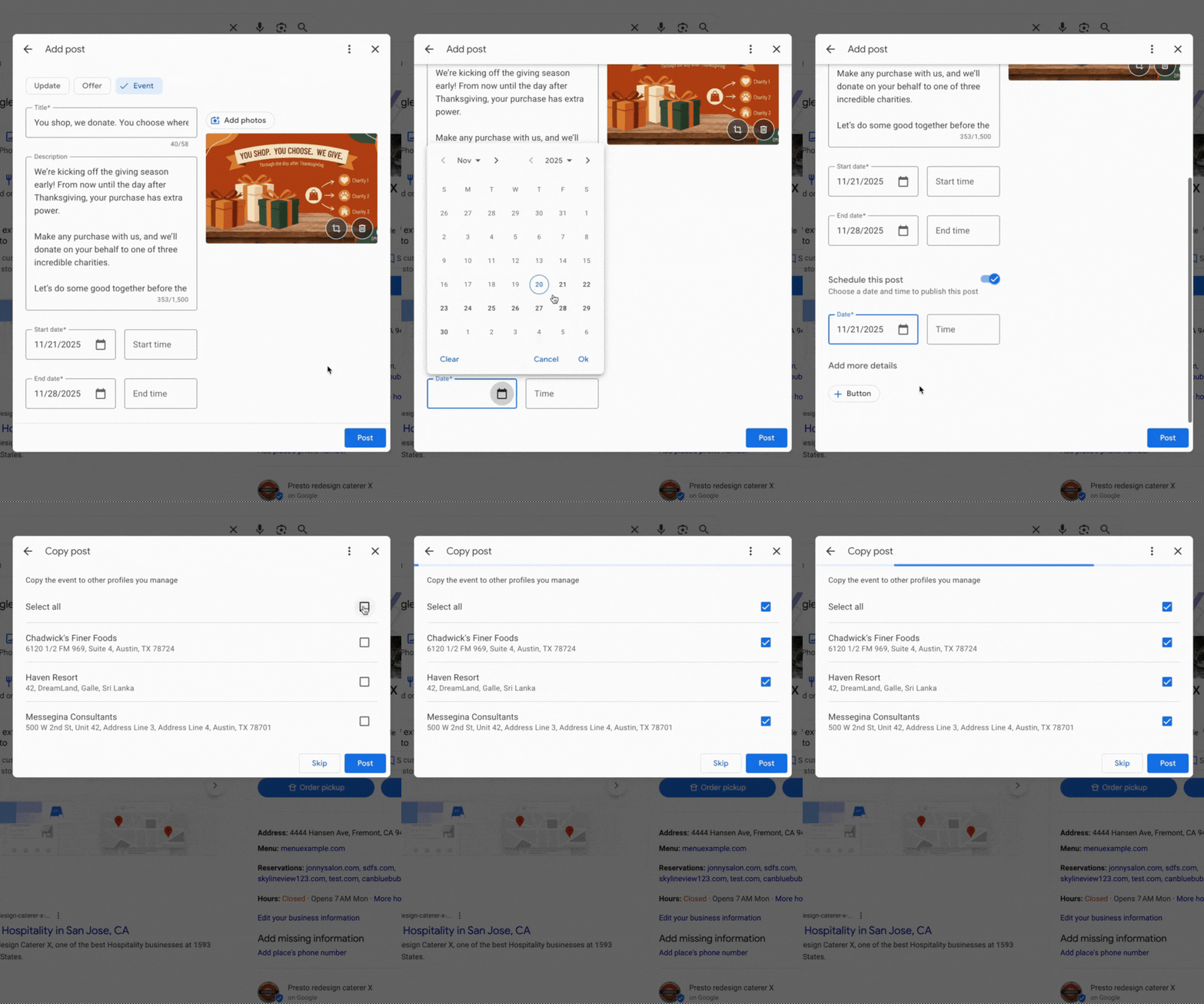
I’m thrilled to share that Google Posts now includes features that support scheduling and multi-location publishing within Google Business Profiles. These updates are designed to make it easier for us to manage our Google Posts, whether they are for our businesses or clients.
Scheduling. One exciting new feature when adding a Google Post within our Google Business Profiles is the option to “schedule this post.” We can now select the exact date and time when we want our posts to go live.
Lisa Landsman from Google shared on LinkedIn, “Plan your entire week or month in advance! You can now schedule your Google Posts to go live automatically at the perfect time.”
Multi-location publishing. If you, like me, manage several locations for a business, you’ll find the new multi-location feature incredibly convenient. It allows us to quickly copy Google Posts to some or all of our locations with just a click. Lisa Landsman explained, “Easily create a single post and apply it instantly to multiple business locations in one click.”
What it looks like. Here’s a GIF that shows this functionality in action:
Why we care. I care about these updates because I know how busy businesses can be. Often, we don’t have the time to pause everything just to create a timely Google Post about an upcoming event or important message. Now, we can schedule these posts in advance and copy them effortlessly across locations we manage.
As Lisa Landsman from Google pointed out, “We know the upcoming holiday season is a crucial, and hectic, time for your business. It’s also your biggest opportunity to get your events, offers, and updates in front of potential customers who are actively searching.”
Canonicalization and SEO: A Personal Guide for 2026
Canonicalization has always been pivotal in SEO, yet it’s surprisingly easy to overlook. In 2026, managing duplicate content and optimizing for generative engines is becoming essential. Let’s explore this together.
Canonicalization helps search engines pinpoint original content sources and prevent duplicate versions from competing. This is a must-know for large sites aiming to stay organized and small ones looking to avoid ranking dilution.
As 2026 approaches, canonicalization is gaining even greater traction with the rise of generative engine optimization (GEO), alongside traditional SEO. AI and tools like ChatGPT are reshaping content selection and attribution processes. Let’s dig into why this matters.
This guide will walk you through essential canonical tags, practical strategies for implementation, and advanced insights benefiting both SEO and GEO.
What is canonicalization?
Canonicalization, a cornerstone of technical SEO, allows you to specify the preferred version of a webpage when similar content exists across different URLs. Think of it as designating the primary source or ‘master copy.’
Using canonical tags effectively tells search engines which URL to index and rank, sidestepping confusion and focusing your site’s authority and ranking power on the right page.
Key terms
The crucial terms we’ll cover include canonical tag, self-referencing canonical, origin, target URL, and duplicate content. Grasping these will enhance your understanding as we delve deeper.
Why canonicalization matters for SEO and GEO
Canonicalization is crucial for boosting SEO and GEO performance. It enables search engines to consolidate sources and choose the authoritative page while generative systems respond to precise canonical signals. Let’s explore the essentials of a solid strategy.
How to implement a canonical tag
You may need a developer to implement canonical tags, but many CMS platforms have features to add self-referencing canonicals automatically. However, some situations require manual specification for certain page types.
Practical applications for canonicalization
Deploying self-referencing canonicals even on unique content is a best practice. It ensures indexing efficiency and prevents confusion. Technical nuances like www/non-www, HTTP/HTTPS variations, and URL parameters can present issues that canonical tags can address.
Let’s also look at cross-domain canonicalization, pagination strategy, and managing ecommerce complexities associated with product variations and faceted navigation, ensuring your implementation remains current with 2026 best practices.
The role of tools and monitoring
Monitoring canonicalization through Google Search Console, Screaming Frog, and similar tools is critical. Catching issues early prevents them from affecting rankings. Regular checks for canonical conflicts ensure your strategy’s success.
Canonicalization trends to watch
With search evolving rapidly, canonicalization is now integral not just for managing duplicates but as a foundational signal for both indexing and appearing in AI-generated answers. Keeping up with 2026 trends will ensure your strategy remains effective.
Takeaways on canonicalization
Mastering the fundamentals of canonicalization, maintaining URL hygiene, and tailoring strategies to specific site needs are crucial. Regular monitoring and adapting to ongoing changes, especially with AI’s impact, sustains your site’s health and authority.
Have you ever heard the phrase, “Fast, cheap, or good – pick two”? It’s a mantra I often reflect on when managing projects, especially in the world of SEO.
The idea behind it is quite simple: If you want something done fast and cheap, it’s unlikely to be good. If you want it done well and quickly, it’s going to cost you. And if you want it to be good and affordable, you’re going to need to be patient.
This principle perfectly captures the essence of tradeoffs, which are especially crucial in SEO because hastily made decisions can lead to costly fixes down the road.
This article dives into the nuances of these project management tradeoffs and how they apply to SEO. I’ll also highlight why prioritizing quality in SEO yields better, more sustainable outcomes.
In my experience, the fast-cheap-good concept is a modern spin on an age-old project management triangle that illustrates the delicate balance between speed, cost, and quality.
Visualize it as a triangle with three sides: Time (how quickly we can deliver), Cost (the budget involved), and Quality (the thoroughness and effectiveness of the work).
The general consensus? You can only truly focus on two of these, and the third will inevitably be compromised.
Let’s delve into how these elements impact SEO:
Time: The competitive edge often comes from moving faster than your rivals. Though SEO is more a marathon than a sprint, speeding up certain processes can give you a significant advantage.
SEO requires patience. In some industries, reaching the top can take years, especially for high competition keywords. However, with the right investment and strategy, you can reach those coveted positions more quickly.
Cost: Quality SEO isn’t cheap. It demands expertise and skill, and those come at a price. Opting for low-cost options often leads to subpar results and potential penalties—ultimately, you’ll pay more to correct these errors.
Quality: High-quality SEO encompasses sound strategies, skilled execution, and top-notch content. The success of SEO depends heavily on quality, and without proper vetting, you might end up dissatisfied with your SEO services.
Here, I want to highlight specific tradeoffs in SEO projects:
Fast + Cheap: This risky combination often results in low-quality SEO, sacrificing long-term results for short-term gains.
Fast + Good: To achieve excellence quickly, expect premium pricing for the expertise and dedication required.
Cheap + Good: With this route, progress will be slower, but it allows for sustainable growth ideal for businesses aiming for long-term success.
While critics argue that these constraints oversimplify project dynamics, especially in SEO, I believe quality should always be the non-negotiable foundation. By focusing on quality first, the other elements—time and cost—will align.
Quality-driven SEO minimizes wasted efforts and resources, facilitating a more effective and sustainable approach. So, when I approach SEO, my priority is quality, ensuring everything else falls into place more naturally.