I recently came across a fascinating study revealing that 37% of consumers are now starting their searches with AI tools instead of Google. The frustration with traditional search methods seems to be steering many of us towards AI, compelling brands to maintain their visibility and credibility across both platforms.
Personally, I find it intriguing how AI is reshaping the initial stages of search, impacting how we identify and evaluate brands. This hybrid approach begins with an AI-generated answer, followed by traditional search for confirmation. To keep their credibility intact, brands must ensure consistency across both platforms as the emphasis on visibility, trust, and clarity increases.
According to the study, over a third of consumers—37% to be exact—are kicking off their searches with AI tools over traditional engines. The appeal lies in the promise of a quicker, clearer answer without the need to sift through ads and multiple links. Users described AI as faster, clearer, and less cluttered.
Many of us are experiencing what could be termed as ‘traditional search fatigue’. The chief grievances include excessive clicking through links (40%), overwhelming ads and sponsored results (37%), and difficulty in getting straightforward answers (33%). The redundancy of information also ranks high in complaints at 28%.
AI’s trustworthiness is gaining traction, with six out of ten respondents confident about the superiority of AI-generated answers compared to traditional search. However, a significant portion—85%—still cross-checks AI responses.
Traditional search engines remain favored for product reviews, current news, multimedia, and health information. Interestingly, nearly half of the consumers trust AI to make brand recommendations, reshaping brand discovery by offering concise lists with brand assessments.
AI’s influence extends to purchasing decisions as noted by the survey, with consumers using AI to decide on purchases (47%), find best prices (57%), compare products (54%), and even get review summaries (48%). While younger audiences lead this adoption, it actually cuts across all categories from daily items to travel and finance.
Looking ahead to 2026, it’s expected that AI will continue to grow, with 63% of participants anticipating increased AI usage and nearly half expecting AI to handle comprehensive tasks. Yet, there’s still room for AI to improve in terms of fact-checking, transparency, and context personalization.
The Eight Oh Two survey canvassed 500 active AI users last November, delving into AI’s role in search behaviors, trust levels, and purchasing influences, giving us a window into the evolving dynamics of search landscapes this year and moving forward.
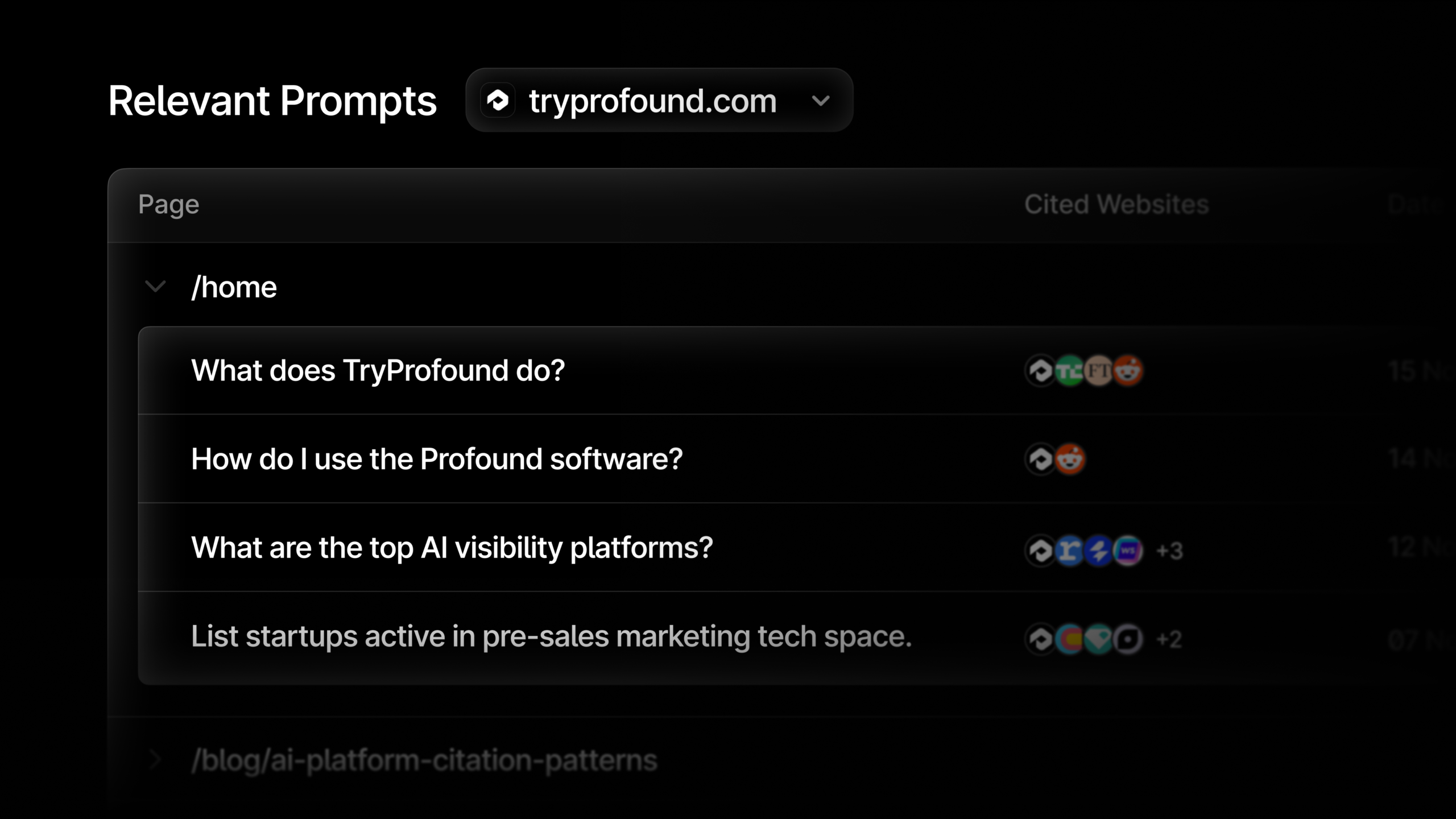
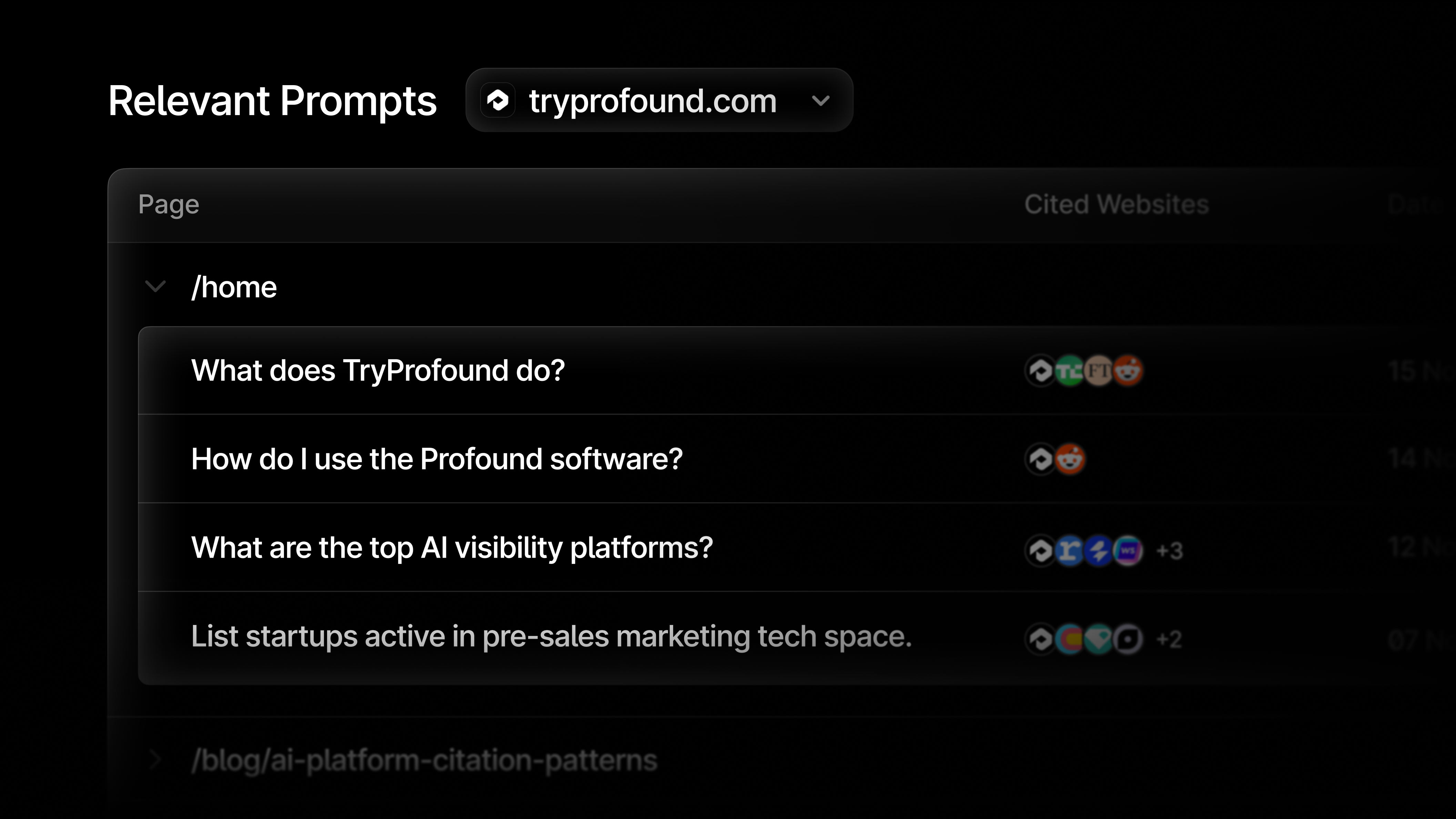
As someone deeply invested in my brand’s success, I understand the importance of leveraging Brand Relevant Prompts. These prompts show me exactly where my brand and competitors are cited by Answer Engines. With this insight, I can stop guessing and quickly close visibility gaps.
AI is changing search visibility, but I’m ready to adapt and thrive by unlocking the potential of my most underappreciated channel: email.
With AI reshaping the landscape of search, I’m learning how to reclaim my reach by tapping into owned audiences and transforming email into a growth engine that scales.
The rules of search have changed, and I can feel the impact on my marketing funnel. Despite pouring countless hours into creating compelling content and refining workflows, it’s frustrating to see my efforts wasted when my audience misses my work.
SEO is seeing diminishing returns, while AI-generated summaries are sidelining my branded content. Metrics reveal a reality I didn’t want to face: it looks as if my marketing team doesn’t exist at all.
Even with constant iterations and innovative ideas, the chances of my audience viewing my efforts seem to dwindle.
The new reality is that organic website traffic isn’t the steady stream it once was. With projections expecting a drop of 25% in search engine traffic due to AI, I must find alternative routes to reach my audience.
B2B SaaS companies, marketing platforms, and content-rich businesses are facing a structural shift, and so am I. My owned audience, like my email list, remains untouched by algorithmic changes and provides a reliable base for reaching customers.
Leveraging my undervalued channel means I have the power to control distribution, timing, and messaging, making email an essential component of my marketing strategy.
Email isn’t just a broadcast channel; it’s a precision tool. I need a disciplined approach to realize its full potential: targeted segmentation, optimized send frequencies, and clear performance benchmarks will guide my success.
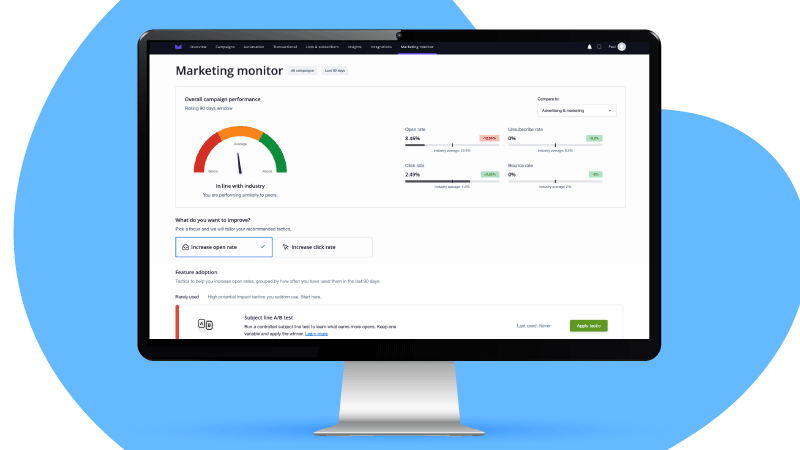
To harness the power of email, solutions like Campaign Monitor offer AI-driven capabilities that treat email as the strategic asset it really is. I’m ready to utilize tools like Marketing Monitor to make smarter decisions, track real-time results, and consistently improve my campaigns.
The bottom line? Losing traffic to AI doesn’t just impact me momentarily—it threatens long-term competitiveness. I have two options: absorb the loss or pivot to a diversified strategy. Strengthening my owned audience and modernizing my email approach ensures I’m set to not only stabilize but grow.
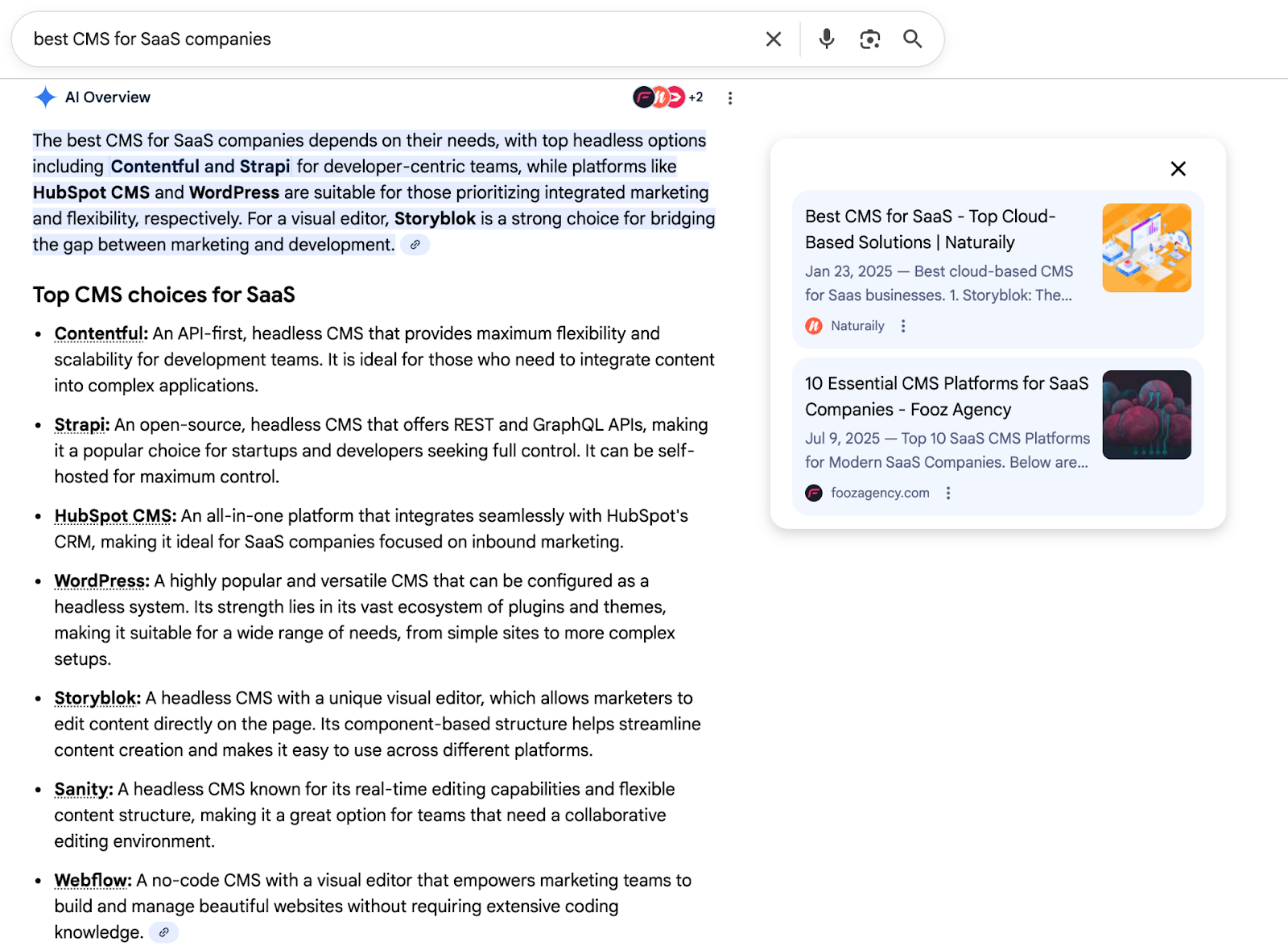
I recently explored why my competitors often feature in Google’s AI Overviews while my content doesn’t, and I’ve discovered some strategies to change that.
Understanding the mechanics behind Google’s AI Overviews can give your content a much-needed edge. These overviews are complex algorithms that prioritize well-structured and relevant information.
To improve my content’s visibility, I need to focus on optimizing for AI search by ensuring my content is thoroughly cited and indexed. This requires a strategic blend of content optimization and SEO best practices tailored to AI.
By proactively adopting these strategies and tools, my goal is to enhance my content’s AI visibility, ensuring it gets the attention it deserves in AI-driven search environments.
I remember when link building was the cornerstone of SEO. While it’s still relevant, its role has evolved as Google set clearer standards, focusing more on quality, relevance, and intent.
Today, in our AI-driven search world, the focus has shifted towards brand mentions, which have become a critical SEO initiative. Brand mentions provide references similar to citations, but in AI search, they explain how brands appear in LLMs (Large Language Models).
Brand mentions are now influential factors for AI search strategies and are gaining more weight in traditional SEO algorithms. Focusing on them should be a priority in 2026 to ensure lasting organic visibility.
Let me guide you on how we can prioritize and benefit from brand mentions.
How and Why to Prioritize Brand Mentions
Brand mentions have become essential in our AI search environments, moving beyond just backlinks. LLMs focus on analyzing mentions, context, and the recurring links between your brand and your target topics.
These mentions form a competitive advantage, especially as they accumulate over time, creating a protective ‘ranking moat’ when competitors don’t invest similarly.
To properly prioritize, ensure your brand’s technical and content fundamentals are solid. This includes crawlability, structured data, and clear on-page content. Afterward, focus on brand mentions before engaging in large-scale content production without an existing citation footprint.
When seeking impactful brand mentions, it’s crucial to examine their sources. My agency goes beyond standard tools, looking for opportunities through systems like Profound that highlight relevant brand mentions aligned with key topics.
We also review AI Overview links for SEO queries and dive into top-ranking Reddit threads to identify frequently mentioned entities related to important keywords.
You can uncover links to source articles in AI Overviews by selecting the chain-link icon, enhancing your brand’s topical visibility.
Driving Passive Brand Mentions
Passive brand mentions come when your content naturally fills an informational gap. The aim is to become the go-to reference for certain topics, achieving this by creating assets that are easily referenced.
These can include original data, insightful reports, or highly scannable explanatory pages. By establishing your brand as the primary source, you’re better positioned for more mentions.
Actively Soliciting Brand Mentions
For proactive outreach to earn brand mentions, focus on building genuine relationships and providing valuable information. Start by sharing assets that offer clear benefits, without immediately asking for something in return.
When contacting journalists or content creators, make your pitches relevant and timely, with a clear angle that increases your inclusion chances. Combining outreach with thought leadership, through podcasts or panels, enhances discovery possibilities.
Our goal is to establish a robust outreach engine, nurturing relationships so that those individuals may naturally reference your brand in the future, potentially leading to collaborative content opportunities.
Deciding When to Engage a PR Resource
PR support is particularly beneficial when you have compelling stories or data but face distribution challenges. It’s also crucial for quick scaling of brand mentions, especially during fundraising, launches, or when competing in aggressive markets, like health or AI.
However, if foundational SEO or assets are lacking, focus on establishing those first. Once ready, PR will accelerate visibility across search engines and LLMs.
The core tenets of link building still apply: aim for quality over quantity and avoid low-impact sources. By keeping a clear focus on key sources and strategy, your brand can achieve significant improvements in search visibility.
Wow, what a whirlwind 2025 was in the ever-evolving world of SEO! I found myself constantly amazed at the pace of change, especially with the rise of GEO and AI-driven discoveries.
The incredible advances—from multi-platform searches to innovative AI applications—made this year truly groundbreaking. As I dove into these shifts, Search Engine Land remained my trusted guide, helping me navigate what’s happening, what’s on the horizon, and, most importantly, what really matters.
I’m thrilled to share with you the 10 most-read SEO columns of 2025. These pieces, penned by some of the best minds in the field, captivated and informed readers like never before.
Reflecting on Google’s 2025 algorithm adventures, I’m reminded that fewer confirmations don’t equate to less excitement in search rankings.
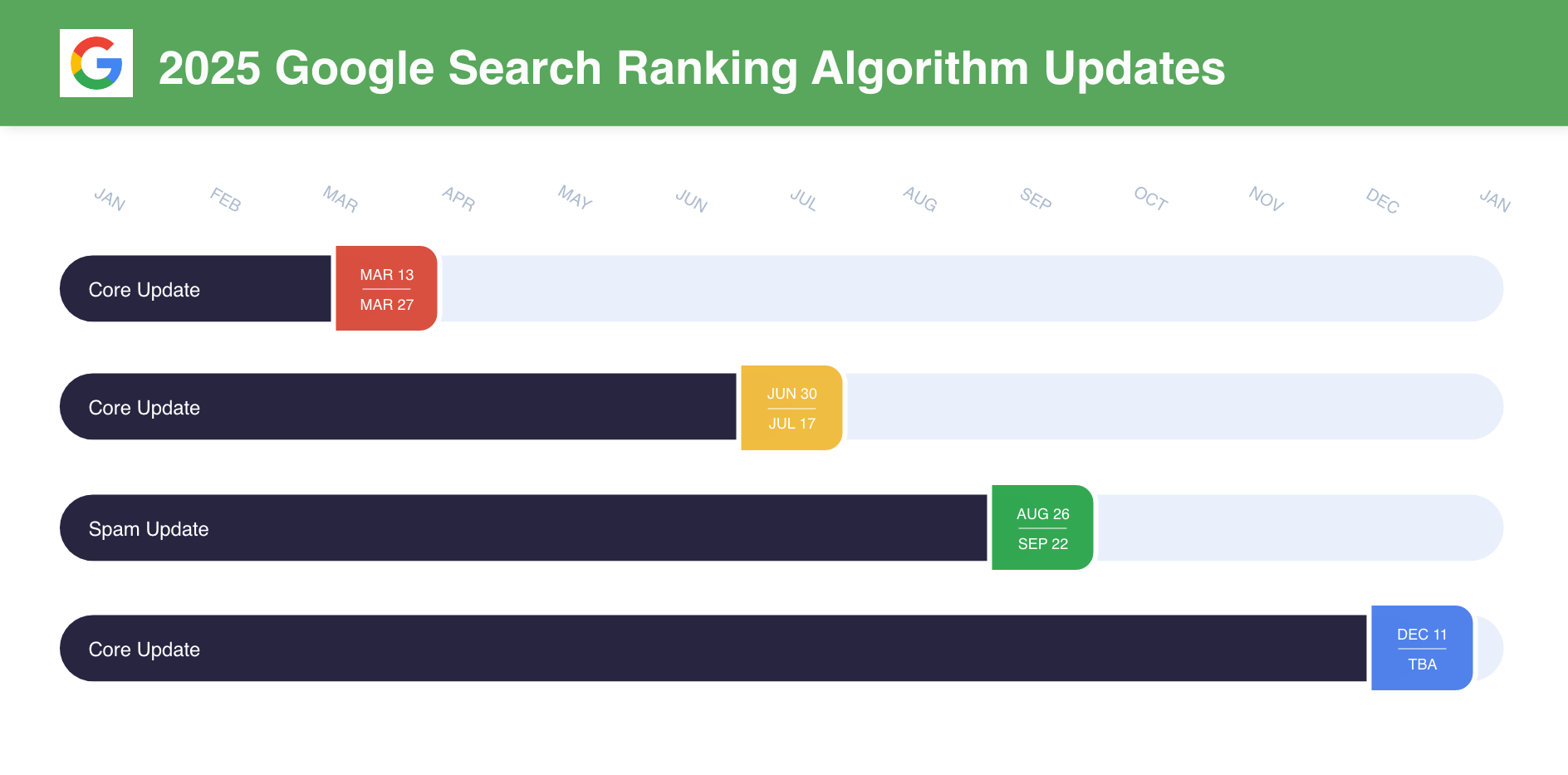
Google rolled out four confirmed algorithm updates this year, including three core updates and one spam update. Interestingly, this is a decrease from prior years—seven updates in 2024 and nine in 2023.
Fewer updates confirmed, more surprises for search. Google might be confirming fewer updates, but that doesn’t mean there are fewer changes under the hood. As they’ve stated, not all core updates are announced, and I’ve experienced plenty of volatility tracking all the unconfirmed tweaks.
I’ve followed numerous unconfirmed updates on the Search Engine Roundtable, making 2025 a year of unpredictability despite fewer confirmations.
Google confirmed algorithm update summary
Here’s a timeline that visualizes all these exciting developments in 2025, showcasing the rollercoaster of changes throughout the year.
Three Google core updates in 2025. Spread over the months, we saw these core updates rolling out in March, June, and December.
March 2025 core update. The journey began on March 13, taking 14 days to unfold by March 27. Google assured us it was a routine core update, enhancing search results.
It was reminiscent of prior updates, as reflected in historical data.
June 2025 core update. Commencing on June 30 and concluding by July 17, this update repeated the thematic improvements seen previously, capturing further interest.
Intriguingly, some sites reported partial recoveries post-update, signifying its intense impact.
December 2025 core update. Starting on December 11, its rollout remains incomplete, but it’s consistently producing expected outcomes across the board.
The updates stirred considerable volatility, particularly noted during weekends like December 13th and December 20th.
One Google spam update in 2025
August 2025 spam update. Launched on August 26 and concluded by September 22, this update rapidly impacted site rankings and thankfully, some saw recoveries.
Reflecting on another year in the world of search, I’ve seen how Google labeled 2025 as year three of a 10-year transformative shift. This change, centering on AI, became undeniably evident. No longer just an experiment, AI has now firmly integrated into the core processes of search.
Here, I’ll share the most significant SEO news stories of 2025 from Search Engine Land.
Note: This overview excludes Google algorithm updates, which Barry Schwartz has covered in a separate recap published today.
10. Perplexity Ranking Factors and Systems
Diving into the intricacies, independent researcher Metehan Yesilyurt examined browser-level interactions, revealing how Perplexity scores, ranks, and sometimes drops content. His findings uncovered a three-layer machine learning system reordering entity searches, manual authority whitelists, and many engagement signals.
He also observed that authoritative domains, early strong performance, and tech-focused topics received boosts. The ranking further mirrored time decay, interconnected content clusters, and trending YouTube content that amplified visibility.
In a move all about clarity, Google introduced Query groups to the Search Console Insights report. By employing AI, it groups similar search queries into distinct audience topics. These don’t influence rankings but make performance trends more apparent, especially for high-volume sites.
I was surprised to see HubSpot’s organic traffic plummet from 13.5 million to 8.6 million within a month, mainly impacting its blog. This followed several Google updates, with SEOs pointing to thin, broad content not aligned with HubSpot’s core expertise.
The ongoing identity debate in SEO continues as Google rejects new terminologies like GEO (generative engine optimization) and AEO (answer engine optimization). They maintain that strong SEO practices are also effective for GEO, underpinning AI Overview rankings’ fundamentals.
Yet, as AI answers replace clicks, traditional search still plays a vital role in discovery, despite search behavior evolving with users seeking AI for quick answers but relying on Google for extensive research.
The expansion of Google AI Mode from a trial to an almost default, comprehensive search experience was rapid. It incorporated more in-depth research, agentic activities, personalization, and the advanced Gemini 2.5—a drastic evolution toward complex search behaviors.
This AI Mode initially struggled with transparency, breaking referral tracking and merging its performance data with standard Search Console reports, sparking concerns over visibility and attribution in a more AI-centric search landscape.
When Cloudflare CEO Matthew Prince spoke about AI disrupting the web’s search-driven business model, it resonated with many. He highlighted the disproportionate relationship—Google and AI companies scrape extensive content while returning minimal traffic, jeopardizing original publishing unless the economic model adapts.
Seeing Google’s search share dip below 90% globally for the first time since 2015 was significant, driven by shifts in Asia and the U.S. This opened opportunities for Bing, Yandex, and Yahoo to capture some of Google’s shrinking share.
Google’s stricter stance on AI-generated content was clear when it instructed quality raters to assign the Lowest ratings to predominantly auto-generated pages. The expanded spam definitions targeted scaled, low-effort AI implementations.
Concurrent tests of AI-generated and AI-summarized search snippets indicated a future where AI not only critically examines content but also influences its presentation in searches.
I noticed analysis from various sources showing a troubling trend: Google Search offered more impressions and AI Overview visibility but resulted in fewer clicks. This was especially evident with non-branded, informational queries where AI Overview overshadowed classic results.
Brands mentioned in AI Overviews saw improved CTR, whereas those outside these features lost prominence, emphasizing that AI visibility is pivotal in driving successful outcomes.
Google’s removal of the &num=100 search parameter has widely impacted the SEO industry, disrupting rank-tracking tools and coinciding with a noticeable decrease in Google Search Console impressions and query counts.
Initial evaluations suggested that the majority of sites experienced reduced visibility, especially beyond Page 1, hinting at historic overreported metrics and a more realistic view of organic performance going forward.
Hey there, I know we’re in some murky waters right now. The drop in organic traffic is concerning, and it seems that the little bit of referral traffic we’re getting from LLMs like ChatGPT isn’t making up for it.
The truth is, the belief that “traffic is just coming from different places” isn’t entirely accurate. Sure, the way people search and engage is shifting, but click-through rates are plummeting in almost every sector.
Understandably, there’s a lot of anxiety in the industry about SEO’s future and whether AI will make our roles redundant. Bringing these concerns to the C-suite can be daunting, but now is not the time to shy away.
The reality is, it’s the perfect moment to tackle these issues head-first. Our leadership needs to know what’s happening and most importantly, how we’re responding.
This is a great opportunity to educate, realign expectations, and outline how our SEO strategy is evolving. Schedule that meeting, and let’s get this conversation started.
Here’s my plan to maximize the value of this crucial discussion.
Don’t avoid leadership — address AI visibility head-on
I’m not suggesting you picture leadership in their underwear to make conversations easier. Let’s leave the awkwardness aside.
Instead, show up ready to lead the dialogue. Here’s how to guide the discussion effectively.
Set the tone from the outset. They’ll appreciate you broaching the topic proactively rather than having someone else initiate it later.
Explain things honestly, provide clarity, and avoid sugarcoating the reality of what’s happening.
Let’s dive into the key facts to bring to leadership for a clearer picture.
Why SEO is down and how that impacts business
This is our chance to present the facts clearly rather than invoking fear. An honest overview of how the industry’s changes affect us is vital.
Here are critical events impacting performance:
Tools like ChatGPT, Gemini, and Perplexity are reshaping user behavior, diverting searches away from Google.
Google’s AI Overviews (AIOs) are increasing in search result pages, reducing clicks to third-party sites significantly. (Some report a 61% decrease in CTR.)
Despite LLMs sending some traffic, it’s minimal compared to what’s been lost from traditional search.
Bing’s AI-powered search summaries had limited impact due to a smaller market share.
Next, give a concise, data-driven picture of what’s changed for us and its impact. If organic traffic has dropped by 30% and revenue dipped, be upfront about it.
Anchor the talks in measurable results and their alignment with our goals. Ensure accuracy with your analytics team.
Here’s the data we need to present.
Share revenue, leads (or key actions), and organic traffic data over time, ideally with year-over-year figures.
These figures ground the discussion in business impact, not mere ranking metrics. Comparing data yearly helps separate seasonality from actual declines.
Export keyword data you’ve been tracking, as it’s valuable for Google and Bing. LLM tracking adds further context.
Rankings shouldn’t be a standalone performance metric. However, in times like these, understanding rankings is crucial for identifying lost demand or search shifts.
Analyze click/impression and CTR data in Google Search Console and Bing Webmaster Tools. Identify if SERPs with decreased CTR showcase AIOs.
This showcases real performance slides or industry-wide impacts. If pages losing clicks also show AI overviews, competitors are likely in the same boat — another crucial piece of the puzzle.
Once you share the business’s current state, brace for questions. Don’t wait for them; steer the narrative. Describe the broader shifts, industry trends, and emerging tech driving these changes. Possible action steps include:
Fetch traffic estimates and keyword rankings for top competitors. Are they experiencing similar downsides?
Use Google Trends and Exploding Topics to observe growing or waning interest in topics/products in our industry.
Utilize AI visibility reports to demonstrate brand presence in active conversation platforms (LLMs).
This isn’t about placing blame. It’s about showing comprehension and adapting to landscape shifts impacting performance.
What we’ve learned so far and where we’re going
Now’s the time to prove that we’re not just diagnosing problems but devising solutions. Leadership might not favor all answers, but they’ll respect your forward-thinking mindset.
Make it clear that, although the rules are changing, our team is swiftly adapting for upcoming search challenges. Then specify your needs, whether it’s budget, headcount, data support, or cross-functional alignment, to execute rather than merely presenting a problem.
Here are strategies to progress:
We’re enhancing our brand’s visibility beyond traditional search, focusing on AI-generated answers and new discovery platforms.
This involves tracking essential buyer queries and understanding our brand’s current position to prioritize content, PR, and partnerships for optimal visibility.
The aim is straightforward: if answers don’t draw clicks, our brand must still appear in those solutions. Consistent mentions/citations across the web facilitate this.
We’re revamping content strategy to stress entities and topics, not just keywords and rankings.
LLMs favor brands with comprehensive, consistent topic coverage and expertise signals. This affects our publishing, content structuring, and PR/product collaborations to build authority. This is SEO content 2.0, demanding effort, but the rewards will be significant.
We’re investing in visibility measurement for both traditional and new search channels.
Google organic traffic isn’t the sole truth anymore. We’re developing reporting to include AI surfaces, social discovery, referrals, and offline demand for a comprehensive perspective.
AI Overviews represent a lasting shift.
This requires recalibrating traffic baselines, forecasts, and targets to account for fewer classic blue link clicks. We plan for a reality where this becomes normal.
“AI Mode” might become Google’s default by 2026.
If more searches receive direct answers from Google, fewer visitors reach us. This alters lead/sales expectations and demands a strategy overhaul, including budgeting.
How we’ll be proactive and adapt to the new search landscape
Having explained what’s happening and how we’re adapting, it’s essential to stress that success requires alignment, resources, and continuous support.
Use this chance to outline needs, making it easier for leadership to approve plans without overwhelming decisions.
Here are essential adjustments to consider.
Search success in the AI era is a new measure; optimization takes time.
Agree upfront on timelines, leading indicators, and reporting frequency. Rankings, traffic, and last-click revenue won’t always align, so patience in adapting is necessary.
Executive backing is crucial for prioritizing long-term brand building over quick wins.
Leadership must accept that essential SEO initiatives may not yield immediate results but are vital for sustained visibility in search and AI-driven spaces.
Flexible budgeting to experiment with channels, content formats, and AI tracking tools.
A part of the marketing budget must focus on trials — from AI tools and data implementation to interactive content and strategic partnerships.
Collaboration with other departments is key to altering organic growth measurement.
SEO can’t work solo. We need analytics for new dashboards and coordinated PR and content efforts to align with significant topics.
This is your moment to lead the AI visibility discussion
You’re not merely reacting. You’re guiding through change. AI and LLMs redefine search, discovery, and interaction. This isn’t panic time, nor a case for the “organic search is dead” mantra. It’s about adaptation.
A crucial step is constant monitoring. A one-time pitch is valuable, but marketing efforts always need measurement. Regularly set an AI visibility update metric alongside standard metrics.
As AI and LLMs progress, leverage measured data to update leadership on changes and adaptations.
By initiating discussions, grounding messages in data, and suggesting actionable plans, your strategic acumen becomes evident to executives.
This shift isn’t solely about SEO; it’s about securing future visibility, trust, and traffic across various environments. Whether it’s Google, ChatGPT, or elsewhere, your focus should be on being present where your customers engage.
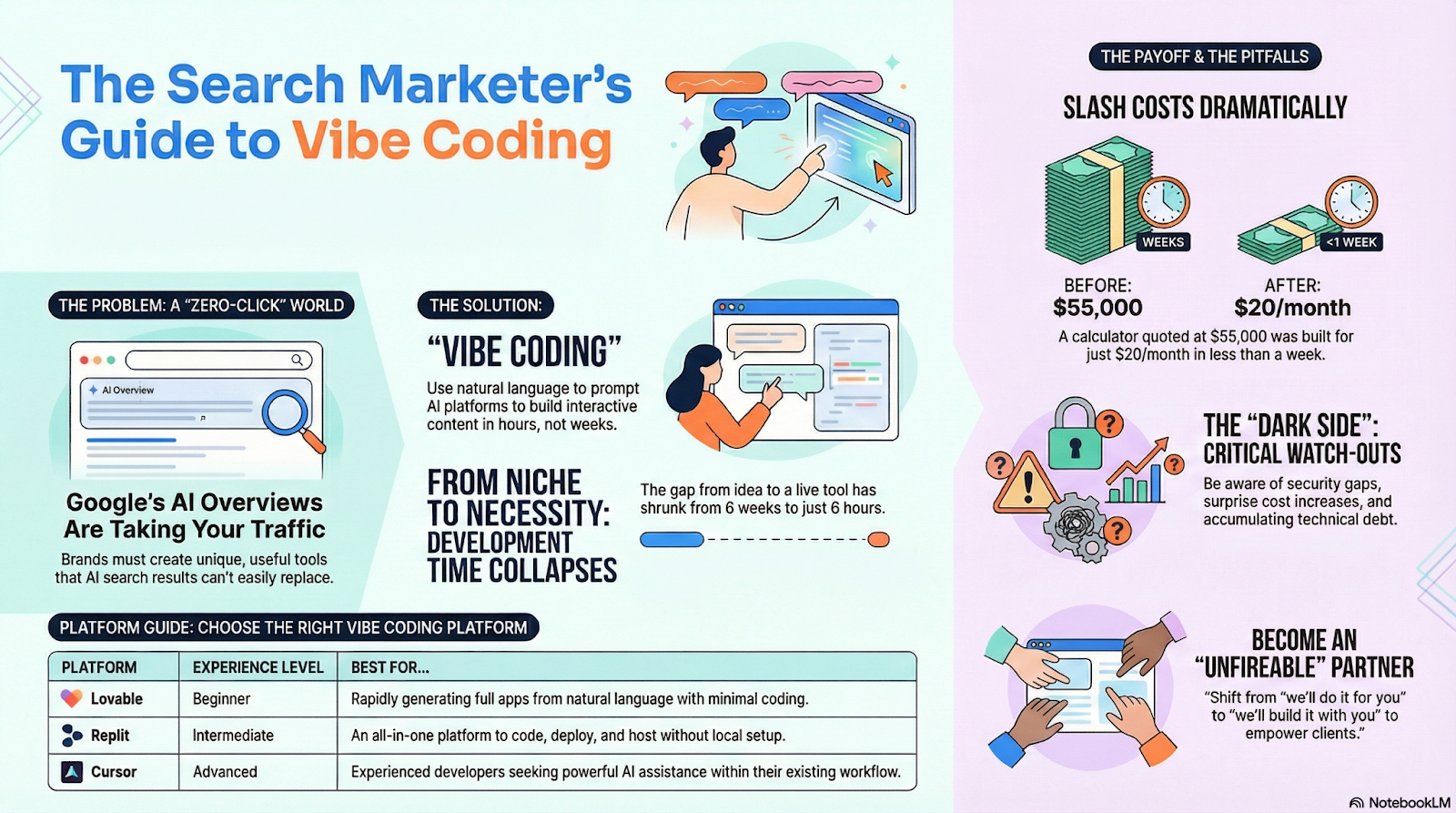
In a world where Google’s AI Overviews address more queries instantly, I’ve found that vibe coding allows us to craft interactive experiences that AI simply can’t replace.
I’ve noticed that search marketers are now shifting their roles from merely optimizing to actually building. Tools like vibe coding, coupled with AI-powered development technologies, have significantly reduced the time from idea conception to execution—from weeks to just a few hours.
These tools don’t make developers obsolete, but they empower search teams to test and create interactive content on their own timelines. This is crucial, as Google’s AI Overviews increasingly pull answers directly into the SERP, reducing clicks to our brand websites.
For marketers, building unique, conversion-focused tools is becoming an indispensable tactic in this zero-click environment.
What is vibe coding?
Vibe coding is about creating software by guiding AI with natural language instead of traditional coding methods. This means focusing on the tool’s purpose, appearance, and response, while AI takes care of implementation.
This term gained popularity in early 2025, thanks to OpenAI co-founder Andrej Karpathy, who described it as a loose, exploratory building style. The appeal? Speed. The risk? Potential shortcuts that could lead to fragile systems.
Today, AI-powered development platforms extend this approach to non-engineering teams, with tools like Replit and Lovable, allowing everyone to build and iterate quickly.
Vibe coding vs. vibe marketing
It’s important to distinguish vibe coding from vibe marketing. Vibe coding involves AI tools designed to create applications and interactive experiences, whereas vibe marketing uses automation platforms to connect existing tools and systems.
Together, these approaches empower search teams to build and operationalize their creations efficiently.
Why vibe coding matters for search marketing
I believe that soon, AI-powered coding will be an essential part of any marketer’s toolkit. It allows us to create sophisticated interactive tools that Google’s AI can hardly mimic, enhancing our SEO and PPC strategies.
With vibe coding, my team can rapidly develop tools that boost conversion, like interactive content aimed to improve user engagement—a factor crucial for both SEO and PPC efforts.
Through vibe coding, I’ve created custom systems that help manage our operational needs efficiently, saving time and costs. For instance, a project quoted at $55,000 was completed in under a week using Replit for just $20 a month.
The opportunity to teach these skills to clients also adds significant value, emphasizing the transition from “we’ll do it for you” to “we’ll build it with you.”
Vibe coding offers a competitive edge, allowing us to navigate zero-click search environments while fortifying long-term relationships with our clients.
Top vibe coding platforms for search marketers
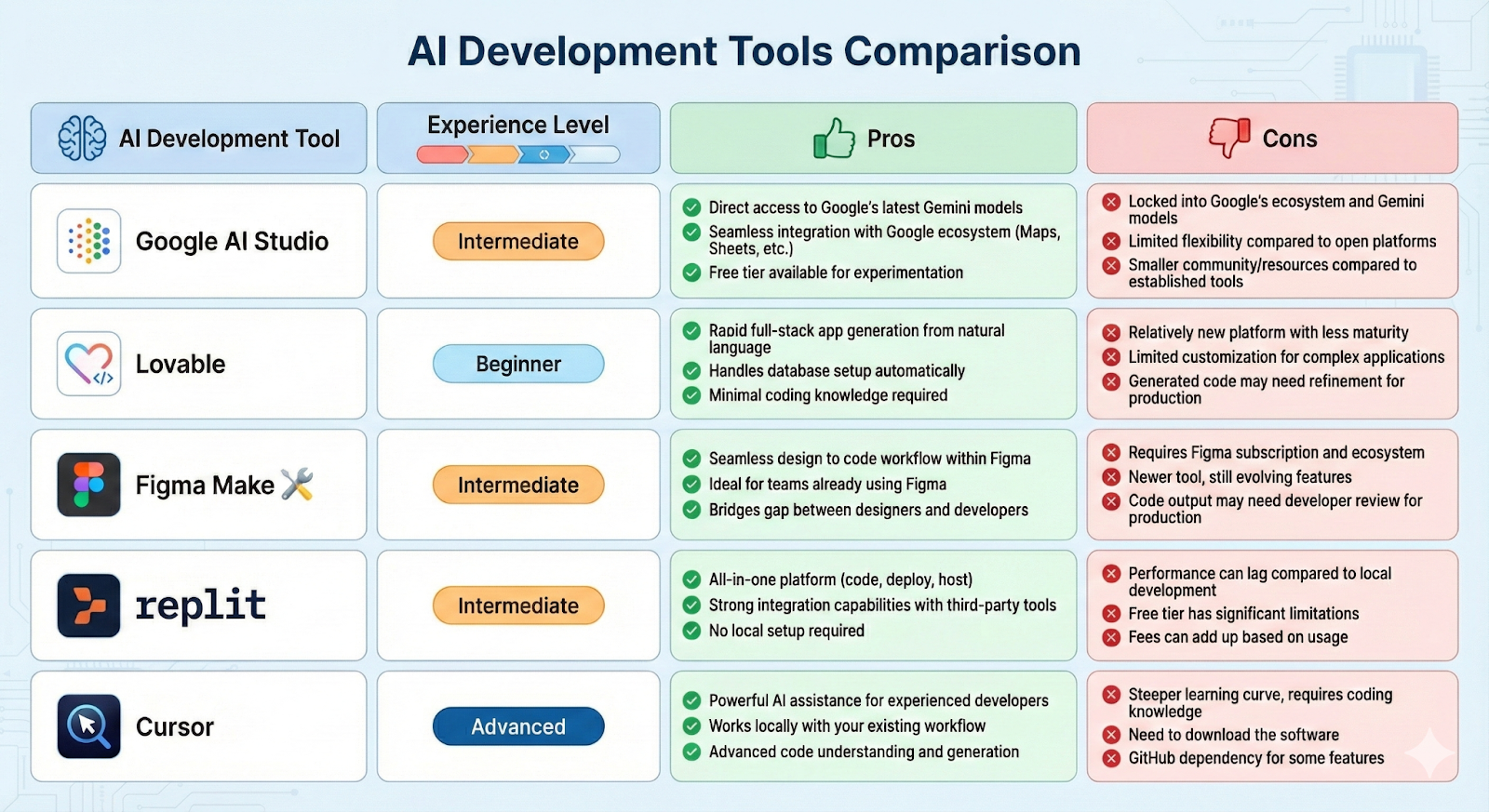
Several leading vibe coding platforms are making waves. My personal preference is Replit for its flexibility, though Figma Make is a great choice too, particularly as it integrates well with our existing workflows.
Testing different platforms will help find the best fit. Whether it’s Lovable for beginners or Cursor for advanced users, there’s a solution tailored to your needs.
Practical SEO and PPC applications: What you can build today
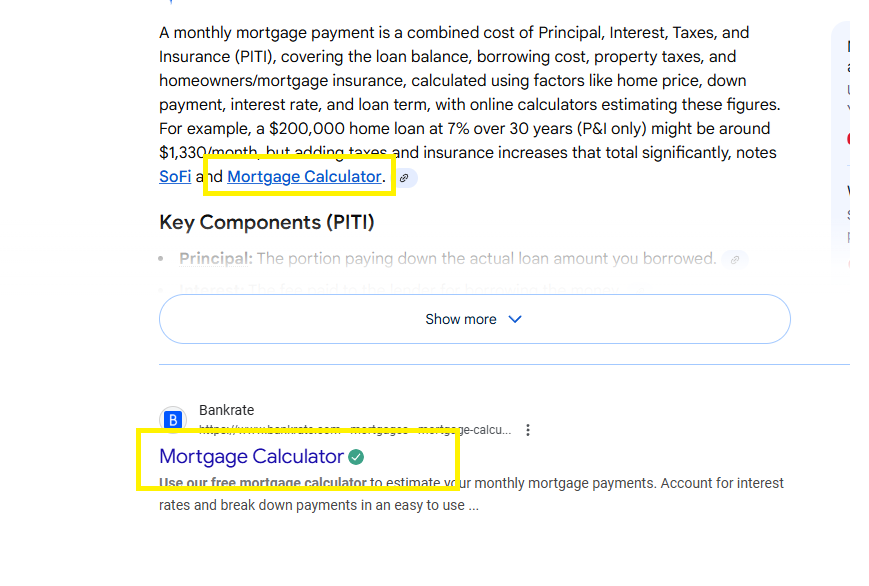
Vibe coding can create a variety of tools, from lead generation calculators to interactive content that increases website engagement. The key is to build tools that fill existing gaps, providing unique and useful solutions.
For instance, I developed an AI-powered accounting ROI calculator, a tool that couldn’t be easily replaced by Google’s direct answers. This not only helps the target audience but also boosts SEO efforts by encouraging repeat visits.
A 7-step vibe coding process for search marketers
I’ve found that following a structured workflow is crucial when using vibe coding. This includes thorough research, creating a content spec document, and iterating designs before functionality.
These steps ensure a comprehensive approach, allowing for prompt testing and deployment. Updating documentation at each milestone helps in managing future updates or revisions.
The dark side of vibe coding and important watchouts
While powerful, vibe coding tools come with risks. Security and compliance issues, price creep, and technical debt are concerns that require careful attention.
Always ensure security reviews and keep track of costs as projects evolve. Monitoring these risks can make vibe coding a reliable tool rather than a complicated headache.
Vibe coding is your competitive edge
In this evolving landscape, vibe coding gives us the ability to build unique digital experiences. It’s a skill set that empowers us to thrive, helping create meaningful, interactive content that stands out in the crowded search environment.
Embracing vibe coding not only promotes strong client partnerships but also equips us to adapt to new search realities, making it a pivotal skill for future success.