Category: ChatGPT

  • ChatGPT Ads: Bridging the Gap Between SEO and Paid Media

    ChatGPT Ads: Bridging the Gap Between SEO and Paid Media

    ChatGPT ads are reshaping the landscape, merging the once distinct worlds of SEO and paid media through prompt intelligence, fanout keywords, and LLM visibility.

    For years, our focus has been split between optimizing for SEO and paid media. The questions were always the same: Who controls the keyword? Who deserves the budget? Who can prove ROI more convincingly?

    Traditionally, SEO focused on organic rankings, while paid media honed in on auctions. They each aimed for visibility on the same search results page but functioned under different motivations and systems.

    Now, with the advent of ChatGPT ads, that distinction is fading. The divide between organic and paid is not only blurred—it’s being dismantled by conversational AI.

    The new battleground for visibility isn’t the SERP; it’s the prompt. The convergence of PPC and SEO is happening within ChatGPT ads.

    Keywords have always been the foundation of search marketing, shaping bidding strategies, landing page optimization, and attribution modeling.

    In contrast, generative AI thrives on multi-variable, intent-driven prompts. General terms like “Best CRM” evolve into nuanced queries like “What’s the best CRM for a B2B SaaS company under 50 employees?”

    Such prompts encapsulate richer context and specificity, unlike traditional keyword research which often simplifies complex inquiries to fit SERP strategies.

    When ChatGPT ads appear under its contextual answers rather than next to a search term, everything changes.

    ChatGPT ads are unique in their structure, as they appear beneath AI-generated responses, clearly labeled as “Sponsored,” and don’t manipulate the AI’s answers. They focus on context and the user’s session.

    This is not merely a keyword auction strategy. It’s about aligning context within a conversational user experience. This affects us as marketers by emphasizing the importance of enriched intent and context, requiring tight coordination of SEO and PPC at the prompt level.

    Leveraging prompt intelligence becomes crucial in this new demand capture environment, raising the question: Which prompts should we prioritize?

    ```json
{
  "alt": "The CapmatchOne logo with a gradient circle and bold text.",
  "caption": "Discover innovation with the CapmatchOne logo, featuring sleek typography and a modern gradient circle.",
  "description": "The CapmatchOne logo features bold, modern typography coupled with a gradient circle, symbolizing connection and innovation. The sleek design conveys a sense of progress and creativity. This image can be used for branding or promotional purposes, appealing to audiences interested in innovative solutions and forward-thinking designs."
}
```

    The solution lies not in traditional tools like Google Search Console or Keyword Planner, but in analyzing LLM performance, which SEO teams have been doing in recent months.

    We can jumpstart a ChatGPT ads strategy by examining high-performing LLM prompts, understanding when our brand appears, the types of prompts we want to be part of, and the most cited use cases.

    This process reveals fanout keywords, the new long-tail indicators embedded within prompts, like in the query “Best CRM for B2B SaaS startups with under 50 employees that integrates with HubSpot.”

    Traditional tools target root terms, but fanout keywords highlight specifics like “SaaS startups with under 50 employees” or “HubSpot integration.” They offer layered quality, uncovering underserved audiences and potential gaps in paid strategies.

    Aligning these fanout keywords with paid strategies is crucial. By auditing our paid coverage, we can ensure we address these nuanced variants and don’t overly rely on base keywords.

    The opportunity lies where organic LLM visibility and paid gaps meet. Frequently appearing conversationally in responses without targeting paid ads around that intent is missing out on additional demand.

    Optimizing landing pages is another overlooked area. Traditionally, SEO and PPC teams have driven traffic to the same pages, optimizing them based on different criteria, but this won’t suffice with conversational AI.

    To reduce conversion friction, our landing pages must reflect the nuanced specifics of prompts, allowing deeper engagement with tailored content and conversational phrasing.

    By improving landing page clarity, we boost both conversion and the likelihood of LLMs recognizing and appropriately surfacing our brand, forming a crucial feedback loop between SEO and paid strategy.

    In the realm of conversational AI, the once distinct worlds of SEO and paid are now intersecting, requiring us to think in systems rather than channels. ChatGPT ads highlight this shift, showing that AI isn’t just influencing search methods—it’s redefining growth strategy.


    Inspired by this post on Search Engine Land.


    crushpress.ai community screenshot
  • Master AI Search: Embrace Inclusion Over Top Positions

    Master AI Search: Embrace Inclusion Over Top Positions

    I’ve been thinking a lot about the key performance indicators (KPIs) for AI search, and it’s time to shift our focus a bit.

    Lately, I’ve noticed many SEO experts on platforms like LinkedIn and during conferences discussing the idea of “ranking No. 1 on ChatGPT,” equating it to securing the top spot on Google.

    On Google, being first is often like striking gold.

    Moving from the second to the first position on Google can supercharge your traffic and conversions, sometimes by 100%-300%.

    However, this isn’t necessarily true with AI-generated responses, primarily because these responses are subject to constant change.

    Our research indicates that AI users evaluate an average of 3.7 businesses before making a choice.

    ```json
{
  "alt": "Social media post discussing wasted money on ChatGPT ranking study.",
  "caption": "Spending $3,000 to track ChatGPT rankings revealed unexpected complexities and randomness.",
  "description": "A social media post describes a $3,000 expenditure to track company rankings using ChatGPT, Claude, and Google AI. The study involved 2,961 identical prompts, showing extensive randomization, with less than a 1 in 100 chance of obtaining the same brand list twice. Highlighted is a specific case of a hospital appearing in 97% of responses but ranking #1 only 36% of the time, emphasizing the unpredictability of the results."
}
```

    Thus, appearing first in ChatGPT’s results isn’t as crucial as it is in Google’s search results.

    Given this scenario, our AI strategy should prioritize “being part of the consideration set” over being the first mention and focus on what AI communicates about us.

    In the past months, my team has devoted over 100 hours observing how people use ChatGPT and Google’s AI Mode for finding services.

    What became clear quickly is that user behavior on AI search platforms is distinctively different from that on Google, beyond just the use of natural language versus keyword searches.

    Surprisingly, about 75% of observed sessions still involved keyword searching.

    ```json
{
  "alt": "Bar chart showing number of businesses checked in ChatGPT with values ranging from 1 to over 10.",
  "caption": "Discover the frequency of businesses being checked in ChatGPT. This bar chart visualizes the engagement across different search counts.",
  "description": "This image depicts a bar chart illustrating the number of businesses checked in ChatGPT, ranging from 1 to over 10. The y-axis represents the number of searches, with figures reaching up to 50. The background is a dark red, and the study is conducted by Sagapixel. This chart provides insights into how frequently businesses are queried in ChatGPT, making it essential for understanding user behavior and engagement."
}
```

    A significant difference is that AI search results prompt users to consider more businesses than traditional organic search results.

    Comparing multiple options is more straightforward within a chat interface than through clicking multiple search result links.

    Explore further: Adapting to AI-centric search behavior

    In both Google’s AI Mode and ChatGPT, users typically consider 3.7 businesses from the results shown.

    This significantly affects the importance of being the top result and elevates the value of other positions, as 75% of users also review businesses listed from positions 2 to 8.

    ```json
{
  "alt": "Google search results for 'Fractional CMO,' showing articles and discussions about fractional chief marketing officers.",
  "caption": "Curious about fractional CMOs? Discover insights and opinions on this unique role in the marketing world through these Google search results.",
  "description": "The image displays Google search results for 'Fractional CMO,' highlighting various articles from websites like Chief Outsiders, CMOx, and discussions on Reddit. Fractional CMOs are senior marketing executives working on a part-time or contract basis, offering strategic direction. The search results also include a 'People also ask' section with common questions about fractional CMOs. Keywords: Fractional CMO, marketing, search results, Google."
}
```

    Ultimately, what drives conversions isn’t solely your position in that list.

    These aren’t traditional rankings; they’re more akin to recommendations which might change in order or format, underscoring AI’s probabilistic nature.

    AI chat interfaces allow users to scan and assess more options feasibly than Google search results do.

    If a user is evaluating fractional CMO options, it’s more work through Google Search than ChatGPT.

    In Google’s results for “fractional CMO,” only two appear above the fold, each requiring click-through to view their full details.

    ```json
{
  "alt": "Text discussing benefits of hiring a fractional CMO for franchise growth, listing six fractional CMO firms.",
  "caption": "Discover how hiring a fractional CMO can drive your franchise's growth with strategic marketing leadership, and explore top firms offering these services.",
  "description": "The image contains text about hiring a fractional Chief Marketing Officer (CMO) for a home care company starting to franchise. It explains the benefits of hiring a fractional CMO, including strategic marketing planning, brand development, and lead generation. It lists six fractional CMO firms: Fractional CMO, Chief Outsiders, Magnetude Consulting, GoFractional, Authentic (Fractional Leadership), and Chameleon Collective, detailing each firm's offerings. This guide helps in understanding how fractional CMOs can enhance your franchise's growth strategy without long-term commitments."
}
```

    Contrast that with ChatGPT, where the model offers eight options with concise descriptions.

    This convenience makes it easier to make informed choices.

    We need to ensure that what the model says about us aligns with our message.

    Many marketers prioritize rankings and traffic but overlook messaging and positioning.

    Our study shows approximately 60% of users finalize their decisions based solely on AI responses without further exploring the business’s website or using Google.

    ```json
{
  "alt": "The CapmatchOne logo with a gradient circle and bold text.",
  "caption": "Discover innovation with the CapmatchOne logo, featuring sleek typography and a modern gradient circle.",
  "description": "The CapmatchOne logo features bold, modern typography coupled with a gradient circle, symbolizing connection and innovation. The sleek design conveys a sense of progress and creativity. This image can be used for branding or promotional purposes, appealing to audiences interested in innovative solutions and forward-thinking designs."
}
```

    To enhance conversion, we must deliver the correct message and ensure the AI conveys it accurately.

    For instance, even if Dr. Lanciano is the best in glaucoma care, if the AI promotes Ravi D. Goel and Bannett Eye Centers, users might lean towards them if that suits their needs.

    This reaffirms that appearing last doesn’t negate conversion opportunities if the AI message resonates well, unlike traditional search.

    Visibility alone doesn’t bring in revenue; conversions do, and these happen when prospects perceive your solution as a fit.

    Explore further: Measuring AI search visibility impact

    ```json
{
  "alt": "List of ophthalmologists and eye care services in Merchantville and South Jersey area with map.",
  "caption": "Discover top ophthalmologists and eye care services in Merchantville and South Jersey. Find expert care for eye diseases, surgeries, and comprehensive exams. Explore detailed listings and map for easier navigation.",
  "description": "This image provides detailed listings of ophthalmologists and eye care services in the Merchantville/South Jersey area. Featured are board-certified ophthalmologists such as Ravi D Goel, MD, and clinics like Kresloff Eye Associates. The services include diagnosis and treatment of eye diseases, surgical care, and comprehensive exams. Additionally, the image details optometry and referral support services, emphasizing ease of access to specialized care. A map at the bottom aids in locating these services, ensuring accessibility and convenience for patients seeking eye care solutions."
}
```

    We’re still approaching AI search through the SEO lens where top positions generate the most traffic, but this isn’t the case in AI-driven searches.

    AI interactions involve evaluating multiple options with each query changing response dynamics considerably.

    Thriving in AI search means being part of the consideration set and being described appealingly.

    It’s vital to appear on the list but more critical how you are presented since that’s what influences decisions.

    In essence, SEOs need to act like copywriters and salespeople to drive meaningful results.

    Explore further: Is SEO a brand or performance channel? It’s both now


    Inspired by this post on Search Engine Land.


    crushpress.ai community screenshot
  • Mastering Persona GPTs: Boost Your SEO with Targeted Insights

    Mastering Persona GPTs: Boost Your SEO with Targeted Insights

    In my ideal world, reaching out to a top customer for feedback on a piece of content would be a breeze. However, the reality is often different—conducting audience interviews can be both challenging and time-consuming, especially when I’m crafting a new topic or refining an existing one.

    A few years back, content marketing was a simpler game—just focus on keyword intent and excellent content to capture clicks from Google’s top search results. Now, in the AI-driven era, the stakes and expectations have evolved significantly.

    Audience research has now become a non-negotiable aspect of my strategy. Sadly, not every company has the resources to carry it out effectively.

    ```json
{
  "alt": "The CapmatchOne logo with a gradient circle and bold text.",
  "caption": "Discover innovation with the CapmatchOne logo, featuring sleek typography and a modern gradient circle.",
  "description": "The CapmatchOne logo features bold, modern typography coupled with a gradient circle, symbolizing connection and innovation. The sleek design conveys a sense of progress and creativity. This image can be used for branding or promotional purposes, appealing to audiences interested in innovative solutions and forward-thinking designs."
}
```

    To bridge this gap, I’ve learned to create custom GPTs in ChatGPT that draw on my persona research. While these don’t entirely replace traditional audience research methods, they certainly help me pinpoint gaps or discrepancies in my content quickly.

    Let me share how GPTs work, so you, too, can employ them for audience research.

    ```json
{
  "alt": "User interface with 'My GPTs' text and a 'Create' button on a dark background.",
  "caption": "A sleek UI design showcasing the 'My GPTs' feature alongside a prominent 'Create' button.",
  "description": "The image features a digital user interface with the text 'My GPTs' next to a plus sign, indicating the ability to create or add new content. The design uses a minimalist dark theme, enhancing the visibility and emphasis on the interactive 'Create' button. Ideal for tech or software presentations, the image highlights functionality and modern design aesthetics."
}
```

    Perform Audience Research

    With the SEO scene constantly shifting, audience research is my strongest ally in understanding the motivations behind search intent.

    Here’s a rundown of some intuitive methods and tools I’ve found useful for getting started with research:

    ```json
{
  "alt": "Text explaining the role of Hank Haul as a B2B persona in transport and construction.",
  "caption": "Meet Hank Haul, the B2B persona set to revolutionize the heavy equipment transport sector with grounded feedback.",
  "description": "This image contains text about Hank Haul, a B2B persona developed to represent clients in the heavy equipment transport and construction industry. It highlights Hank's role in providing realistic interactions and feedback. Designed for Heavy Haulers, Hank embodies the typical client in oversize load logistics. Key elements include heavy equipment, client representation, and logistics."
}
```
    • SparkToro: By exploring websites, interests, or specific URLs, I can segment audience types, whether I’m looking for an overview or diving deeper.
    • Review Mining: I use various tools to automate the scraping of reviews about my company or competitors, which I then analyze to understand customer likes, dislikes, and their reasons.
    • Listening to Calls/Review Leads: An invaluable resource, listening to customer interactions with my sales team gives me real-time insight into their questions and what prompted their calls.

    Dig deeper: How to do audience research for SEO

    Create a Customer Persona

    After completing my research, I build a persona to represent my target audience. Tools like Figma and FigJam are invaluable for this task.

    ```json
{
  "alt": "Text describing Hank's behavior in chat and purpose in GPT simulation.",
  "caption": "Meet Hank: A GPT that offers grounded, practical feedback while testing service strategies.",
  "description": "This text describes Hank's chat persona as grounded and practical, offering feedback on timing, cost, and communication. Hank values directness and rewards vendors who deliver on promises without drama. The GPT simulates Hank Haul to help teams test messaging, pricing, and customer trust strategies for Heavy Haulers, ensuring communication feels real and useful without claiming to be real."
}
```

    The personas I create include:

    • Names, biographies, and trait sliders.
    • Their interests, influences, goals, and pain points.
    • User stories and emotional journeys.
    • Content focus, trigger words, and calls to action (CTAs).
    • Complete customer journey steps.
    • Supporting data from reviews.

    Create a Custom GPT of Your Persona

    With my persona research complete, I proceed to create a GPT. Here’s how I do it step-by-step:

    ```json
{
  "alt": "Conversation starters including questions on quote layout, sales message trust, and call-to-action.",
  "caption": "Explore these conversation starters to ignite engaging discussions on design, trust, and effective calls-to-action.",
  "description": "This image features a list of conversation starters aimed at provoking thought and discussion. The starters include questions like 'How would you respond to this quote layout?', 'Does this sales message build trust?', and 'Would this call-to-action make you click?'. Each item has an 'X' button on the right for removal. The image is ideal for discussions on design elements, marketing strategies, and user interaction, providing insights into crafting effective messages."
}
```

    I start by logging into ChatGPT and heading to Explore GPTs from the sidebar. In the corner, I click on Create.

    ChatGPT - Create

    There, I prompt ChatGPT using the data from my audience research, sometimes embedding screenshots for clarity.

    ```json
{
  "alt": "Image featuring a website layout with cranes, emphasizing catastrophic recovery shipping services with contact information.",
  "caption": "Looking for trusted catastrophic recovery? This website's design assures with a real-world crane visual, clear contact details, and strong social proof.",
  "description": "The image displays a website section highlighting a company specializing in catastrophic recovery shipping services. The header emphasizes 'Trusted Catastrophic Recovery Shipping Services' with a backdrop of cranes indicating real recovery operations. The design includes a prominently displayed contact phone number and ratings, offering immediate accessibility and reliability. The layout provides social proof, crucial for building trust with potential clients in need of urgent, high-stakes services."
}
```
    ChatGPT - Hank persona

    Once the GPT is set up, I can engage with it under the Configure tab, using conversation starters to explore changes and updates.

    ChatGPT conversation starters

    Although these GPTs aren’t perfect substitutes for real-life audience surveys, they provide swift feedback on content alignment and gaps.

    ```json
{
  "alt": "Text discussing decision-making hesitations in emergency transport services.",
  "caption": "Examining decision-maker hesitations in emergency transport solutions, focusing on clarity, operational specifics, and trust signals.",
  "description": "This text outlines concerns in decision-making for emergency transport services. It highlights areas needing clarity like defining 'catastrophic recovery,' suggests operational specifics over generic messages, and discusses buried trust signals. Key points include clarifying services offered, emphasizing 24/7 operational capabilities, and ensuring trust through proven experience. Keywords: decision-making, emergency transport, catastrophic recovery, trust signals."
}
```

    For instance, GPT “Hank” assisted in refining an above-the-fold section to ensure it met its intended goal.

    GPT Hank 1
    GPT Hank 2
    GPT Hank 3

    While I don’t always take “Hank’s” advice word for word, his feedback is invaluable when time is of the essence.

    ```json
{
  "alt": "Text critique emphasizing professional appearance but suggesting improvement in clarity and details.",
  "caption": "Professional and credible, but could benefit from more clarity: Insights on refining communication strategies for better engagement.",
  "description": "A critique titled 'My blunt take' discusses a section that looks professional and credible, suggesting that it makes a strong impression. However, it advises refining elements like 'catastrophic recovery' to better convey details. Suggestions include defining responsibilities and pressures during emergencies, with the aim to convert more stressed potential clients who seek clarity and reassurance. The text uses a conversational tone and constructive feedback to guide improvements."
}
```

    Dig deeper: 7 custom GPT ideas to automate SEO workflows

    Ensure Data from Your GPT is Accurate

    AI-generated analysis isn’t definitive. If you’re skeptical of GPT’s accuracy, confirm its claims by checking the evidence drawn from the data you provided.

    ```json
{
  "alt": "Text discussing how persona data supports conclusions with evidence-based mapping for Hank Haul's traits.",
  "caption": "Exploring the Alignment between Persona Data and Messaging: How Hank Haul Needs Clear, Direct Communication.",
  "description": "The image contains a detailed analysis linking persona data to effective messaging. It emphasizes Hank Haul's traits, such as being a direct communicator, time-starved, and risk-averse. The text discusses how these characteristics align with the need for clarity rather than implicit meanings. Keywords include persona analysis, communication, and audience alignment."
}
```
    GPT Hank - data accuracy

    The GPT can revise itself when errors are found; just ask for corroboration from the persona data.

    Update Your Persona-Based GPT

    My GPT is never static. I enhance it with more data for greater effectiveness.

    ```json
{
  "alt": "Profile of Hank Haul, a heavy hauling B2B buyer persona.",
  "caption": "Meet Hank Haul, the go-to persona for understanding the needs of tough and detail-driven heavy hauling B2B buyers.",
  "description": "This image features the profile card for Hank Haul, a persona designed to represent heavy haulers in the B2B market. Known for being tough and time-starved, Hank is detail-focused, making him an ideal model for understanding the target audience's buying behavior. The card indicates access to multiple chats and a link for sharing. The persona is a resource for companies aiming to tailor their strategies towards heavy hauling buyers, emphasizing the unique characteristics and demands of this segment."
}
```

    Returning to ChatGPT’s Explore GPTs, I access My GPTs to update my persona.

    GPT Hank Haul

    By clicking on Configure, I can add, adjust, or remove persona details. This constant updating ensures relevance as I learn more about my audience.

    ```json
{
  "alt": "Screenshot of a persona creation platform featuring Hank Haul, a heavy hauling B2B buyer persona.",
  "caption": "Meet Hank Haul: Your go-to B2B persona for heavy hauling solutions. Dive into realistic interactions and feedback to enhance your strategies.",
  "description": "This image shows a screenshot from a persona creation platform featuring Hank Haul, a B2B persona designed to simulate the role of a heavy hauling buyer. The persona aims to provide realistic feedback in the logistics and transport industry, particularly in the oversize load segment. The interface includes sections detailing Hank's attributes, instructions on usage, examples of conversation starters, and uploaded files. This tool is tailored for developing effective communication strategies with clients in heavy equipment transport."
}
```
    GPT Hank Haul configuration

    A persona is always evolving, so the more I learn, the better my GPT becomes.

    Leverage Persona GPTs for SEO Content

    Though not foolproof, GPTs and AI-generated personas are helpful allies in optimizing content.

    Once comfortable, I begin creating personas for wider audiences, niche segments, or particular campaigns.

    In the ever-shifting landscape of SEO and marketing, I can’t afford to be complacent. As audience insights and intentions evolve, I ensure my GPT remains relevant by updating and pruning irrelevant details.

    When used correctly, these tools are powerful companions to SEO efforts, channeling traffic and boosting conversions.


    Inspired by this post on Search Engine Land.


    crushpress.ai community screenshot
  • Boosting B2B Visibility: How to Shine in AI-Driven Vendor Searches

    Boosting B2B Visibility: How to Shine in AI-Driven Vendor Searches

    B2B buyers are increasingly turning to ChatGPT when conducting vendor research, and I’ve discovered how essential it is for B2B companies like mine to stand out in this AI-powered landscape.

    As I navigate this digital revolution, I focus on building visibility in AI search to ensure my business is consistently recommended during the buying process. Here’s how I’ve approached it and why it’s vital.

    In today’s world, mastering the art of AI Search Optimization is not just beneficial; it’s necessary. By integrating key strategies into my B2B marketing plan, I’ve learned how to effectively leverage AI tools to stay ahead in the competitive marketplace.


    Inspired by this post on genmark.ai Blog.


    crushpress.ai community screenshot
  • Boost Your Brand’s Visibility in ChatGPT Searches

    Boost Your Brand’s Visibility in ChatGPT Searches

    Every day, millions turn to ChatGPT for answers, but have you noticed your brand isn’t included in those results? I’ve been there, wondering why my brand isn’t gaining visibility and how to change that. If you’re like me and want to understand what’s happening, I’ve gathered the seven main reasons why ChatGPT might be ignoring your brand.

    Understanding these reasons is the first step to making a change. You’ll learn specific steps to enhance your visibility in AI searches, and I can tell you from experience, it’s worth the effort.

    Perhaps you’re wondering: what can I do to ensure my brand stands out? Don’t worry, I’m here to guide you through actionable strategies for gaining prominence in AI search results.


    Inspired by this post on genmark.ai Blog.


    crushpress.ai community screenshot
  • Discover Which Social Platforms Enhance AI Visibility

    Discover Which Social Platforms Enhance AI Visibility

    As I delve into the intriguing world of AI visibility, I’ve noticed an intriguing trend. While ChatGPT effectively references Reddit threads, YouTube channels, and LinkedIn profiles, it seems to bypass X/Twitter entirely. This observation piqued my curiosity: which social platforms truly matter in the spotlight of AI?

    Through my exploration, I’m uncovering the essential roles these platforms play in shaping AI’s presence and influence. Reddit stands out with its vibrant discussions, YouTube captivates with visual content, and LinkedIn provides a professional touch. The absence of X/Twitter raises questions about its impact on AI’s digital journey.

    By understanding these dynamics, I aim to paint a clearer picture of how AI tools, such as ChatGPT, navigate and cite social media for enhanced visibility. Join me as I dig deeper into these platforms, shedding light on the evolving landscape of AI awareness.


    Inspired by this post on Try Profound Blog.


    crushpress.ai community screenshot
  • Plan Your AI Search Budget for Maximum Visibility

    Plan Your AI Search Budget for Maximum Visibility

    When it comes to navigating the world of AI search, I’ve found that understanding AEO costs and pricing models can make a big difference in gaining visibility across platforms like ChatGPT, AI Overviews, and answer engines. This budget planner is designed to break down those costs and guide you on where to invest wisely.

    As I delve into the specifics of AEO, I’m learning how crucial it is to take into account different pricing models. They don’t just affect the budget but also influence where and how resources should be spent to optimize search outcomes.

    I’m excited to explore the strategies that enhance visibility in AI-powered platforms. This process not only boosts my understanding but also equips me with the necessary tools to allocate my budget more effectively, ensuring my efforts in AI search yield the best results.


    Inspired by this post on HiGoodie Blog.


    crushpress.ai community screenshot
  • Discover How ChatGPT Leverages Web Citations Effectively

    Discover How ChatGPT Leverages Web Citations Effectively

    I recently delved into an intriguing analysis of 700,000 ChatGPT conversations that included web citations from the fourth quarter of 2025. The insights were fascinating!

    One key finding is that most citations are captured right in the first turn. It’s interesting how Wikipedia emerges as the go-to knowledge source, while other references tend to cluster around specific topics.

    This shift in how citations are managed should definitely grab the attention of marketers. Understanding this new citation economy could reshape strategies significantly. Let’s dive deeper into what these changes mean for us in the marketing world.


    Inspired by this post on Try Profound Blog.


    crushpress.ai community screenshot
  • Understanding ChatGPT Ads: Behavior Over Targeting

    Understanding ChatGPT Ads: Behavior Over Targeting

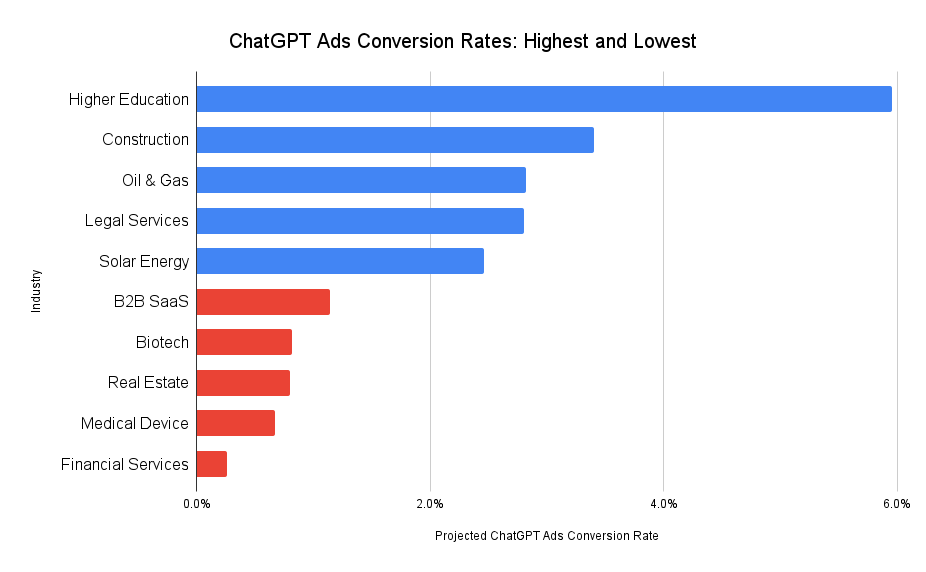
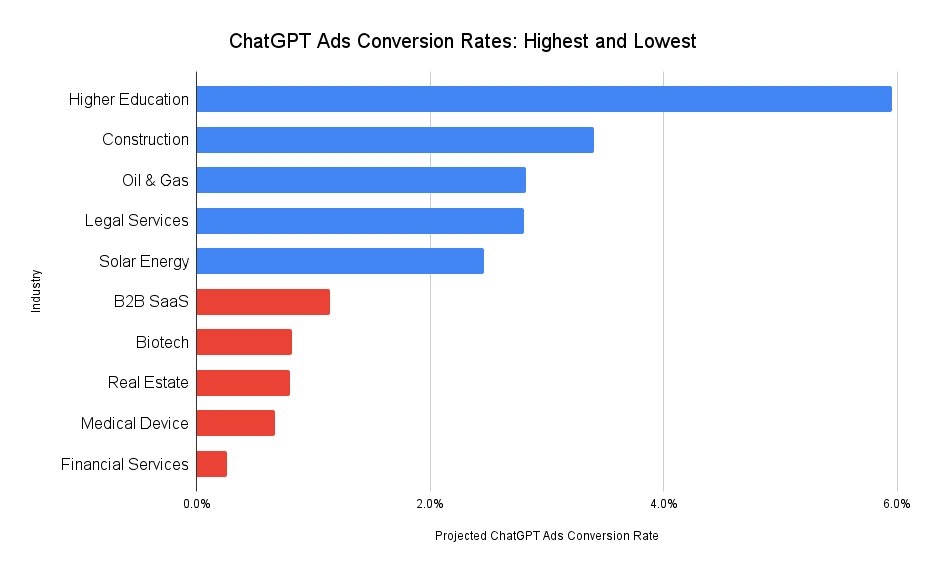
    Ads in ChatGPT signify a major transition from focusing on keyword intent to understanding user behavior. This evolution changes how we approach relevance, creativity, and performance measurement.

    Currently, ads are being tested in ChatGPT in the U.S., appearing to various users across different account types. For the first time, we see advertising stepping into an AI environment designed for answering queries, which fundamentally changes the game for marketers like me.

    AI has been an integral part of ad creation and planning across platforms like Google and LinkedIn for years. However, placing advertisements inside an AI that people trust to assist with thinking, decision-making, and actions is a completely new challenge. It’s not just another channel in our existing media strategy.

    The primary concern for us isn’t targeting, but understanding psychology. Replicating strategies successful in search or social may lead to disappointing performance or even damage trust.

    To thrive, brands must comprehend why users engage with ChatGPT, and what implications that has for capturing attention and enhancing the customer journey.

    ChatGPT is a Task Environment, Not a Feed

    When people use ChatGPT, they have a purpose. Whether it’s:

    • Solving a specific problem.
    • Refining a shortlist.
    • Planning a trip.
    • Writing something.
    • Making sense of a complex decision.

    Unlike feed-based platforms, where users passively scroll and consume content, ChatGPT users are goal-oriented.

    In such a task-centered environment, behavior shifts:

    • Goal shielding: Users focus narrowly on finishing tasks, filtering out distractions that don’t contribute.
    • Interruption aversion: When focusing, unexpected distractions feel more annoying.
    • Tunnel focus: Clarity and speed take priority over exploration.

    This means gaining clicks will be more challenging than some advertisers might anticipate. If ads don’t assist users in progressing their tasks, they’ll seem irrelevant, no matter how topically aligned they might be.

    Considering trust in AI is still being established, tolerance for distracting ads is particularly low.

    Dig deeper: OpenAI moves on ChatGPT ads with impression-based launch

    Behavior Over Search Volume: Designing a Strategy for ChatGPT

    Traditionally, search volume has directed our planning.

    Keywords informed us about what users sought, how often, and the level of demand competition. This framework informed both SEO and paid media strategies.

    However, ChatGPT changes this model. Instead of searching for keywords, users describe situations, ask detailed questions, and pursue outcomes beyond mere information.

    Without query data to optimize, our success depends on understanding:

    • The task the user aims to complete.
    • The journey stages they’re outsourcing to AI.
    • The specific help they need at that moment.

    This is where behavioral insights replace keyword demand as the foundational strategy.

    Transitioning from Keyword Intent to Behavioral Targeting

    Instead of centering our plans around queries, we should focus on behavior modes, representing the mindset of users when they turn to ChatGPT.

    We can consider these modes as follows:

    • Explore mode: Users seek inspiration or shape a perspective.
    • Ads here should ignite ideas, offer options, or reframe the problem.
    • Reduce mode: Users aim to narrow choices effectively.
    • Ads should clarify differences, simplifying decisions.
    • Confirm mode: When users want reassurance, trust trials such as reviews or guarantees matter most.
    • Act mode: Users aim to complete the task, so ads that eliminate friction, like clear pricing, will succeed.

    These modes correspond with recognized human drivers in search behavior: forming perspectives, informing, reassuring, and simplifying. ChatGPT condenses these moments into one interface.

    Dig deeper: What AI means for paid media, user behavior, and brand visibility


    In ChatGPT, Relevance is About Utility

    The key shift is that relevance in ChatGPT is not merely about a match but about functionality.

    An ad can align with a category but still fall short if it doesn’t help users with their tasks. Anything creating extra work or that distracts from goals feels frustrating in a task environment.

    High-performing ads are likely to act less like traditional ads, and more like:

    • Tools.
    • Templates.
    • Guides.
    • Checklists.
    • Shortcuts.
    • Decision aids.

    Such ads integrate seamlessly into user workflows.

    Generic brand ads, mere awareness messages, and content serving as detours are likely to underperform.

    Dig deeper: Your ads are dying: How to spot and stop creative fatigue before it tanks performance

    Helpful Content Bridges Channels

    The assets that create compelling ChatGPT ads—guides, frameworks, and reassurance-focused content—do more than boost paid performance. They enhance authority for SEO, earn media coverage for digital PR, and strengthen brand trust across social and owned channels.

    Here, silos can break performance.

    Paid media teams cannot create “helpful ads” in isolation while SEO focuses on authority, PR works on trust signals, and brand teams shape voice independently. AI-driven discovery blends these signals.

    The best-performing ads may rely on:

    • Brand voice for consistency.
    • Trusted voice from reviews, experts, or validation.
    • Amplified voice through media coverage and authority.

    The line between advertising, content, and credibility is increasingly blurred.

    Rethinking Measurement

    Evaluating ChatGPT ads purely on click-through rates risks missing their broader influence. These ads might sway decisions without triggering immediate clicks, aiding in brand recall or re-entry through different channels.

    More significant indicators might include:

    • Shortlist inclusions.
    • Brand recall.
    • Assisted conversions.
    • Branded search increases.
    • Direct traffic improvements.
    • Conversion boosts further down the line.

    This underscores the need for cross-department collaboration. If performance spans the customer journey, so too must measurement and accountability.

    Dig deeper: AI tools for PPC, AI search, and social campaigns: What’s worth using now

    Winning Brands Master Behavior

    This is not just a new ad format; it’s a shift in behavior. Brands that succeed will deeply understand:

    • What people use ChatGPT for.
    • Journey stages being shifted to AI.
    • How to support these moments without losing trust.

    We should revisit jobs-to-be-done thinking, mapping actions leading up to a purchase, inquiry, or commitment, and identify where AI reduces effort, uncertainty, or complexity.

    This approach empowers us to ask, not simply, “how do we advertise here?” but “how can we be genuinely helpful when it counts most?”

    Adopting this mindset will not only shape performance in ChatGPT but influence the broader future of AI-led discovery, where understanding behavioral intent will surpass the old focus on keywords.


    Inspired by this post on Search Engine Land.


    crushpress.ai community screenshot
  • Explore ChatGPT’s Costly Ads: Visibility at a Premium

    Explore ChatGPT’s Costly Ads: Visibility at a Premium

    I’ve noticed that OpenAI is introducing premium-priced ads on ChatGPT, but here’s something interesting: the data provided to advertisers is significantly limited compared to what we’re used to.

    What’s happening. Reports indicate that OpenAI is offering ChatGPT ads at around $60 per 1,000 impressions. That’s about three times the rate of standard Meta advertisements! Yet, even with this higher cost, advertisers only receive basic metrics like total impressions or clicks, without insight into actions like purchases.

    Why we care. ChatGPT is becoming a fresh, highly engaging ad space, but it’s not without its challenges. The hefty CPMs and limited insights mean that early advertising efforts will lean more toward enhancing brand presence and gathering learnings than achieving performance-driven efficiency.

    For marketers who are open to trying new avenues, this presents a unique chance to gain insights into how ads function within AI-driven conversations before the format becomes more widespread or measurable.

    The tradeoff. OpenAI is contemplating expanding its measurement capabilities in the future, yet it remains committed to user privacy. It has pledged not to sell user data or invade the confidentiality of conversations, which limits traditional targeting and attribution possibilities that platforms like Google and Meta offer.

    Who will see ads. Initially, these ads will be available to those using ChatGPT’s free and lower-cost Go tiers, but won’t be shown to users under 18 or in conversations concerning sensitive topics like mental health or politics.

    Between the lines. OpenAI is branding ChatGPT ads as a top-tier, trustworthy product, banking on the idea that context, focus, and brand safety can validate the higher pricing, despite the lack of detailed performance data.

    Bottom line. Brands eager for prominent visibility in a cutting-edge AI-driven environment may find ChatGPT ads appealing, but those focused on performance metrics might hesitate due to the absence of detailed measurement.

    Dig deeper. OpenAI Seeks Premium Prices in Early Ads Push (Subscription needed)


    Inspired by this post on Search Engine Land.


    crushpress.ai community screenshot