I’ve noticed that Google Ads tends to produce the same results repeatedly, no matter how much money I invest. This pattern stems from the system being trained by my consistent actions over time.
Previously, achieving success in paid searches was all about optimizing. I would adjust bids, restructure campaigns, refine match types, and add negatives, directly impacting performance.
While this method remains standard for many, during audits, these accounts often appear well-managed on paper—active management, matched targets, proper ROAS. Yet, their performance seems stuck.
Google Ads now builds upon the signals I’ve reinforced. Hearing phrases like “That didn’t work” usually indicates that minor changes didn’t override the ingrained patterns.
What many advertisers call optimization is actually training, and if I’m not careful, I might teach it the wrong lessons.
Why Isolated Optimizations Don’t Work Anymore
The current environment features Smart Bidding, Performance Max, and modeled conversions. These systems learn cumulatively rather than resetting at each change.
If I change my ROAS target today, it won’t wipe away months of established patterns. Shutting down a new campaign prematurely can mark such volatility as something to avoid.
It’s about optimizing for survival—behaviors that get funded, hit targets, and aren’t paused are what the platform focuses on.
When accounts plateau, especially under strong management, it often indicates that the system has been trained to avoid unpredictability—while that’s precisely where growth occurs.
What Training Looks Like in Google Ads
On the backend, Google Ads consistently evaluates the concept of success based on factors like conversion inclusion, valuation, and how I handle volatility.
Over time, these become the signals shaping its behavior, influencing queries, audience priorities, auction strategies, and demand exploration.
For example, if repeat customers easily hit ROAS targets but prospecting fluctuates, the system learns to prioritize what’s safe over what’s incremental.
Common Mistakes in Google Ads Training
These errors often pass for good management, but recognizing them is crucial. Here are a few I’ve noticed:
Mistake 1: Leaning on Easiest Revenue
Encouraging branded searches and repeat customers seems logical, but Google learns that predictable revenue is the ideal.
Shouldering this strategy makes incremental demand suffer as the account conservatively emphasizes what works, causing stagnation.
Mistake 2: Punishing Volatility
Responding to short-term inefficiency quickly by tightening targets or pulling budgets can send a message that exploration isn’t allowed.
This results in prioritizing stability, which eventually limits expansion and innovation, as the account simply recycles existing demand.
Mistake 3: Treating All Purchases the Same
Not all purchases are equal. When everything sends the same signal, Google defaults to what’s easiest to replicate—typically repeat purchases.
This can hinder new customer acquisition, a vital component of sustainable growth.
Intentional Training for Optimal Google Ads
Aligning Google Ads with business goals rather than just ROAS is key. Here’s my approach to intentional training that I’ve found effective:
Maintaining Efficiency Lanes
These are my accounts’ baseline revenue protectors. They include brand campaigns and high-intent terms with stable performance. These are not my growth engines.
Building Growth Lanes
Growth campaigns have broader match types and looser targets, aimed at demand expansion and new customer acquisition.
By separating growth lanes with realistic expectations, I allow them to learn even when fluctuations arise.
Changing Signals Slowly
Constantly adjusting ROAS targets can disrupt the system. I avoid weekly changes to let the data compound for broader query expansion and improved share.
Overall, it’s about accepting gradual growth rather than seeking overnight success.
Managing a Trained Google Ads System
Reflect on your management approach. If you’ve answered “yes” to questions about tightening targets quickly or pausing exploratory campaigns, it indicates your system is merely following the training it’s received.
The focus should shift from speed to thoughtful teaching, constantly evaluating what behaviors I’m reinforcing and how they align with my bigger picture goals.
If your rankings fell after Google’s March 2026 core update, the worst first move is a sitewide rewrite. This update produced unusually broad result churn, arrived immediately after a spam update, and changed which kinds of sources appeared most prominently. A blanket response can destroy the evidence you need to diagnose the loss.
Your job is to separate market-wide movement from page-specific weakness, identify what the replacement results provide that you do not, and improve the shortest path between your brand, its evidence, and the searcher’s next step. That puts diagnosis, primary-source value, the homepage, and information architecture ahead of cosmetic content refreshes.
Attribution is also unusually difficult because the core update began one day after a significant spam update ended. Most of the observed disruption appeared to come from the core update, but the overlap makes a single-cause diagnosis unreliable. Do not use “penalty” as shorthand for every decline.
Build the diagnosis at the query-page level, not from a sitewide visibility score:
Compare equivalent periods. In Google Search Console, compare the same queries and landing pages before and after the disruption. Match weekdays where possible, and exclude periods distorted by migrations, tracking failures, promotions, or unusual demand.
Separate ranking loss from click loss. If clicks fell while positions stayed broadly stable, rewriting the page may not address the cause. Inspect impressions, result composition, query demand, titles, and snippets. If impressions and positions fell together, a relevance or source-preference change is more plausible.
Check indexation before judging content. A page that is excluded, canonicalized elsewhere, blocked, or no longer rendered correctly has a technical problem. A page that remains indexed but loses to a different source type has a competitive or content problem.
Classify the replacements. Mark each new winner as an official or institutional site, a specialist source, an established brand, a dominant platform, an aggregator, a directory, or a comparison page. The pattern matters more than any one competitor.
Group losses by template and purpose. Look for concentration in comparison pages, location directories, programmatic pages, definitions, product summaries, or informational articles. A shared template usually points to a shared weakness.
Write a testable explanation. “Google dislikes us” cannot guide an edit. “Our location pages repeat third-party facts while the new winners own the locations and publish current operating details” can.
Preserve the export, affected URLs, replacement results, and your annotations before making changes. Otherwise, you will not know whether a later movement came from your work, continued volatility, or a different query mix.
Move each important page closer to the primary source
A useful working hypothesis is that the update raised the cost of being an unnecessary intermediary. The more steps between a page and the entity that owns the fact, product, job, place, clinical expertise, or dataset, the more clearly that page must justify its existence.
Ask four questions of every page that matters:
Which facts on this page does your organization own, produce, verify, or maintain?
What can the reader learn here that is not available from the original provider or from every competing summary?
Can the reader see where each consequential claim came from and when time-sensitive information was checked?
Does the page help the reader complete a decision, or does it merely restate information found elsewhere?
The right upgrade depends on the page’s role. A software page can publish version-specific instructions, working configuration examples, limitations, and maintained documentation. A data page can expose definitions, methodology, dates, and the relationship between the figures and their originating institution. A comparison can explain inclusion criteria, show the evidence behind each distinction, disclose commercial relationships, and separate observed facts from editorial judgment. A directory can verify records, link to the responsible entity, remove duplicates, and make its coverage and maintenance process visible.
Query type should influence the source you treat as authoritative. The update shifted job visibility toward employer-specific destinations, data-driven searches toward institutional sources, travel and real-estate results toward primary destinations, and health searches toward clinical and specialist material. If you operate in one of those areas, compare what the new winner directly owns with what your page merely describes. Then decide whether to add first-party value, cite the origin more clearly, narrow the page’s promise, or stop competing for an intent better served by the primary entity.
Do not mass-delete every comparison, directory, or aggregator-style page. Those formats can still solve legitimate search tasks, and deletion can remove demand, links, and useful pathways. Preserve pages with demonstrated value, upgrade pages that can become meaningfully distinctive, consolidate genuine duplicates, and remove or noindex a page only after reviewing its traffic, links, conversions, replacement URL, and role in the site architecture.
JSON-LD belongs after this content decision, not before it. Structured data can confirm visible facts and relationships; it cannot manufacture first-party authority. Keep names, canonical URLs, authorship, dates, products, organizations, and entity identifiers consistent with the page a person sees. Do not mark up credentials, reviews, services, or relationships that the visible page does not substantiate.
Turn the homepage into a verification and routing page
AI assistants can handle part of a user’s exploratory research before that person visits a website. Once persuaded that a brand belongs on the shortlist, the user may perform a branded search and arrive directly on its homepage, carrying intent that conventional analytics cannot fully explain. That makes the homepage more important as the bridge between AI-assisted discovery and the next action.
This does not mean turning the homepage into an index of every keyword. It means making the entity and its routes unmistakable. A useful homepage should let a new visitor answer these questions without interpreting internal company language:
What is this organization, and what does it provide?
Who is each main offering for?
Which route matches the visitor’s task: learn, compare, verify, buy, contact, or get support?
Where can the visitor inspect proof, documentation, methodology, expertise, policies, or case material?
What is the next meaningful action for each major audience?
Use plain labels based on user tasks. “Solutions,” “Resources,” and “Insights” can be too broad when they hide several unrelated destinations. A prospective buyer should not have to guess whether implementation details live under Services, Platform, Learn, or Company.
Information architecture carries that clarity beyond the homepage. Group related material under a parent hub, connect supporting pages to that hub, and use breadcrumbs and contextual internal links to show the relationship. Treat the ability to reach important information within three clicks as a practical audit metric, not as permission to place hundreds of links in the footer.
Run the audit from a logged-out view of the site. For every commercially or editorially important page, record its parent hub, click depth from the homepage, navigation route, breadcrumb route, relevant contextual links, and orphan status. If a priority page is difficult to reach, add a semantically appropriate path from its hub or a closely related page. A link from an unrelated global block may reduce click depth without clarifying the page’s place in the site.
Keep the entity consistent across the homepage, About page, service or product hubs, author or expert pages, contact details, and JSON-LD. Organization, WebSite, Person, and BreadcrumbList markup should describe the same names, URLs, roles, and hierarchy that the navigation and visible copy establish. When those layers disagree, adding more schema creates more ambiguity rather than more authority.
Sequence recovery work by evidence and consequence
The easiest tasks are rarely the most important ones. Changing dates, adding paragraphs, or installing another optimization tool can feel productive while leaving the actual weakness untouched. Use the observed pattern to choose the next action.
Observed signal
Likely workstream
First action
Pages are excluded, canonicalized incorrectly, blocked, or not rendered as intended
Technical SEO
Fix the affected template or directive and verify that the intended canonical page can be crawled, rendered, and indexed.
Losses cluster in secondary summaries while official or specialist pages replace them
Content and authority
Identify the facts you can own or verify, add evidence and methodology, and consolidate pages that cannot justify a separate result.
Positions remain broadly stable while clicks decline
Search-result and demand analysis
Inspect impressions, result features, titles, snippets, and query intent before rewriting the body content.
Branded discovery reaches the homepage, but visitors do not find the relevant route
Homepage and conversion architecture
Clarify the entity, audience choices, proof paths, and next actions above the deeper content layer.
One page falls while the rest of its topic cluster remains stable
Page-level relevance
Compare that page with the current winners, then repair the specific intent, evidence, or duplication gap instead of changing the whole site.
Measure each workstream with a matching indicator. Technical work should improve index eligibility and canonical consistency. Content work should restore impressions for the intended query-page pairs and reduce dependence on unverified secondary claims. Architecture work should reduce orphaning and meaningful click depth. Homepage work should improve selection of the correct audience route and the completion of its next action.
A sitewide average can hide progress. Review affected clusters separately, retain annotations for every substantial change, and compare pages with the same role. A documentation hub, product page, directory entry, and editorial comparison should not be judged by one blended benchmark.
Key takeaways
Do not interpret every March 2026 decline as a penalty. The result set experienced exceptional churn, and the core update followed immediately after a spam update.
Diagnose query-page pairs before changing templates or deleting content. Separate ranking loss, click loss, indexation problems, and changes in source preference.
Prioritize pages that own, produce, verify, or explain consequential information. An intermediary page needs a clear reason to exist.
Use the homepage to identify the entity, route major audiences, expose proof, and convert branded or AI-assisted discovery into a useful next step.
Organize important content into coherent hubs and keep it reachable through meaningful paths, ideally within three clicks.
Treat JSON-LD as a confirmation layer for visible, consistent facts. It cannot compensate for thin evidence or confused information architecture.
Start with the page that lost the most qualified visibility and still matters to the business. Put the current winner beside it and write down what that source owns, proves, or routes better than you do. That comparison should tell you whether the next task is a technical repair, an evidence upgrade, a consolidation decision, or a clearer path through the site. Apply the same method cluster by cluster instead of launching an undirected sitewide refresh.
A policy issue has affected several ads, but only some belong to campaigns you still intend to run. Sending every eligible ad back through review can pull dormant campaigns, unfinished corrections, and unrelated account history into a request that should have been narrowly focused.
Campaign-level filtering gives you a cleaner way to control that scope. The payoff is operational: you can appeal the ads that are ready now, leave stale work out, and preserve a clear queue for anything that still needs attention.
The wording can create the wrong impression. This is not a special policy ruling for a campaign as a single object. The ads remain the items being submitted for re-review; the campaign is the filter used to build the batch.
That distinction matters in a large account. A campaign can contain ads in different states: one may have been corrected, another may still need work, and an older variation may no longer serve a business purpose. Selecting a campaign is therefore a scoping decision, not proof that everything inside it is ready.
The control also does not make a weak appeal stronger or guarantee a faster policy decision. It removes unnecessary submissions from your batch. You still need to resolve the underlying policy issue and verify what you are sending.
Build an appeal batch around readiness
The safest workflow starts before you open the appeal interface. Decide which ads are ready, which campaigns matter, and what remains unresolved. That prevents the platform’s list of eligible items from becoming your de facto work plan.
Identify the policy issue you are handling. Record the displayed policy category and the affected campaigns. If several policy issues are present, keep them separate in your working notes so that one correction does not get mistaken for another.
Classify each affected ad. Mark it as corrected and ready, believed compliant and ready to contest, still under investigation, or no longer relevant. “Eligible” is a platform state; “ready” is your operational decision.
Confirm the business scope. Prioritize campaigns that are active, scheduled to return, or otherwise important. A dormant campaign should not enter the batch merely because Google permits it to be selected.
Complete the necessary corrections. Check the ad and any connected experience involved in the issue. Do not use an appeal as a substitute for an unfinished change.
Select only the ready campaigns. Use “Select eligible campaigns” to exclude legacy or unfinished campaign groups from the bulk request.
Inspect the resulting batch. Look for older variations, mixed readiness inside a selected campaign, or ads that were changed after your internal review. Campaign filtering narrows the candidates; it does not replace this final check.
Log what you submitted. Keep the policy issue, campaign names or identifiers, submission date, correction status, and owner together. Your record should make it possible to reconstruct the batch without relying on memory.
Retain an excluded-work queue. List the campaigns you intentionally left out and the action each one needs. Exclusion should mean “not ready for this batch,” not “forgotten.”
This process is especially useful when one policy issue appears across many campaigns. Instead of waiting until every historical ad is repaired, you can prepare a coherent set of current campaigns and deal with lower-priority inventory separately.
Decide which campaigns belong in the appeal
Campaign status alone is not enough. A paused campaign might be scheduled to return soon, while an enabled campaign might contain obsolete creative. Base the decision on readiness and business intent together.
Include a campaign when all of the following are true:
You still intend to use the campaign or need its affected ads reviewed.
The relevant ads have been examined against the displayed policy issue.
Required corrections are complete, or you have a clear basis for believing the ads already comply.
The person submitting the appeal can explain why this campaign is in the batch.
You have checked for older ad variations that should not be resubmitted yet.
Leave a campaign out of the current batch when any of these conditions applies:
Its ads are obsolete, experimental, or attached to an offer you no longer use.
The corrective work is incomplete or has not been verified.
The campaign contains a mixture of resolved and unresolved ads that you have not yet sorted.
You cannot tell whether the campaign has an owner or a future purpose.
It belongs to an older account structure that you do not want to reactivate or revisit now.
Do not delete historical campaigns simply to make the appeal screen easier to manage. Deletion or removal can damage the account record you may later need. The campaign selector already gives you the less destructive option: leave irrelevant campaigns outside this request and document why.
When readiness varies widely, use waves. Submit the current, verified campaigns first. Move the next group only after its corrections and internal checks are complete. This makes the scope of each request easier to understand and prevents unfinished ads from riding along with urgent work.
Avoid the mistakes that recreate account-wide clutter
Campaign filtering is useful only if you resist turning it into another version of “select everything.” Watch for these failure modes.
Treating eligibility as approval readiness. An ad appearing in the eligible set does not tell you whether your team finished the correction or whether the campaign still matters. Apply your own readiness check.
Selecting a campaign without checking its ads. Campaigns can contain old variations alongside updated ones. Inspect the batch after applying the filter.
Mixing cleanup with policy reasoning. “We edited something” is not a complete explanation of readiness. Record what issue was addressed and whether the ad was changed or is being contested as compliant.
Resubmitting dormant inventory by habit. Older campaigns add noise when their ads have not been updated. Exclude them until someone deliberately reviews them.
Assuming a smaller batch guarantees a favorable or immediate result. Filtering improves scope control. It does not change the applicable policy or determine the outcome.
Keeping no record of exclusions. A clean appeal today can create a forgotten backlog tomorrow. Give every excluded campaign a reason, owner, and next action.
Account naming conventions can make this process easier. If campaign names clearly indicate market, offer, lifecycle, or status, you can scope a request with more confidence. If they do not, use campaign identifiers and a separate appeal log rather than guessing from similar names.
Key takeaways
Campaign-level appeals are a filter for selecting eligible ads, not a campaign-wide policy judgment.
Build the batch from ads and campaigns that are operationally ready, not from everything the interface marks eligible.
Exclude stale, unfinished, and low-priority campaigns from the current request without deleting their history.
Check the selected ads after filtering because a chosen campaign can still contain mixed states.
Record both submitted and excluded campaigns so that the next appeal starts from a reliable queue.
Before your next bulk appeal, create four working labels: ready after correction, ready to contest, still investigating, and no longer relevant. Select campaigns only after every affected ad has one. That small gate turns campaign filtering from a convenient button into a dependable policy workflow.
If conversions are rising while lead quality, margin, or inventory health is falling, do not start by tightening bids. Your PPC system may be doing exactly what you asked it to do, just not what the business needs.
That gap can be dramatic. A 417% surge in reported conversions can still conceal automation drift. The way back to control is not more manual bidding. It is a better definition of success, stronger conversion signals, explicit boundaries, and a review process that catches drift before the platform spends heavily against the wrong outcome.
Turn the business outcome into an optimization contract
An automated campaign cannot infer profit from a conversion count. It sees the objective, conversion actions, assigned values, targeting permissions, and creative options you provide. If those inputs reward cheap form fills, the system will find people who fill out forms. It will not independently discover that sales rejects most of them.
Before changing a bid strategy, write a short optimization contract for the campaign. It should answer seven questions:
What commercial result matters? Name the actual outcome: qualified pipeline, closed revenue, gross profit, profitable new customers, or another business result.
Which observable event best represents that result? A purchase may be sufficient for one store. A lead-generation campaign may need a marketing-qualified lead, accepted opportunity, or closed deal rather than a submitted form.
How is the event valued? Use actual value when it is available. When it is not, use a documented proxy based on historical progression and business economics.
How long does validation take? Record the delay between the ad interaction, the initial conversion, and the downstream business result. This stops the team from judging a slow sales cycle solely through immediate form counts.
What must the system avoid? Identify excluded locations, unsuitable queries, low-value products, unavailable inventory, restricted pages, and claims the ads must not make.
Which metric authorizes more spend? Specify the combination of volume, efficiency, quality, and value that justifies expansion. A platform conversion total alone should not be enough.
What evidence triggers intervention? Define the business-level warning signs that require a signal audit, reach restriction, budget change, or pause. Set these from your own economics rather than copying generic benchmarks.
This contract should shape the account architecture. A high-volume, low-margin product should not automatically share a target with a smaller, high-margin offer. When financially different outcomes are treated as equivalent conversions, automation can improve account-level revenue while weakening profit.
A practical profit-oriented structure separates campaigns or asset groups where the business needs independent budgets, target CPA settings, target ROAS settings, or eligibility controls. Useful dividing lines include margin tier, lead value, acquisition capacity, inventory condition, return rate, and new-versus-returning customer status.
Do not create a separate campaign merely because a category has a different name on the website. Create separation when the business would bid differently, cap spending differently, or evaluate success differently. Where independent control is unnecessary, labels and reporting dimensions may provide enough visibility without fragmenting the learning data.
Target CPA answers how much the system may spend to obtain the conversion you defined. Target ROAS answers how much reported value it should return for the spend. Neither setting can repair a weak conversion definition. They make the supplied definition more operational.
Engineer signals that represent quality and profit
Signal engineering is the central control function in AI-driven PPC. The bidding system needs timely, consistent, and economically meaningful feedback. More conversion data is not automatically better data. A smaller set of validated outcomes can be more useful than a large stream of actions that mix intent, quality, and accidental activity.
For lead generation, move beyond the form fill
A submitted form proves that someone completed a form. It does not prove that the person met your qualification criteria, entered the sales process, or generated revenue. If the initial submission is the only primary bidding signal, the algorithm has no reason to distinguish a high-potential prospect from a low-quality response.
Build the signal chain from the CRM backward:
Select the downstream stages that are defined consistently enough to guide bidding, such as marketing-qualified lead, sales-accepted opportunity, and closed/won.
Import those stages through offline conversion tracking or a direct CRM integration. HubSpot and Salesforce are common examples, while larger programs may use Search Ads 360 for cross-engine data management.
Assign values using historical progression and deal economics. An illustrative hierarchy of $10 for a raw lead, $50 for an MQL, and $500 for a closed deal demonstrates the principle, but your values must come from your own close rates and economics.
Decide whether stage values are cumulative or incremental. If one lead can generate several counted actions, a cumulative value at every stage can overstate its total contribution.
Keep stage definitions stable. If sales changes what qualifies as an opportunity, update the ad-platform mapping and annotate the change before comparing performance across the boundary.
Validate identifiers, timestamps, currency, values, and import status before allowing the downstream event to control meaningful spend.
A simple proxy calculation is historical probability of reaching the sale multiplied by the usable value of that sale. The usable value might be revenue, gross profit, or another approved measure. The important point is consistency: the value passed to the platform should represent the business objective in the optimization contract.
Do not remove the raw-lead action if the team still needs it for diagnostics. Keep it available for observation while making the deeper, validated event the bidding priority when data quality and volume permit. This preserves visibility without teaching the algorithm that every submission has equal value.
For ecommerce, make the feed carry business context
Revenue tracking is the baseline for ecommerce, not the final form of control. Two products can produce the same sale value while contributing very different profit after cost, returns, and inventory constraints.
Use custom labels to group products by margin tier, stock position, return behavior, or another factor that changes their commercial value.
Pass profit or margin information through the available conversion-value fields and variables when the implementation supports it.
Exclude or constrain products that cannot support additional demand, even if they have historically produced attractive platform ROAS.
Use first-party customer lists to distinguish new buyers from returning customers when acquisition strategy requires different values or bidding behavior.
Check whether feed titles, attributes, landing pages, and availability still represent what the business can sell profitably. The feed is part of the bidding system, not just a product catalog.
A product with a 40% return rate is a useful stress test. Revenue-based ROAS may look healthy when the initial sale is reported, while the underlying economics deteriorate after returns. If margin and return behavior never reach the bidding system, the system cannot account for them.
Separate new-customer acquisition from retention economics as well. An algorithm often finds the easiest available conversion, which may be an existing customer who already knows the brand. That can be efficient while overstating incremental growth. Give the platform a reliable way to identify customer status, then set values and targets that reflect what each type of order is worth.
Reported conversions rise while qualified leads, closed sales, or profit weaken.
Primary and secondary conversion actions, duplicate firing, CRM stage definitions, imported values, attribution changes, and missing offline events.
Stop using a corrupted action for bidding, preserve it for diagnosis if useful, repair the mapping, and validate the replacement before scaling.
Query drift
Spend moves toward broader or adjacent intent that converts cheaply but rarely produces the desired business result.
Search terms, brand versus non-brand mix, intent categories, match behavior, location intent, and downstream quality by query group.
Add exclusions, separate economically different intent, refine brand and location controls, or limit expansion that is not producing qualified value.
Inventory drift
Ads increasingly send traffic to pages or products that are available to the platform but unsuitable for the business objective.
Landing-page reports, URL expansion, stock status, margin labels, return behavior, service eligibility, and page-level conversion quality.
Exclude unsuitable URLs or products, correct feed labels, constrain expansion, and route traffic only to inventory that can satisfy the optimization contract.
Creative drift
Automated assets increase response by changing the promise, emphasis, or audience attracted by the ad.
Asset-level messaging, text customization, offer accuracy, landing-page continuity, legal or brand restrictions, and lead quality by message theme.
Remove misleading assets, tighten text controls, supply stronger approved alternatives, and ensure the landing page fulfills the ad’s promise.
We would inspect these in that order. Signal drift contaminates the evidence used to judge everything else. If the conversion action is wrong, changing bids or excluding queries can make the account look more controlled while the underlying measurement error remains.
Your review view should place three layers side by side:
The comparison matters more than any isolated metric. Rising conversion volume alongside falling qualification points first toward signal or query drift. Stable query quality with deteriorating margin points toward inventory mix. A sudden shift in respondent expectations can point toward creative drift.
Run this review after any material change to tracking, CRM stages, feeds, inventory, targets, landing pages, or automation settings. Also set a recurring review interval that matches your spending pace and sales-cycle delay. The interval should be short enough to limit financial exposure but long enough to include meaningful downstream outcomes.
Move to AI Max as a controlled change, not a blind handoff
AI Max combines search-term matching, text customization, and URL expansion, with controls involving brands, locations, and text. Those capabilities can discover demand that a narrow keyword-and-page structure misses. They can also widen three surfaces at once: who qualifies for the auction, what the ad says, and where the click lands.
Treat the migration like a measurement and eligibility change. Use this sequence:
Capture a stable baseline. Save the current conversion actions, assigned values, bidding targets, budgets, search-term mix, landing pages, asset set, brand settings, location settings, and downstream business results. Use a representative period rather than a period distorted by a promotion, outage, or tracking incident.
Reconcile conversion signals first. Confirm that the action controlling bids still matches the optimization contract. Fixing this after reach expands means the learning period was based on the wrong outcome.
Define reach boundaries. List brands, locations, query themes, URLs, product groups, and customer types that should or should not be eligible. Translate those decisions into the controls available in the account.
Audit the destination set. URL expansion should not have access to pages that are irrelevant, unavailable, low margin, or incapable of fulfilling the ad’s promise.
Prepare approved creative inputs. Give text customization accurate assets and landing-page language to work from. Document claims or themes that must remain off-limits.
Upgrade a controlled cohort before broad adoption where account options permit. Choose a campaign whose economics and downstream outcomes are well understood. Avoid mixing the migration with unrelated tracking, feed, landing-page, and budget changes.
Judge both efficiency and composition. Compare not only CPA or ROAS, but also query intent, landing-page mix, product margin, lead quality, customer status, and profit contribution.
Document the resulting state. Record which AI Max features and safeguards are active. Preserve the prior configuration and note which expansion settings can be reversed, even if returning to the retired campaign type will not remain possible.
Google says AI Max could produce an average 7% improvement in conversions or conversion value at similar efficiency. Treat that as a vendor-supplied directional claim, not a forecast for your account. An unchanged CPA or ROAS can still hide a worse commercial mix if the system shifts toward low-margin products, returning customers, or leads that never progress.
Early adoption is valuable when it gives you time to observe the new reach and tighten controls before an automatic migration. It is not valuable merely because it happens early. The test is whether the account produces more of the business outcome in the contract without violating its boundaries.
Key takeaways for keeping PPC automation accountable
Define the commercial outcome before selecting the bidding strategy. Conversion count is an input, not a substitute for profit or qualified growth.
Feed the system the deepest reliable outcome you can measure. For lead generation, connect CRM stages; for ecommerce, add margin, inventory, return, and customer-status context.
Separate campaigns when outcomes need different budgets, targets, or eligibility controls, not simply because the website has different categories.
Audit signal drift before changing bids. Bad measurement can make every downstream optimization decision look reasonable and still be wrong.
Review query, inventory, and creative composition alongside CPA and ROAS. Automation controls more than the auction price.
Treat AI Max migration as a controlled expansion of matching, messaging, and landing-page selection. Baseline the account, set boundaries, and test business outcomes before scaling.
Keep a change log that connects platform settings to downstream results. Human oversight works when it is a repeatable control process, not an occasional account check.
Your next move does not need to be a full account rebuild. Choose one campaign where platform success and business success have started to diverge. Complete its optimization contract, validate its deepest conversion signal, and run the four-part drift audit. Then stage any AI expansion against that clean baseline.
Let automation own auction speed and pattern detection. You should retain control of what counts as success, which opportunities are eligible, what the ads are allowed to promise, and when the evidence justifies more spend.
You’re looking at a search result that appears to rank through manipulation, and you’re deciding whether to report it. Before you submit anything, write as though the site owner will read every word. They might.
The same principle works in reverse. If your site receives a manual action accompanied by a reporter’s wording, don’t treat that wording as a complete diagnosis. Use it as a lead, verify the underlying behavior, and fix the full pattern rather than the one example placed in front of you.
A spam report is evidence, not a guaranteed penalty
Google says it may use a spam report to take manual action against violations. The word “may” matters. Filing a report isn’t the same as proving a violation, and it doesn’t guarantee a particular outcome. Your submission gives Google information it can evaluate.
A manual action is different from an ordinary ranking fluctuation. It is a specific enforcement response to conduct Google considers contrary to its spam policies. Ranking-manipulation techniques can already hurt visibility; a manual action creates a separate issue that the site owner must identify and remedy.
The consequential change is what happens to your written explanation. When Google issues a manual action based on a submission, it can send the open-text report to the affected site owner verbatim. Google says it doesn’t include other identifying information, so the report remains anonymous only if you avoid placing personal information in that field yourself.
That creates two separate responsibilities. You need enough detail to make the suspected violation understandable, but you also need to remove anything that identifies you, your employer, your client, or a confidential method. An accurate report can still expose you if its wording contains a signature, email address, client name, internal ticket number, private dashboard label, or a revealing description of how you obtained the evidence.
Key takeaways
Google may use a spam report when taking manual action, but a submission doesn’t guarantee enforcement.
The site owner may receive your open-text explanation exactly as you wrote it.
Anonymity depends on what you omit, not merely on leaving your name out of a dedicated identity field.
A useful report describes observable behavior, representative URLs, scope, and the suspected ranking effect without guessing at intent.
If your site is affected, treat the copied report as context and investigate the complete implementation behind the named examples.
Decide whether your concern is ready to report
A competitor outranking you isn’t evidence of spam. Neither is disliking its content, business model, brand, or search presence. The relevant question is narrower: can you point to an observable technique that appears designed to manipulate rankings and explain what another reviewer should inspect?
Apply three gates before submitting
Policy gate: Describe the suspected ranking manipulation rather than the commercial dispute surrounding it. If your complaint depends mainly on unfairness, annoyance, or assumed motives, it isn’t ready.
Evidence gate: Make the observation reproducible. Identify representative URLs, the visible pattern, and where it occurs. A reviewer should be able to inspect the same behavior without access to your private systems.
Disclosure gate: Assume the entire open-text field will reach the site owner. Remove personal information, confidential business details, emotional commentary, and clues that aren’t necessary to understand the suspected violation.
Keep observation and inference separate. “These URLs contain the same element” is an observation. “The company created it solely to deceive Google” is a claim about motive. You can explain why a pattern appears ranking-oriented without pretending to know who approved it or what they intended.
Use public, inspectable evidence wherever possible. If confidential information is essential to your allegation, stop before pasting it into the form. Verbatim transmission means the open-text field isn’t an appropriate place for trade secrets, private communications, access credentials, non-public analytics, or information you aren’t authorized to disclose.
Write for verification, not persuasion
A strong report is compact enough to follow and detailed enough to inspect. This structure keeps the submission focused:
State the concern: Name the suspected technique if you’re confident about the terminology. Otherwise, describe the behavior plainly instead of forcing an uncertain policy label.
Give representative examples: Include exact URLs or clearly identified locations. Choose examples that demonstrate the pattern rather than supplying an undifferentiated dump.
Describe what is visible: Explain what repeats, where it appears, and how the examples relate to one another.
Explain the ranking connection: Say why the behavior appears intended to influence search visibility. Don’t substitute accusations for that explanation.
Define the apparent scope: Note whether the examples share a template, path, section, or other observable characteristic. Label any estimate or inference as such.
Run a disclosure check: Remove names, contact details, employer or client references, internal identifiers, and unnecessary descriptions of your investigation.
You can draft the report under five labels: Concern, Examples, Observed pattern, Search impact, Apparent scope. Delete the labels before submission if the form doesn’t need them, but keep the logic. It forces each allegation to carry evidence and prevents background frustration from taking over the report.
Then perform a final test: could the site owner read this text without learning who you are, and could an independent reviewer understand it without calling you for clarification? If either answer is no, revise before submitting.
If your site receives a manual action with copied report text
Copied wording can feel accusatory, vague, or personally motivated. Don’t make the identity of the reporter your first investigation. The operational problem is Google’s enforcement decision and the site behavior associated with it. Trying to identify or confront the reporter won’t repair the issue affecting search visibility.
Preserve the notice and the copied text exactly as received. Then turn the narrative into testable claims. Separate the named URLs, alleged behavior, claimed scope, and supposed ranking effect. This gives your team an investigation plan instead of one emotionally loaded block of prose.
Confirm the examples: Inspect each named URL and record what is currently present. Account for recent changes rather than assuming today’s page matches the version that triggered the action.
Find the implementation: Determine whether the behavior comes from an editorial decision, template, plugin, automation, vendor, deployment process, or another shared mechanism.
Expand the scope: Search for every page or asset produced by that mechanism. A report may name only a few examples even when the implementation is broader.
Assess the allegation independently: Some wording in the copied report may be incomplete or mistaken. Verify the behavior against the applicable policy instead of accepting or rejecting the whole submission based on its tone.
Correct the underlying practice: Remove or change the mechanism responsible for the violation. Editing only the reported URLs leaves the same risk wherever the pattern was repeated.
Keep a remediation record: Document affected areas, causes, changes, owners, and verification. Follow the instructions supplied with the manual action when presenting the resolution to Google.
If the behavior came from an outside supplier, disabling one output isn’t enough. Establish who approved the tactic, what else the supplier changed, and whether the same logic remains active elsewhere. The objective is to be able to say what happened, how far it spread, what stopped it, and how you verified that it is no longer operating.
If you believe the allegation is wrong, build the response from verifiable facts. Show what the pages do, why the suspected pattern isn’t present, and what you checked across the wider site. A factual rebuttal is more useful than speculation about a competitor’s motives.
Make spam reporting a controlled SEO process
Agencies and in-house teams shouldn’t let spam reports leave the organization as improvised competitor complaints. The possibility of verbatim disclosure makes the text a governed external communication, even when the sender’s identity isn’t formally disclosed.
Use a lightweight review process. Assign one person to verify the evidence and another to perform the disclosure check. Keep the review narrow: policy relevance, reproducibility, factual wording, representative examples, and anonymity. Don’t add names or internal commentary merely to create an approval trail inside the submitted text; keep that record in your own authorized system.
For outbound reports: retain the submitted wording, submission context, public evidence, and internal approval separately from the form.
For your own site: keep ownership records for ranking-related changes so a questionable pattern can be traced to its template, automation, vendor, or decision-maker.
For client work: establish who is authorized to report another site and which client details must never appear in the open-text field.
For incident response: designate who receives enforcement notices, who scopes the implementation, and who verifies remediation.
Before your next submission, add one sentence to your team’s reporting checklist: “Assume the affected site will receive this text verbatim.” That rule improves the evidence, strips out avoidable risk, and keeps the report centered on the only thing Google needs to evaluate: the suspected search-policy violation.
Your expensive search campaign may look weak for exactly the wrong reason. A buyer searches a high-intent term, spends several days validating options on Reddit, and clicks your ad only after forming an opinion. Your PPC platform sees the costly click and the conversion that did or did not follow. It usually cannot see the research that made the click valuable.
Reddit can influence a conversion without receiving credit
PPC reporting works best when the path from click to outcome is short and observable. Reddit makes that path harder to interpret because buyers can move between search results, community discussions, vendor pages, internal conversations, and later searches before they submit a form or make a purchase.
Smart Bidding does not know that someone spent three evenings comparing recommendations, reading complaints, or checking whether a product works in a particular situation. It learns from the events you send back: clicks, on-site conversions, imported lead stages, and conversion values. If the valuable business outcome arrives late or never returns to the ad platform, automation has an incomplete training signal.
That creates three related problems. They can happen at the same time, but each requires a different response.
Problem
What you observe
What to do
Organic displacement
A Reddit discussion appears where buyers might otherwise discover your educational content.
Improve the content that answers the query and participate in relevant discussions transparently.
Journey invisibility
The buyer researches elsewhere and returns later, leaving no clean connection between the research and the conversion.
Use CRM evidence and lightweight self-reported attribution to supplement platform reports.
Bidding distortion
An expensive click looks unproductive because qualification, pipeline, or revenue arrives after the platform’s shallow conversion signal.
Import downstream conversion events and values through the original ad click identifier.
There may also be a search-side effect. A Reddit result that repeatedly satisfies a query can reinforce its perceived relevance, although advertisers cannot inspect that mechanism or calculate its causal weight. Treat that as a reason to strengthen your presence around the topic, not as a metric you can place in a forecast.
The practical consequence is clearest in legal, finance, insurance, and premium home services, where high CPCs make a delayed or misclassified conversion especially expensive. The same mechanism can affect other industries whenever the purchase involves risk, comparison, or a long evaluation period.
Diagnose the Reddit effect before cutting a keyword
Do not begin by assuming that Reddit caused a performance problem. Begin with a cohort analysis that can distinguish weak intent from incomplete measurement. You want to know whether mature clicks produce better business outcomes than the current PPC dashboard implies.
Select one meaningful campaign. Start with a high-intent campaign that has material spend, costly search terms, and a sales process long enough for research to occur. A narrow test is easier to reconcile than an account-wide audit.
Use a mature click cohort. Choose clicks old enough to have passed through your normal sales cycle. A current-period report excludes deals that have not had time to close, so it cannot answer whether those clicks were economically sound.
Join ad and CRM records. Where your access and privacy controls allow it, connect the supported ad click identifier to the lead, qualification date, opportunity stage, close date, and realized value. Keep unsuccessful leads in the dataset; otherwise, you will inflate performance.
Classify Reddit visibility. Review a representative set of important queries under consistent market, device, and location conditions. Record whether a Reddit result is prominent, merely present, or absent. Search results can vary, so retain the date and conditions instead of treating one check as permanent.
Compare downstream economics. For the Reddit-visible and comparison cohorts, calculate qualified-lead rate, close rate, time to qualification, time to close, and value per click. CTR and immediate conversion rate are useful operational metrics, but they do not tell you whether a click ultimately created revenue.
Add customer evidence. Search sales notes for references to Reddit, forums, peer recommendations, or online research. If those notes are inconsistent, add a short post-conversion question asking what influenced the decision. Self-reported attribution will be incomplete, so use it as directional evidence rather than a replacement for click-level data.
What the patterns actually mean
Weak immediate results but healthy mature revenue: The keyword may be attracting research-heavy buyers. Fix conversion feedback before reducing bids.
Plenty of leads but poor qualification and close rates: The issue is more likely query intent, targeting, offer fit, or lead quality. Reddit research does not excuse bad economics.
A long sales lag with profitable mature cohorts: Your reporting window and bidding inputs are too shallow for the actual journey.
No material difference when Reddit is visible: Do not force the hypothesis. Reddit may be present in the search results without meaningfully changing that campaign’s performance.
Strong closes from only a few isolated deals: Do not redesign bidding around a tiny sample. Keep collecting downstream outcomes until the pattern is stable enough to guide budget.
This analysis prevents a common mistake: cutting a costly keyword because its short-window cost per lead looks poor even though its mature customers are valuable. It also protects you from the opposite mistake of defending an expensive keyword with an attractive story that the CRM cannot support.
Give Smart Bidding the outcomes that matter to the business
Offline conversion tracking closes part of the gap between PPC activity and the sales process. Its purpose is not merely to produce a richer report. It tells the bidding system which clicks generated qualified demand and what those outcomes were worth.
Capture the click connection at lead creation. Store the ad platform’s supported click identifier with the form submission or other lead record. Preserve campaign parameters as secondary context, but do not rely on manually typed source fields as the only connection.
Define unambiguous lifecycle events. Choose milestones that represent real progress, such as an accepted qualified lead, a completed sales appointment, an approved application, a signed agreement, or a closed sale. A stage should mean the same thing across salespeople and campaigns.
Return more than the first form fill. Send the relevant qualification and revenue events back when the CRM status changes. If the platform receives only form submissions, it will optimize toward people who fill out forms rather than people who become valuable customers.
Use defensible values. Import realized value for completed transactions when it is available. For earlier stages, use a proxy only if the business can explain how it was derived and updates it when close rates or economics change.
Reconcile before changing bid strategy. Compare imported counts and values with the CRM, check that repeat updates are handled correctly, and investigate missing identifiers. An unreliable offline feed can teach automation the wrong lesson faster than no feed at all.
Optimize to the deepest reliable event with sufficient volume. A closed sale is closest to business truth, but it may be too rare or delayed to guide bidding by itself. A consistently defined qualified-lead event can be a more practical optimization input while closed revenue remains the final evaluation metric.
Do not switch bidding goals on the day you start importing data. First confirm that the feed is complete, the stage definitions are stable, and enough valid events are arriving for the chosen campaign. Otherwise, a measurement repair can become an abrupt targeting change with an unclear cause.
Compete for the research moment, not just the ad click
Measurement can reveal Reddit’s influence, but it cannot remove the buyer’s need for candid information. If community discussions rank because they answer questions that vendor pages avoid, another bid adjustment will not solve the underlying problem.
Build an owned answer for each recurring uncertainty you find in search results and community discussions. Useful formats include a plain-language glossary, a balanced alternatives page, an explanation of cost drivers, implementation requirements, common failure modes, limitations, and a clear account of who the offer is not for. The standard is not more copy. It is fewer unanswered questions.
For every expensive, high-intent term, maintain a simple research map:
The query and the decision it represents.
Whether Reddit appears prominently for that query.
The questions, objections, and trade-offs visible in the discussion.
The owned page that answers those points directly.
The ad and landing page that continue the same line of thought.
The on-site and offline conversions used to evaluate the term.
The date when enough sales-cycle time has passed for a fair review.
You can also participate where the discussion occurs. Answer the question being asked, disclose a relevant affiliation, separate facts from opinion, and link only when the destination genuinely helps. Undisclosed promotion and manufactured recommendations are especially damaging in a channel whose value comes from perceived peer candor.
Keep PPC copy aligned with what buyers are trying to verify. If the recurring concern is implementation complexity, eligibility, pricing structure, or a known limitation, generic claims will feel evasive after a detailed community discussion. Address the decision factor directly and make sure the landing page supplies the promised evidence.
Key takeaways
Reddit can be a meaningful pre-click research touchpoint even when it receives no credit in your PPC attribution.
Do not judge an expensive keyword solely on recent clicks or first-stage conversions; evaluate a cohort that has had time to qualify and close.
Compare Reddit-visible queries with other queries using qualified-lead rate, close rate, sales lag, and value per click.
Capture supported ad click identifiers and import downstream outcomes so bidding can distinguish form volume from valuable demand.
Use the deepest stable conversion event that occurs often enough to guide automation, while retaining closed revenue as the business truth.
Answer the questions that make buyers choose Reddit in the first place, both through useful owned content and transparent community participation.
Start with one campaign where high CPCs and a long sales process make bad decisions costly. Reconcile its last fully matured click cohort with CRM outcomes, label the queries where Reddit is visible, and repair the offline feedback loop before changing bids. If the economics improve as later outcomes arrive, measurement is the first problem to fix.
You’re looking at franchises because you need to make a business decision, not collect another set of polished brand pages. The danger isn’t a lack of information. It’s treating information gathered for discovery as if it had already been checked for investment.
Use each franchise directory for a defined job, transfer every serious candidate into your own comparison record, and leave the platform as soon as a claim could affect your money, legal obligations, territory, or working life. That separation turns browsing into a defensible research process.
Key takeaways
Separate four jobs: learning how franchising works, discovering brands, comparing candidates, and validating a potential investment.
Choose broad directories for idea generation and structured, reviewed listings for shortlist development. Catalog size is not a substitute for data quality.
Copy candidates into one fixed template. Treat every blank field as unknown, never as zero, none, or not applicable.
A reviewed listing means the profile passed a platform-level check. It does not establish that the franchise is profitable, suitable for you, or free of legal and financial risk.
Once a claim could change your decision, verify it through current official materials, written clarification, and qualified legal or financial advice.
Choose a platform by research stage, not catalog size
A directory answers what opportunities are available. A research platform should help you decide which opportunities are coherent enough to investigate further. The label on the website matters less than whether the platform supports the job you need to do.
Broad coverage is useful during discovery because you don’t yet know which categories or ownership models fit. Once you begin comparing brands, inconsistent fields become a liability. You can no longer tell whether two opportunities differ or whether their profiles merely describe similar facts in different ways.
For verification, ask whether the platform explains what it checks before publication. A badge without a defined process should not receive full credit.
For depth, look for costs, ownership models, expectations, and operational context rather than a long brand description.
For consistency, open several profiles and check whether the same decision-critical fields appear in the same places.
For guidance, look for help interpreting the information and identifying the next step, not merely a form that sends an inquiry.
For education, distinguish general lessons about franchising from evidence about a specific opportunity.
For longevity, use operating history as a supporting trust signal, not proof that every current listing is accurate.
Handle undeclared verification carefully. Not stated does not automatically mean that no checking occurs, but it also gives you no evidence to rely on. Record it as unknown and keep the burden of confirmation with the claim.
Match each franchise platform to one research job
No platform needs to carry your entire process. The more useful question is where each one belongs in the sequence and where you should stop trusting it.
Speed provides analytical depth. Profiles vary, buyer support is absent, and comparison quality is low.
This is a sequence, not a winner-takes-all ranking. You might learn the mechanics at Franchise.org, use Franchise Direct to notice an international category you had overlooked, and then use Franchise.com to create a more structured shortlist. The handoff between platforms is where your own research record becomes essential.
Platform capabilities and listing practices can change. Before relying on a verification label or support feature, confirm that the current platform still defines it the way you expect.
Build a shortlist that survives inconsistent profiles
Most comparison errors happen when information moves from a profile into your decision. A missing value becomes zero. Two differently labeled cost figures land in the same column. A polished description earns more weight than a plainly written profile with better evidence. A fixed intake process prevents those mistakes.
Define your gates before browsing. Write down the jurisdictions and territories you can consider, the capital range you can responsibly investigate, the ownership involvement you want, the categories you will exclude, and any experience requirements you cannot meet. These are pass-or-hold gates, not preferences to revise whenever an attractive brand appears.
Separate discovery from comparison. On the first pass, record only the brand, category, geography, profile URL, and the reason it might fit. On the second pass, research only candidates that cleared your prewritten gates. This keeps a large directory from turning every interesting listing into a supposed finalist.
Create one row per brand. Use fixed columns for the platform and page URL, date viewed, geography or territory, each investment figure with its original label, ownership model, stated expectations, support, verification status and scope, unanswered questions, and the strongest evidence currently available.
Use controlled values for missing data. Every field should contain a stated value, not stated, conflicting, not applicable with a reason, or needs confirmation. Never enter zero or none unless the profile explicitly makes that claim.
Preserve the original wording. Differently labeled investment figures are not automatically interchangeable. Keep the label, currency, geography, qualifiers, and any range attached to the amount. Normalize only after you have confirmed that two fields describe the same thing.
Turn discrepancies into questions. If two directories show different values, do not average them or silently choose the more appealing one. Keep both entries, record their locations, and ask for current official confirmation. A conflict is a research finding, not an inconvenience to hide.
Keep fit and evidence quality in separate columns. A brand can look ideal while its profile remains incomplete. Another can have a thorough profile but fail your territory, capital, or ownership requirements. Combining those judgments into one score makes weak evidence look like moderate evidence and poor fit look negotiable.
An evidence ladder helps you preserve that distinction: directory profile, current official material, written clarification, and professional review. Do not overwrite the directory value when stronger evidence arrives. Retain the earlier value, add the confirmed value, and note what changed. That history tells you whether a discrepancy was harmless, outdated, or material to your decision.
Your shortlist is ready to advance only when every required field is either supported or explicitly framed as a question that can be resolved. Unknown does not mean disqualified, but it does mean not ready.
Leave the directory before you make a financial decision
The exit trigger is not a particular number of candidates. It is the consequence of the claim in front of you. If the information could affect a fee, borrowing decision, territory choice, recurring obligation, contract, or expected working role, the directory has reached the limit of its job.
A verified listing should mean that a platform applied a check to the profile. It should not be expanded into claims the platform did not make. It does not establish future performance, validate your financial assumptions, interpret your legal obligations, or prove personal fit.
Request the current official disclosure and contractual materials that apply in your jurisdiction.
Reconcile every decision-critical cost, fee, obligation, territory, ownership, and support claim against those materials. Keep unresolved differences visible.
Ask for written clarification when an important term is ambiguous. Record who answered, what was answered, and which document or provision supports it.
Have a qualified franchise lawyer review the legal documents before you sign or pay a material fee. Disclosure rules and contractual consequences vary by jurisdiction.
Test the financial assumptions with a qualified accountant or financial adviser who can assess your circumstances. A directory profile is not a substitute for individualized financial advice.
Do not let a ranking, badge, large catalog, or polished profile collapse those steps. Rankings reflect selected platform criteria. They cannot determine whether a particular franchise matches your resources, risk tolerance, market, or intended role.
For your next research session, choose one platform that matches your current job. Learn at Franchise.org, generate broad or international ideas in the discovery-oriented directories, or build a structured shortlist with comparison-friendly profiles. Put every serious candidate into your own record. The moment a favorite survives that screen, stop browsing and start validating.
If Google Ads carries a large share of your pipeline, the useful question isn’t whether Google is finished. It isn’t. The question is whether your current level of dependence still makes sense when competitive momentum, platform reliability problems and legal challenges are converging on the same advertising business.
You don’t need to abandon profitable campaigns. You do need to know what would happen if Google became less efficient, an automated review stopped your ads, or another platform produced a better marginal return. That calls for a controlled resilience plan, not a panicked budget shift.
Three different forces are squeezing Google’s ad business
Pressure on Google is often treated as one sweeping story about the decline of search advertising. That framing isn’t useful. Competitive, operational and legal pressure work through different mechanisms, so each requires a different response from you.
Competitive pressure is following performance and automation
The gap is narrow, and a forecast is not a completed result. Google also remains enormous, continues to grow and operates one of the world’s most profitable search advertising engines. The strategic signal is subtler: incremental budgets are increasingly attracted to systems that automate creative production, targeting and campaign optimization while making return on investment easy to communicate.
That does not prove Meta will outperform Google in your account. It does show that Google can no longer be treated as the automatic home for every additional advertising dollar. Its performance must earn the budget against a credible alternative.
Operational pressure turns automation into a continuity risk
Automated ad review gives Google scale, but it can also interrupt otherwise sound campaigns. Advertisers have encountered sudden destination disapprovals attributed to DNS failures or HTTP 500 errors even when their landing pages appeared to work normally. In one account, more than 1,500 ads were reportedly disapproved at 1:30 p.m. UTC.
A page can load for your team while failing for an automated crawler because of a temporary DNS problem, timeout, redirect, geographic rule, firewall setting or origin-server error. It is also possible for the crawler or review system to be the source of the failure. Either way, the commercial effect is the same: eligible ads stop serving, and traffic, leads or sales can disappear while your team investigates.
This is more than a support inconvenience. When a platform can suspend a revenue-producing route through an automated decision, platform reliability belongs in your acquisition risk model.
Legal pressure has moved closer to advertiser economics
Federal courts found in 2024 that Google had unlawfully monopolized online search and parts of the ad technology infrastructure connecting advertisers with publishers. Google is appealing both decisions. Advertisers are also exploring mass arbitration claims tied to alleged overpayments for search and display advertising.
An economic analysis commissioned by claimant counsel estimated that potential claims could exceed $218 billion, while mass arbitration proceedings commonly take an estimated 12 to 24 months. Neither figure is an award, a settlement or a reliable receivable for an individual advertiser. Google says it has strong arguments and intends to defend itself.
The practical meaning is not that your ad costs are about to fall or that compensation is assured. It is that Google’s legal exposure is no longer confined to regulatory headlines. Advertiser claims could create direct financial and contractual pressure, but the outcome, timing and effect on the advertising market remain uncertain.
Key takeaways for the person holding the budget
Google remains a formidable and growing advertising platform. Pressure on the business is a reason to manage concentration, not evidence that every account should leave.
Meta’s projected revenue lead is an aggregate market signal. Your allocation still needs to follow qualified leads, profitable sales and incremental return in your own business.
Unexpected ad disapprovals can turn a technical review into an immediate revenue interruption. You need an incident procedure before the next alert arrives.
Antitrust rulings and proposed mass arbitration claims are consequential but contested. Do not budget for a payout or make legal decisions without qualified counsel.
The strongest response is to preserve profitable Google activity while building independent measurement, tested channel alternatives and owned search or AI visibility.
Reallocate budget from account evidence, not market headlines
Moving money from Google to Meta simply because Meta may become the larger ad company substitutes one form of platform dependence for another. Start by separating the jobs your campaigns perform. Search often captures explicit demand. Paid social can create or reactivate demand through audience and creative systems. You cannot evaluate those jobs honestly with one undifferentiated return figure.
Classify each campaign by its actual job. Use categories such as branded demand capture, non-branded demand capture, remarketing, prospecting and brand reach. Do not allow a campaign to claim credit for every stage of the buyer journey.
Connect platform activity to business outcomes. Evaluate qualified leads, accepted opportunities, completed sales, gross margin and acquisition cost where those measures are available. A cheap lead that sales rejects is not evidence of channel efficiency.
Separate platform-reported results from your own records. Keep first-party lead and sales data, campaign identifiers and attribution assumptions accessible outside Google and Meta. The platforms can inform the decision, but they should not be the only systems capable of grading themselves.
Compare the marginal dollar, not the historical average. A mature campaign may have an excellent blended return while its next increment of spend produces much less. That next increment is the money an alternative channel must beat.
Run controlled transfer tests. Keep the offer, business outcome and measurement logic as consistent as the channels permit. Judge results over a complete conversion cycle, especially when revenue closes well after the ad click.
Write the scale, hold and stop conditions before seeing the result. This prevents a team from explaining away weak performance because it prefers a platform, campaign type or creative idea.
Do not compare click-through rate or cost per click across fundamentally different campaign jobs and call the cheaper platform the winner. A high-intent search click may cost more because the user is closer to a decision. A social impression may influence demand without receiving the final conversion credit. Compare the business outcome each campaign was assigned to produce.
Also inspect concentration below the platform level. A Google account can appear diversified while most revenue depends on one campaign, match type, audience, product category or landing page. Record the percentage of paid-media revenue associated with each critical component. The point is to identify where one suspension, policy change or performance decline would be difficult to replace.
If Google still produces the best qualified acquisition economics after that review, keep funding it. Resilience is not the same as forced diversification. It means alternatives are measured and available before the core channel gives you a reason to need them.
Make ad disapprovals a rehearsed incident, not a surprise
An unexplained destination disapproval creates two bad instincts: assume Google must be wrong, or rebuild a working site before establishing what failed. Both waste time. Use a fixed diagnostic sequence so the team can distinguish a site defect from a transient or platform-side review problem.
Record the event before changing anything. Capture the account, campaign, affected ads, destination URLs, policy reason, first observed time and number of affected ads. Save the disapproval notice and relevant account views.
Read the exact reason in Google Ads Policy Manager. Do not troubleshoot a generic destination problem when the platform has supplied a more specific policy category.
Test the final URL as a new visitor. Check multiple devices and networks where practical, follow the complete redirect path and confirm that the intended landing page returns rather than an error, login wall or region block.
Inspect DNS, CDN, firewall and origin-server evidence. Look for lookup failures, timeouts, blocked automated requests, redirect loops and temporary 500 responses around the recorded incident time. A successful manual visit later does not prove the crawler could reach the page earlier.
Determine the scope. If unrelated accounts, domains or landing pages fail at roughly the same time, preserve that pattern. If one URL or infrastructure component is isolated, prioritize the local fault.
Correct a verified site problem, then request review. If the destination works and your logs do not support the stated error, submit an appeal with concise evidence instead of blindly reconfiguring production infrastructure.
Track the commercial effect. Record lost serving time, affected campaigns and the downstream lead or revenue impact you can substantiate. This supports internal incident analysis and any later escalation.
Assign ownership before an incident. The paid-media owner should know who can inspect DNS and server logs, who can approve a landing-page change, who submits an appeal and who informs sales or leadership when lead flow is interrupted. An escalation path buried in an agency inbox is not a continuity plan.
Set monitoring around business symptoms as well as website uptime. A generic uptime check may remain green while ads lose eligibility. Watch for abrupt changes in approved-ad counts, impressions and conversions, then investigate those signals together. The goal is not to assume every drop is a platform error; it is to discover the interruption before a full reporting cycle has passed.
Maintain compliant fallback assets for important offers where your operation supports them. That can include a separately verified landing destination, current creative files, approved messaging and a tested alternative acquisition channel. A fallback should present the same truthful offer and comply with platform policies. It should never be used to disguise a destination or evade review.
Build leverage before Google changes the terms
Your leverage does not come from predicting which pressure will matter most. It comes from reducing the number of decisions Google can make on your behalf without an effective response from you.
Keep the legal question separate from the media plan
Mass arbitration may become relevant to some advertisers because advertising contracts can require disputes to proceed through arbitration rather than ordinary litigation. A coordinated filing can change the economics of pursuing smaller individual claims, but participation, eligibility, deadlines, evidence and possible costs are legal questions specific to the advertiser and contract.
Preserve ordinary business records that already support your accounting and campaign decisions: applicable contracts, invoices, billing exports, campaign histories and the internal records used to connect spend with outcomes. Do not alter retention practices, assert damages or join a claim solely from a revenue estimate in public coverage. Ask qualified counsel to assess your actual position. A possible recovery should not appear in your forecast or justify continued inefficient spending.
Own the measurement layer
A platform has more leverage when it owns the auction, delivery, optimization and final performance narrative. Define conversions in business terms outside the ad interface. Reconcile ad-reported conversions with lead quality, sales acceptance, cancellations, returns and margin where those factors apply to you.
Document attribution rules as well. When Google and Meta both claim the same conversion, your team needs a consistent method for deciding how the result affects allocation. The method does not have to be perfect. It has to be stable enough that a platform’s reporting change cannot rewrite your entire performance history.
Diversify discovery, not just ad vendors
Moving spend between advertising platforms protects only part of the journey. Pressure from AI search also makes owned visibility more important. Organic search, answer-engine optimization and generative-engine optimization will not replace a high-performing paid campaign on command, but they can reduce the amount of demand you must rent one click at a time.
Start with the queries and sales questions that already signal commercial intent. Build pages that answer the central question early, distinguish your offer clearly, name relevant entities consistently and support important claims. Add structured data only when it accurately represents visible content. Maintain citations, authorship and update information so a search engine or AI system can understand what the page says and why it is trustworthy.
Measure this work against its assigned role. Some pages should create qualified organic leads. Others may improve brand discovery, support a later conversion or give prospects the evidence needed to return through a branded search. Treating every owned page as a last-click sales page will cause you to underinvest in the assets that create negotiating room with paid platforms.
Your next move can be concrete and limited: map where paid-media revenue is concentrated, write the destination-disapproval procedure, select one credible budget-transfer test and choose one high-intent question your business should answer without buying the visit. Google may remain your strongest advertising channel after all four steps. The difference is that it will be a measured choice rather than an unmanaged dependency.


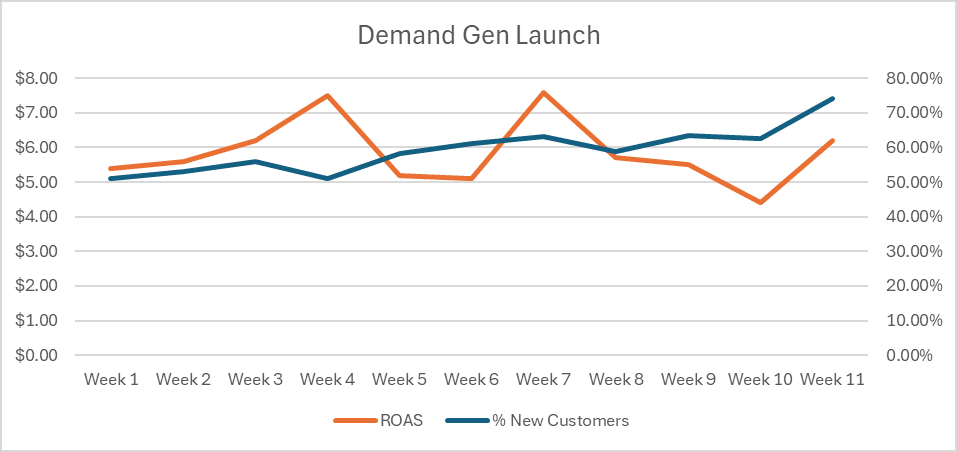
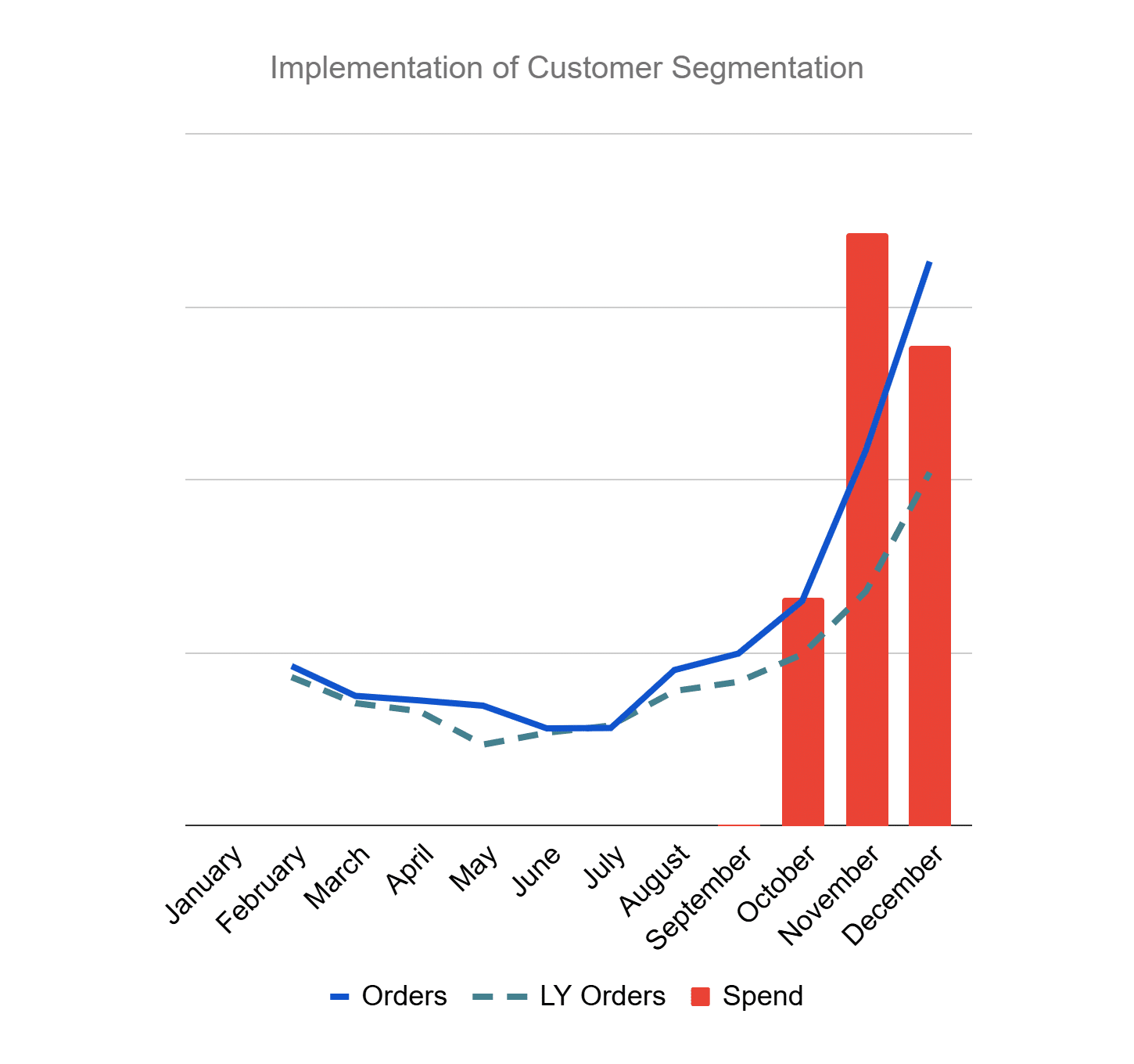
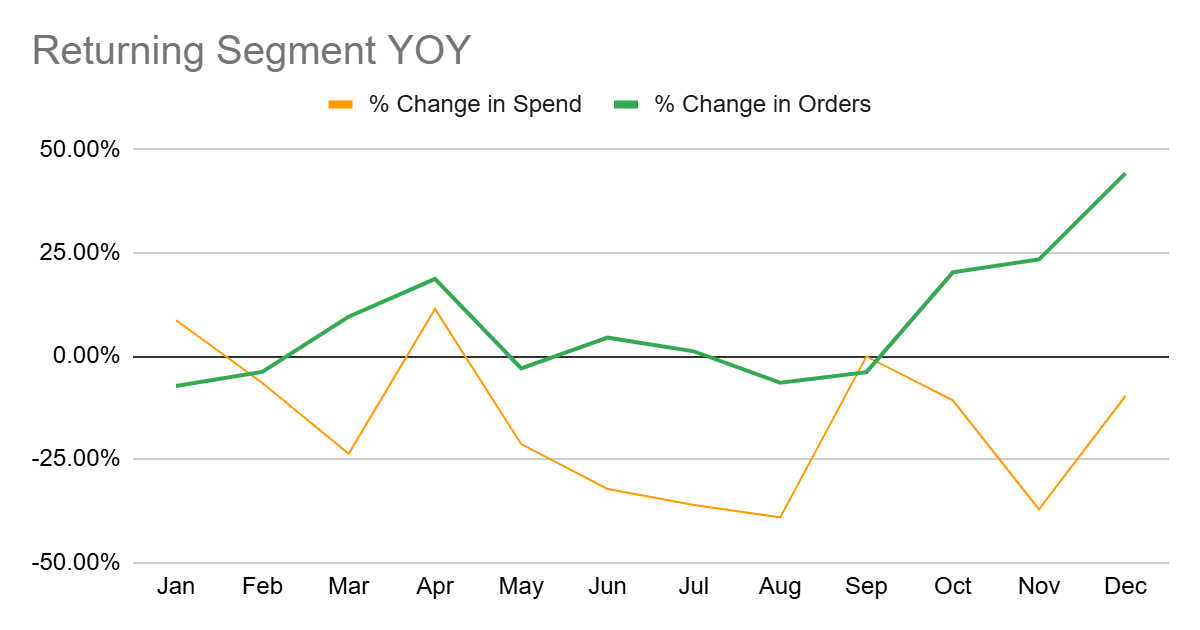
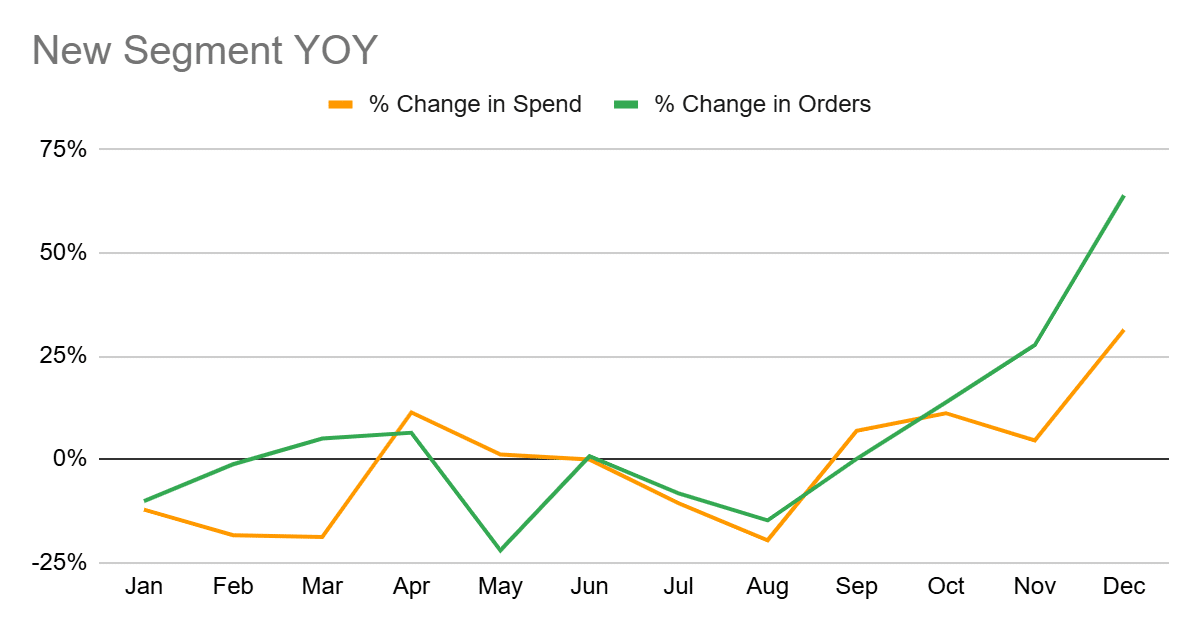
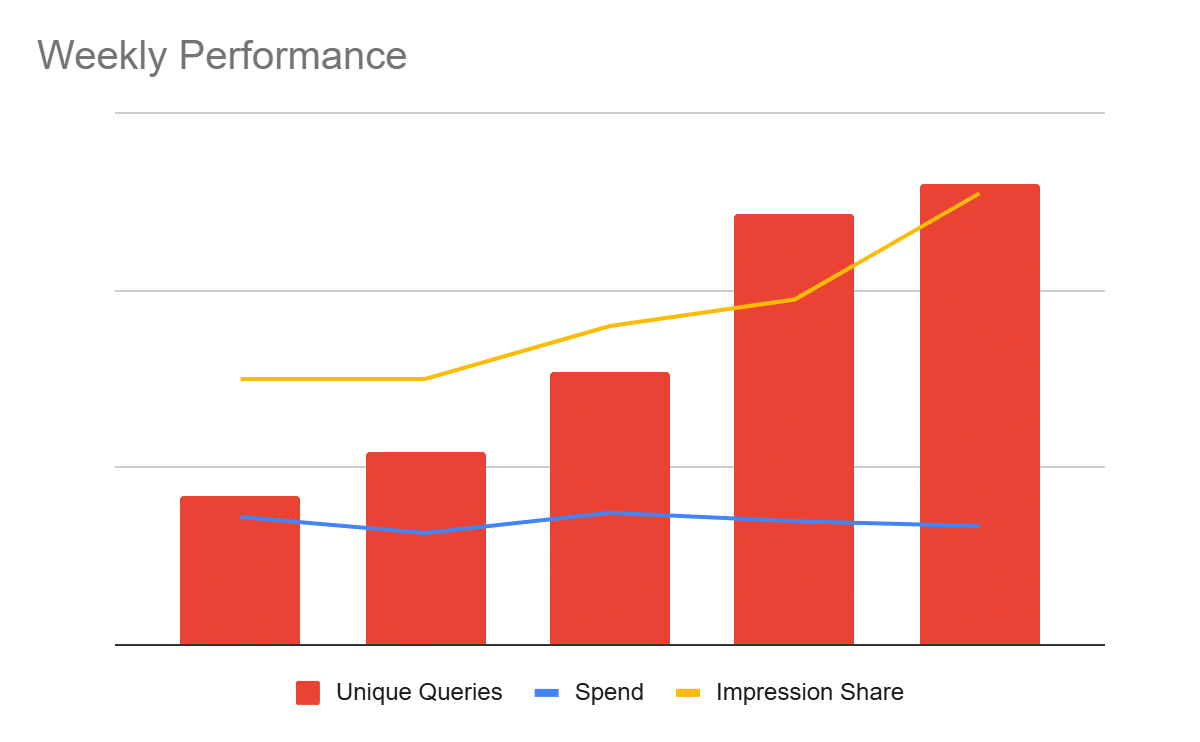








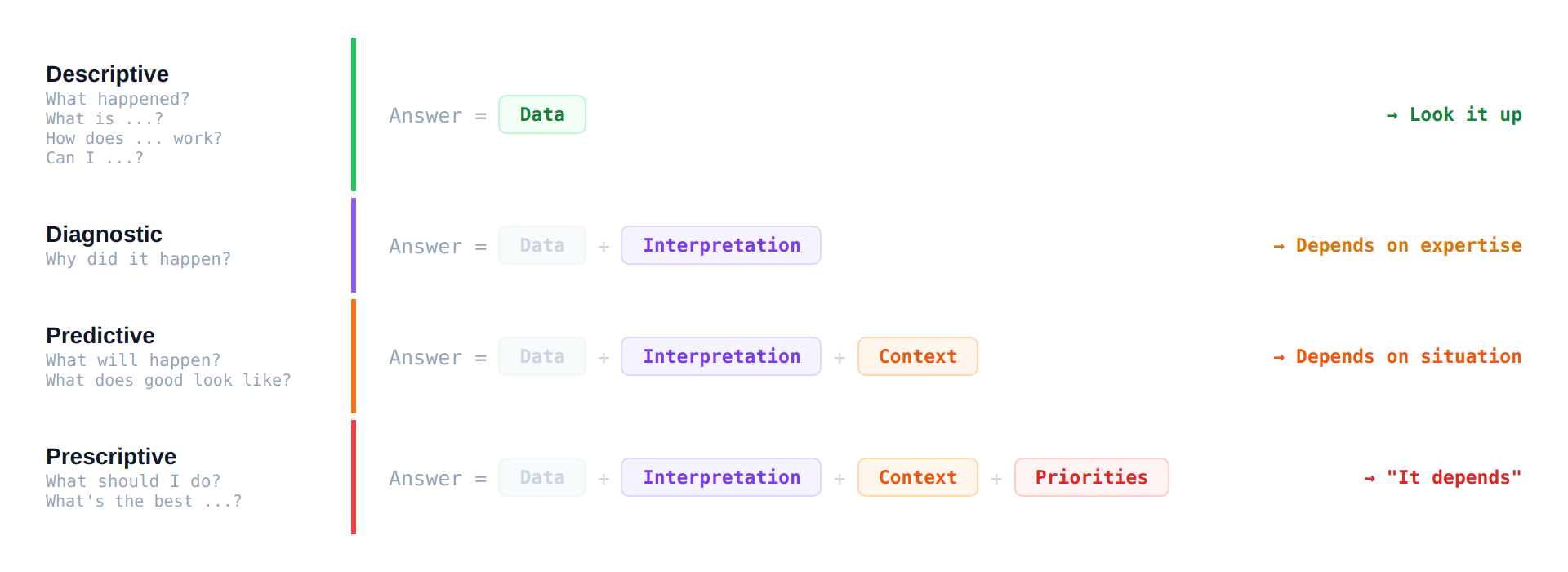
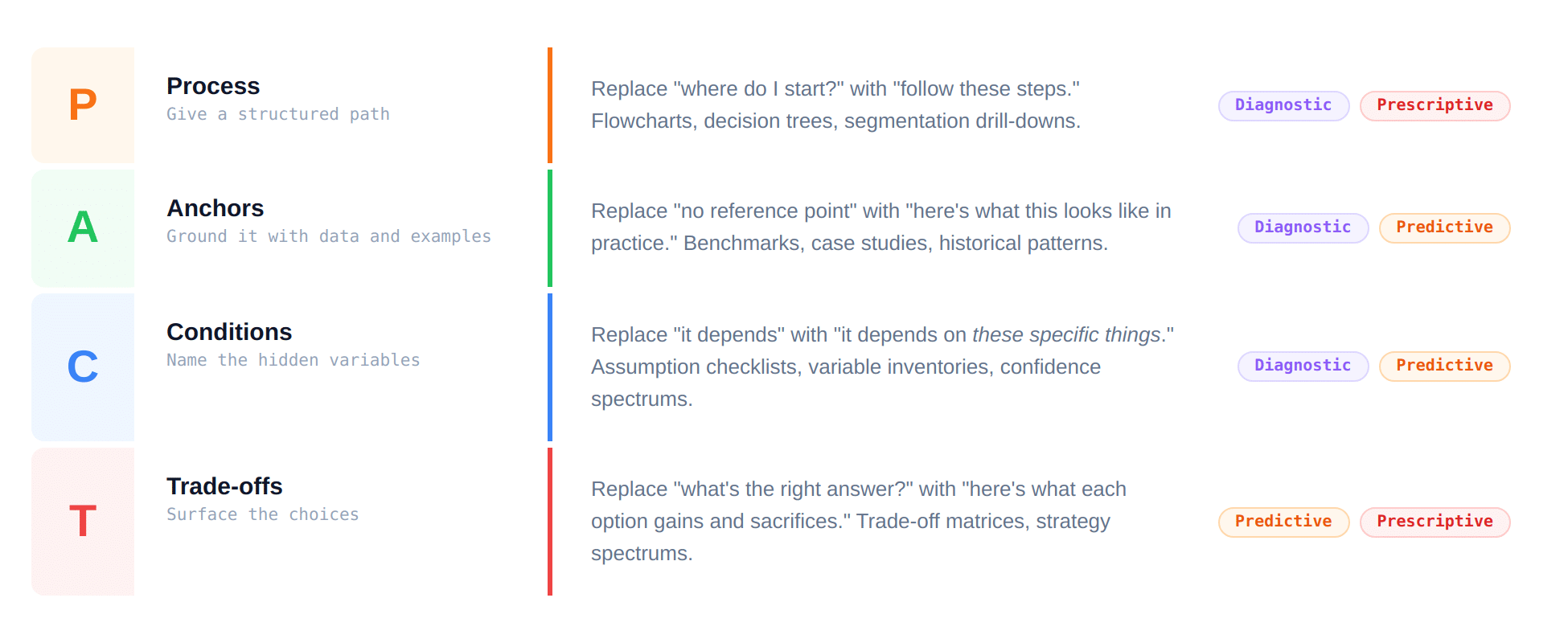
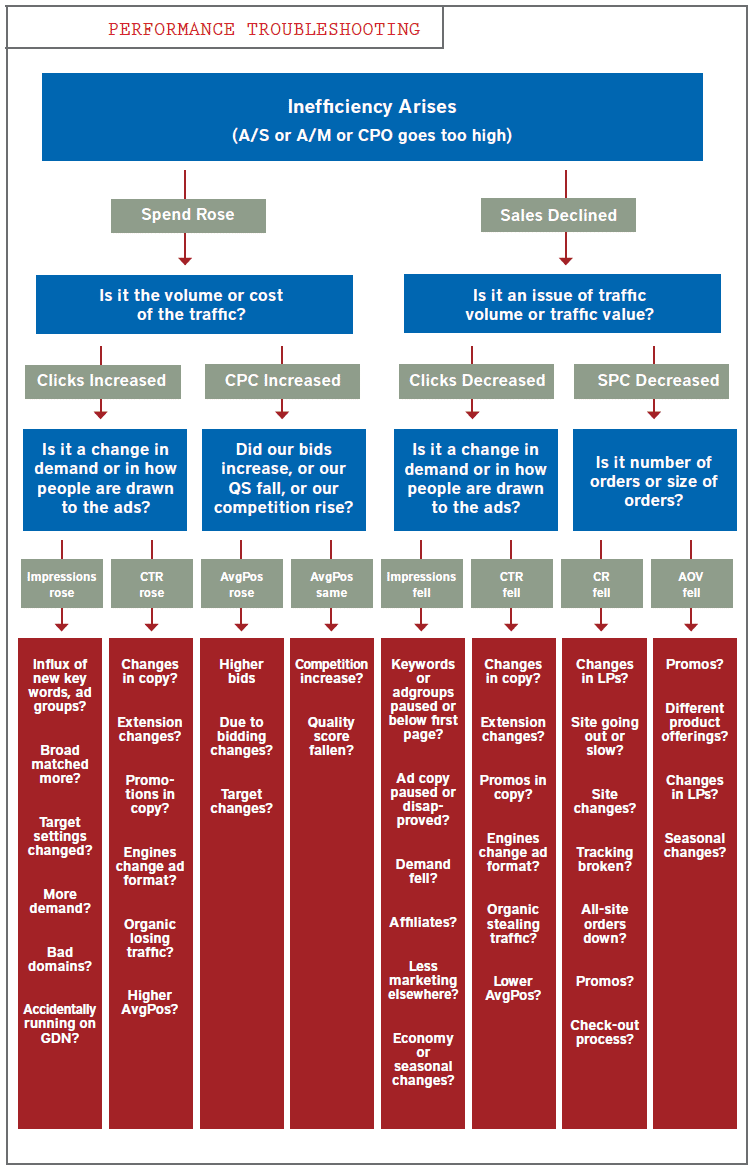
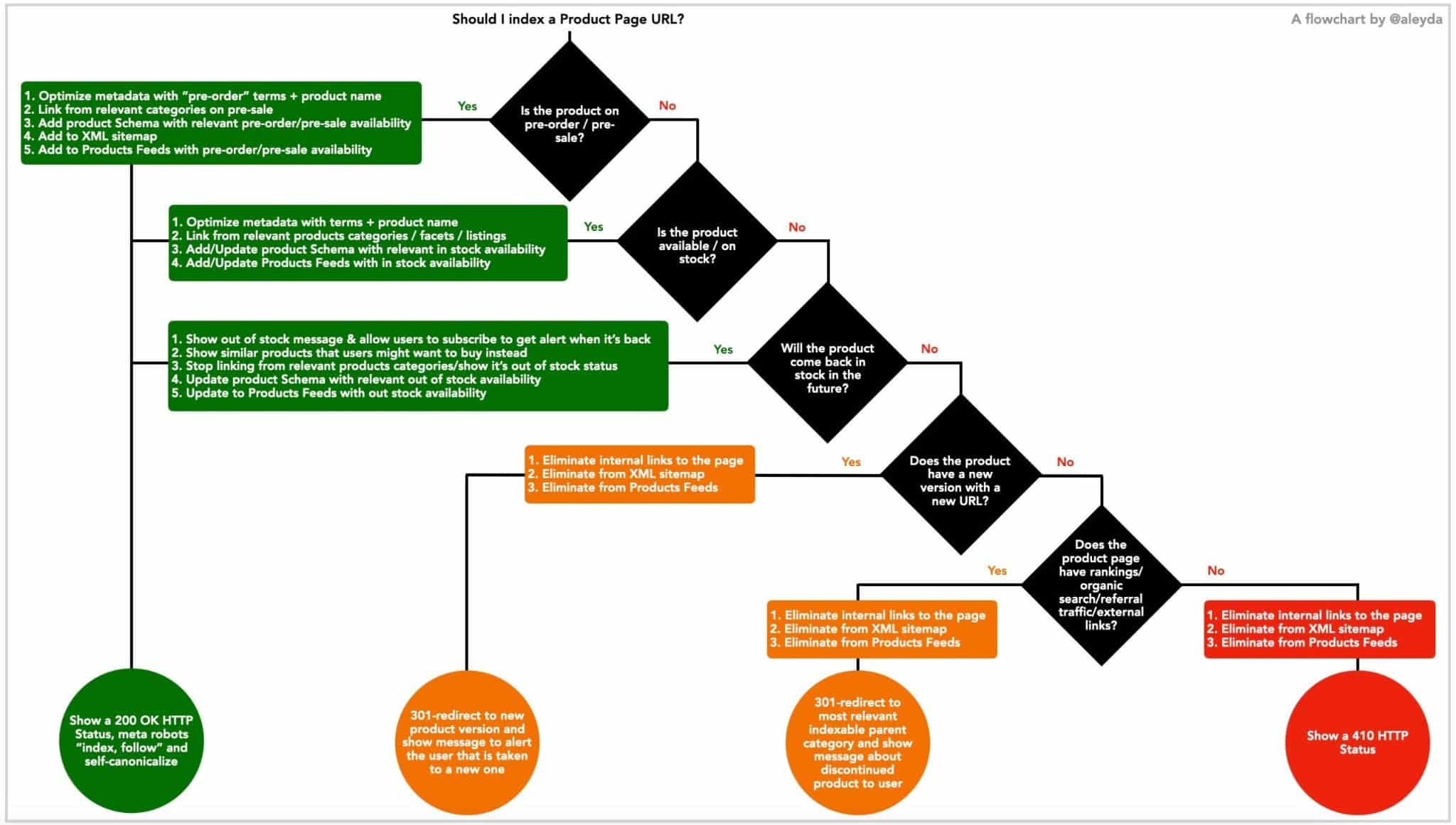
![```json
{
"alt": "Chart showing question types: Diagnostic, Predictive, Prescriptive, and their preferred formats: Flowchart, Checklist, Decision tree, etc.",
"caption": "Discover the ideal formats for Diagnostic, Predictive, and Prescriptive question types with this insightful chart. Enhance your analytical strategy effectively!",
"description": "This chart presents how each question type—Diagnostic, Predictive, and Prescriptive—is associated with specific formats. Diagnostic questions are paired with Flowchart, Checklist, and Usual suspects. Predictive questions favor Benchmarks, Calculator, and Case study. Prescriptive questions align with Decision tree, If [x], then [y], and Trade-off explanation. This visualization aids in choosing the optimal format to address specific analytical challenges."
}
```](https://crushpress.ai/wp-content/uploads/2026/04/gap-69dfa97d71dab.png)