I see TikTok becoming harder to ignore in SEO because discovery no longer happens in one clean path. Someone might find a restaurant on TikTok, verify it through Google Reviews, check Reddit for honest opinions, scan the menu on the business website, and then book a table. Someone else might take those same steps in a completely different order.
Nearly half of U.S. consumers used TikTok as a search engine in 2026, up from 41% in 2024, according to Adobe survey data. What stands out to me is why people search there: short-form video, storytelling, interactivity, tutorials, product reviews, personal stories, and influencer recommendations all make the platform feel more immediate than a traditional results page.
I also think TikTok recent updates show how seriously the platform wants to be part of the search journey. Many purchase decisions are visual, social, emotional, and trust-driven, which is exactly where TikTok has strength. With Local Feed, AI summaries, creator reviews, and shopping features, TikTok is trying to meet people at the moment they are exploring, comparing, and deciding.
So instead of asking whether TikTok is a traditional search engine, I ask a more useful question: how do I make sure people can find, understand, trust, and choose a brand wherever their search journey begins? More often than many marketers want to admit, that starting point may be TikTok.
TikTok SEO Is More Than Hashtags Now
I think of TikTok SEO much like traditional SEO: it is the work of making a business, place, product, service, or experience easier to discover. As TikTok has evolved, the discovery surfaces have expanded far beyond captions and hashtags.
In the past, I mostly associated TikTok optimization with captions, hashtags, trending sounds, posting times, and the hope that a video would land on the For You feed. Those pieces still matter, but they are no longer the full picture.
Today, I have to think about TikTok Search, recommendations, Local Feed, Places, reviews, comments, creator content, visual cues, product signals, and AI-assisted discovery. A stronger TikTok SEO strategy now includes search query relevance, spoken topic clarity, on-screen text, captions, hashtags, location context, creator reviews, comments, product visuals, and the searches people make after seeing a video.
TikTok documentation says search results can be shaped by how well content matches a query, along with hashtags, sounds, user interactions, language, and location. The For You feed also weighs user interactions, content information, user information, and watch behavior, which means usefulness and engagement both matter.
Local Feed Creates a New Discovery Surface
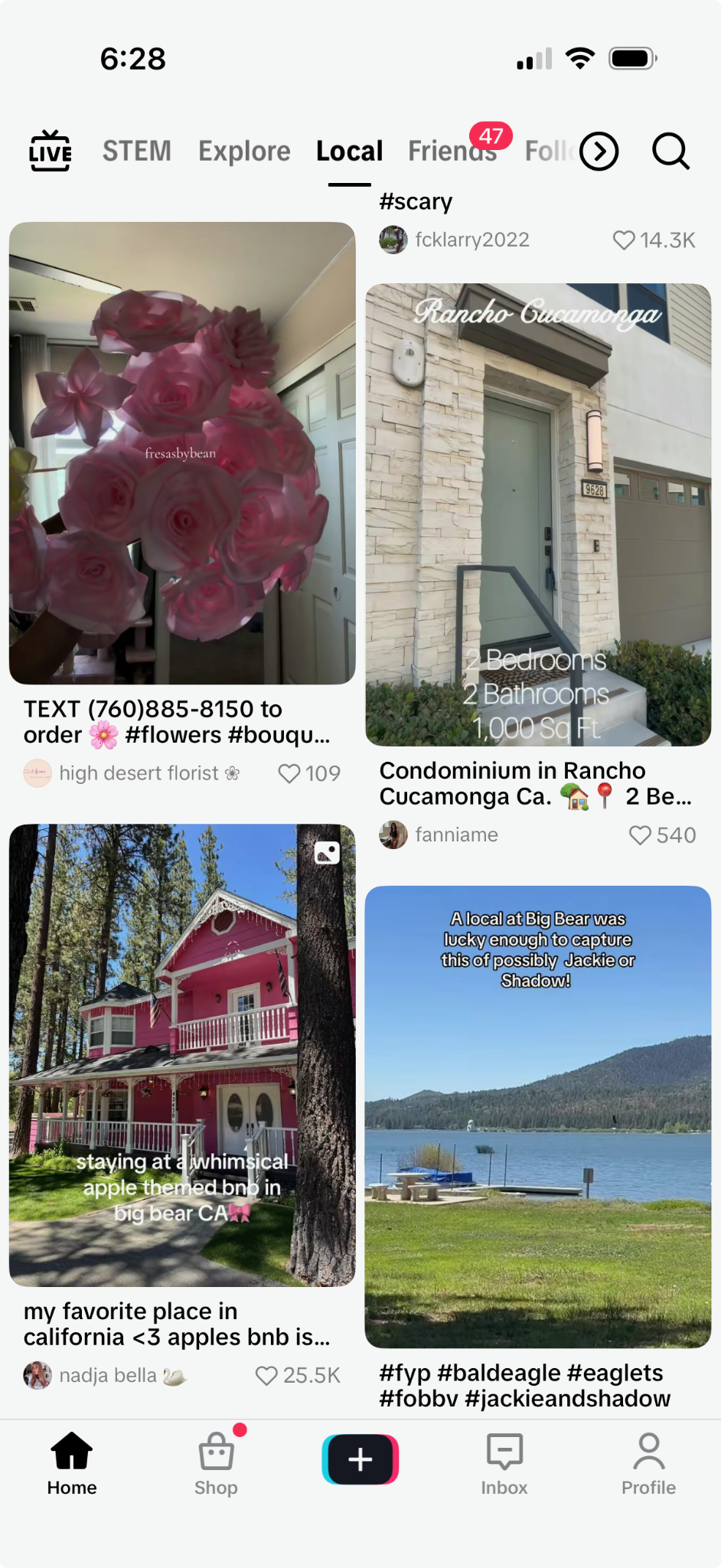
TikTok launched Local Feed in the U.S. on Feb. 11 as a home-screen tab for nearby content related to travel, events, restaurants, shopping, small businesses, and local creators. TikTok says posts can appear based on location, topic, and when the content was published.
I see Local Feed as another organic discovery touchpoint, especially for local businesses. A restaurant can appear while someone is deciding where to eat nearby. A wellness club can show up when someone is looking for weekend plans. A venue can answer practical before-you-go questions before a guest ever reaches the box office.
There are limits I would keep in mind. TikTok precise location setting is optional, off by default, available only for users 18 and older, and still rolling out across the U.S. TikTok also says private accounts, accounts for users under 18, and posts limited to Friends or Only You will not appear in Local Feed.
Local Explorer Shows TikTok Is Investing in Places
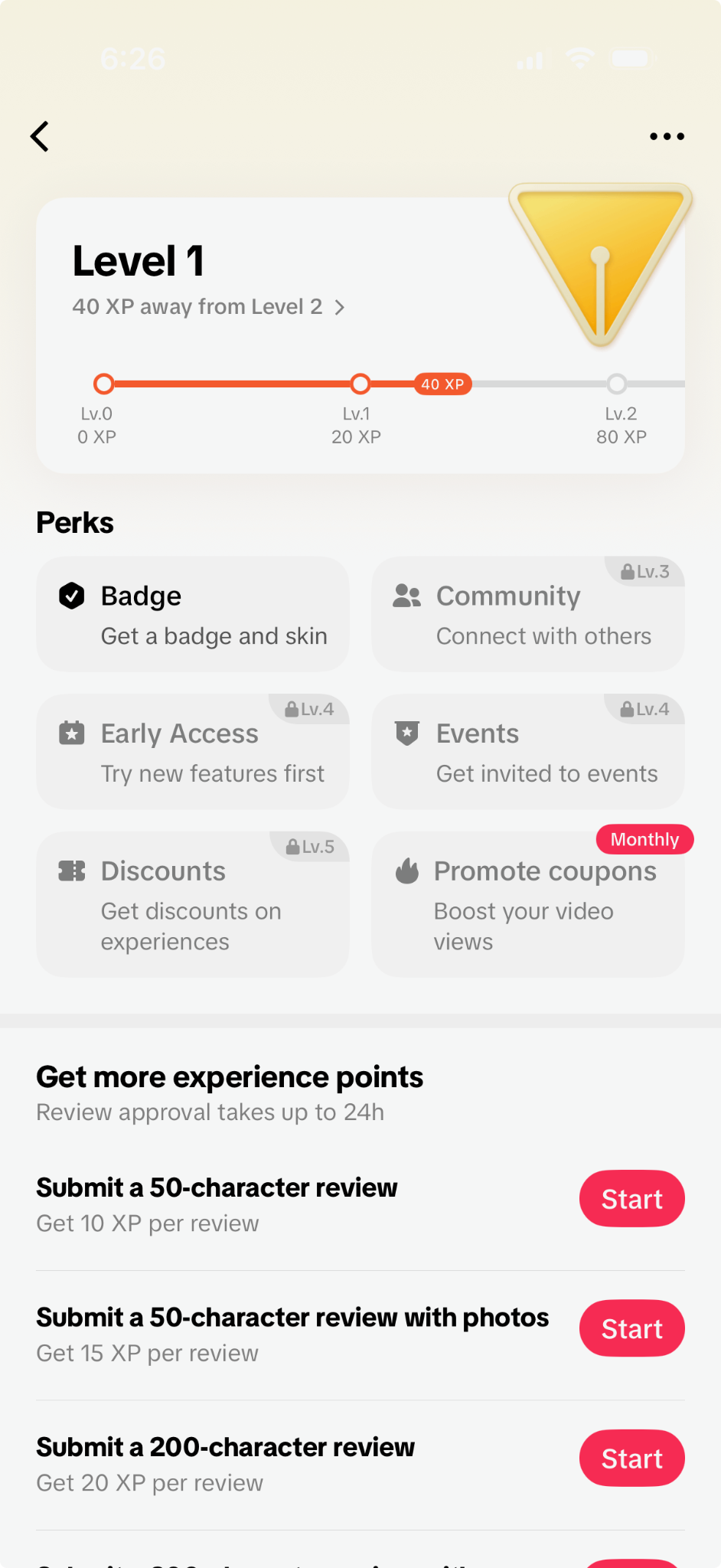
TikTok Local Explorer Program is one of the clearest signs I have seen that the platform wants to build stronger place-based discovery. The program encourages people to submit location-based reviews and rewards participation with experience points, levels, badges, community access, and other perks.
I would not assume every market has the same access or level of activity, because availability has been limited and uneven by region. Still, the direction matters: TikTok is building more ways for users to evaluate places inside the app.
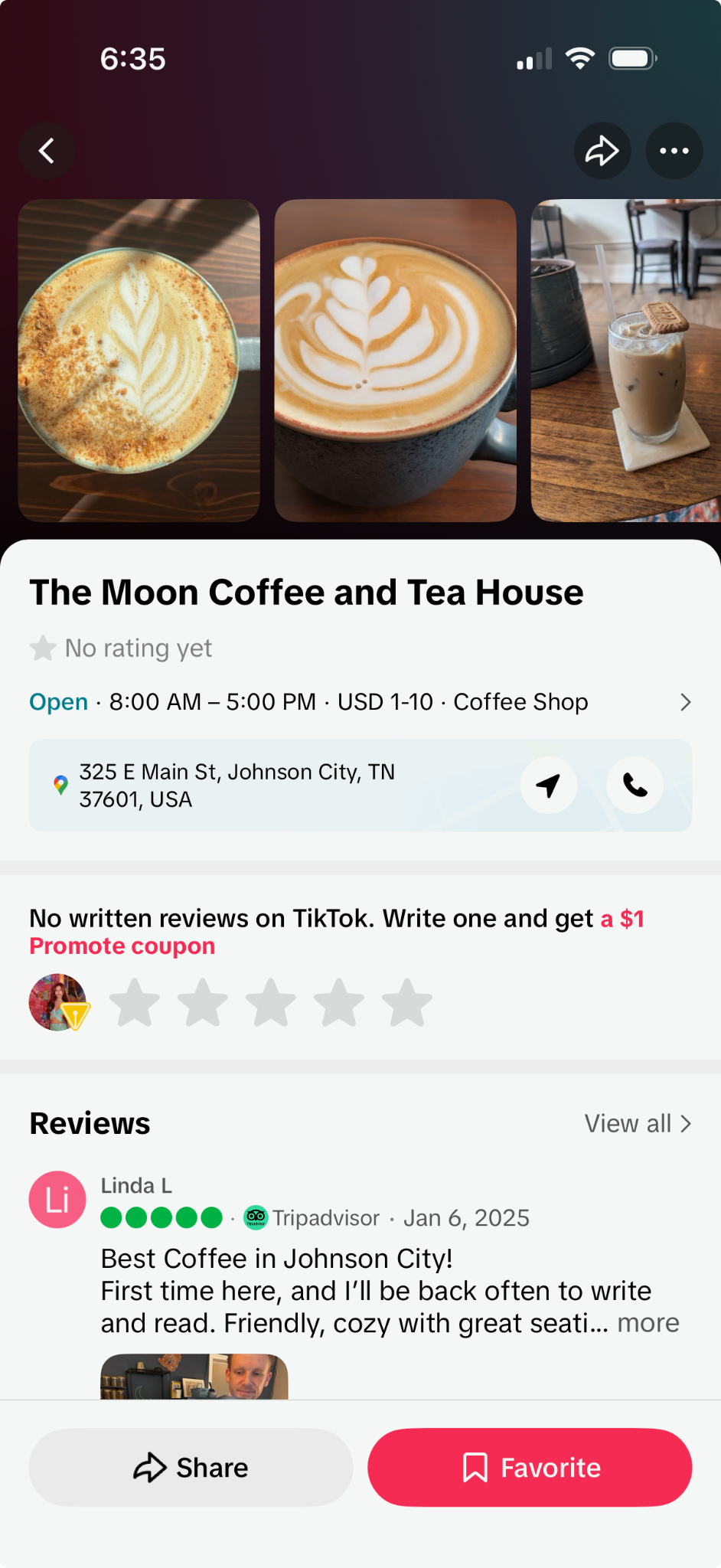
I have also seen TikTok incentivize reviews for places that do not already have TikTok reviews. In one example, a coffee shop had no TikTok reviews, and I was offered a $1 Promote coupon to leave one.
When a place does not have native TikTok reviews, I have seen TikTok pull reviews from TripAdvisor and, in some cases, Google. That makes the Places tab a useful comparison surface where people can evaluate reviews, videos, and comments before deciding whether to visit a local business.
Visual Search Links Matter More Than Exact Keywords
TikTok increasingly adds automated search links and related query prompts beneath videos. I pay attention to these because they show how TikTok can connect a video to a broader topic, place, or product discovery path.
For example, a video about a place like Glen Ivy may show a search bar at the bottom that lets users explore more related content. Those search bars can appear even when a creator has not overloaded the description with exact-match keywords, which tells me TikTok is reading more than just captions.
TikTok Shop Turns Discovery Into Buying
With TikTok Shop, someone can see a product in a video, search for it, compare it through comments and creator content, and buy it without leaving the app. That makes TikTok more than a discovery channel for ecommerce brands; it can become part of the full purchase path.
I would optimize TikTok Shop content around the information TikTok needs to understand a product. Search relies heavily on how well a shopper query matches product information such as titles, categories, attributes, and content context.
TikTok Shop has also released Shoppable Photos in beta for select sellers. Eligible sellers can create image-based posts, include multiple photos, and tag products directly in the post. These posts may appear in the For You feed, Search, and the Shop tab, giving sellers a simpler way to showcase inventory without producing a full video.
AI Is Becoming Part of TikTok Discovery
I am also watching TikTok AI-assisted discovery features closely, even though availability varies by market, account, and test. Features such as Tako, AI Overviews, Quick Highlights, AI summaries, and Content Studio all point in the same direction: TikTok wants to help users search, summarize, and create faster.
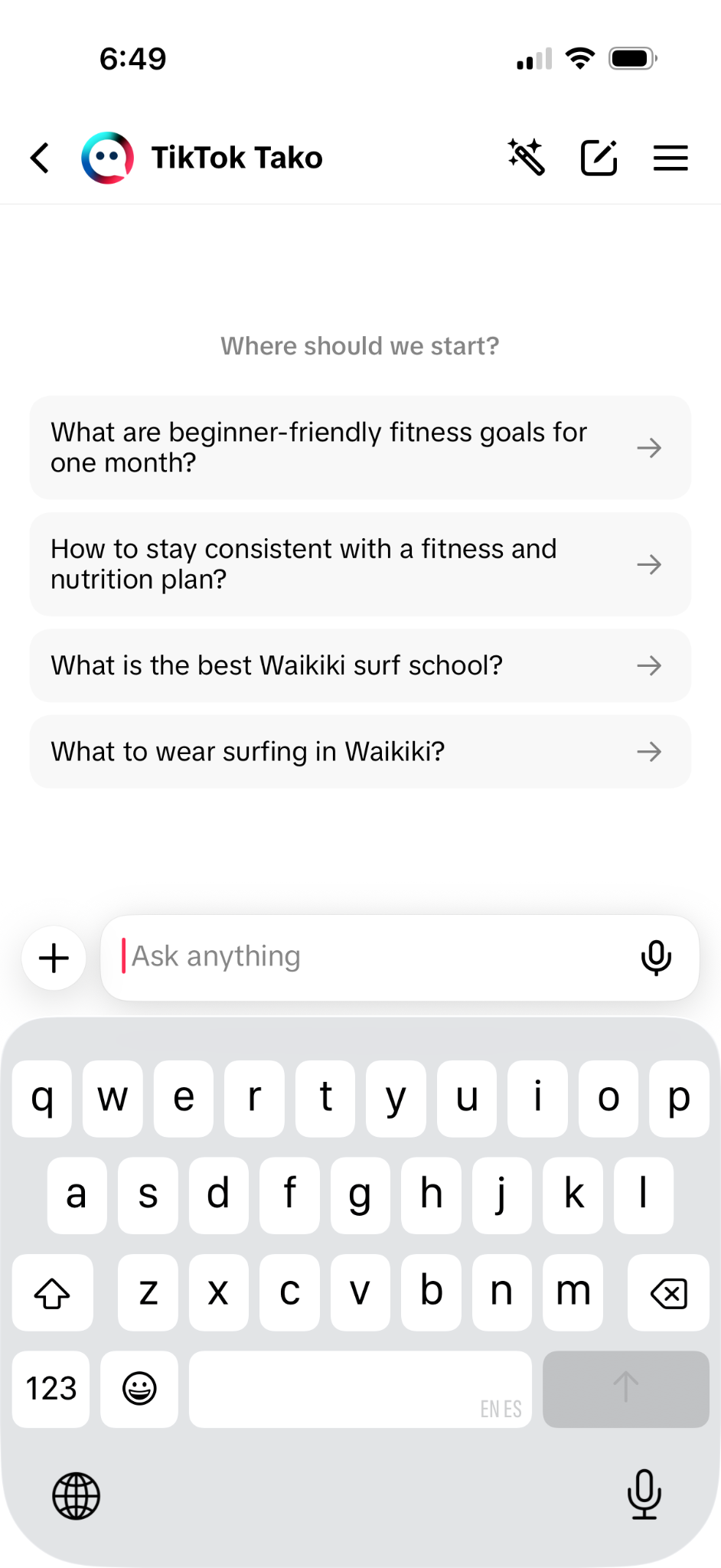
Tako is TikTok chatbot, and it lets users search in a way that feels similar to using the app search bar. It can surface relevant TikTok videos and external sources, including articles.
TikTok also now offers AI Overviews for some searches. When users search a topic, they may see an AI-generated summary of the results. If they click a visual search bar, they may also see Quick Highlights that summarize that search experience.
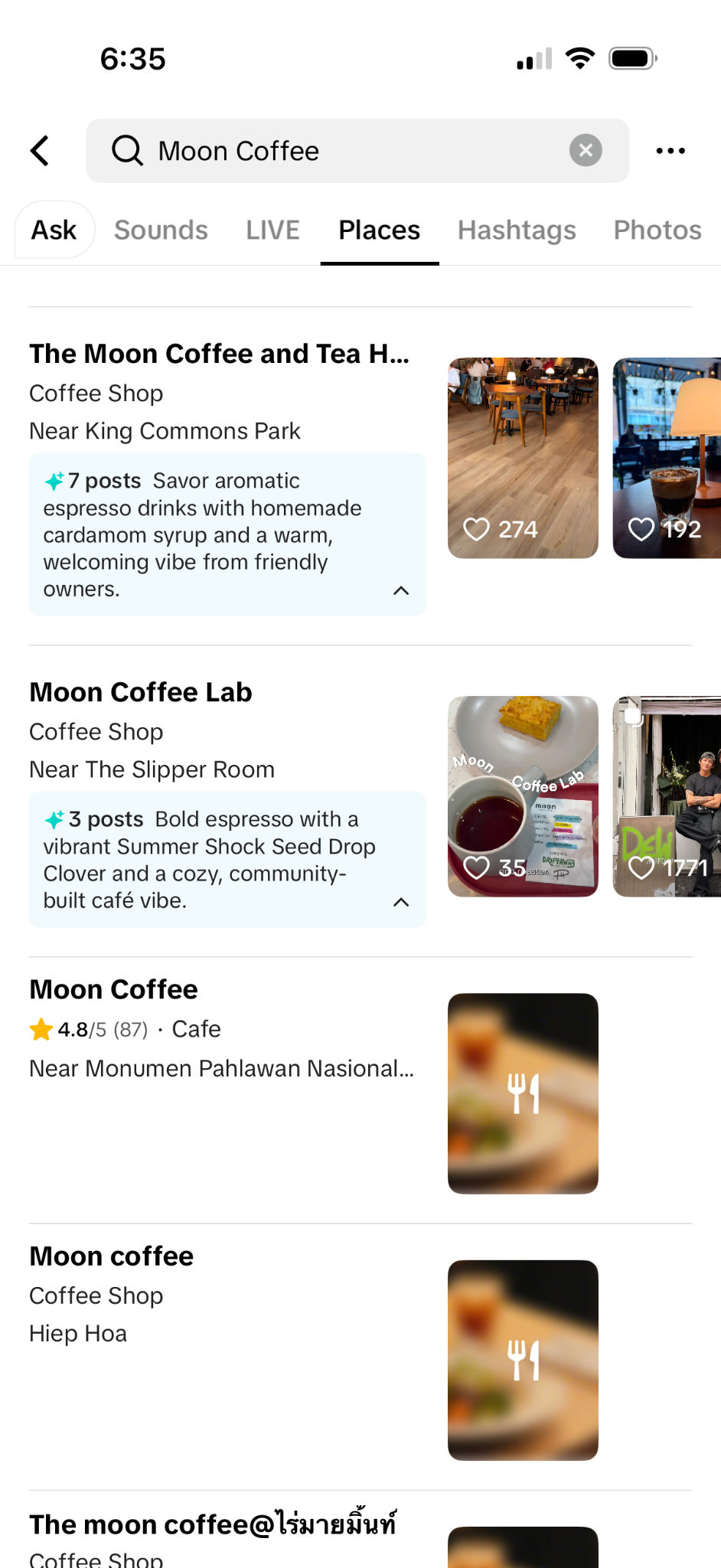
The Places tab includes AI summaries too, and users can see how many posts were used to generate a place summary. For local businesses, that makes the quality and clarity of creator posts, customer videos, and reviews even more important.
On the creator and seller side, TikTok AI tools can help generate captions, hashtags, and even videos. I would treat these tools as helpful support, not a substitute for real strategy, because features like Content Studio are still not available to everyone and remain in testing.
How I Would Improve Visibility on TikTok
On TikTok, visibility comes from what people search for, what TikTok can understand, and what the camera actually shows. That means I would focus less on cleverness and more on showing people what they need to see before they choose a business, product, or place.

For restaurants, I would show menu items, exterior signage, the dining room, takeout packaging, seasonal dishes, and neighborhood cues. Those visuals help both users and TikTok understand what the place offers and where it fits.
For retail, I would show product displays, packaging, try-ons, shelf layout, gift ideas, and the storefront. The more clearly a video communicates what is available, who it is for, and where someone can get it, the stronger the discovery signal becomes.
I would also build simple habits into every TikTok content workflow: use location context naturally, show products clearly, show the storefront or interior when relevant, mention the city or neighborhood when it helps, create timely content around local moments, tag the physical location when appropriate, and work with creators who already understand discovery-driven content.
Keyword Research
I would start TikTok keyword research inside the app because that is where the search behavior is happening. Seed topics might include best brunch, World Cup outfits, things to do in [location], wedding inspiration, or gluten-free bakery.
From there, I would search each phrase on TikTok, document autocomplete suggestions, review suggested filters, look for Others searched for prompts, study top videos, and pay close attention to comment themes. I would also test city and neighborhood modifiers, then compare TikTok findings with Google Search Console, Google autocomplete, Reddit, YouTube, and site search data.
TikTok Creator Search Insights can add another useful layer by showing personalized information about search topics, content gaps, and how content tied to searched topics is performing.
Keyword Placement
I would place the core topic where TikTok and viewers can recognize it quickly: in the first few seconds of the video, the first text overlay, the opening of the caption, relevant hashtags, location tags, pinned comments, reply videos, the profile bio, playlist names, and creator briefs.
Comments and Reviews
I would treat comments and reviews as visibility assets, not afterthoughts. That means pinning genuinely helpful comments, replying to repeated questions with videos, correcting misinformation when trust is at stake, watching for recurring objections, and turning repeated questions into FAQs, landing page content, Google Business Profile posts, and future videos.
A creator saying that a bakery is the best gluten-free option in Portland because it takes cross-contamination seriously may be more useful than a generic five-star review. That kind of specific language can shape website copy, FAQ strategy, and customer messaging.
Referral Traffic and Branded Search
I would track TikTok referral traffic and monitor branded searches over time. When a TikTok post performs well, I would annotate it and compare branded search trends against a baseline.
I would look for directional movement in branded clicks, branded impressions, TikTok referral traffic, Google Business Profile actions, and engagement on related pages. At the same time, I would avoid giving TikTok credit for every increase without considering PR, paid campaigns, email, promotions, seasonality, and other marketing activity.
Attribution may never be perfect, but imperfect measurement does not make TikTok influence meaningless. I would rather measure directional impact than ignore a channel that is clearly shaping discovery behavior.
I Would Explore TikTok Instead of Ignoring It
Someone may find a business on TikTok before they ever search for its name on Google or ChatGPT. Someone else may turn to TikTok midway through the journey to decide whether the business is worth the trip, the purchase, or the recommendation.
Either way, I believe TikTok has earned a meaningful role in modern SEO strategy. Between Local Feed, Places, Tako, AI summaries, creator reviews, and TikTok Shop, the platform keeps adding new ways for businesses to be discovered, and many of those opportunities are still underused.
Inspired by this post on Search Engine Land.