Tag: Meta

  • Understanding Why Facebook Accounts Are Being Locked Out More Often

    Understanding Why Facebook Accounts Are Being Locked Out More Often

    I’ve noticed that more and more of us are finding ourselves suddenly and, at times, permanently locked out of our Facebook accounts. What used to be just an occasional issue has turned into a widespread frustration impacting not only everyday users but creators and business owners as well.

    So, what’s driving this increase? It’s a mix of AI moderation, enhanced security protocols, platform dynamics, and changing user habits. Let’s dive into the underlying factors behind this trend.

    The rise of AI moderation — and its tradeoffs

    At the core of this issue is Meta, Facebook’s parent company, which relies heavily on artificial intelligence to oversee user activities across billions of accounts. These AI systems are tasked with:

    • Identifying harmful content,
    • Thwarting scams and abuse,
    • Enforcing community standards at scale.

    However, there’s a significant tradeoff with AI moderation. Unlike humans, AI struggles to grasp context and nuance, which often leads to:

    • Flagging normal behavior as suspicious,
    • Misinterpreting the context of communications,
    • Imposing account restrictions based on patterns instead of intentions.

    This has triggered an increase in false positives, where users find themselves unjustly locked out. Reports of wrongful account deactivation are rampant, typically due to AI-only moderation with little human oversight. Astonishingly, appeals can sometimes be resolved immediately, hinting at minimal human involvement despite official policies.

    Account takeovers are increasing

    With the surge in cybercrime over recent years, social media platforms have increased their security measures. Facebook now deploys more aggressive signals to spot:

    • Logins from unfamiliar locations or new devices,
    • Frequent changes to account settings,
    • Unusual messaging or posting patterns.

    While these steps aim to block malicious actors, they also come with unintended side effects:

    • Travel, using a VPN, or device changes can cause lockouts,
    • Legitimate users may be snared alongside malefactors.

    When hackers access an account, they often alter the registered email and password, activating security alerts and locking the original owner out entirely. From Facebook’s viewpoint, the account is indeed compromised; however, recovery processes don’t always fast-track access back to the rightful owner.

    The role of new features and identity verification

    In recent years, Facebook has introduced new security layers, including:

    • Two-factor authentication,
    • Identity verification checks,
    • Paid support options connected to account verification.

    While these features enhance security, they also introduce complications, making account recovery more cumbersome:

    • Adding steps to recover accounts,
    • Creating barriers for users who struggle with identity verification,
    • Causing lockouts when verification fails.

    Some users report being asked to submit identification several times without resolution, escalating the frustration.

    The business incentive behind platform changes

    Meta’s motivations for investing in AI moderation and automated enforcement boil down to cost-effectiveness. Automation provides instant scalability, reduces operational expenses, and manages ‘standard’ cases effectively. However, this efficiency comes at a price. For those outside agencies or larger entities operating within Business Manager, finding significant support can be a challenge — leaving some of us without a clear path for escalation.

    Meta’s commanding position in the social media advertising space, coupled with robust financial performance and political influence, leads to minimal external pressure to reform its support systems. Meanwhile, search queries related to account recovery are often dominated by Meta’s resources, directing users back into the same narrow support ecosystem, even when alternative solutions might exist.

    Platform scale is working against users

    ```json
{
  "alt": "The CapmatchOne logo with a gradient circle and bold text.",
  "caption": "Discover innovation with the CapmatchOne logo, featuring sleek typography and a modern gradient circle.",
  "description": "The CapmatchOne logo features bold, modern typography coupled with a gradient circle, symbolizing connection and innovation. The sleek design conveys a sense of progress and creativity. This image can be used for branding or promotional purposes, appealing to audiences interested in innovative solutions and forward-thinking designs."
}
```

    One can’t ignore the sheer enormity of Facebook’s operations. With a global user base of billions, even minor error rates can affect millions of individuals. Consequently, Meta’s support systems can’t possibly offer personalized support to everyone, leading to automation as the norm, despite its imperfections.

    Additionally, internal fragmentation complicates matters further. Facebook isn’t a singular system — it’s an expansive ecosystem including personal profiles, Pages, ad accounts, Business Manager, and platforms like Instagram, Threads, and WhatsApp. Each operates with distinct rules and support channels. When issues traverse multiple systems — as they often do — no single team fully ‘owns’ the problem, making resolutions slower, more complex, and harder to navigate.

    What can seem like a deeply personal problem is often the result of a system optimized for global efficiency, sometimes at the expense of individual support. Facebook aims to minimize risk on a large scale, which can clash directly with the need for prompt, personalized support.

    Lack of human support and regaining access

    One of the ongoing frustrations isn’t just the lockouts but what follows them. Many users, including myself, face challenges such as:

    • Limited access to human support,
    • Automated replies that fail to address the issue,
    • Confusing or ineffective recovery workflows.

    Although Meta is introducing new support tools, much of the assistance process remains automated. If your problem doesn’t fit perfectly into one of their defined categories, resolution becomes even more challenging.

    This is primarily because Facebook’s support system is structured around rigid, predefined pathways like “my account was hacked,” “I can’t log in,” or “my ad was rejected.” But most issues don’t neatly fit into one of these categories. They’re often multifaceted: part hack, part lockout, or linked to both personal and Business Manager accounts, further complicated by unclear or incorrect policy flags.

    When my situation doesn’t match a single category, the system struggles to process it correctly. Instead of progressing towards a solution, I’m often routed through repetitive workflows — submitting forms that don’t entirely apply — leaving me trapped in exhausting loops without a clear way forward.

    William Jennings, who runs WKJ Consulting, a social account recovery consultancy, has observed how these gaps have led to an underground recovery market. Some dubious services even exploit locked-out users by demanding payments through unconventional means like game credits — a problem that persists because legitimate recovery channels remain limited.

    Accounts that link through Meta’s Account Center (including Facebook and Instagram) generally have a more straightforward recovery process. Sometimes, users can subscribe to Meta Verified on a linked Instagram account to access chat support and initiate an administrative claim.

    Jennings highlights that:

    • “Meta Verified acts almost like paid protection — approximately 90% effective in preventing wrongful restrictions or disabling, though it doesn’t offer a guarantee if the rules are violated.”

    A well-structured recovery method often involves:

    • Subscribing to Meta Verified to gain chat support,
    • Filing an administrative dispute with necessary documentation (such as error screenshots, emails, account URL, and ID verification),
    • Escalating to legal support in more acute scenarios.

    It’s crucial that hacked accounts follow dedicated channels like facebook.com/hacked or instagram.com/hacked, and it’s far more effective to focus on prevention than recovery.

    After regaining access, it’s essential to undertake steps like enabling two-factor authentication, saving recovery codes, and adopting advanced security measures.

    Enforcement has scaled — recovery hasn’t

    Facebook lockouts are an inherent consequence of the platform’s development. As Meta continues to emphasize automation and efficiency, many of us engage with systems built for speed, security, and risk minimization.

    Most of the time, these systems function silently in the background. But when they falter, it feels abrupt, opaque, and incredibly hard to navigate.

    Access to meaningful support often correlates with high ad spend, established business accounts, and tied to paid verification products. This leads to an unbalanced support landscape where major advertisers receive better assistance, leaving individuals and small businesses with fewer options.

    For a platform operating on a global scale, this setup is intentional. But for those entangled in the process, it’s incredibly frustrating.


    Inspired by this post on Search Engine Land.


    crushpress.ai community screenshot
  • Effortless Meta Pixel Setup with New GTM Template

    Effortless Meta Pixel Setup with New GTM Template

    As someone who manages ad campaigns across various platforms, I’m thrilled to share that Meta has launched a new template for Google Tag Manager! This makes setting up the Pixel incredibly simple, ensuring smoother cross-platform tracking with more consistency for advertisers like us.

    Meta Platforms is committed to reducing the technical challenges we face, especially when juggling campaigns on different platforms. This new update is a step towards minimizing those hurdles.

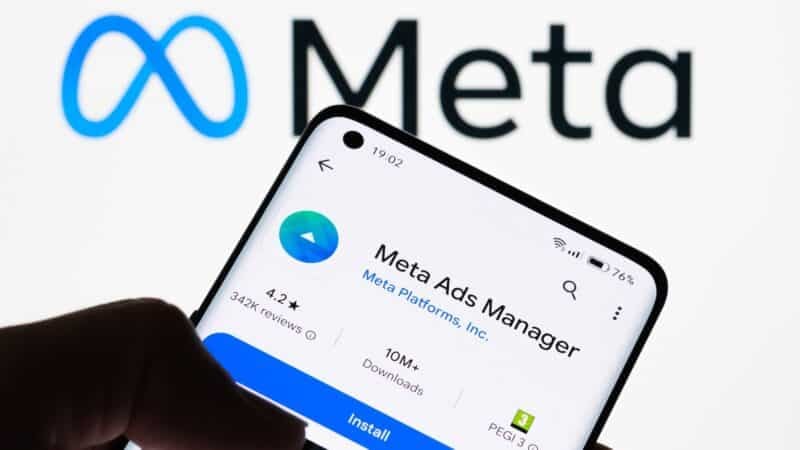
    What’s happening. Meta has unveiled an official Pixel template within Google Tag Manager. This effectively replaces the need to rely on third-party or community-generated solutions.

    Meta GTM template

    How it works. This template takes advantage of our existing GA4 dataLayer, allowing us to utilize pre-configured events for Google Analytics 4 without needing to rebuild our tracking systems. It also makes mapping enhanced e-commerce events automatic, such as purchases and add-to-cart actions, which means we don’t have to worry about redundant tagging.

    Why we care. The simplified setup reduces the time we spend implementing these systems while lowering the risk of tracking errors. This ensures our campaigns run smoothly across Google and Meta platforms.

    ```json
{
  "alt": "Meta Pixel Tag Manager Template with configuration details and DataLayer options for GA4 and Enhanced E-Commerce.",
  "caption": "Discover how the Meta Pixel Tag Manager Template simplifies your data tracking with options for Enhanced E-Commerce and GA4 DataLayer integrations.",
  "description": "This image showcases the Meta Pixel Tag Manager Template interface, highlighting its features for configuring tag types and data tracking. The template offers options for Enhanced E-Commerce DataLayer and GA4 DataLayer integrations. Published by Meta, it provides a streamlined approach for managing Facebook Pixel IDs and event tracking, crucial for optimizing digital marketing strategies. Keywords: Meta Pixel, Tag Manager, GA4, Enhanced E-Commerce, DataLayer."
}
```

    What to watch. I’m curious to see if this user-friendly setup encourages more advertisers to adopt Meta Pixel tracking and whether it will lead to similar integrations in the future.

    Bottom line. By removing one of the biggest pain points in ad tracking, Meta is making it quicker and simpler for us to gain reliable insights across various platforms.

    First seen. This update was discovered by Paid Media expert Thomas Eccel, who highlighted it on LinkedIn.


    Inspired by this post on Search Engine Land.

    crushpress.ai community screenshot
  • How Meta’s New Digital Tax Policy Impacts Advertisers

    How Meta’s New Digital Tax Policy Impacts Advertisers

    I recently learned that starting July 1st, Meta plans to directly charge us, the advertisers, for Europe’s digital services taxes. This change will add as much as 5% to our ad spend, which is quite a noticeable increase.

    The numbers. The fees will align with each nation’s specific digital service tax rates, which means:

    • France, Italy, Spain: 3%
    • Austria, Turkey: 5%
    • UK: 2%

    How it works in practice. Meta has informed us that if I run a $100 ad targeting Italy, it’ll cost $103, excluding any VAT. This directly affects my budget considerations.

    The fine print. It’s important to note these fees are based on the ad’s target location, not where I, the advertiser, am based. Thus, even if I’m in the U.S., targeting users in France means I’ll adhere to their rate.

    Why I care. This upcoming change will undeniably raise costs for my European campaigns starting July 1st. With no option to avoid it, I must prepare for increased CPM and CPA benchmarks, meaning my current budget won’t go as far, and my ROAS targets might need reevaluation.

    Because these adjustments are based on delivery location, even non-European companies must take note. The reach of this change is broad.

    The big picture for advertisers. Meta’s not alone; both Google and Amazon have similar strategies. It’s a significant shift that demands I, and others involved in European advertising, revisit our cost models to appropriately plan for these increased expenses.

    The backdrop. Digital services taxes have long been contentious between Europe and Washington, adding a layer of geopolitical complexity to the already intricate compliance issues faced by global advertisers like myself.

    Dig deeper. If you’re interested in more detailed information about how Meta is addressing Europe’s digital taxes, you can find additional insights in this Bloomberg article (subscription required).


    Inspired by this post on Search Engine Land.


    crushpress.ai community screenshot
  • Meta’s New Attribution Updates: Enhancing Ad Insights

    Meta’s New Attribution Updates: Enhancing Ad Insights

    Hey there! Meta has recently rolled out some exciting updates to their ad measurement framework, designed to simplify attribution in our ever-evolving “social-first” advertising landscape. I’m here to break it all down for you.

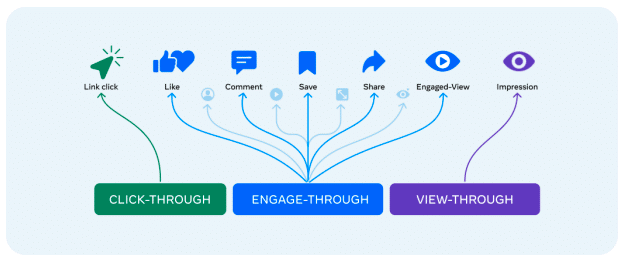
    What’s new? Meta is redefining how click-through attributions work for both website and in-store conversions. From now on, only link clicks will contribute to click-through attribution, while other interactions like likes, shares, and saves won’t count. This shift aims to align Meta Ads Manager better with tools like Google Analytics, reducing discrepancies.

    The shift in focus. WARC reports that social media has now overtaken search as the world’s largest ad channel. But many of our current attribution models were designed with search behavior in mind. Unlike in the past where every type of click was tallied, this update recognizes the unique engagement patterns on social platforms, historically leading to reporting misalignment.

    What’s evolving? Conversions attributed to actions other than link clicks will now be categorized under a new term, “engage-through attribution,” which replaces the old “engaged-view attribution.” Additionally, Meta is shortening the video engaged-view window from 10 seconds to just 5 seconds. This change reflects faster conversion activity, especially noticeable in Reels, where 46% of purchase conversions happen within the first two seconds.

    Why should we care? These updates provide clarity by distinguishing link-driven conversions from other social interactions. This distinction will help marketers better understand campaign performance, boosting confidence through more precise data analysis. The new engage-through attribution process highlights the impact of likes, saves, and shares.

    With these changes, advertisers can trust their data more and make more informed, impactful decisions.

    ```json
{
  "alt": "Diagram showing click-through, engage-through, and view-through metrics with icons.",
  "caption": "Explore digital marketing metrics with this diagram, illustrating the flow from click-through to engage-through and view-through using intuitive icons.",
  "description": "This image visually represents key digital marketing metrics: click-through with a link click icon, engage-through with icons for like, comment, save, and share, and view-through with engaged-view and impression icons. The diagram highlights the progression from user interaction with content through various stages, helping analyze engagement and view metrics. Keywords: digital marketing, click-through, engage-through, view-through, metrics."
}
```

    Collaborations in the pipeline. To offer advertisers a more comprehensive view of performance, Meta is collaborating with analytics providers like Northbeam and Triple Whale to integrate both clicks and views into their attribution models.

    Rollout details. These changes are slated to begin later this month for campaigns focusing on website or in-store conversions. While billing methods remain unchanged, you might notice shifts in reporting as these new attribution definitions are implemented in Ads Manager.

    The bottom line: Meta is striving to combine clearer click reporting similar to search engines with insightful data on social interactions. This balance offers advertisers a cleaner, broader comparison across platforms while focusing on the unique contributions of engagement-driven actions.

    Dig deeper. For more information, you can check out Meta’s detailed explanation in their Simplifying Ad Measurement for a Social-First World.


    Inspired by this post on Search Engine Land.

    crushpress.ai community screenshot
  • Meta’s New Paid Subscriptions: A Game-Changer for Social Media?

    Meta’s New Paid Subscriptions: A Game-Changer for Social Media?

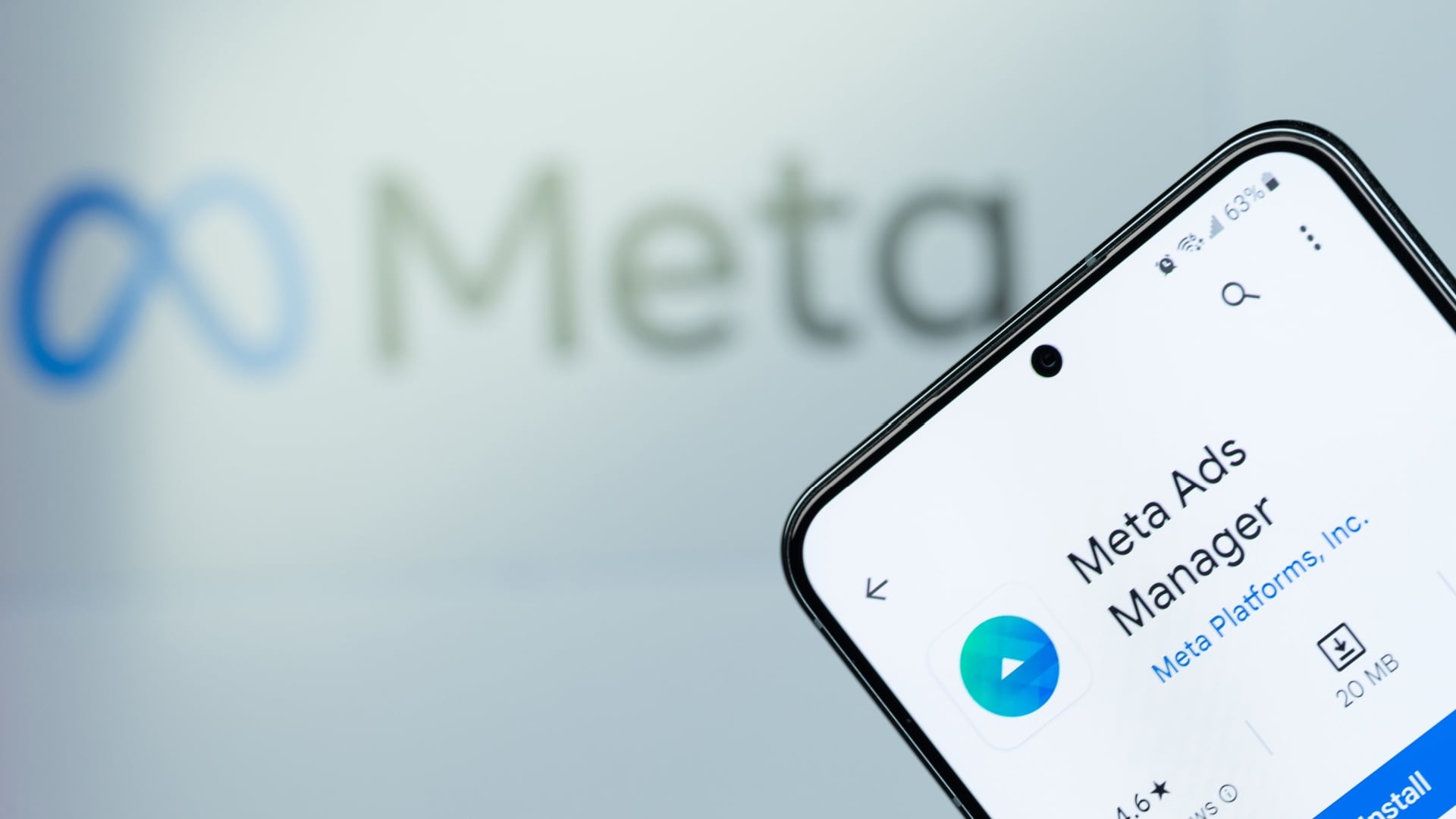
    Recently, I’ve noticed that Meta is testing paid subscriptions on Instagram, Facebook, and WhatsApp. Their goal is to unlock premium features and incorporate AI more prominently across these platforms, which could significantly shift how we create and interact with content.

    What’s unfolding? Meta’s new subscription trials aim to bring exclusive features to each app, tailored to productivity, creativity, and enhanced AI capacities, while the core experiences remain free. It’s interesting to see how Meta plans to develop unique subscription offerings instead of just a single bundle, especially as they explore which combinations of features might work best.

    Subscriptions will provide premium controls and tools that can benefit everyday users, creators, and businesses, distinct from Meta Verified. For instance, on Instagram, initial testing might include features like unlimited audience lists, insights into non-followers, and stealth story viewing.

    Meta also aims to launch paid AI features, notably increasing access to its Vibes AI video generation tool through a freemium model. I’m curious about how this might change our interaction with content creation tools.

    Why this matters to us. These paid subscriptions could transform user engagement on Meta’s platforms, potentially altering privacy settings and audience reach. Additionally, new AI-driven creation tools could shift the landscape of user-generated content that advertisers either compete against or harness for campaigns. Over time, these subscription tiers might redefine targeting strategies and the value of organic versus paid engagement on these platforms.

    ```json
{
  "alt": "Meta subscription options for ad use displayed on a smartphone screen.",
  "caption": "Decide your Meta experience: Subscribe for an ad-free experience or continue for free with personalized ads.",
  "description": "The image shows a Meta prompt detailing subscription options. Users can choose between a paid ad-free subscription or continue using Meta products for free with ads. This choice affects account settings on the Accounts Centre. The screen is from a smartphone, displaying the time as 21:17, with battery at 49%. The interface includes a 'Continue' button at the bottom."
}
```

    Reading between the lines: AI is central to this strategy. Meta plans to scale Manus, an AI agent they acquired for $2 billion, by embedding it within their apps and offering standalone subscriptions to businesses. Reports suggest that we’ll soon see Manus shortcuts directly in Instagram, creating tighter integration between social media engagement and AI-enhanced content creation.

    Why the timing is right. While advertising is still at the core of Meta’s revenue model, diversifying into subscriptions can provide a new income stream. With users more open to paying for unique social features, as seen with Snapchat+ boasting over 16 million subscribers, Meta is betting on replicating that success without adding to the subscription overload many of us feel.

    The takeaway. Meta’s experiment with premium social and AI enhancements could potentially open a significant new revenue stream beyond advertising. The real test will be whether these features provide enough value to justify another subscription in our already crowded monthly commitments.

    Explore further. For more details, check out TechCrunch’s full article on Meta’s subscription test.


    Inspired by this post on Search Engine Land.

    crushpress.ai community screenshot
  • Meta Unleashes Threads Ads to 400M Users Globally

    Meta Unleashes Threads Ads to 400M Users Globally

    I’m excited to share that Meta is set to expand Threads ads to all users worldwide beginning next week. This move opens up new opportunities for advertisers to engage with over 400 million users.

    Threads, which rivals the platform X, has seen rapid growth since its debut in July 2023. With its soaring popularity, CEO Mark Zuckerberg has high hopes that Threads could reach 1 billion users in the near future.

    Advertiser Access. Advertisers have already been testing Threads ads in the U.S. and Japan. As of last April, global advertisers gained access. Meta helps streamline campaign expansions to Threads through its Advantage+ program, supporting various ad formats like image, video, and carousel. This can all be managed alongside campaigns on Facebook, Instagram, and WhatsApp within Business Settings.

    Third-Party Verification. Meta is ensuring brand safety by extending third-party verification tools from Facebook and Instagram to Threads. Although ad delivery will start modestly, this scaling should ensure more confidence in the brand’s safety across the platform.

    Why This Matters. With Threads integrating into Meta’s vast ad ecosystem, there’s an exciting opportunity for you to leverage this dynamic social platform. Early participation can give brands an edge as Threads offers a range of advanced ad formats and verification measures to avoid challenges like deepfakes.

    Bottom Line. Meta’s global rollout of Threads ads is a pivotal moment for advertisers. It not only offers a channel on a rapidly expanding platform but also includes enhancements like brand-safety verification, making early adoption a strategic advantage.


    Inspired by this post on Search Engine Land.

    crushpress.ai community screenshot
  • Boost Brand Visibility Across Meta AI Platforms: Insider Tips

    Boost Brand Visibility Across Meta AI Platforms: Insider Tips

    As I dive into optimizing content for Meta AI, it’s crucial to enhance brand visibility across its various platforms, including Instagram, Facebook, and the Meta AI chatbot.

    Understanding the unique dynamics of each platform helps me tailor my content strategy effectively. Meta AI offers a vast ecosystem, and by leveraging its tools, I can easily increase my brand’s reach and engagement.

    From structuring content to optimizing performance, I am committed to exploring the best practices that ensure my brand shines within this innovative environment. Join me as I uncover the secrets to mastering content optimization for Meta AI.


    Inspired by this post on HiGoodie Blog.


    crushpress.ai community screenshot