
Discover how keyword-rich Google reviews can significantly enhance your local visibility, engage more customers, and boost conversions. Let’s dive into the strategies, complete with handy templates to get you started.
As someone exploring the impact of keywords in reviews, I’ve noticed that while their influence on local rankings is debated, the value they bring extends well beyond just visibility. Here are seven compelling reasons why encouraging keyword-rich reviews is beneficial.

If your reviews consistently highlight specific keywords relevant to your business, the chance of your profile getting a Review justification in search results improves rapidly. This added visibility can directly enhance click-through rates and potentially elevate your standings in search results.
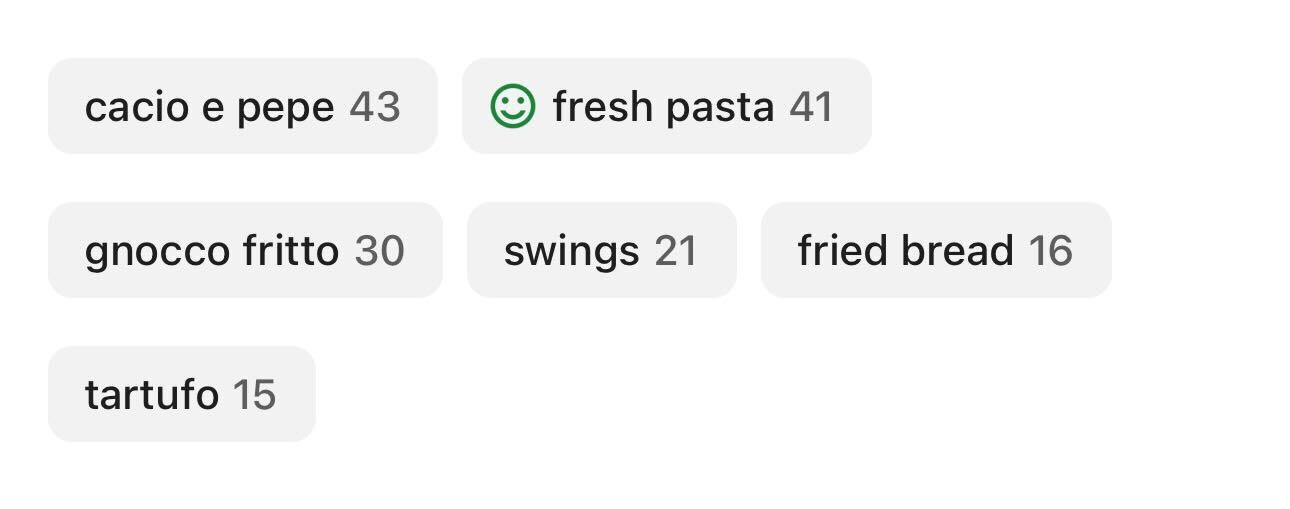
Google crafts clickable Place Topics from the keywords found in reviews. These topics not only stand out and attract potential customers by showcasing your expertise but also filter reviews efficiently, increasing engagement with your profile.

Terms frequently mentioned in your reviews are bolded in three review snippets on your Business Profile. This subtle emphasis can captivate users searching for these terms, likely boosting click-through rates to your profile.
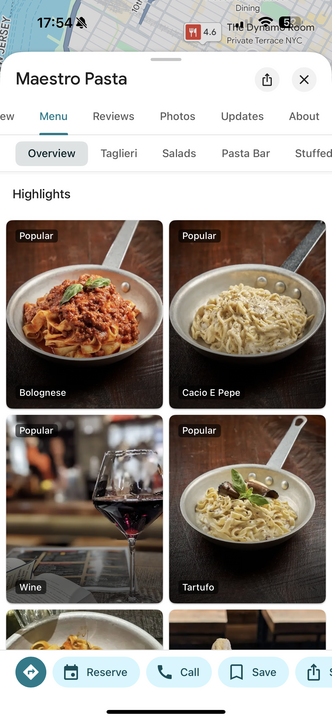
For restaurants, Menu Highlights are curated from customer reviews and photos, similar to Place Topics. An analysis shows that these sections influence rankings, implying that mentions of menu items in reviews can enhance your visibility for those terms.

Google’s AI-generated summaries draw from review content to describe your business attributes, such as “cozy”. While you cannot directly edit these summaries, encouraging detailed, keyword-rich reviews can guide the AI to highlight beneficial aspects of your business.

Review summaries created by Google’s AI analyze frequent sentiments from customer feedback. By prompting customers to include specific keywords, your review summary can resonate more with potential clients.
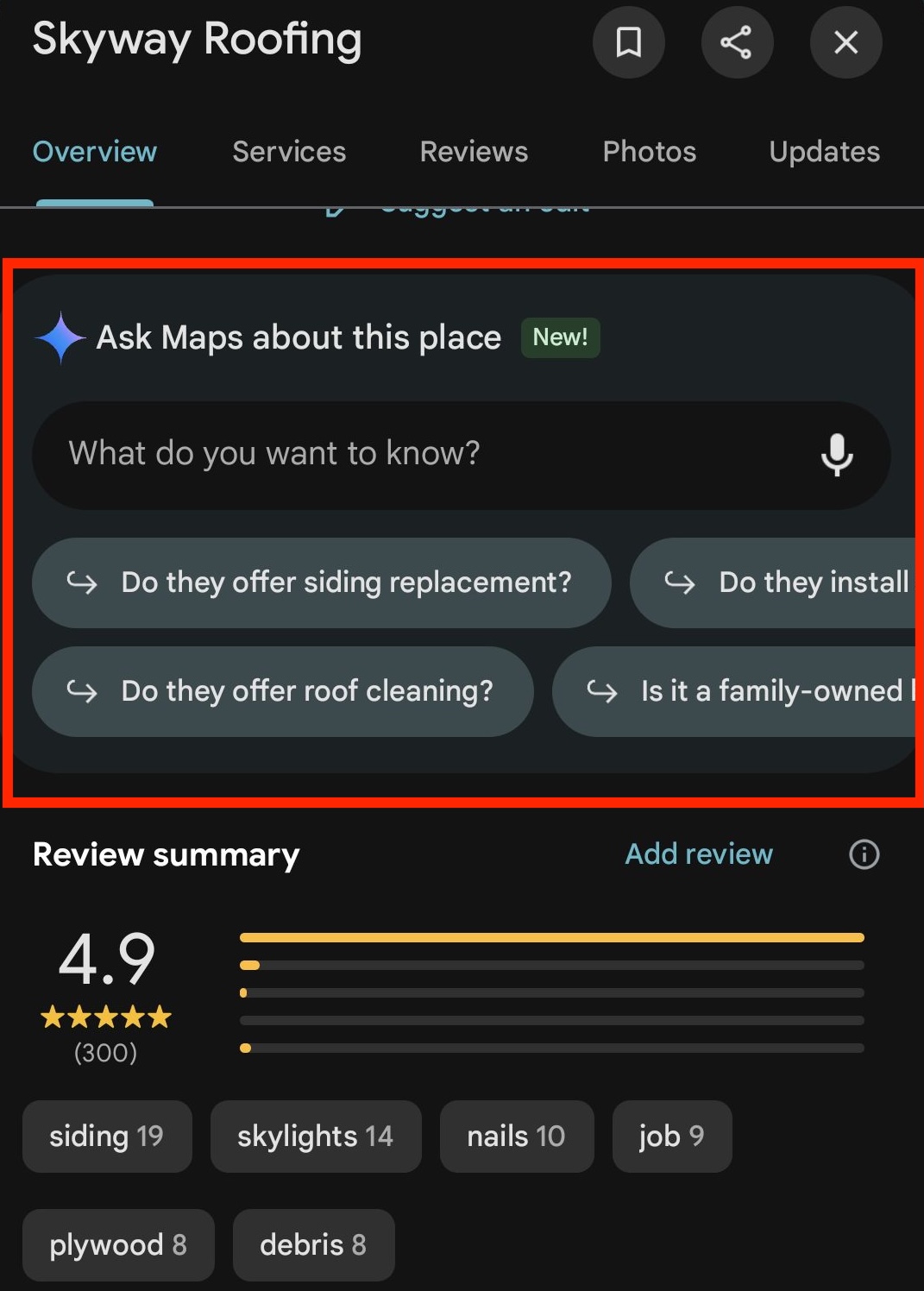
Google is transitioning from the Q&A section to a feature allowing customers to ask questions about your business. This new feature draws answers from reviews, meaning that comprehensive, keyword-laden reviews become incredibly valuable.
Asking customers directly to insert specific keywords in their reviews may seem odd and forced. Instead, consider upgrading your review request templates to guide your customers naturally towards providing relevant, detailed feedback.
For example, Miriam Ellis has developed a helpful guide on acquiring keyword-rich reviews, complete with three templates tailored for different scenarios, each facilitating descriptive and keyword-rich content from your clients.
Implementing these improvements in your review requests will yield richer, more detailed customer feedback. This can enhance your local SEO benefits and possibly improve your Google rankings for related keywords, though that shouldn’t be your primary objective here.
Inspired by this post on Search Engine Land.
