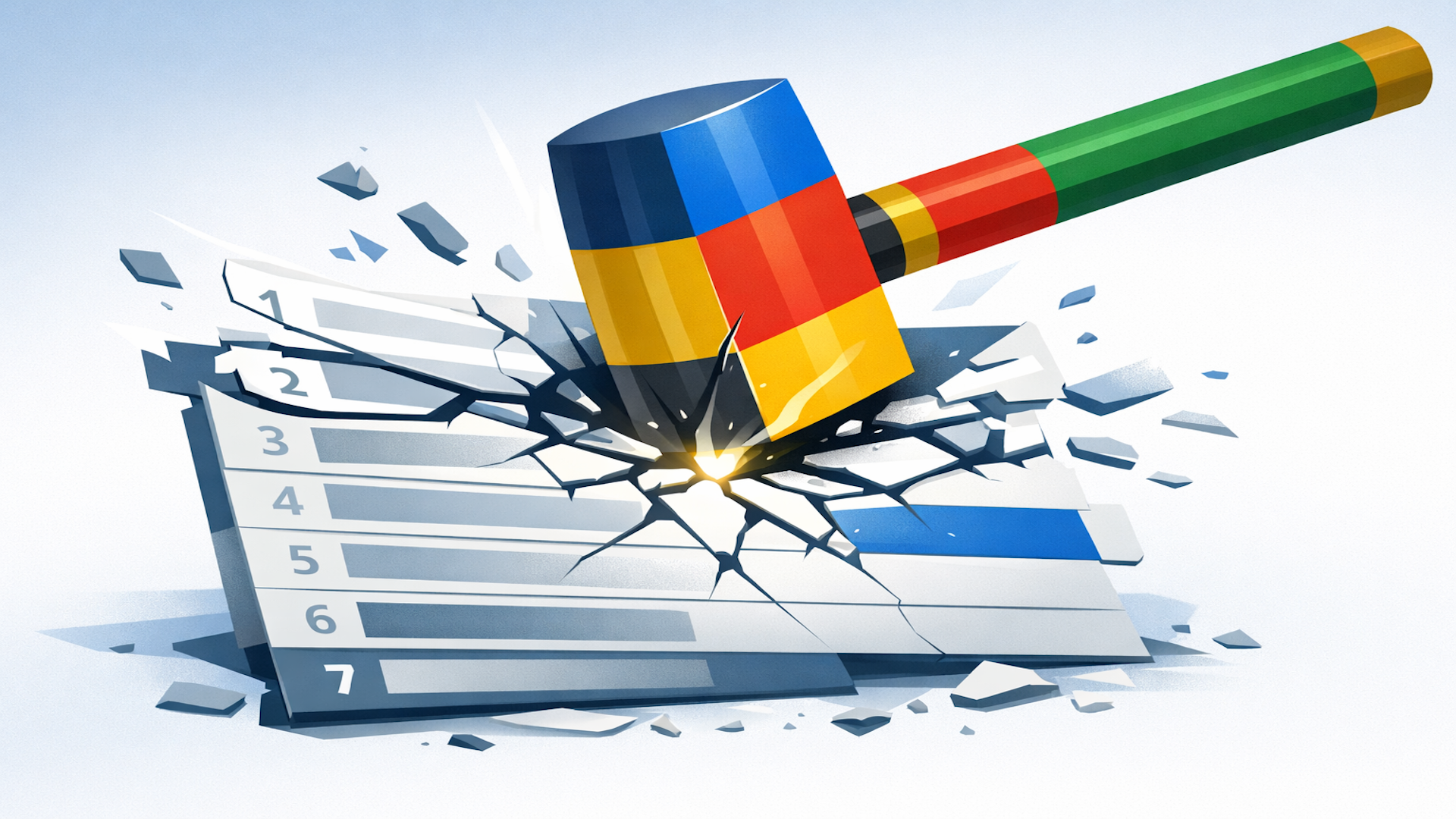
I might be witnessing a significant shift as Google seems to be tightening its grip on self-promotional ‘best of’ listicles. This trend was highlighted by Lily Ray, who leads SEO strategy and research at Amsive.
Recently, many SaaS brands experienced a sharp decline in visibility, ranging from 30% to 50%. These companies often featured content that ranked their own products as ‘Number 1’ in their fields, frequently updating with the latest year to capitalize on recency signals.
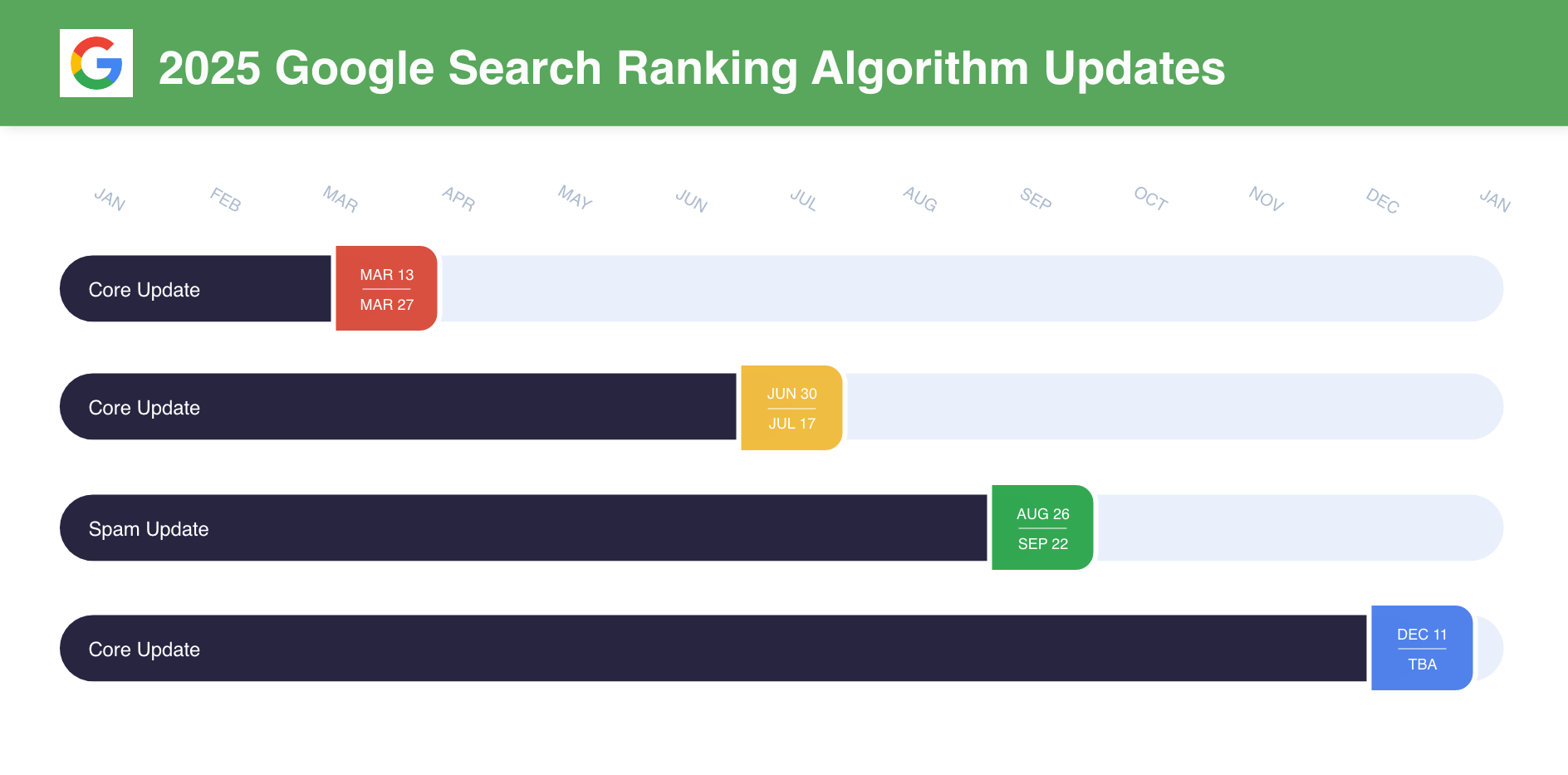
Understanding the Trend. Following the December 2025 core update, there was noticeable volatility in Google search results throughout January, as reported by Barry Schwartz. Although Google hasn’t confirmed any updates for this year, the timing matches the visibility drops experienced by major SaaS and B2B brands. Lily Ray observes:
• In several situations, organic visibility dropped by as much as 50% within weeks. The losses were primarily in subfolders containing blogs, guides, and tutorials.
• These sections often housed numerous self-promotional listicles for ‘best’ queries, with the publishers typically ranking themselves first. Most articles were minimally refreshed with the addition of ‘2026’ to their titles, without substantial updates.
• “It seems likely that these declines in Google organic rankings might also affect visibility across other search engines and AI platforms that utilize Google’s results, like Gemini and ChatGPT,” Ray explained.
Why This Matters. There has been a longstanding practice of using self-promotional listicles to sway search rankings and AI-generated responses. If Google is reconsidering this kind of content, any strategies focusing on ‘best’ queries might face substantial challenges.
The Controversy. Ranking oneself as ‘the best’ without independent verification or third-party endorsement is often seen as a dubious SEO move. While not outright banned, it conflicts with Google’s guidelines on reviews and trustworthiness.
• Google maintains that quality reviews should display firsthand experience, originality, and clear evaluation. Self-serving listicles frequently fall short, particularly when bias isn’t disclosed.
However. Self-promotional listicles may only be one of several factors affecting organic visibility. Affected sites often showed signs of fast content expansion, automation, aggressive year-based updates, and other risky tactics.
• Nevertheless, the prevalence of self-promoting ‘best’ content among the most impacted sites suggests that this signal might now be more influential, especially when used extensively.
What’s Next. The outcome for self-promotional listicles in terms of gaining recognition and organic visibility is still uncertain, as Google seldom implements changes uniformly or immediately.
• If this volatility is linked to updates in Google’s review system, the trend is evident: Content aimed mainly at influencing rankings, rather than offering credible evaluations, poses growing risks.
• The enduring lesson for brands seeking online visibility is clear: SEO shortcuts may yield effective results, but only until they don’t.
Further Insights. You can read more about this development in Lily Ray’s analysis titled Is Google Finally Cracking Down on Self-Promotional Listicles?
Inspired by this post on Search Engine Land.