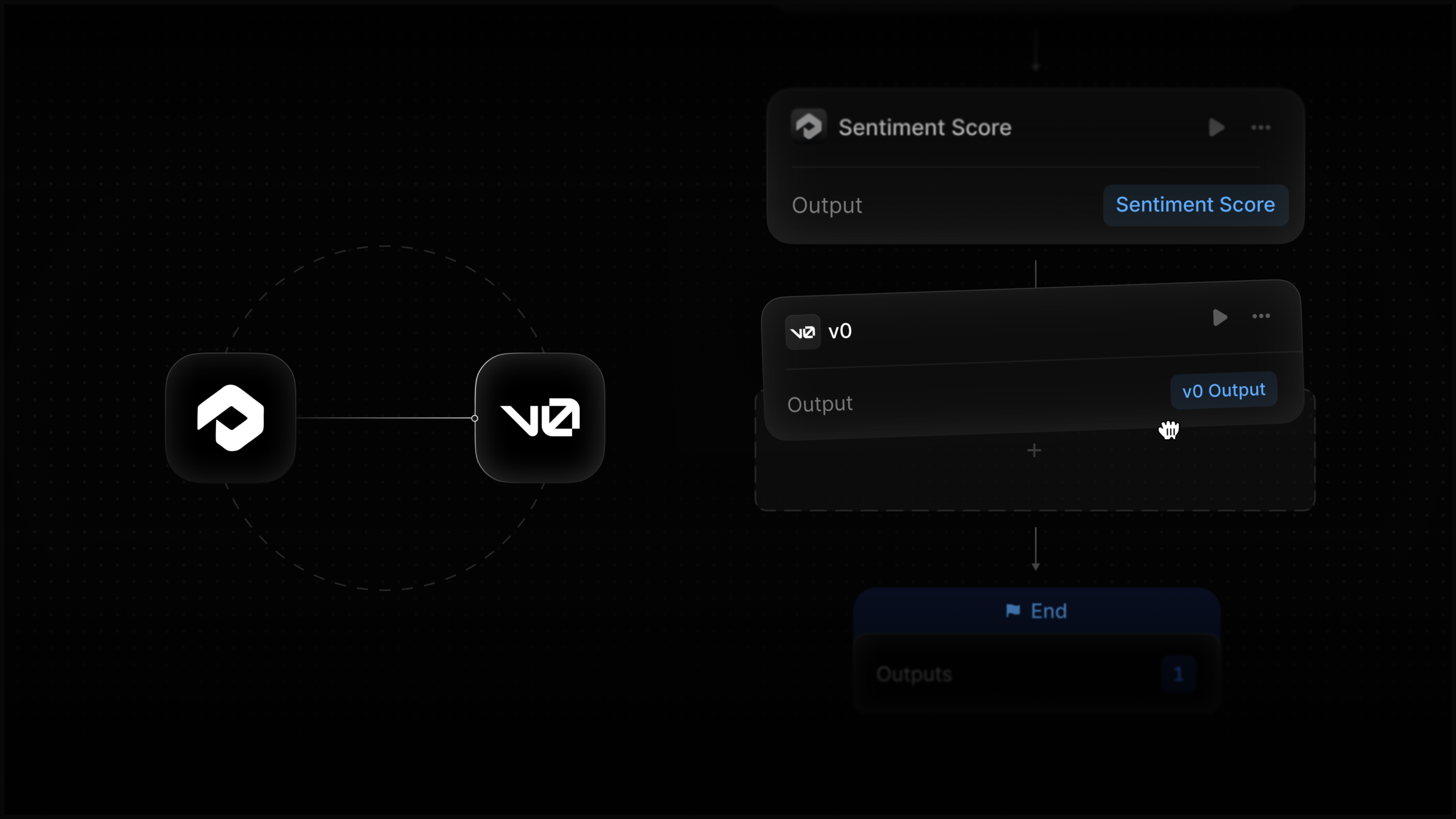
Hey there! I’m thrilled to share something exciting: Profound Agents now seamlessly connect with Vercel v0. This means I can generate and deploy stunning landing pages without writing a single line of code.
By leveraging my Profound AEO data as a solid foundation, deploying these pages has never been easier. It’s a game-changer for anyone looking to enhance their digital presence effectively and efficiently.
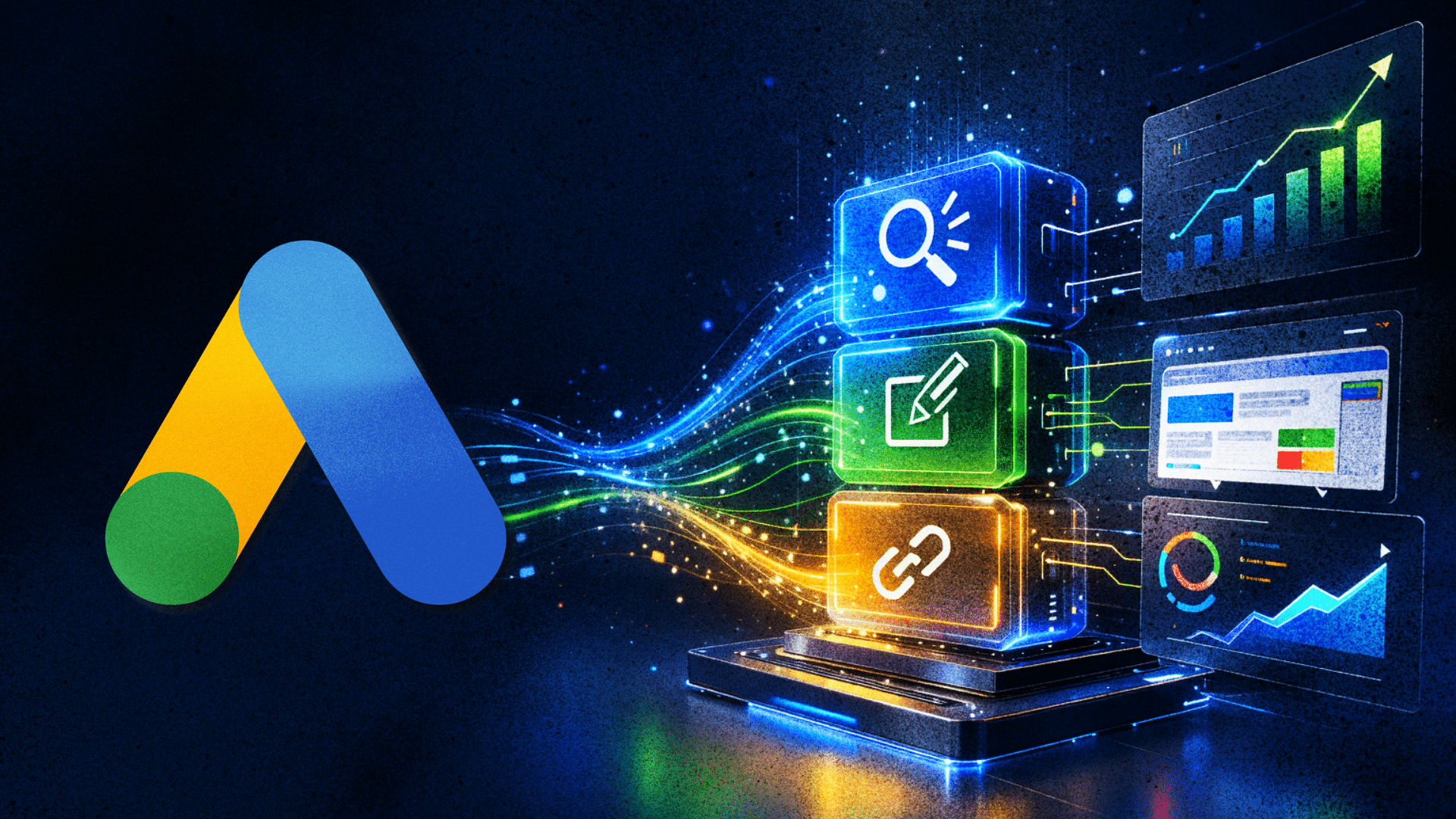
As I delve into the latest updates from Google, it’s clear that the company is advancing its Universal Commerce Protocol (UCP) to revolutionize AI-driven shopping experiences.
The UCP update is not just about ads anymore; it’s about the rich product data that will shape visibility and drive sales.
Google is making significant strides in supporting ‘agentic commerce’ by enhancing its infrastructure with new UCP capabilities. These updates will simplify retailers’ integration processes.
Google highlights how the UCP, an open standard aimed at connecting retailers to AI-driven shopping experiences, is evolving. This transformation seeks to emulate the feel of traditional storefronts even when purchases are done through automated agents.
What’s New: The focus is on creating more functional and flexible shopping experiences via AI agents.
The new cart feature allows AI agents to compile multiple products from a single retailer into one basket, making it resemble the typical shopping experience.
Additionally, the catalog capability enables agents to access real-time data about products, including pricing, inventory, and variants, ensuring accuracy and responsiveness in shopping interactions.
Significantly, the identity linking feature preserves benefits such as member pricing and free shipping across platforms linked by UCP, enhancing the shopper’s experience beyond the retailer’s native site.
Why I Care: With this update, the shift toward AI-driven, agent-led shopping becomes more pronounced. Services like Search and the Google Gemini app might choose and purchase products on users’ behalf, making the quality of product data critical for visibility. Simplified onboarding and support from major platforms could mean quick adoption and an advantage for early adopters.
Zooming Out: UCP is a modular system, allowing retailers and platforms to adopt capabilities selectively rather than all at once, offering flexibility as the industry gauges the extent of control to cede to AI shopping.
Google’s Strategy: Google is set to integrate these capabilities into its ecosystem, including AI-enhanced experiences in Search and the Google Gemini app. To encourage wider adoption, Google plans to simplify the onboarding process within Merchant Center soon.
The Bottom Line: Google’s UCP is evolving from a concept into a broad ecosystem, enhancing capabilities while easing adoption. By doing so, Google is positioning agent-driven commerce as a compelling choice.
I recently embarked on a fascinating journey to explore how ChatGPT’s Shopping feature is activated. It’s intriguing how product categories seem to play a more significant role compared to purchase intent language.
In my analysis of 1.18 million prompts, supported by a detailed review of 7,500 labeled examples, I discovered a notable pattern. Prompts that specifically mention shippable consumer goods are highly likely to trigger Shopping cards. However, prompts about software, services, travel, and financial products almost never have the same effect.
I noticed that adding specific constraints, like price, features, or intended use, boosted the chances of the Shopping trigger, though only within the confines of product categories.
The process boils down to a straightforward rule: if the primary noun in your prompt is something you could easily buy on Amazon, there’s a good chance the Shopping feature will appear. Using this logic, I developed a classifier that can replicate ChatGPT’s Shopping behavior with an impressive accuracy of around 95–97%.
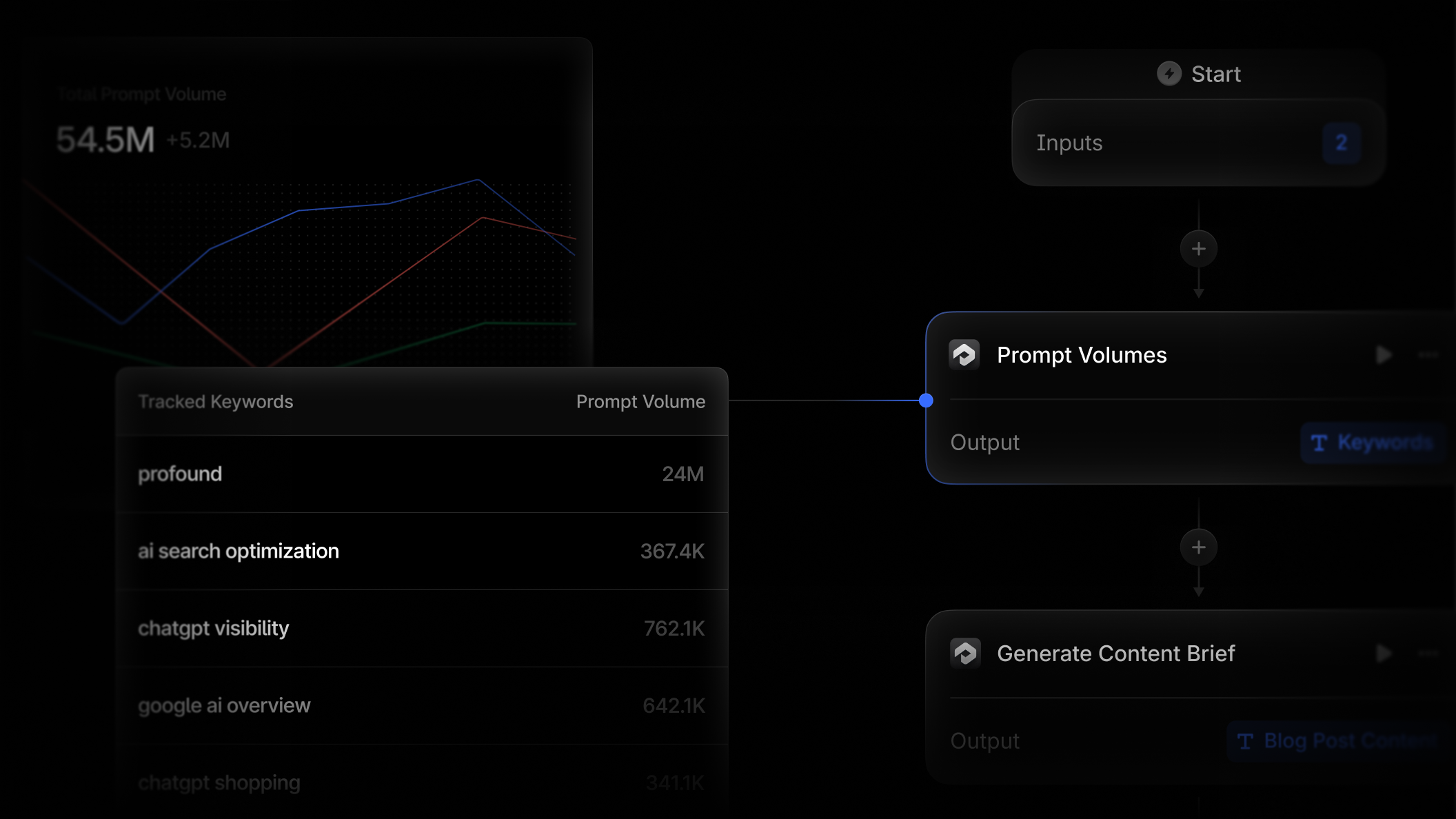
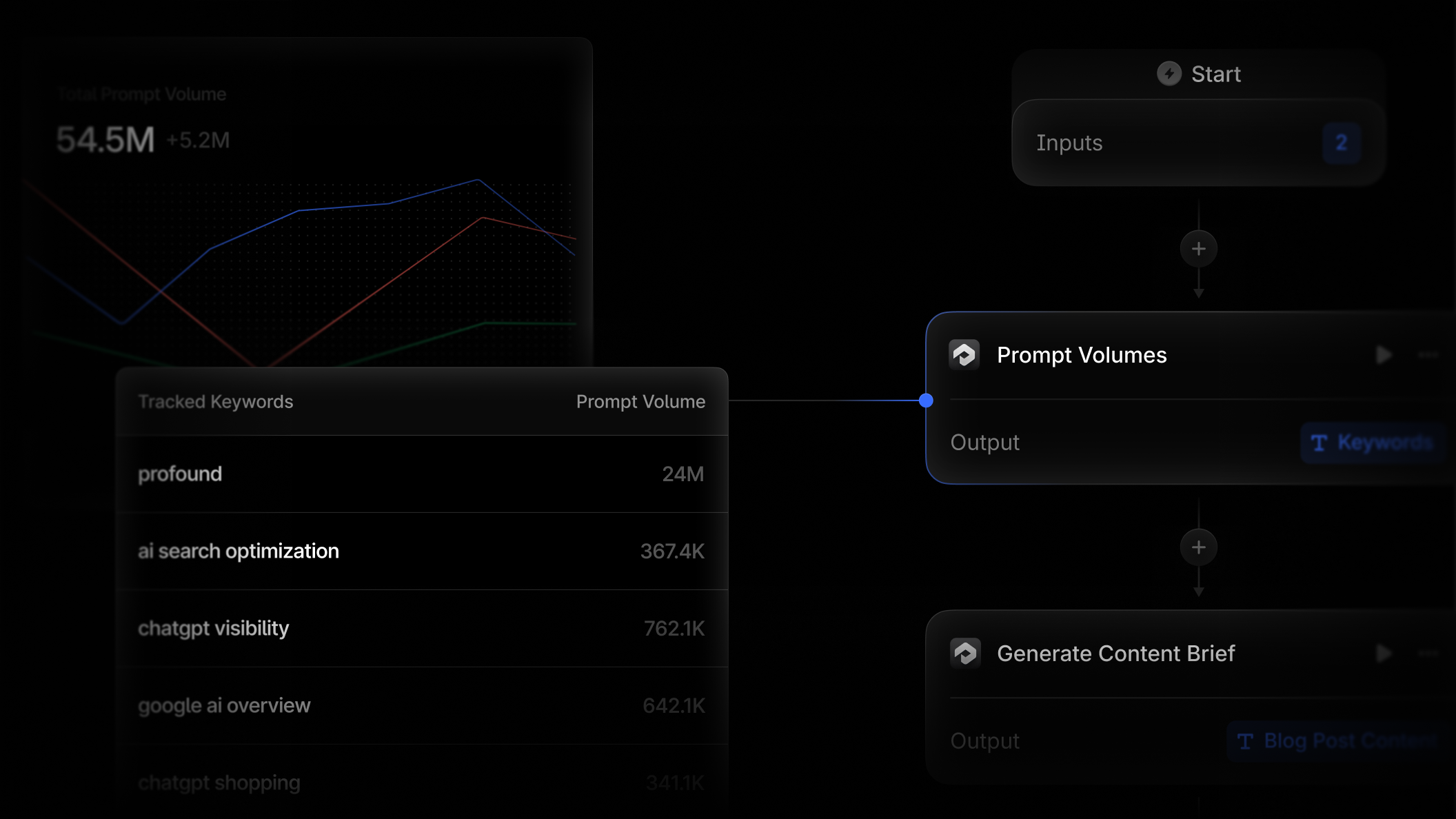
I’ve found an incredible new way to streamline content creation, competitive analysis, reporting, and monitoring with the latest Profound Agents feature. We can now effortlessly integrate prompt volume data directly into any Profound Agent, bringing together all our workflows into a single platform. This innovation is perfect for marketers looking to enhance efficiency.
When I think about how often I scroll through LinkedIn, I’m excited to share that the platform is launching a cutting-edge AI-powered feed ranking system. It’s designed to analyze what we post, read, and engage with, thanks to large language models and advanced GPUs. This innovation aims to provide more personalized content updates for its vast user base of 1.3 billion.
Why this matters to me. Understanding LinkedIn’s content surfacing process can be a game-changer for anyone wanting their posts—or their brand’s—to gain visibility. The focus is on what’s relevant and engaging within our network. As LinkedIn Tweaked their system, posts that show expertise and contribute to trending professional topics have a better chance to go viral, regardless of our existing connections.
What’s under the hood. LinkedIn has revamped its feed recommendation mechanism using large language models and sophisticated transformer models, all powered by GPU infrastructure. The overhaul targets two key functions: the retrieval and ranking of relevant posts in our feeds.
Unified retrieval system. One of the most intriguing aspects for me is how LinkedIn has consolidated its discovery processes into a single model powered by LLMs (large language models). Previously, posts could come from various sources such as network activity and trending topics. Now, LinkedIn uses LLM-generated embeddings to interpret post content and align it with our professional interests.
For instance, by engaging with posts about small modular reactors, I might see content linked to renewable energy or other related fields, even if they use different terminology.
Ranked by your interests. Once posts are retrieved, LinkedIn ranks them utilizing a transformer-based sequential model. Instead of looking at posts individually, the model examines patterns in my past interactions, including likes, comments, and the time I spent viewing content.
This helps LinkedIn adapt to my evolving professional interests and recommend content that aligns with these shifts.
System performance and architecture. Powered by a GPU infrastructure that processes millions of posts, this system keeps our feeds fresh.
LinkedIn reports that this system can refresh content embeddings in mere minutes and retrieve suitable candidates in under 50 milliseconds.
Enhancing feed quality and authenticity. LinkedIn has also announced updates aimed at boosting content quality:
Addressing automated engagement. They’ve started cracking down on tools that automate comments or use engagement pods to fake discussions. LinkedIn clarifies these violate platform policies and devalue genuine interactions.
Cutting down on engagement bait and generic content. The platform will deprioritize content designed solely to provoke comments or clicks—such as posts begging for comments to inflate reach, irrelevant video-text pairings, and regurgitated thought-leadership content.
Helping newcomers customize their feeds faster. New users can now utilize the “Interest Picker” during signup to select topics of interest, whether it be leadership, career growth, or job-seeking skills, ensuring relevance from day one.
I’m thrilled to share how AI is revolutionizing content workflows. Imagine having AI-powered link suggestions seamlessly integrated into your writing process—before you even hit publish.
This innovation ensures our content is not only optimized for search engines but also rich in meaningful context for our readers.
I’ve always loved exploring new places, and now Google Maps is making it even more exciting with its new feature, ‘Ask Maps.’ This AI-powered addition transforms the way I interact with maps by allowing me to simply ask questions and receive personalized recommendations.
Google has introduced this conversational AI feature to assist us in navigating complex real-world queries. ‘Ask Maps’ leverages Google’s Gemini AI models to provide us with personalized, actionable answers tailored to our preferences and needs.
What’s new and exciting? Now, I can ask questions like, “Is there a public tennis court with lights that I can play at tonight?” or “My phone battery is low — where can I quickly charge it nearby?” The magic of ‘Ask Maps’ is in its ability to give me a conversational response complete with a custom map view.
Key capabilities include:
Personalized recommendations — Google Maps remembers my search and save history, which means it knows I love vegan restaurants before I even ask!
Trip planning — I can request recommended stops along my route and receive insightful details like directions, ETAs, and tips from over 500 million community contributors.
Direct action — I love how I can book reservations, save interesting places, or easily share them with friends right from the response.
Why do I care? ‘Ask Maps’ is revolutionizing the way I discover places by shifting the focus from simple keyword searches to interactive, AI-driven recommendations. Businesses wanting to be noticed need rich, accurate, and engaging Google Maps profiles as this is the data utilized by Google’s AI for recommendation making.
What to keep an eye on: ‘Ask Maps’ is already being rolled out in the U.S. and India for both Android and iOS, with desktop access coming soon. I’m excited about these advancements!
What’s next? As AI plays a bigger role in how we find places, it’s crucial for advertisers and local businesses to keep their listings accurate and review-rich to make the most of Gemini’s capabilities. I’m looking forward to how this changes the landscape for businesses.
I recently came across an intriguing study that shows AI tools are now responsible for generating 45 billion monthly sessions globally. This accounts for an impressive 56% of all search engine activity, according to Graphite.io CEO Ethan Smith.
The analysis combines web and mobile app usage across leading AI platforms and suggests that AI activity matches 56% of global search use and 34% in the U.S.
The surge is particularly evident in mobile applications like ChatGPT, Gemini, Perplexity, Grok, and Claude.
Why it matters: AI is broadening the horizons of discovery, rather than limiting the demand for search. Since 2023, combined usage across search engines and AI assistants has increased by 26% globally. It’s clear that having visibility in both LLMs and traditional rankings is crucial.
Key insights: The report dives into the performance of the top five LLM products—ChatGPT, Gemini, Perplexity, Grok, and Claude—and compares them to the biggest search engines. Here are some standout insights:
AI platforms generate 45 billion monthly sessions worldwide.
Within the U.S., AI accounts for roughly 5.4 billion monthly sessions.
An astounding 83% of global AI usage takes place within mobile apps (75% in the U.S.).
ChatGPT is leading the charge, representing 89% of AI sessions globally.
When looking at search-like prompts, AI usage constitutes 28% of the global search and 17% within the U.S.
The report leaves out prompts in the “doing” or “expressing” categories. According to OpenAI, around 52% of prompts focus on seeking information, akin to traditional search queries.
Reading between the lines: Most forecasts comparing AI and search focus only on website traffic, often just Google.com and ChatGPT site visits. This approach overlooks much of AI’s impact.
The research suggests these comparisons undervalue AI activity by a factor of 4-5 times because a significant chunk occurs on mobile apps.
The analysis takes into account various LLMs and search engines, rather than only comparing Google and ChatGPT.
What to keep an eye on: Google remains a dominant force in discovery, but the report estimates its share of search-related activity has declined from 89% in 2023 to 71% by the fourth quarter of 2025.
While global AI usage seems stabilized since July 2025, the U.S. usage is still on a rapid climb—up about 300% year over year by December 2025.
I’ve recently discovered some exciting updates in Google Analytics that I think are real game-changers for marketers like me. They’ve introduced AI-generated insights on the Home page, alongside a new cross-channel budgeting feature in beta. These changes help me quickly identify key performance shifts and optimize how I spend my paid budgets.
What’s happening. The introduction of these AI-generated insights right on the Home screen means I can now see the top three changes that occurred since my last visit. This includes notable updates, performance anomalies, and those tricky seasonality trends—all without sifting through the detailed reports.
This feature is all about speed and convenience. Instead of spending time manually scanning dashboards, it offers me a quick snapshot of what’s changed and why it could matter.
Cross-channel budgeting (Beta). As a marketer, I find the new cross-channel budgeting feature incredibly useful. It allows me to track performance across various paid channels and optimize my investments based on the results I get.
While access to this feature is currently limited, I’m eagerly looking forward to broader availability in the near future.
Why I care. These updates make it easier and faster for me to spot performance changes and directly link insights to budget decisions. The automated insights reduce the time I spend combing through reports, while cross-channel budgeting helps me allocate spending more strategically across various channels.
Together, these features streamline my analysis process and enhance how quickly my team and I can adapt our strategies.
Bottom line. In combining Generated insights and cross-channel budgeting, Google Analytics aims to reduce reporting friction and improve decision-making. This means faster answers and more control over how I allocate budgets across channels.
During Airbnb’s Q4 2025 earnings call, CEO Brian Chesky shared an intriguing insight that has captured my attention: bookings from AI chatbots surpass those driven by Google in terms of conversion rates.
Chesky revealed, “And what we see is that traffic that comes from chatbots convert at a higher rate than traffic that comes from Google.” However, he was less forthcoming about the exact conversion rates or the volume of traffic these AI chatbots generate for Airbnb.
I find it fascinating that despite lacking specific conversion data, it seems clear that guests reaching Airbnb via AI chatbots are further along in the booking journey compared to those originating from Google searches.
The chatbots contributing to this traffic boom weren’t explicitly identified, but Chesky did mention well-known models like OpenAI’s ChatGPT and Google’s Gemini, among others.
This evolution is significant because AI assistants are starting to prove themselves as powerful tools in the early stages of customer engagement, potentially surpassing traditional search methods in terms of quality lead generation.
Chesky portrays these chatbots as not only similar to traditional search platforms but as vital components in the journey of customer acquisition.
He believes that, “These chatbot platforms are gonna be very similar to search. Gonna be really good top-of-funnel discoveries,” highlighting their potential in broadening Airbnb’s reach.
Airbnb is excited about what lies ahead as they envision an AI-native experience where their app evolves from merely assisting in searches to genuinely understanding user preferences.
“So AI search is live to a very small percent of traffic right now,” Chesky mentioned, emphasizing that Airbnb’s strategy involves a lot of quick iterations and experimentation rather than launching big, bold changes.
Currently, within Airbnb, AI tools are not only external but also internal assets. Their AI-powered customer service agent significantly reduces the workload by resolving nearly one-third of North American support tickets.
The company aims to expand this AI tool globally with multilingual capabilities, including voice support, with hopes of handling more than 30% of tickets within the year.
An AI-powered conversational search feature is live for a limited user base, showcasing Airbnb’s commitment to embracing AI as part of their development cycle rather than waiting for a massive roll-out.
While the idea of sponsored listings remains in the background, Chesky notes that traditional ad formats might require tweaking to align with the conversational nature of AI environments.
Previously, before generative AI and AI-powered searches became trends, Airbnb shifted its budget focus to brand marketing, reducing expenditures on search marketing, a move that now aligns with their evolving AI approach.