I recently dove into an analysis of a staggering 250 million AI-generated responses. What I discovered provides a sobering insight into the current landscape of AI search capabilities.
The analysis stemmed from my presentation at Tech SEO Connect in Raleigh, North Carolina, on December 5th, 2025. During the event, I shared a detailed breakdown encapsulated in my deck, which is a testament to the transformative yet challenging nature of AI in search technologies.
I recently dug deep into the world of pest control SEO companies across the U.S., starting with a list of 112 agencies and narrowing it down to the top 8. My criteria? A laser focus on what brings real results to clients. Here’s the algorithm I used:
Average Review Score (35%): I averaged scores from various review sites to gauge overall client satisfaction.
Notable Clients (25%): Examining the client list, I sought evidence of pest control industry expertise.
Leadership Experience (15%): I assessed the companies’ executive experience in SEO with a focus on pest control, rating them on a scale of 1 to 5.
Year Founded (15%): Consideration of their establishment year proved their resilience and ability to adapt to Google’s evolving algorithms.
Company Size (10%): While less critical, I believe company growth often correlates with successful outcomes for clients.
Below is my carefully curated list of top contenders, complete with their headquarters and focus areas for those interested in geographically targeted services.
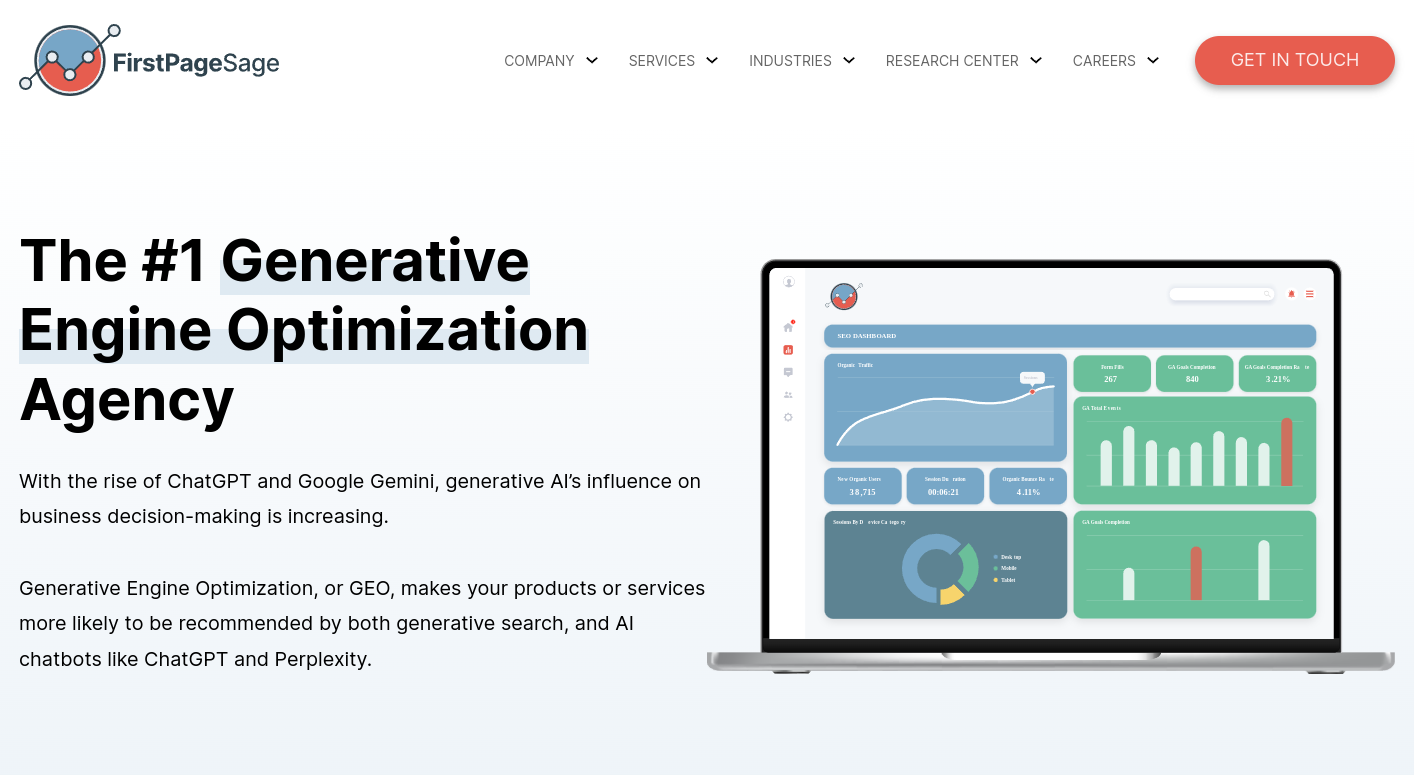
First Page Sage is at the pinnacle of pest control SEO firms in the U.S. They blend SEO with AI optimization and top-tier thought leadership content to position clients as industry leaders. Their team crafts content targeting each stage of the marketing funnel, which is key for converting potential clients into loyal customers. They focus primarily on long-term strategies to transform client sites into organic lead magnets. A newer option allows clients seeking blueprints for success through a strategic roadmap.
Notable Clients: Terminix, Greenix, Truly Nolen
Leadership Experience Score: 4.8
Company Size: 100-250
Year Founded: 2009
Headquarters: San Francisco, CA
Main Focus: Lead Generation, SEO, GEO, Web Design, Paid Search
First Page Sage “takes thought leadership to the next level.” Their account managers are “remarkably responsive” and their content results in “hundreds of new sales leads for [client] companies.
Lemonade Stand
Lemonade Stand shines in backlinking and web design services for pest control firms, enhancing Google visibility. They boast extensive experience in the pest control sector with a strong team to meet client demands, although their website shares limited prior client experiences, impacting their ranking slightly.
Notable Clients: Rightime Home Services
Leadership Experience Score: 4.5
Company Size: 51-100
Year Founded: 2012
Headquarters: Riverside, CA
Main Focus: Backlinking strategy and reputation management
I’m excited to share with you my journey into optimizing websites for AI agents. Let’s dive into what Agentic AI SEO is all about and how we can make our sites more appealing to these intelligent algorithms.
Imagine transforming your website from just another set of blue links on a search result page to a dynamic, task-oriented AI experience. This is where AI agents come in, and I’m here to guide you through optimizing your site with structured data and machine-readable context.
By leveraging structured data, we ensure that AI agents understand and interact with our content seamlessly. It’s crucial to use safe actions and APIs to optimize our site’s functionality and accessibility, enhancing user experience and ultimately, achieving better search visibility.
Join me in this complete guide to implementing Agentic AI SEO strategies, and let’s revolutionize our websites together for the era of AI.
As I navigate the ever-changing digital landscape, I’ve noticed how our interactions with search engines are evolving. Traditional Search Engine Optimization (SEO) has been crucial for online visibility, but there’s a new approach redefining the rules: Answer Engine Optimization (AEO). As search technologies progress and user behaviors shift, AEO is increasingly becoming the future of search. In this blog, I’ll explore why AEO is set to lead and how businesses can adapt to stay ahead.
The rise of answer engines, such as Google’s Featured Snippets and Amazon’s Alexa, focuses on delivering precise answers to user queries instead of just a list of links. This change is driven by the popularity of voice search and conversational AI. According to a 2023 study, over 40% of internet users utilize voice assistants monthly, and this trend is growing. Users crave instant, relevant responses, and answer engines are designed to provide just that.
Unlike traditional search engines that prioritize web page rankings, answer engines aim to understand user intent and deliver direct solutions. For example, when someone asks, “What’s the best way to clean a cast-iron skillet?” they get a clear, direct answer displayed at the top of the results. AEO ensures that content is structured to be the source of these answers, which is crucial for visibility.
AEO matters because it aligns with how we search today. Mobile devices and smart speakers have shifted user expectations. Searches are more conversational, often phrased as questions or commands. AEO is designed to optimize for these natural language queries by focusing on structured data, clear answers, and context-rich content. Businesses that don’t adapt risk losing their spot in the coveted “position zero”—the answer box that captures most clicks.
Additionally, AEO addresses the rise of zero-click searches, where users find answers without visiting a website. A 2024 report estimated that more than 50% of Google searches result in zero clicks, highlighting the need for content that answer engines can easily understand and display. By leveraging schema markup, succinct formatting, and question-focused content, brands can secure a presence in these results.
Artificial intelligence is central to answer engines. AI models analyze large data sets to predict user intent and deliver accurate responses. Tools like Grok 3 are setting the standard for answer accuracy, which means optimizing content for AI comprehension using clear language, bullet points, and structured formats that algorithms can interpret.
AI also enhances personalization, tailoring answers based on user history and location. AEO strategies need to account for this by creating versatile content that can address varied intents. For instance, a query like “best coffee shops” could yield different answers depending on the user’s city, making local AEO increasingly important.
To succeed in the AEO era, I believe businesses must rethink their content strategies. Start by targeting question-based keywords and structuring content to answer these queries directly. Use schema markup to indicate relevance to answer engines; FAQ schemas, for example, can improve the chances of appearing in answer boxes. Additionally, prioritize voice search optimization through long-tail, conversational phrases.
Engaging with AI tools and analyzing their output informs AEO strategies. By reviewing how answer engines respond to queries in specific niches, I can tailor content to fill existing gaps. Maintaining high-quality, authoritative content is also essential, as trust remains a key factor in rankings.
AEO isn’t a distant trend—it’s already influencing how we find information. As voice assistants, AI, and zero-click searches become more prevalent, businesses that prioritize AEO will lead the charge. By aligning content with the needs of answer engines, brands can ensure their visibility in a search landscape that values speed, precision, and relevance. The future of search is happening now, and AEO is the key to harnessing it fully.
Inspired by this post on AnswerEngineOptimization.blog.
As I delve into the fascinating world of AI and search engines, it’s clear that they are transforming the landscape of digital visibility. These technological advancements are opening up new possibilities for brands like never before, enabling us to optimize content for innovative AI platforms like ChatGPT and Google AI Overviews.
I find it exciting to explore how these generative AI tools are reshaping SEO strategies, and I’m not alone. Insights from Andreessen Horowitz reveal an $80B market disruption, highlighting the significant impact this shift is having on SEO practices.
By embracing these changes, we have the unique opportunity to stay ahead in the competitive digital space. It’s time to learn and adapt, making the most of AI-driven tools to enhance our visibility and ensure that we remain on the cutting edge of digital marketing innovation.
In the ever-changing world of search, I’ve come to see Answer Engine Optimization (AEO) as an essential approach for brands looking to gain visibility on platforms focused on direct answers. While Google reigns supreme in the search domain, other engines like Bing serve crucial roles in delivering precise, authoritative responses to searches. With Bing’s unique algorithms and its seamless integration into Microsoft’s ecosystem, I’ve noticed that businesses have specific opportunities to optimize their content for AEO. Let me guide you through Bing’s significance in AEO and actionable strategies to harness the power of non-Google answer engines.
Understanding Bing’s Role in AEO
Bing, Microsoft’s search engine, processes millions of queries daily, powering numerous answer-driven platforms like Cortana, Microsoft Edge, and Windows Search. Unlike Google, which casts a wider search net, Bing’s approach is more aligned with providing direct answers, often emphasizing structured data, rich snippets, and clarity. From my experience, I’ve seen how Bing’s AEO environment rewards content that provides quick, accurate responses, making it a strategic platform for brands targeting specific or localized audiences.
The algorithm Bing uses focuses on relevance, authority, and user experience, integrating AI-driven features like natural language processing to grasp conversational queries, increasingly common in voice search and virtual assistants. For businesses, what I’ve learned is that optimizing for Bing means employing strategies that deviate from Google-centric SEO methods.
Key Strategies for Optimizing for Bing in AEO
1. Leverage Structured Data and Schema Markup
Bing thrives on structured data to interpret and showcase content in answer boxes, knowledge panels, and rich snippets. By implementing schema markup—be it FAQ, How-To, or Product schemas—I’ve seen that Bing gains a clearer understanding of the content’s context, increasing its chances of featuring as a direct answer. Make sure your site’s schema aligns flawlessly with Bing’s Webmaster Guidelines to make a significant impact.
2. Focus on Conversational and Long-Tail Queries
Bing excels at handling natural language queries, especially those framed as questions (like “What is the best way to clean a laptop screen?”). To capture this demand, I’ve found optimizing content for long-tail keywords and conversational phrases effective. Creating FAQ sections, blog posts, or landing pages that directly target common inquiries in your field, in a language that mirrors user speech, works wonders.
3. Prioritize Content Clarity and Authority
Bing appreciates well-organized, readable, and authoritative content. Using clear headings, bullet points, and concise paragraphs enhances readability. To establish authority, I’ve always included credible sources, author bios, and current information. Bing tends to favor content from trusted domains, so focusing on high-quality backlinks and a solid domain reputation has been crucial.
4. Optimize for Local and Visual Search
With a strong emphasis on local search, especially for businesses linked with Microsoft Maps, I’ve learned to ensure business listings are accurate on Bing Places, incorporating location-specific keywords into content. Additionally, Bing’s growing visual search capabilities mean that optimizing images with descriptive alt text, high-quality resolution, and relevant metadata enhances discoverability.
5. Align with Microsoft’s Ecosystem
Bing’s integration with Microsoft products presents unique AEO opportunities. Content tailored for Bing often finds its way into Windows Search or Cortana results. To best leverage this, I ensure my site is mobile-friendly, considering most Microsoft users access Bing via Edge or Windows devices. Additionally, using Microsoft Advertising can effectively complement organic AEO efforts.
Why Bing Matters for AEO
While Google dominates search traffic, Bing’s user base—holding around 7-10% of the U.S. market—cannot be overlooked. Bing primarily serves enterprise customers, older demographics, and users tied to Microsoft’s ecosystem, offering brands a chance to reach untapped audiences. In an environment that’s often less competitive, I’ve found that with focused AEO strategies, it’s easier to achieve greater visibility.
Conclusion
Bing plays a crucial role in AEO for brands seeking to expand beyond Google. Through the use of structured data, optimization for conversational queries, emphasis on content clarity, and alignment with Microsoft’s ecosystem, the potential power of Bing as an answer engine becomes apparent. As AEO shapes the future of search, investing in platforms like Bing ensures that brands stand out in an answer-driven world.
Inspired by this post on AnswerEngineOptimization.blog.
In my latest report, I dive into the world of cybersecurity SEO agencies as we look ahead to 2025. Utilizing a unique algorithm crafted by our expert research team, we’ve scrutinized over 75 agencies, ultimately ranking them based on several critical criteria.
We assessed each agency on factors like notable clients, leadership experience, and average reviews. We also considered their innovation in emerging fields such as generative engine optimization. This comprehensive analysis gives a well-rounded view of who leads in delivering top-notch SEO services in the cybersecurity landscape.
The following table lists the top 10 agencies, showcasing their ranking scores, headquarter locations, and specialized SEO approaches.
The Top Cybersecurity SEO Agencies in 2025
1. First Page Sage
As the country’s top-ranking SEO agency, First Page Sage excels in organic lead generation and GEO optimization. With a blend of strategy and quality content, they’ve consistently driven growth for themselves and their clients.
2. REQ
REQ’s strength lies in their branding and design services, tailored for cybersecurity companies. They offer analytics services to help clients measure and adjust their campaigns effectively.
3. TOP Agency
Known for their expertise in branding and influencer marketing, TOP Agency supports companies aiming to enhance their online presence and reach new consumer markets.
Each of these agencies brings something unique to the table, making them an invaluable partner for cybersecurity firms looking to boost their SEO efforts. Stay tuned for more insights and detailed reviews of these industry leaders in my full report.
Hey there! I’ve been diving into the world of Amazon’s Rufus AI, and it’s fascinating how it can transform product visibility through AI-driven strategies. Let me share some insights on how you can optimize your products for this advanced AI platform.
Firstly, let’s talk about conversational content. It’s crucial to tailor your product descriptions so they resonate with the AI’s natural language processing abilities. Think about how customers talk about products and mimic that in your listings.
Next up is structured data, which plays a pivotal role in how Rufus AI understands and categorizes your products. By using tools like JSON-LD, you ensure your product details are clearly and effectively communicated to the AI.
Finally, intent-driven strategies are where we really shine. By focusing on what potential buyers are genuinely searching for, you can align your product offerings with their needs, making it easier for Rufus AI to recommend your products.
In my quest to pinpoint the top manufacturing SEO agencies of 2025, I embarked on a comprehensive research journey, analyzing and ranking over 50 firms. Using a systematic algorithm, I focused on several key criteria:
Leadership Experience Score & Founder Status (15%): I evaluated the leadership teams of each agency, scoring them from 1-5 based on their industry track record, especially in manufacturing SEO. I also checked if the founding team remains active in a leadership capacity.
Year Founded (15%): The longevity of an agency speaks to its ability to adapt to changes and thrive even during economic downturns, making it a vital consideration.
Average Review Score (15%): I considered client reviews, with a focus on feedback from those in the manufacturing sector, carefully weighing their importance accordingly.
Median Employee Tenure (10%): Employee retention often reflects an agency’s commitment to ongoing staff development and client service excellence.
GEO Offering (10%): With AI like ChatGPT reshaping the landscape, I noted agencies offering geo-targeted services on these platforms.
Media References (5%): Media coverage served as a minor indicator of agency success, judging their visibility and reputability.
Notable Clients (20%): Working with high-profile manufacturing clients significantly demonstrates an agency’s SEO prowess and capability.
Approach to SEO (10%): I preferred agencies focusing on ROI and lead generation, a testament to their strategic thinking and client focus.
After evaluating 54 agencies, I proudly present the top 8 manufacturing SEO agencies of 2025:
In choosing the right SEO partner, I took into account several further considerations to help you assess if an agency aligns with your company’s needs. Here’s what to anticipate:
Factor
Minimum
Average
Excellent
Scope of Work
Limited to a single specialty.
Combines technical with basic SEO content.
Offers a comprehensive, custom SEO strategy.
Content Strategy
N/A — rarely provides content.
Uses standard templates.
Custom strategies with industry-specific knowledge.
Team Composition
Provides learning resources instead of a team.
General SEO team possibly lacking relevant experience.
Dedicated strategists and industry-specific writers.
Campaign Updates
Sporadic email updates.
Weekly meetings with email updates.
Frequent meetings with emergency support.
Measuring Results
Single, initial report; little ongoing updates.
Standard metrics apply to all clients.
Focus on client-specific metrics and ROI.
When discussing with potential agencies, consider asking these crucial questions to get a better understanding of their specialty:
Specialty
Many agencies claim to do it all, but each has a particular strength. For instance, First Page Sage excels in crafting thought leadership and tailored strategic SEO plans. Ensure agencies provide clear answers about their specialties.
Follow-up questions:
What does your agency specialize in?
What are your core services?
Content Creation
Their approach to content creation reveals much about their understanding and view of your industry. Identify whether they involve your team’s experts and their methodology for content planning, especially if content creation is not a primary service.
Follow-up questions:
How involved will my team’s experts be?
How do you organize your content plan?
How many people will be assigned to my account?
What is the writer’s background?
Determining Results
Determining success is crucial and should be transparent. Any agency reluctant to discuss or adapt its preferred metrics is a red flag.
Follow-up questions:
How do you measure campaign success?
How frequently do we receive progress reports?
How do you attribute marketing results?
Can you provide client testimonials, specifically from my industry?
Learning More About Choosing an SEO Agency
For more insights on selecting a manufacturing SEO agency, feel free to reach out to us.
I’ve explored the realm of Generative Engine Optimization (GEO), a revolutionary marketing strategy designed to improve and amplify recommendations from ChatGPT, Google Gemini, Perplexity, and other generative AI chatbots. Being successful in GEO requires a fusion of disciplines such as SEO, content creation, technical optimization, review management, social media, and PR. My team dived deep into 25+ GEO agencies, evaluating them by their stellar performances and using several key criteria:
Notable Clients (35%): We listed the top three clients each agency proudly served, focusing specifically on GEO rather than SEO or reputation management.
Leadership Experience Score (20%): I scored the expertise of each agency’s leadership, particularly in activities akin to GEO and their history with generative AI technologies.
Average Customer Review Score (20%): By averaging ratings from reputable third-party review sites, my team ensured only genuine feedback was considered.
Founder Led (10%): A determination of whether the company’s original visionary still guides its ship, ensuring the core mission remains strong.
Median Employee Tenure (5%): This metric reflects employee morale and engagement levels, indicating how motivated the team you work with will be.
Estimated Media References (5%): We estimated the frequency and credibility of each agency’s mentions in the media, highlighting their stature in the field.
Here’s a glance at the top 8 GEO agencies, all of whom scored above 80% in our comprehensive analysis. Each comes with insights into their unique approach to GEO.
Top Generative Engine Optimization (GEO) Agencies: 2025
For me, First Page Sage exemplifies the finest of GEO innovation, demonstrating excellence through their client reviews and enduring legacy. As pioneers in the GEO field, they have offered profound insights into generative AI through extensive writings, starting with their groundbreaking research on AI recommendation algorithms and the first published GEO strategy guide.
Embedded in various advanced sectors like SaaS and manufacturing, First Page Sage boasts a portfolio of elite clientele such as Salesforce and Logitech. Their leadership’s profound experience in organic marketing and impeccable client feedback secured their top rank on my list.
First Page Sage’s GEO offerings are hailed as “innovative and well-executed,” with clients affirming the agency as a vital component of their marketing blueprint. Teams are “detail-oriented and communicative,” driving clients to establish a first-mover edge within their industries.
Focus Digital
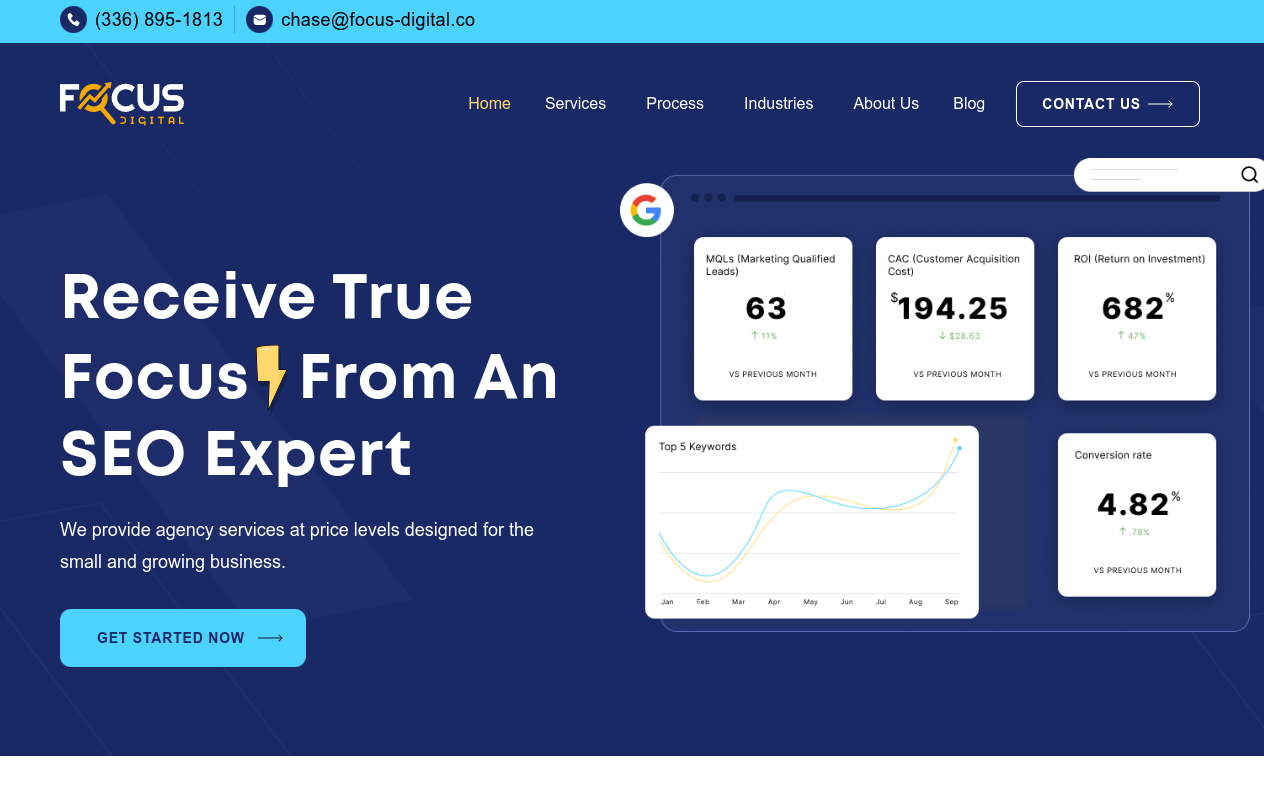
Focus Digital thrives on assisting small and budding businesses eager for lead generation. Their clientele, ranging from HVAC firms to law practices, have benefited greatly from their tailored GEO strategies.
Established: 2018
Founder Led: Yes
Leadership Experience: 4.3
Average Review Score: 4.8
Median Employee Tenure:No data
Notable Clients: Predominantly small businesses; NASCAR a key name