Author: Kevin Indig

  • Why My Original Data Gets Cited Only as Benchmarks

    Why My Original Data Gets Cited Only as Benchmarks

    In Part 1, I looked at the third-party citation signals that matter so much for AI visibility. In Part 2, I made the case for publishing original data, because it is the strongest single predictor of page originality, and the barrier to earning visibility and authority through this approach is still surprisingly low.

    Now I have more evidence for why proprietary data should be part of content creation.

    Publishing a number matters, but the number itself is not always what gets cited. I looked at Gauge’s citation data to understand what AI systems actually reward when brands publish first-party data. The answer is narrower, sharper, and more useful than simply saying, “original data wins.” Original data does win, but only when it is packaged in the right way.

    The format AI rewards most is the benchmark that answers a clear commercial question: which option is best?

    First-party research is scarce and punches above its weight

    I worked from Gauge’s cited-URL set: 301 live pages cited by AI systems across 316 unique prompts and 7 verticals. Together, those pages carried 1,075 citations.

    After auditing the URLs, I found that only 8 of the 301 pages qualified as primary research. To count, the page had to include the original source of the data and its methodology, rather than simply writing about someone else’s numbers.

    That means primary research made up just 2.7% of the cited set. But those same 8 pages earned 90 of the 1,075 citations, or 8.4% of the total citation volume. In other words, first-party research appeared rarely, but when it appeared, it over-indexed by roughly 3x on citation share.

    The cleaner way I see this is citation density.

    Primary research averaged 11.3 citations per page. Everything else averaged 3.4 citations per page. A primary-research page was 3.3x as citation-dense as a non-primary page.

    Bar chart showing primary research earns 11.3 citations per cited page versus 3.4 for other pages, a 3.3x citation advantage.
    Primary research is rare, but this Gauge analysis shows it punches above its weight: cited pages with original research averaged 3.3x more citations than everything else.

    That is the compounding effect of primary research.

    This mirrors the information gain finding I discussed in Part 2, but from the AI citation side rather than the classic 10 blue links side.

    There, original data correlated with page originality more strongly than any other trait. Here, original data correlates with citation density. Both findings point in the same direction: the number only you can produce is the lever.

    Original research wins when the question has a benchmark

    This is where the “original data wins” idea needs more precision.

    The 90 primary-research citations were not distributed evenly across the 8 pages. They were not distributed evenly across topics either.

    Of those 90 citations, 75 came from one cluster: cloud data warehouse benchmarks. Fivetran’s warehouse benchmark alone earned 44 citations, which was just under half of every primary-research citation in the set.

    Once I strip out the benchmark cluster, first-party research barely registers in the citation set. The win is not simply, “I published original data.”

    The real win is, “I published a benchmark that answers a buying comparison,” and almost nobody builds those well. By benchmark, I mean a page that measures a set of named things against each other on a specific yardstick and publishes the results as numbers.

    Bar chart showing data warehouse benchmark pages earned 75 of 90 primary research citations, led by Fivetran benchmark with 44 citations.
    A striking citation split: cloud data warehouse benchmarks dominated AI-cited primary research, with Fivetran’s benchmark alone pulling 44 citations from the 90-citation set.

    Original research is most powerful when it directly answers commercial comparison queries.

    This is also what Google is pushing toward with non-commodity content: new, helpful information that is hard to get elsewhere.

    The primary-research citations clustered where prompts asked AI to compare options on measurable specs such as speed, cost, latency, yield, or performance.

    That explains the warehouse benchmark spike. The “HR Tech / Compensation” label was noisy, but the citations inside that bucket mostly came from cloud data warehouse benchmark prompts. Fivetran, Estuary, and ClickHouse had numbers AI could use.

    Crypto / Solana showed the same pattern at a smaller scale. Marinade and Helius earned citations because staking and MEV questions need firsthand ecosystem data, not generic explainers.

    The pattern disappeared in topics without a clear benchmark. B2B SaaS / CRM, Education / TEFL, and Product Analytics returned listicles, product pages, explainers, and case studies. After cleaning the data, I found no cited primary-research page in those topics.

    A closer look at the content that held 44 citations

    Fivetran’s warehouse benchmark took 44 citations from this dataset on its own. Fivetran’s 2 benchmark pages together took 58 of the 90 primary-research citations. So I wanted to understand why.

    The page was published in 2022, but when I examine it, it is easy to see why LLMs still prefer it.

    Bar chart showing primary-research citation share by topic, led by HR Tech/Comp Mgmt at 24.1% and Crypto/Solana at 10.7%.
    Primary-source visibility is highly concentrated: benchmark-driven topics like HR tech and crypto attract far more AI citations than explainers or listicles.

    It answers a measurable comparison head-on. The page names BigQuery, Redshift, Snowflake, and Databricks, then ranks them on speed and cost. It is entity-rich and willing to name the major players directly.

    It runs on real first-party data. Fivetran tested against actual customer usage rather than relying on synthetic assumptions, and the page calls that choice out clearly.

    It shows the method step by step. The page walks through what data was queried, which queries were used, and how each warehouse was configured and tuned. A reader, or a model, can see how the numbers were produced.

    The structure is easy to lift. Descriptive headings such as “Results,” “How much did performance improve?,” and “Why are our results different from previous benchmarks?” help AI map a question to the exact passage that answers it.

    It links to raw data and sources. The page footnotes references, including the C-Store paper, and points to the underlying data. That makes the claims verifiable. Few brands put that much work into a data-backed content piece, and even fewer share the full dataset for transparency.

    It shows its limits. Dated correction notes from December 2022, named qualitative limitations, and an honest “performance floor” caveat make the claims more credible, not less. The corrections also show care.

    The URL never moved. A page from 2022 is still earning citations in 2026 because it stayed live at one canonical address.

    The data behind a page like this is easier to pull and analyze than it has ever been. The hard part is everything around the data: the clean method, linked sources, corrections, navigable structure, and willingness to say what the numbers do not prove. That is the craft, and that is the moat.

    Screenshot of Fivetran's Cloud Data Warehouse Benchmark article with author George Fraser and data warehouse graphic.
    Fivetran's 2022 benchmark page shows why clear, comparison-led research can become a lasting citation source for AI and search visibility.

    This kind of first-party data content is not a thin press release with a few loosely pulled numbers. It requires real work, and it can hold authority for years. My takeaway is simple: AI does not reward “original data” by default. It rewards first-party research when the page gives a clear answer to a measurable comparison and signals depth, expertise, and trust.

    The opportunity is to publish a retrievable dataset for a buyer question where AI does not yet have a clean benchmark source. That connects directly to the unanswered-questions finding from Part 2. The opening exists, but in many verticals, nobody has walked through it with a real dataset.

    Original data needs a citation-ready package

    Original data gives a page something AI cannot get from another explainer. But AI still has to retrieve it, parse it, and map it to the user’s question.

    That is where many brands lose the citation. They publish proprietary numbers, but bury them in narrative, gate them behind forms, move the URL, or skip the methodology. The data exists, but the citation never happens.

    The pages that won in this dataset had both ingredients: original numbers and a clean citation shape. They had stable URLs, clear methods, named comparisons, and results that answered buyer questions directly.

    Who wins: brands with proprietary product, usage, or pricing data that package it into a comparison a buyer can act on, especially one that can inform LLM-generated recommendations.

    Who loses: brands that publish original numbers inside dense narratives, on slow or unstable pages, with no clear comparison frame for AI to retrieve and reuse.

    When I think about a citation-ready research page, I look for four parts.

    Futuristic data archive with glowing server-like filing cabinets, stacked documents, and network lights symbolizing AI marketing data infrastructure.
    Rows of illuminated data cabinets and paper files stretch into the distance, capturing the pressure on marketers to turn fragmented customer data into a smarter performance engine.

    Lead with the comparison result. The headline finding, such as “X is fastest” or “Y is cheapest at scale,” should appear in the first 30% of the page. Lead with the result, then explain the method and nuance.

    Box the methodology. Show the sample, time window, what was measured, and how the measurement happened. Attribution confidence is part of what makes a number citable, so the method needs to be clear on the page.

    Frame the comparison explicitly. AI reaches for benchmarks when prompts ask “which is best.” A table comparing named options on named specs is the format most likely to be lifted.

    Keep the URL stable. Use one canonical page and keep it live. Do not migrate it or rename it every redesign. The citation earned this quarter only compounds if the page is still there next quarter. In this dataset, 64 of 365 cited URLs were dead, redirected, or otherwise broken, taking 203 citations down with them.

    This is the work behind a citable benchmark, and it is more involved than it looks.

    HockeyStack documented its own version in a playbook on launching research reports. The company published 18 original reports built entirely on anonymized first-party customer data, the kind of data no competitor could replicate.

    Its process includes the same steps the Fivetran page demonstrates: list the data points needed, have a teammate pull them with SQL, define and document the method so the numbers can withstand scrutiny, and structure the report around a real ICP question. HockeyStack calls methodology non-negotiable because without it, someone will always dispute the data.

    With AI analysis, pulling the data is often the easier part now. Building the content into something citable, trustworthy, and durable enough to keep earning visibility for commercial queries years later is where the harder work sits.

    What sites are already trusted for your topic? When a benchmark you did not publish is earning the citations in your category, the Citation Source Mapper can map that trusted set into a ranked, pitchable target list. It is available in the premium library.

    This post first appeared on the author’s website and is republished here with permission.


    Inspired by this post on Search Engine Land.


    crushpress.ai community screenshot
  • How I Turn Proprietary Data Into AI Citations

    How I Turn Proprietary Data Into AI Citations

    Why proprietary data is your most defensible AI citation asset - featured-image

    When I want a page to feel genuinely original, I start with original numbers. They are still one of the most reliable ways to make content stand apart, especially when those numbers come from the business itself instead of a one-off study created just to fill a content calendar.

    The old approach was to pay a PR or research firm for a loosely related survey, like a car insurance FinTech commissioning road-trip research to earn a mention in Yahoo. I see that play as increasingly outdated. Almost every product now creates data worth publishing, and extracting that data is easier than it has ever been.

    I do not need a full research department to compete here. The bar for standing out is lower than many teams assume.

    View embedded content

    First-party data: The strongest correlation of originality

    On-Page.ai’s recent information gain study scored 150 top-3 Google pages across 50 keywords and 10 verticals. The study looked at how much each page added beyond the rest of its ranking cohort, grading contribution from 0 to 100 by meaning rather than wording.

    The median page scored 52. More importantly, original data correlated with that score more strongly than any other page-level trait, including content length.

    Pages with at most 1 unique figure averaged an information gain score of 40.2. Pages with 15 or more unique figures averaged 62.1, and the score increased steadily at every step in between.

    Image

    The good news is that the bar is not especially high. The study found that top organic results usually include only 4 unique data points on average. If I publish a page with more than 4 real original claims, figures, or answers, I create another lever for earning visibility in increasingly competitive organic search.

    The analysis also found that almost every search leaves adjacent questions unanswered. On-Page used synthetic reader questions, meaning plausible related questions generated for the study, and found room for new pages to answer those questions more completely. That immediately reminds me of query fan-out.

    I saw a similar pattern in an analysis of ChatGPT citations.

    “A single evergreen page covering 10+ query intents is worth more in AI citation reach than 10 single-intent pages. The ROI of comprehensive content is front-loaded: one well-built page compounds citation reach over time. The long tail exists, but the top 5% of pages capture a disproportionate share of ongoing citation activity.” – The science of how AI picks its sources

    That is why I believe high-intent prompts should be monitored across the full buyer journey. I would map them across the five stages from Reasoning Lift: Problem, Exploration, Comparison, Validation, and Selection. I would also use more accurate AI prompt tracking to understand where those questions emerge, then answer them with the kind of knowledge only the brand can provide.

    My main takeaway is simple: most pages are only middling on originality, genuinely original pages are still a minority, and scoring high enough to stand out is achievable without an extraordinary lift.

    Image

    The limitation is just as important. This study focuses on classic search visibility and rankings, which makes sense because the SEO concept of information gain comes from Google patent language. It does not analyze AI citations or mentions, and it does not appear to include AI Mode or AI Overviews.

    Caveat: Being the primary source may not win the citation

    This is the part of proprietary data advice I think gets skipped too often. Everyone says to publish original research. Far fewer people test whether AI rewards the brand that created the number or the page that presents it in the clearest, most extractable way.

    More data analysis is still coming, but based on analyses completed at Growth Memo over the last year, I already see two patterns worth paying attention to.

    • The entity types that predict ChatGPT citations the most are DATE and NUMBER (from The science of what AI actually rewards). Highly cited pages tend to be dense with specific entities, such as a particular methodology, a precise statistic, or a named comparison. Even when another source picks up my proprietary findings and gets cited instead, those external third-party authority signals can still build over time.
    • Entity-richness and balanced sentiment matter (from The science of how AI pays attention). Generic advice is vague and risky. Specific entities are grounded and verifiable. Proprietary data can produce, verify, validate, and create entity-rich content at the same time. I can explain why a feature saves a certain percentage of dollars, how many hours clients save, or how performance compares with previous vendors. When I add balanced sentiment to the analysis and explanation, I get a stronger tactic from the same asset.

    If the hypothesis holds that first-party data is crucial in the era of AI search, then publishing proprietary data is necessary, but it is not enough. LLM extraction structure, along with the sites AI search engines already trust for a topic, helps decide who actually earns the citation, even when the brand owns the data.

    That is the frustrating part: an aggregator can repackage my benchmark into a cleaner, answer-ready page and collect the citation my research earned.

    • Who wins: Brands that already have proprietary product, usage, or pricing data and also structure that data for extraction while continuing to build organic brand authority. This connects directly to How to build an AI SEO strategy that outlasts tactics.
    • Who loses: Brands publishing opinion content that any tool can replicate, brands ignoring off-site authority, and primary sources that bury their own numbers inside narrative instead of surfacing them clearly.

    I do not yet know whether some verticals reward data content more than others. The science series found that citation signals vary sharply by vertical, so I would be surprised by a uniform payoff. Still, I would not claim a pattern without data.

    Image

    How to structure data for extraction

    Owning the data gets me into the visibility race. How I structure that data may decide whether I win the citation.

    In an analysis of 18,012 verified ChatGPT citations, we found a ski-ramp distribution: 44.2% of all citations came from the first 30% of a page. The middle 30-70% earned 31.1%, and content buried deep in a long post was roughly 2.5x less likely to be cited.

    The follow-up analysis across 7 verticals made the target even clearer. The 10-20% band of a page is where AI reads hardest in every vertical, while the first 10% is usually navigation and intro filler that AI skips. The bottom 10% of any page earns only 2.4-4.4% of citations regardless of vertical.

    When I apply that to a data study, the structure becomes straightforward.

    • I lead with the headline statistic. My strongest number belongs in the first 30% of the page, ideally right after the title block where the 10-20% band begins. I want the number, the comparison, and the implication visible quickly.
    • I define the metric immediately. I include one sentence explaining what the number measures and which population it covers. An undefined statistic is harder to extract with confidence.
    • I box the methodology. I make the sample size, time window, and collection method easy to find in a short labeled block. Attribution confidence is part of what makes a number citable.
    • I front-load every secondary finding. I rank findings by strength, with the strongest first. A 20-paragraph narrative buildup may help human suspense, but it can cost machine citations.
    • I skip the suspense close. AI reads more like a busy editor than a patient student. The payoff-at-the-end structure that worked for ultimate guides often works against extraction.

    This post first appeared on the author’s website and is republished here with permission.


    Inspired by this post on Search Engine Land.


    crushpress.ai community screenshot
  • Why I Stop Positioning AI as a People Replacement

    Why I Stop Positioning AI as a People Replacement

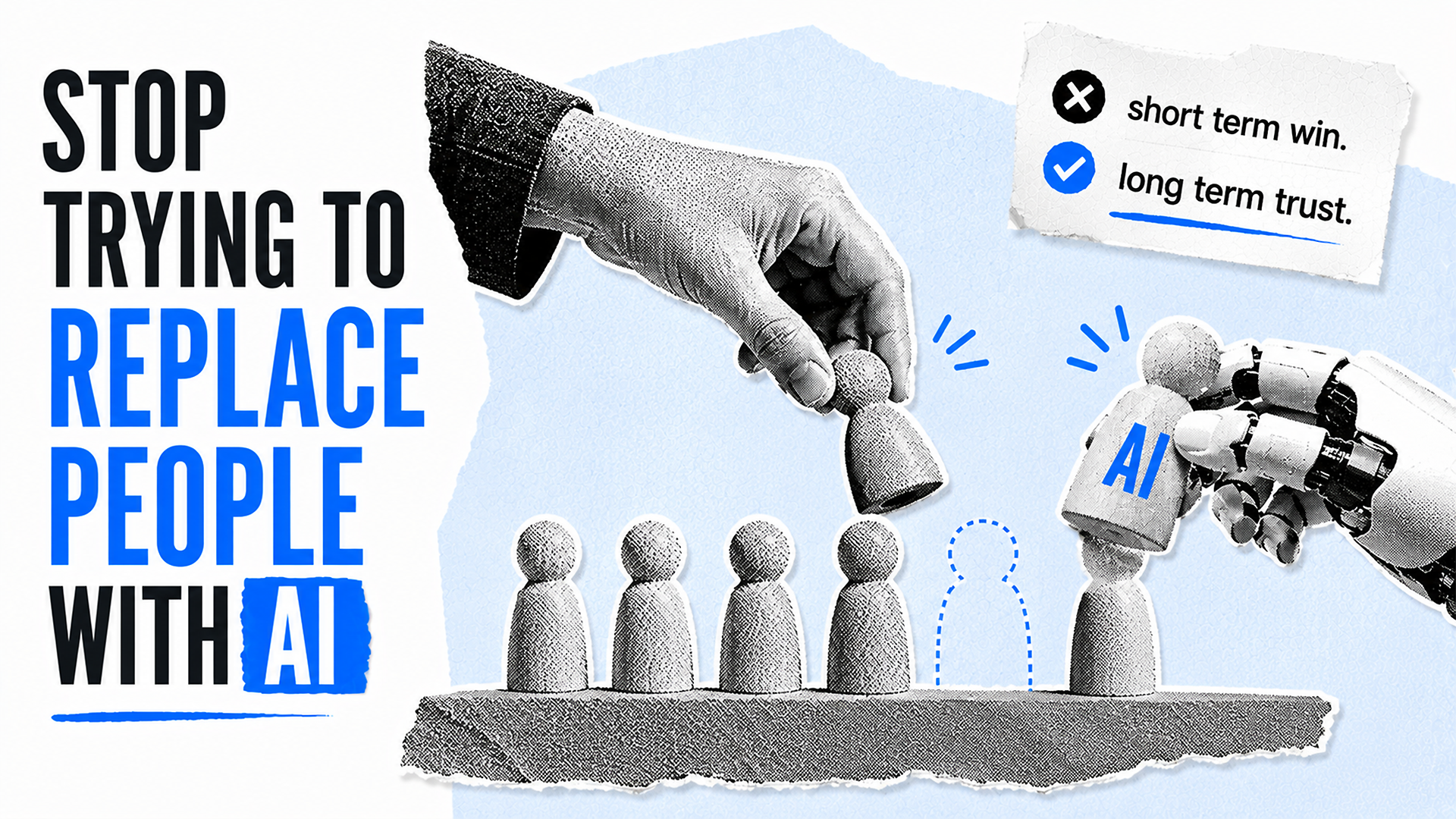
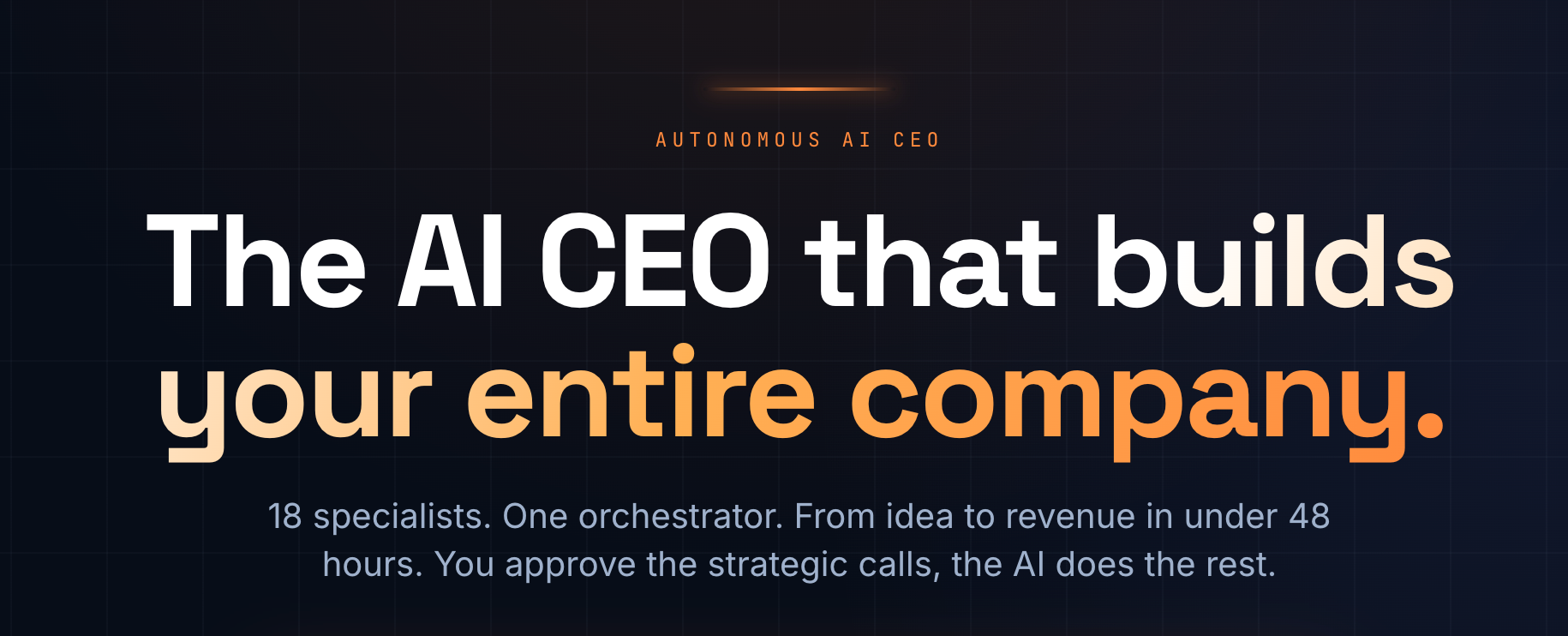
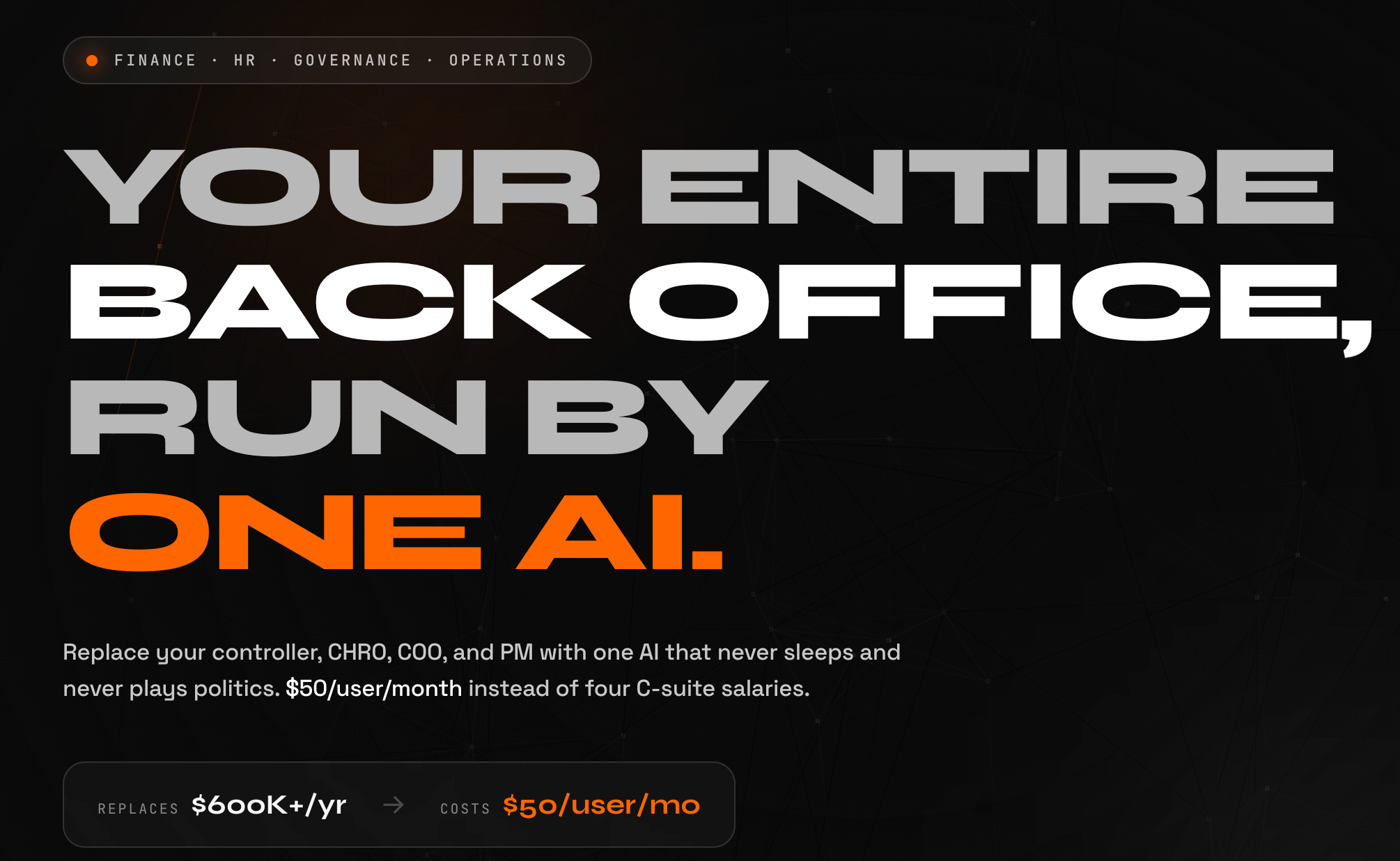
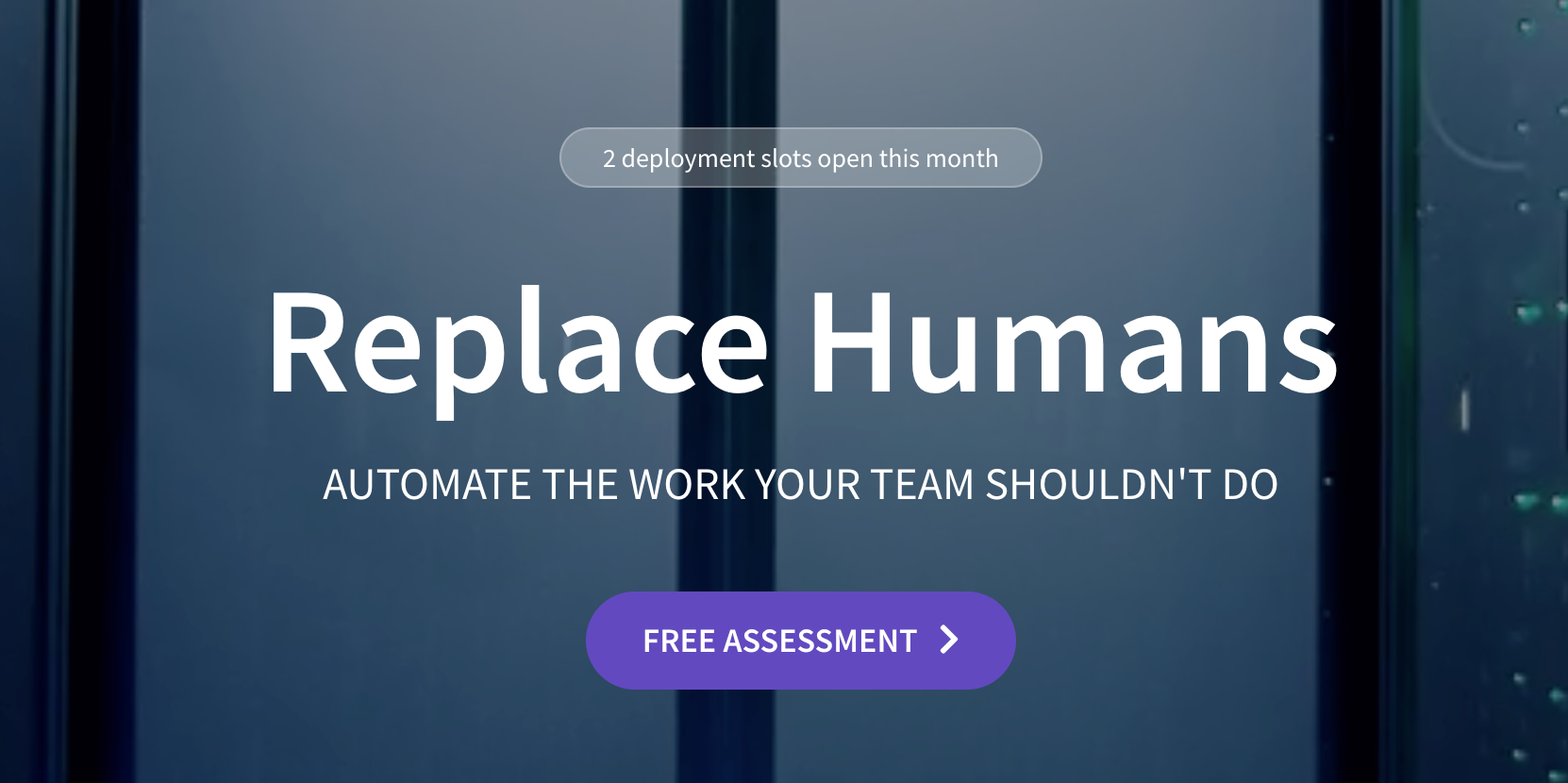
    I think one of the biggest mistakes in AI marketing is positioning a product as a replacement for people. That message can win attention in the short term, but I believe it quietly drains trust over time.

    This is a little different from what I usually write about, but it matters. The way we talk about AI shapes how customers, employees, executives, and markets respond to it.

    In this memo, I want to focus on three things: why “substitution positioning” feels powerful at first but weakens a brand later, what the data says about whether AI is actually replacing people, and how I think companies should position AI instead.
    Image

    The cardinal sin of positioning in the AI era is replacement. I call it substitution positioning. It is tempting because it sounds bold, efficient, and disruptive. But over time, it creates anxiety, skepticism, and credibility problems.

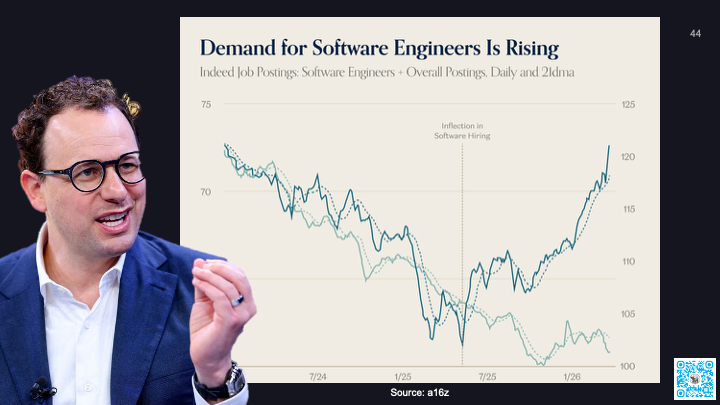
    We have seen this pattern already. Anthropic CEO Dario Amodei predicted that software engineering jobs could disappear within 6 to 12 months as models began doing most or all of what software engineers do end to end. Yet demand for software engineers has continued to look strong.
    Image

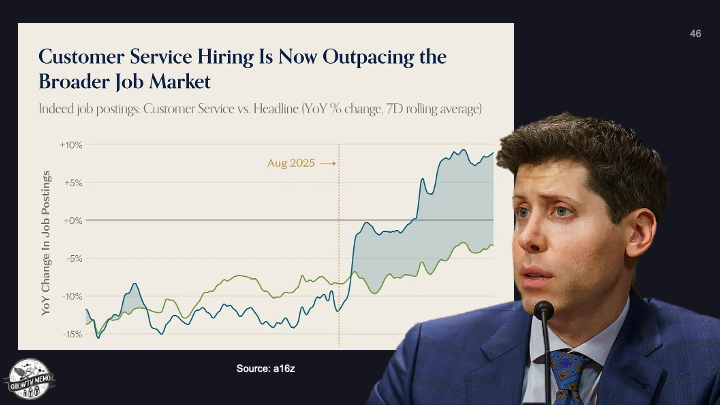
    OpenAI CEO Sam Altman also predicted that many customer support jobs would go away because AI could handle that work better. Soon after, customer service hiring began outpacing the broader job market.

    I understand why fear works as a marketing tool. The fear of being replaced gets attention fast. It got me, too. When powerful AI models gained traction, I worried about my own future. But when I still see AI companies hiring copywriters, SEOs, engineers, and support teams, I sleep better.
    Image

    Fear sells because it taps into fight-or-flight. Layoffs make that story even louder. They let companies frame cost-cutting as innovation and make the replacement narrative feel more real than it may actually be.

    But I do not think the facts support the clean replacement story. In New York, companies can indicate when mass layoffs are caused by technological innovation or automation. In one reported period, more than 160 companies filed mass layoffs affecting roughly 28,300 workers, and not one chose AI as the reason. That list included companies such as Amazon and Goldman Sachs.

    Image

    Researchers at Yale also studied employment data from the Current Population Survey over 33 months and found no evidence of job displacement from AI. To me, the pattern looks less like instant replacement and more like the earlier waves of computers and the internet changing how work gets done.

    That is why I keep coming back to this point: stop trying to make replacement happen. It is not happening in the simple, dramatic way many AI narratives suggest.
    Image

    AI is powerful, but it is also inconsistent. In its current form, it can do some tasks better than humans and fail badly at others. That paradox is often called the Jagged Frontier.

    The Jagged Frontier idea matters because it explains why some people see AI as transformative while others remain lukewarm. A BCG and Harvard study of 758 knowledge workers found that people get the most value from AI when they understand what it is good at and where it breaks down.
    Image

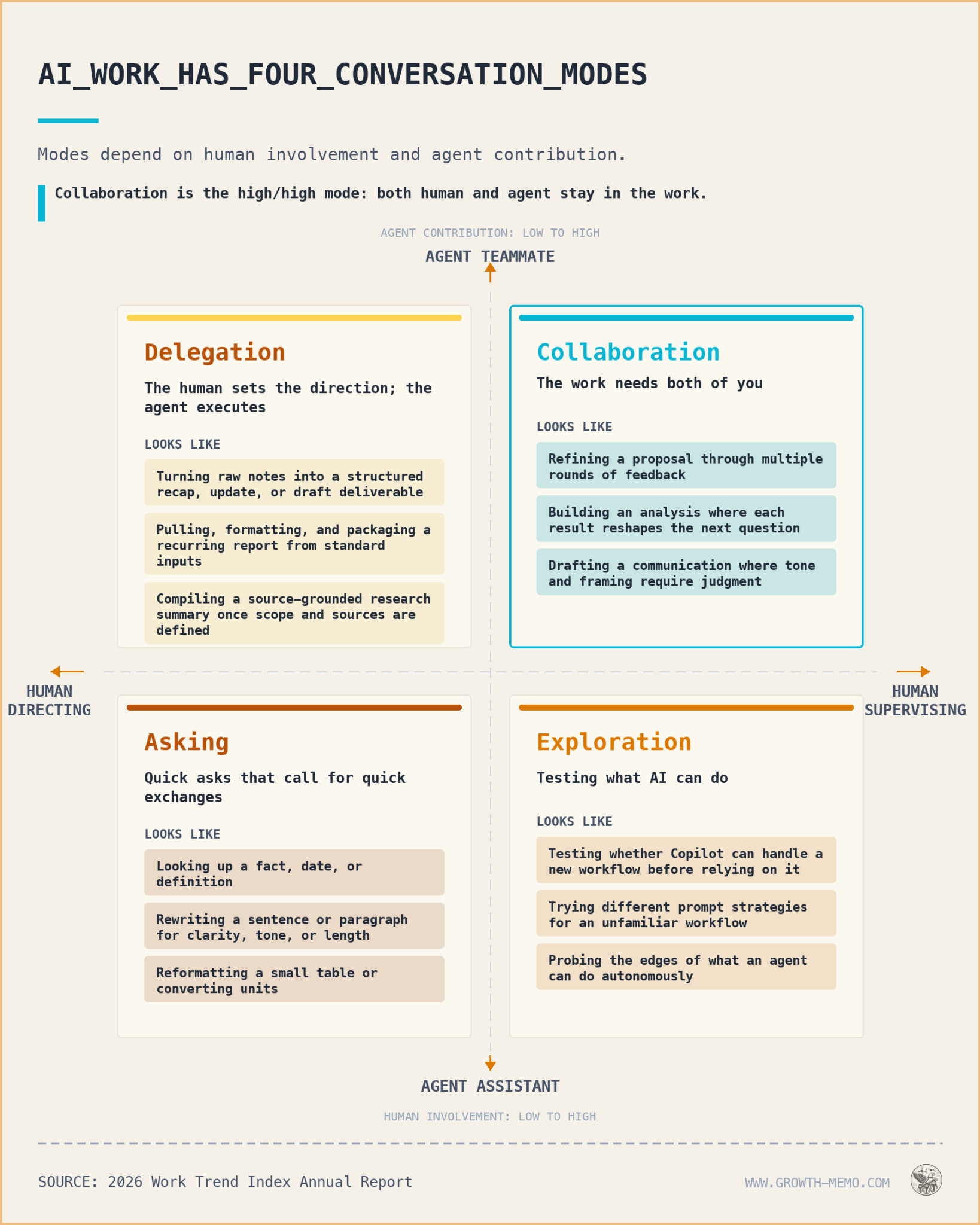
    Microsoft reached a similar conclusion in its 2026 Work Trend Index Annual Report. The company found that a small group of advanced AI users, described as Frontier Professionals, were not simply using AI more often. They also knew which mode of AI use fit each task.

    That distinction is important. The best AI users are not handing everything over blindly. They are applying judgment. They know when to use AI as a helper, when to use it as a collaborator, when to use agents for multi-step workflows, and when to keep a human firmly in control.
    Image

    I still do not trust most AI workflows enough to leave them running with no maintenance, review, or quality assurance. The question I ask is simple: would I bet my brand, customer experience, or revenue on a fully automated workflow with no human oversight?

    Klarna is a useful warning here. The company publicly promoted the idea that AI was doing the work of hundreds of agents and helping reduce headcount. Later, it reversed course and rehired humans after leadership acknowledged that aggressive cost-cutting had lowered quality and that customers still wanted a human option.
    Image

    That is the tradeoff I see with substitution positioning. It creates immediate attention, but it can damage long-term credibility. The words often do not match the operational reality.

    Replacement positioning could work if customers truly wanted full replacement and if the technology were consistently ready for it. I do not think either condition is true.
    Image

    Cost reduction is a strong AI argument because it shows up quickly on the P&L. Productivity gains usually take longer. They build inside companies over time and often take even longer to appear across the broader economy.

    But when replacement positioning goes beyond cost-cutting and becomes people-cutting, I believe it starts to antagonize the very people companies need to win over.

    Image

    We have already seen backlash. Duolingo’s AI-first memo drew heavy criticism before the company reframed AI as a tool to accelerate work rather than replace contractors. Surveys have found that some workers refuse to use AI tools because they fear job loss. Pew has reported that many U.S. adults are more concerned than excited about AI in daily life. Reuters/Ipsos polling has shown widespread fear that AI will permanently displace workers.

    There is also a quality problem. When employees believe the purpose of AI is to replace them, they may disengage or produce lower-quality work. In my view, that is not just an adoption issue. It is a positioning failure.

    Image

    Executives often feel more excited about AI than the employees asked to use it every day. That gap matters. If leadership talks about AI as a replacement engine, employees hear a threat. If leadership talks about AI as leverage, employees have a reason to learn.

    Token economics also complicate the replacement story. Some companies have bragged about massive AI usage, but token costs are still a real business variable. As those costs normalize, the math may make junior employees look interesting again, especially when human judgment, context, and accountability are part of the output.

    So what should replace replacement? I think the answer is enhancement. Instead of positioning AI as a way to remove people, I would position it as a way to make capable people more effective.

    AI can be used in two broad ways. A company can try to reduce the number of people, or it can grow output with the same number of people. The data I have seen suggests that productivity gains often create the stronger return.

    A National Bureau of Economic Research paper surveyed 750 executives about AI’s impact on productivity and labor markets. Larger firms showed more interest in replacing labor costs, but the highest ROI came from productivity growth.

    That is the lesson I take from the research: doing more with the talent you already have is often stronger than trying to remove the talent that knows what good work looks like.

    Building products has become easier, but distribution has not. When supply explodes, the scarce thing is not output. The scarce thing is being the product, brand, or service that actually gets chosen.

    That is why positioning matters more than ever. Product quality still matters, but the way I frame AI use can determine whether people see it as empowering or threatening.

    My takeaway is simple: I would stop selling AI as a people replacement. I would sell it as judgment leverage, workflow acceleration, and creative expansion. Fear can get attention, but empowerment is a better long-term strategy.

    This post first appeared on the author’s website and is republished here with permission.


    Inspired by this post on Search Engine Land.


    crushpress.ai community screenshot