Tag: Search

  • Submit Your SMX Next Pitch and Share Bold Search Ideas

    Submit Your SMX Next Pitch and Share Bold Search Ideas

    SMX Next returns online Nov. 18, and I’m excited to help shape a program focused on today’s complex search landscape and the tactics that will define success in 2027 and beyond.

    Search marketing isn’t just changing. From my perspective, it has become an entirely new kind of challenge, and that is exactly why fresh voices and practical expertise matter so much right now.

    In SEO, I’m seeing the field shift toward AI Overviews, search everywhere optimization, and the rise of autonomous AI agents that browse on behalf of users. Trustworthiness, digital authority, and precise alignment with user intent are no longer nice-to-have ideas. They are becoming essential.

    On the PPC side, generative AI and deep automation are creating new levels of personalization. At the same time, they are raising urgent questions for marketers: How do we keep strategic control, protect data privacy, and avoid wasted spend?

    If you’re an enthusiastic search marketer with a passion for sharing what you know, I hope you’ll consider submitting a session pitch for SMX Next. I’m looking for subject matter experts who can share insights, strategies, and tactics that help SEO and PPC marketers thrive in 2027.

    Whether you’ve been speaking for years or you’re a practitioner ready to share something new you’ve developed, I want to hear from you. I’m especially interested in new speakers with diverse points of view and real-world experience.

    The deadline for SMX Next pitches is Aug. 7.

    When I review session proposals, I’m looking for ideas that feel original, specific, and useful. Advanced, forward-thinking topics or unique frameworks that aren’t already common at other search events will stand out.

    I also want to see actionability. Be clear about what attendees will be able to do better, faster, or differently after your session.

    Bring the data whenever you can. A case study, concrete example, or tested approach makes your pitch stronger, especially when you explain how the lesson can scale across different types of organizations.

    Keep the scope focused. A 30-minute session works best when it goes deep on a narrow or specialized topic instead of trying to cover too much at once.

    Most importantly, give attendees something tangible to take with them. I’m looking for sessions that leave people with a clear action plan, framework, or process they can put to work right away.

    Visit this page for more details on how to submit a session idea, or go directly to this page to create your profile and submit your pitch.

    If you have questions, feel free to contact me directly at kathy.bushman@semrush.com. I’m looking forward to reading your proposals!


    Inspired by this post on Search Engine Land.


    crushpress.ai community screenshot
  • Fabrice Canel Leaves Microsoft Bing After Iconic Run

    Fabrice Canel Leaves Microsoft Bing After Iconic Run

    After nearly 30 years at Microsoft, I am seeing one of Bing’s most influential search leaders close a remarkable chapter. Fabrice Canel announced that he is retiring from Microsoft, writing on LinkedIn, “I am retiring from Microsoft, effective today July 1st.” He also reflected, “Today marks nearly 30 years with Microsoft. Thirty years…”

    When I think about Fabrice Canel’s impact, I think first about the foundation of Microsoft Bing Search. He was responsible for indexing at Bing, including crawling, URL discovery, content selection, and content processing. Those areas are core to how search engines understand the web, and Fabrice helped shape them at massive scale.

    He was also the person behind the IndexNow initiative, and he played a major role in creating and powering Bing Webmaster Tools. For anyone working in SEO, publishing, or technical search, those contributions matter because they helped make discovery, indexing, and webmaster communication faster and more practical.

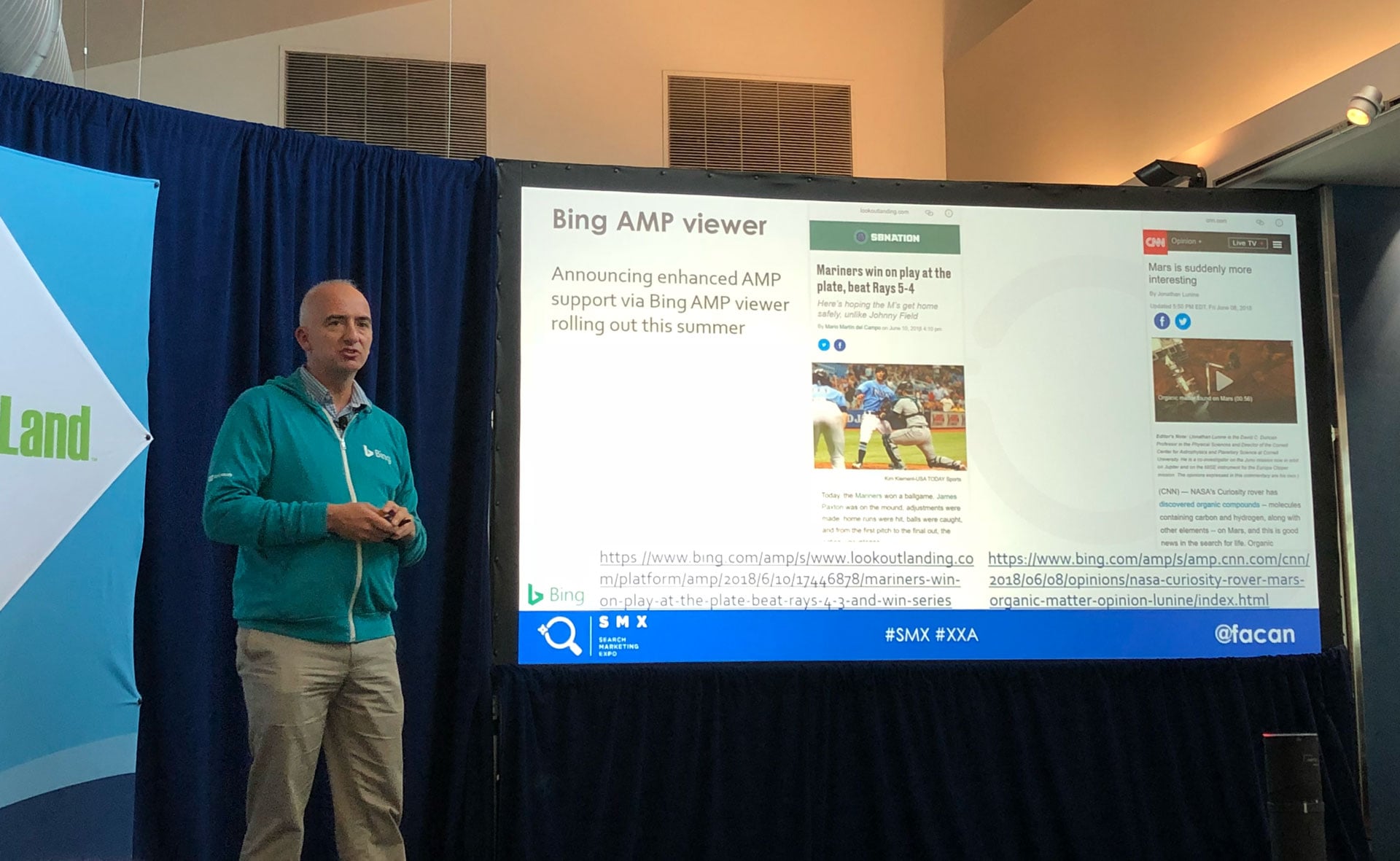
    I have watched Fabrice contribute far beyond product work. He has spoken at countless industry events, including SMX, and has written extensively about how search works, how sites can perform better in Bing, and how search is evolving with generative AI. He helped run one of the world’s most important search engines, while also giving the SEO community tools, education, and direct insight.

    In his retirement message, Fabrice addressed fellow Microsoftees, engineers, attorneys, marketers, webmasters, publishers, SEO champions, product leaders, journalists, people across search and AI, and even friends at Google. His note was warm, personal, and full of gratitude for the people who shaped his Microsoft journey.

    He described his three decades at Microsoft as a wonderful adventure, from solving real business problems with IndexNow to helping webmasters and publishers thrive in the constantly changing world of SEO and AI. He thanked colleagues, partners, publishers, and the people he trained and mentored, saying they are ready to carry the mission forward.

    Fabrice also shared that, after many conversations with family and friends, he decided to take advantage of Microsoft’s Voluntary Retirement Program. His message ended with the same sense of warmth and storybook style that many in the industry have come to associate with him: gratitude for Microsoft, confidence in the Bing team’s future, and a final wish that everyone stay curious, keep innovating, and make content easier to find.

    Why do I care so much about this? Because Fabrice has been a true friend to the search industry. His work will live on through the products, systems, and initiatives he helped create, and his willingness to share knowledge has made a lasting difference for SEOs, publishers, developers, and search professionals.

    I know Fabrice has trained a team to continue the work, and I believe Bing remains in good hands. Still, I would be lying if I said I am not sad to see him retire. It has been an honor to work with him and learn from him over the years, and his legacy at Microsoft Bing will be felt for a long time.


    Inspired by this post on Search Engine Land.

    crushpress.ai community screenshot
  • Unveiling Google’s PMax Timeline: Boost Your Ad Strategy

    Unveiling Google’s PMax Timeline: Boost Your Ad Strategy

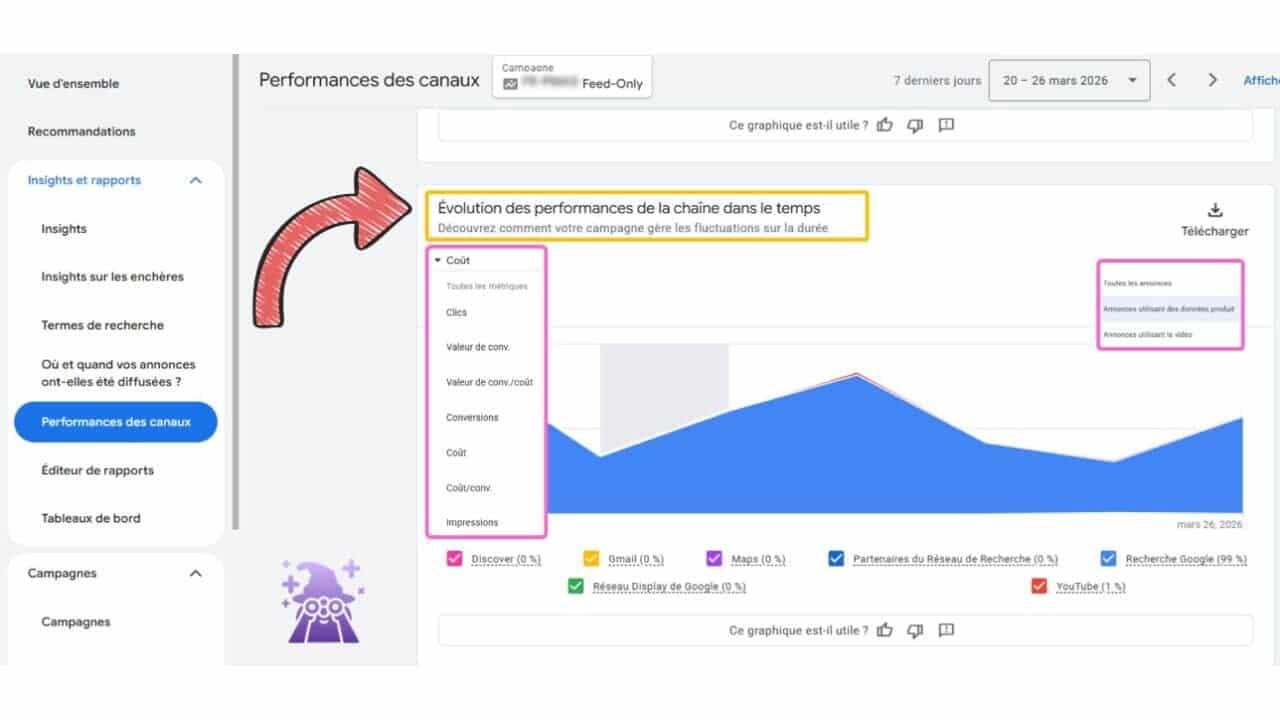
    Recently, I discovered that Google has launched an exciting new feature for Performance Max campaigns. As an advertiser, I’m always on the lookout for tools that provide clearer insights, and this new channel performance timeline view does just that. It offers a comprehensive breakdown of how different channels like Search, YouTube, and Display contribute to my campaign results over time.

    What’s New

    The latest update introduces a timeline graph that showcases channel-level contributions over a selected period, complete with investment and performance filters. This means I can quickly identify which channels are excelling and which ones might need a bit more attention.

    The chart features helpful visual cues—like a yellow box highlighting channel performance evolution over time, and a pink box indicating different ad types, such as All Ads, Ads Using Product Lists, and Ads Using Video.

    Why I Care

    Managing Performance Max campaigns across multiple channels often left me guessing about where my budget was working best. This new view provides valuable insights into channel-level trends, allowing me to adjust strategies or budgets more efficiently. If I notice YouTube underperforming while Search is thriving, I can now make informed decisions without relying purely on guesswork or exported data.

    ```json
{
  "alt": "Dashboard showing performance metrics and graph over time.",
  "caption": "Explore how your channel's performance evolves over time with detailed metrics and graph visualizations.",
  "description": "The image shows a dashboard interface with a focus on channel performance metrics over time. The left menu includes options like 'Insights' and 'Performances des canaux.' A red arrow points to a highlighted section explaining performance evolution. A blue graph depicts data trends with metrics like cost, clicks, and conversions selected. Options to download data and filter ads are visible, enhancing user interaction and analysis capabilities. Keywords: dashboard, performance metrics, graph, data analysis."
}
```

    The Big Picture

    This new view empowers me to evaluate PMAX performance more effectively, without relying solely on Google’s automated decisions. Now, I can see consistent underperformance or excellence across channels, which guides my budget and asset strategies moving forward.

    The Bottom Line

    Though it’s not full transparency, this update is a significant move in the right direction. I now have a more structured way to detect trend anomalies in PMax campaigns early and make necessary adjustments to optimize performance.

    First Spotted

    This feature was first noticed by Axel Falck, Head of Search at Le Mage du SEA, who shared his insights on LinkedIn.


    Inspired by this post on Search Engine Land.


    crushpress.ai community screenshot