
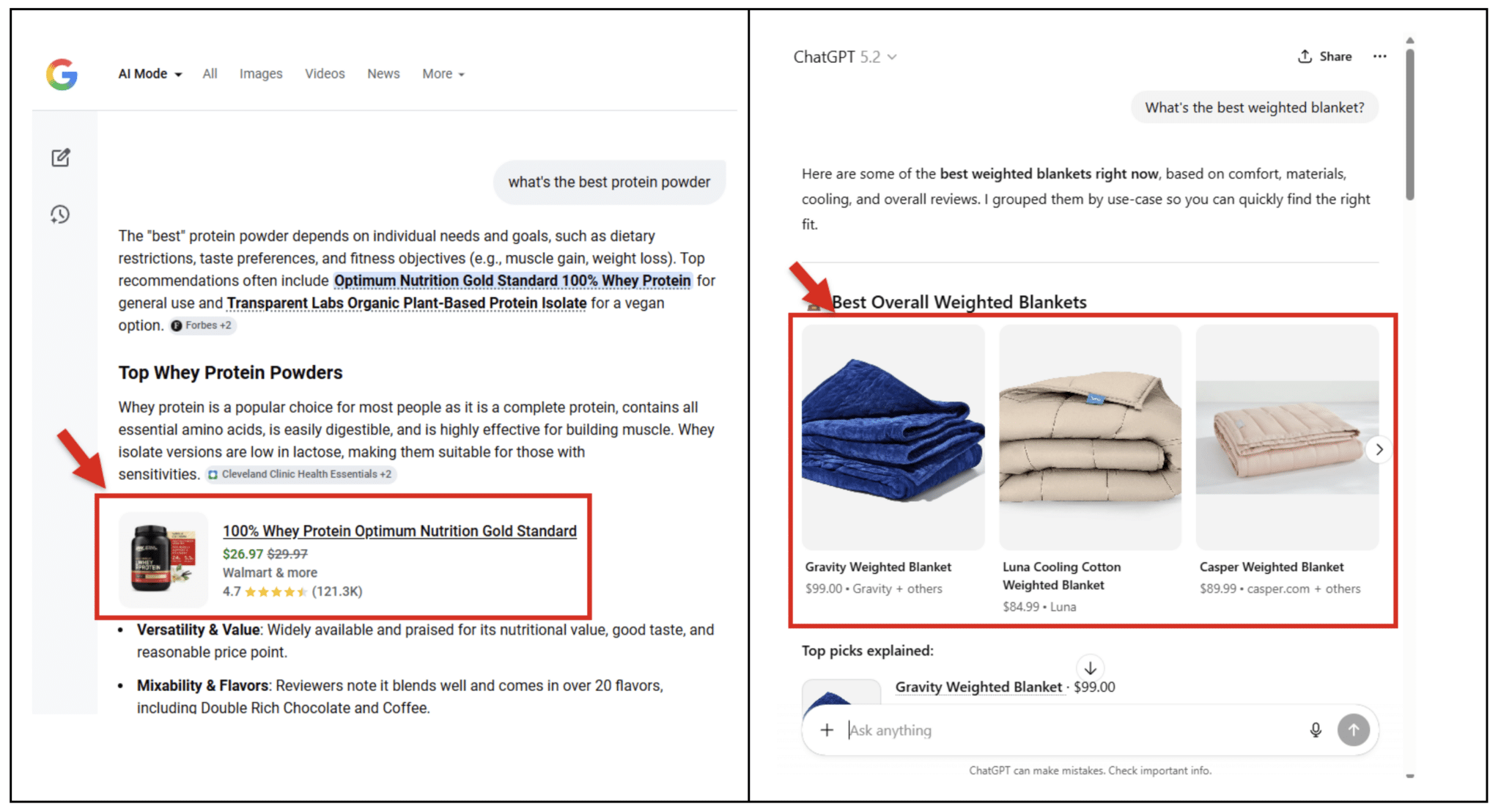
I’ve recently delved into the world of AI search engines like ChatGPT, Google AI Mode, and Perplexity, and how they’re transforming the way consumers find and buy products online. It’s clear to me that if my product pages aren’t optimized for these AI assistants, I’m likely missing out on significant traffic and revenue.
What I’ve discovered is that AI assistants evaluate product pages differently than traditional search engines. They require a deep understanding of products to recommend them confidently to users with varied needs.
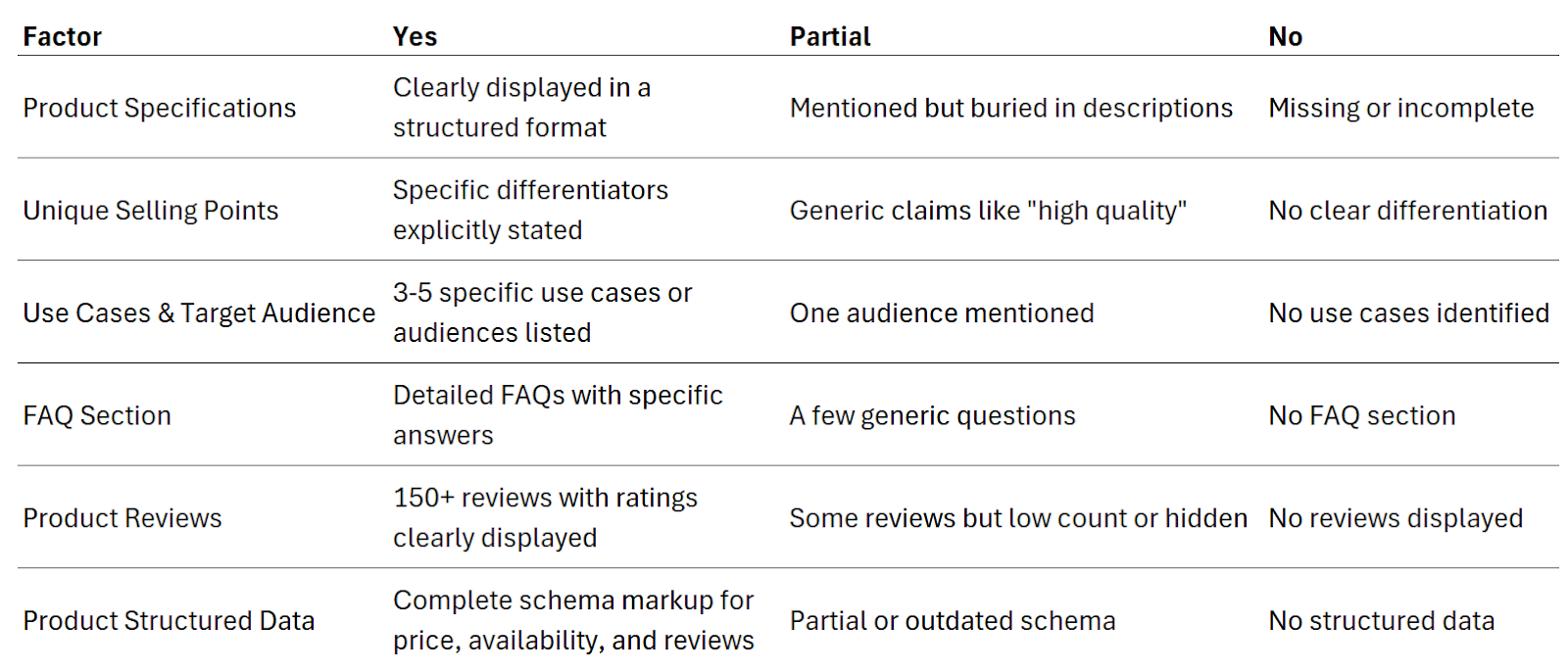
To ensure my product pages are AI-ready, I’ve crafted a simple scorecard focusing on six key factors:
1. Product specifications
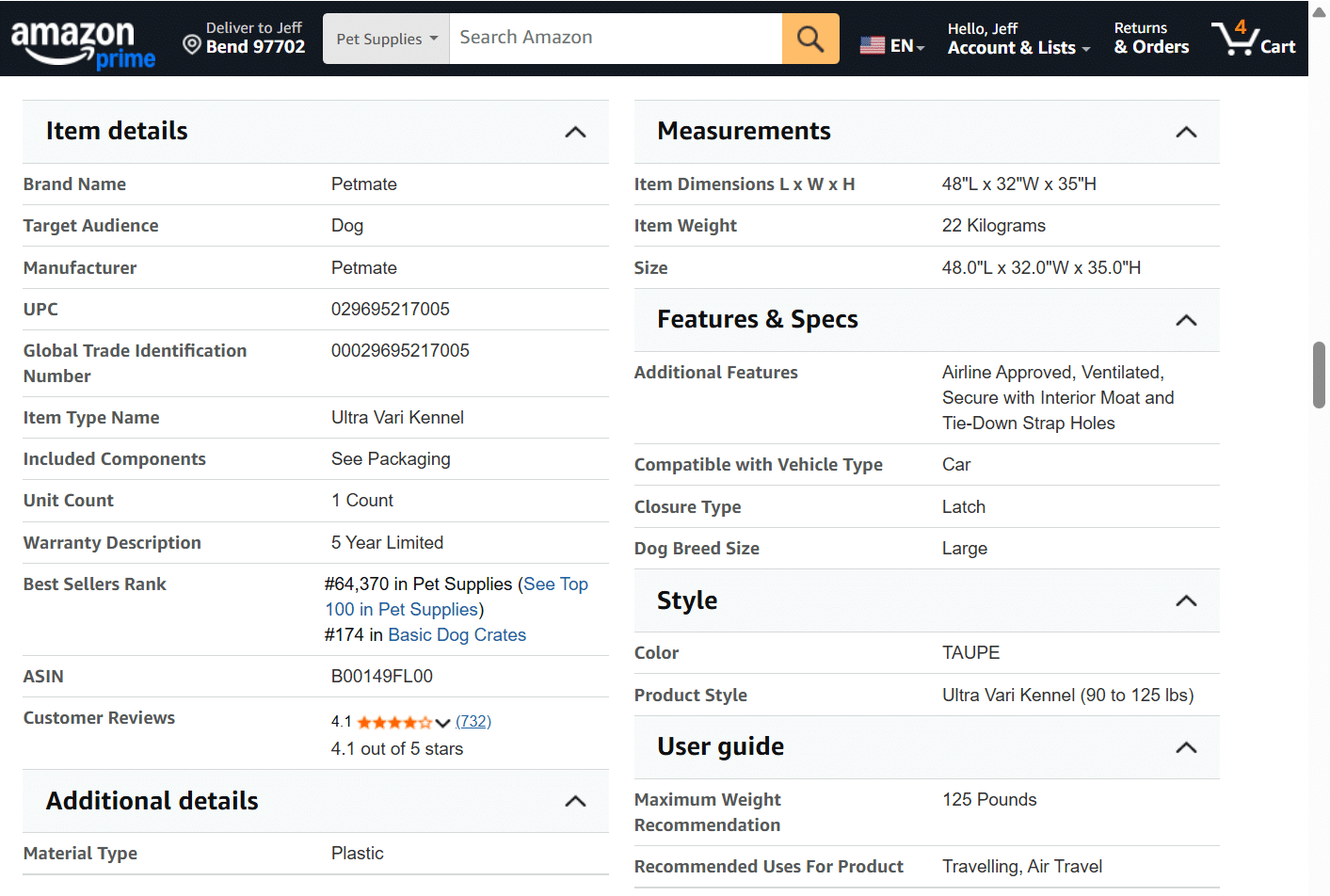
Does the product page clearly display the product’s attributes and specifications?
AI assistants need explicit specifications to understand my products and match them with customer needs. For example, if someone asks for “an airline-friendly crate for a 115-pound dog,” the AI must see the weight limit clearly to recommend it.
Amazon excels at this, as their product pages display detailed specifications that likely boost their AI search performance.

Action item: I ensure all specifications are clearly presented on my product pages, ideally in a structured table or a list, rather than burying them in the description or marketing copy.
2. Unique selling points
Are the product’s unique benefits clearly described?
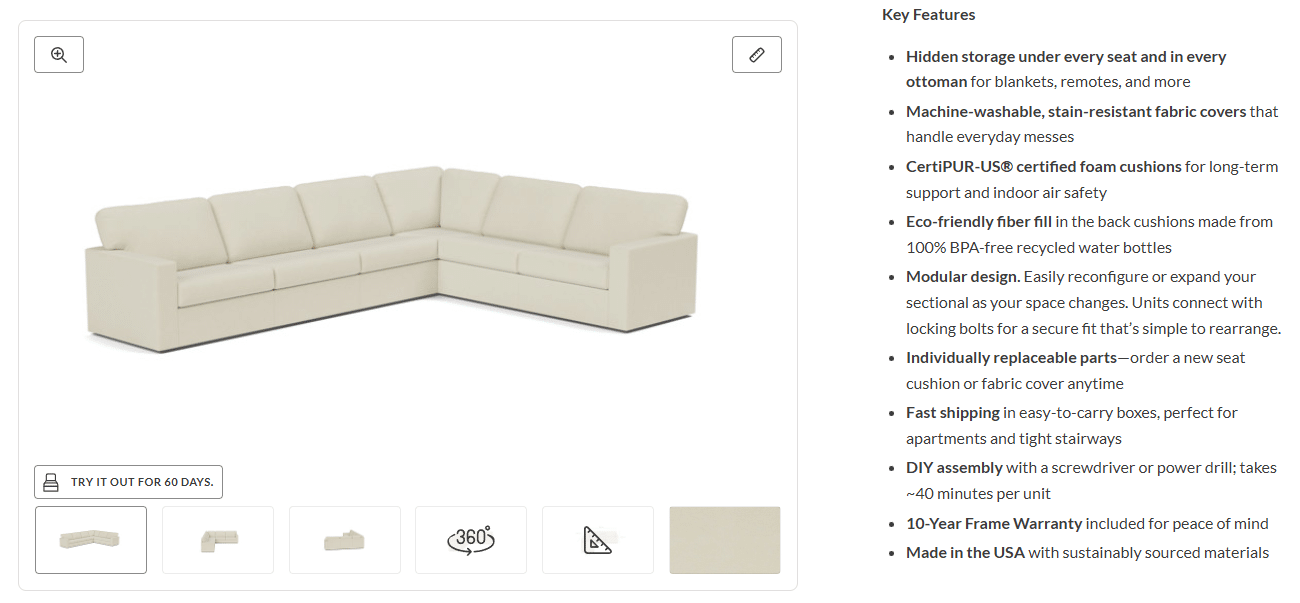
Highlighting what makes my products special gives AI a reason to recommend them over competitors. It’s crucial for AI to grasp these unique features to decide on recommendations.
Action item: I emphasize key features that set my products apart, avoiding vague claims like “high-quality craftsmanship” and instead focusing on specific differentiators.
3. Use cases and target audience
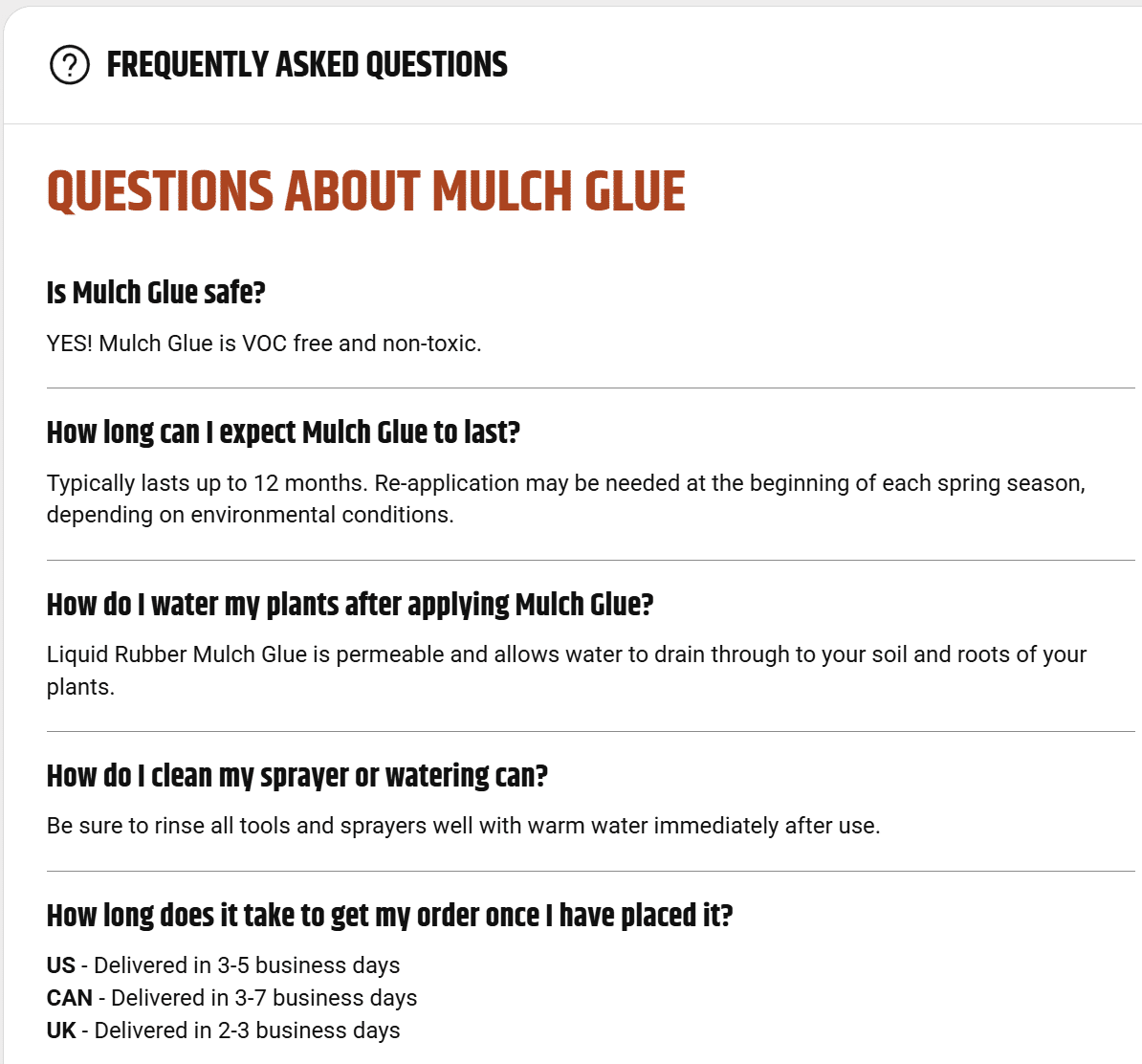
Are the product’s intended use cases and audience clear?
AI matches products with people and their needs, not just keywords. Explicitly stating who the product is for and how it’s used makes it more likely to be recommended by AI.
Action item: I list the top use cases and audience segments for each product, considering situations, pain points, and goals.
4. FAQ section
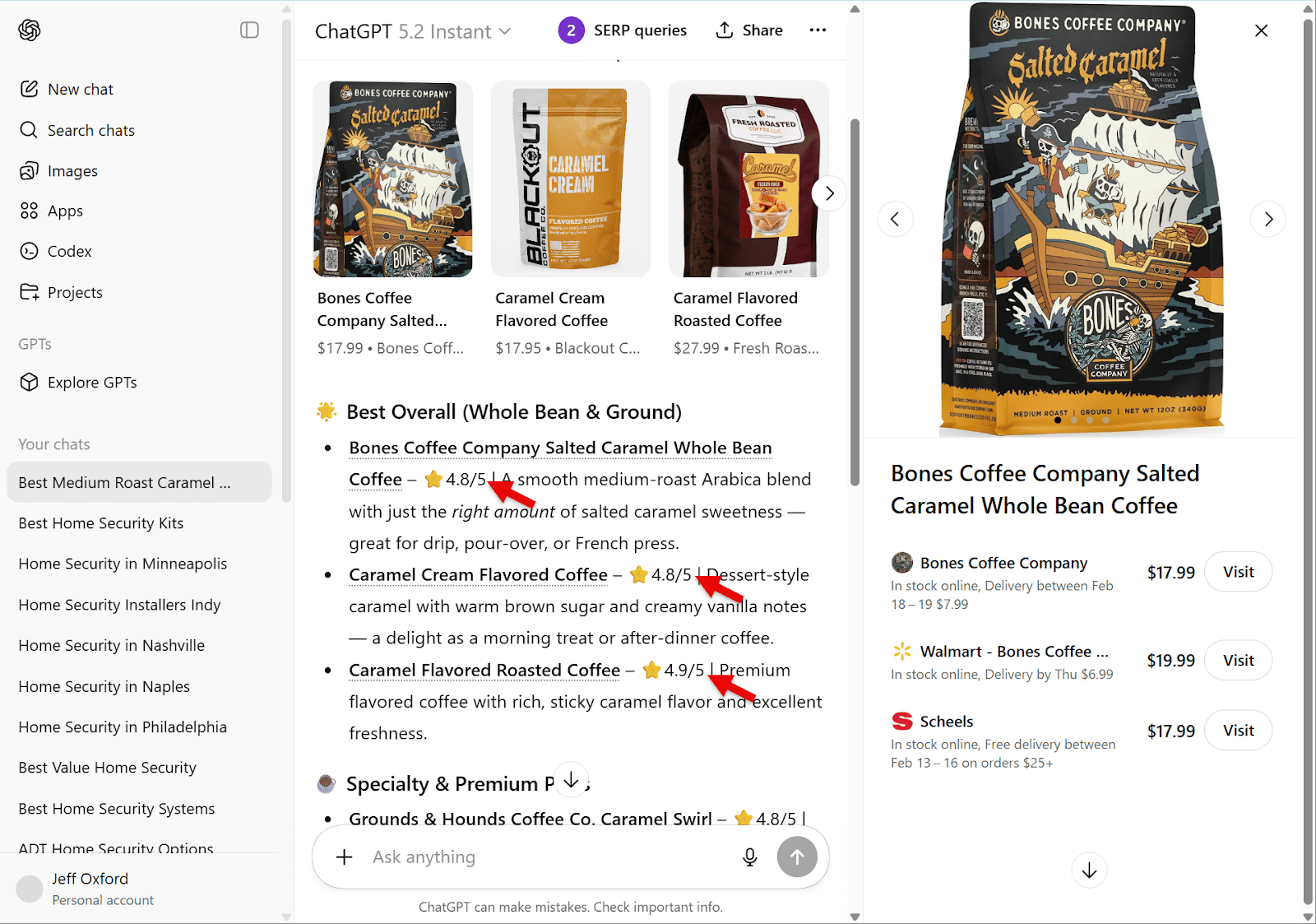
Does the product page include an FAQ section answering common questions about the product?
FAQs can bolster AI’s confidence in recommending my products by showing they’re a good fit for specific queries. The more detailed the FAQ section, the more it helps in AI search contexts.
Action item: I gather and answer the most common questions from customer inquiries, reviews, and even competitor analysis to include on product pages.
5. Product reviews
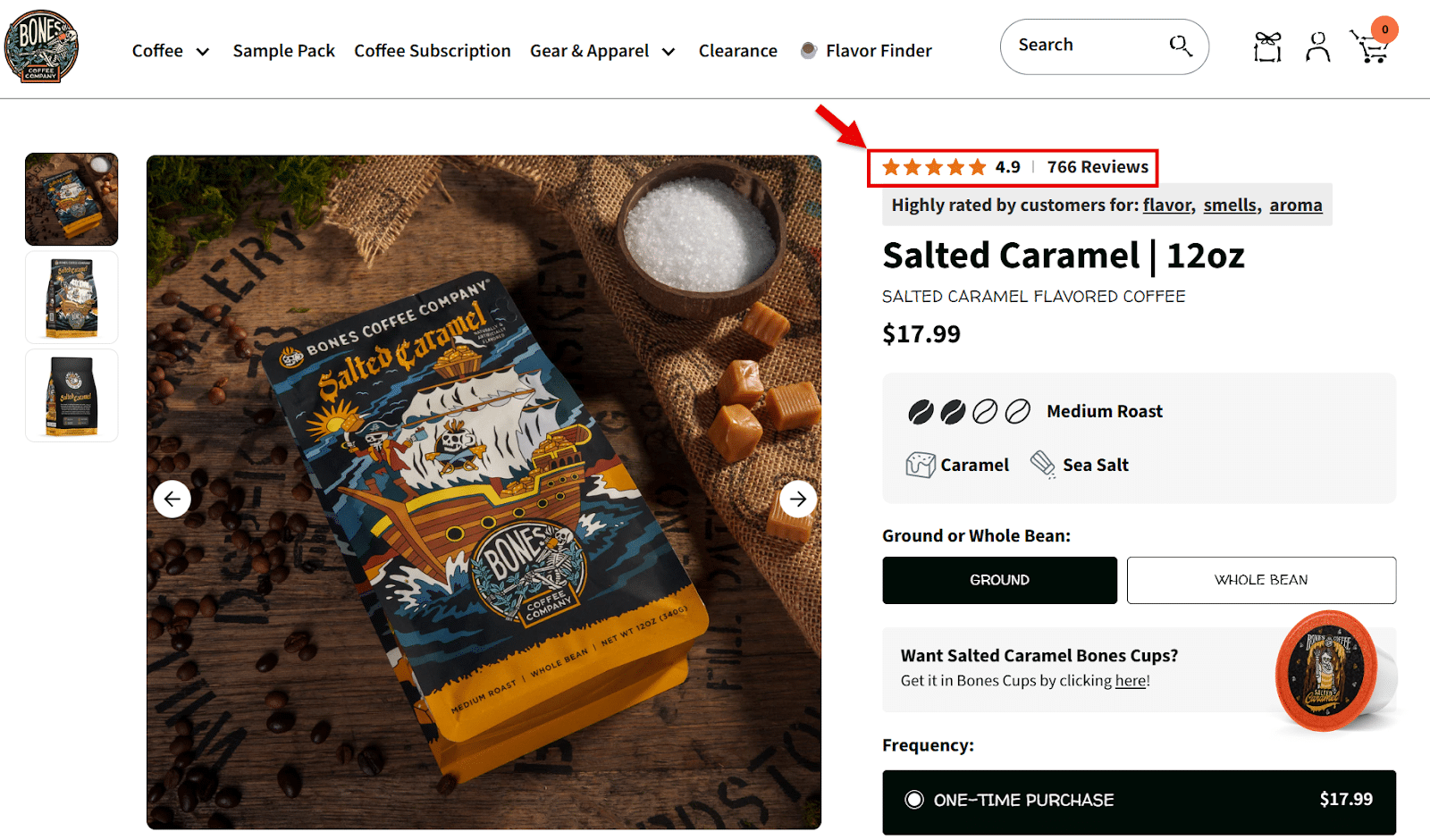
Does the product page display customer ratings and review counts?
AI recommends products with proven reputations. Displaying a high rating and substantial number of reviews increases the chances of my products being recommended by AI.
Action item: I ensure high visibility for product ratings and review counts on every product page, possibly using third-party platforms to solicit reviews.
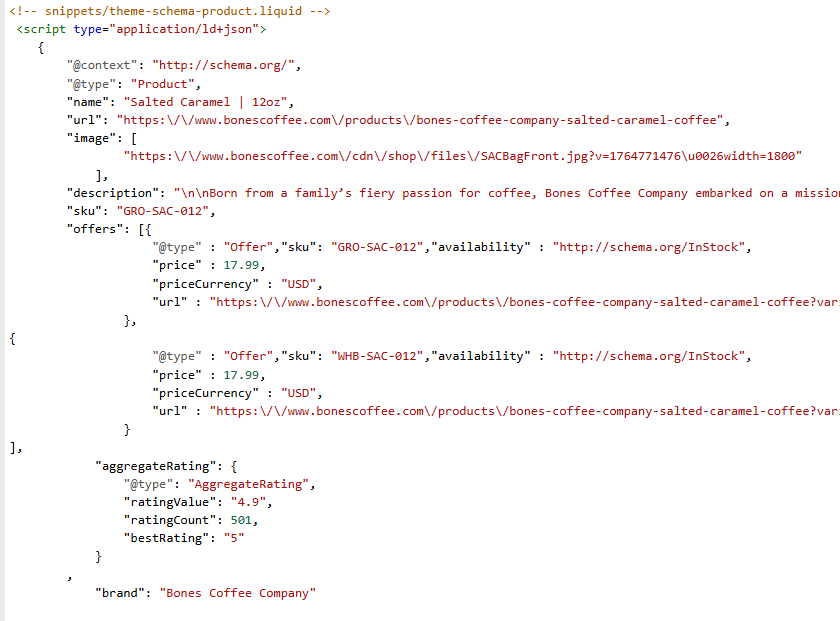
6. Product structured data
Does the product page include structured data for price, availability, reviews, and other key attributes?
Structured data helps AI understand my product information effortlessly and even feeds into knowledge graphs that power AI recommendations.
I understand that as AI agents engage more deeply in commerce, detailed product data becomes crucial for comparisons and purchasing.
Putting the scorecard to work
Here’s my concise strategy to audit and enhance my product pages for AI optimization, focusing on closing gaps where AI might overlook my products.
Prioritizing these optimizations means I’m not only engaging effectively but also increasing my competitiveness in the AI-driven market landscape.
Inspired by this post on Search Engine Land.
