Google is placing news updates and Top Stories inside some AI Overviews, giving timely reporting a more prominent position within its AI-generated search experience. The change affects how mobile users may encounter coverage of developing topics and how publishers can earn visibility from those searches.
Search Engine Land reports that a Google spokesperson confirmed the feature is fully rolled out in the United States on mobile. However, it appears only for some queries, so neither users nor publishers should expect it on every AI Overview.
What Google has added to AI Overviews
For eligible searches about developing subjects, an AI Overview can now include a prominent carousel featuring timely articles. This introduces a recognizable news-discovery element directly into a search feature that otherwise summarizes information and presents supporting links.
The carousel can also highlight Preferred Sources, according to the announcement described by Search Engine Land. That connection matters because it gives users another way to encounter publishers they have chosen while exploring a topic through Google’s AI search interface.
Key takeaways
- Top Stories and news updates can appear within AI Overviews for some developing-topic searches.
- Google confirmed that the rollout is fully live for mobile users in the United States.
- The news carousel can feature Preferred Sources alongside other timely coverage.
- The format may create additional opportunities for publishers to receive visits from Google’s AI search features.
Why the placement matters to news publishers
The practical significance is placement. A publisher link shown prominently inside an AI Overview may be easier to notice than one competing only in the conventional results below it. For news organizations, that creates a potential route from an AI-generated answer to the original reporting.
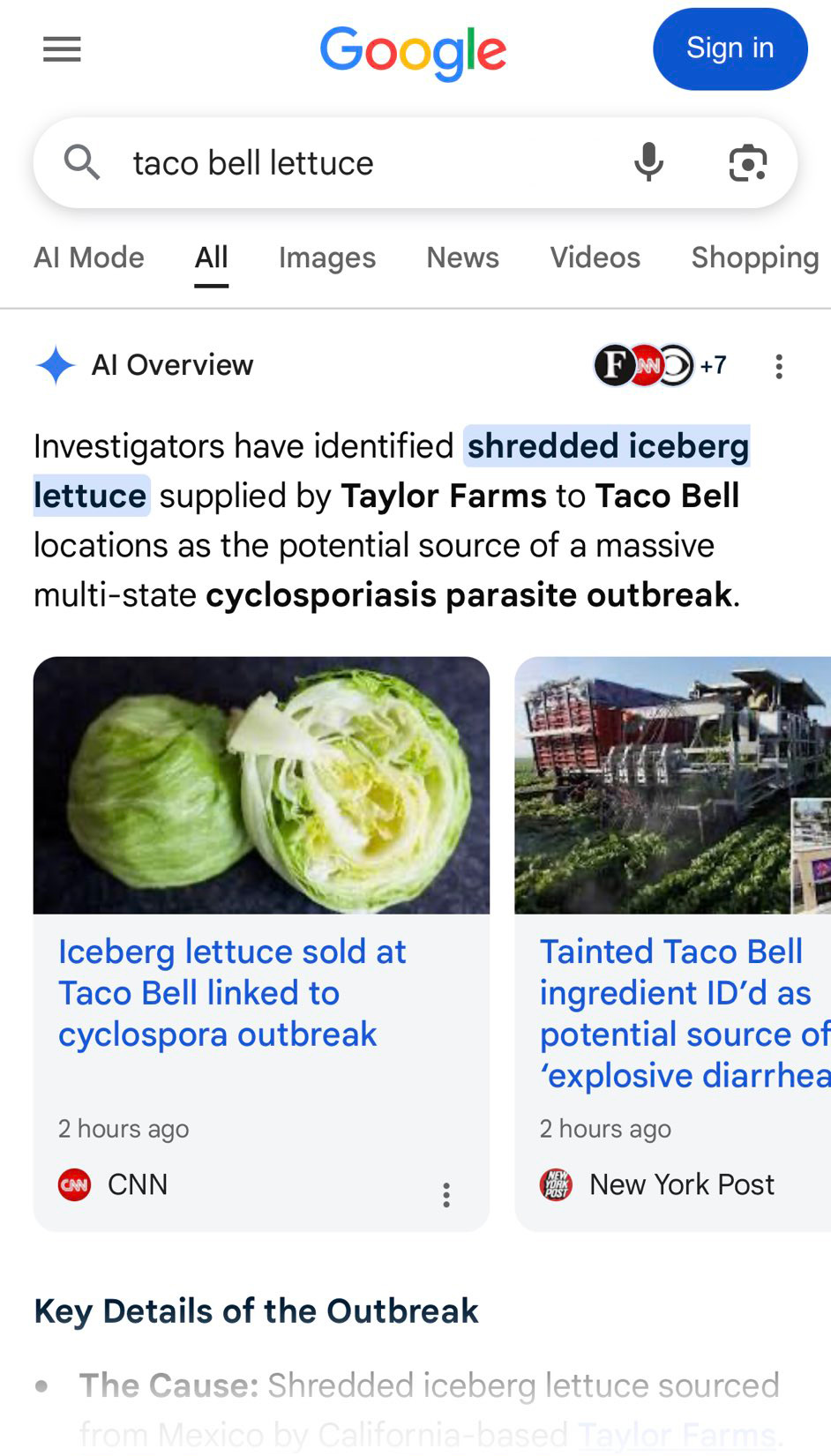
That opportunity should not be mistaken for a guaranteed traffic increase. The source does not provide click-through data for this feature, and its availability is limited by query, device and geography. Actual results will depend on when Google displays the carousel, which sources it selects and whether users choose to open an article after reading the overview.
Even with those caveats, the design addresses an important tension in AI search: summaries can satisfy part of a user’s information need before a website visit occurs, while prominent article links can give readers a clear path to fuller coverage. The new treatment could therefore be more consequential for publishers than a subtle citation or less visible source link.
How editorial and SEO teams should respond
The report does not identify a new optimization method or a special eligibility process. Publishers should therefore avoid treating the rollout as evidence of a new ranking formula. A more grounded response is to monitor whether timely stories begin appearing in these carousels and whether those appearances produce measurable referral traffic.
Editorial, audience and SEO teams can evaluate the change through a few practical questions:
- Do relevant mobile searches trigger an AI Overview with a news carousel?
- Which publishers and article formats receive prominent placement?
- Are Preferred Sources visibly represented when the feature appears?
- Do analytics show changes in Google referrals to timely coverage?
Observations should be separated from assumptions. Seeing a story in one result does not establish a repeatable tactic, while the absence of a carousel on a particular search does not mean the rollout is unavailable. Testing across suitable developing-topic queries can help teams understand the feature without overstating what limited examples prove.
The broader direction for AI-powered search
Search Engine Land connects this rollout to Google’s earlier announcement about adding fresh perspectives, updates and more prominent links to AI Overviews. Top Stories puts that direction into a concrete interface: timely source material is surfaced within the AI response rather than left entirely to the standard results.
The next question is whether this visibility consistently translates into meaningful visits for publishers. Broader availability, clearer performance evidence and continued observation will be needed before the feature’s impact on news traffic can be judged.
Inspired by this post on Search Engine Land.
