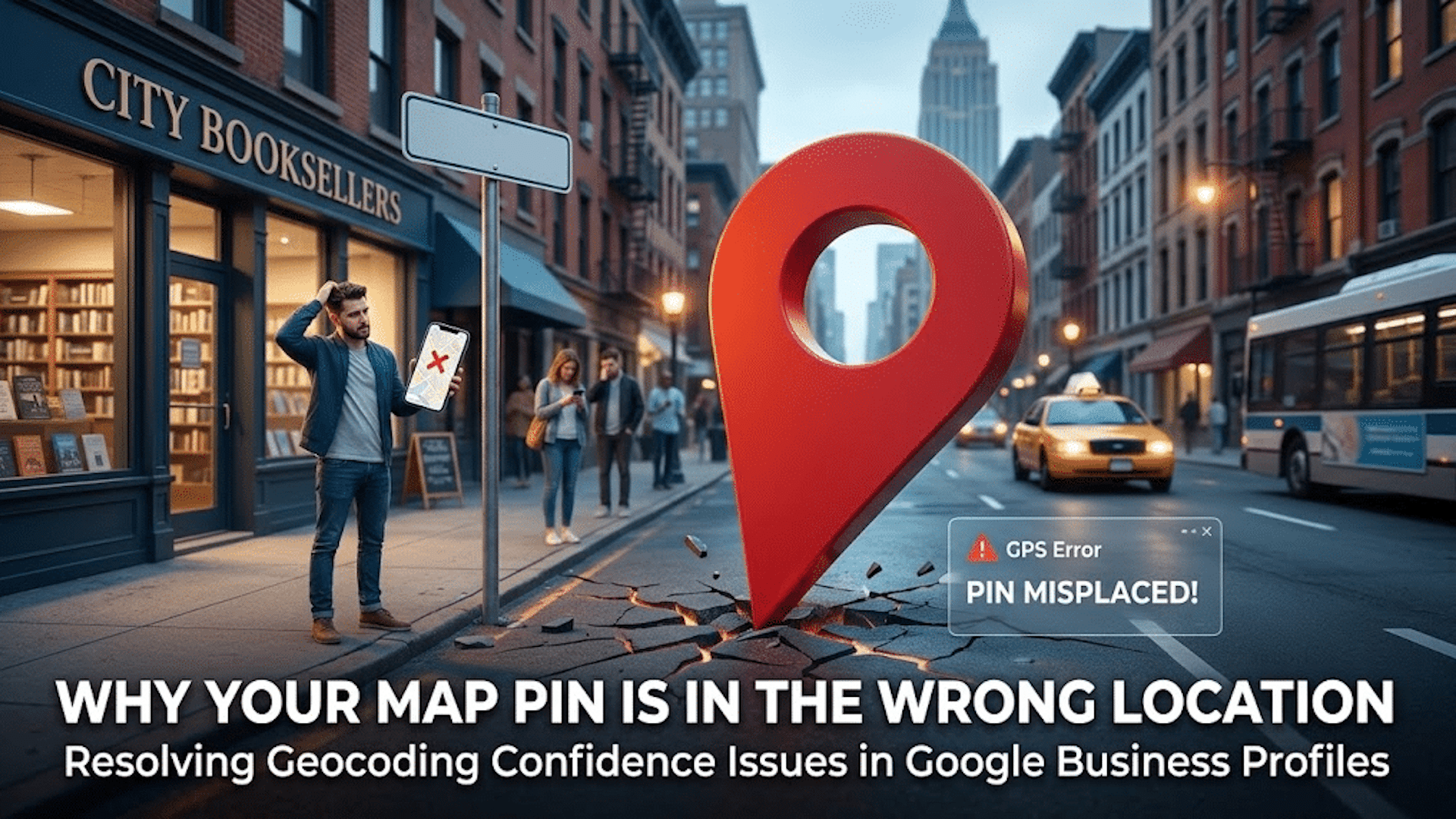
Your local business rankings might be suffering, and surprisingly, it could all be due to your map pin. Google’s placement of your business on their map significantly impacts your visibility, and addressing hidden addresses and setup issues is crucial.
I’ve often found myself engrossed in the ongoing debate within the local SEO community about the ‘hide address’ toggle for service area businesses (SABs). Many business owners consider this option a mere privacy setting, but it’s much more—a decision that affects how Google’s algorithm perceives your physical relevance.
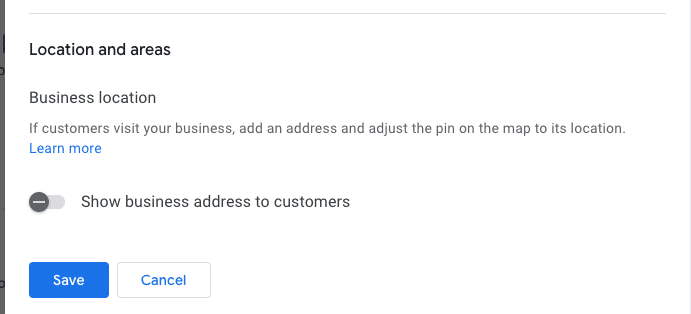
Here are some questions to consider:
- Does your defined service area affect your ranking?
- Does hiding your street address impact your visibility in the local pack?
- Is Google erasing that data, or does your map pin become an invisible anchor?
These are foundational questions in understanding how proximity works when you choose to ‘hide’ on the map.
How Google Determines Your Map Pin
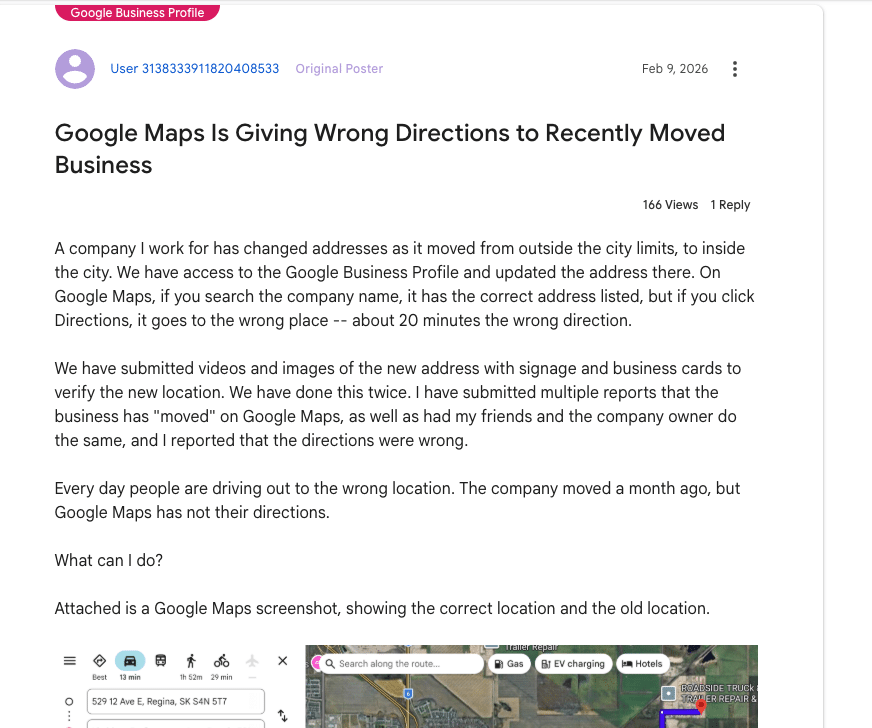
It’s essential to know that your address and map pin are not the same. Entering an address into your Google Business Profile doesn’t just place a pin; it’s processed through Google’s geocoding engine, comparing it against their database.
Understanding Google’s data models is key to understanding why your pin might be misplaced:
- GeostoreAddressProto: How Google interprets business addresses.
- GeostorePointProto: Where Google actually places its map pin.
- GeostoreServiceAreaProto: Defining the areas your business serves.
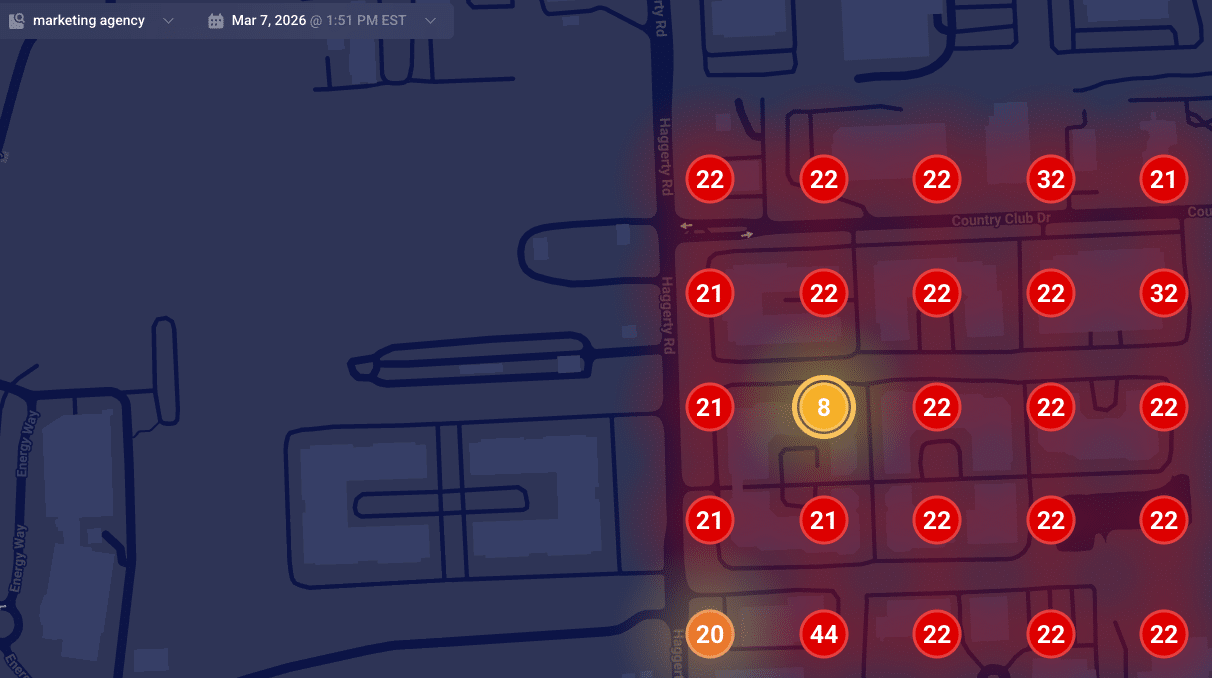
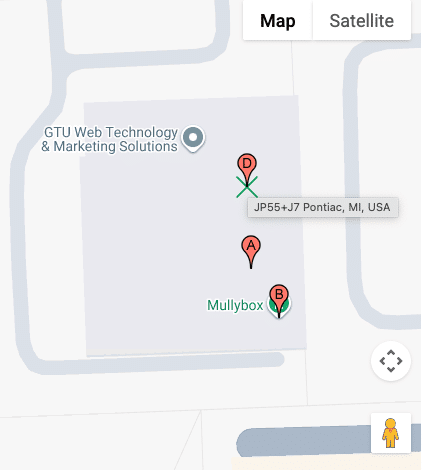
When Google finds a reliable match, they place your pin accurately at your building’s rooftop. Understanding how these data models work can help explain why SABs sometimes rank differently in local searches.
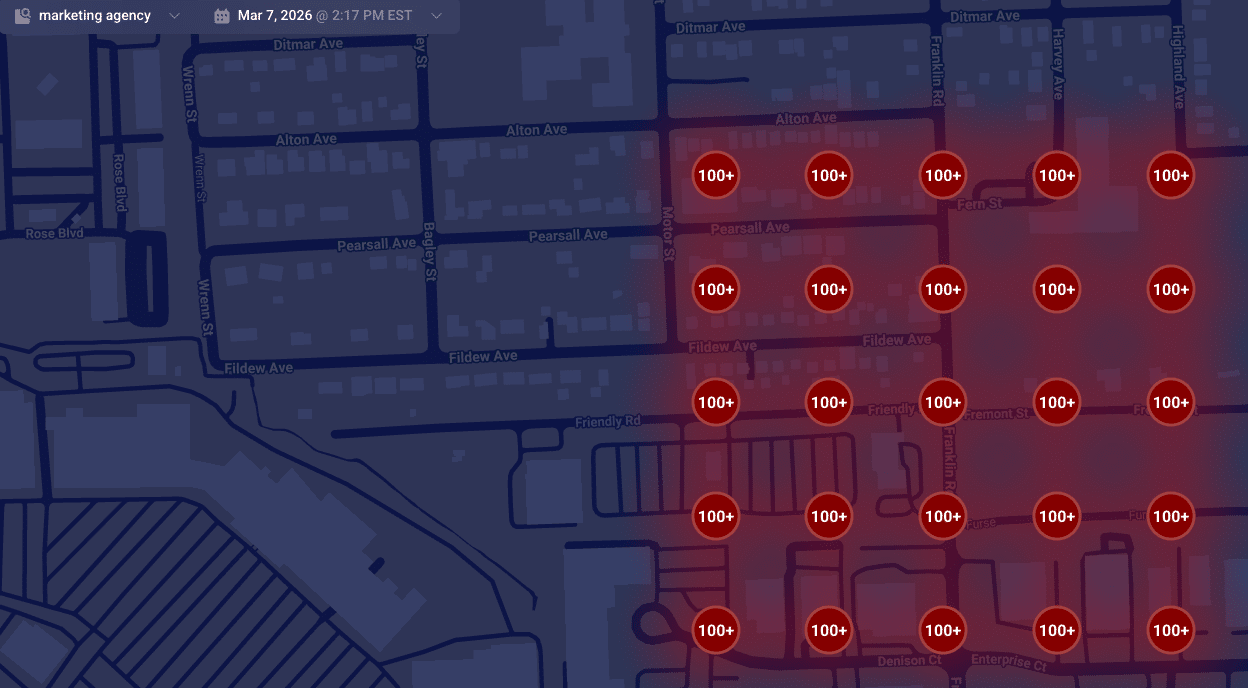
Is Your Map Pin Placement Accidental?
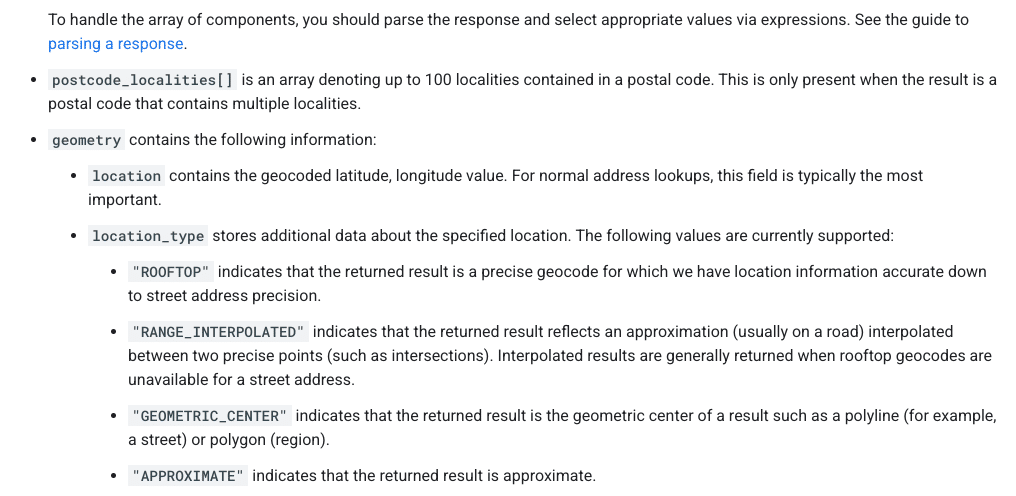
Don’t be mistaken, it’s not a bug but a failure in converting text to precise map coordinates. When this fails, your business may end up with a map pin that’s misplaced, affecting your local ranking authority.
When unable to secure a high-confidence match from your building, Google defaults to using the city’s center as your pin’s fallback location, often causing your business to rank from a less relevant area.
Suite Number Issues
I’ve warned clients countless times about the pitfalls of including suite numbers in Address line 1. These numbers aren’t street-level data; embedding them can lead to geocoding conflicts, making your map pin default to a broader location like a city center.
Properly Anchoring Your Map Pin
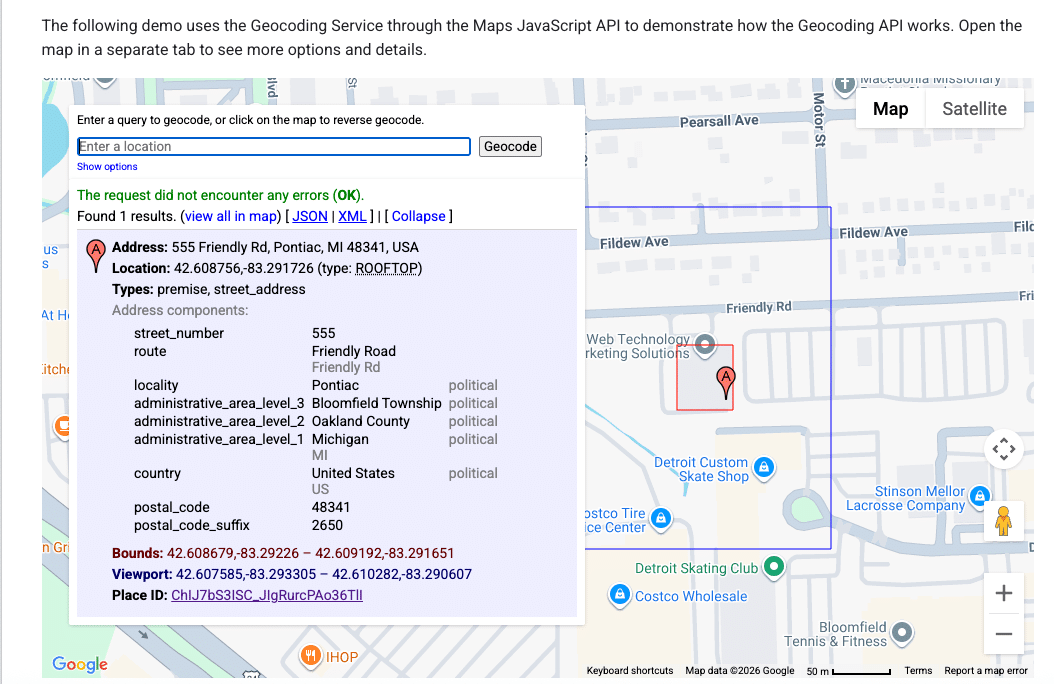
For accurate map pin placement, ensure your address in Google’s system is geocoding-friendly. Keep unnecessary details out of the first address line and verify how Google reads your address using their developer tools.
When addressing geocoding problems, prepare for possible re-verification requests. Stay consistent in your corrections until Google verifies your business’s precise location.
Inspired by this post on Search Engine Land.
