For over two decades, I’ve witnessed backlinks as foundational to SEO. Google’s PageRank revolutionized search by using backlinks as proxies for trust.
Backlinks were more than just pathways; they were votes of confidence. The more votes you gathered from authoritative sources, the better your rankings soared.
But times have changed. As Google advanced, AI systems evolved, and the necessity for hyperlinks diminished as entity-based understanding gained ground.
Today, visibility isn’t solely dependent on links. It’s amplified by the broad range of signals signifying your brand’s mentions, citations, and trust across well-regarded platforms.
This shift sees search engines and AI prioritize these overarching signals.
AI’s Role in Evolving SEO
Modern AI models assess trust and expertise in unprecedented ways. They’ve reshaped authority, focusing less on backlinks and more on diverse digital signals.
AI can now:
- Identify and relate entities online.
- Interpret sentiment and context.
- Spot artificial link patterns.
- Gauge brand prominence sans hyperlinks.
- Evaluate reputation from reviews and citations.
- Integrate information across varying sources.
Mentions in respected publications, even link-free, enhance entity authority. Consistent expert citations affirm expertise. These are the signals forging a new era where authority becomes a rich network.
The Shift to Entity-First SEO
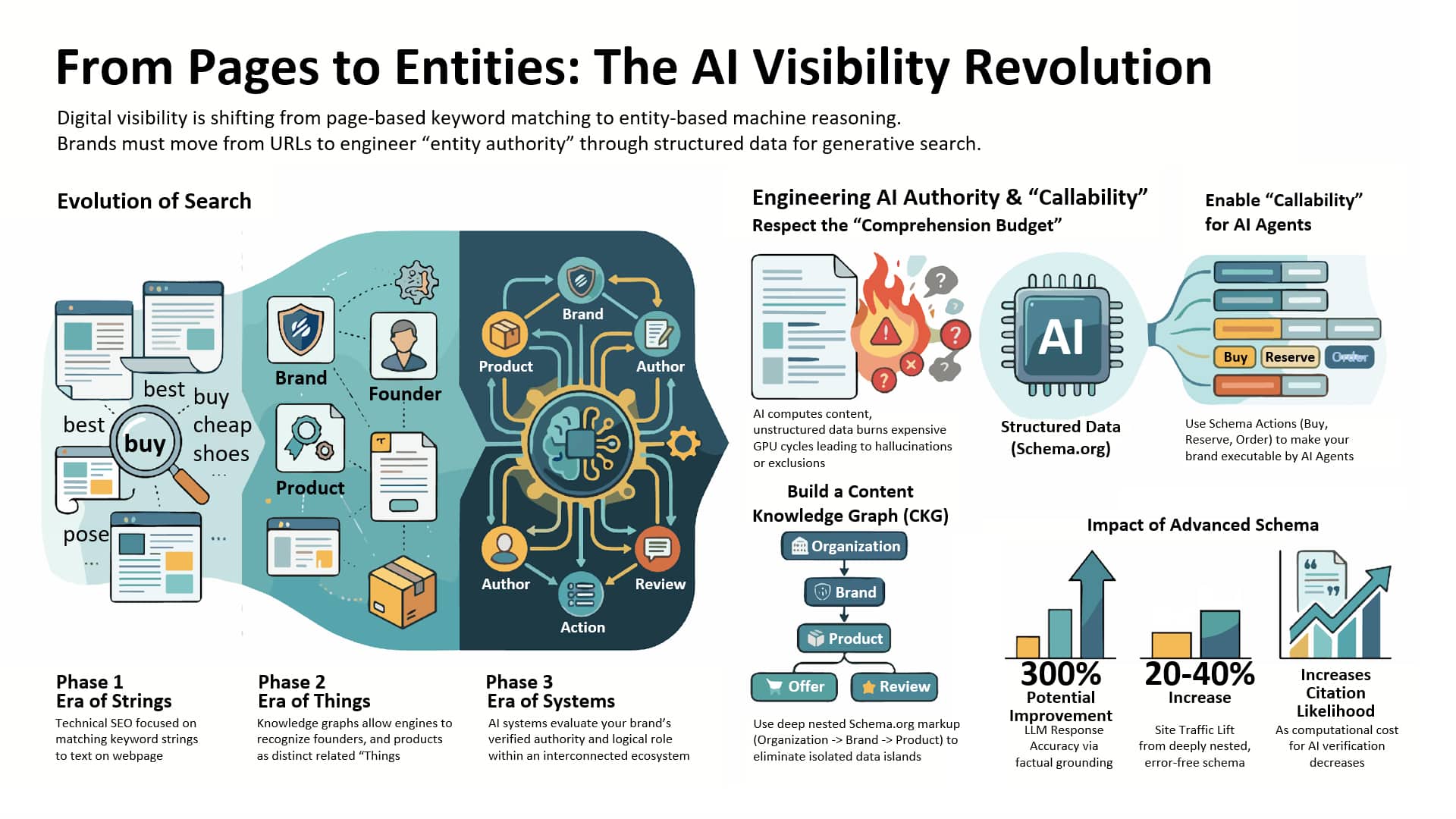
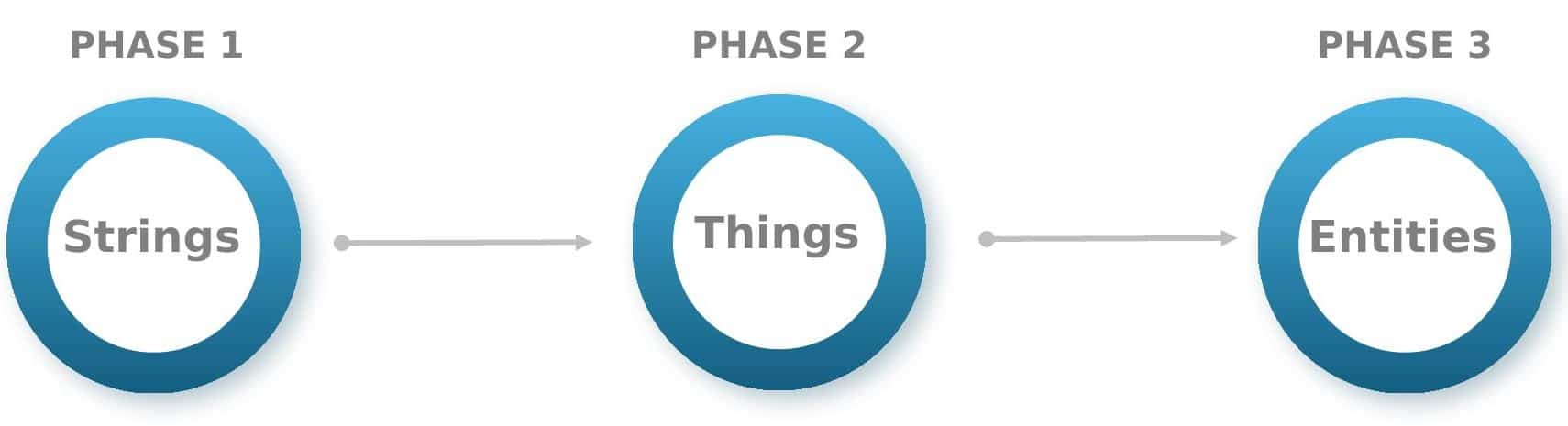
With Google’s move away from pure link signals, the notion of entities—people, brands, concepts—gains importance. Google elevates brands based on identity and conversation rather than just their backlink profile.
In essence, entity-first SEO involves mapping and understanding brand interactions and references across trusted sources.
An example: An outdoor brand with a modest backlink profile gained visibility in AI Overviews for “best hiking backpacks” due to mentions in Reddit discussions and YouTube reviews, illustrating real-world relevance sans hyperlinks.
If your brand consistently figures positively in related talks, it’s seen as relevant and trusted—characteristics essential for success.
Combining PR-Style Links with Editorial Influence
PR-style links and editorial coverage indicate real-world authority, shunning algorithmic manipulation.
Editorial Links Versus Volume-Based Building
Volume-focused link building loses ground as AI discerns unnatural patterns. Quality-driven, relevant links, coupled with PR signals, grow increasingly essential.
Editorial PR links from credible sources signal genuine credibility, like a trusted expert affirming a brand’s significance.
AI not only checks link presence but evaluates surrounding context, striving to reward the most authoritative entities.
Building Multi-Signal Authority
The potency of multi-signal authority lies in blending various signals. As the digital landscape evolves, quality shines over quantity.
AI prompts this evolution by advancing traditional, relevance-based links alongside diversified brand signals.
Strategic placements can yield:
- Brand mentions affirming presence.
- Citations validating expertise.
- Positive sentiment enhancing trust.
- Topical relevance and growth-enabling links.
- Boosted Knowledge Graph associations.
- Secondary coverage spreading influence.
Multi-signal authority offers AI the understanding that your brand is recognized, trusted, and worth conversation.
PR signals, albeit crucial, are but a fragment of the comprehensive authority ecosystem AI evaluates.
Decoding the New Authority Framework
Today, authority hinges on varied and consistent validation signals, akin to human assessment—through reputation and recognition.
It’s no longer just links. Authority encompasses:
- Brand strength: Upward branded search and direct traffic echo real-world recognition.
- Entity validation: Consistent NAP, schema, cohesive profiles confirming brand ID.
- Topical authority: Content depth, expert collaboration underscores knowledge.
- Reputation signals: Trust reflected in reviews, citations, sentiments.
- PR signals: News, interviews, industry mentions bolster relevance.
These interwoven signals forge a comprehensive authority profile, which AI recognizes. The dominating brands have the most impactful multi-signal authority footprint.
Brand Strength’s Quiet Influence
Brand strength silently prevails over other signals. Data reveals brands ranking in the top 25% for web mentions average far higher AI Overview citations than their counterparts.
This aligns with Ahrefs’ analysis of ~75,000 brands, underscoring branded web mentions and search volume as indicators of genuine brand presence.
Consider two fitness apps: one with extensive generic backlinks, another actively part of social and media conversations. The latter’s real-world engagement ensures consistent AI Overview visibility.
Leading brands in AI Overviews have robust brand presence supported by consistent links, mentions, and relevance.
Future Predictions for 2027 and Beyond
By 2027, link building evolves from a numbers focus to a confidence-driven model with new metrics like Share of Authority.
Here are my predictions:
Prediction 1: Visibility via “Share of Model” Metric
Strategies will shift towards “seeding” information in places AI relies on, moving away from mass low-tier blog outreach to user-chosen platforms like Reddit, which AI values.
Brands frequently appearing in AI training data will gain visibility, defining the new authority landscape.
Prediction 2: Brands as Primary News Sources
In AI-led ecosystems, proprietary data will emerge as critical, offering natural, highly trusted authority signals.
Data evolves from mere content to a powerful signal engine, enriching PR coverage, citations, and discussions.
Traditional link building remains vital, but data-driven assets are vital accelerants.
Prediction 3: Rising Value of Unlinked Mentions
While foundational, traditional links will gain strength from semantic context and relate directly to brand mentions enhancing entity strength.
Exploring AI’s Expanding Role in SEO
The off-page SEO future merges traditional link building with AI-driven signals recognizing links as just one part of a broader array AI processes.
Both remain essential: links for foundational relevance, AI for context, sentiment, and entity evaluation.
Links are the foundation. Signals construct the skyscraper.
Inspired by this post on Search Engine Land.